
Fatal dapperling
Lepiota subincarnata · Agaricaceae

Lepiota subincarnata, the fatal dapperling, is a small lepiota with a 2–4 cm cream cap covered in fine pinkish-brown scales. It looks ordinary and harmless but carries the same amatoxins as the death cap and has caused fatal poisonings in North America (New York, 1986). It is often picked in mistake for a small parasol or for fairy ring champignons. In Turkey there are GBIF records from Istanbul and Samsun and two iNaturalist observations.
Turkish: Lepiota subincarnata Synonyms: Lepiota josserandii
Last updated: Prepared by the Poros Mantar editorial team6 sources checkedReport a correction
DEADLY POISONOUS — keep it out of any basket of mushrooms to eat.
Lepiota subincarnata is deadly. According to sources it carries amatoxins including α-amanitin; symptoms usually start 6–12 hours after eating, sometimes as late as 24 hours, with violent vomiting and diarrhoea, and liver and kidney failure can follow (Şahin et al. 2023; CDC MMWR 2017). Its small, innocent look adds to the danger. Never pick a parasol-like mushroom with a scaly cap under 10 cm and white gills. If poisoning is suspected, call 112 without waiting for symptoms (Turkish poison centre UZEM: 114) and keep any leftover mushroom.
Fatal dapperling photos
-
© Britney Ramsey (Riverdweller) at Mushroom Observer, a source for myco · CC BY-SA 3.0
-

© Mandy Hackney · CC BY 4.0
-

© Björn Sothmann · CC BY-SA 4.0
-

Cap© Michel Langeveld · CC BY 4.0
-

Gills© Strobilomyces · CC BY-SA 4.0
-

Stem© Mandy Hackney · CC BY 4.0
-

© Britney (Riverdweller) · CC BY-SA 3.0
-

Spore print© Björn Sothmann · CC BY-SA 4.0
-

Gills© Jerry Cooper · CC BY 4.0
-

Stem© Richard Daniel (RichardDaniel) (Mushroom Observer) · CC BY-SA 3.0
-

© ionafraser · CC BY 4.0


These are licensed records of this species; photos alone are not enough to identify a mushroom.
Is the fatal dapperling poisonous?
Yes, the fatal dapperling is deadly poisonous and must never be eaten. It carries the same amatoxins as the death cap. It can be mistaken for deadly dapperling (Lepiota brunneoincarnata), fairy ring champignon (Marasmius oreades), parasol mushroom (Macrolepiota procera) and stinking dapperling (Lepiota cristata). If poisoning is suspected, call 112 at once (Turkish poison centre: 114) and keep any leftover mushroom.
Is the fatal dapperling edible?
No, the fatal dapperling must never be eaten; it is deadly poisonous. It can be picked by mistake for fairy ring champignon (Marasmius oreades) and parasol mushroom (Macrolepiota procera). If poisoning is suspected, call 112 at once (Turkish poison centre: 114) and keep any leftover mushroom.
How to recognise it
Appearance of fatal dapperling
No volva Spore print: White Not distinctive or faintly fruity.
Where does fatal dapperling grow?
A saprotroph of gardens, parks, grass edges, roadsides and deciduous woods, usually on rich soil, singly or in small groups.
Where is fatal dapperling found in Turkey?
Our map data holds two GBIF records (Istanbul and Samsun) and two research-grade iNaturalist observations from Turkey. Its close relative the deadly dapperling (L. brunneoincarnata) has caused poisonings in Turkey, and both can appear in city parks.
Which months
- Jan0
- Feb0
- Mar0
- Apr0
- May0
- Jun0
- Jul0
- Aug0
- Sep0
- Oct1
- Nov0
- Dec1
2 provinces, 2 observations (GBIF, iNaturalist); months from observation dates. Record density also reflects where observers work.
Latest fatal dapperling observations
-
 Illustrative
İstanbul9 Dec 2024 · Mushroom Observer
-
 Illustrative
Samsun2 Oct 2024 · iNaturalist
- See on the map
On "illustrative" cards the image is a photo of the species; the observation photo cannot be shown here because of its licence, but can be seen at the source.
Look-alikes
What is it mistaken for?
Fatal dapperling can be mistaken for the species below. Each comparison shows Fatal dapperling on the left, the look-alike on the right, and how to tell them apart.
Deadly mix-up: Fatal dapperling gets picked by people who think they have found one of the edible species below. If even one feature does not match, do not eat it.

Fairy ring champignon Marasmius oreades
How to tell The fairy ring champignon has a smooth, scaleless tan cap, distant gills and a tough stem that bends without snapping.
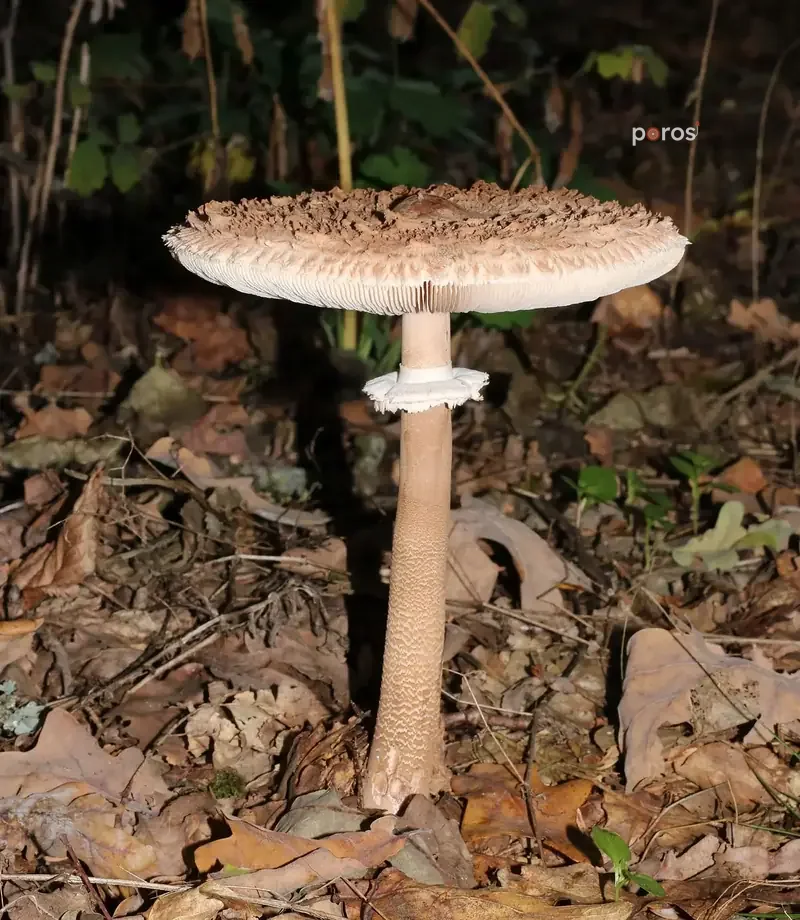
Parasol mushroom Macrolepiota procera
How to tell The parasol is far larger, with a snakeskin stem and a thick movable ring.
Other look-alikes (3)
 Deadly
not Fatal dapperling
Deadly dapperling Lepiota brunneoincarnata
The deadly dapperling is slightly larger with darker brown scales; both carry amatoxins and cannot be safely separated in the field.
 Poisonous
not Fatal dapperling
Stinking dapperling Lepiota cristata
The stinking dapperling has red-brown scales on white, a sharp rubbery smell and a thin ring.
 Deadly
not Fatal dapperling
Chestnut dapperling Lepiota castanea
The chestnut dapperling has chestnut to orange-brown scales and mostly grows in woodland litter; it also carries amatoxins and can be deadly.
Fatal dapperling and its look-alikes compared
| Species | Status | Underside | Spore print | Season |
|---|---|---|---|---|
| Fatal dapperlingLepiota subincarnata | Deadly poisonous | Free, crowded, white to creamy gills | White | Aug–Nov |
| Deadly dapperlingLepiota brunneoincarnata | Deadly poisonous | Free, white to cream gills | White | Sep–Nov |
| Fairy ring champignonMarasmius oreades | Edible species | Gills widely spaced, thick and whitish to cream, free or only just touching the stem, with short gills in between | White to pale cream | Apr–May, Sep–Dec |
| Parasol mushroomMacrolepiota procera | Edible species | Crowded, free, white (pale pink with age) | White or very pale cream | Jul–Nov |
| Stinking dapperlingLepiota cristata | Poisonous | Free, crowded, white gills | White | Jul–Nov |
| Chestnut dapperlingLepiota castanea | Deadly poisonous | Free, crowded, white to cream gills, spotting yellowish rust with age | White | Aug–Nov |
The table is compiled from each species page. The status column is a guide only; do not eat a wild mushroom unless an expert has seen it in person. Compare look-alikes side by side
Frequently asked questions
Is the fatal dapperling poisonous?
Yes, the fatal dapperling is deadly poisonous and must never be eaten. It carries the same amatoxins as the death cap. It can be mistaken for deadly dapperling (Lepiota brunneoincarnata), fairy ring champignon (Marasmius oreades), parasol mushroom (Macrolepiota procera) and stinking dapperling (Lepiota cristata). If poisoning is suspected, call 112 at once (Turkish poison centre: 114) and keep any leftover mushroom.
Is the fatal dapperling edible?
No, the fatal dapperling must never be eaten; it is deadly poisonous. It can be picked by mistake for fairy ring champignon (Marasmius oreades) and parasol mushroom (Macrolepiota procera). If poisoning is suspected, call 112 at once (Turkish poison centre: 114) and keep any leftover mushroom.
Is it found in Turkey?
Yes. GBIF holds records from Istanbul and Samsun, and iNaturalist two research-grade observations.
How do you recognise it?
A 2–4 cm cream cap with fine pinkish-brown scales, white gills, scaly bands on the stem and no distinct ring.
When do symptoms start?
Usually 6–12 hours after eating, sometimes as late as 24 hours. The delay means the toxin has been absorbed; if in doubt, call 112 without waiting for symptoms.
How is it confused with fairy ring champignons?
Both are small grassland mushrooms. The fairy ring champignon has a scaleless cap, distant gills and a tough, bendy stem; this species has a scaly cap and crowded gills.
How does it differ from the deadly dapperling?
It is paler with pinker scales, but both carry amatoxins; the distinction makes no practical difference, as both are deadly.
Does cooking destroy the toxin?
No. Amatoxins survive heat, drying and freezing.
When is fatal dapperling season in Turkey?
In our calendar, fatal dapperling season runs Aug–Nov. Fruits from late summer to late autumn, mostly between September and November.
Where does fatal dapperling grow?
A saprotroph of gardens, parks, grass edges, roadsides and deciduous woods, usually on rich soil, singly or in small groups.
Where is fatal dapperling found in Turkey?
Our map data holds two GBIF records (Istanbul and Samsun) and two research-grade iNaturalist observations from Turkey. Its close relative the deadly dapperling (L. brunneoincarnata) has caused poisonings in Turkey, and both can appear in city parks.
What can fatal dapperling be confused with?
Fatal dapperling can be confused with deadly dapperling (Lepiota brunneoincarnata, deadly), fairy ring champignon (Marasmius oreades, edible species), parasol mushroom (Macrolepiota procera, edible species), stinking dapperling (Lepiota cristata, poisonous) and chestnut dapperling (Lepiota castanea, deadly). Look-alikes are compared on this page.
What is fatal dapperling called in Turkish?
In Turkish, fatal dapperling (Lepiota subincarnata) is called Lepiota subincarnata.
Related species
-
Chestnut dapperlingLepiota castaneaDeadly poisonous
-
Deadly dapperlingLepiota brunneoincarnataDeadly poisonous
-
 Almond mushroomAgaricus subrufescensEdible species
-
 Brown shaggy parasolChlorophyllum brunneumInedible
-
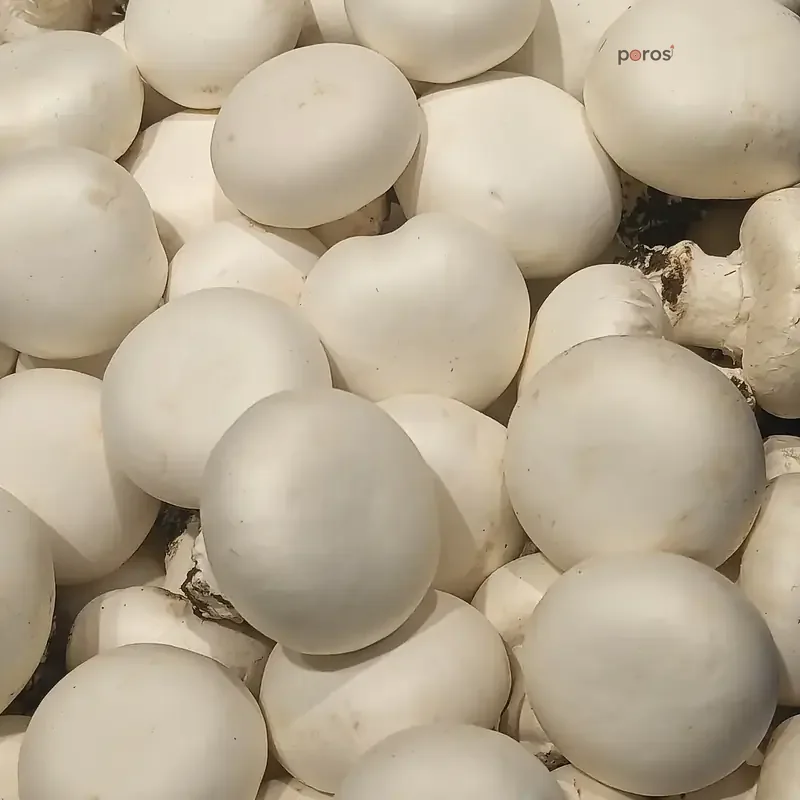 Button mushroomAgaricus bisporusEdible species
-
 Common bird’s nest fungusCrucibulum laeveInedible
-
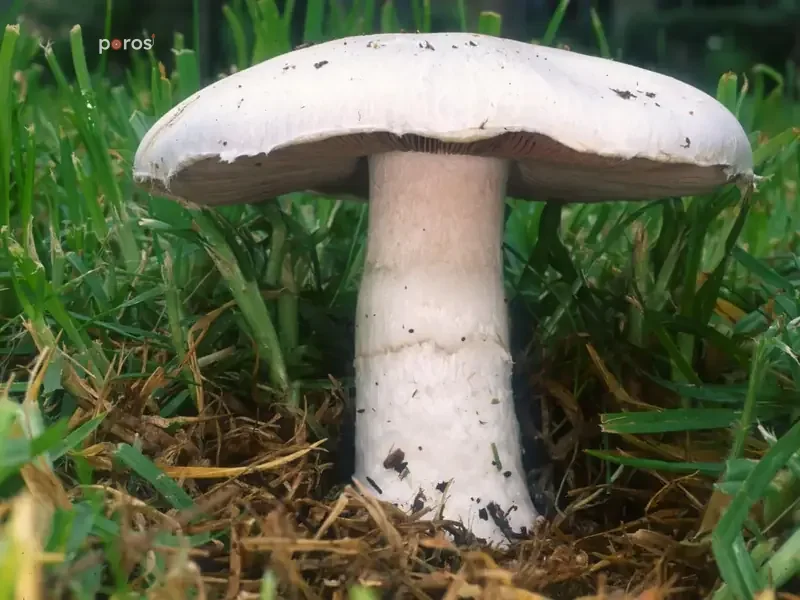 Field mushroomAgaricus campestrisEdible species
-
 Freckled dapperlingEchinoderma asperumPoisonous
Sources
- CDC MMWR (2017): Amanita phalloides mushroom poisonings, Northern California, December 2016 cdc.gov
- Şahin ve ark. (2023), Recent Trends in Pharmacology: Assessment and management of poisonous mushrooms in Türkiye dergipark.org.tr
- Haines, Lichstein ve Glickerman (1986), Mycopathologia 93: 15–17: A fatal poisoning from an amatoxin containing Lepiota (L. josserandii, New York) doi.org
All sources (6)
- Wikipedia (EN): Lepiota subincarnata en.wikipedia.org
- iNaturalist: Lepiota subincarnata inaturalist.org
- GBIF: Türkiye kayıtları gbif.org
Photo credits (11)
- File:Lepiota subincarnata J.E. Lange 179582.jpg · Britney Ramsey (Riverdweller) at Mushroom Observer, a source for myco · CC BY-SA 3.0
- Lepiota subincarnata · iNaturalist #242785866 · Mandy Hackney · CC BY 4.0
- Lepiota subincarnata · iNaturalist #247457136 · Björn Sothmann · CC BY-SA 4.0
- Lepiota subincarnata · iNaturalist #194225510 · Michel Langeveld · CC BY 4.0
- File:Lepiota subincarnata 170925w.JPG · Strobilomyces · CC BY-SA 4.0
- Lepiota subincarnata · iNaturalist #242785866 · Mandy Hackney · CC BY 4.0
- File:Lepiota subincarnata 117620.jpg · Britney (Riverdweller) · CC BY-SA 3.0
- Lepiota subincarnata · iNaturalist #247457136 · Björn Sothmann · CC BY-SA 4.0
- File:Lepiota subincarnata (Teapot Valley, New Zealand).jpg · Jerry Cooper · CC BY 4.0
- File:Lepiota subincarnata 1130318.jpg · Richard Daniel (RichardDaniel) (Mushroom Observer) · CC BY-SA 3.0
- Lepiota subincarnata · iNaturalist #244786563 · ionafraser · CC BY 4.0


