
Stinking dapperling (stinking parasol)
Lepiota cristata · Agaricaceae

The stinking dapperling (Lepiota cristata) is a small lepiota with a 2–5 cm white cap bearing a brown central boss and rings of reddish-brown scales. It is known by its sharp, unpleasant smell, likened to rubber or coal gas. It is very common in gardens, park edges and along woodland paths. It is poisonous and is confused with the deadly small lepiotas (L. brunneoincarnata, L. subincarnata). In Turkey there is a GBIF record from Sinop and two iNaturalist observations.
Also called: stinking parasol Turkish: Cüce şemsiye mantarı, tepeli lepiota
Last updated: Prepared by the Poros Mantar editorial team4 sources checkedReport a correction
POISONOUS — do not eat.
The stinking dapperling is poisonous. Sources report gastrointestinal poisoning after eating it; whether it carries amatoxins is disputed, but several look-alike small lepiotas are deadly and cannot be reliably told apart in the field. Never pick a parasol-like mushroom with a scaly cap under 10 cm, white gills and a ring. If poisoning is suspected, call 112 (Turkish poison centre UZEM: 114) and keep any leftover mushroom.
Stinking dapperling photos
-
© Strobilomyces · CC BY-SA 3.0
-

Cap© Matej Frančeškin · CC BY 4.0
-

Gills© sharoncooper · CC BY 4.0
-

© Daniel Ghyselinck · CC BY 4.0
-
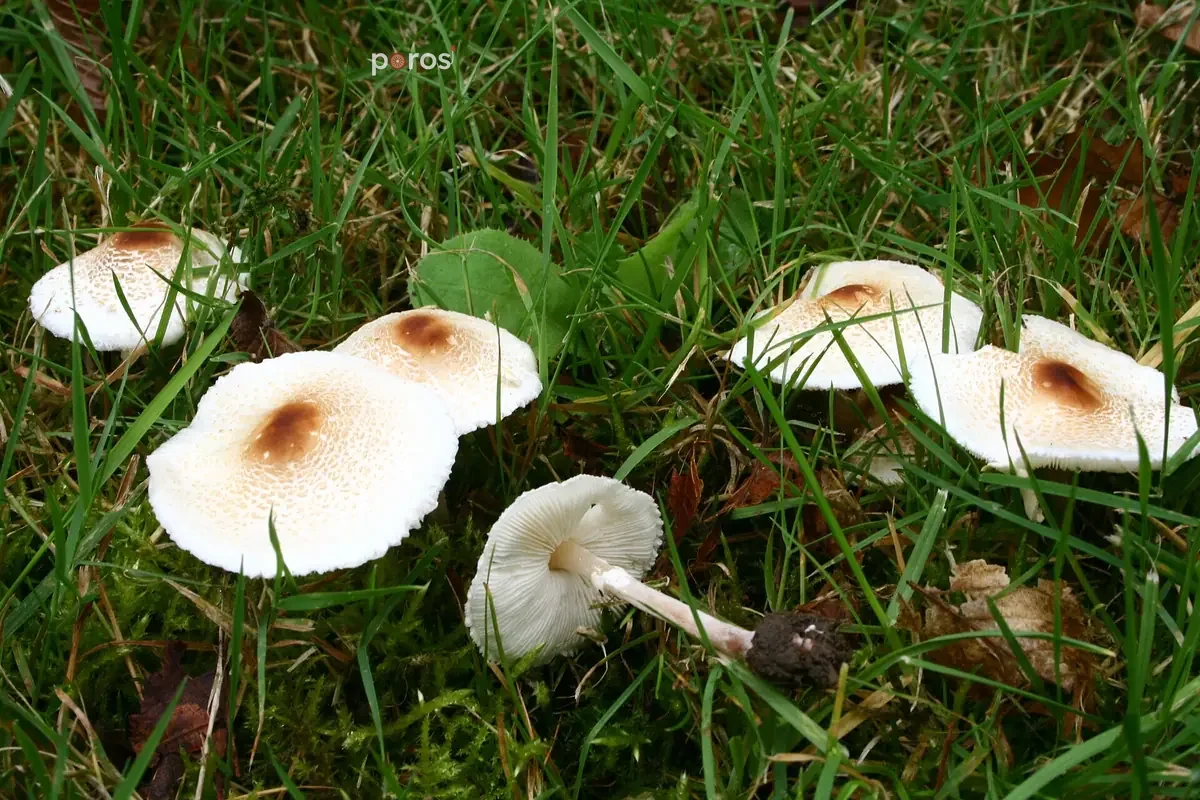
In habitat© User:Strobilomyces · CC BY-SA 3.0
-

Stem© sharoncooper · CC BY 4.0
-

Cap© sharoncooper · CC BY 4.0
-

© Matej Frančeškin · CC BY 4.0
-

Gills© Jerzy Opioła · CC BY-SA 3.0
-

© Richard Daniel (RichardDaniel) (Mushroom Observer) · CC BY-SA 3.0
-

Stem© Matej Frančeškin · CC BY 4.0


These are licensed records of this species; photos alone are not enough to identify a mushroom.
Is the stinking dapperling poisonous?
Yes, the stinking dapperling is poisonous and must not be eaten. It is reported to cause gastrointestinal poisoning and is confused with deadly small lepiotas. If poisoning is suspected, call 112 at once (Turkish poison centre: 114) and keep any leftover mushroom.
Is the stinking dapperling edible?
No, the stinking dapperling must not be eaten; it is poisonous. It can be picked by mistake for parasol mushroom (Macrolepiota procera). If poisoning is suspected, call 112 at once (Turkish poison centre: 114) and keep any leftover mushroom.
How to recognise it
Appearance of stinking dapperling
No volva Spore print: White Sharp and unpleasant, likened to rubber, coal gas or radish.
Where does stinking dapperling grow?
A saprotroph of gardens, parks, roadsides, compost heaps and open places in deciduous woodland, on bare soil or leaf litter, usually in groups.
Where is stinking dapperling found in Turkey?
Our map data holds one GBIF record from Sinop and two research-grade iNaturalist observations from Turkey. Being a garden and park species, it can turn up in towns too. Its Turkish name on iNaturalist is Cüce Şemsiye Mantarı (dwarf parasol).
Which months
- Jan0
- Feb0
- Mar0
- Apr0
- May0
- Jun0
- Jul0
- Aug0
- Sep0
- Oct3
- Nov0
- Dec0
2 provinces, 3 observations (GBIF, iNaturalist); months from observation dates. Record density also reflects where observers work.
Latest stinking dapperling observations
-
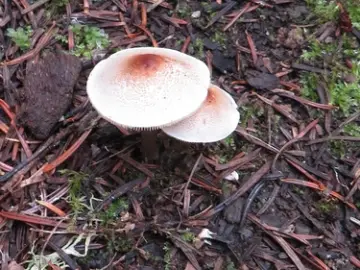 Sinop11 Oct 2025 · iNaturalist© kardelen · CC BY
-
 Illustrative
İstanbul9 Oct 2024 · Mushroom Observer
-
 Illustrative
İstanbul20 Oct 2019 · Mushroom Observer
- See on the map
On "illustrative" cards the image is a photo of the species; the observation photo cannot be shown here because of its licence, but can be seen at the source.
Look-alikes
What is it mistaken for?
Stinking dapperling can be mistaken for the species below. Each comparison shows Stinking dapperling on the left, the look-alike on the right, and how to tell them apart.
Poisoning risk: Stinking dapperling gets picked by people who think they have found one of the edible species below. If even one feature does not match, do not eat it.
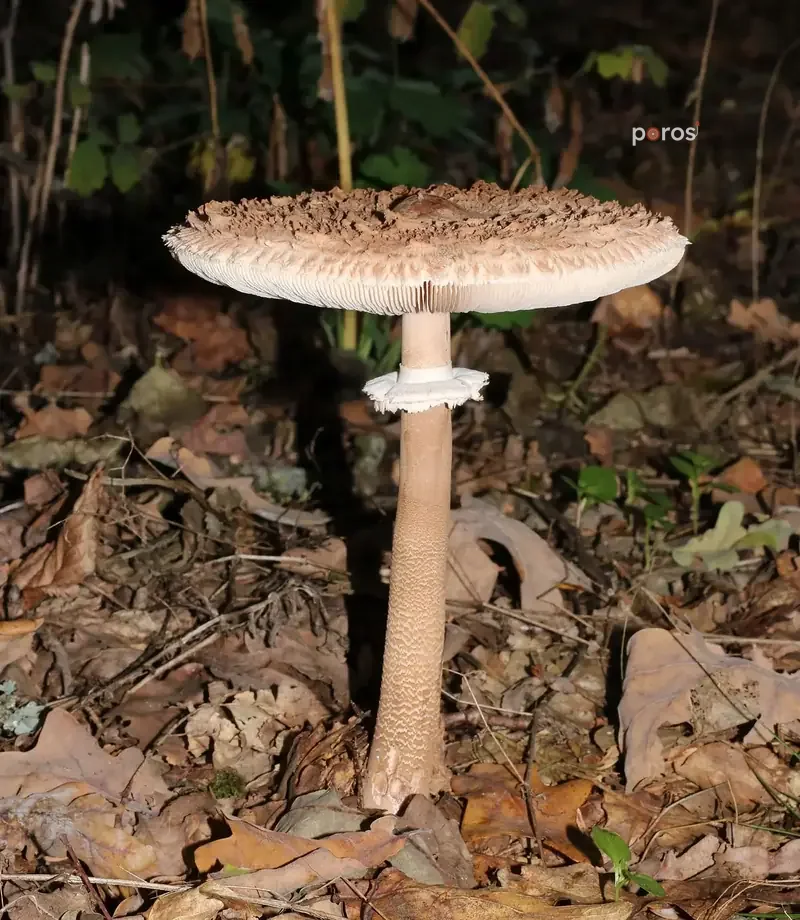
Parasol mushroom Macrolepiota procera
How to tell The parasol is far larger (cap 10–25 cm), with a snakeskin-patterned stem and a thick movable ring.
Other look-alikes (3)
 Deadly
not Stinking dapperling
Deadly dapperling Lepiota brunneoincarnata
The deadly dapperling's cap is more densely covered with pinkish-brown scales, its stem has brown bands below the ring and its smell is mild and fruity.
 Deadly
not Stinking dapperling
Fatal dapperling Lepiota subincarnata
Lepiota subincarnata has pinkish-brown scales and no notable smell; it carries amatoxins.
 Deadly
not Stinking dapperling
Chestnut dapperling Lepiota castanea
Lepiota castanea has chestnut-orange scales, no distinct ring and no sharp smell; it carries amatoxins.
Stinking dapperling and its look-alikes compared
| Species | Status | Underside | Spore print | Season |
|---|---|---|---|---|
| Stinking dapperlingLepiota cristata | Poisonous | Free, crowded, white gills | White | Jul–Nov |
| Deadly dapperlingLepiota brunneoincarnata | Deadly poisonous | Free, white to cream gills | White | Sep–Nov |
| Fatal dapperlingLepiota subincarnata | Deadly poisonous | Free, crowded, white to creamy gills | White | Aug–Nov |
| Parasol mushroomMacrolepiota procera | Edible species | Crowded, free, white (pale pink with age) | White or very pale cream | Jul–Nov |
| Chestnut dapperlingLepiota castanea | Deadly poisonous | Free, crowded, white to cream gills, spotting yellowish rust with age | White | Aug–Nov |
The table is compiled from each species page. The status column is a guide only; do not eat a wild mushroom unless an expert has seen it in person. Compare look-alikes side by side
Frequently asked questions
Is the stinking dapperling poisonous?
Yes, the stinking dapperling is poisonous and must not be eaten. It is reported to cause gastrointestinal poisoning and is confused with deadly small lepiotas. If poisoning is suspected, call 112 at once (Turkish poison centre: 114) and keep any leftover mushroom.
Is the stinking dapperling edible?
No, the stinking dapperling must not be eaten; it is poisonous. It can be picked by mistake for parasol mushroom (Macrolepiota procera). If poisoning is suspected, call 112 at once (Turkish poison centre: 114) and keep any leftover mushroom.
How do you recognise it?
A 2–5 cm white cap with a brown centre and rings of reddish-brown scales, white gills, a thin ring and a sharp rubbery smell.
Why is it called stinking?
When crushed it gives off a sharp smell likened to rubber, coal gas or radish; the smell helps identify it but is not enough on its own.
Where is it found in Turkey?
There is a GBIF record from Sinop and two iNaturalist observations; as a garden and park species it can also appear in towns.
Could it be a young parasol?
No, it is a separate species. According to Wikipedia it has often been confused with edible parasols in Britain, and some similar small lepiotas are deadly. Parasol-like mushrooms with caps under 10 cm should never be picked.
When does it appear?
From midsummer to late autumn after rain; in mild places into November.
What if it appears in my garden?
It can be removed with gloves and binned so children and pets cannot reach it; touching it is harmless, only eating it is dangerous.
When is stinking dapperling season in Turkey?
In our calendar, stinking dapperling season runs Jul–Nov. Fruits from midsummer to late autumn in wet spells; in mild regions it lasts into November.
Where does stinking dapperling grow?
A saprotroph of gardens, parks, roadsides, compost heaps and open places in deciduous woodland, on bare soil or leaf litter, usually in groups.
Where is stinking dapperling found in Turkey?
Our map data holds one GBIF record from Sinop and two research-grade iNaturalist observations from Turkey. Being a garden and park species, it can turn up in towns too. Its Turkish name on iNaturalist is Cüce Şemsiye Mantarı (dwarf parasol).
What can stinking dapperling be confused with?
Stinking dapperling can be confused with deadly dapperling (Lepiota brunneoincarnata, deadly), fatal dapperling (Lepiota subincarnata, deadly), parasol mushroom (Macrolepiota procera, edible species) and chestnut dapperling (Lepiota castanea, deadly). Look-alikes are compared on this page.
What is stinking dapperling called in Turkish?
In Turkish, stinking dapperling (Lepiota cristata) is called Cüce şemsiye mantarı; other local names include tepeli lepiota.
Related species
-
 Freckled dapperlingEchinoderma asperumPoisonous
-
 Green-spored parasolChlorophyllum molybditesPoisonous
-
 Yellow stainerAgaricus xanthodermusPoisonous
-
 Almond mushroomAgaricus subrufescensEdible species
-
 Brown shaggy parasolChlorophyllum brunneumInedible
-
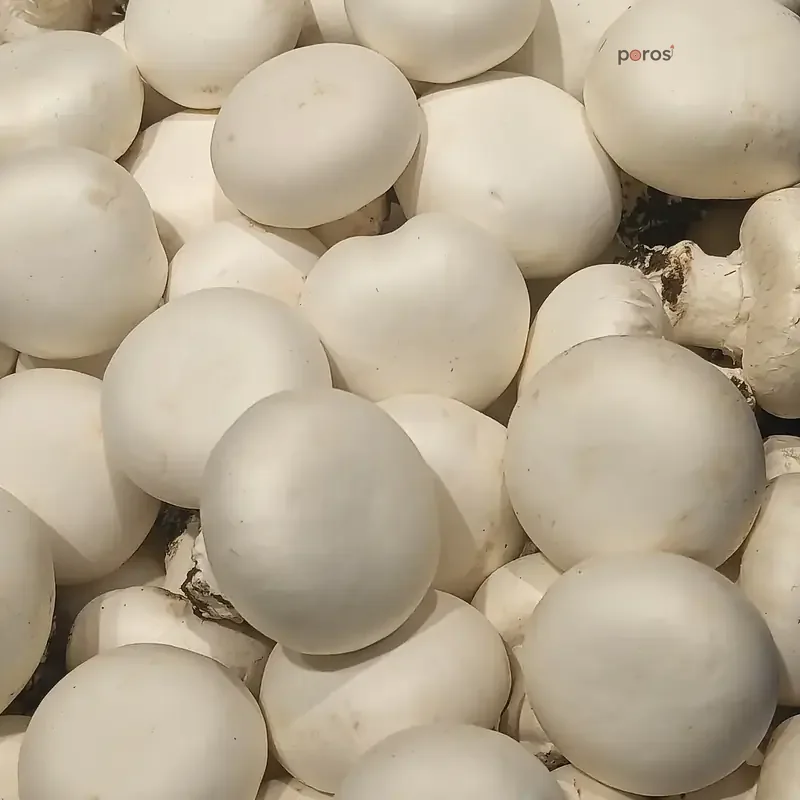 Button mushroomAgaricus bisporusEdible species
-
Chestnut dapperlingLepiota castaneaDeadly poisonous
-
 Common bird’s nest fungusCrucibulum laeveInedible
Sources
- Wikipedia (EN): Lepiota cristata en.wikipedia.org
- First Nature: Lepiota cristata, Stinking Dapperling first-nature.com
- iNaturalist: Lepiota cristata (Türkçe ad) inaturalist.org
All sources (4)
- GBIF: Türkiye kayıtları gbif.org
Photo credits (12)
- File:Lepiota cristata 161114w.JPG · Strobilomyces · CC BY-SA 3.0
- File:Lepiota cristata 342026631.jpg · Matej Frančeškin · CC BY 4.0
- Lepiota cristata · iNaturalist #186863535 · sharoncooper · CC BY 4.0
- Lepiota cristata · iNaturalist #397199013 · Daniel Ghyselinck · CC BY 4.0
- File:Lepiota cristata 20070819w.jpg · User:Strobilomyces · CC BY-SA 3.0
- Lepiota cristata · iNaturalist #186863535 · sharoncooper · CC BY 4.0
- Lepiota cristata · iNaturalist #186863535 · sharoncooper · CC BY 4.0
- File:Lepiota cristata 342026617.jpg · Matej Frančeškin · CC BY 4.0
- File:Lepiota cristata G5.JPG · Jerzy Opioła · CC BY-SA 3.0
- File:Lepiota cristata 1254326.jpg · Richard Daniel (RichardDaniel) (Mushroom Observer) · CC BY-SA 3.0
- File:Lepiota cristata 342026636.jpg · Matej Frančeškin · CC BY 4.0
- iNaturalist: Sinop, 11 Oct 2025 · kardelen · CC BY


