

Look-alikes · comparison
Shaggy ink cap vs common ink cap: how to tell them apart
The shaggy ink cap (Coprinus comatus; Turkish: mürekkep mantarı, söbelen) and the common ink cap (Coprinopsis atramentaria; Turkish: gri mürekkep mantarı) differ in the cap. The shaggy ink cap is white, tall and cylindrical, with shaggy scales and a movable ring. The common ink cap is grey-brown and smooth, has no ring, and contains coprine, which reacts with alcohol.

Shaggy ink cap vs common ink cap: the three signs that matter
-
Cap: white and shaggy or grey?
We look at the cap first. The shaggy ink cap has a cylindrical or egg-shaped cap 5–15 cm tall, white with a cream-brown top and covered in upturned, shaggy scales. The common ink cap has a cap of 3–7 cm that goes from egg-shaped to bell-shaped; it is grey to grey-brown, smooth or finely lined, with at most a few small brown scales at the top.
-
Is there a ring on the stem?
The white, hollow stem of the shaggy ink cap is 10–30 cm tall and carries a thin, movable ring low down, which often falls off. The common ink cap has a stem of 8–15 cm with no true ring, only a faint ring mark at most. Since the ring can drop, we never rely on its absence alone.
-
How it grows and the gill colour
The shaggy ink cap comes up in troops in open places such as grass, field edges and roadsides, and is not tied to trees. The common ink cap usually forms dense clusters on buried wood or roots. The gills of both finally blacken and dissolve like ink, but they go from white to pink in the shaggy ink cap and from white to grey-purple in the common ink cap.
Because the two can share the same patch of grass, we advise against relying on one feature. A mushroom with a smooth grey-brown cap, or with gills turned pink or black, is left; when unsure, we ask an expert.
Side-by-side differences
This table is built from the sourced descriptions on the two species pages.
| Feature | Shaggy ink cap | Common ink cap |
|---|---|---|
| Cap | 5–15 cm tall, cylindrical to egg-shaped, then bell-shaped; white with a cream-brown top and upturned shaggy scales. | 3–7 cm; egg-shaped at first, then bell-shaped, the margin splitting with age. Grey to grey-brown, a little darker at the centre; smooth or finely lined, sometimes with small brown scales at the top. |
| Gills | Very crowded gills, white at first, then pink, finally black and liquefying. | Gills very crowded and free; white at first, then grey-violet, finally black and dissolving into ink from the edge. |
| Stem | 10–30 cm, white, smooth and hollow; separates easily from the cap. | 8–15 cm, white, hollow and brittle, slightly thickened towards the base. |
| Ring | A thin, movable ring low on the stem, often lost. | No true ring; a faint ring-like zone may remain on the lower stem. |
| Volva (cup at the base) | None. | Absent. |
| Smell and taste | Mild, pleasant mushroomy smell. | Indistinct. |
| Spore print | Black. | Black. |
| Habitat | The shaggy ink cap grows in groups in open, nitrogen-rich places such as lawns, field edges, roadsides and disturbed soil; it is not tied to trees. | Lawns, parks, gardens, verges and woodland edges, on buried wood, old stumps and rich soil. It is a decomposer and usually grows in dense clusters. |
| Season | Apr–May, Sep–Dec | Mar–May, Oct–Jan |
| Edibility | Edible species | Poisonous |
The same view of both species


This page is not a definitive identification. The signs we describe help separate these two species, but they do not prove what your mushroom is; other poisonous species can grow in the same place.
Frequently asked questions
Are the shaggy ink cap and the common ink cap the same?
No. The shaggy ink cap (Coprinus comatus, also called lawyer's wig or shaggy mane) is tall, white and shaggy, and is known as an edible species while young with white gills. The common ink cap (Coprinopsis atramentaria) is egg-shaped, grey-brown and smooth; it contains coprine and causes poisoning when combined with alcohol.
Shaggy ink cap or common ink cap: which one is poisonous?
The common ink cap is the one listed as poisonous: it contains coprine and reacts strongly with alcohol. The shaggy ink cap is not listed as poisonous. Because the two can be confused, it is safest never to combine shaggy ink caps with alcohol either, and we advise against eating any find an expert has not identified.
How do we tell a shaggy ink cap from a common ink cap?
The shaggy ink cap is white, tall and cylindrical, covered in upturned shaggy scales, with a movable ring on the stem. The common ink cap is grey-brown, shorter and smooth, has no ring and usually grows in dense clusters on buried wood.
What happens if someone eats a common ink cap?
The common ink cap contains a substance called coprine. If alcohol is drunk with the mushroom or within a few days of eating it, the face and neck flush and palpitations, nausea, vomiting and a drop in blood pressure follow. The reaction can return each time alcohol is taken. We advise against eating this species.
For how many days after eating can alcohol trigger a reaction?
Sources report that the effect of coprine in the common ink cap can last for several days after the meal, with the first two or three days the riskiest. Symptoms start soon after drinking. Coprine blocks an enzyme the body uses to break down alcohol, which causes the flushing, palpitations and nausea.
Do shaggy and common ink caps grow in the same places?
Yes, they can come up in the same patch of grass. The shaggy ink cap grows in nitrogen-rich open ground such as grass, field edges and roadsides. The common ink cap grows in lawns, parks, gardens and roadsides, mostly on buried wood and the roots of felled trees. In Turkey both have most of their records from Istanbul.
When do shaggy and common ink caps appear?
Both appear in spring and autumn, after rain. Turkish records of the shaggy ink cap peak twice, in April and May and from October to December. Most records of the common ink cap are from October and November, with others in January, March and May. Their seasons largely overlap.
Can the two ink caps be told apart from a photo?
A photo helps, but it is not a firm identification. A white shaggy cap and a grey smooth one are easy to see in pictures of young specimens. But both caps blacken and dissolve with age and the ring can fall off, so older specimens may not be separable in a photo. We recommend showing the find to an expert.
Sources
The facts in this comparison come from the sourced data on our shaggy ink cap and common ink cap pages:
- Wikipedia (EN): Coprinus comatus
- First Nature: Coprinus comatus
- GBIF: Türkiye kayıtları
- iNaturalist: Türkiye gözlemleri
- Wikipedia (EN): Coprinopsis atramentaria
- First Nature: Coprinopsis atramentaria, Common Inkcap
- Wikipedia (EN): Coprine
- Kaya ve ark. (2010), Turkish Journal of Botany 34(4): A new Coprinopsis record for the mycobiota of Turkey (Türkiye Coprinopsis listesi)
More comparisons
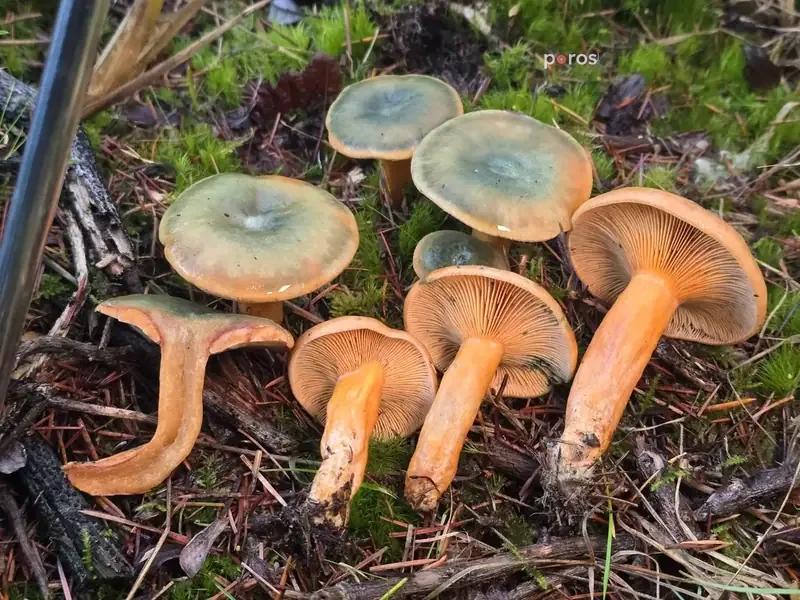
 ≠Saffron milk cap vs woolly milkcapLactarius deliciosus · Lactarius torminosusPoisonous
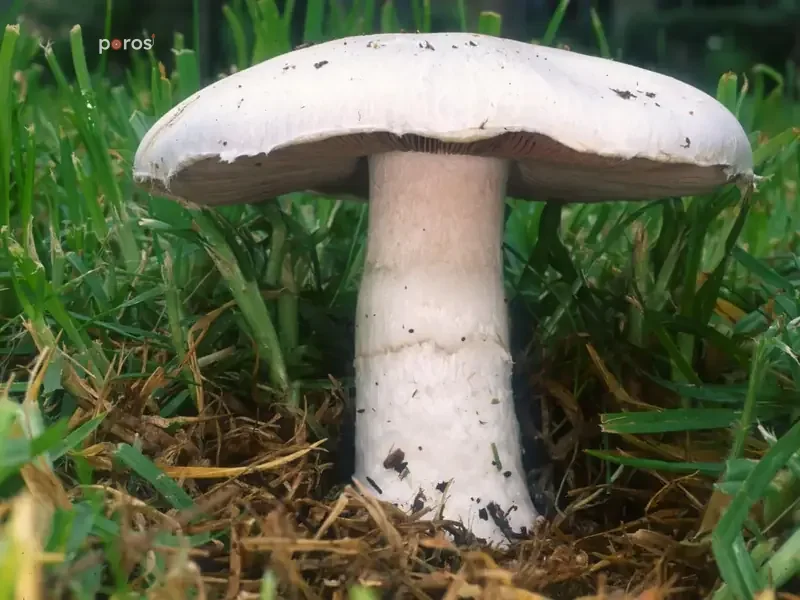
 ≠Field mushroom vs death capAgaricus campestris · Amanita phalloidesDeadly poisonous
 ≠Field mushroom vs yellow stainerAgaricus campestris · Agaricus xanthodermusPoisonous
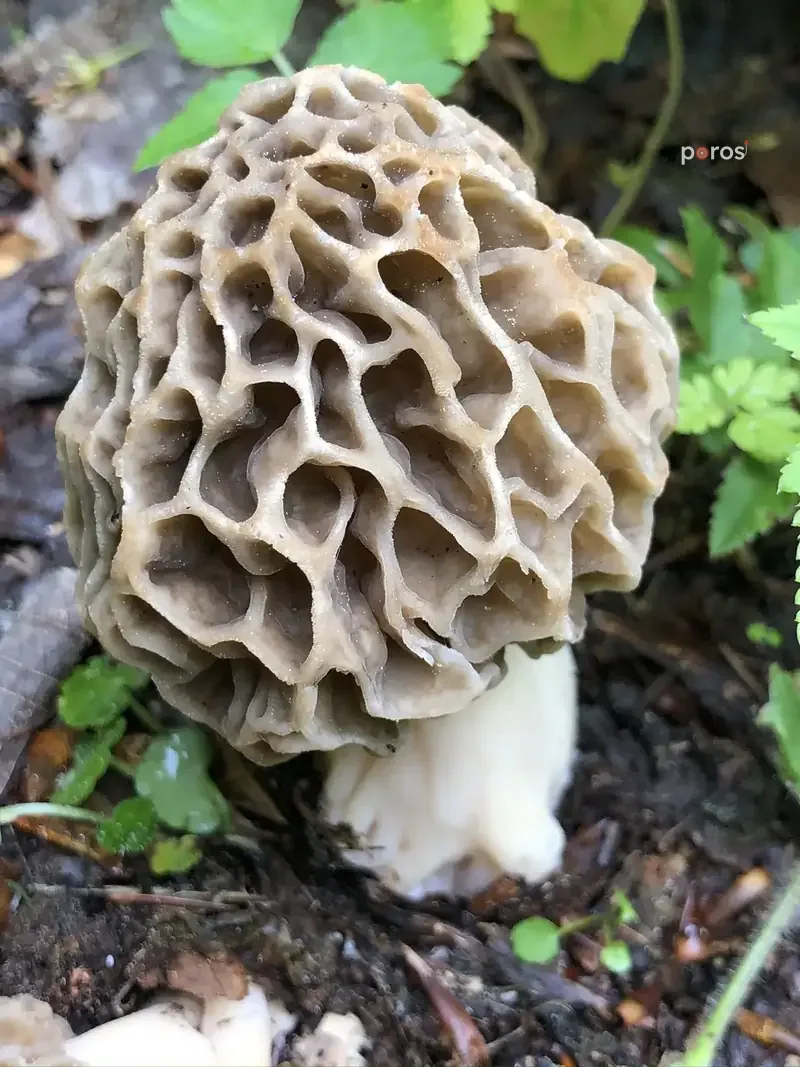
 ≠Morel vs false morelMorchella esculenta · Gyromitra esculentaDeadly poisonous
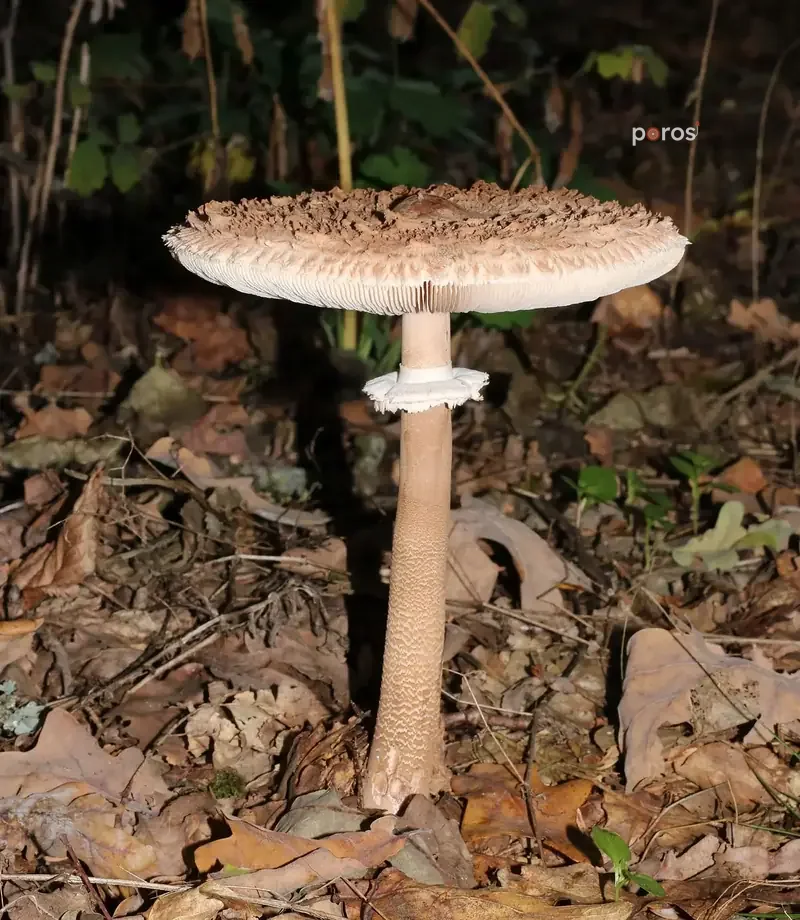
 ≠Parasol mushroom vs green-spored parasolMacrolepiota procera · Chlorophyllum molybditesPoisonous
 ≠Parasol mushroom vs deadly dapperlingMacrolepiota procera · Lepiota brunneoincarnataDeadly poisonous
Last updated: Prepared by the Poros Mantar editorial teamReport a correction