
Deadly webcap
Cortinarius rubellus · Cortinariaceae

Cortinarius rubellus, the deadly webcap, is a slender, orange-brown webcap with a pointed umbo, growing among moss in damp spruce and pine forest. Like the fool's webcap (C. orellanus) it carries orellanine: symptoms usually begin 2–14 days after the meal, sometimes even later, and it can cause permanent kidney damage. In northern Europe it has often been picked in mistake for chanterelles or winter chanterelles. It has not been recorded in Turkey.
Turkish: Cortinarius rubellus Synonyms: Cortinarius speciosissimus, Cortinarius orellanoides
Last updated: Prepared by the Poros Mantar editorial team5 sources checkedReport a correction
DEADLY POISONOUS — keep it out of any basket of mushrooms to eat.
Cortinarius rubellus is deadly. According to sources orellanine destroys the kidney tubules; symptoms usually begin 2–14 days after the meal, sometimes even later, with tiredness, thirst, headache, pain in the kidney area and reduced urine (Şahin et al. 2023). Because they come so late, the link to the mushroom is often missed; some patients need lifelong dialysis or a kidney transplant. In 2008 the author Nicholas Evans and members of his family were reported poisoned by this species in Scotland. Even days after a mushroom meal, if you have any doubt, call 112 (Turkish poison centre UZEM: 114) and mention the mushrooms.
Deadly webcap photos
-
© Andreas Kunze · CC BY-SA 3.0
-

© wkee4ager · CC BY 4.0
-

Gills© Leanne Stacy Reitan · CC0
-

Stem© Andrejus Gaidamavičius · CC BY 4.0
-

Cap© Alexander Robinson · CC BY 4.0
-

© wkee4ager · CC BY 4.0
-

© ikelman · CC BY 4.0
-
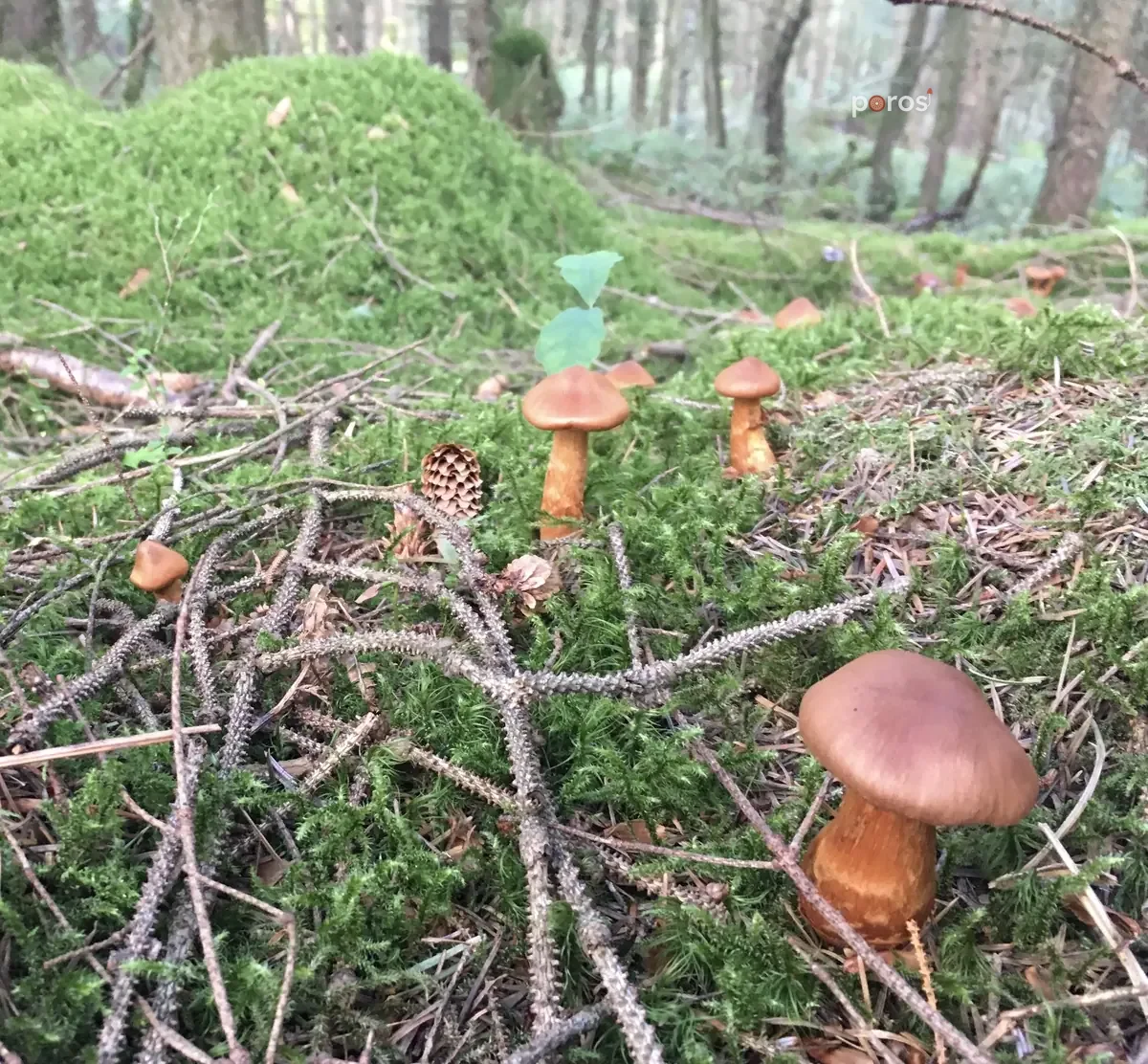
In habitat© Albert Cardona · CC BY 4.0
-

Gills© Andreas Kunze · CC BY-SA 3.0
-
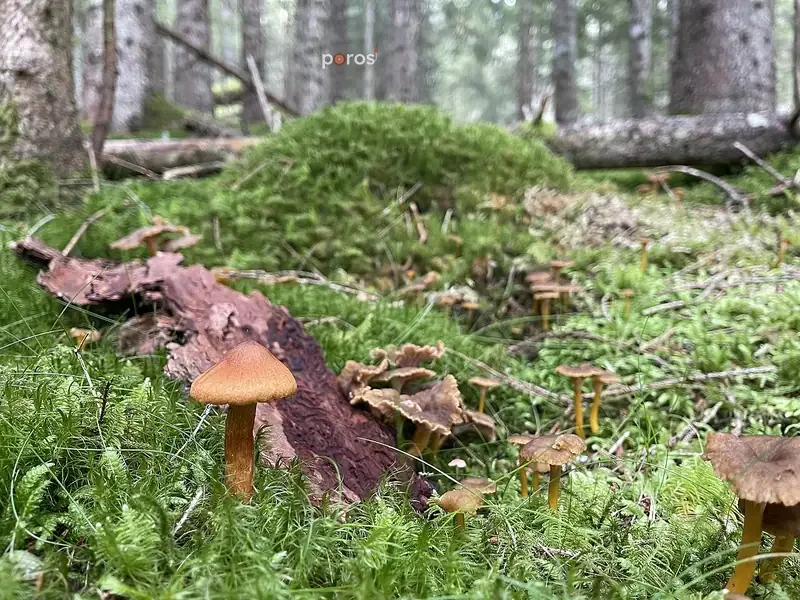
In habitat© Wkee4ager · CC BY-SA 4.0
-

Stem© Andreas Kunze · CC BY-SA 3.0


These are licensed records of this species; photos alone are not enough to identify a mushroom.
Are deadly webcaps poisonous?
Yes, deadly webcaps are deadly poisonous and must never be eaten. It carries orellanine and can cause permanent kidney failure. They can be mistaken for fool's webcap (Cortinarius orellanus), chanterelle (Cantharellus cibarius), winter chanterelle (Craterellus tubaeformis) and liberty cap (Psilocybe semilanceata). If poisoning is suspected, call 112 at once (Turkish poison centre: 114) and keep any leftover mushroom.
Are deadly webcaps edible?
No, deadly webcaps must never be eaten; they are deadly poisonous. They can be picked by mistake for chanterelle (Cantharellus cibarius) and winter chanterelle (Craterellus tubaeformis). If poisoning is suspected, call 112 at once (Turkish poison centre: 114) and keep any leftover mushroom.
How to recognise it
Appearance of deadly webcaps
No volva Spore print: Rusty brown Faintly of radish or not distinctive.
Where do deadly webcaps grow?
Mycorrhizal with spruce and pine; grows on acid, damp, mossy ground, often at bog edges and among bilberry.
In Turkey
There are no Turkish records: our map data (GBIF and iNaturalist) holds no observations from Turkey. The species is known from the conifer forests of northern Europe, Scotland and North America. The damp spruce forests of Turkey's eastern Black Sea region offer suitable habitat; no orange-brown webcap should be eaten in Turkey.
Our map has no observations of deadly webcaps from Turkey yet.
Look-alikes
What is it mistaken for?
Deadly webcap can be mistaken for the species below. Each comparison shows Deadly webcap on the left, the look-alike on the right, and how to tell them apart.
Deadly mix-up: Deadly webcap gets picked by people who think they have found one of the edible species below. If even one feature does not match, do not eat it.
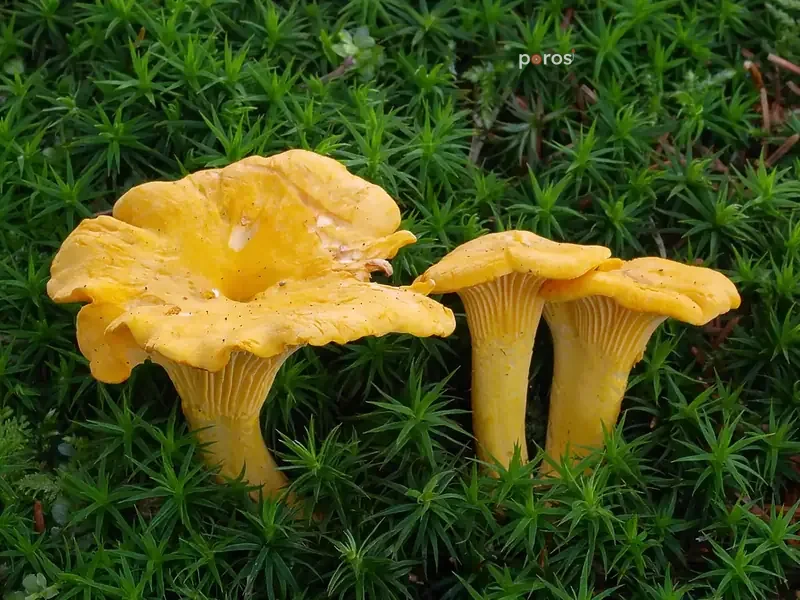
Chanterelle Cantharellus cibarius
How to tell The chanterelle has no true gills but thick, forking, decurrent ridges, a pale cream spore print and an apricot smell.

Winter chanterelle Craterellus tubaeformis
How to tell The winter chanterelle has a hollow yellow stem and shallow ridges, not gills, under the cap.
Other look-alikes (2)
 Deadly
not Deadly webcap
Fool's webcap Cortinarius orellanus
The fool's webcap grows in deciduous woods, has a less pointed cap and no yellow bands on the stem; it carries the same orellanine.
 Psilocybin
not Deadly webcap
Liberty cap Psilocybe semilanceata
Confused because of the pointed cap; the liberty cap is much smaller, grows in grassland and has a purple-brown spore print.
Deadly webcap and its look-alikes compared
| Species | Status | Underside | Spore print | Season |
|---|---|---|---|---|
| Deadly webcapCortinarius rubellus | Deadly poisonous | Distant, thick, adnate gills | Rusty brown | Aug–Oct |
| Fool’s webcapCortinarius orellanus | Deadly poisonous | Thick and light ochre, turning rusty brown with age | Rusty reddish-brown | Aug–Nov |
| ChanterelleCantharellus cibarius | Edible species | No true gills: thick, blunt, forking ridges (false gills) running down the stem | Pale yellow to creamy white | Jun–Nov |
| Winter chanterelleCraterellus tubaeformis | Edible species | Not true gills: sparse, forking, grey to yellowish-grey ridges running down the stem | White to cream | Sep–Dec |
| Liberty capPsilocybe semilanceata | Inedible · legally controlled | 15–27 narrow gills | Deep reddish purple-brown | Sep–Nov |
The table is compiled from each species page. The status column is a guide only; do not eat a wild mushroom unless an expert has seen it in person. Compare look-alikes side by side
Frequently asked questions
Are deadly webcaps poisonous?
Yes, deadly webcaps are deadly poisonous and must never be eaten. It carries orellanine and can cause permanent kidney failure. They can be mistaken for fool's webcap (Cortinarius orellanus), chanterelle (Cantharellus cibarius), winter chanterelle (Craterellus tubaeformis) and liberty cap (Psilocybe semilanceata). If poisoning is suspected, call 112 at once (Turkish poison centre: 114) and keep any leftover mushroom.
Are deadly webcaps edible?
No, deadly webcaps must never be eaten; they are deadly poisonous. They can be picked by mistake for chanterelle (Cantharellus cibarius) and winter chanterelle (Craterellus tubaeformis). If poisoning is suspected, call 112 at once (Turkish poison centre: 114) and keep any leftover mushroom.
Why do symptoms start so late?
Orellanine builds up slowly in the kidney cells; symptoms usually appear 2–14 days later, sometimes even later, by which time the mushroom meal may have been forgotten.
How is it told from the chanterelle?
This species has true blade-like gills, a rusty brown spore print and yellow bands on the stem. The chanterelle has thick decurrent ridges instead of gills and a pale cream spore print.
Is it found in Turkey?
There are no Turkish records, although the damp spruce forests of the eastern Black Sea region would suit it.
Is it the same as the fool's webcap?
No, they are separate species carrying the same toxin. Cortinarius rubellus grows in conifer forest, C. orellanus in deciduous woods.
Does cooking destroy the toxin?
No. Orellanine survives cooking and drying.
Why is it confused with liberty caps?
Because of its pointed cap; people looking for hallucinogenic mushrooms have been reported to pick it and be poisoned. The liberty cap is much smaller and grows in grassland.
When is deadly webcap season in Turkey?
In our calendar, deadly webcap season runs Aug–Oct. Fruits in northern and central Europe from August to October in damp conifer forest.
Where do deadly webcaps grow?
Mycorrhizal with spruce and pine; grows on acid, damp, mossy ground, often at bog edges and among bilberry.
Where are deadly webcaps found in Turkey?
There are no Turkish records: our map data (GBIF and iNaturalist) holds no observations from Turkey. The species is known from the conifer forests of northern Europe, Scotland and North America. The damp spruce forests of Turkey's eastern Black Sea region offer suitable habitat; no orange-brown webcap should be eaten in Turkey.
What can the deadly webcap be confused with?
The deadly webcap can be confused with Fool's webcap (Cortinarius orellanus, deadly), chanterelle (Cantharellus cibarius, edible species), winter chanterelle (Craterellus tubaeformis, edible species) and liberty cap (Psilocybe semilanceata, psilocybin). Look-alikes are compared on this page.
What is the deadly webcap called in Turkish?
In Turkish, the deadly webcap (Cortinarius rubellus) is called Cortinarius rubellus.
Related species
-
Fool’s webcapCortinarius orellanusDeadly poisonous
-
 Amanita proximaAmanita proximaDeadly poisonous
-
 Brown roll-rimPaxillus involutusDeadly poisonous
-
 Chestnut dapperlingLepiota castaneaDeadly poisonous
-
 Common conecapPholiotina rugosaDeadly poisonous
-
 Deadly dapperlingLepiota brunneoincarnataDeadly poisonous
-
 Deadly fibrecapInosperma erubescensDeadly poisonous
-
 Deadly galerinaGalerina marginataDeadly poisonous
Sources
- Şahin ve ark. (2023), Recent Trends in Pharmacology: Assessment and management of poisonous mushrooms in Türkiye dergipark.org.tr
- Wikipedia (EN): Cortinarius rubellus en.wikipedia.org
- First Nature: Cortinarius rubellus, Deadly Webcap first-nature.com
All sources (5)
- iNaturalist: Cortinarius rubellus inaturalist.org
- GBIF: Türkiye kayıtları gbif.org
Photo credits (11)
- File:2006-07-12 Cortinarius rubellus 1.jpg · Andreas Kunze · CC BY-SA 3.0
- Cortinarius rubellus · iNaturalist #181247642 · wkee4ager · CC BY 4.0
- Cortinarius rubellus · iNaturalist #305943271 · Leanne Stacy Reitan · CC0
- Cortinarius rubellus · iNaturalist #255887242 · Andrejus Gaidamavičius · CC BY 4.0
- Cortinarius rubellus · iNaturalist #408772363 · Alexander Robinson · CC BY 4.0
- Cortinarius rubellus · iNaturalist #240029720 · wkee4ager · CC BY 4.0
- Cortinarius rubellus · iNaturalist #236964279 · ikelman · CC BY 4.0
- Cortinarius rubellus · iNaturalist #58488538 · Albert Cardona · CC BY 4.0
- File:2007-07-07 Cortinarius rubellus.jpg · Andreas Kunze · CC BY-SA 3.0
- File:Cortinarius rubellus with Craterellus tubaeformis.jpg · Wkee4ager · CC BY-SA 4.0
- File:2006-07-12 Cortinarius rubellus 2.jpg · Andreas Kunze · CC BY-SA 3.0


