
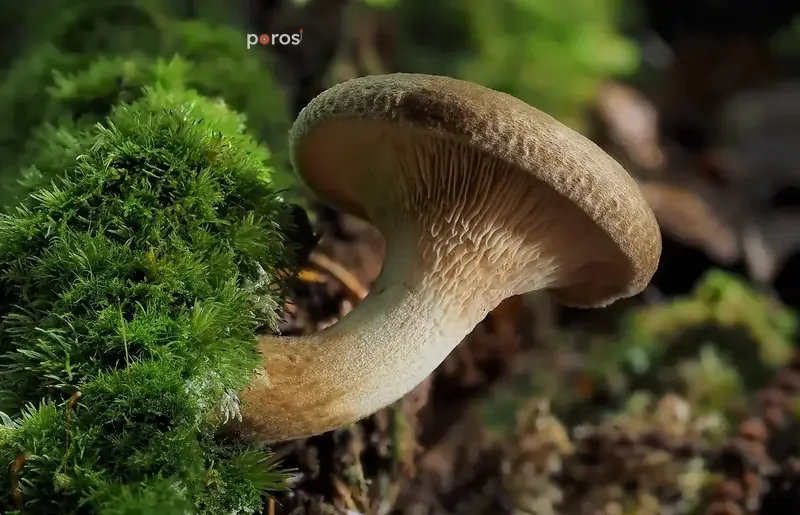


Brown roll-rim
Paxillus involutus · Paxillaceae
The brown roll-rim has a brown cap with an inrolled margin and yellowish decurrent gills that turn brown when touched.
Last updated: Prepared by the Poros Mantar editorial team6 sources checkedReport a correction
DEADLY POISONOUS — keep it out of any basket of mushrooms to eat.
Eaten raw or undercooked, the brown roll-rim causes vomiting and diarrhoea within hours. More importantly, even people who have eaten it for years without trouble can become sensitised to a mushroom antigen; at a later meal their red blood cells are destroyed, kidney failure may follow and deaths have been reported. Cooking does not remove this risk. If poisoning is suspected, keep any leftover mushroom.
The brown roll-rim has a brown cap with an inrolled margin and yellowish decurrent gills that turn brown when touched. It was long regarded as edible, but in people who eat it repeatedly it can trigger an immune reaction that destroys red blood cells (Paxillus syndrome), which can be fatal.
Also called: common roll-rim, poison pax Turkish: Kıvrık kenarlı mantar
How to recognise it
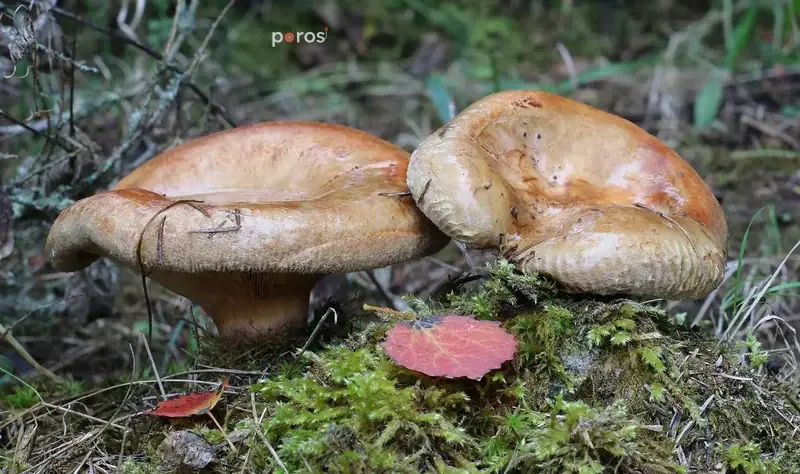
Brown roll-rim, part by part
No ring or volva Spore print: Brown Not distinctive; faintly sour.

When and where
Jun–Nov
- Jan
- Feb
- Mar
- Apr
- May
- Junin season
- Julin season
- Augin season
- Sepin season
- Octin season
- Novin season
- Dec
The brown roll-rim fruits from early summer to late autumn; Turkish GBIF records are mostly from October.
Type Poisonous
Months seen JuneJulyAugustSeptemberOctoberNovember
Colour Brown
Regions Black Sea RegionCentral Anatolia RegionMarmara RegionDüzceSinopTrabzonAnkaraIstanbul
Where does brown roll-rim grow?
It grows in broadleaf and conifer woods on acidic soils, especially under birch, oak, beech and pine, forming a mycorrhizal partnership with the trees.
Where is brown roll-rim found in Turkey?
The brown roll-rim has only a few GBIF records in Turkey, from İstanbul, Düzce, Sinop, Trabzon and Ankara.
Which months
- Jan0
- Feb0
- Mar0
- Apr0
- May0
- Jun1
- Jul0
- Aug0
- Sep1
- Oct5
- Nov0
- Dec0
5 provinces, 7 observations (GBIF, iNaturalist); months from observation dates. Record density also reflects where observers work.
Latest brown roll-rim observations
-
 Illustrative
İstanbul5 Oct 2024 · GBIF
-
 Illustrative
Ankara25 Jun 2022 · iNaturalist
-
 Illustrative
Sinop28 Oct 2020 · iNaturalist
-
 Illustrative
Düzce26 Oct 2019 · iNaturalist
-
 Illustrative
Düzce1 Oct 2019 · GBIF
-
 Illustrative
İstanbul7 Oct 2017 · GBIF
-
 Illustrative
Trabzon27 Sep 1996 · GBIF
- See on the map
On "illustrative" cards the image is a photo of the species; the observation photo cannot be shown here because of its licence, but can be seen at the source.
Look-alikes
What is it mistaken for?
Brown roll-rim can be mistaken for the species below. Each card shows the look-alike and how it differs from Brown roll-rim.
 Inedible
not Brown roll-rim
Milk caps (e.g. ugly milk-cap, Lactarius turpis) Lactarius turpis
Sources say the brown roll-rim is most often confused with milk caps, especially the olive-brown ugly milk-cap (Lactarius turpis). Milk caps exude milk when cut; the roll-rim has no milk, its gills peel easily from the cap and bruise brown.
 Poisonous
not Brown roll-rim
Lurid bolete Suillellus luridus
Under the cap it has reddish pores instead of gills, and its flesh turns blue when cut; the similar brown tones can cause confusion at a distance.
 Inedible
not Brown roll-rim
Velvet roll-rim Tapinella atrotomentosa
It grows on conifer stumps and roots and has a dark brown, velvety stem; the brown roll-rim grows from soil and has a smooth stem.
 Inedible
not Brown roll-rim
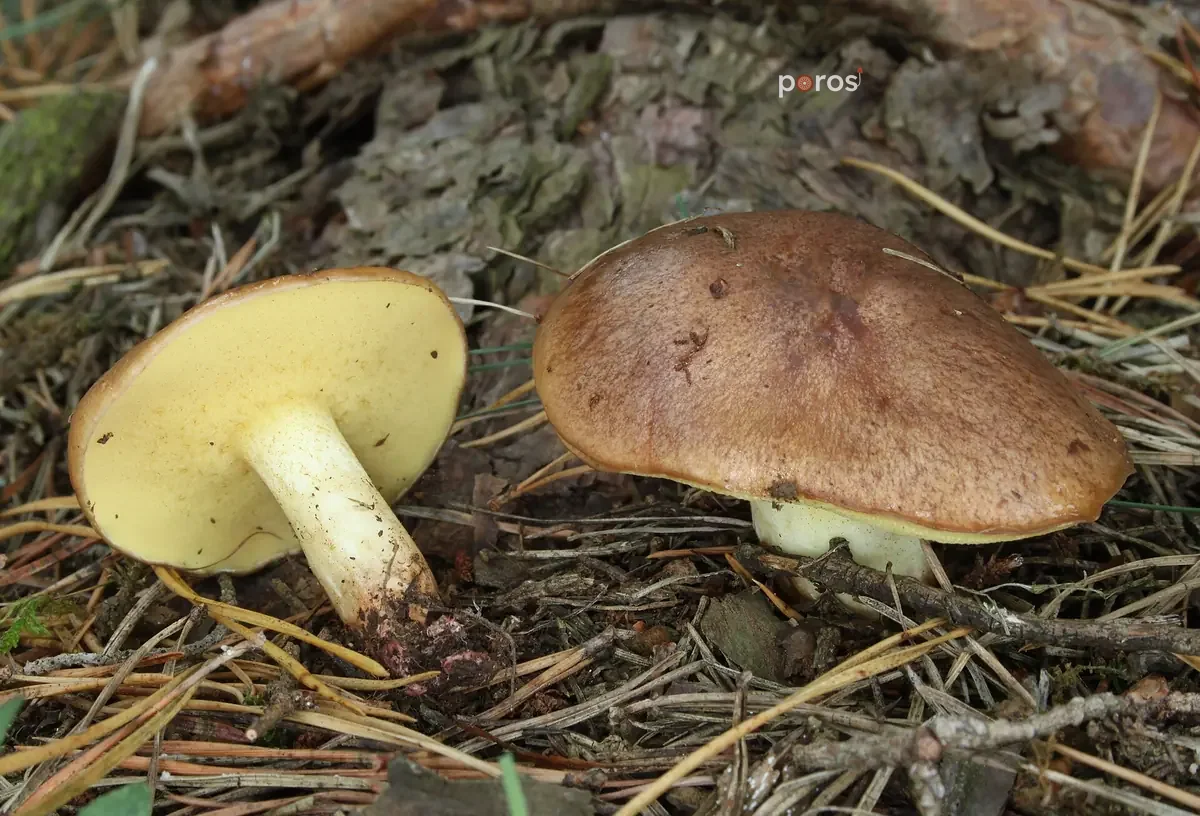
Suillus collinitus Suillus collinitus
Suillus collinitus has yellow pores instead of gills, no inrolled cap margin, and grows only under pines.
Toxins
Paxillus syndrome is caused not by a direct toxin but by an immune reaction (haemolysis) against a not yet fully identified antigen in the mushroom; the 1944 death of the German mycologist Julius Schäffer is attributed to it. Source
Frequently asked questions
Is the brown roll-rim poisonous?
Yes, and it can be deadly. Raw it causes digestive upset; in people who eat it repeatedly an immune reaction can destroy red blood cells (Paxillus syndrome) and lead to kidney failure.
It used to be eaten, so why not now?
It was long considered edible, but once Paxillus syndrome was understood and deaths were reported it came to be regarded as dangerous. Having eaten it safely before is no guarantee.
How do you identify the brown roll-rim?
A brown cap with a strongly inrolled margin, yellowish gills running down the stem, and gills and stem that turn brown when touched or bruised.
How is it told from milk caps?
Milk caps (Lactarius) exude milk when cut. The brown roll-rim has no milk, its gills peel easily from the cap and bruised areas turn brown.
Is it safe once cooked?
No. Cooking may reduce the digestive upset, but it does not remove the risk of the immune reaction.
Where is it found in Turkey?
In birch, oak, beech and pine woods on acidic soil. The few Turkish GBIF records come from İstanbul, Düzce, Sinop, Trabzon and Ankara.
Is brown roll-rim poisonous?
Yes, brown roll-rim is deadly poisonous and must never be eaten. Eaten raw or undercooked, the brown roll-rim causes vomiting and diarrhoea within hours. More importantly, even people who have eaten it for years without trouble can become sensitised to a mushroom antigen; at a later meal their red blood cells are destroyed, kidney failure may follow and deaths have been reported. Cooking does not remove this risk. If poisoning is suspected, keep any leftover mushroom.
When is brown roll-rim season in Turkey?
In our calendar, brown roll-rim season runs Jun–Nov. The brown roll-rim fruits from early summer to late autumn; Turkish GBIF records are mostly from October.
Where does brown roll-rim grow?
It grows in broadleaf and conifer woods on acidic soils, especially under birch, oak, beech and pine, forming a mycorrhizal partnership with the trees.
Where is brown roll-rim found in Turkey?
The brown roll-rim has only a few GBIF records in Turkey, from İstanbul, Düzce, Sinop, Trabzon and Ankara.
What can brown roll-rim be confused with?
Brown roll-rim can be confused with milk caps (e.g. ugly milk-cap, Lactarius turpis) (Lactarius turpis, inedible), lurid bolete (Suillellus luridus, poisonous), velvet roll-rim (Tapinella atrotomentosa, inedible) and suillus collinitus (Suillus collinitus, inedible). Look-alikes are compared on this page.
What is brown roll-rim called in Turkish?
In Turkish, brown roll-rim (Paxillus involutus) is called Kıvrık kenarlı mantar.
Related species
-
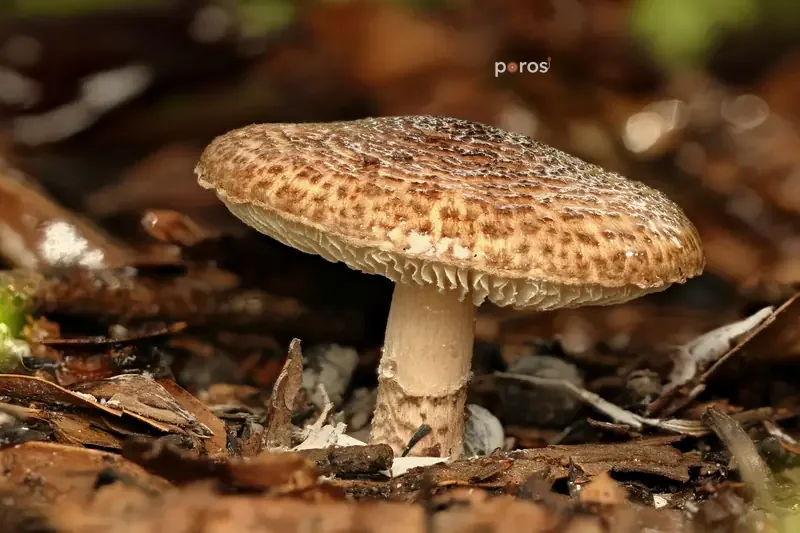 Deadly dapperlingLepiota brunneoincarnataDeadly poisonous
-
 Deadly fibrecapInosperma erubescensDeadly poisonous
-
 Deadly galerinaGalerina marginataDeadly poisonous
-
 Death capAmanita phalloidesDeadly poisonous
-
 Destroying angelAmanita virosaDeadly poisonous
-
 False morelGyromitra esculentaDeadly poisonous
-
 Fool’s webcapCortinarius orellanusDeadly poisonous
-
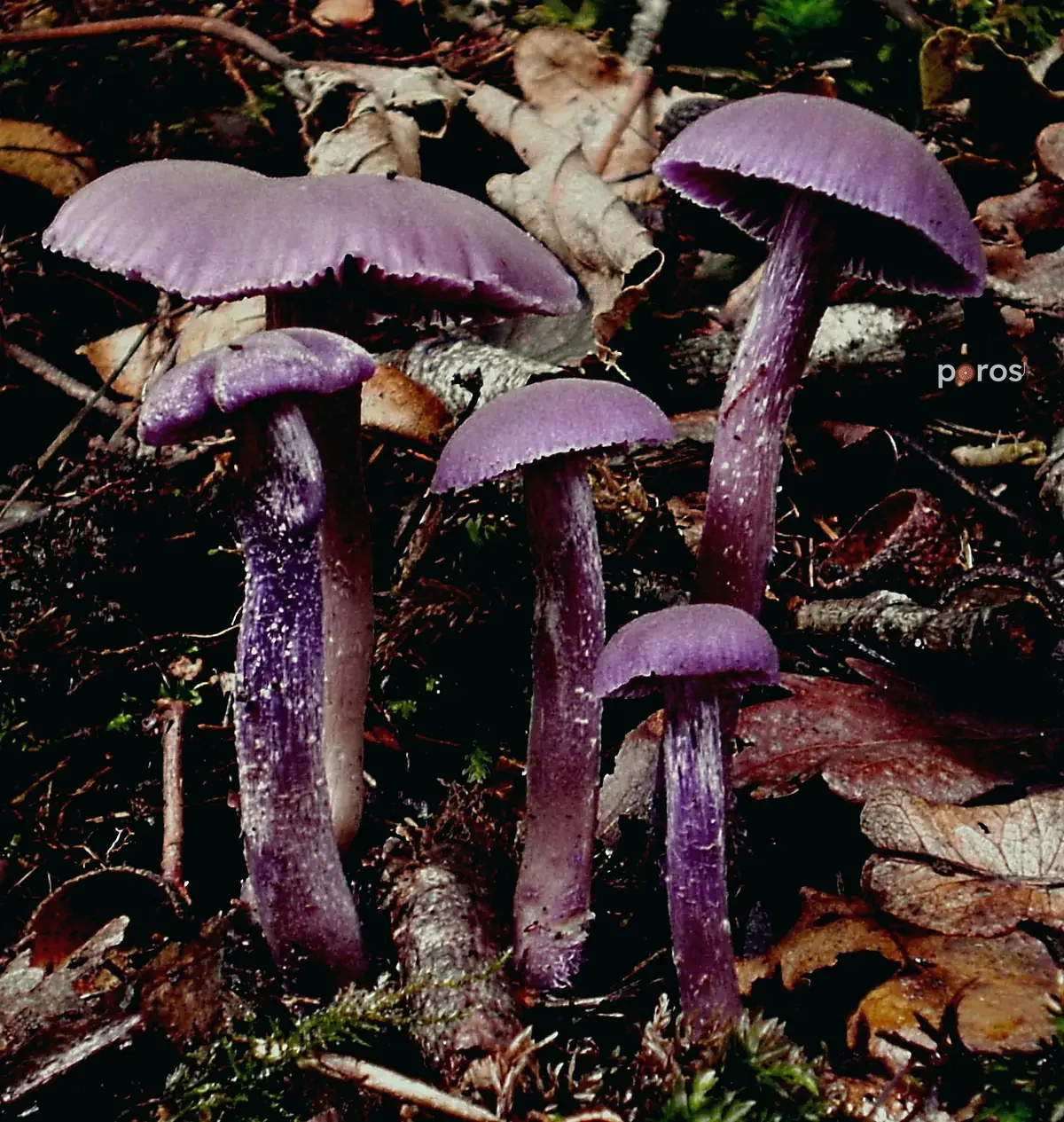 Amethyst deceiverLaccaria amethystinaInedible
Sources
- Stöver ve ark. (2019), Diagnostics: Paxillus sendromu ve ölümcül immünohemoliz pubmed.ncbi.nlm.nih.gov
- Adanacıoğlu ve ark. (2014), ANADOLU (Ege Tarımsal Araştırma Enstitüsü): Türkiye makromantar genetik kaynakları I. Ege Bölgesi dergipark.org.tr
- Wikipedia (EN): Paxillus involutus en.wikipedia.org
All sources (6)
- First Nature: Paxillus involutus first-nature.com
- GBIF: Türkiye kayıtları gbif.org
- iNaturalist: Türkiye gözlemleri inaturalist.org
Photo credits (8)
- File:Navadne podvihanke (Paxillus involutus).jpg · Petar Milošević · CC BY-SA 4.0
- File:Paxillus involutus 2026 G1.jpg · George Chernilevsky · CC BY 4.0
- File:De gewone krulzoom (Paxillus involutus). Locatie, Paddenstoelenreservaat. 11-10-2021. (actm.).jpg · Agnes Monkelbaan · CC BY-SA 4.0
- File:De gewone krulzoom (Paxillus involutus). Locatie, Paddenstoelenreservaat. 11-10-2021. (actm.) 02.jpg · Agnes Monkelbaan · CC BY-SA 4.0
- File:Kahler Krempling (Paxillus involutus) Bruderwald-20251019-RM-150138.jpg · Reinhold Möller Ermell · CC BY-SA 4.0
- Paxillus involutus · iNaturalist #134592588 · aarongunnar · CC BY 4.0
- Paxillus involutus · iNaturalist #134592588 · aarongunnar · CC BY 4.0
- File:Brown Roll Rim. Paxillus involutus (45888983434).jpg · gailhampshire from Cradley, Malvern, U.K · CC BY 2.0


