
Cinnamon bracket (tender nesting polypore)
Hapalopilus rutilans · Phanerochaetaceae

Hapalopilus rutilans, the cinnamon bracket, is a soft, spongy, cinnamon to orange-brown bracket that grows on dead branches of broadleaf trees. A drop of potassium hydroxide (KOH) or ammonia turns it bright purple. It carries polyporic acid: in Germany, eating it led to kidney and liver problems, visual disturbances and violet urine. In Turkey there are GBIF records from Istanbul, Manisa and Yalova.
Also called: tender nesting polypore Turkish: Hapalopilus rutilans Synonyms: Hapalopilus nidulans
Last updated: Prepared by the Poros Mantar editorial team4 sources checkedReport a correction
POISONOUS — do not eat.
Hapalopilus rutilans is poisonous. According to sources it carries polyporic acid; about 12 hours after eating, nausea, vomiting and abdominal pain have been followed by visual disturbances, unsteadiness, abnormal liver and kidney tests and violet-stained urine. If poisoning is suspected, call 112 (Turkish poison centre UZEM: 114) and keep any leftover mushroom.
Cinnamon bracket photos
-
© Holger Krisp · CC BY 3.0
-

© pinonbistro · CC BY-SA 4.0
-

Pores© Liadan Dickie · CC BY 4.0
-

Cross-section© Bill Sheehan · CC BY-SA 4.0
-

© Mike Dechter · CC BY 4.0
-
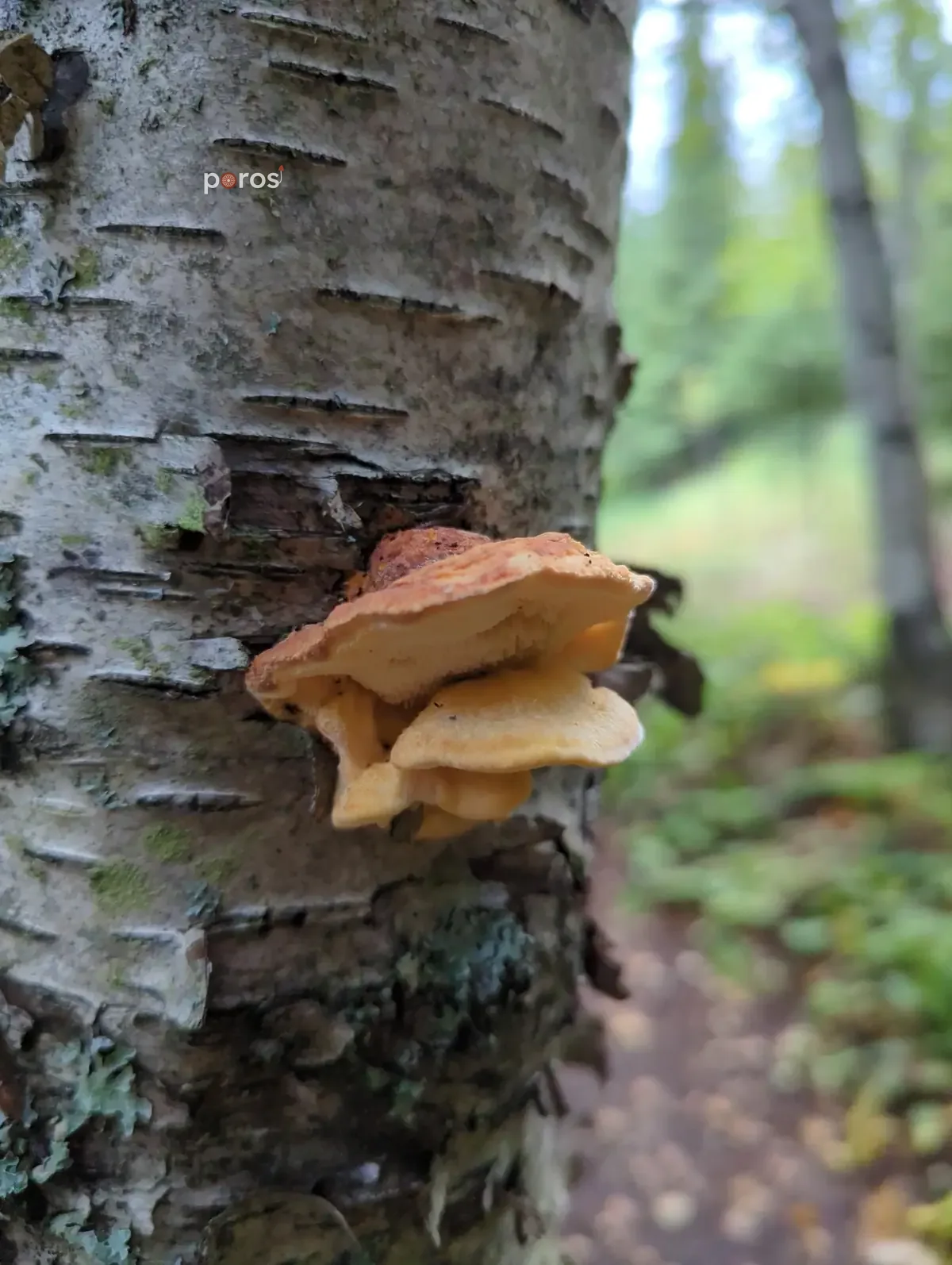
In habitat© Dominique Menard · CC BY 4.0
-

© open_a_ir · CC BY 4.0
-

© Dave W (Dave W) at Mushroom Observer, a source for mycological images · CC BY-SA 3.0
These are licensed records of this species; photos alone are not enough to identify a mushroom.
Are cinnamon brackets poisonous?
Yes, cinnamon brackets are poisonous and must not be eaten. It carries polyporic acid; kidney, liver and nervous system effects have been reported. If poisoning is suspected, call 112 at once (Turkish poison centre: 114) and keep any leftover mushroom.
Are cinnamon brackets edible?
No, cinnamon brackets must not be eaten; they are poisonous. They can be picked by mistake for beefsteak fungus (Fistulina hepatica) and chicken of the woods (Laetiporus sulphureus). If poisoning is suspected, call 112 at once (Turkish poison centre: 114) and keep any leftover mushroom.
How to recognise it
Appearance of cinnamon brackets
No ring or volva Spore print: White Faint, sweetish.
Where do cinnamon brackets grow?
A saprotroph of dead wood on oak, birch, beech and other broadleaf trees, rarely on conifers.
Where is cinnamon brackets found in Turkey?
Our map data holds seven GBIF records from Turkey (Istanbul, Manisa, Yalova) and two research-grade iNaturalist observations.
Which months
- Jan2
- Feb0
- Mar0
- Apr0
- May0
- Jun0
- Jul0
- Aug0
- Sep1
- Oct0
- Nov1
- Dec0
3 provinces, 4 observations (GBIF, iNaturalist); months from observation dates. Record density also reflects where observers work.
Latest cinnamon bracket observations
-
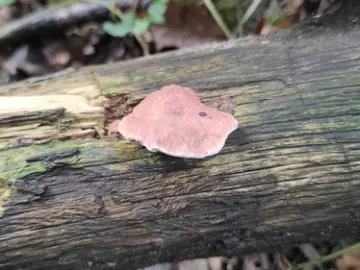 İstanbul21 Sep 2024 · iNaturalist© Umut Nuri Erdoğan · CC BY
-
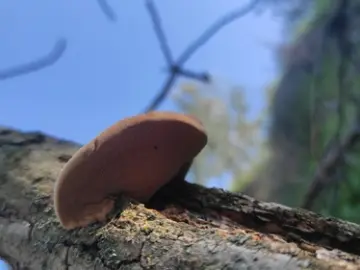 Manisa23 Jan 2024 · iNaturalist© Umut Nuri Erdoğan · CC BY
-
 Illustrative
Manisa25 Jan 2026 · Mushroom Observer
-
 Illustrative
Kocaeli17 Nov 2012 · Mushroom Observer
- See on the map
On "illustrative" cards the image is a photo of the species; the observation photo cannot be shown here because of its licence, but can be seen at the source.
Look-alikes
What is it mistaken for?
Cinnamon bracket can be mistaken for the species below. Each comparison shows Cinnamon bracket on the left, the look-alike on the right, and how to tell them apart.
Poisoning risk: Cinnamon bracket gets picked by people who think they have found one of the edible species below. If even one feature does not match, do not eat it.

Beefsteak fungus Fistulina hepatica
How to tell The beefsteak fungus is blood-red to brown, oozes red juice when cut and grows on living oak and chestnut trunks; it does not turn purple with KOH.
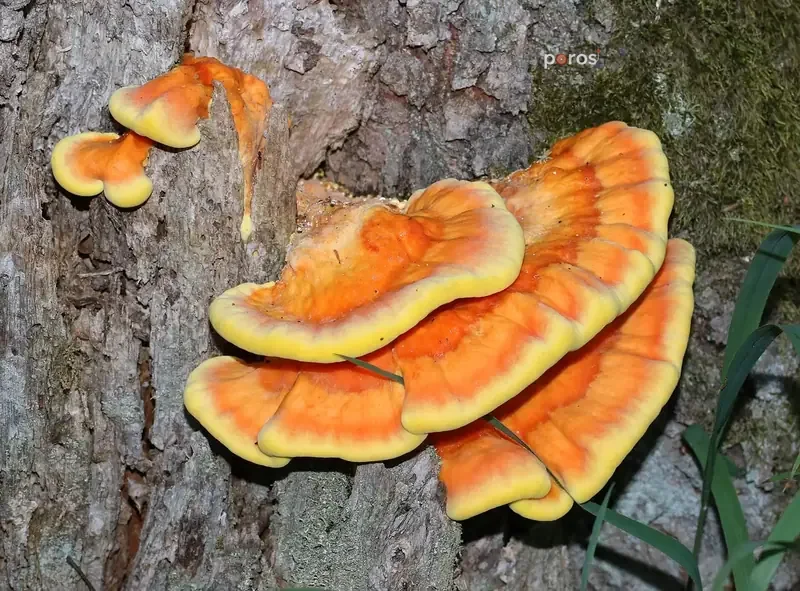
Chicken of the woods Laetiporus sulphureus
How to tell Chicken of the woods forms large, bright yellow-orange overlapping brackets with sulphur-yellow pores.
Cinnamon bracket and its look-alikes compared
| Species | Status | Underside | Spore print | Season |
|---|---|---|---|---|
| Cinnamon bracketHapalopilus rutilans | Poisonous | Underside covered in small, angular, cinnamon pores | White | Jul–Nov |
| Beefsteak fungusFistulina hepatica | Edible species | Cream to pale pink | Pale pinkish brown | Aug–Nov |
| Chicken of the woodsLaetiporus sulphureus | Edible species | No gills; sulphur-yellow underside with small pores | White | May–Nov |
The table is compiled from each species page. The status column is a guide only; do not eat a wild mushroom unless an expert has seen it in person. Compare look-alikes side by side
Frequently asked questions
Are cinnamon brackets poisonous?
Yes, cinnamon brackets are poisonous and must not be eaten. It carries polyporic acid; kidney, liver and nervous system effects have been reported. If poisoning is suspected, call 112 at once (Turkish poison centre: 114) and keep any leftover mushroom.
Are cinnamon brackets edible?
No, cinnamon brackets must not be eaten; they are poisonous. They can be picked by mistake for beefsteak fungus (Fistulina hepatica) and chicken of the woods (Laetiporus sulphureus). If poisoning is suspected, call 112 at once (Turkish poison centre: 114) and keep any leftover mushroom.
What is the KOH test?
A drop of potassium hydroxide solution turns the flesh bright purple; it is the easiest way to recognise the species.
Is it found in Turkey?
Yes. GBIF holds seven records from Istanbul, Manisa and Yalova.
When do symptoms start?
According to sources after about 12 hours. If in doubt, call 112.
Why does urine turn violet?
Polyporic acid and its breakdown products turn violet in alkaline conditions; violet urine is one of the reported signs of poisoning.
Can it be mistaken for the beefsteak fungus?
Its colour and softness can mislead. The beefsteak fungus grows on living oak, oozes red juice when cut and does not turn purple with KOH.
Where does it grow?
On dead branches and trunks of broadleaf trees such as oak, birch and beech.
When is cinnamon bracket season in Turkey?
In our calendar, cinnamon bracket season runs Jul–Nov. Fruits from midsummer to late autumn on dead branches; dried brackets can persist into winter.
Where do cinnamon brackets grow?
A saprotroph of dead wood on oak, birch, beech and other broadleaf trees, rarely on conifers.
Where are cinnamon brackets found in Turkey?
Our map data holds seven GBIF records from Turkey (Istanbul, Manisa, Yalova) and two research-grade iNaturalist observations.
What can the cinnamon bracket be confused with?
The cinnamon bracket can be confused with beefsteak fungus (Fistulina hepatica, edible species) and chicken of the woods (Laetiporus sulphureus, edible species). Look-alikes are compared on this page.
What is the cinnamon bracket called in Turkish?
In Turkish, the cinnamon bracket (Hapalopilus rutilans) is called Hapalopilus rutilans.
Related species
-
 Smoky bracketBjerkandera adustaInedible
-
 Common earthballScleroderma citrinumPoisonous
-
 Common ink capCoprinopsis atramentariaPoisonous
-
 Devil’s boleteRubroboletus satanasPoisonous
-
 Eastern jack-o’-lanternOmphalotus illudensPoisonous
-
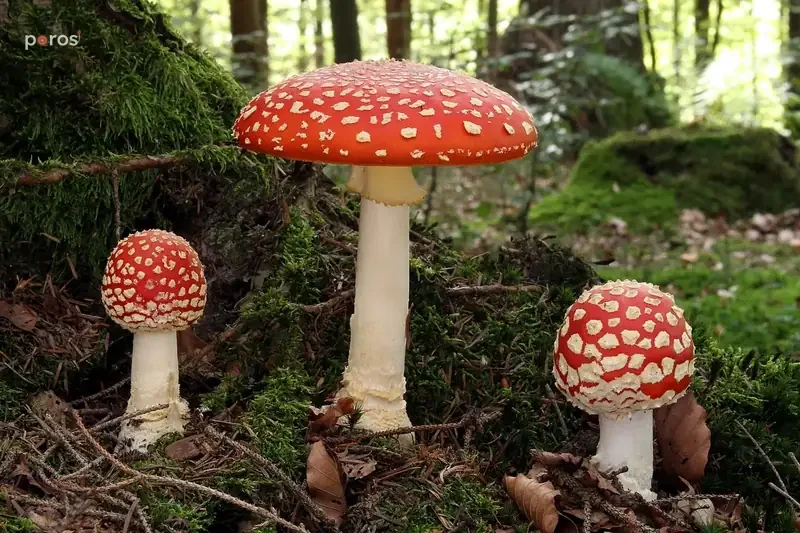 Fly agaricAmanita muscariaPoisonous
-
 Freckled dapperlingEchinoderma asperumPoisonous
-
 Ghost fungusOmphalotus nidiformisPoisonous
Sources
- Villa ve ark. (2013), Clin Toxicol: Tender Nesting Polypore (Hapalopilus rutilans) poisoning, report of two cases pubmed.ncbi.nlm.nih.gov
- Wikipedia (EN): Hapalopilus rutilans en.wikipedia.org
- iNaturalist: Hapalopilus rutilans inaturalist.org
All sources (4)
- GBIF: Türkiye kayıtları gbif.org
Photo credits (10)
- File:Zimtfarbene Weichporling Hapalopilus nidulans or Hapalopilus rutilans.jpg · Holger Krisp · CC BY 3.0
- Hapalopilus rutilans · iNaturalist #16345786 · pinonbistro · CC BY-SA 4.0
- Hapalopilus rutilans · iNaturalist #340009087 · Liadan Dickie · CC BY 4.0
- Hapalopilus rutilans · iNaturalist #7105271 · Bill Sheehan · CC BY-SA 4.0
- Hapalopilus rutilans · iNaturalist #137592127 · Mike Dechter · CC BY 4.0
- Hapalopilus rutilans · iNaturalist #185210103 · Dominique Menard · CC BY 4.0
- Hapalopilus rutilans · iNaturalist #250443705 · open_a_ir · CC BY 4.0
- File:Hapalopilus rutilans 1082769.jpg · Dave W (Dave W) at Mushroom Observer, a source for mycological images · CC BY-SA 3.0
- iNaturalist: İstanbul, 21 Sep 2024 · Umut Nuri Erdoğan · CC BY
- iNaturalist: Manisa, 23 Jan 2024 · Umut Nuri Erdoğan · CC BY

