
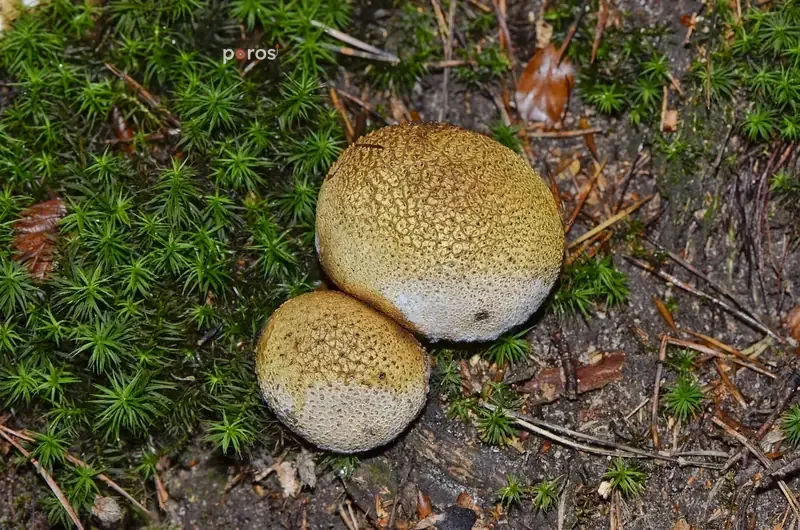


Common earthball
Scleroderma citrinum · Sclerodermataceae
The common earthball is a poisonous, stalkless, potato-like ball with a thick, tough, yellow-brown scaly skin.
Last updated: Prepared by the Poros Mantar editorial team6 sources checkedReport a correction
POISONOUS — do not eat.
If the common earthball is eaten, symptoms usually start within half an hour to a few hours: nausea, vomiting, abdominal pain and sweating, with dizziness and fainting reported in some cases. Cooking does not make it safe. If poisoning is suspected, keep any leftover mushroom.
The common earthball is a poisonous, stalkless, potato-like ball with a thick, tough, yellow-brown scaly skin. Even when young its inside is purple-black and marbled rather than white, and it can be mistaken for puffballs and truffles.
Also called: pigskin poison puffball Turkish: Sarı sert top mantarı
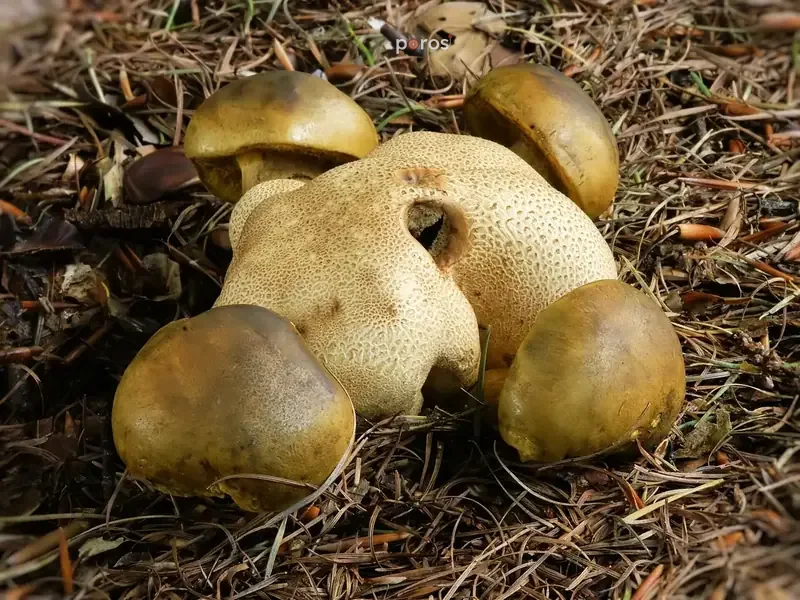
How to recognise it
Common earthball, part by part
No ring or volva Spore print: Olive-brown to blackish brown (as a powder) A sharp metallic or rubbery smell when mature.

When and where
Mar, Aug–Nov
- Jan
- Feb
- Marin season
- Apr
- May
- Jun
- Jul
- Augin season
- Sepin season
- Octin season
- Novin season
- Dec
The common earthball fruits from late summer to late autumn; the few Turkish GBIF records are from March and November, and old dry fruit bodies can persist for months.
Where does common earthball grow?
It grows on acidic, sandy or mossy soil under trees such as oak, beech and birch, forming a mycorrhizal partnership with them.
Where is common earthball found in Turkey?
The common earthball has only a few GBIF records in Turkey, from Artvin (Sünbüllü) and İstanbul.
Which months
- Jan0
- Feb0
- Mar0
- Apr0
- May0
- Jun0
- Jul0
- Aug0
- Sep0
- Oct0
- Nov1
- Dec0
1 provinces, 1 observations (GBIF, iNaturalist); months from observation dates. Record density also reflects where observers work.
Latest common earthball observations
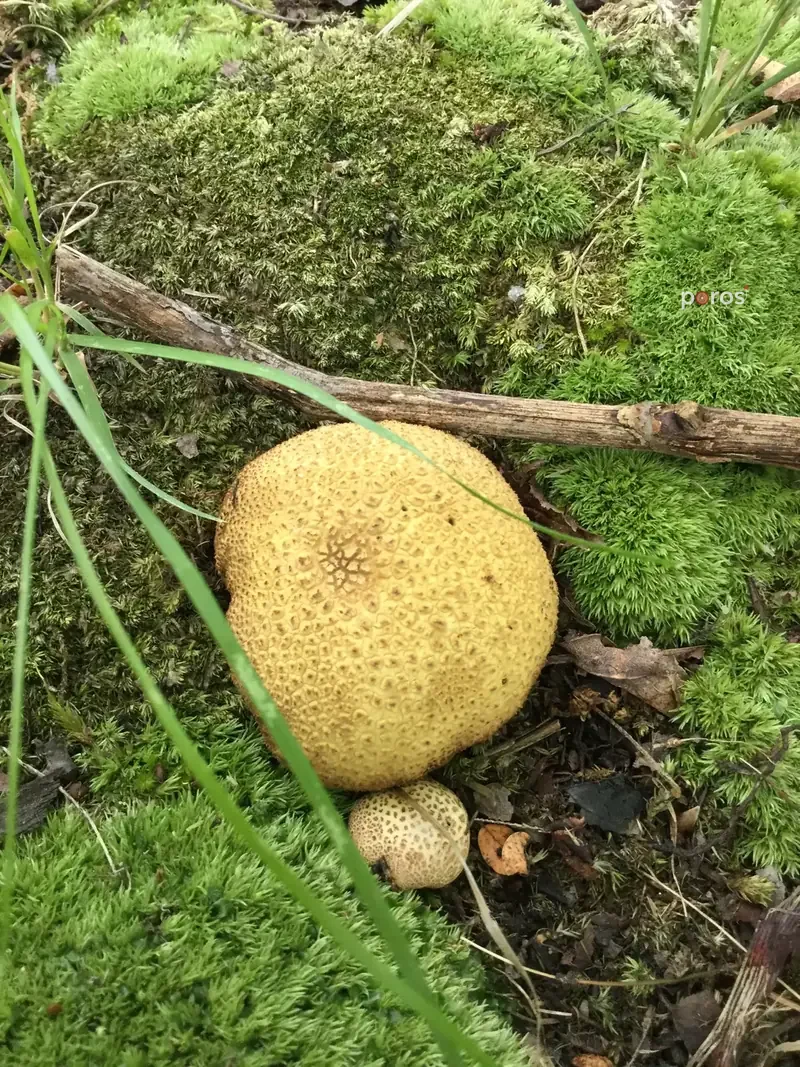
 Illustrative
On "illustrative" cards the image is a photo of the species; the observation photo cannot be shown here because of its licence, but can be seen at the source.
Look-alikes
What is it mistaken for?
Common earthball can be mistaken for the species below. Each card shows the look-alike and how it differs from Common earthball.
 Edible species
not Common earthball
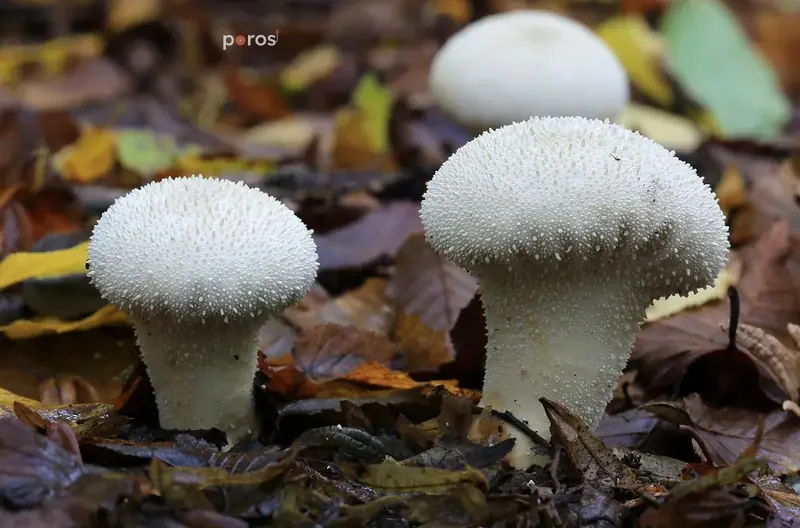
Common puffball Lycoperdon perlatum
The common puffball has a thin skin with small spines and is pure white and soft inside when young. The earthball has a thick, hard skin and is purple-black inside when cut. Only puffballs that are white all the way through are eaten, so always slice them in half.
 Edible species
not Common earthball
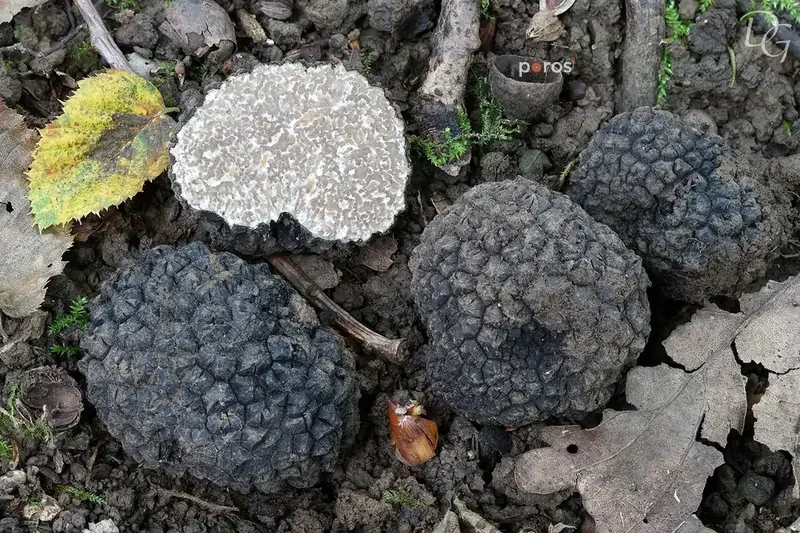
Truffle Tuber spp.
Truffles develop underground, have warty or smooth skins and a strongly veined, marbled interior with a powerful, pleasant aroma. The earthball usually sits on the soil surface, has a thick scaly skin and its interior turns to powder when mature.
 Deadly
not Common earthball
Death cap Amanita phalloides
A young Amanita in the egg stage can also look like a ball; when cut, the outline of a cap and gills is visible inside. Every ball-shaped mushroom should be sliced in half to check.
 Edible species
not Common earthball
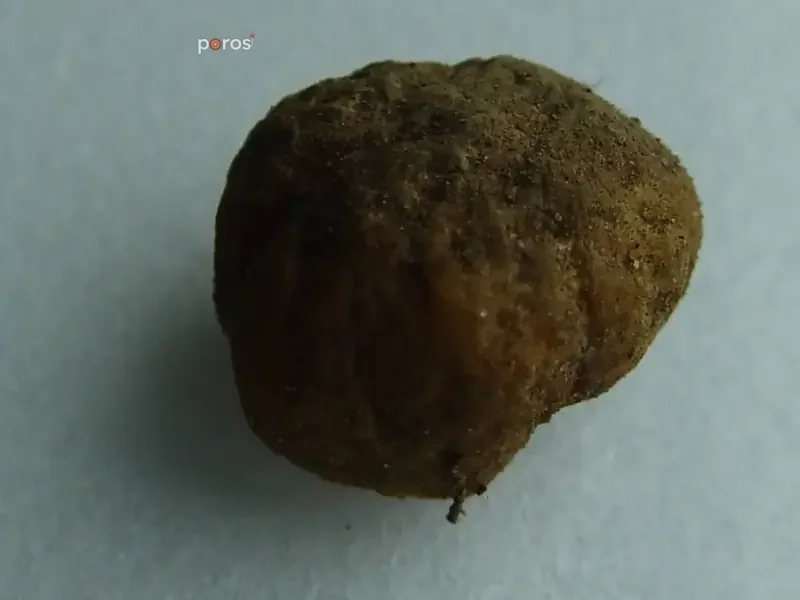
Desert truffle Terfezia spp.
Desert truffles grow underground in steppe, with a thin smooth skin and a pale, marbled interior. The earthball has a thick scaly rind and a purple-black interior without veins.
 Inedible
not Common earthball
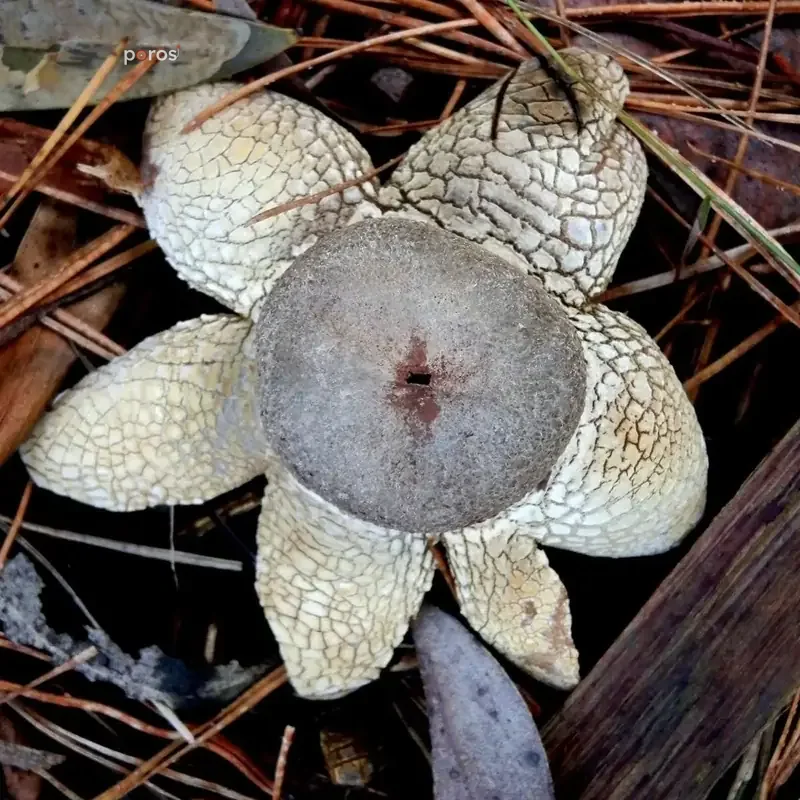
Barometer earthstar Astraeus hygrometricus
The young, closed barometer earthstar looks like an earthball, but its thick outer skin eventually splits into star-like rays that close again in dry weather. The earthball never opens and is purple-black inside when young.
Toxins
The common earthball is a mycorrhizal species; the chemistry behind its toxic effect has not been fully worked out. Source
Frequently asked questions
Is the common earthball poisonous?
Yes. It causes nausea, vomiting, abdominal pain and sweating, and dizziness and fainting have been reported in some cases.
How do you identify the common earthball?
A stalkless, potato-shaped ball with a hard, scaly, yellow-brown skin 2–4 mm thick; when cut it is purple-black with white veins, even when young.
How is it told from a puffball?
Slice it in half: an edible puffball is pure white and soft all the way through, with a thin skin. The earthball has a thick skin and a dark interior.
Can it be confused with truffles?
Yes, especially uncut. Truffles grow underground and smell strong and pleasant; the earthball usually sits on the surface and smells metallic or rubbery.
Does the common earthball have a Turkish name?
We could not find an established Turkish common name in the sources, so this page uses a descriptive name.
Where is it found in Turkey?
Under oak, beech and birch on acidic soil. The few Turkish GBIF records come from Artvin and İstanbul.
What is the genus Scleroderma?
Scleroderma is the genus of earthballs: round, thick-skinned fungi that look like puffballs but are firm and dark purple-black inside. Several species are poisonous, so we never mistake them for edible puffballs.
What is an earth ball fungus?
Earth ball (earthball) is the common name of Scleroderma fungi such as the common earthball: a stalkless, potato-like ball with a thick, scaly skin and a dark interior. It is poisonous and is often mistaken for a puffball.
Which mushroom looks like a potato?
The common earthball is the mushroom most often described as potato-like: a firm, yellow-brown, scaly ball sitting on the ground. Truffles and desert truffles can also look like small potatoes. The earthball is poisonous, so we cut every such ball in half and never eat one that is dark inside.
Is common earthball poisonous?
Yes, common earthball is poisonous and must not be eaten. If the common earthball is eaten, symptoms usually start within half an hour to a few hours: nausea, vomiting, abdominal pain and sweating, with dizziness and fainting reported in some cases. Cooking does not make it safe. If poisoning is suspected, keep any leftover mushroom.
When is common earthball season in Turkey?
In our calendar, common earthball season runs Mar, Aug–Nov. The common earthball fruits from late summer to late autumn; the few Turkish GBIF records are from March and November, and old dry fruit bodies can persist for months.
Where does common earthball grow?
It grows on acidic, sandy or mossy soil under trees such as oak, beech and birch, forming a mycorrhizal partnership with them.
Where is common earthball found in Turkey?
The common earthball has only a few GBIF records in Turkey, from Artvin (Sünbüllü) and İstanbul.
What can common earthball be confused with?
Common earthball can be confused with common puffball (Lycoperdon perlatum, edible species), truffle (Tuber spp., edible species), death cap (Amanita phalloides, deadly), desert truffle (Terfezia spp., edible species) and barometer earthstar (Astraeus hygrometricus, inedible). Look-alikes are compared on this page.
What is common earthball called in Turkish?
In Turkish, common earthball (Scleroderma citrinum) is called Sarı sert top mantarı.
Related species
-
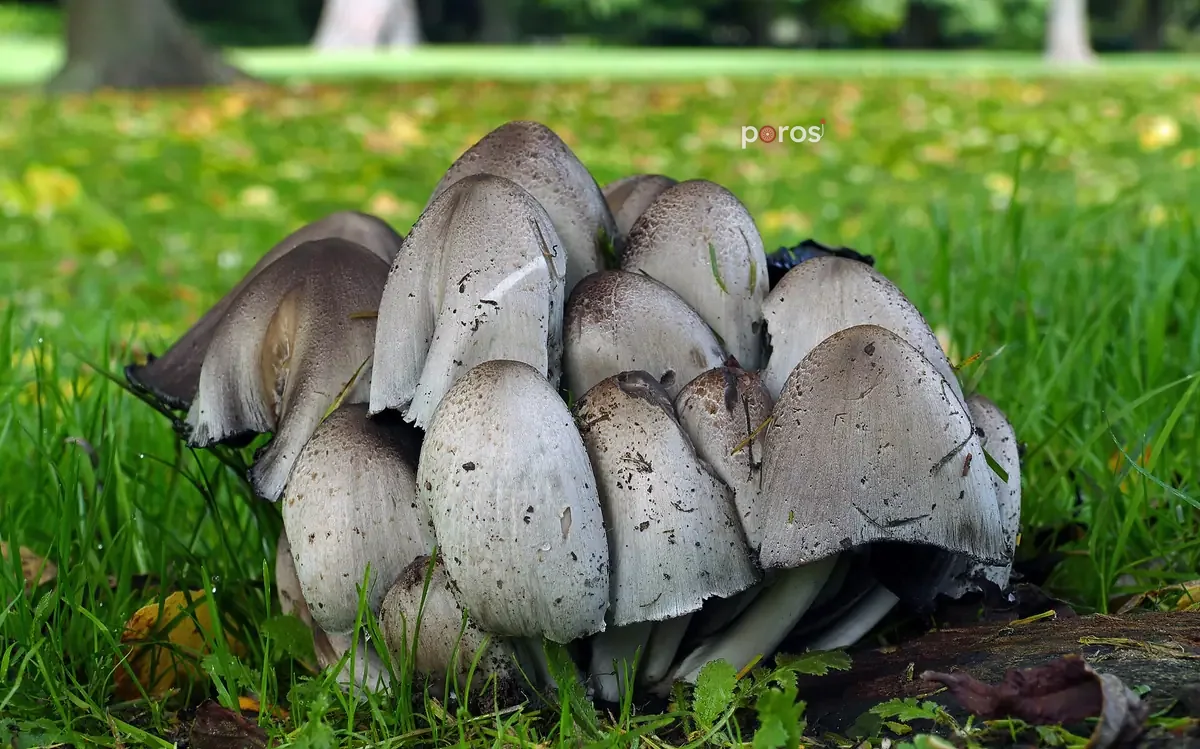 Common ink capCoprinopsis atramentariaPoisonous
-
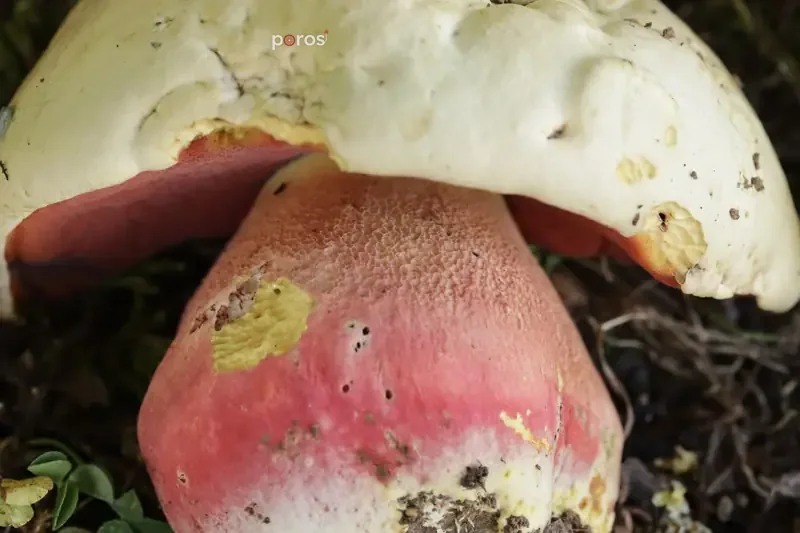 Devil’s boleteRubroboletus satanasPoisonous
-
 Fly agaricAmanita muscariaPoisonous
-
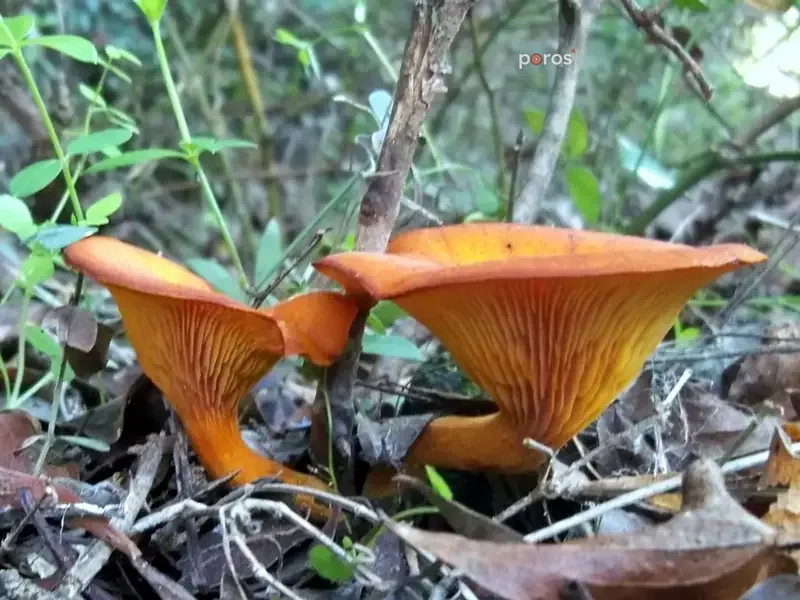 Jack-o’-lantern mushroomOmphalotus oleariusPoisonous
-
 Livid pinkgillEntoloma sinuatumPoisonous
-
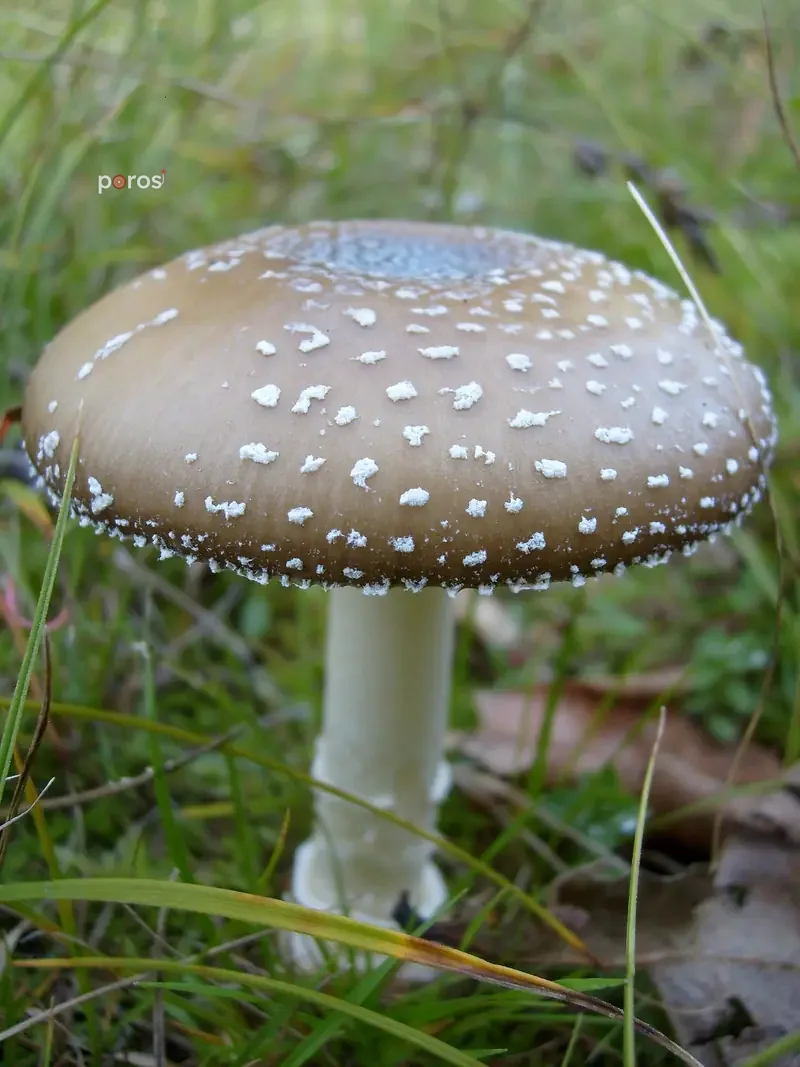 Panther capAmanita pantherinaPoisonous
-
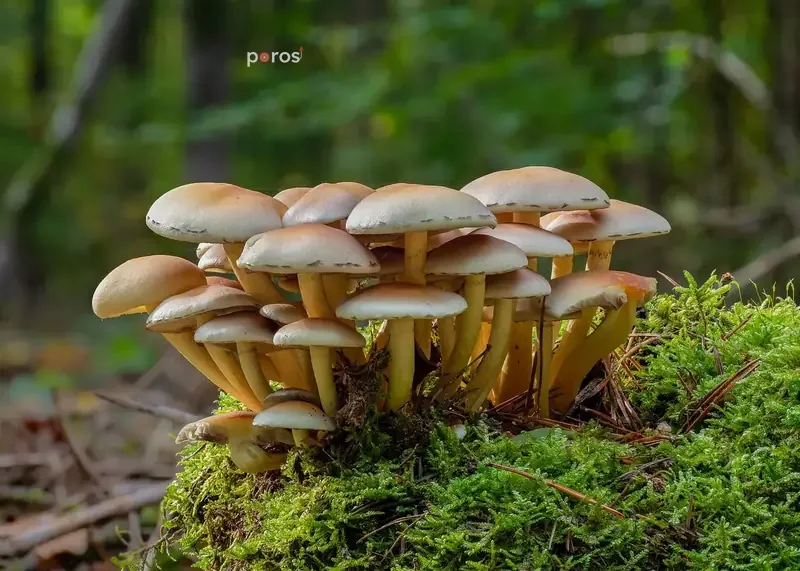 Sulphur tuftHypholoma fascicularePoisonous
-
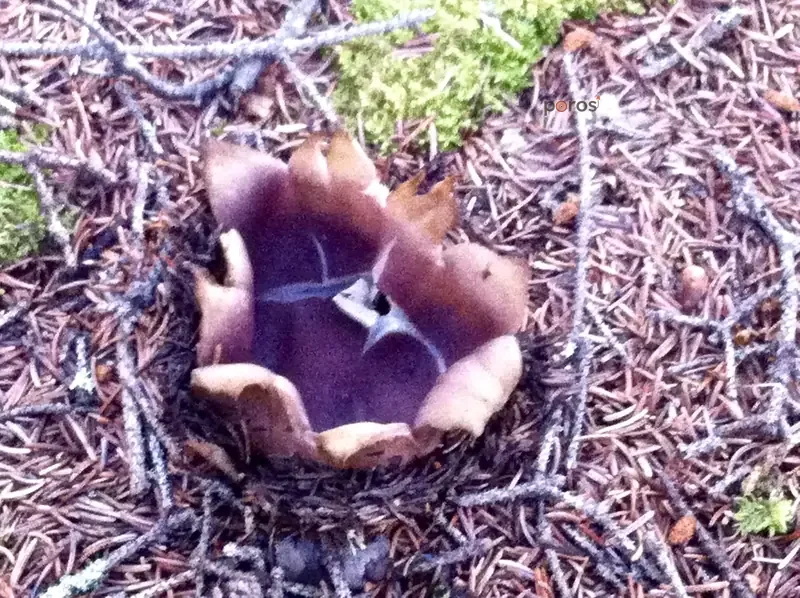 Violet crown cupSarcosphaera coronariaPoisonous
Sources
- Kanokmedhakul ve ark. (2003), Planta Medica: Scleroderma citrinum triterpenoid ve vulpinik asit türevleri pubmed.ncbi.nlm.nih.gov
- Adanacıoğlu ve ark. (2014), ANADOLU (Ege Tarımsal Araştırma Enstitüsü): Türkiye makromantar genetik kaynakları I. Ege Bölgesi dergipark.org.tr
- Wikipedia (EN): Scleroderma citrinum en.wikipedia.org
All sources (6)
- First Nature: Scleroderma citrinum first-nature.com
- GBIF: Türkiye kayıtları gbif.org
- iNaturalist: Türkiye gözlemleri inaturalist.org
Photo credits (8)
- File:Scleroderma citrinum - earth ball - Kartoffelbovist - Boletales - Sclerodermatineae - 03.jpg · Norbert Nagel · CC BY-SA 3.0
- File:Boletus parasiticus on Scleroderma citrinum.jpg · Hans Hillewaert · CC BY-SA 4.0
- File:Scleroderma citrinum UL 03.jpg · Cephas · CC BY-SA 4.0
- File:Scleroderma citrinum - earth ball - Kartoffelbovist - Boletales - Sclerodermatineae - 02.jpg · Norbert Nagel · CC BY-SA 3.0
- File:Gemeiner Kartoffelbovist Scleroderma citrinum.jpg · Holger Krisp · CC BY 3.0
- Scleroderma citrinum · iNaturalist #247339590 · Kieran Roy Powell · CC BY 4.0
- Scleroderma citrinum · iNaturalist #60466972 · Adam Kranz · CC0
- Scleroderma citrinum · iNaturalist #3642452 · Summit Metro Parks · CC BY 4.0


