
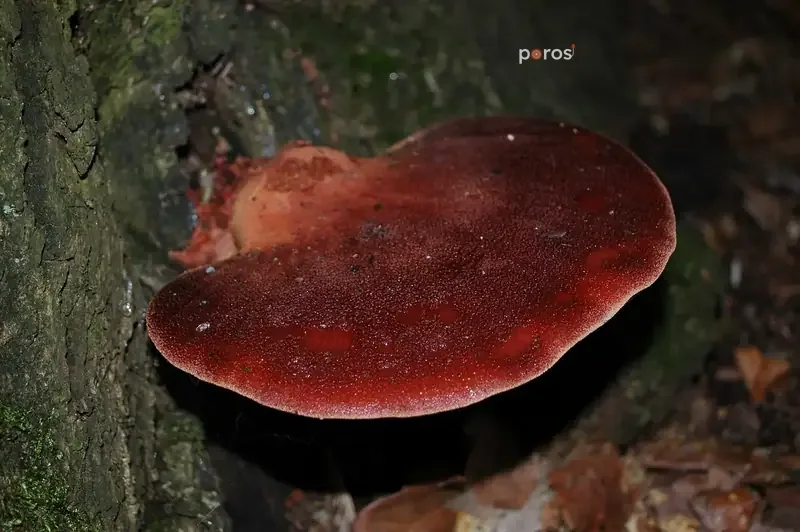


Beefsteak fungus
Fistulina hepatica · Fistulinaceae
The beefsteak fungus (Fistulina hepatica), sığır dili in Turkish, is an edible bracket fungus on oak and sweet chestnut trunks, tongue- or liver-shaped, with flesh that is marbled like raw meat and oozes red juice when cut; never eat it without certain identification.
Last updated: Prepared by the Poros Mantar editorial team4 sources checkedReport a correction
The beefsteak fungus (Fistulina hepatica), sığır dili in Turkish, is an edible bracket fungus on oak and sweet chestnut trunks, tongue- or liver-shaped, with flesh that is marbled like raw meat and oozes red juice when cut; never eat it without certain identification. Its upper surface is red-brown and sticky, and the underside has small tubes that are separate from one another. It tastes slightly sour. It causes a brown rot that darkens oak timber.
Also called: ox tongue, beefsteak polypore, poor man's beefsteak Turkish: Sığır dili
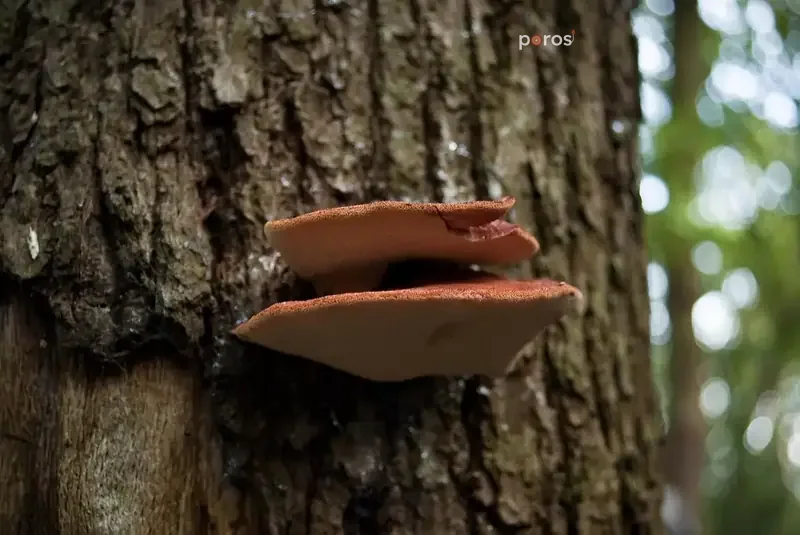
How to recognise it
Beefsteak fungus, part by part
No ring or volva Spore print: Pale pinkish brown Faint; sour taste. Cut flesh is marbled red and white like meat and oozes red juice.


When and where
Aug–Nov
- Jan
- Feb
- Mar
- Apr
- May
- Jun
- Jul
- Augin season
- Sepin season
- Octin season
- Novin season
- Dec
The beefsteak fungus fruits from late summer to mid autumn. In Turkey, GBIF records run from August to November and peak in October.
Type Edible
In season AugustSeptemberOctoberNovember
Regions Black Sea RegionCentral Anatolia RegionMarmara RegionDüzceTekirdağAnkaraKocaeliBoluYalovaIstanbulKırklareli
Where does beefsteak fungus grow?
The beefsteak fungus grows singly on the trunks of old or wounded oak and sweet chestnut trees, often low down, and sometimes on stumps.
Where is beefsteak fungus found in Turkey?
The beefsteak fungus is recorded in Turkey; its 22 Turkish GBIF records come from İstanbul, Düzce, Kırklareli, Yalova, Ankara and Bolu.
Which months
- Jan0
- Feb0
- Mar0
- Apr0
- May0
- Jun0
- Jul0
- Aug0
- Sep7
- Oct15
- Nov1
- Dec0
beefsteak fungus map of Turkey: all provinces and months →
8 provinces, 23 observations (GBIF, iNaturalist); months from observation dates. Record density also reflects where observers work.
Latest beefsteak fungus observations
-
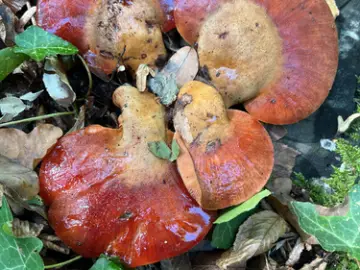 İstanbul5 Oct 2025 · iNaturalist© no rights reserved · CC0
-
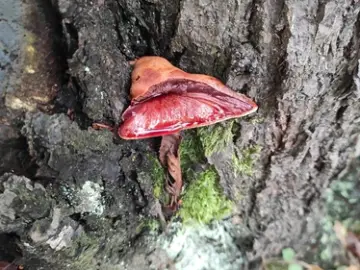 İstanbul21 Sep 2024 · iNaturalist© Umut Nuri Erdoğan · CC BY
-
 Illustrative
İstanbul10 Oct 2026 · iNaturalist
-
 Illustrative
Bolu4 Oct 2026 · iNaturalist
-
 Illustrative
İstanbul26 Sep 2026 · iNaturalist
-
 Illustrative
Bolu16 Oct 2025 · iNaturalist
-
 Illustrative
İstanbul5 Oct 2025 · iNaturalist
-
 Illustrative
Kırklareli1 Oct 2025 · iNaturalist
- See on the map
On "illustrative" cards the image is a photo of the species; the observation photo cannot be shown here because of its licence, but can be seen at the source.
Look-alikes
What could it be confused with?
Beefsteak fungus can be mistaken for the species below. Each card shows the look-alike and how it differs from Beefsteak fungus.
 Edible species
not Beefsteak fungus
Chicken of the woods Laetiporus sulphureus
Grows in bright yellow-orange tiers and does not ooze red juice; can cause illness if eaten raw or undercooked.
 Inedible
not Beefsteak fungus
Shaggy bracket Inonotus hispidus
Thickly hairy on top, turning from rusty brown to black; its flesh is not marbled and it is inedible.
 Inedible
not Beefsteak fungus
Ganoderma brackets Ganoderma spp.
Woody hard with a varnished look and a white pore surface; the flesh is not juicy.
How to cook and eat beefsteak fungus
Safety first. Never eat the beefsteak fungus without certain identification, and cook only young, fresh specimens. Its tannins make it sour and astringent.
How to prepare it
Use only young, fresh specimens. Soak older ones overnight, as their juice can upset the stomach.
How to cook it
Eat it cooked; it tastes sour and astringent, with a texture reminiscent of raw meat.
Source: Wikipedia.
How to store beefsteak fungus
Grow it, buy it
Beefsteak fungus price list
| Product | Us | Market (sourced, dated) |
|---|---|---|
| Fresh beefsteak fungus | Made to order · ask | — |
| Dried beefsteak fungus | Made to order · ask | — |
We make our beefsteak fungus products in small batches, to order; send a request and we email you the price and delivery date. The market column shows prices seen on other sellers' pages on the date given; they are not our prices and may have changed.
Frequently asked questions
Is the beefsteak fungus edible?
Yes, the beefsteak fungus is edible, but never eat it without certain identification. Only young, fresh specimens are eaten cooked; it tastes sour and astringent, and some people slice it thinly into salads.
How do you recognise a beefsteak fungus?
It is a red-brown, tongue- or liver-shaped bracket on oak or sweet chestnut trunks. Cut, its flesh is marbled like raw meat and oozes red juice, and the tubes underneath stand separate from one another.
Why is it called beefsteak or ox tongue?
The names come from its tongue shape and from the way its cut flesh looks red, juicy and marbled like raw meat.
Where and when does it grow?
It grows from late summer to mid autumn on old oak and sweet chestnut trunks. In Turkey most records come from İstanbul, with others from Düzce, Kırklareli, Yalova, Ankara and Bolu.
What can be mistaken for a beefsteak fungus?
It is most often confused with chicken of the woods (Laetiporus sulphureus), the shaggy bracket (Inonotus hispidus) and Ganoderma species. None of these has juicy, marbled flesh that oozes red.
Does the beefsteak fungus harm trees?
It causes a slow brown rot in oak and chestnut wood. The rot darkens the timber, and this brown oak is sought after by furniture makers.
Is the beef steak mushroom the same as the beefsteak fungus?
Yes. Beef steak mushroom and beefsteak fungus both mean Fistulina hepatica, the red tongue-shaped bracket on oak and chestnut, sığır dili in Turkish.
Which mushroom tastes like steak?
The beefsteak fungus is named for its look rather than its taste: it is red and juicy like raw meat, but tastes slightly sour. Mushrooms people call meaty when cooked are king oyster, portobello, maitake, chicken of the woods and lion's mane.
Is beefsteak fungus edible?
Yes, beefsteak fungus is an edible species. Eat a wild one only after an expert has identified it with certainty. Never eat the beefsteak fungus without certain identification, and cook only young, fresh specimens. Its tannins make it sour and astringent.
When is beefsteak fungus season in Turkey?
In our calendar, beefsteak fungus season runs Aug–Nov. The beefsteak fungus fruits from late summer to mid autumn. In Turkey, GBIF records run from August to November and peak in October.
Where does beefsteak fungus grow?
The beefsteak fungus grows singly on the trunks of old or wounded oak and sweet chestnut trees, often low down, and sometimes on stumps.
Where is beefsteak fungus found in Turkey?
The beefsteak fungus is recorded in Turkey; its 22 Turkish GBIF records come from İstanbul, Düzce, Kırklareli, Yalova, Ankara and Bolu.
What can beefsteak fungus be confused with?
Beefsteak fungus can be confused with chicken of the woods (Laetiporus sulphureus, edible species), shaggy bracket (Inonotus hispidus, inedible) and ganoderma brackets (Ganoderma spp., inedible). Look-alikes are compared on this page.
What is beefsteak fungus called in Turkish?
In Turkish, beefsteak fungus (Fistulina hepatica) is called Sığır dili.
Related species
-
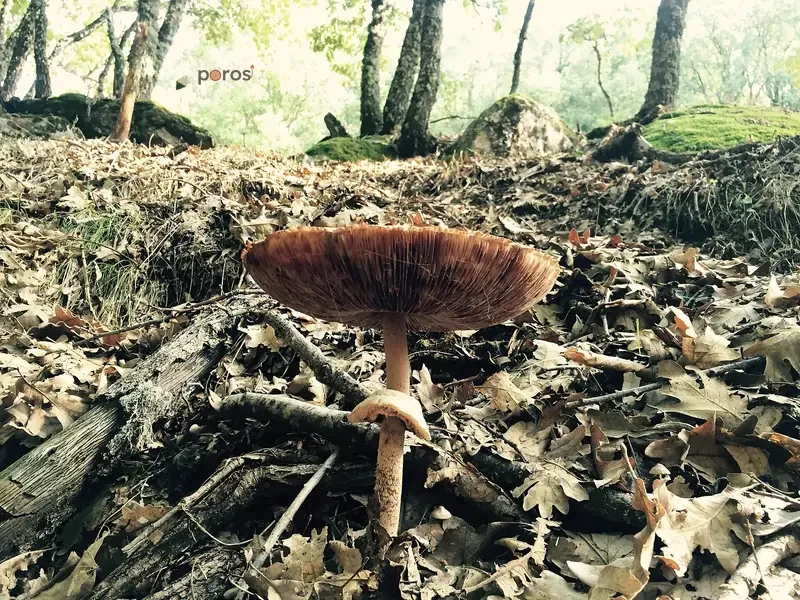 Anatolian matsutakeTricholoma anatolicumEdible species
-
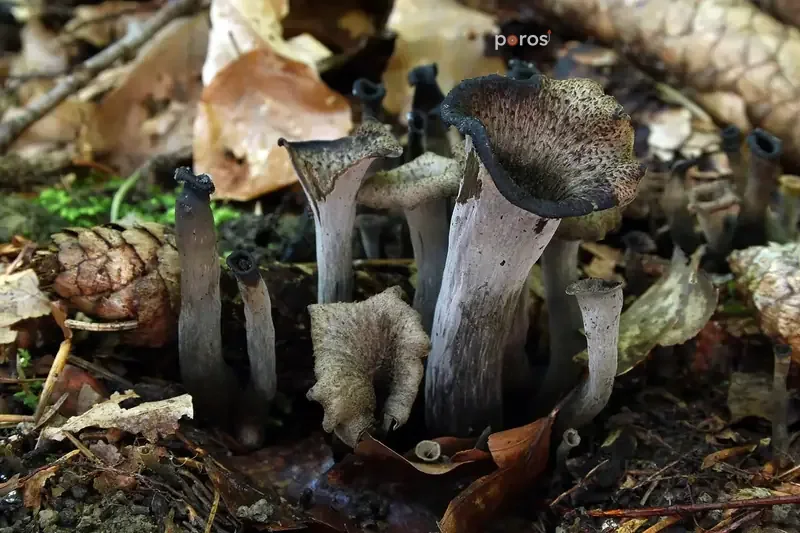 Black trumpetCraterellus cornucopioidesEdible species
-
 Bloody milk capLactarius sanguifluusEdible species
-
 Button mushroomAgaricus bisporusEdible species
-
 Caesar’s mushroomAmanita caesareaEdible species
-
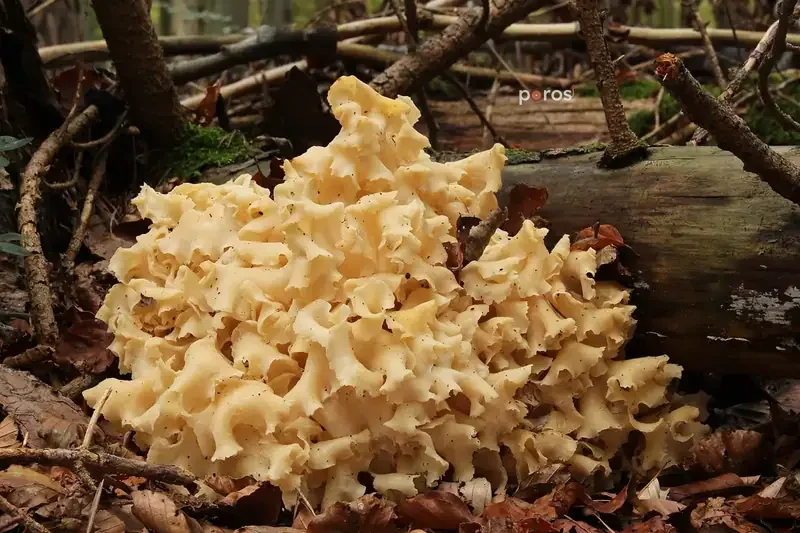 Cauliflower mushroomSparassis crispaEdible species
-
 ChanterelleCantharellus cibariusEdible species
-
Chicken of the woodsLaetiporus sulphureusEdible species
Sources
- Ribeiro ve ark. (2007), Food and Chemical Toxicology: Fistulina hepatica fenolik bileşikleri pubmed.ncbi.nlm.nih.gov
- Wikipedia (EN): Fistulina hepatica en.wikipedia.org
- First Nature: Fistulina hepatica first-nature.com
All sources (4)
- GBIF: Türkiye kayıtları gbif.org
Photo credits (10)
- File:Fistulina hepatica.JPG · Jiří Berkovec · CC BY-SA 3.0
- File:Fistulina hepatica - їстівний гриб, що має легкий кислий смак, бо присутні дубильні речовини.jpg · Kateryna Danylenko · CC BY 4.0
- Fistulina hepatica · iNaturalist #318261953 · Gilles San Martin · CC BY-SA 4.0
- Fistulina hepatica · iNaturalist #112951937 · Lorenz Wenner · CC BY 4.0
- Fistulina hepatica · iNaturalist #4678583 · Alan Rockefeller · CC BY 4.0
- File:Beefsteak fungus - Fistulina hepatica (8071757553).jpg · Lukas from London, England · CC BY-SA 2.0
- Fistulina hepatica · iNaturalist #318261953 · Gilles San Martin · CC BY-SA 4.0
- Fistulina hepatica · iNaturalist #33980198 · Mandy Hackney · CC BY 4.0
- iNaturalist: İstanbul, 5 Oct 2025 · no rights reserved · CC0
- iNaturalist: İstanbul, 21 Sep 2024 · Umut Nuri Erdoğan · CC BY


