
Wood pinkgill
Entoloma rhodopolium · Entolomataceae

Entoloma rhodopolium, the wood pinkgill, has a 3–10 cm grey-brown cap that shines when wet and gills that turn pink at maturity; it grows in deciduous woodland. It is poisonous: eating it causes gastrointestinal poisoning with nausea, vomiting and diarrhoea, and muscarine-like signs are reported in some cases. In Japan it is among the mushrooms that most often cause poisoning. In Turkey there are GBIF records from Istanbul.
Turkish: Entoloma rhodopolium
Last updated: Prepared by the Poros Mantar editorial team4 sources checkedReport a correction
POISONOUS — do not eat.
Entoloma rhodopolium is poisonous. According to sources nausea, vomiting, abdominal pain and diarrhoea begin 30 minutes to a few hours after the meal, with muscarine-like signs such as sweating and salivation in some cases. Pink-spored mushrooms should not be picked. If poisoning is suspected, call 112 (Turkish poison centre UZEM: 114) and keep any leftover mushroom.
Wood pinkgill photos
-
© billyd at Mushroom Observer, a source for mycological images.You can · CC BY-SA 3.0
-

© Fluff Berger · CC BY-SA 4.0
-

Gills© Fluff Berger · CC BY-SA 4.0
-

Cap© Fluff Berger · CC BY-SA 4.0
-
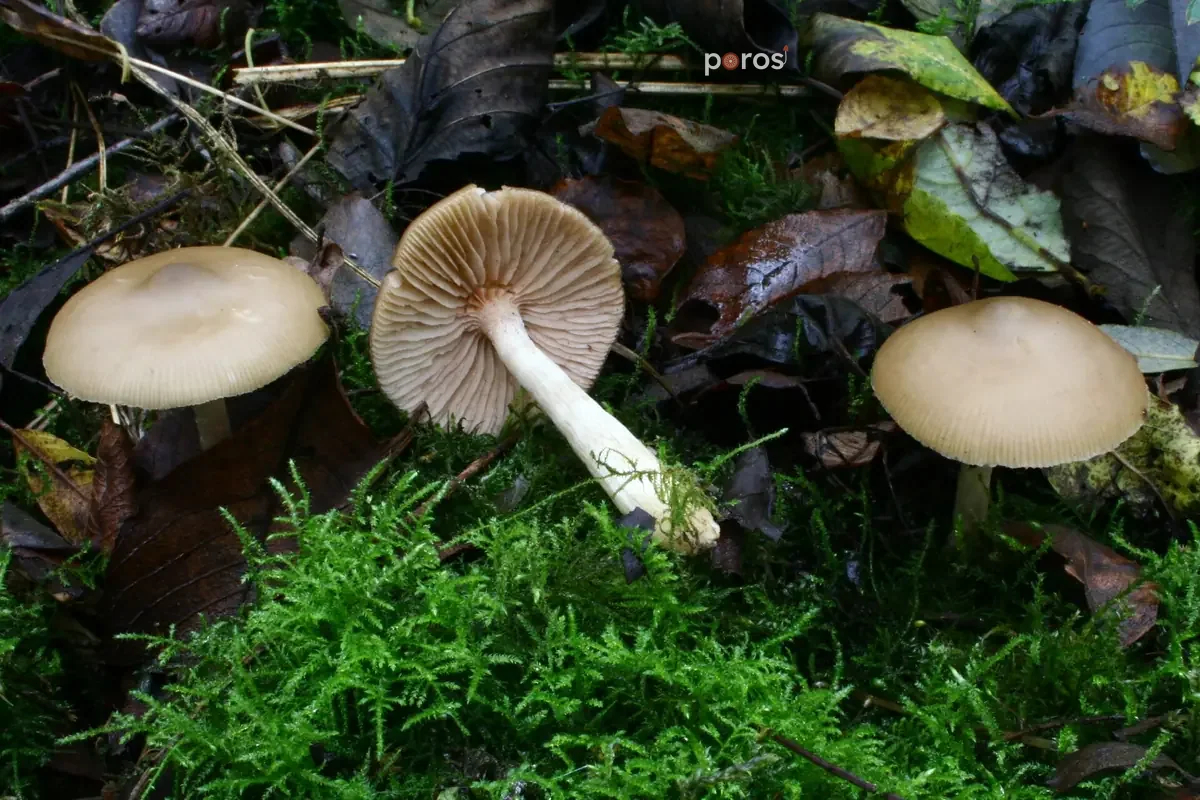
In habitat© Strobilomyces · CC BY-SA 3.0
-

Gills© Christine Young · CC BY 4.0
-

Stem© Christine Young · CC BY 4.0
-

Spore print© Ron Pastorino (Ronpast) at Mushroom Observer, a source for mycologica · CC BY-SA 3.0
-

Gills© Matej Frančeškin · CC BY 4.0
-

© Richard Daniel (RichardDaniel) (Mushroom Observer) · CC BY-SA 3.0


These are licensed records of this species; photos alone are not enough to identify a mushroom.
Are wood pinkgills poisonous?
Yes, wood pinkgills are poisonous and must not be eaten. It causes gastrointestinal poisoning, with muscarine-like signs in some cases. If poisoning is suspected, call 112 at once (Turkish poison centre: 114) and keep any leftover mushroom.
Are wood pinkgills edible?
No, wood pinkgills must not be eaten; they are poisonous. If poisoning is suspected, call 112 at once (Turkish poison centre: 114) and keep any leftover mushroom.
How to recognise it
Appearance of wood pinkgills
No ring or volva Spore print: Pink Not distinctive, or faintly mealy or of bleach.
Where do wood pinkgills grow?
Associated with beech, oak, hornbeam and other broadleaf trees; grows among leaf litter in damp woodland.
Where is wood pinkgills found in Turkey?
Our map data holds two GBIF records from Turkey (Istanbul) and one research-grade iNaturalist observation. Its relative the livid pinkgill (E. sinuatum) is better known in Turkey.
Which months
- Jan0
- Feb0
- Mar0
- Apr0
- May0
- Jun0
- Jul0
- Aug0
- Sep0
- Oct0
- Nov0
- Dec1
1 provinces, 1 observations (GBIF, iNaturalist); months from observation dates. Record density also reflects where observers work.
Latest wood pinkgill observations
 Illustrative
On "illustrative" cards the image is a photo of the species; the observation photo cannot be shown here because of its licence, but can be seen at the source.
Look-alikes
What is it mistaken for?
Wood pinkgill can be mistaken for the species below. Each comparison shows Wood pinkgill on the left, the look-alike on the right, and how to tell them apart.

Livid pinkgill Entoloma sinuatum
How to tell The livid pinkgill is larger and fleshier with yellowish young gills; it is also poisonous.

Clouded funnel Clitocybe nebularis
How to tell The clouded agaric has decurrent gills that stay creamy and a cream-white spore print.
Other look-alikes (1)
not Wood pinkgill
Shield pinkgill Entoloma clypeatum
Fruits in spring under trees of the rose family; gathered in some countries, but the two are easily confused.
Wood pinkgill and its look-alikes compared
| Species | Status | Underside | Spore print | Season |
|---|---|---|---|---|
| Wood pinkgillEntoloma rhodopolium | Poisonous | Notched gills, whitish when young, pink at maturity | Pink | Aug–Nov |
| Livid pinkgillEntoloma sinuatum | Poisonous | Distant, notched at the stem | Pink (reddish brown) | Aug–Dec |
| Clouded funnelClitocybe nebularis | Inedible | Gills crowded, cream to pale yellowish, slightly decurrent and easily scraped off with a finger | Cream to pale yellow | Oct–Jan |
The table is compiled from each species page. The status column is a guide only; do not eat a wild mushroom unless an expert has seen it in person. Compare look-alikes side by side
Frequently asked questions
Are wood pinkgills poisonous?
Yes, wood pinkgills are poisonous and must not be eaten. It causes gastrointestinal poisoning, with muscarine-like signs in some cases. If poisoning is suspected, call 112 at once (Turkish poison centre: 114) and keep any leftover mushroom.
Are wood pinkgills edible?
No, wood pinkgills must not be eaten; they are poisonous. If poisoning is suspected, call 112 at once (Turkish poison centre: 114) and keep any leftover mushroom.
How do you recognise it?
A grey-brown cap that shines when wet, gills that turn pink, a pink spore print and a slender hollow stem.
Is it found in Turkey?
Yes. GBIF holds two records from Istanbul and iNaturalist one observation.
When do symptoms start?
According to sources within half an hour to a few hours. If in doubt, call 112.
What does a pink spore print tell you?
A pink spore print points to genera such as Entoloma, Pluteus and Volvariella; many Entoloma species are poisonous.
How does it differ from the livid pinkgill?
It is slimmer and lighter with a cap that shines when wet; the livid pinkgill is larger and fleshier. Both are poisonous.
Where does it grow?
In beech, oak and hornbeam woods among damp leaf litter.
When is wood pinkgill season in Turkey?
In our calendar, wood pinkgill season runs Aug–Nov. Fruits from August to November in deciduous woodland.
Where do wood pinkgills grow?
Associated with beech, oak, hornbeam and other broadleaf trees; grows among leaf litter in damp woodland.
Where are wood pinkgills found in Turkey?
Our map data holds two GBIF records from Turkey (Istanbul) and one research-grade iNaturalist observation. Its relative the livid pinkgill (E. sinuatum) is better known in Turkey.
What can the wood pinkgill be confused with?
The wood pinkgill can be confused with livid pinkgill (Entoloma sinuatum, poisonous), clouded funnel (Clitocybe nebularis, inedible) and shield pinkgill (Entoloma clypeatum, inedible). Look-alikes are compared on this page.
What is the wood pinkgill called in Turkish?
In Turkish, the wood pinkgill (Entoloma rhodopolium) is called Entoloma rhodopolium.
Related species
-
Livid pinkgillEntoloma sinuatumPoisonous
-
 Blue pinkgillEntoloma hochstetteriInedible
-
 Cinnamon bracketHapalopilus rutilansPoisonous
-
 Common earthballScleroderma citrinumPoisonous
-
 Common ink capCoprinopsis atramentariaPoisonous
-
 Devil’s boleteRubroboletus satanasPoisonous
-
 Eastern jack-o’-lanternOmphalotus illudensPoisonous
-
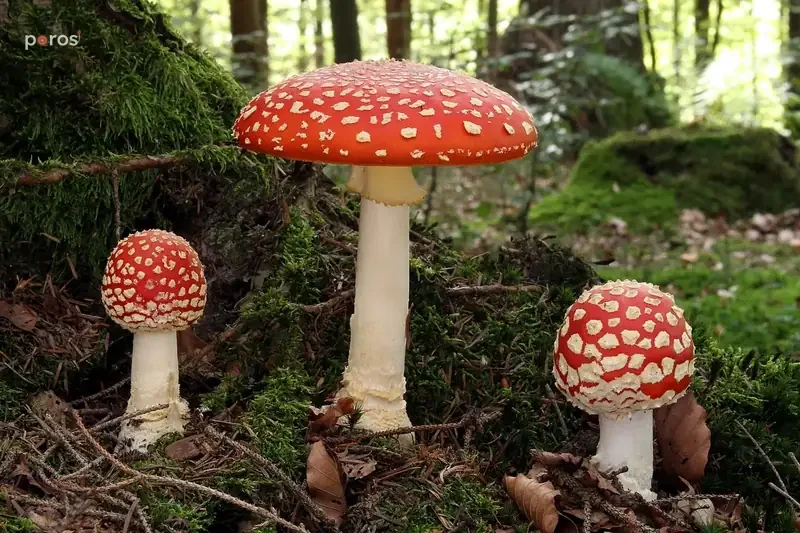 Fly agaricAmanita muscariaPoisonous
Sources
- Wikipedia (EN): Entoloma rhodopolium en.wikipedia.org
- First Nature: Entoloma rhodopolium, Wood Pinkgill first-nature.com
- iNaturalist: Entoloma rhodopolium inaturalist.org
All sources (4)
- GBIF: Türkiye kayıtları gbif.org
Photo credits (10)
- File:Entoloma rhodopolium 947421.jpg · billyd at Mushroom Observer, a source for mycological images.You can · CC BY-SA 3.0
- Entoloma rhodopolium · iNaturalist #391953179 · Fluff Berger · CC BY-SA 4.0
- Entoloma rhodopolium · iNaturalist #391953176 · Fluff Berger · CC BY-SA 4.0
- Entoloma rhodopolium · iNaturalist #391953179 · Fluff Berger · CC BY-SA 4.0
- File:Entoloma rhodopolium 20121111w.JPG · Strobilomyces · CC BY-SA 3.0
- Entoloma rhodopolium · iNaturalist #67642380 · Christine Young · CC BY 4.0
- Entoloma rhodopolium · iNaturalist #67642380 · Christine Young · CC BY 4.0
- File:2011-01-07 Entoloma rhodopolium group 2 61943.jpg · Ron Pastorino (Ronpast) at Mushroom Observer, a source for mycologica · CC BY-SA 3.0
- File:Entoloma rhodopolium 342299328.jpg · Matej Frančeškin · CC BY 4.0
- File:Entoloma rhodopolium 1645536.jpg · Richard Daniel (RichardDaniel) (Mushroom Observer) · CC BY-SA 3.0


