
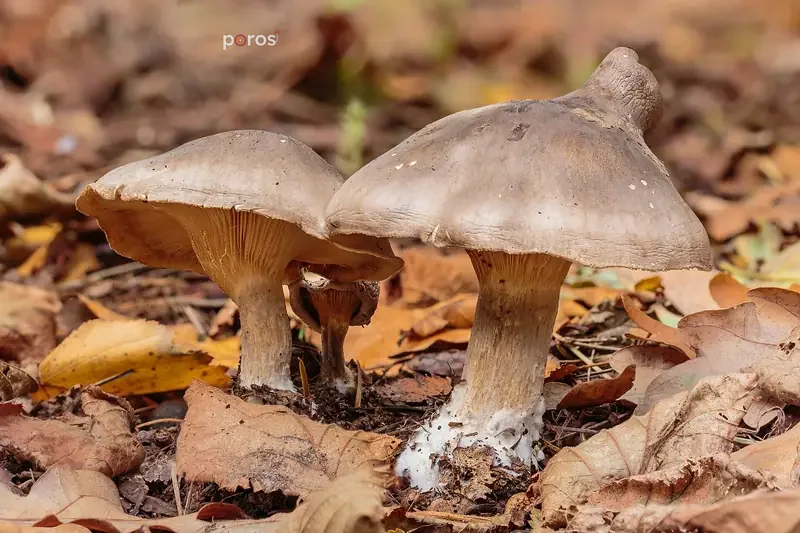


Clouded funnel
Clitocybe nebularis · Clitocybaceae
The clouded funnel (Clitocybe nebularis) is a large, fleshy, smoky-grey mushroom that often grows in rings or rows in woodland leaf litter.
Last updated: Prepared by the Poros Mantar editorial team6 sources checkedReport a correction
The clouded funnel (Clitocybe nebularis) is a large, fleshy, smoky-grey mushroom that often grows in rings or rows in woodland leaf litter. It has a distinctive heavy, sweetish-rancid smell. It used to be considered edible, but since it has been reported to cause stomach upsets in many people, it is now treated as not edible.
Also called: clouded agaric, cloudy clitocybe Turkish: Dumanlı mantar Synonyms: Lepista nebularis
How to recognise it
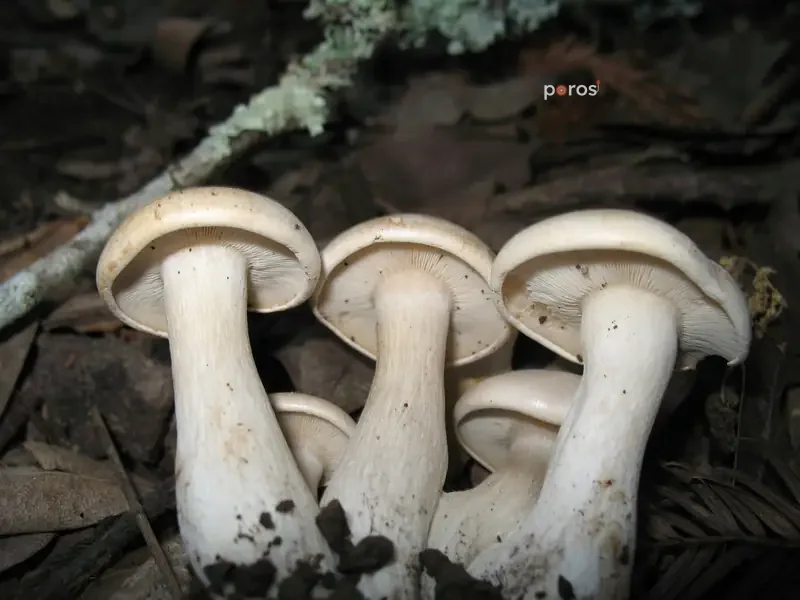
Clouded funnel, part by part
No ring or volva Spore print: Cream to pale yellow Strong and distinctive; described as sweetish, rancid or like stale flour.

When and where
Oct–Jan
- Janin season
- Feb
- Mar
- Apr
- May
- Jun
- Jul
- Aug
- Sep
- Octin season
- Novin season
- Decin season
The clouded funnel appears in late autumn and early winter; Turkish records run from October to January, peaking in January and December.
Type Inedible
Months seen OctoberNovemberDecemberJanuary
Regions Black Sea RegionMediterranean RegionMarmara RegionOsmaniyeKocaeliBoluIstanbulKırklareli
Where does clouded funnel grow?
In broadleaf and conifer woods on thick leaf or needle litter, often forming fairy rings or long rows.
Where is clouded funnel found in Turkey?
Our map data (GBIF and iNaturalist) holds 22 Turkish records, most from Istanbul, plus Bolu, Kocaeli, Osmaniye and Kırklareli.
- İstanbul15
- Bolu4
- Kocaeli1
- Osmaniye1
- Kırklareli1
Which months
- Jan9
- Feb0
- Mar0
- Apr0
- May0
- Jun0
- Jul0
- Aug0
- Sep0
- Oct4
- Nov3
- Dec6
clouded funnel map of Turkey: all provinces and months →
5 provinces, 22 observations (GBIF, iNaturalist); months from observation dates. Record density also reflects where observers work.
Latest clouded funnel observations
-
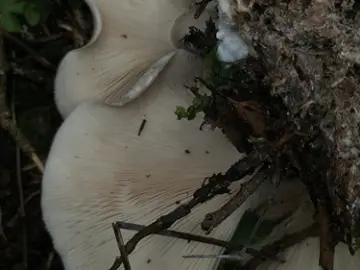 Bolu29 Oct 2026 · iNaturalist© Umut Nuri Erdoğan · CC BY
-
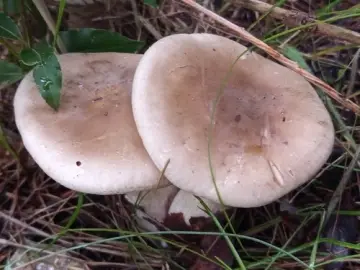 İstanbul25 Dec 2025 · iNaturalist© Umut Nuri Erdoğan · CC BY
-
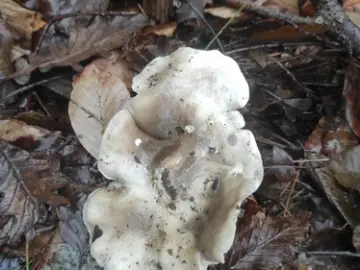 İstanbul10 Jan 2024 · iNaturalist© Umut Nuri Erdoğan · CC BY
-
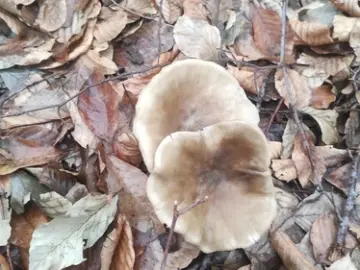 İstanbul10 Jan 2024 · iNaturalist© Umut Nuri Erdoğan · CC BY
-
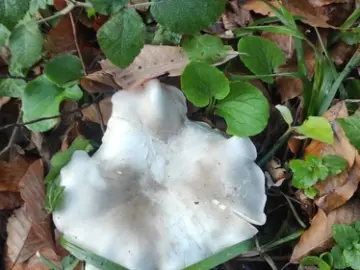 İstanbul4 Jan 2024 · iNaturalist© Umut Nuri Erdoğan · CC BY
-
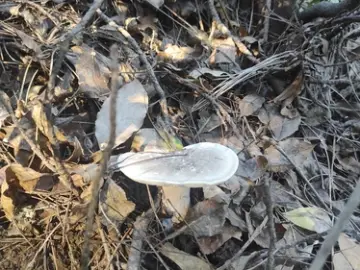 İstanbul28 Dec 2023 · iNaturalist© Umut Nuri Erdoğan · CC BY
-
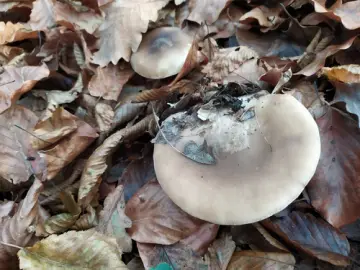 Kırklareli14 Nov 2022 · iNaturalist© Asrın Akıncıoğlu · CC BY
-
 Illustrative
Bolu29 Oct 2026 · iNaturalist
- See on the map
On "illustrative" cards the image is a photo of the species; the observation photo cannot be shown here because of its licence, but can be seen at the source.
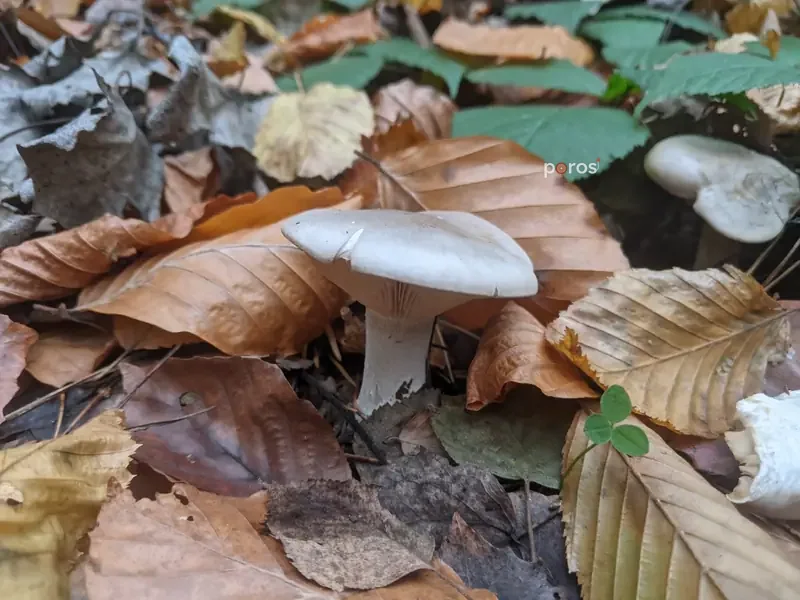
Look-alikes
What could it be confused with?
Clouded funnel can be mistaken for the species below. Each card shows the look-alike and how it differs from Clouded funnel.
 Poisonous
not Clouded funnel
Livid pinkgill Entoloma sinuatum
The livid pinkgill's gills turn from yellowish to pink and its spore print is pink; the clouded funnel's gills are cream and its spore print cream-yellow.
 Edible species
not Clouded funnel
Wood blewit Lepista nuda
The wood blewit has lilac-violet tones on cap, gills and stem and a fruity smell. The clouded funnel has no violet tone.
 Edible species
not Clouded funnel
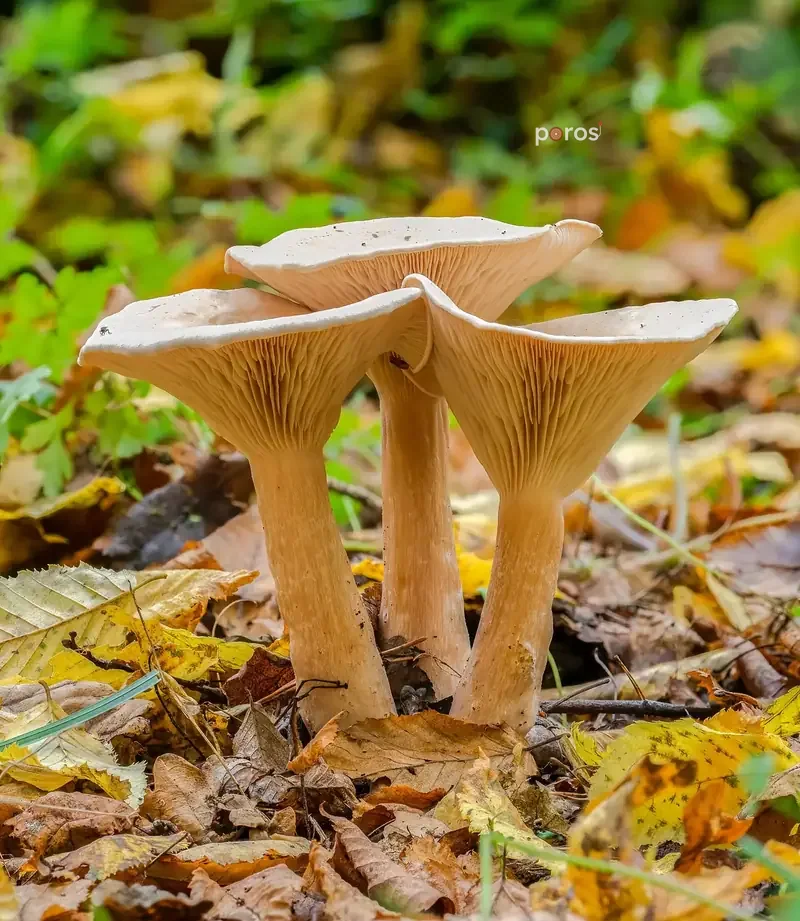
Trooping funnel Infundibulicybe geotropa
It also grows in rings, but its cap is cream to buff with a clear central bump and its stem is long; the clouded funnel is greyer, with a shorter, thicker stem.
What it contains
In Europe it is now among the species not recommended for eating; it has no place in the kitchen.
General information, not a health claim.
The clouded funnel used to be eaten cooked, but it has been reported to cause nausea, vomiting and diarrhoea in many people, and the compound nebularine it contains is thought to be harmful. It is also confused with the poisonous livid pinkgill. Do not eat it. If poisoning is suspected, call poison control and keep any leftover mushroom.
Frequently asked questions
Is the clouded funnel edible?
No. It used to be eaten, but as it has been reported to cause stomach upsets in many people, it is now treated as not edible.
Is it poisonous?
Cases of nausea, vomiting and diarrhoea have been reported; it is not deadly. The bigger danger is confusing it with the poisonous livid pinkgill.
How do you identify it?
A large smoky-grey cap, crowded cream gills, a thick stem with a swollen base, a strong sweetish-rancid smell and a cream spore print.
Why does it grow in rings?
Its mycelium spreads outwards in a circle in the soil and the mushrooms appear at the edge. These are known as fairy rings.
When does it appear?
In late autumn and early winter; Turkish records run from October to January.
Where is it found in Turkey?
Most of the 22 records in our map data are from Istanbul, with others from Bolu, Kocaeli, Osmaniye and Kırklareli.
Can it be confused with the wood blewit?
They can grow in the same places at the same time. The wood blewit is lilac-violet all over with a fruity smell; the clouded funnel is grey.
Does another mushroom grow on it?
Yes. A small white mushroom, Volvariella surrecta, grows only on the caps of the clouded funnel; it is rare.
When is clouded funnel season in Turkey?
In our calendar, clouded funnel season runs Oct–Jan. The clouded funnel appears in late autumn and early winter; Turkish records run from October to January, peaking in January and December.
Where does clouded funnel grow?
In broadleaf and conifer woods on thick leaf or needle litter, often forming fairy rings or long rows.
Where is clouded funnel found in Turkey?
Our map data (GBIF and iNaturalist) holds 22 Turkish records, most from Istanbul, plus Bolu, Kocaeli, Osmaniye and Kırklareli.
What can clouded funnel be confused with?
Clouded funnel can be confused with livid pinkgill (Entoloma sinuatum, poisonous), wood blewit (Lepista nuda, edible species) and trooping funnel (Infundibulicybe geotropa, edible species). Look-alikes are compared on this page.
What is clouded funnel called in Turkish?
In Turkish, clouded funnel (Clitocybe nebularis) is called Dumanlı mantar.
Related species
-
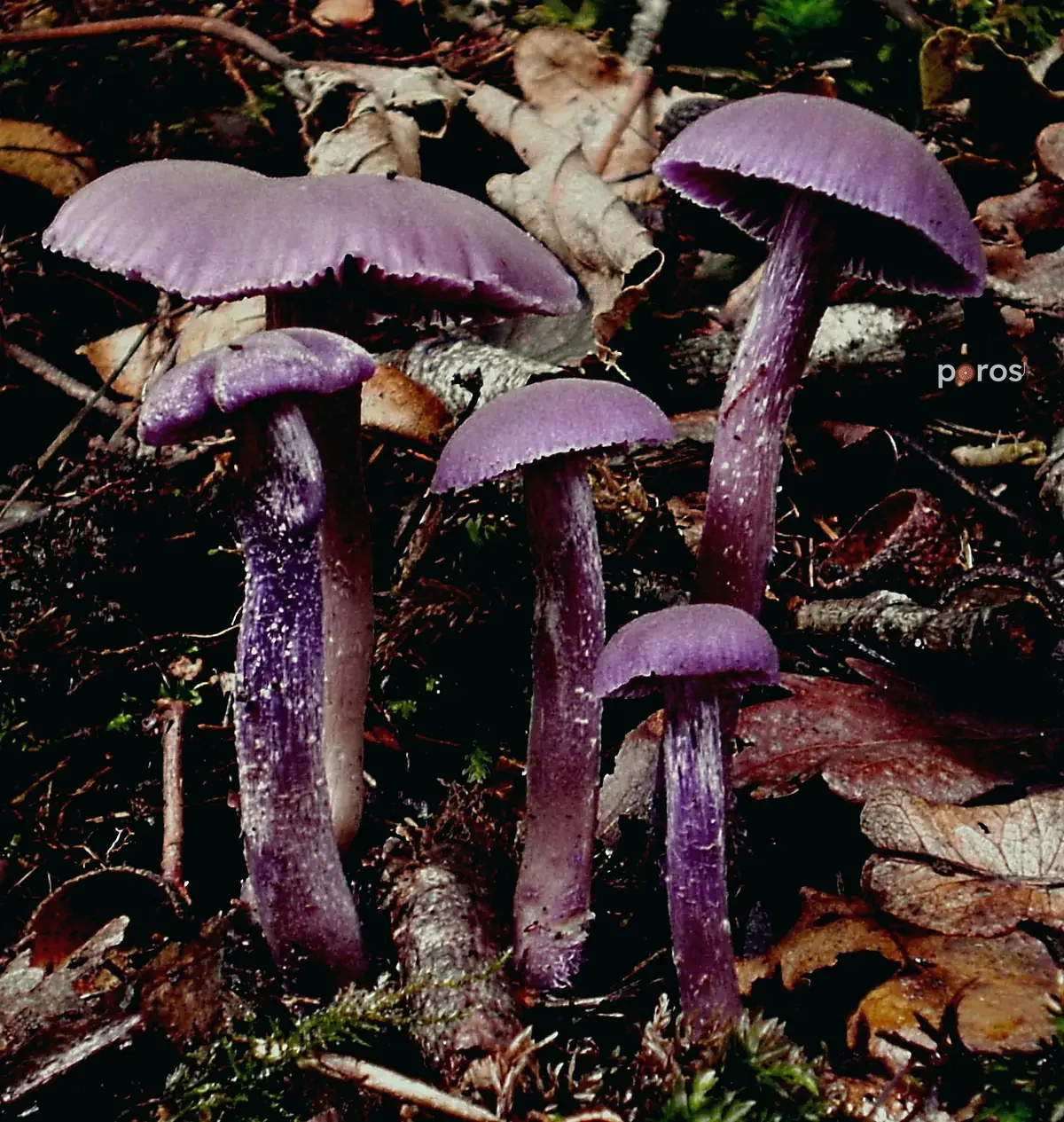 Amethyst deceiverLaccaria amethystinaInedible
-
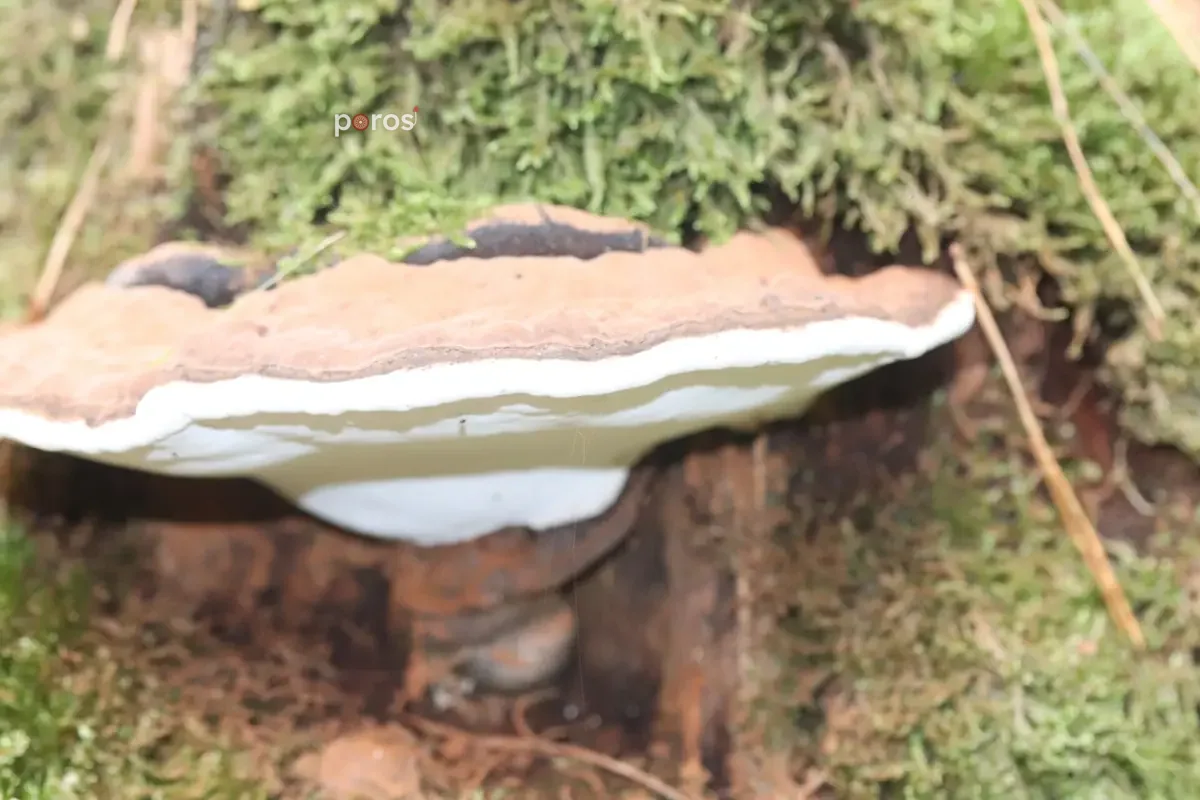 Artist’s bracketGanoderma applanatumInedible
-
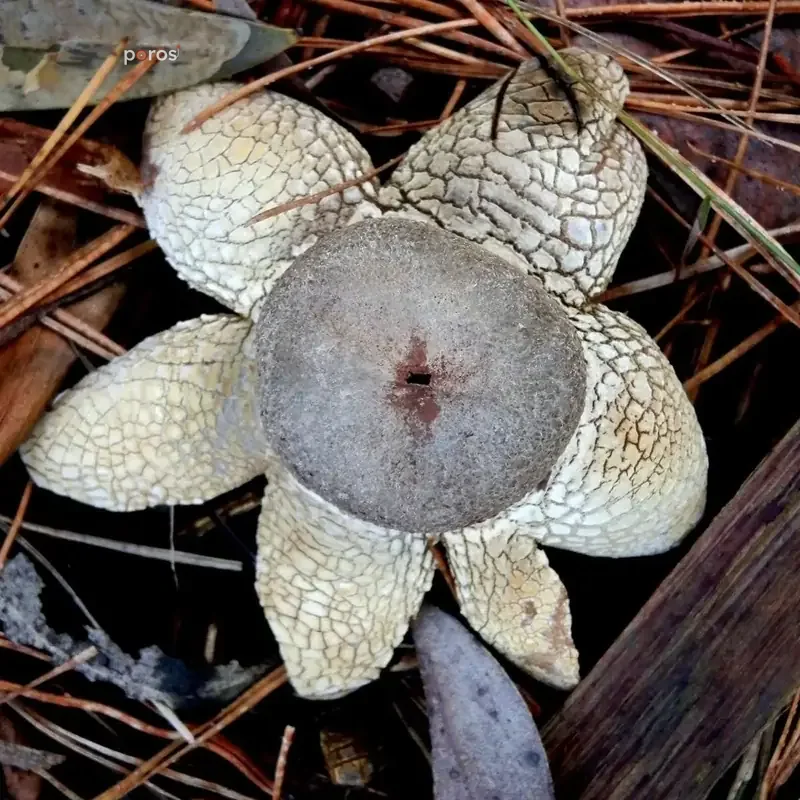 Barometer earthstarAstraeus hygrometricusInedible
-
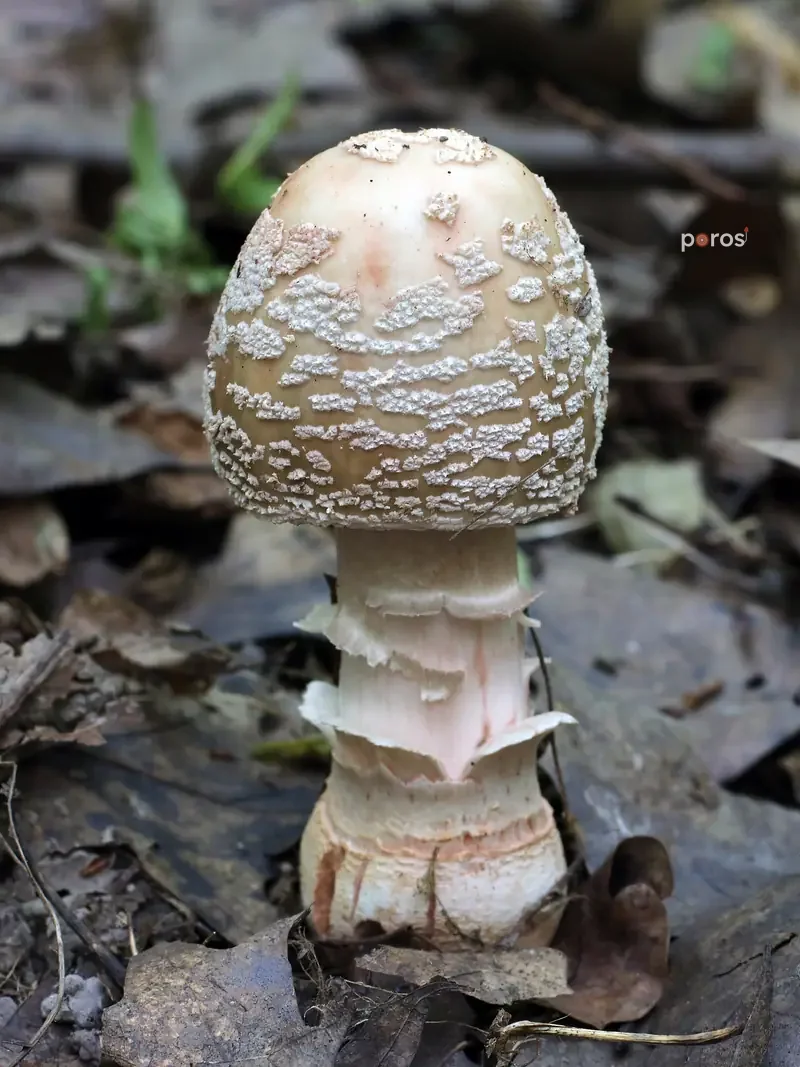 BlusherAmanita rubescensInedible
-
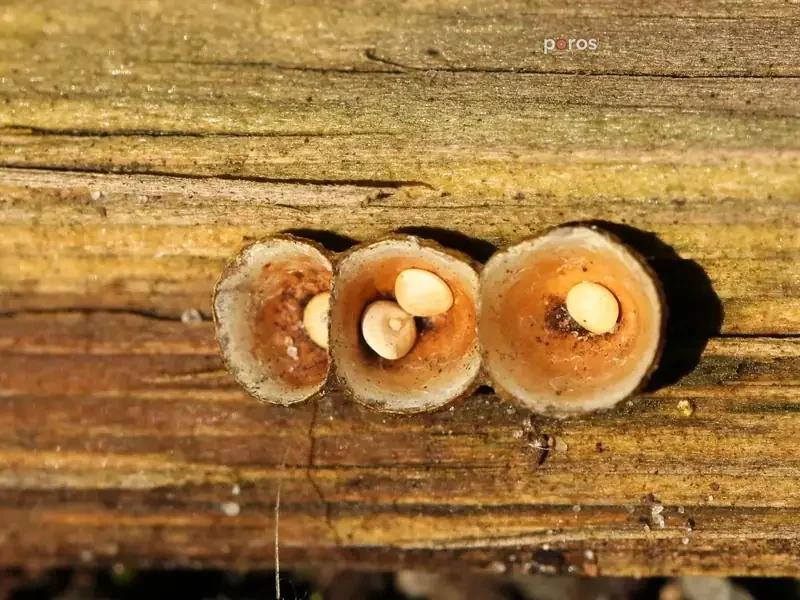 Common bird’s nest fungusCrucibulum laeveInedible
-
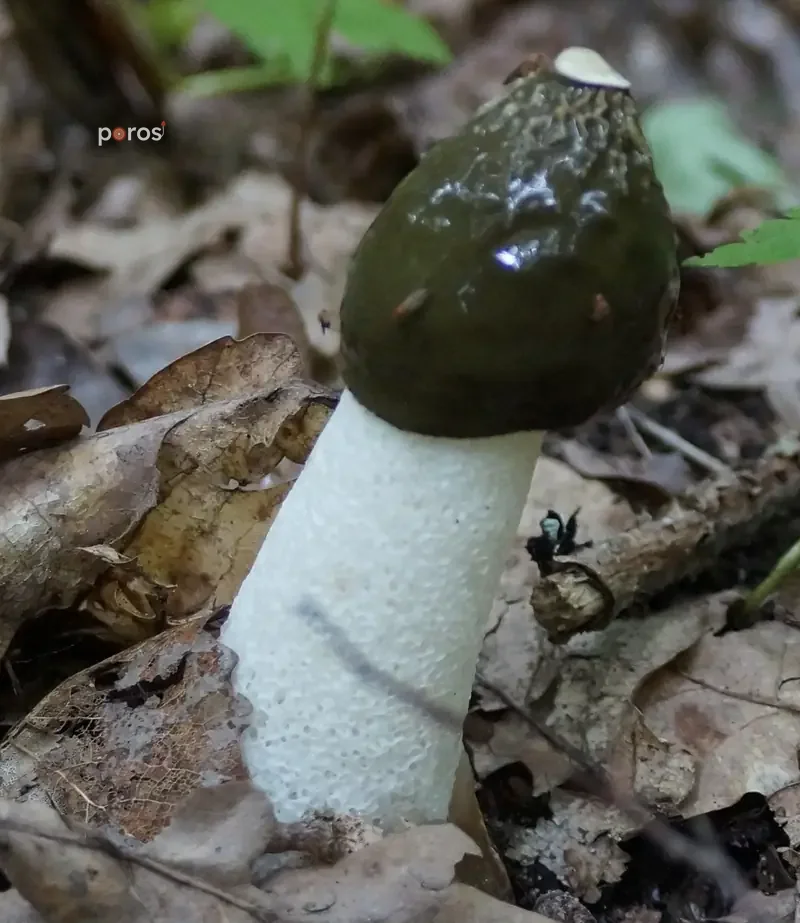 Common stinkhornPhallus impudicusInedible
-
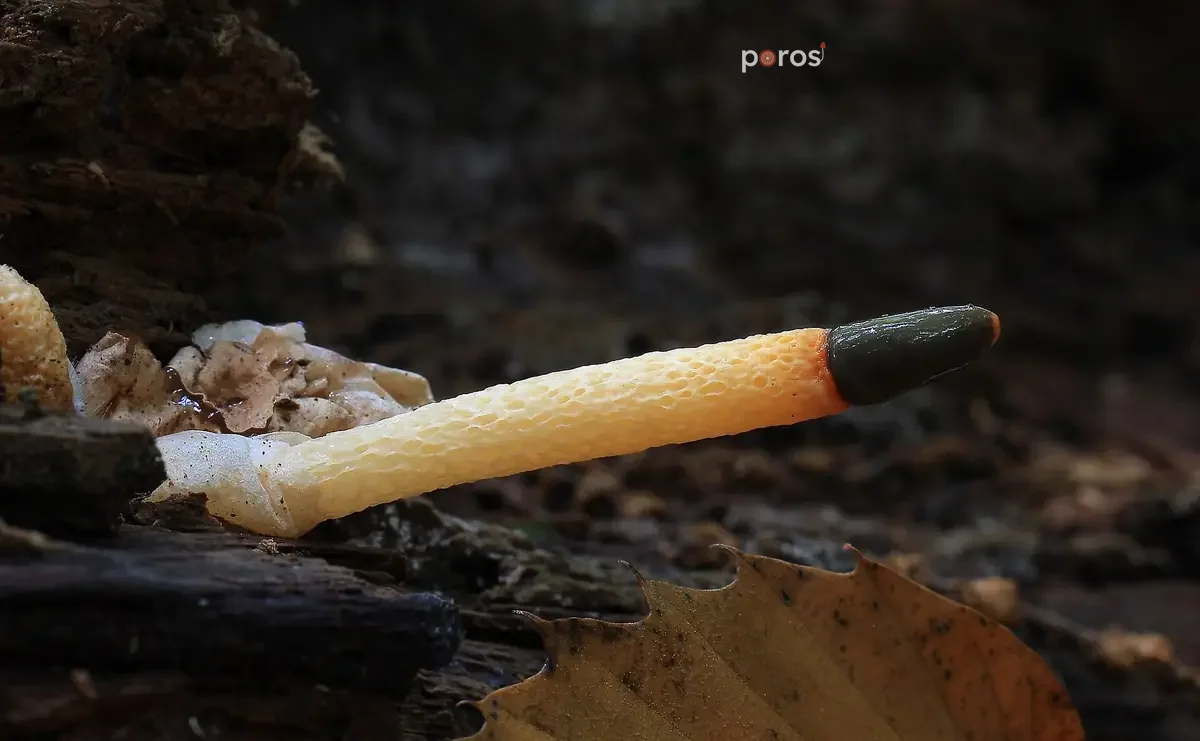 Dog stinkhornMutinus caninusInedible
-
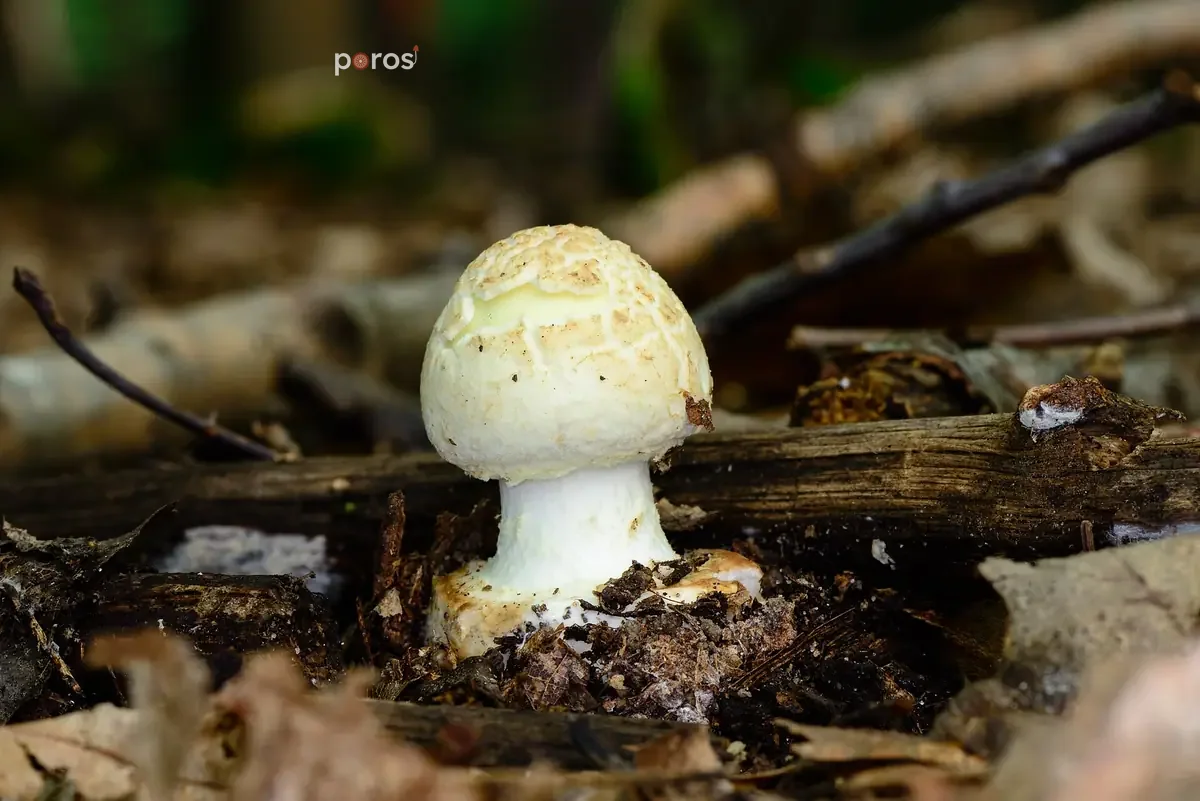 False death capAmanita citrinaInedible
Sources
- Dizeci ve ark. (2021), Mycologia: Clitocybe nebularis ve Infundibulicybe geotropa karşılaştırması pubmed.ncbi.nlm.nih.gov
- Sabotič ve Kos (2019), Molecules: Clitocybe nebularis lektini pubmed.ncbi.nlm.nih.gov
- Wikipedia (EN): Clitocybe nebularis en.wikipedia.org
All sources (6)
- First Nature: Clitocybe nebularis first-nature.com
- iNaturalist: Clitocybe nebularis (Türkçe ad ve Türkiye gözlemleri) inaturalist.org
- GBIF: Türkiye kayıtları gbif.org
Photo credits (15)
- File:Nevelzwam (Clitocybe nebularis) 05-11-2020 (d.j.b.) 01.jpg · Dominicus Johannes Bergsma · CC BY-SA 4.0
- Clitocybe nebularis · iNaturalist #4675291 · Alan Rockefeller · CC BY 4.0
- Clitocybe nebularis · iNaturalist #18703063 · Possums' End · CC BY 4.0
- Clitocybe nebularis · iNaturalist #190412637 · Alexandr Stanislavschi · CC BY 4.0
- Clitocybe nebularis · iNaturalist #4675291 · Alan Rockefeller · CC BY 4.0
- File:Nevelzwam (Clitocybe nebularis) 05-11-2020 (d.j.b.) 02.jpg · Dominicus Johannes Bergsma · CC BY-SA 4.0
- Clitocybe nebularis · iNaturalist #189971993 · Stuart · CC0
- Clitocybe nebularis · iNaturalist #410707267 · Rosy Thomson · CC BY 4.0
- iNaturalist: Bolu, 29 Oct 2026 · Umut Nuri Erdoğan · CC BY
- iNaturalist: İstanbul, 25 Dec 2025 · Umut Nuri Erdoğan · CC BY
- iNaturalist: İstanbul, 10 Jan 2024 · Umut Nuri Erdoğan · CC BY
- iNaturalist: İstanbul, 10 Jan 2024 · Umut Nuri Erdoğan · CC BY
- iNaturalist: İstanbul, 4 Jan 2024 · Umut Nuri Erdoğan · CC BY
- iNaturalist: İstanbul, 28 Dec 2023 · Umut Nuri Erdoğan · CC BY
- iNaturalist: Kırklareli, 14 Nov 2022 · Asrın Akıncıoğlu · CC BY

