


Shaggy parasol
Chlorophyllum rhacodes · Agaricaceae
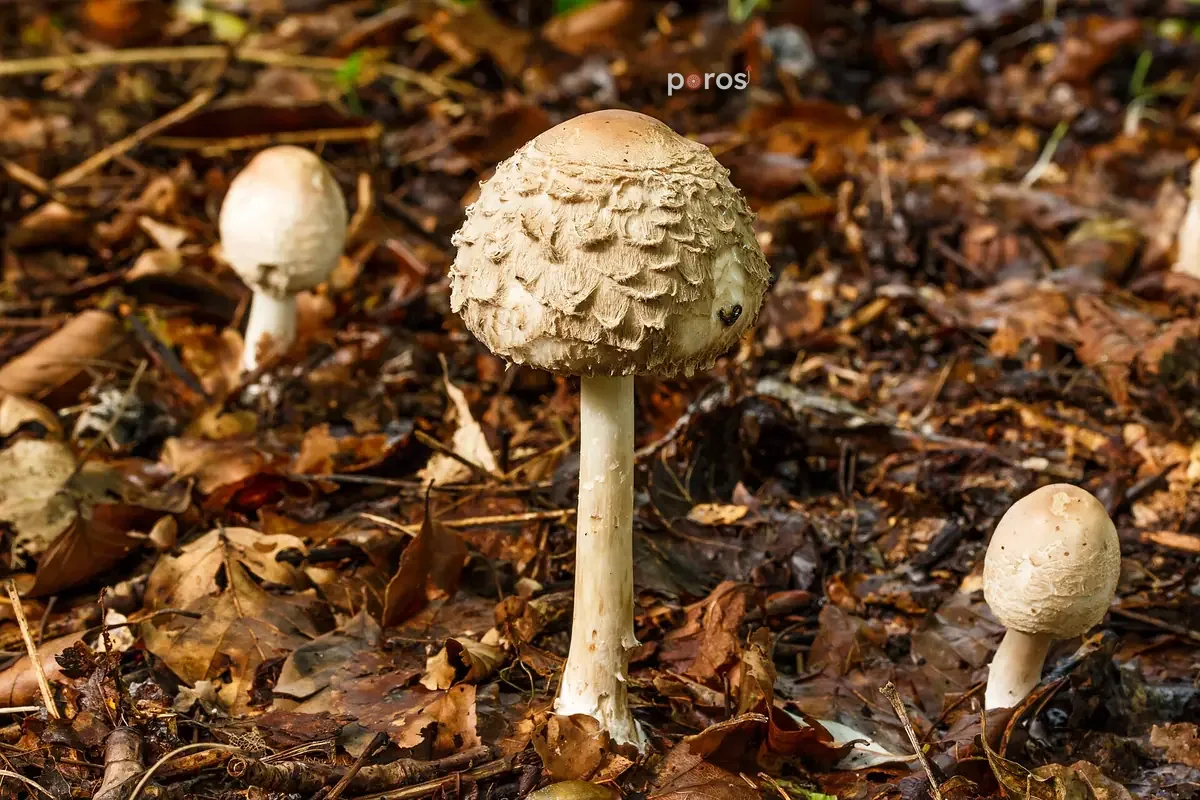
The shaggy parasol (Chlorophyllum rhacodes) looks like the parasol mushroom but is shorter and stockier, with a cap covered in large upturned scales.
Last updated: Prepared by the Poros Mantar editorial team6 sources checkedReport a correction
The shaggy parasol (Chlorophyllum rhacodes) looks like the parasol mushroom but is shorter and stockier, with a cap covered in large upturned scales. Its stem has no snakeskin pattern, it has a clear bulb at the base, and the flesh turns orange-red when cut. Many sources call it edible, but it upsets the stomach of some people and is easily confused with the poisonous false parasol (Chlorophyllum molybdites); a Turkish record also lists it as not recommended. Our advice is not to eat it.
Also called: shaggy parasol mushroom Turkish: Kızaran şemsiye mantarı
How to recognise it
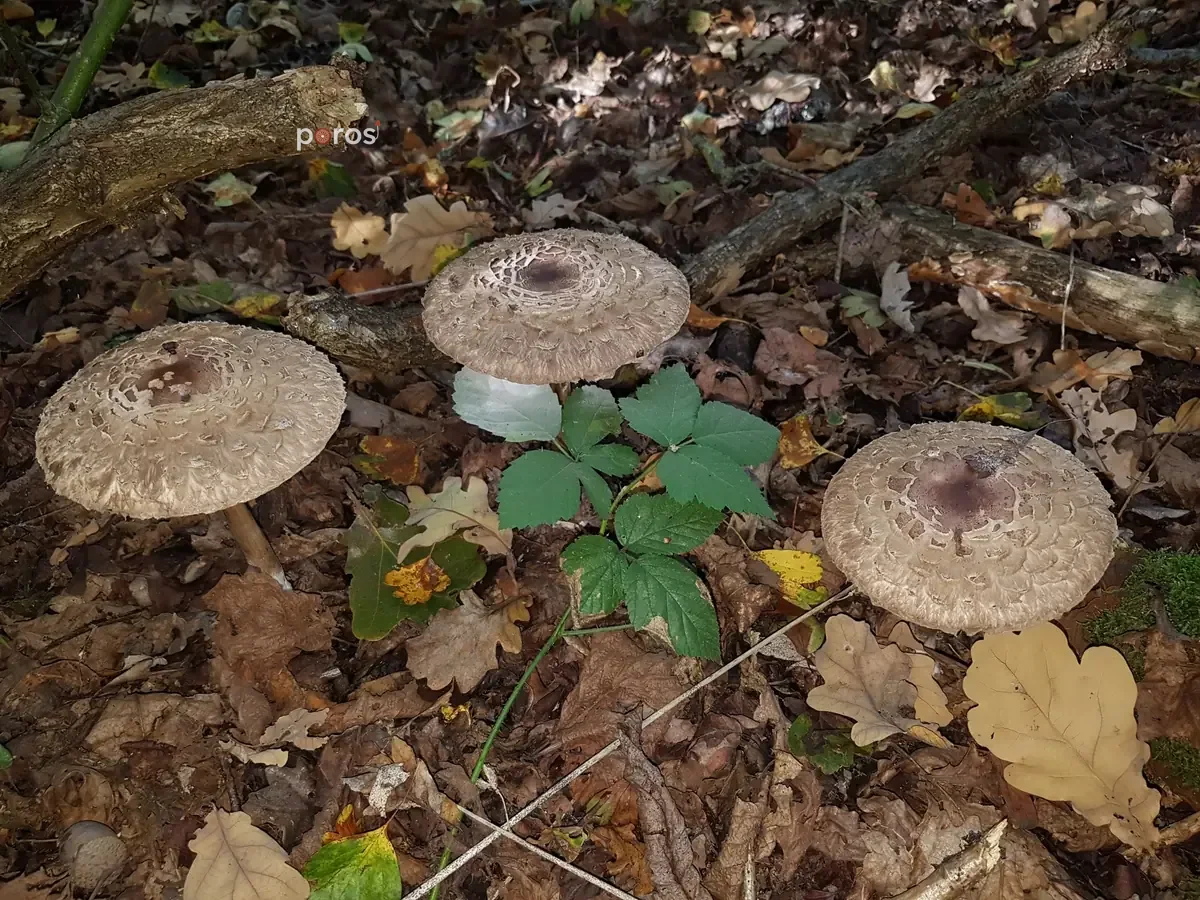
Shaggy parasol, part by part
No volva Spore print: White. A greenish spore print points to the poisonous false parasol Pleasant, mushroomy.


When and where
Sep–Dec
- Jan
- Feb
- Mar
- Apr
- May
- Jun
- Jul
- Aug
- Sepin season
- Octin season
- Novin season
- Decin season
The shaggy parasol fruits in autumn. Turkish sightings run from September to December, most in October.
Type Inedible
Months seen SeptemberOctoberNovemberDecember
Regions Central Anatolia RegionAegean RegionMarmara RegionİzmirAnkaraKocaeliIstanbul
Where do shaggy parasols grow?
In conifer and mixed woodland among needle litter, and in gardens, parks, shrubberies and compost heaps, often in clusters or rings. It favours rich, disturbed soil.
Where is shaggy parasols found in Turkey?
Our map data (GBIF and iNaturalist) holds 8 Turkish records: Istanbul 5, and one each from Kocaeli, İzmir and Ankara. It has also been recorded from Simav, Kütahya, with its edibility given as "not recommended" (Adanacıoğlu et al., 2014, Anadolu journal).
Which months
- Jan0
- Feb0
- Mar0
- Apr0
- May0
- Jun0
- Jul0
- Aug0
- Sep1
- Oct2
- Nov2
- Dec3
4 provinces, 8 observations (GBIF, iNaturalist); months from observation dates. Record density also reflects where observers work.
Latest shaggy parasol observations
-
 İstanbul9 Nov 2025 · iNaturalist© Umut Nuri Erdoğan · CC BY
-
 Illustrative
İstanbul25 Dec 2025 · GBIF
-
 Illustrative
İstanbul16 Oct 2025 · iNaturalist
-
 Illustrative
İstanbul20 Dec 2024 · iNaturalist
-
 Illustrative
Kocaeli3 Dec 2023 · iNaturalist
-
 Illustrative
İzmir17 Sep 2020 · iNaturalist
-
 Illustrative
Ankara12 Oct 2019 · iNaturalist
- See on the map
On "illustrative" cards the image is a photo of the species; the observation photo cannot be shown here because of its licence, but can be seen at the source.
Look-alikes
What could it be confused with?
Shaggy parasol can be mistaken for the species below. Each card shows the look-alike and how it differs from Shaggy parasol.
 Edible species
not Shaggy parasol
Parasol mushroom Macrolepiota procera
The parasol is much taller (15–40 cm), with a dark snakeskin pattern on the stem and smaller, flatter scales, and its flesh does not redden when cut.
 Poisonous
not Shaggy parasol
False parasol Chlorophyllum molybdites
Very similar in look, but the mature gills turn greenish grey and the spore print is green. It causes severe vomiting and diarrhoea. Never eat a parasol-like mushroom without checking the spore print.
 Inedible
not Shaggy parasol
Brown parasol Chlorophyllum brunneum
A close relative of gardens and compost; the basal bulb is larger and more sharply rimmed. Hard to tell apart by eye, and it also upsets some people.
 Deadly
not Shaggy parasol
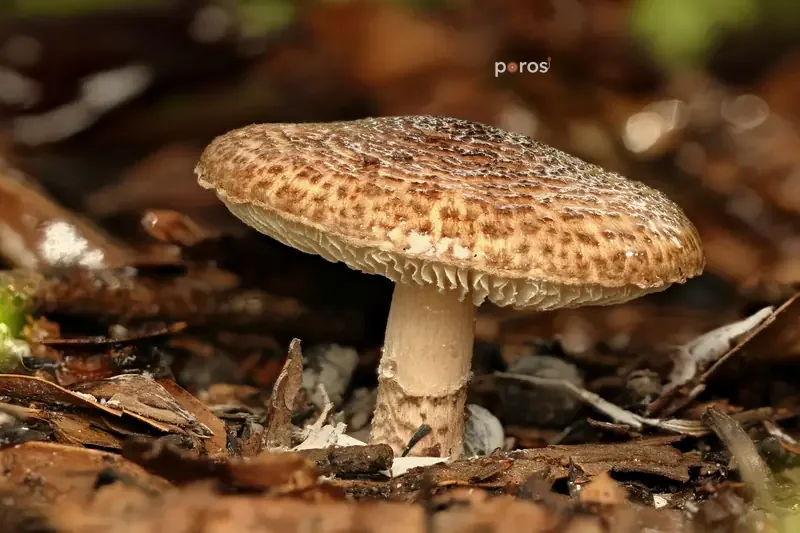
Deadly dapperling Lepiota brunneoincarnata
Much smaller (cap 2–5 cm), with pinkish brown bands on the lower stem, and its flesh does not redden. It is deadly to the liver; never pick small parasol-like mushrooms.
The edibility of the shaggy parasol is disputed: many sources call it edible, but it causes stomach upsets and allergic reactions in some people. It can only be told from the poisonous false parasol by its spore print, and small specimens can be confused with deadly dapperlings. A Turkish record lists it as not recommended. Do not eat it. If poisoning is suspected, call poison control and keep any leftover mushroom.
Frequently asked questions
Is the shaggy parasol edible?
Its edibility is disputed; it upsets some people's stomachs and is easily confused with a poisonous look-alike. Our advice is not to eat it.
Is the shaggy parasol poisonous?
It does not poison everyone, but some people react with vomiting, diarrhoea or allergy. The main danger is confusing it with the green-spored, poisonous false parasol.
How do you tell it from the parasol?
The parasol is much taller with a snakeskin-patterned stem, and its flesh does not redden. The shaggy parasol has a smooth stem with a bulbous base and flesh that turns orange-red when cut.
Why does the flesh turn red?
When the stem or cap is cut, the flesh turns orange-red within seconds, then brown. This is a key identification feature.
How do you tell it from the false parasol?
Reliably only by spore print: the shaggy parasol's is white, the false parasol's is green. Mature false parasols also have greenish grey gills.
Where and when does it grow?
In autumn, in conifer litter and in gardens, parks and compost heaps, often in groups.
Where is it found in Turkey?
Our map data has 8 records from Istanbul, Kocaeli, İzmir and Ankara; it has also been recorded from Simav in Kütahya.
When is shaggy parasol season in Turkey?
In our calendar, shaggy parasol season runs Sep–Dec. The shaggy parasol fruits in autumn. Turkish sightings run from September to December, most in October.
Where do shaggy parasols grow?
In conifer and mixed woodland among needle litter, and in gardens, parks, shrubberies and compost heaps, often in clusters or rings. It favours rich, disturbed soil.
Where are shaggy parasols found in Turkey?
Our map data (GBIF and iNaturalist) holds 8 Turkish records: Istanbul 5, and one each from Kocaeli, İzmir and Ankara. It has also been recorded from Simav, Kütahya, with its edibility given as "not recommended" (Adanacıoğlu et al., 2014, Anadolu journal).
What can the shaggy parasol be confused with?
The shaggy parasol can be confused with parasol (Macrolepiota procera, edible species), false parasol (Chlorophyllum molybdites, poisonous), brown parasol (Chlorophyllum brunneum, inedible) and deadly dapperling (Lepiota brunneoincarnata, deadly). Look-alikes are compared on this page.
What is the shaggy parasol called in Turkish?
In Turkish, the shaggy parasol (Chlorophyllum rhacodes) is called Kızaran şemsiye mantarı.
Related species
-
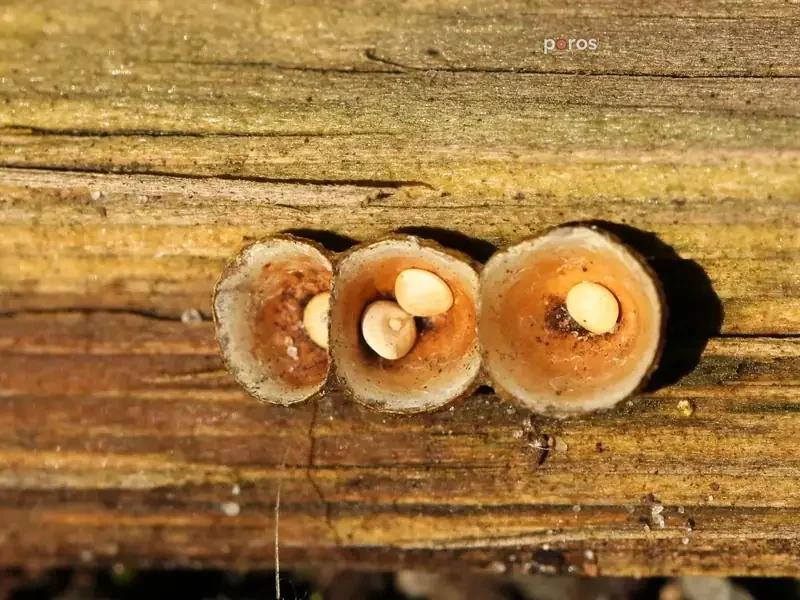 Common bird’s nest fungusCrucibulum laeveInedible
-
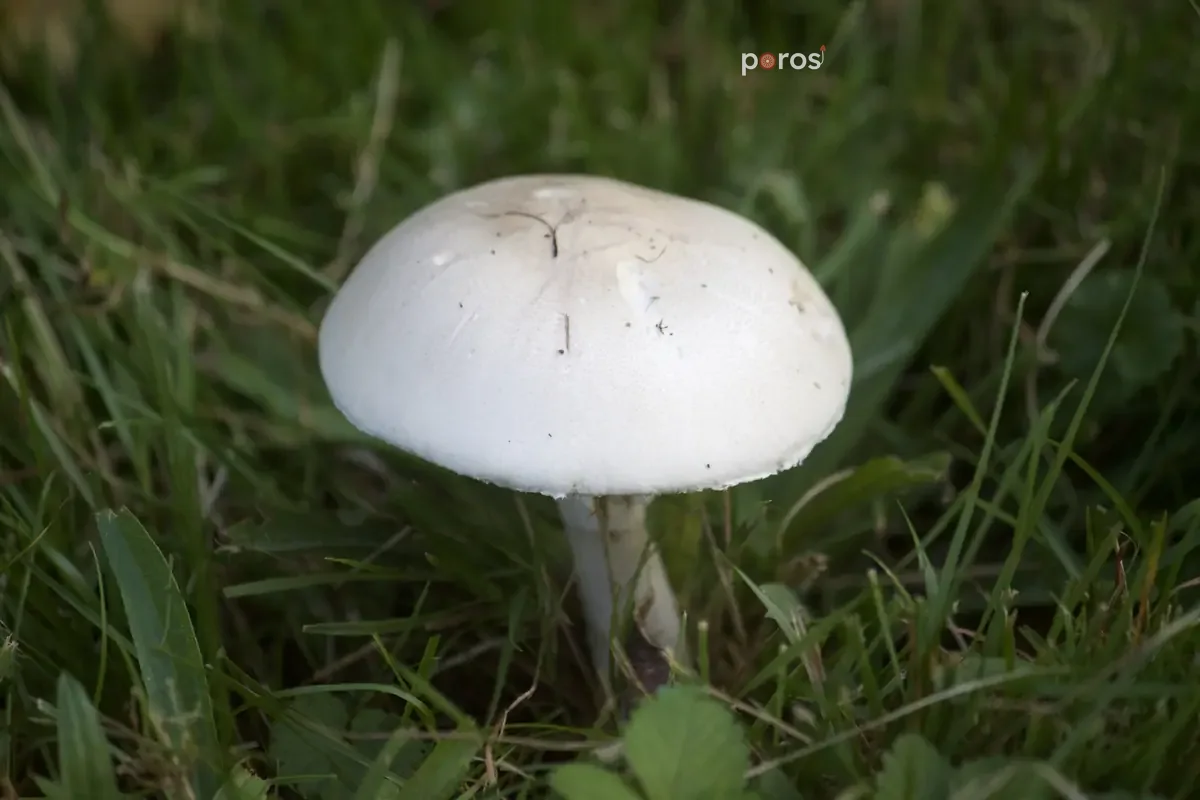 White dapperlingLeucocoprinus leucothitesInedible
-
 Button mushroomAgaricus bisporusEdible species
-
Deadly dapperlingLepiota brunneoincarnataDeadly poisonous
-
 Field mushroomAgaricus campestrisEdible species
-
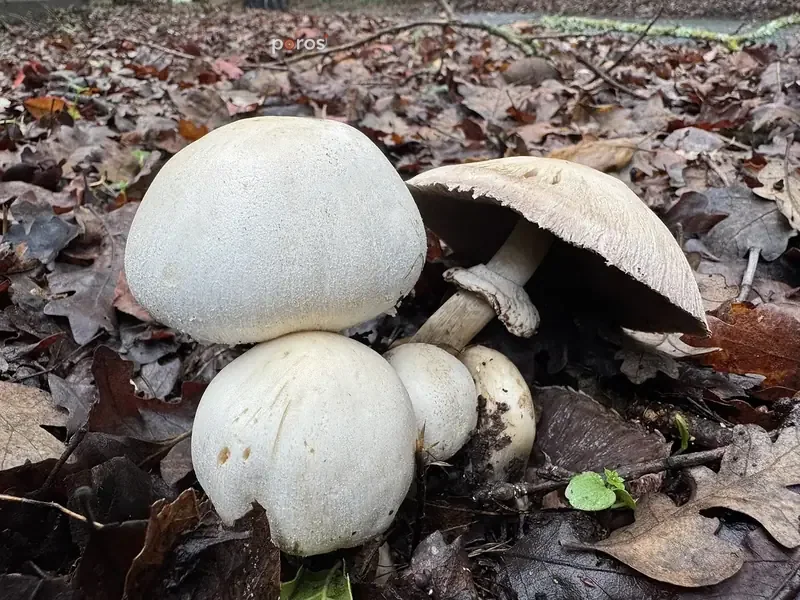 Horse mushroomAgaricus arvensisEdible species
-
Parasol mushroomMacrolepiota proceraEdible species
-
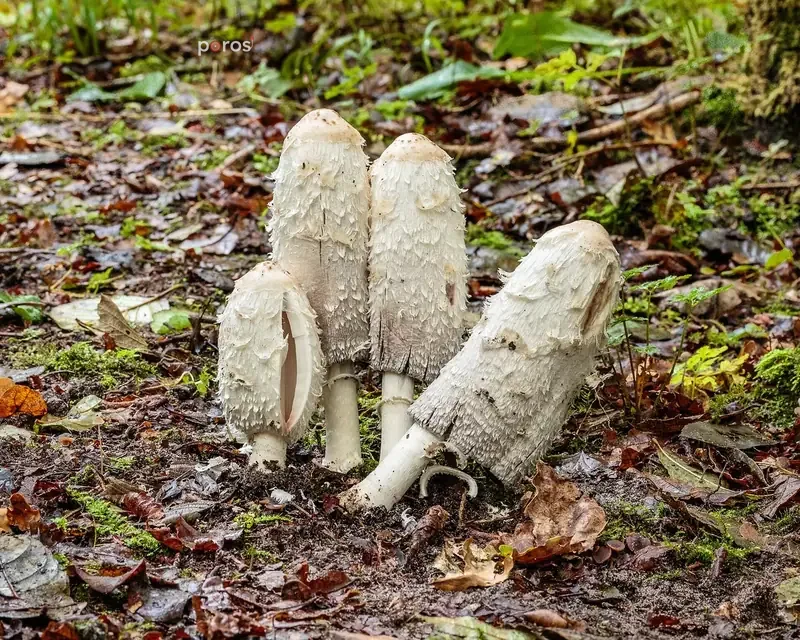 Shaggy ink capCoprinus comatusEdible species
Sources
- Adanacıoğlu ve ark. (2014), Anadolu 24(2): Türkiye Makromantar Genetik Kaynakları I. Ege Bölgesi dergipark.org.tr
- Wikipedia (EN): Shaggy parasol en.wikipedia.org
- First Nature: Chlorophyllum rhacodes, Shaggy Parasol first-nature.com
All sources (6)
- iNaturalist: Chlorophyllum rhacodes (Türkiye gözlemleri) inaturalist.org
- GBIF: Türkiye kayıtları gbif.org
- MushroomExpert: Chlorophyllum rhacodes mushroomexpert.com
Photo credits (9)
- File:Knolparasolzwam. (Chlorophyllum rhacodes) 02.jpg · Agnes Monkelbaan · CC BY-SA 4.0
- File:Knolparasolzwam (Chlorophyllum rhacodes) (d.j.b.) 02.jpg · Dominicus Johannes Bergsma · CC BY-SA 4.0
- Chlorophyllum rhacodes · iNaturalist #138214504 · Alexis Murray · CC BY 4.0
- Chlorophyllum rhacodes · iNaturalist #137603729 · Piermario Maculan · CC0
- Chlorophyllum rhacodes · iNaturalist #8799116 · Rita Clare · CC BY 4.0
- Chlorophyllum rhacodes · iNaturalist #137920356 · mycomutant · CC BY 4.0
- File:Knolparasolzwam (Chlorophyllum rhacodes) 06-11-2020 (actm.) 01.jpg · Agnes Monkelbaan · CC BY-SA 4.0
- Chlorophyllum rhacodes · iNaturalist #137603729 · Piermario Maculan · CC0
- iNaturalist: İstanbul, 9 Nov 2025 · Umut Nuri Erdoğan · CC BY


