
Hooded false morel (elfin saddle, pouched false morel)
Gyromitra infula · Discinaceae

Gyromitra infula, the hooded false morel, grows on or near rotting conifer wood and has a reddish-brown cap folded into two or three lobes like a saddle or a bishop's mitre. Like the false morel (G. esculenta) it carries gyromitrin. It fruits in autumn, outside the morel season, but can still be confused. It has not been recorded in Turkey.
Also called: elfin saddle, pouched false morel Turkish: Gyromitra infula Synonyms: Paragyromitra infula, Helvella infula
The name “elfin saddle” is also used for: White saddle
Last updated: Prepared by the Poros Mantar editorial team4 sources checkedReport a correction
POISONOUS — do not eat.
Gyromitra infula is poisonous. Gyromitrin turns into monomethylhydrazine (a rocket fuel component) in the body; according to sources symptoms begin 6–12 hours later with vomiting, diarrhoea, headache and weakness, and severe cases can bring liver damage, seizures and breakdown of red blood cells. Boiling drives part of the toxin into the steam, so the cook can be poisoned too; no preparation method is safe. If poisoning is suspected, call 112 (Turkish poison centre UZEM: 114) and keep any leftover mushroom.
Hooded false morel photos
-
© mycobel · CC BY 4.0
-

© Elena A. Kizilova (Елена А. Кизилова) · CC BY 4.0
-

© Alan Rockefeller · CC BY 4.0
-

© Karen Kincy · CC BY 4.0
-

Stem© Ирина Хохрякова · CC BY 4.0
-
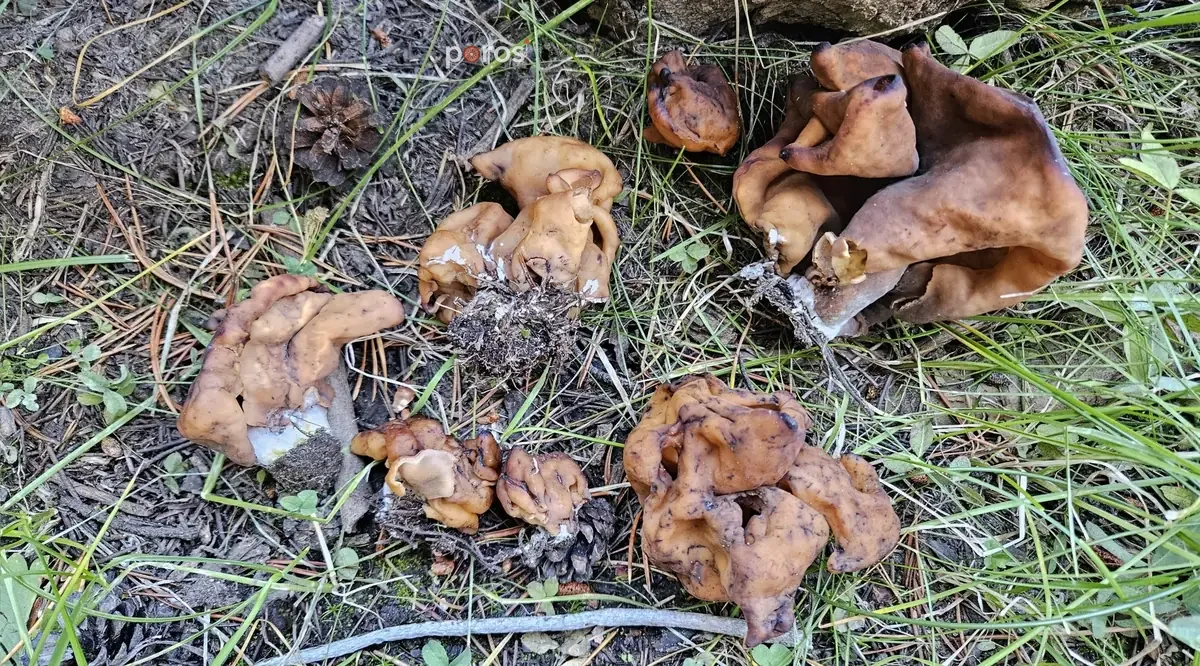
In habitat© Thea Chesney · CC BY 4.0
-

© Юлия · CC BY 4.0
-

© Milly S · CC BY 4.0
-

© Eugene Popov · CC BY 4.0
-

Stem© Caroline Edwards · CC0
-
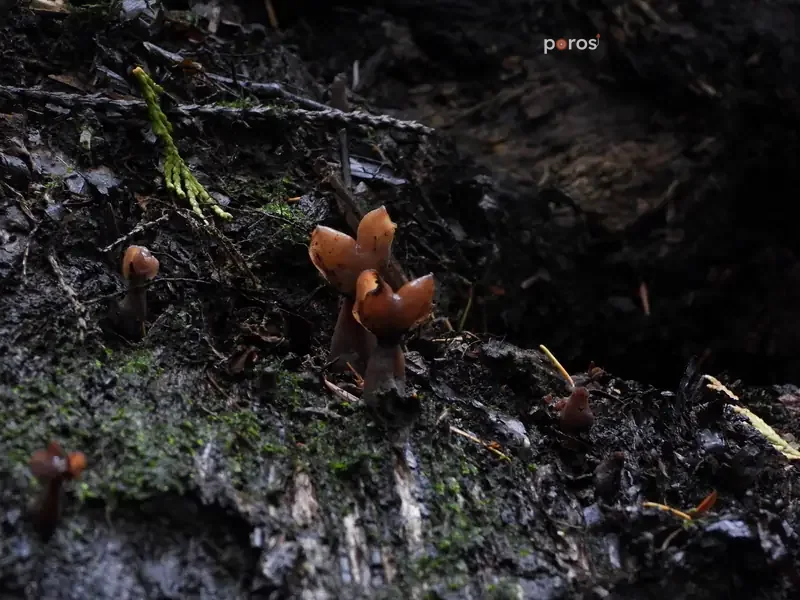
In habitat© Justin Flint · CC BY 4.0


These are licensed records of this species; photos alone are not enough to identify a mushroom.
Are hooded false morels poisonous?
Yes, hooded false morels are poisonous and must not be eaten. Like the false morel, it carries gyromitrin. If poisoning is suspected, call 112 at once (Turkish poison centre: 114) and keep any leftover mushroom.
Are hooded false morels edible?
No, hooded false morels must not be eaten; they are poisonous. Boiling drives part of the toxin into the steam, so the cook can be poisoned too; no preparation method is safe. They can be picked by mistake for morel (Morchella esculenta). If poisoning is suspected, call 112 at once (Turkish poison centre: 114) and keep any leftover mushroom.
How to recognise it
Appearance of hooded false morels
No ring or volva Spore print: Pale cream (spores form on the cap surface) Not distinctive.
Where do hooded false morels grow?
Grows on or near rotting conifer wood, stumps and debris in damp mountain and northern forests.
In Turkey
There are no Turkish records: our map data (GBIF and iNaturalist) holds no observations from Turkey. It is known from the cool conifer forests of Europe, northern Asia and North America; the spruce forests of Turkey's Black Sea region would suit it.
Our map has no observations of hooded false morels from Turkey yet.
Look-alikes
What is it mistaken for?
Hooded false morel can be mistaken for the species below. Each comparison shows Hooded false morel on the left, the look-alike on the right, and how to tell them apart.
Poisoning risk: Hooded false morel gets picked by people who think they have found one of the edible species below. If even one feature does not match, do not eat it.
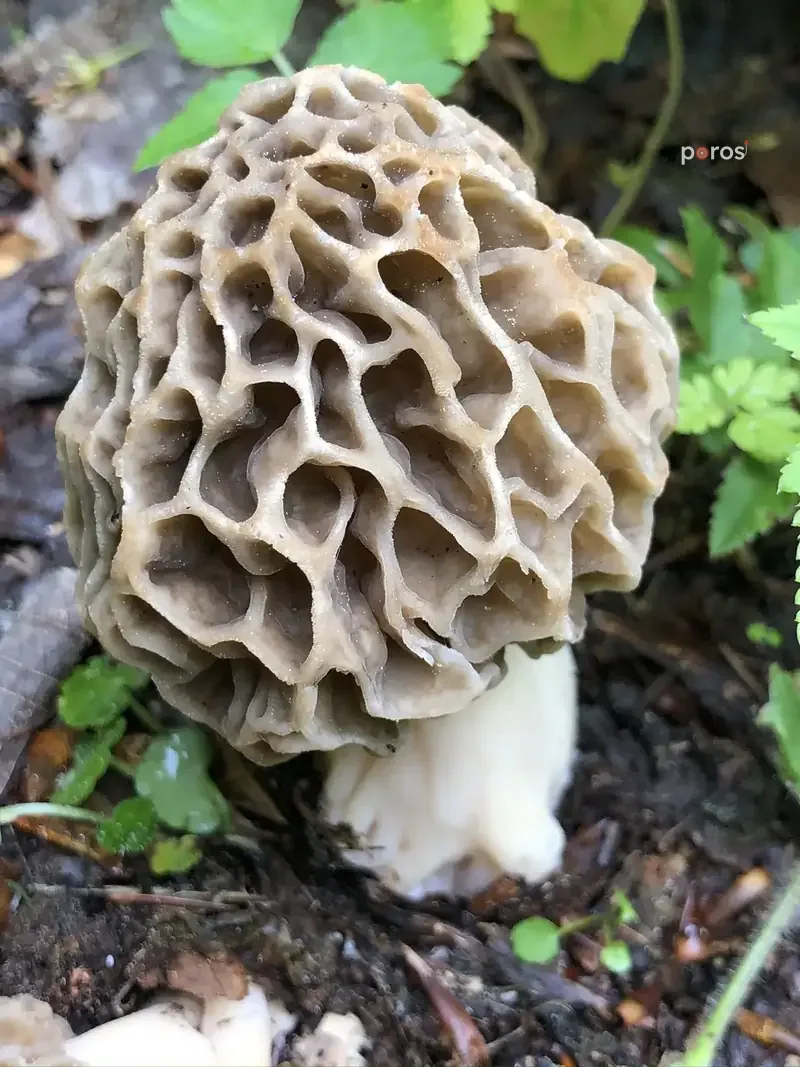
Morel Morchella esculenta
How to tell The morel has a honeycomb-pitted cap fused to the stem and is a single hollow from top to bottom when cut lengthwise; it fruits in spring.
Other look-alikes (2)
 Deadly
not Hooded false morel
False morel Gyromitra esculenta
The false morel fruits in spring and has a brain-like convoluted cap; it carries the same gyromitrin.
 Inedible
not Hooded false morel
White saddle Helvella crispa
The white saddle has a cream-white cap and a deeply grooved, ribbed stem.
Hooded false morel and its look-alikes compared
| Species | Status | Underside | Spore print | Season |
|---|---|---|---|---|
| Hooded false morelGyromitra infula | Poisonous | Underside pale, buff-brown and velvety | Pale cream (spores form on the cap surface) | Aug–Nov |
| False morelGyromitra esculenta | Deadly poisonous | No gills or pits | Whitish to yellowish buff | Mar–May |
| MorelMorchella esculenta | Edible species | No gills or pores | Creamy white to pale ochre (hard to obtain) | Mar–May |
| White saddleHelvella crispa | Inedible | No gills or pores | White | Oct–Jan |
The table is compiled from each species page. The status column is a guide only; do not eat a wild mushroom unless an expert has seen it in person. Compare look-alikes side by side
Frequently asked questions
Are hooded false morels poisonous?
Yes, hooded false morels are poisonous and must not be eaten. Like the false morel, it carries gyromitrin. If poisoning is suspected, call 112 at once (Turkish poison centre: 114) and keep any leftover mushroom.
Are hooded false morels edible?
No, hooded false morels must not be eaten; they are poisonous. Boiling drives part of the toxin into the steam, so the cook can be poisoned too; no preparation method is safe. They can be picked by mistake for morel (Morchella esculenta). If poisoning is suspected, call 112 at once (Turkish poison centre: 114) and keep any leftover mushroom.
When does it appear?
In autumn, from August to November, while most false morels fruit in spring.
How is it told from a morel?
Its cap is lobed and saddle-like rather than honeycombed; the morel fruits in spring and is a single hollow from top to bottom when cut.
Is it found in Turkey?
There are no Turkish records; it is known from cool conifer forests.
Does boiling remove the toxin?
No. Boiling drives part of the toxin into the steam, which can poison the cook; no method is safe.
When do symptoms start?
According to sources after 6–12 hours. If in doubt, call 112.
Where does it grow?
On or near rotting conifer wood, stumps and debris.
Which other mushroom is called “elfin saddle”?
Besides the species on this page (Gyromitra infula), the name “elfin saddle” is also used for White saddle (Helvella crispa, inedible). Common names overlap between species, so tell them apart by the Latin name and the identification features, not by the common name.
When is hooded false morel season in Turkey?
In our calendar, hooded false morel season runs Aug–Nov. Unlike most of its false morel relatives it fruits in autumn, from August to November.
Where do hooded false morels grow?
Grows on or near rotting conifer wood, stumps and debris in damp mountain and northern forests.
Where are hooded false morels found in Turkey?
There are no Turkish records: our map data (GBIF and iNaturalist) holds no observations from Turkey. It is known from the cool conifer forests of Europe, northern Asia and North America; the spruce forests of Turkey's Black Sea region would suit it.
What can the hooded false morel be confused with?
The hooded false morel can be confused with false morel (Gyromitra esculenta, deadly), morel (Morchella esculenta, edible species) and white saddle (Helvella crispa, inedible). Look-alikes are compared on this page.
What is the hooded false morel called in Turkish?
In Turkish, the hooded false morel (Gyromitra infula) is called Gyromitra infula.
Related species
-
 Snow false morelGyromitra gigasPoisonous
-
False morelGyromitra esculentaDeadly poisonous
-
 Cinnamon bracketHapalopilus rutilansPoisonous
-
 Common earthballScleroderma citrinumPoisonous
-
 Common ink capCoprinopsis atramentariaPoisonous
-
 Devil’s boleteRubroboletus satanasPoisonous
-
 Eastern jack-o’-lanternOmphalotus illudensPoisonous
-
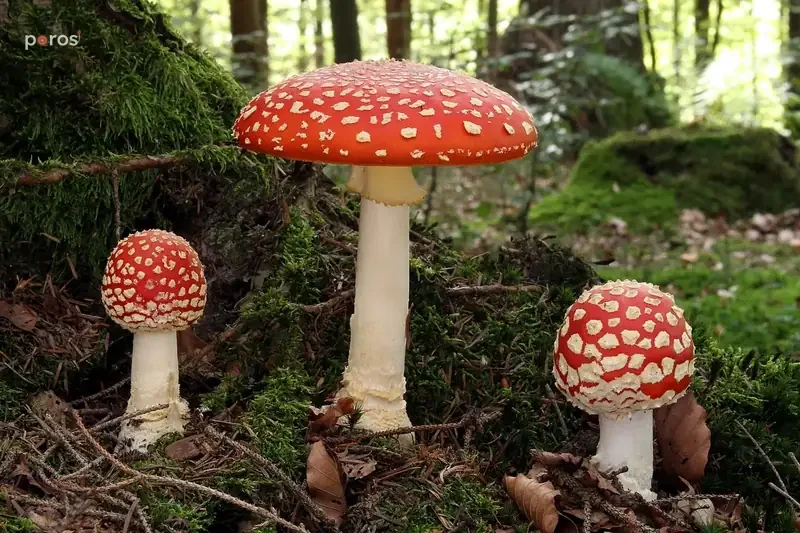 Fly agaricAmanita muscariaPoisonous
Sources
- Lagrange ve Vernoux (2020), Toxins: hidrazin toksinleri taşıyan yalancı ve gerçek kuzugöbeği uyarısı pubmed.ncbi.nlm.nih.gov
- Wikipedia (EN): Gyromitra infula en.wikipedia.org
- iNaturalist: Paragyromitra infula inaturalist.org
All sources (4)
- GBIF: Türkiye kayıtları gbif.org
Photo credits (11)
- File:Paragyromitra infula.jpg · mycobel · CC BY 4.0
- Paragyromitra infula · iNaturalist #182589802 · Elena A. Kizilova (Елена А. Кизилова) · CC BY 4.0
- Paragyromitra infula · iNaturalist #4737208 · Alan Rockefeller · CC BY 4.0
- Paragyromitra infula · iNaturalist #149195468 · Karen Kincy · CC BY 4.0
- Paragyromitra infula · iNaturalist #239757281 · Ирина Хохрякова · CC BY 4.0
- Paragyromitra infula · iNaturalist #186205985 · Thea Chesney · CC BY 4.0
- Paragyromitra infula · iNaturalist #129967814 · Юлия · CC BY 4.0
- Paragyromitra infula · iNaturalist #10585577 · Milly S · CC BY 4.0
- Paragyromitra infula · iNaturalist #95385228 · Eugene Popov · CC BY 4.0
- Paragyromitra infula · iNaturalist #271135159 · Caroline Edwards · CC0
- Paragyromitra infula · iNaturalist #96765853 · Justin Flint · CC BY 4.0
