
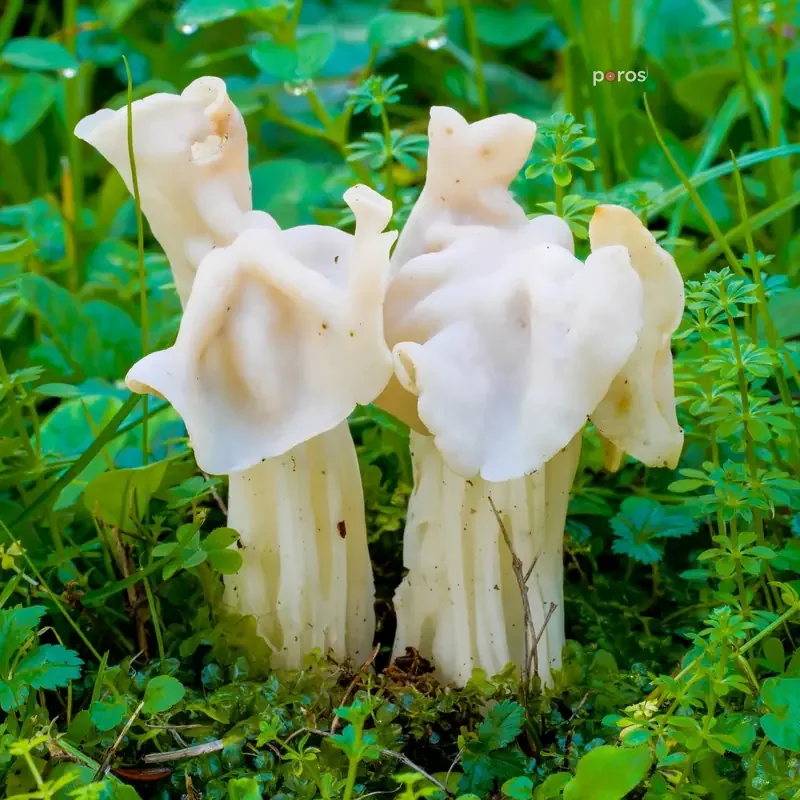


White saddle
Helvella crispa · Helvellaceae
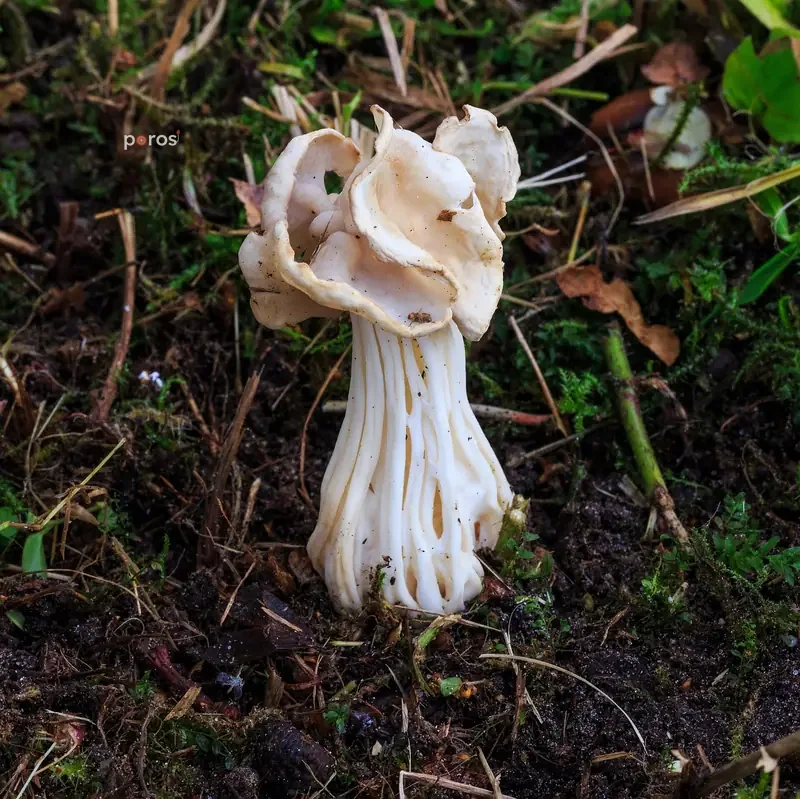
The white saddle (Helvella crispa) has a cream-white, irregularly folded, saddle-shaped head and a deeply furrowed, pitted white stem.
Last updated: Prepared by the Poros Mantar editorial team5 sources checkedReport a correction
The white saddle (Helvella crispa) has a cream-white, irregularly folded, saddle-shaped head and a deeply furrowed, pitted white stem. It has no gills; spores form on the upper surface of the head. It is toxic raw, and while some sources say it is edible cooked, given the disagreement and its kinship with the false morel it is treated as not edible.
Also called: elfin saddle, common white helvella Turkish: Beyaz semer mantarı Synonyms: Phallus crispus
How to recognise it
White saddle, part by part
No ring or volva Spore print: White No distinctive smell; the flesh is thin, brittle and waxy.


When and where
Oct–Jan
- Janin season
- Feb
- Mar
- Apr
- May
- Jun
- Jul
- Aug
- Sep
- Octin season
- Novin season
- Decin season
The white saddle appears in autumn and early winter; Turkish records peak in December, with others in January, October and November.
Type Inedible
Months seen OctoberNovemberDecemberJanuary
Colour White
Regions Black Sea RegionCentral Anatolia RegionMediterranean RegionMarmara RegionTrabzonOsmaniyeAnkaraKocaeliSakaryaIstanbul
Where does white saddle grow?
In broadleaf woods, often along paths and tracks, on bare soil or in leaf litter; sometimes at meadow edges. Singly or in small groups.
Where is white saddle found in Turkey?
Our map data (GBIF and iNaturalist) holds 22 Turkish records, most from Istanbul, plus Kocaeli, Sakarya, Ankara, Trabzon and Osmaniye.
Which months
- Jan5
- Feb0
- Mar0
- Apr0
- May1
- Jun0
- Jul0
- Aug0
- Sep0
- Oct1
- Nov2
- Dec13
white saddle map of Turkey: all provinces and months →
6 provinces, 22 observations (GBIF, iNaturalist); months from observation dates. Record density also reflects where observers work.
Latest white saddle observations
-
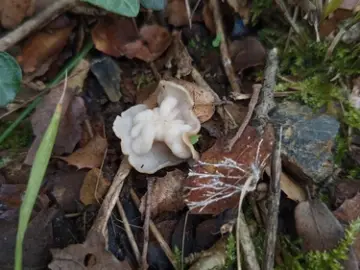 İstanbul26 Jan 2025 · iNaturalist© Umut Nuri Erdoğan · CC BY
-
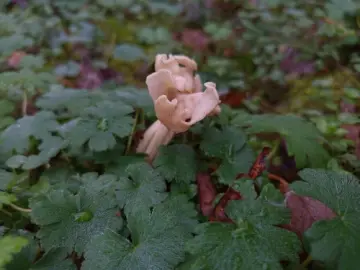 İstanbul18 Dec 2024 · iNaturalist© Umut Nuri Erdoğan · CC BY
-
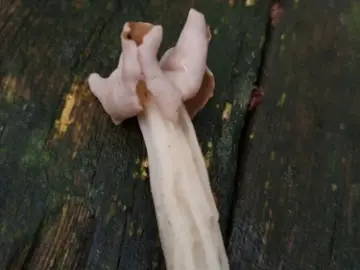 İstanbul16 Dec 2024 · iNaturalist© Umut Nuri Erdoğan · CC BY
-
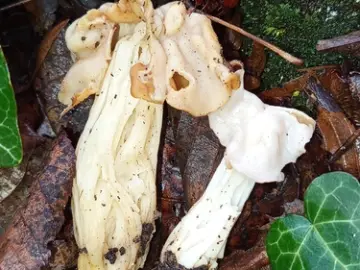 İstanbul4 Dec 2024 · iNaturalist© Umut Nuri Erdoğan · CC BY
-
 Illustrative
Ankara23 May 2026 · iNaturalist
-
 Illustrative
İstanbul24 Jan 2026 · iNaturalist
-
 Illustrative
İstanbul15 Nov 2025 · iNaturalist
-
 Illustrative
İstanbul26 Jan 2025 · GBIF
- See on the map
On "illustrative" cards the image is a photo of the species; the observation photo cannot be shown here because of its licence, but can be seen at the source.
Look-alikes
What could it be confused with?
White saddle can be mistaken for the species below. Each card shows the look-alike and how it differs from White saddle.
 Deadly
not White saddle
False morel Gyromitra esculenta
The false morel has a reddish-brown, brain-like head and appears in spring under pine. The white saddle is cream-white, saddle-shaped and appears in autumn.
 Inedible
not White saddle
Elfin saddle Helvella lacunosa
Same structure, but its head is dark grey to black and its stem greyish.
 Edible species
not White saddle
Morel Morchella esculenta
The morel has a honeycomb-pitted head fused to the stem and appears in spring; the white saddle has a free-edged saddle-shaped head and appears in autumn.
What it contains
Its culinary value is disputed; it is covered here only for identification and safety.
General information, not a health claim.
The white saddle is toxic raw and is thought to contain substances similar to the gyromitrin of its relative, the false morel. Some sources say it is edible when well cooked, but this is disputed. Do not eat it. If poisoning is suspected, call poison control and keep any leftover mushroom.
Frequently asked questions
Is the white saddle edible?
No. It is toxic raw; some sources say it is edible cooked, but this is disputed. We treat it as not edible.
Is it poisonous?
Raw, it causes stomach upsets, and it is thought to contain substances similar to the false morel's toxin.
How do you identify it?
A cream-white, wavy, saddle-shaped head and a deeply furrowed, chambered white stem. No gills.
Can it be confused with morels?
Not in shape: the morel has a honeycomb-pitted head and appears in spring. The white saddle is saddle-shaped and appears in autumn.
When and where does it appear?
In autumn and early winter in broadleaf woods, often along paths. Turkish records peak in December.
Where is it found in Turkey?
Most of the 22 records in our map data are from Istanbul, with others from Kocaeli, Sakarya, Ankara, Trabzon and Osmaniye.
Is there a black saddle too?
Its close relative Helvella lacunosa has a dark grey to black head. It too is treated as not edible.
When is white saddle season in Turkey?
In our calendar, white saddle season runs Oct–Jan. The white saddle appears in autumn and early winter; Turkish records peak in December, with others in January, October and November.
Where does white saddle grow?
In broadleaf woods, often along paths and tracks, on bare soil or in leaf litter; sometimes at meadow edges. Singly or in small groups.
Where is white saddle found in Turkey?
Our map data (GBIF and iNaturalist) holds 22 Turkish records, most from Istanbul, plus Kocaeli, Sakarya, Ankara, Trabzon and Osmaniye.
What can white saddle be confused with?
White saddle can be confused with false morel (Gyromitra esculenta, deadly), elfin saddle (Helvella lacunosa, inedible) and morel (Morchella esculenta, edible species). Look-alikes are compared on this page.
What is white saddle called in Turkish?
In Turkish, white saddle (Helvella crispa) is called Beyaz semer mantarı.
Related species
-
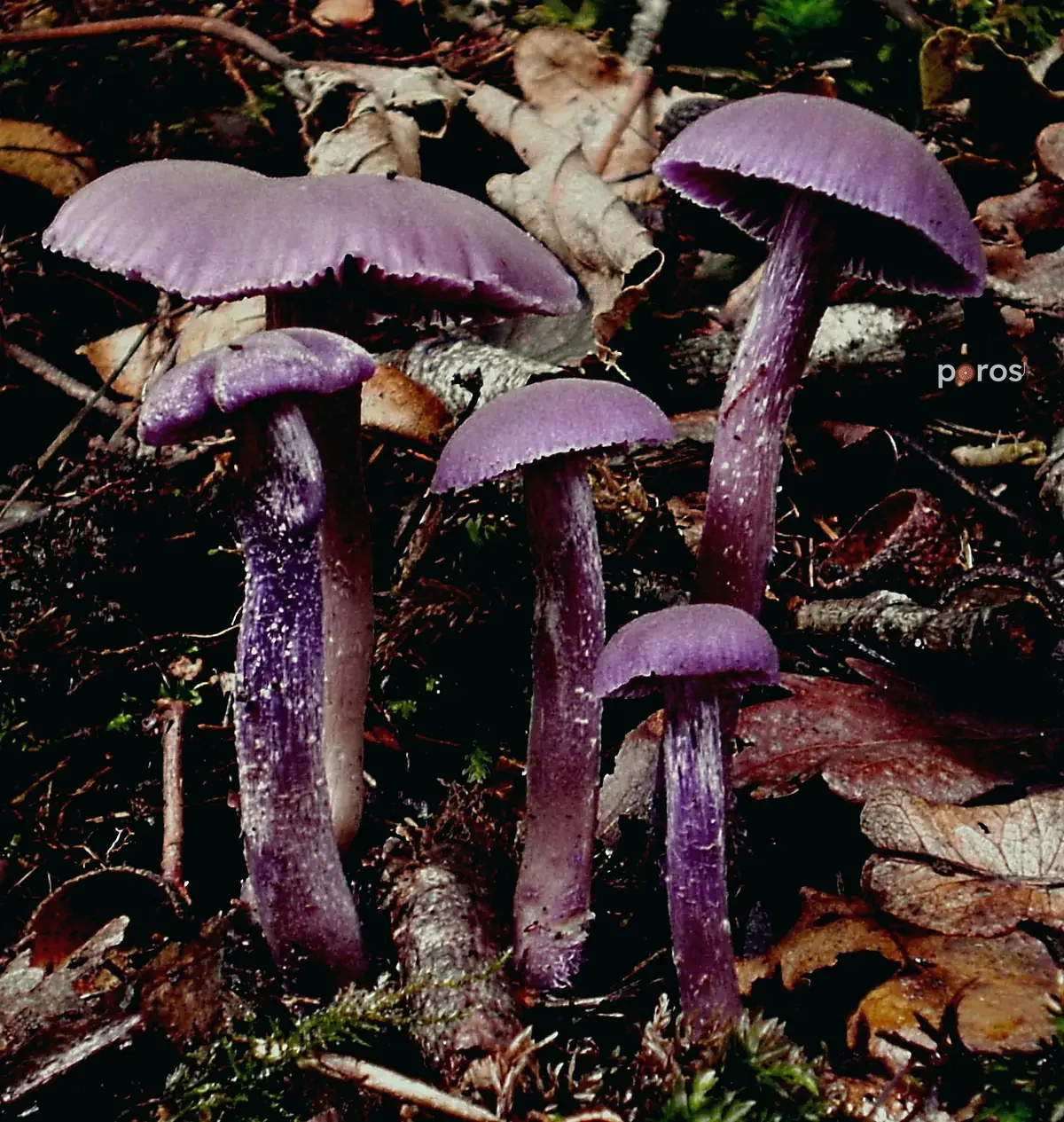 Amethyst deceiverLaccaria amethystinaInedible
-
 Artist’s bracketGanoderma applanatumInedible
-
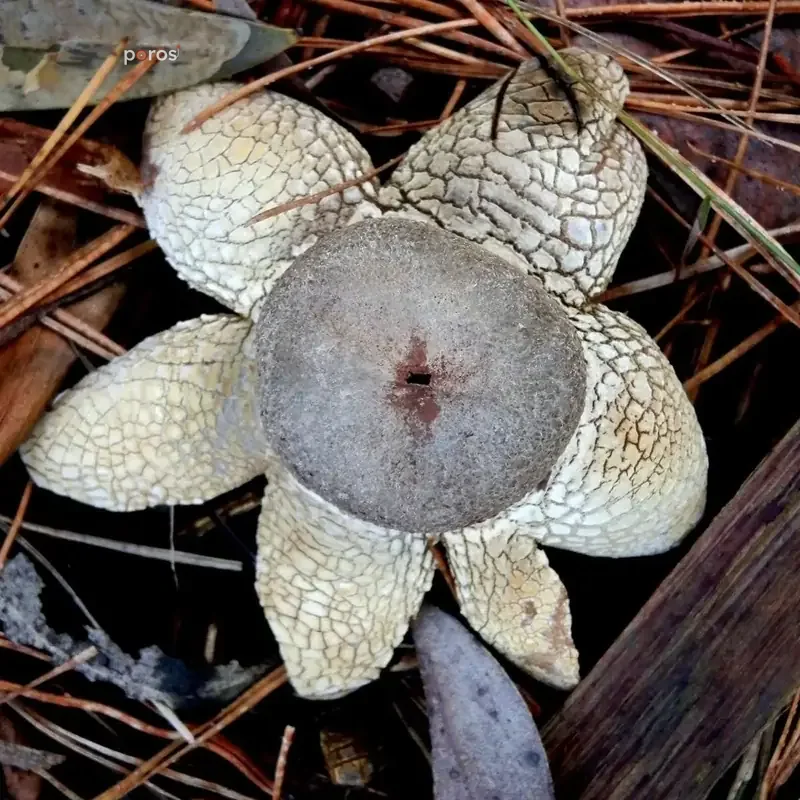 Barometer earthstarAstraeus hygrometricusInedible
-
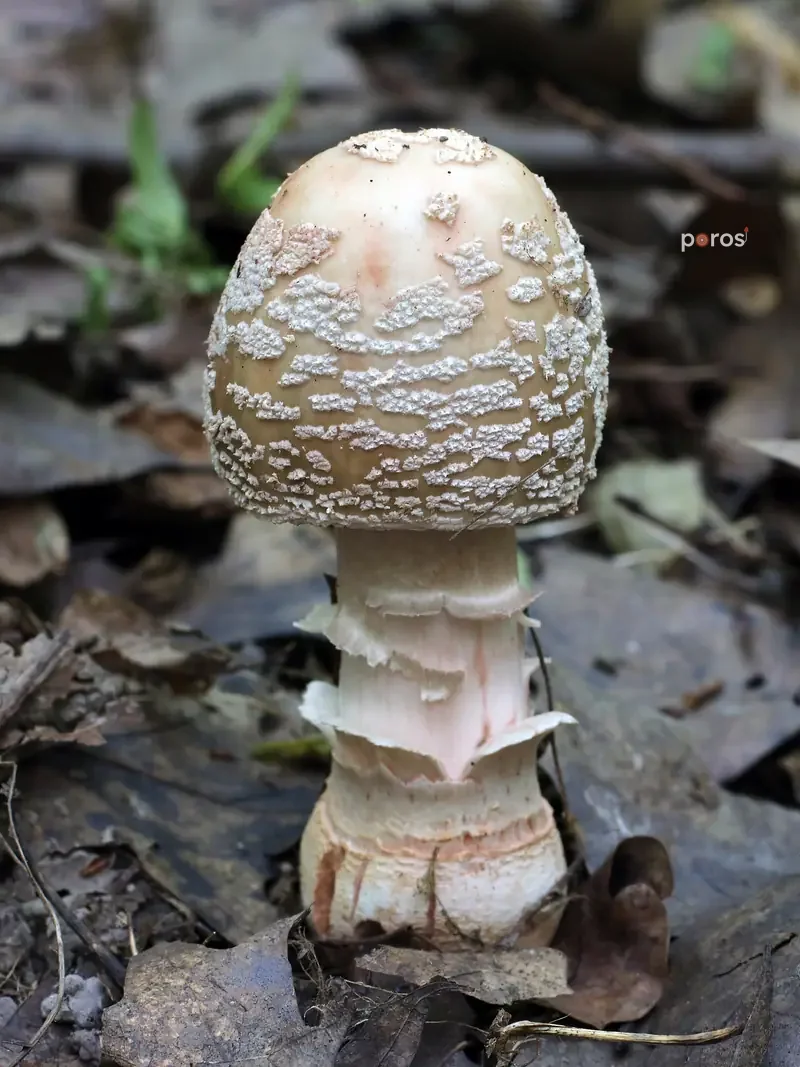 BlusherAmanita rubescensInedible
-
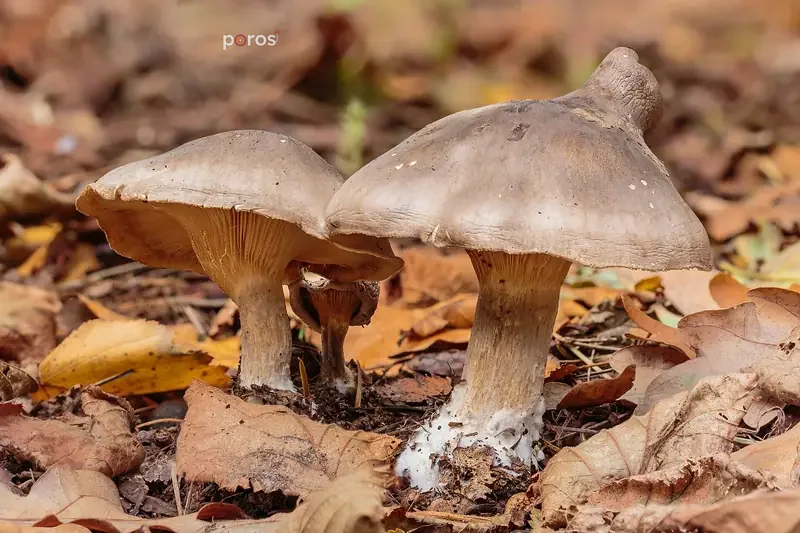 Clouded funnelClitocybe nebularisInedible
-
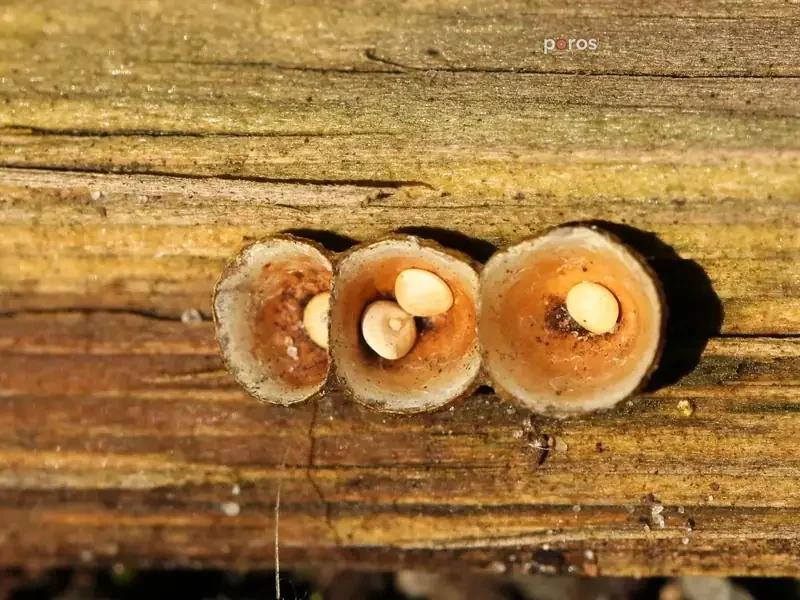 Common bird’s nest fungusCrucibulum laeveInedible
-
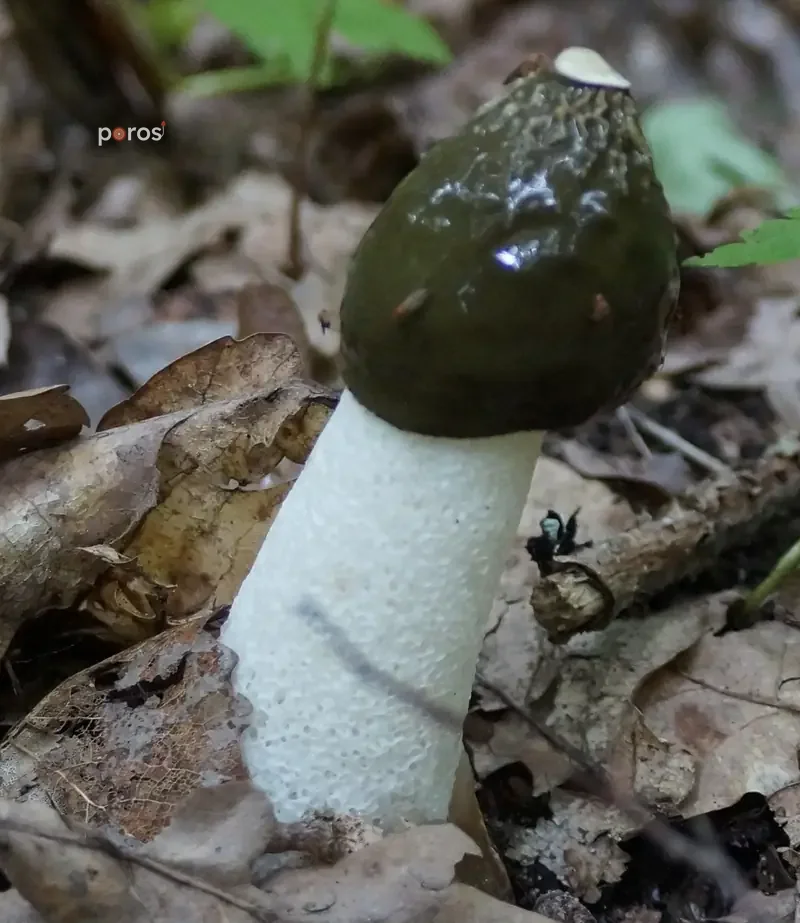 Common stinkhornPhallus impudicusInedible
-
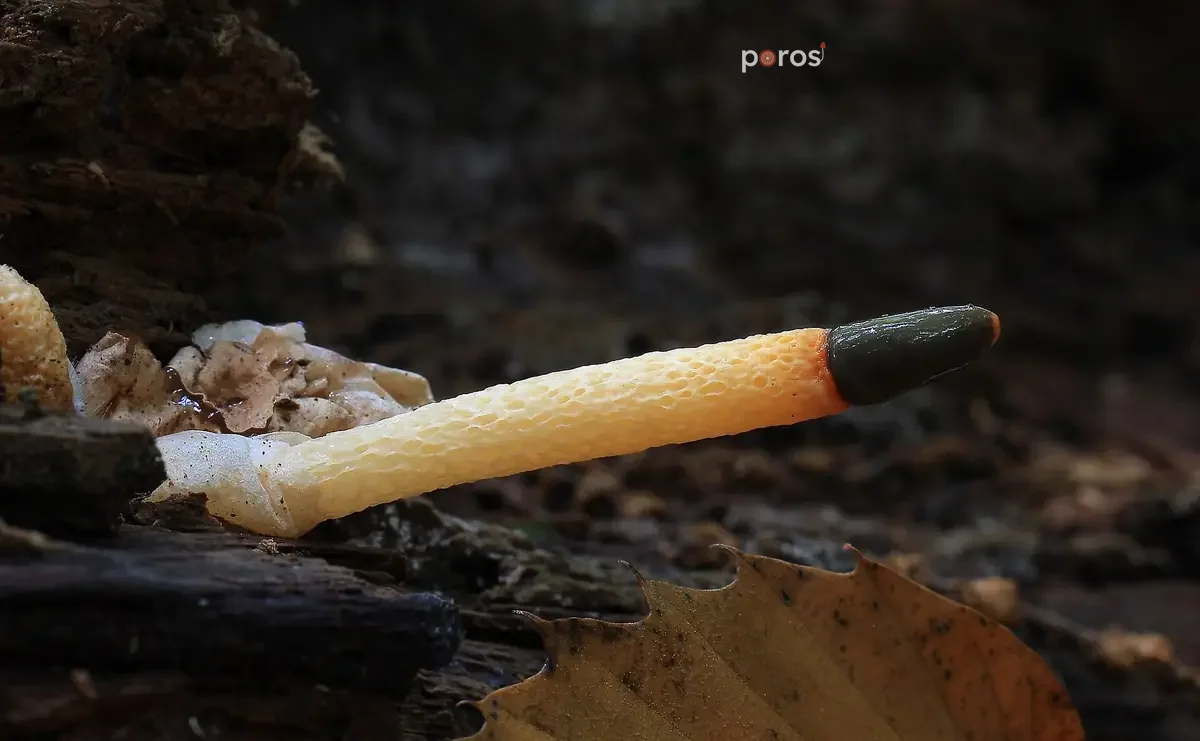 Dog stinkhornMutinus caninusInedible
Sources
- Ullah ve ark. (2017), International Journal of Medicinal Mushrooms: Batı Himalaya yabani yenen mantarları (Helvella crispa dahil) pubmed.ncbi.nlm.nih.gov
- Wikipedia (EN): Helvella crispa en.wikipedia.org
- First Nature: Helvella crispa first-nature.com
All sources (5)
- iNaturalist: Helvella crispa (Türkçe ad ve Türkiye gözlemleri) inaturalist.org
- GBIF: Türkiye kayıtları gbif.org
Photo credits (12)
- File:Helvella crispa 342545829.jpg · Matej Frančeškin · CC BY 4.0
- File:Witte kluifzwam (Helvella Crispa). Locatie, Hortus (Haren, Groningen) 002.jpg · Agnes Monkelbaan · CC BY-SA 4.0
- Helvella crispa · iNaturalist #255660376 · Alan Rockefeller · CC BY 4.0
- File:Witte kluifzwam (Helvella Crispa). Locatie, Hortus (Haren, Groningen) 03.JPG · Dominicus Johannes Bergsma · CC BY-SA 4.0
- File:Herbstlorchel-Helvella crispa.jpg · Holger Krisp · CC BY 3.0
- Helvella crispa · iNaturalist #311693133 · Roman A. Lagazyuk (Роман А. Лагазюк) · CC BY 4.0
- Helvella crispa · iNaturalist #295581903 · kedgehog · CC BY 4.0
- File:Helvella crispa 167563577.jpg · abumadsen · CC0
- iNaturalist: İstanbul, 26 Jan 2025 · Umut Nuri Erdoğan · CC BY
- iNaturalist: İstanbul, 18 Dec 2024 · Umut Nuri Erdoğan · CC BY
- iNaturalist: İstanbul, 16 Dec 2024 · Umut Nuri Erdoğan · CC BY
- iNaturalist: İstanbul, 4 Dec 2024 · Umut Nuri Erdoğan · CC BY


