
The sickener (emetic russula)
Russula emetica · Russulaceae

The sickener (Russula emetica) is a brittlegill of damp pine and spruce forest, often among sphagnum moss, with a bright red cap, white gills and a pure white stem. Its flesh is extremely acrid and hot; as its name says, eaten raw or undercooked it causes vomiting, nausea and diarrhoea. Its red cap can also be confused with a fly agaric whose warts have been washed off by rain. It has not been recorded in Turkey.
Also called: emetic russula Turkish: Acı kusturan mantar, sırtıgökçe, sırtıgızıl, gelincük
Caution: the name “sırtıgökçe” is also used for another species: Charcoal burner (edible species)
Last updated: Prepared by the Poros Mantar editorial team5 sources checkedReport a correction
POISONOUS — do not eat.
The sickener is poisonous. According to sources, eaten raw or undercooked it causes nausea, vomiting, abdominal pain and diarrhoea within half an hour to a few hours; symptoms usually settle within a day. Its burning taste signals the toxin, but tasting it is not advised. If poisoning is suspected, call 112 (Turkish poison centre UZEM: 114) and keep any leftover mushroom.
The sickener photos
-
© Piotr J · CC BY-SA 3.0
-

© MichalPL · CC BY-SA 4.0
-

Gills© Jerzy Opioła · CC BY-SA 4.0
-

© Eli Talhouk · CC BY 4.0
-

© Scott Shanks · CC BY 4.0
-
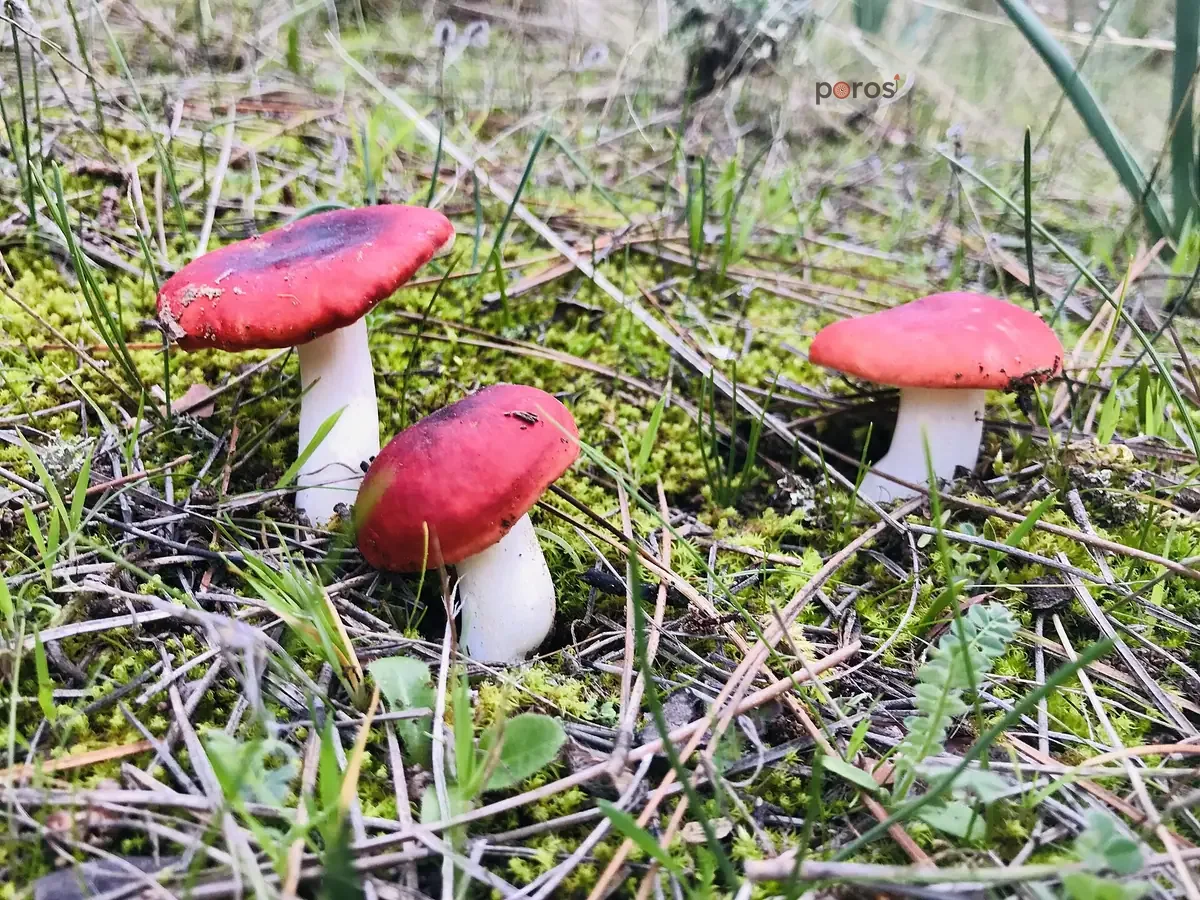
In habitat© Maurice Flesier · CC BY-SA 4.0
-

Cap© Jerzy Opioła · CC BY-SA 4.0
-

© Michal Honskus · CC BY 4.0
-

Gills© Michael Werth · CC0
-

© Jerzy Opioła · CC BY-SA 4.0
-
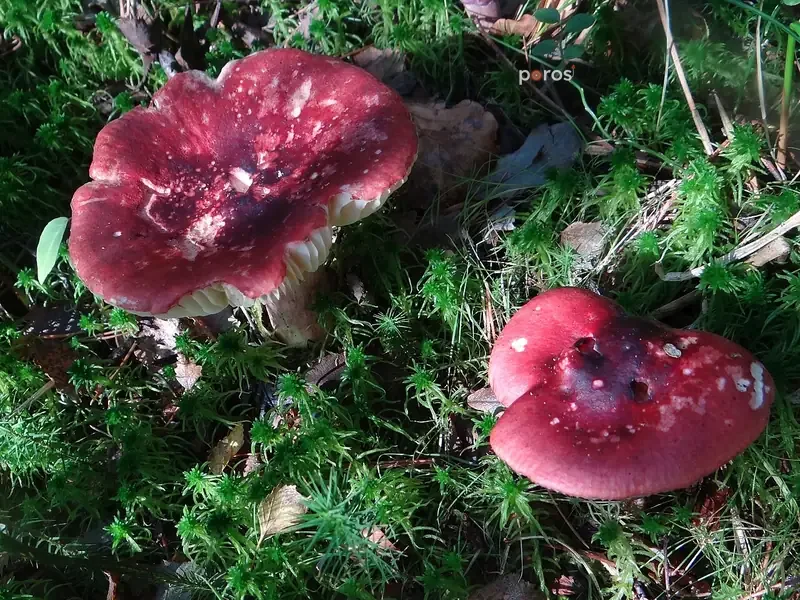
In habitat© Jerzy Opioła · CC BY-SA 4.0


These are licensed records of this species; photos alone are not enough to identify a mushroom.
Is the the sickener poisonous?
Yes, the the sickener is poisonous and must not be eaten. Eaten raw or undercooked it causes vomiting and diarrhoea. If poisoning is suspected, call 112 at once (Turkish poison centre: 114) and keep any leftover mushroom.
Is the the sickener edible?
No, the the sickener must not be eaten; it is poisonous. According to sources, eaten raw or undercooked it causes nausea, vomiting, abdominal pain and diarrhoea within half an hour to a few hours; symptoms usually settle within a day. It can be picked by mistake for green-cracking brittlegill (Russula virescens), pinkmottle woodwax (Hygrophorus russula) and charcoal burner (Russula cyanoxantha). If poisoning is suspected, call 112 at once (Turkish poison centre: 114) and keep any leftover mushroom.
How to recognise it
Appearance of the sickener
No ring or volva Spore print: White Faintly fruity; the taste is extremely hot and acrid (do not taste it).
Where does the sickener grow?
Mycorrhizal with pine and spruce; grows on damp, acid soil, at bog edges and among sphagnum moss.
In Turkey
There are no Turkish records: our map data (GBIF and iNaturalist) holds no observations from Turkey. Many red-capped Russula species grow in Turkey, and some of them are acrid and poisonous too. Its Turkish name on iNaturalist is Acı Kusturan Mantar (bitter emetic mushroom).
Our map has no observations of the sickener from Turkey yet.
Look-alikes
What is it mistaken for?
The sickener can be mistaken for the species below. Each comparison shows The sickener on the left, the look-alike on the right, and how to tell them apart.
Poisoning risk: The sickener gets picked by people who think they have found one of the edible species below. If even one feature does not match, do not eat it.

Green-cracking brittlegill Russula virescens
How to tell The green brittlegill has a green, cracked cap and a mild taste.

Pinkmottle woodwax Hygrophorus russula
How to tell The pinkmottle woodwax has a white cap spotted and streaked wine-red and pink, not a uniform red; its gills are thick and waxy, the flesh is firm and the taste mild. It grows under oak and beech.

Charcoal burner Russula cyanoxantha
How to tell The charcoal burner's cap is not red but a mix of purple, blue, green and grey; its gills do not shatter but feel flexible and greasy, and it tastes mild, not peppery.
Other look-alikes (2)
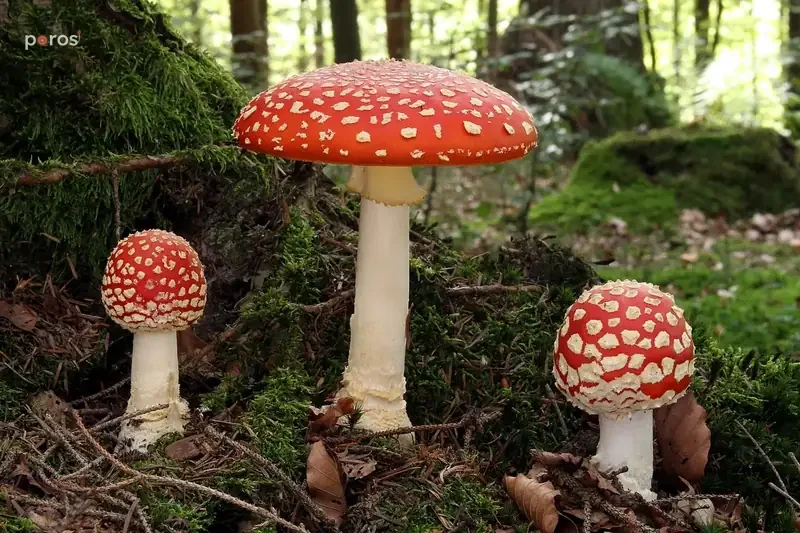 Poisonous
not The sickener
Fly agaric Amanita muscaria
The fly agaric has a ring on the stem and a volva of warty rings at the base; its cap warts may have been washed off by rain.
not The sickener
Bloody brittlegill Russula sanguinaria
The bloody brittlegill has a pinkish-red stem and slightly decurrent gills; it is also acrid.
The sickener and its look-alikes compared
| Species | Status | Underside | Spore print | Season |
|---|---|---|---|---|
| The sickenerRussula emetica | Poisonous | Crowded, brittle, white to pale cream gills | White | Jul–Nov |
| Fly agaricAmanita muscaria | Poisonous | White gills, free from the stem | White | Aug–Nov |
| Green-cracking brittlegillRussula virescens | Edible species | White to cream, crowded, brittle gills | White to pale cream | Jun–Nov |
| Pinkmottle woodwaxHygrophorus russula | Edible species | White, spotting red with age | White | Aug–Dec |
| Charcoal burnerRussula cyanoxantha | Edible species | White to cream and close | White | Jun–Nov |
The table is compiled from each species page. The status column is a guide only; do not eat a wild mushroom unless an expert has seen it in person. Compare look-alikes side by side
Frequently asked questions
Is the the sickener poisonous?
Yes, the the sickener is poisonous and must not be eaten. Eaten raw or undercooked it causes vomiting and diarrhoea. If poisoning is suspected, call 112 at once (Turkish poison centre: 114) and keep any leftover mushroom.
Is the the sickener edible?
No, the the sickener must not be eaten; it is poisonous. According to sources, eaten raw or undercooked it causes nausea, vomiting, abdominal pain and diarrhoea within half an hour to a few hours; symptoms usually settle within a day. It can be picked by mistake for green-cracking brittlegill (Russula virescens), pinkmottle woodwax (Hygrophorus russula) and charcoal burner (Russula cyanoxantha). If poisoning is suspected, call 112 at once (Turkish poison centre: 114) and keep any leftover mushroom.
Which other mushroom is called “sırtıgökçe” in Turkey?
Warning: the name “sırtıgökçe” covers both edible and poisonous species; never eat a mushroom on the strength of its name. Besides the species on this page (Russula emetica), the name “sırtıgökçe” is also used for Charcoal burner (Russula cyanoxantha, edible species). Turkish folk names shift from region to region, so tell species apart by the Latin name and the identification features, not by the local name.
Why does it have this name?
Latin emetica means emetic; Acı Kusturan Mantar is its Turkish name on iNaturalist. Its flesh is extremely hot and acrid.
How is it told from the fly agaric?
This species has no ring or volva and its stem snaps like chalk. The fly agaric has a ring and warty rings at the base.
Is it found in Turkey?
There are no Turkish records, but other acrid red-capped Russula species grow in Turkey.
When do symptoms start?
According to sources within half an hour to a few hours, usually settling within a day. If in doubt, call 112.
Are all red Russulas poisonous?
No, but red Russulas are very hard to tell apart and several are acrid and poisonous; red-capped brittlegills should not be picked.
Where does it grow?
In damp pine and spruce forest, at bog edges and among moss.
What are the regional Turkish names of the sickener?
In the dialects of Kastamonu the sickener (Russula emetica) is called sırtıgızıl, sırtıgökçe and gelincük (Acar, 2018). In our encyclopedia, though, the page titled sırtıgökçe is the edible charcoal burner (Russula cyanoxantha); tell them apart by cap colour, gill flexibility and the burning taste, not by name.
When is the sickener season in Turkey?
In our calendar, the sickener season runs Jul–Nov. Fruits from July to November in damp conifer forest.
Where does the sickener grow?
Mycorrhizal with pine and spruce; grows on damp, acid soil, at bog edges and among sphagnum moss.
Where is the sickener found in Turkey?
There are no Turkish records: our map data (GBIF and iNaturalist) holds no observations from Turkey. Many red-capped Russula species grow in Turkey, and some of them are acrid and poisonous too. Its Turkish name on iNaturalist is Acı Kusturan Mantar (bitter emetic mushroom).
What can the sickener be confused with?
The sickener can be confused with fly agaric (Amanita muscaria, poisonous), green-cracking brittlegill (Russula virescens, edible species), bloody brittlegill (Russula sanguinaria, poisonous), pinkmottle woodwax (Hygrophorus russula, edible species) and charcoal burner (Russula cyanoxantha, edible species). Look-alikes are compared on this page.
What is the sickener called in Turkish?
In Turkish, the sickener (Russula emetica) is called Acı kusturan mantar; other local names include sırtıgökçe, sırtıgızıl and gelincük.
Related species
-
 Ugly milkcapLactarius turpisPoisonous
-
 Woolly milkcapLactarius torminosusPoisonous
-
 Bloody milk capLactarius sanguifluusEdible species
-
Charcoal burnerRussula cyanoxanthaEdible species
-
 False saffron milkcapLactarius deterrimusInedible
-
 Fiery milkcapLactarius pyrogalusInedible
-
Green-cracking brittlegillRussula virescensEdible species
-
 Milk-white brittlegillRussula delicaEdible species
Sources
- Acar, E. (2018), International Journal of Humanities and Education: Kastamonu ve yöresi ağızlarında mantar adları (266 ad, Latince karşılıklarıyla tablo) dergipark.org.tr
- Wikipedia (EN): Russula emetica en.wikipedia.org
- First Nature: Russula emetica, The Sickener first-nature.com
All sources (5)
- iNaturalist: Russula emetica (Türkçe ad) inaturalist.org
- GBIF: Türkiye kayıtları gbif.org
Photo credits (11)
- File:Russula emetica1.JPG · Piotr J · CC BY-SA 3.0
- File:Russula emetica in Poland.jpg · MichalPL · CC BY-SA 4.0
- File:Russula emetica a3 (2).jpg · Jerzy Opioła · CC BY-SA 4.0
- Russula emetica · iNaturalist #400890865 · Eli Talhouk · CC BY 4.0
- Russula emetica · iNaturalist #311966547 · Scott Shanks · CC BY 4.0
- File:Russula emetica in İzmir, Turkey.jpg · Maurice Flesier · CC BY-SA 4.0
- File:Russula emetica a3 (4).jpg · Jerzy Opioła · CC BY-SA 4.0
- Russula emetica · iNaturalist #195942099 · Michal Honskus · CC BY 4.0
- Russula emetica · iNaturalist #329653662 · Michael Werth · CC0
- File:Russula emetica G28.jpg · Jerzy Opioła · CC BY-SA 4.0
- File:Russula emetica a3 (1).jpg · Jerzy Opioła · CC BY-SA 4.0


