
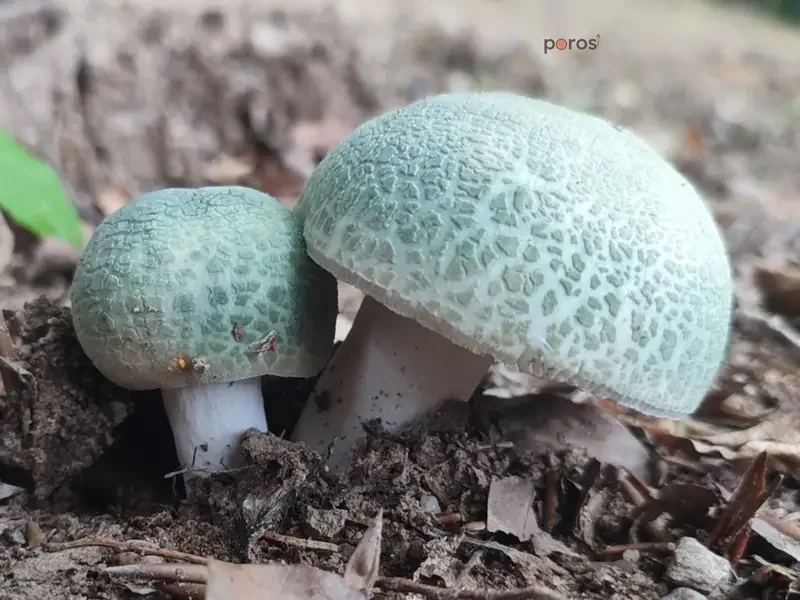


Green-cracking brittlegill
Russula virescens · Russulaceae
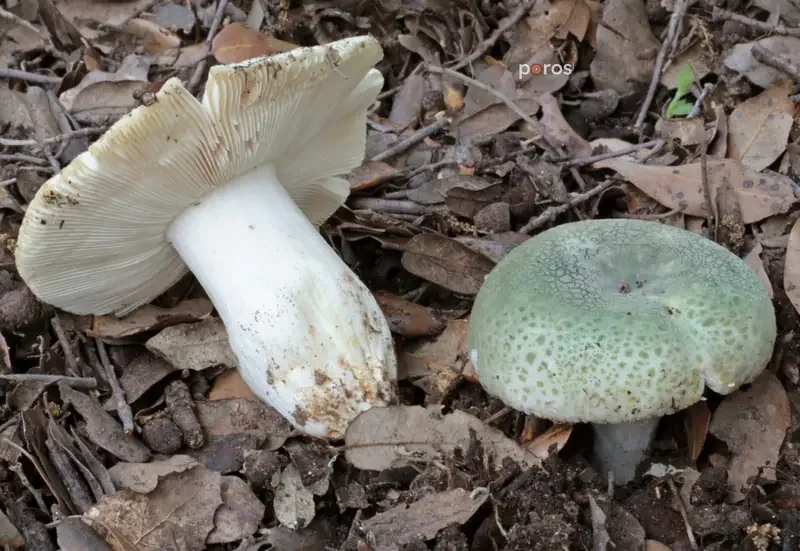
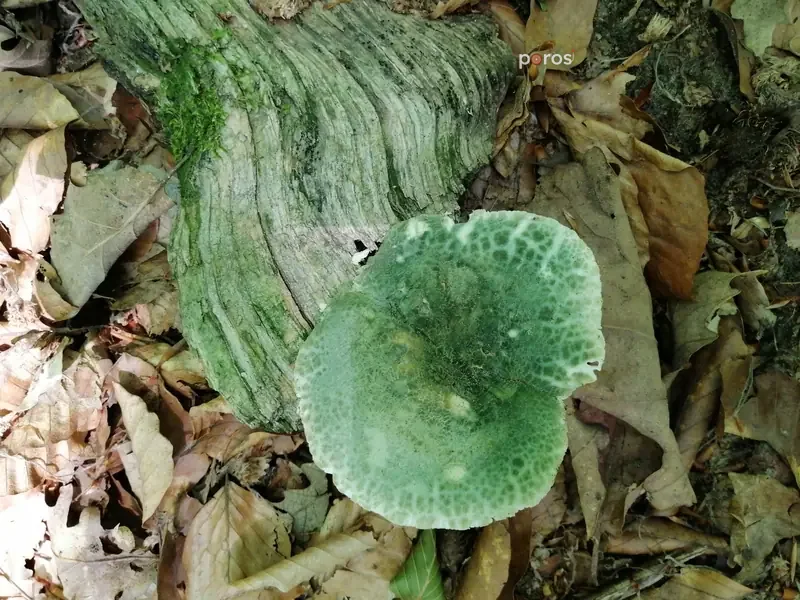
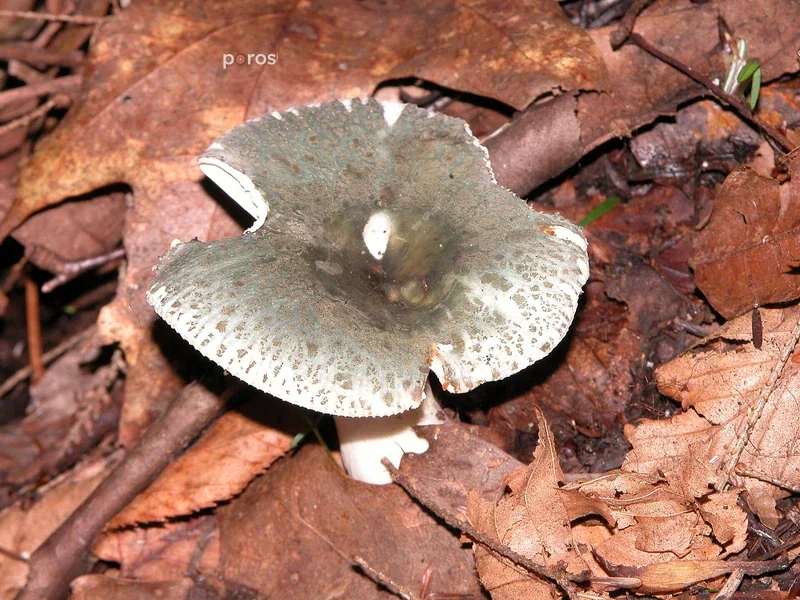
A Russula with a matt green cap whose surface cracks into small patches, white gills and a white stem that snaps like chalk.
Last updated: Prepared by the Poros Mantar editorial team5 sources checkedReport a correction
A Russula with a matt green cap whose surface cracks into small patches, white gills and a white stem that snaps like chalk. It is known as an edible species, but its green cap means it can be confused with the deadly death cap, so it needs great care.
Also called: green-cracking russula, quilted green russula Turkish: Yeşil mantar, yeşil russula, yeşil kırılgan mantar
How to recognise it
Green-cracking brittlegill, part by part
No ring or volva Spore print: White to pale cream Mild; the taste is mild, not hot.


When and where
Jun–Nov
- Jan
- Feb
- Mar
- Apr
- May
- Junin season
- Julin season
- Augin season
- Sepin season
- Octin season
- Novin season
- Dec
The green-cracking brittlegill fruits from early summer into autumn; Turkish GBIF records fall between June and October.
Type Edible
In season JuneJulyAugustSeptemberOctoberNovember
Colour Green
Regions Black Sea RegionMarmara RegionSinopTrabzonIstanbulKırklareli
Where does green-cracking brittlegill grow?
The green-cracking brittlegill grows in broadleaf woods, especially under oak and beech, forming a mycorrhizal partnership with the trees.
Where is green-cracking brittlegill found in Turkey?
In Turkey, records of the green-cracking brittlegill come mostly from İstanbul's northern forests, with others from Kırklareli and Sinop.
- İstanbul20
- Kırklareli2
- Trabzon1
- Sinop1
Which months
- Jan0
- Feb0
- Mar0
- Apr0
- May0
- Jun5
- Jul7
- Aug0
- Sep6
- Oct4
- Nov2
- Dec0
green-cracking brittlegill map of Turkey: all provinces and months →
4 provinces, 24 observations (GBIF, iNaturalist); months from observation dates. Record density also reflects where observers work.
Latest green-cracking brittlegill observations
-
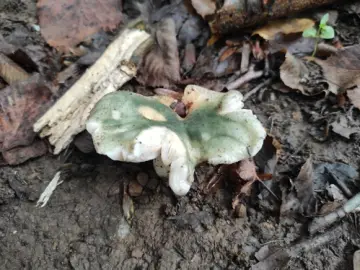 İstanbul21 Sep 2024 · iNaturalist© Umut Nuri Erdoğan · CC BY
-
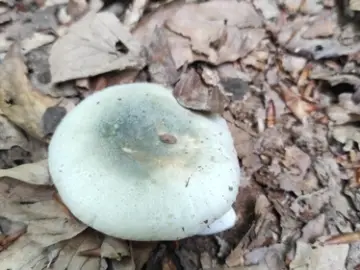 İstanbul18 Jun 2024 · iNaturalist© Umut Nuri Erdoğan · CC BY
-
 Illustrative
İstanbul27 Jun 2026 · iNaturalist
-
 Illustrative
Trabzon14 Jun 2025 · iNaturalist
-
 Illustrative
İstanbul5 Oct 2024 · iNaturalist
-
 Illustrative
İstanbul5 Oct 2024 · iNaturalist
-
 Illustrative
İstanbul19 Sep 2024 · iNaturalist
-
 Illustrative
Sinop31 Oct 2023 · iNaturalist
- See on the map
On "illustrative" cards the image is a photo of the species; the observation photo cannot be shown here because of its licence, but can be seen at the source.
Look-alikes
What could it be confused with?
Green-cracking brittlegill can be mistaken for the species below. Each card shows the look-alike and how it differs from Green-cracking brittlegill.
 Deadly
not Green-cracking brittlegill
Death cap Amanita phalloides
Its cap is smooth, shiny olive-green and never cracks; it has a ring and a sack-like volva, and the fibrous stem does not snap like chalk. It is deadly.
 Edible species
not Green-cracking brittlegill
Grass-green brittlegill Russula aeruginea
Smooth, grass-green cap that does not crack into patches; usually under birch.
 Edible species
not Green-cracking brittlegill
Charcoal burner Russula cyanoxantha
Cap in mixed purple, blue and green; its gills are flexible rather than brittle.
How to cook and eat green-cracking brittlegill
Safety first. When picking any green-capped mushroom, dig out the stem base to check for a volva and look for a ring; never eat it until the death cap has been ruled out.
How to prepare it
Dig up the stem base and rule out the death cap. Remove the stems and clean the caps with a brush and damp cloth without washing.
How to cook it
Grill, fry or sauté it; the green colour disappears on cooking. Drying enhances its nutty flavour.
What goes with it?
- medium-large green-cracking brittlegills
- olive oil
- flat-leaf parsley
- mint or calamint
- garlic
Source: Wikipedia · practical details from our recipes.
Recipe
How to store green-cracking brittlegill
Grow it, buy it
Green-cracking brittlegill price list
| Product | Us | Market (sourced, dated) |
|---|---|---|
| Fresh green-cracking brittlegill | Made to order · ask | — |
| Dried green-cracking brittlegill | Made to order · ask | — |
We make our green-cracking brittlegill products in small batches, to order; send a request and we email you the price and delivery date. The market column shows prices seen on other sellers' pages on the date given; they are not our prices and may have changed.
Frequently asked questions
Is the green-cracking brittlegill edible?
Russula virescens is known as an edible species. But its green cap means it can be mistaken for the deadly death cap, so never eat it without an expert's identification.
How do you tell it from the death cap?
The green-cracking brittlegill has a matt, patchily cracked cap, no ring, no volva and a stem that snaps like chalk. The death cap has a smooth, shiny cap, a ring and a sack-like volva at the base.
Where does it grow in Turkey?
In oak and beech woods. Most GBIF records come from İstanbul's northern forests, with others in Kırklareli and Sinop.
When does it appear?
From June to October, after summer rain.
How do you recognise a Russula?
Russulas have a stem and flesh that snap cleanly like chalk, no milk, no ring and no volva. Some species are hot-tasting and poisonous, so knowing the genus alone is never enough to decide to eat one.
Which family does it belong to?
It belongs to the Russulaceae, the same family as the saffron milk cap and other milk caps (Lactarius).
Is green-cracking brittlegill edible?
Yes, green-cracking brittlegill is an edible species. Eat a wild one only after an expert has identified it with certainty: it can be confused with death cap (Amanita phalloides). When picking any green-capped mushroom, dig out the stem base to check for a volva and look for a ring; never eat it until the death cap has been ruled out.
When is green-cracking brittlegill season in Turkey?
In our calendar, green-cracking brittlegill season runs Jun–Nov. The green-cracking brittlegill fruits from early summer into autumn; Turkish GBIF records fall between June and October.
Where does green-cracking brittlegill grow?
The green-cracking brittlegill grows in broadleaf woods, especially under oak and beech, forming a mycorrhizal partnership with the trees.
Where is green-cracking brittlegill found in Turkey?
In Turkey, records of the green-cracking brittlegill come mostly from İstanbul's northern forests, with others from Kırklareli and Sinop.
What can green-cracking brittlegill be confused with?
Green-cracking brittlegill can be confused with death cap (Amanita phalloides, deadly), grass-green brittlegill (Russula aeruginea, edible species) and charcoal burner (Russula cyanoxantha, edible species). Look-alikes are compared on this page.
What is green-cracking brittlegill called in Turkish?
In Turkish, green-cracking brittlegill (Russula virescens) is called Yeşil mantar; other local names include yeşil russula and yeşil kırılgan mantar.
Related species
-
 Bloody milk capLactarius sanguifluusEdible species
-
 Saffron milk capLactarius deliciosusEdible species
-
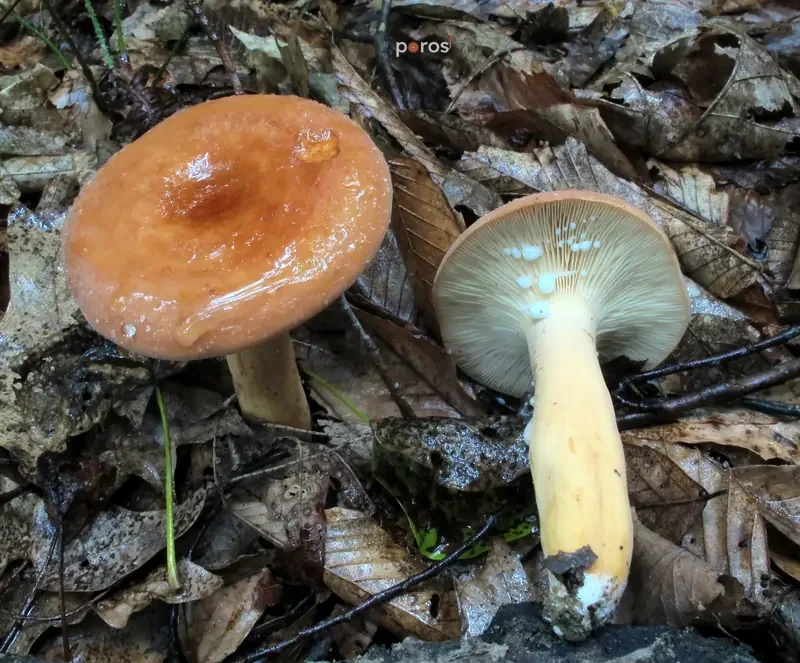 Weeping milk capLactifluus volemusEdible species
-
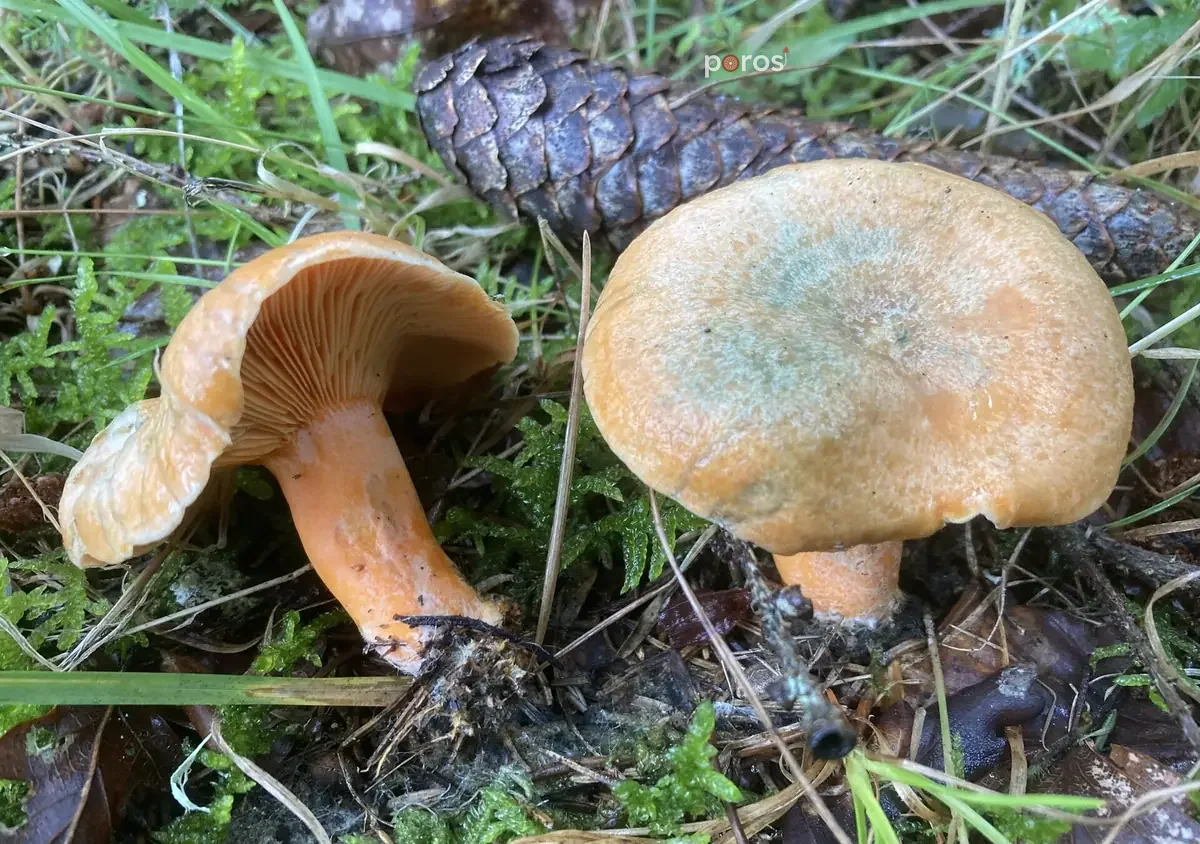 False saffron milkcapLactarius deterrimusInedible
-
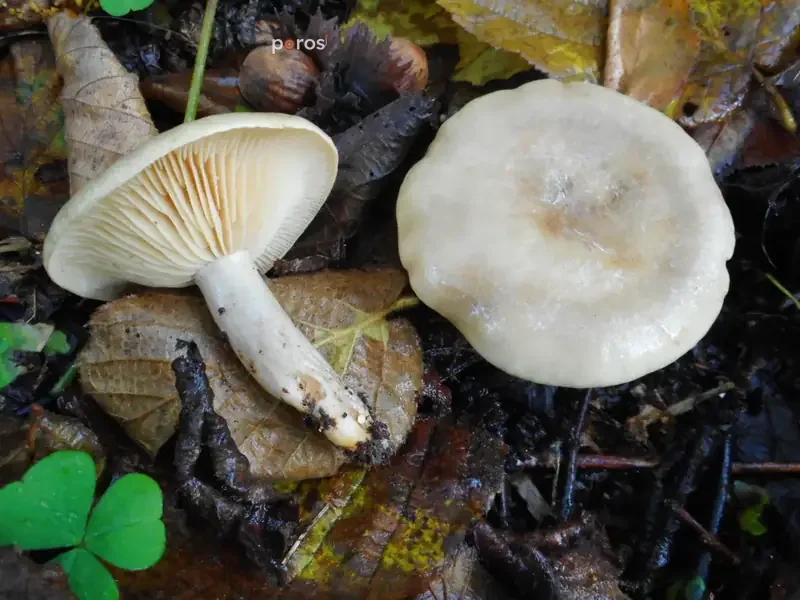 Fiery milkcapLactarius pyrogalusInedible
-
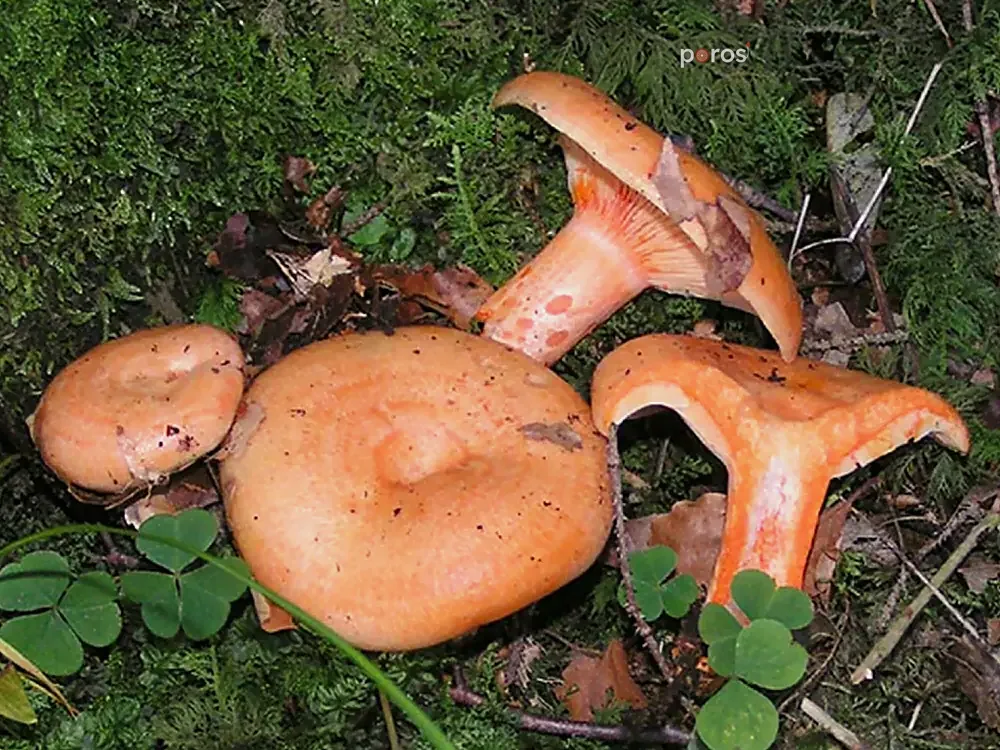 Salmon milkcapLactarius salmonicolorInedible
-
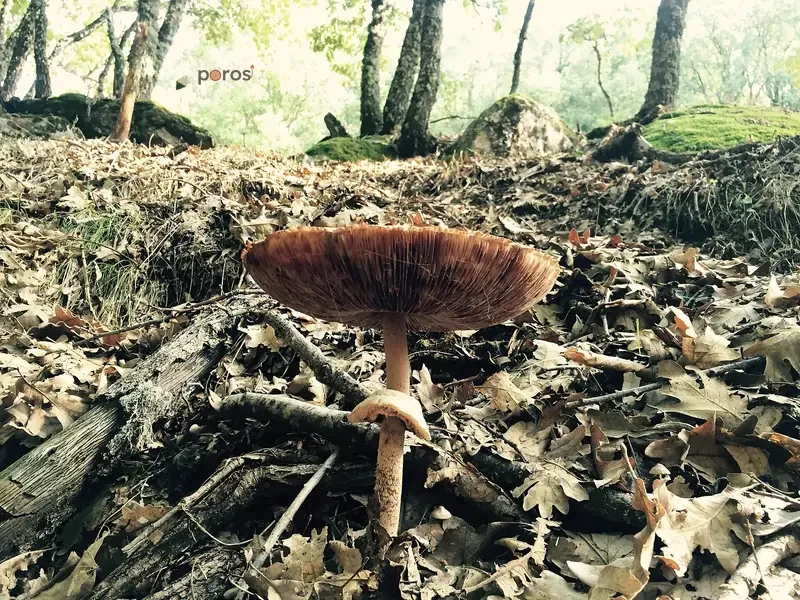 Anatolian matsutakeTricholoma anatolicumEdible species
-
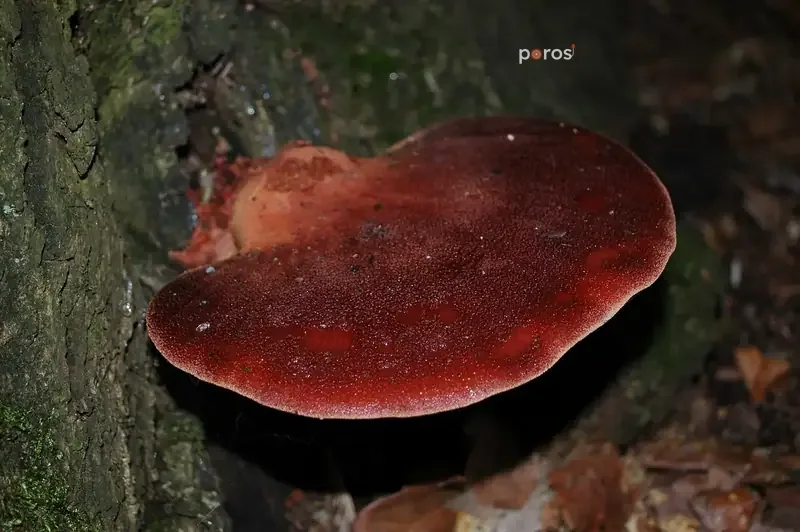 Beefsteak fungusFistulina hepaticaEdible species
Sources
- Li ve ark. (2021), International Journal of Biological Macromolecules: Russula virescens polisakkaritleri pubmed.ncbi.nlm.nih.gov
- Wikipedia (EN): Russula virescens en.wikipedia.org
- First Nature: Russula virescens first-nature.com
All sources (5)
- GBIF: Türkiye kayıtları gbif.org
- iNaturalist: Türkiye gözlemleri inaturalist.org
Photo credits (10)
- File:Russula virescens duo.jpg · xulescu_g · CC BY-SA 4.0
- File:Russula virescens Italia.jpg · Davide Puddu · CC BY 4.0
- File:Russula virescens3.JPG · Paffka · CC BY-SA 3.0
- Russula virescens · iNaturalist #97378187 · Jeff Clark · CC BY 4.0
- Russula virescens · iNaturalist #97378187 · Jeff Clark · CC BY 4.0
- Russula virescens · iNaturalist #97378187 · Jeff Clark · CC BY 4.0
- Russula virescens · iNaturalist #408087430 · Carminda Santos · CC BY 4.0
- Russula virescens · iNaturalist #123492298 · szegedigombasz · CC0
- iNaturalist: İstanbul, 21 Sep 2024 · Umut Nuri Erdoğan · CC BY
- iNaturalist: İstanbul, 18 Jun 2024 · Umut Nuri Erdoğan · CC BY


