
Ugly milkcap
Lactarius turpis · Russulaceae

Lactarius turpis, the ugly milkcap, is a large birch-associated milkcap with a 6–20 cm dark olive-brown cap, depressed at the centre and sticky when wet. When broken it oozes white, very acrid milk. It is known to be salted and eaten in eastern Europe and Russia, but sources report that it contains necatorin, a mutagenic compound that can damage DNA; our advice is not to eat it. It has not been recorded in Turkey.
Turkish: Lactarius turpis Synonyms: Lactarius necator, Lactarius plumbeus
Last updated: Prepared by the Poros Mantar editorial team4 sources checkedReport a correction
POISONOUS — do not eat.
We advise against eating Lactarius turpis. According to sources it contains mutagenic necatorin, which has not been shown to be fully removed by parboiling and salting. Raw or undercooked, its acrid milk causes nausea, vomiting and diarrhoea. If poisoning is suspected, call 112 (Turkish poison centre UZEM: 114) and keep any leftover mushroom.
Ugly milkcap photos
-
© Holger Krisp · CC BY 3.0
-

Cap© Pavel Kacl · CC BY 4.0
-

Gills© Pavel Kacl · CC BY 4.0
-

© Adam F · CC BY 4.0
-

Gills© Виктория Билоус · CC BY 4.0
-

Stem© Donatas Pocius · CC BY 4.0
-

Cap© George Chernilevsky · Public domain
-

© Adam F · CC BY 4.0
-
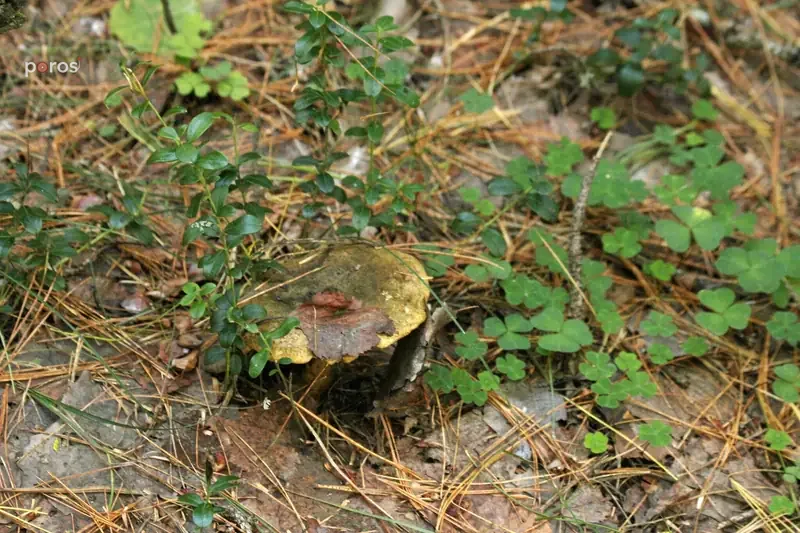
In habitat© Tatiana Strus · CC BY 4.0
-

Gills© Jerry Cooper · CC BY 4.0


These are licensed records of this species; photos alone are not enough to identify a mushroom.
Are ugly milkcaps poisonous?
Yes, ugly milkcaps are poisonous and must not be eaten. It should not be eaten. It contains mutagenic necatorin and its acrid milk upsets the digestive system. If poisoning is suspected, call 112 at once (Turkish poison centre: 114) and keep any leftover mushroom.
Are ugly milkcaps edible?
No, ugly milkcaps must not be eaten; they are poisonous. Raw or undercooked, its acrid milk causes nausea, vomiting and diarrhoea. They can be picked by mistake for saffron milk cap (Lactarius deliciosus). If poisoning is suspected, call 112 at once (Turkish poison centre: 114) and keep any leftover mushroom.
How to recognise it
Appearance of ugly milkcaps
No ring or volva Spore print: Cream Not distinctive; the milk is extremely acrid (do not taste it).
Where do ugly milkcaps grow?
Mycorrhizal with birch; grows on damp, acid soil in birch and mixed woodland and under park birches.
In Turkey
There are no Turkish records: our map data (GBIF and iNaturalist) holds no observations from Turkey. The species is widespread in northern and central Europe and northern Asia; Turkey's northeastern forests, where birch grows, would suit it.
Our map has no observations of ugly milkcaps from Turkey yet.
Look-alikes
What is it mistaken for?
Ugly milkcap can be mistaken for the species below. Each comparison shows Ugly milkcap on the left, the look-alike on the right, and how to tell them apart.
Poisoning risk: Ugly milkcap gets picked by people who think they have found one of the edible species below. If even one feature does not match, do not eat it.
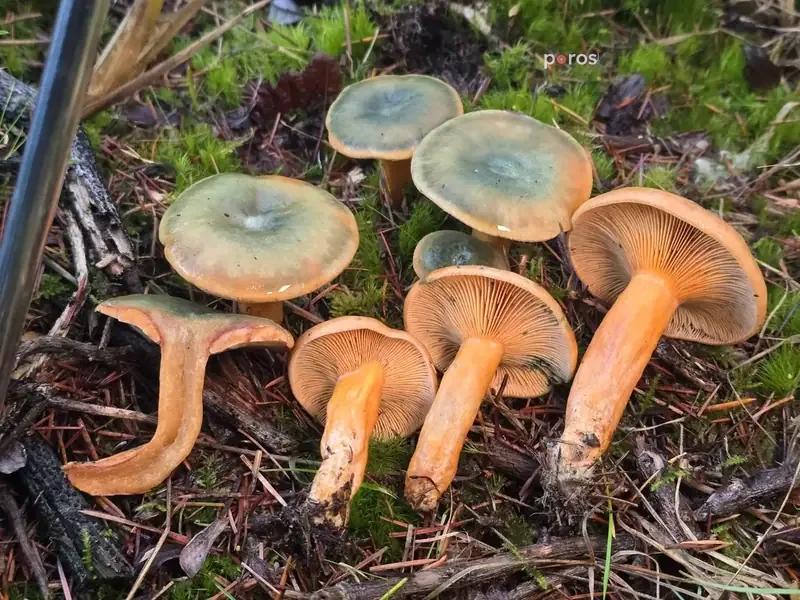
Saffron milk cap Lactarius deliciosus
How to tell The saffron milk cap has orange milk, stains green and has an orange cap.
Other look-alikes (2)
 Poisonous
not Ugly milkcap
Woolly milkcap Lactarius torminosus
The woolly milkcap also grows under birch and has white, acrid milk, but its cap is pink-salmon with a woolly margin.
 Deadly
not Ugly milkcap
Brown roll-rim Paxillus involutus
The brown roll-rim has no milk and its gills bruise brown; it can be deadly.
Ugly milkcap and its look-alikes compared
| Species | Status | Underside | Spore print | Season |
|---|---|---|---|---|
| Ugly milkcapLactarius turpis | Poisonous | Crowded, cream gills that stain brown where handled | Cream | Aug–Nov |
| Woolly milkcapLactarius torminosus | Poisonous | Crowded, pale pinkish cream gills, slightly decurrent | Cream to pale yellowish cream | Aug–Nov |
| Saffron milk capLactarius deliciosus | Edible species | Crowded, decurrent orange gills that stain green when handled | Cream to pale pinkish buff | Sep–Dec |
| Brown roll-rimPaxillus involutus | Deadly poisonous | Crowded, decurrent gills | Brown | Jun–Nov |
The table is compiled from each species page. The status column is a guide only; do not eat a wild mushroom unless an expert has seen it in person. Compare look-alikes side by side
Frequently asked questions
Are ugly milkcaps poisonous?
Yes, ugly milkcaps are poisonous and must not be eaten. It should not be eaten. It contains mutagenic necatorin and its acrid milk upsets the digestive system. If poisoning is suspected, call 112 at once (Turkish poison centre: 114) and keep any leftover mushroom.
Are ugly milkcaps edible?
No, ugly milkcaps must not be eaten; they are poisonous. Raw or undercooked, its acrid milk causes nausea, vomiting and diarrhoea. They can be picked by mistake for saffron milk cap (Lactarius deliciosus). If poisoning is suspected, call 112 at once (Turkish poison centre: 114) and keep any leftover mushroom.
Isn't it eaten in Russia?
It is traditionally salted and eaten in eastern Europe and Russia, but that has not been shown to remove the necatorin; our advice is not to eat it.
What is necatorin?
A compound isolated from this mushroom and found to be mutagenic (able to damage DNA) in laboratory tests.
How do you recognise it?
Under birch: a dark olive-brown, depressed, sticky cap, cream gills, white very acrid milk and a purple reaction to ammonia.
Is it found in Turkey?
There are no Turkish records; the northeastern forests where birch grows would suit it.
Can it be confused with the saffron milk cap?
The colour is very different, but the rule for anyone picking milkcaps is the same: never pick a Lactarius with white, acrid milk.
When does it appear?
From August to November under birch.
When is ugly milkcap season in Turkey?
In our calendar, ugly milkcap season runs Aug–Nov. Fruits from August to November under birch.
Where do ugly milkcaps grow?
Mycorrhizal with birch; grows on damp, acid soil in birch and mixed woodland and under park birches.
Where are ugly milkcaps found in Turkey?
There are no Turkish records: our map data (GBIF and iNaturalist) holds no observations from Turkey. The species is widespread in northern and central Europe and northern Asia; Turkey's northeastern forests, where birch grows, would suit it.
What can the ugly milkcap be confused with?
The ugly milkcap can be confused with woolly milkcap (Lactarius torminosus, poisonous), saffron milk cap (Lactarius deliciosus, edible species) and brown roll-rim (Paxillus involutus, deadly). Look-alikes are compared on this page.
What is the ugly milkcap called in Turkish?
In Turkish, the ugly milkcap (Lactarius turpis) is called Lactarius turpis.
Related species
-
 The sickenerRussula emeticaPoisonous
-
Woolly milkcapLactarius torminosusPoisonous
-
 Bloody milk capLactarius sanguifluusEdible species
-
 Charcoal burnerRussula cyanoxanthaEdible species
-
 False saffron milkcapLactarius deterrimusInedible
-
 Fiery milkcapLactarius pyrogalusInedible
-
 Green-cracking brittlegillRussula virescensEdible species
-
 Milk-white brittlegillRussula delicaEdible species
Sources
- Suortti ve ark. (1984), J Chromatogr: Lactarius necator'dan necatorin analizi pubmed.ncbi.nlm.nih.gov
- Wikipedia (EN): Lactarius turpis en.wikipedia.org
- iNaturalist: Lactarius turpis inaturalist.org
All sources (4)
- GBIF: Türkiye kayıtları gbif.org
Photo credits (10)
- File:Olivbraune Milchling Lactarius turpis.jpg · Holger Krisp · CC BY 3.0
- Lactarius turpis · iNaturalist #63562690 · Pavel Kacl · CC BY 4.0
- Lactarius turpis · iNaturalist #63562690 · Pavel Kacl · CC BY 4.0
- Lactarius turpis · iNaturalist #323250185 · Adam F · CC BY 4.0
- Lactarius turpis · iNaturalist #56358166 · Виктория Билоус · CC BY 4.0
- Lactarius turpis · iNaturalist #182041759 · Donatas Pocius · CC BY 4.0
- File:Lactarius turpis 2010 G1.jpg · George Chernilevsky · Public domain
- Lactarius turpis · iNaturalist #323250185 · Adam F · CC BY 4.0
- Lactarius turpis · iNaturalist #334811601 · Tatiana Strus · CC BY 4.0
- Lactarius turpis · iNaturalist #1436425 · Jerry Cooper · CC BY 4.0

