
False chanterelle
Hygrophoropsis aurantiaca · Hygrophoropsidaceae

The false chanterelle (Hygrophoropsis aurantiaca) is an orange mushroom of pine forests with a depressed cap and crowded, forking, decurrent true gills. As its name says, it is most often confused with the chanterelle. Wikipedia says it is considered poisonous and may cause serious digestive problems; some authors think it harmless, but opinions differ and it is not edible. In Turkey there is a GBIF record from Balıkesir and one iNaturalist observation.
Turkish: Yalancı kazayağı mantarı
Last updated: Prepared by the Poros Mantar editorial team4 sources checkedReport a correction
False chanterelle photos
-
© Holger Krisp · CC BY 3.0
-

© Teemu Kurppa · CC BY 4.0
-

Gills© Christine Young · CC BY 4.0
-

Stem© Teemu Kurppa · CC BY 4.0
-
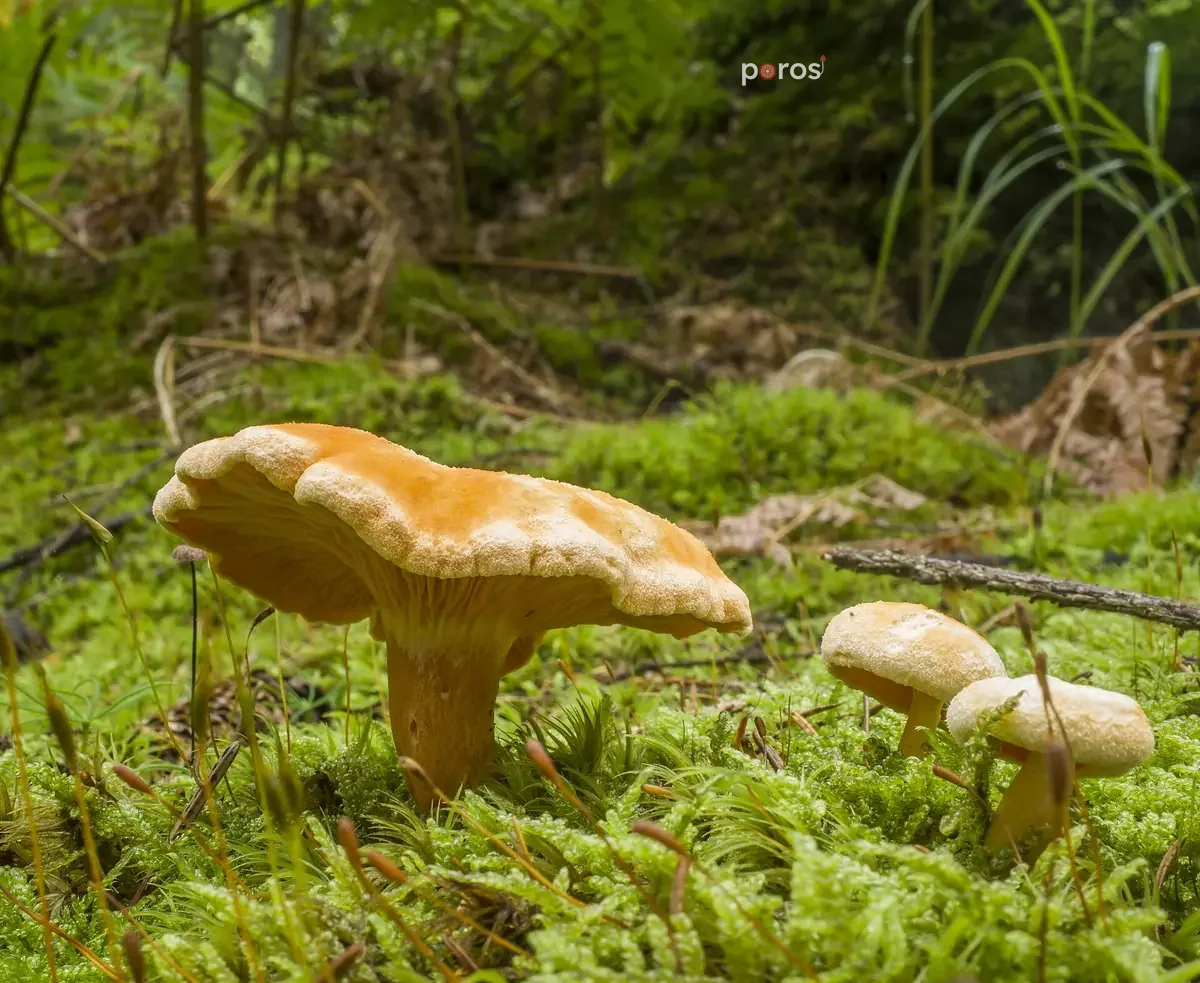
In habitat© Stephan van Helden · CC BY-SA 4.0
-

© Alexis Tinker-Tsavalas · CC BY 4.0
-

Gills© Mark Richman · CC BY 4.0
-

© Ken-ichi Ueda · CC BY 4.0
-

Cap© Michel Langeveld · CC BY-SA 4.0
-
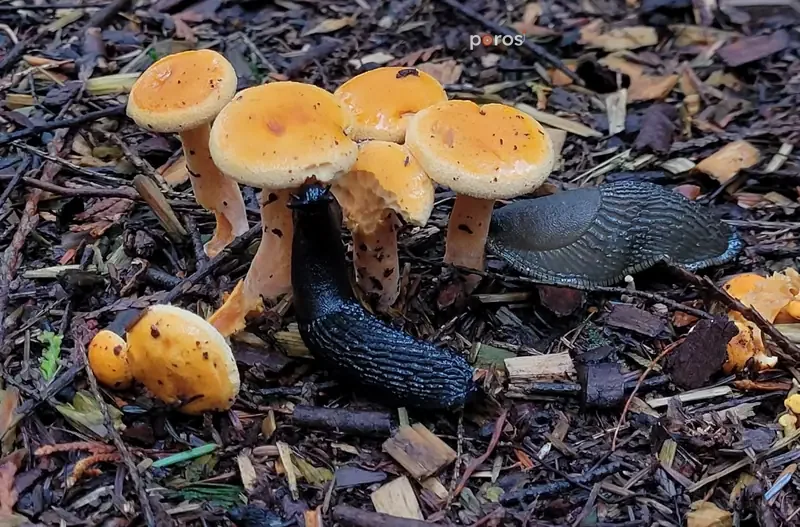
In habitat© Kevin Krebs · CC BY 4.0


These are licensed records of this species; photos alone are not enough to identify a mushroom.
Are false chanterelles poisonous?
It is considered poisonous and may cause serious digestive problems (Wikipedia); some authors think it harmless. As opinions differ, do not eat it. If poisoning is suspected, call 112 at once (Turkish poison centre: 114) and keep any leftover mushroom.
Are false chanterelles edible?
We advise against eating the false chanterelle. Wikipedia says it is considered poisonous and may cause serious digestive problems; some authors attribute the one known poisoning case to an individual reaction. The real danger is orange mushrooms with true gills ending up in a chanterelle basket; making the same mistake with the jack-o'-lantern has serious consequences.
How to recognise it
Appearance of false chanterelles
No ring or volva Spore print: White to cream Not distinctive; it lacks the chanterelle's apricot smell.
Where do false chanterelles grow?
A saprotroph of pine and other conifer litter, rotting wood and stumps, on acid soil.
Where is false chanterelles found in Turkey?
Our map data holds one GBIF record from Balıkesir and one research-grade iNaturalist observation from Turkey. It is thought to be common in pine forests and may be under-recorded. Its Turkish name on iNaturalist is Yalancı Kazayağı Mantarı (false goosefoot mushroom).
Which months
- Jan0
- Feb0
- Mar0
- Apr0
- May0
- Jun0
- Jul0
- Aug0
- Sep0
- Oct0
- Nov0
- Dec1
1 provinces, 1 observations (GBIF, iNaturalist); months from observation dates. Record density also reflects where observers work.
Latest false chanterelle observations
 Illustrative
On "illustrative" cards the image is a photo of the species; the observation photo cannot be shown here because of its licence, but can be seen at the source.
Look-alikes
What could it be confused with?
False chanterelle can be mistaken for the species below. Each comparison shows False chanterelle on the left, the look-alike on the right, and how to tell them apart.
Take care when foraging: Poisonous look-alikes of False chanterelle come first. If in doubt, leave it.

Brown roll-rim Paxillus involutus
How to tell The brown roll-rim is brown, its gills bruise brown and it can be deadly.

Jack-o'-lantern mushroom Omphalotus olearius
How to tell The jack-o'-lantern is larger, grows in clusters on olive and oak stumps and causes violent vomiting.
Other look-alikes (3)
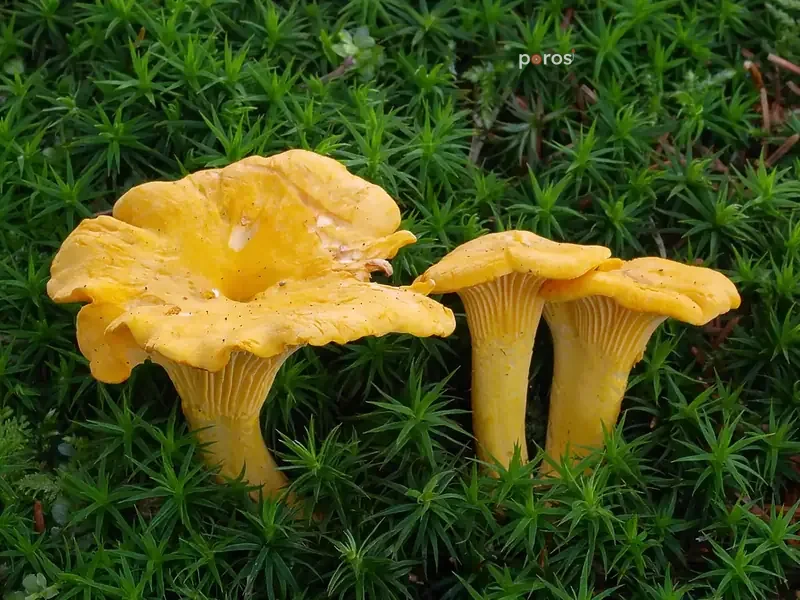 Edible species
not False chanterelle
Chanterelle Cantharellus cibarius
The chanterelle has thick, blunt ridges rather than thin gills under the cap; its flesh is firm and whitish and smells of apricots.
 Edible species
not False chanterelle
Cinnabar chanterelle Cantharellus cinnabarinus
It is cinnabar to pinkish red rather than orange, and has thick, blunt, forking ridges running down the stem instead of true gills. It mostly grows with oak and other broadleaf trees.
 Edible species
not False chanterelle
Yellow foot chanterelle Craterellus lutescens
Its cap is dark yellowish brown to grey-brown and only its stem is bright yellow-orange; it has no gills, just an almost smooth or faintly veined underside, and its stem is hollow, grooved and flattened.
False chanterelle and its look-alikes compared
| Species | Status | Underside | Spore print | Season |
|---|---|---|---|---|
| False chanterelleHygrophoropsis aurantiaca | Inedible | Long-decurrent, crowded, thin, repeatedly forking, bright orange true gills | White to cream | Aug–Dec |
| ChanterelleCantharellus cibarius | Edible species | No true gills: thick, blunt, forking ridges (false gills) running down the stem | Pale yellow to creamy white | Jun–Nov |
| Jack-o’-lantern mushroomOmphalotus olearius | Poisonous | Crowded, thin, true gills running down the stem (decurrent), the same orange as the cap | Creamy white | Oct–Jan |
| Brown roll-rimPaxillus involutus | Deadly poisonous | Crowded, decurrent gills | Brown | Jun–Nov |
| Cinnabar chanterelleCantharellus cinnabarinus | Edible species | Not true gills: thick, blunt, forking pinkish-red ridges that run down the stem | Pinkish cream | Jun–Oct |
| Yellow foot chanterelleCraterellus lutescens | Edible species | No gills; an almost smooth or faintly veined, pale orange to pinkish-yellow surface | White to pale pinkish cream | Sep–Feb |
The table is compiled from each species page. The status column is a guide only; do not eat a wild mushroom unless an expert has seen it in person. Compare look-alikes side by side
We advise against eating the false chanterelle. Wikipedia says it is considered poisonous and may cause serious digestive problems; some authors attribute the one known poisoning case to an individual reaction. The real danger is orange mushrooms with true gills ending up in a chanterelle basket; making the same mistake with the jack-o'-lantern has serious consequences. If poisoning is suspected, call 112 (Turkish poison centre UZEM: 114) and keep any leftover mushroom.
Frequently asked questions
Are false chanterelles poisonous?
It is considered poisonous and may cause serious digestive problems (Wikipedia); some authors think it harmless. As opinions differ, do not eat it. If poisoning is suspected, call 112 at once (Turkish poison centre: 114) and keep any leftover mushroom.
Are false chanterelles edible?
We advise against eating the false chanterelle. Wikipedia says it is considered poisonous and may cause serious digestive problems; some authors attribute the one known poisoning case to an individual reaction. The real danger is orange mushrooms with true gills ending up in a chanterelle basket; making the same mistake with the jack-o'-lantern has serious consequences.
How is it told from the chanterelle?
Look under the cap: the false chanterelle has thin, crowded, forking true gills. The chanterelle has thick, blunt ridges, whitish flesh and an apricot smell.
Is it found in Turkey?
Yes. GBIF holds a record from Balıkesir and iNaturalist one observation. Its Turkish name on iNaturalist is Yalancı Kazayağı Mantarı.
Is it the same as the jack-o'-lantern?
No. The jack-o'-lantern is larger, grows in clusters on stumps and causes violent vomiting; the false chanterelle grows singly in pine litter.
When does it appear?
From August to December, overlapping the chanterelle season.
What does the spore print show?
It is white to cream; the chanterelle's is also pale cream, so the gill structure is a more reliable guide.
Where does it grow?
In pine and other conifer litter, on rotting wood and stumps.
When is false chanterelle season in Turkey?
In our calendar, false chanterelle season runs Aug–Dec. Fruits from August to December in pine forests and needle litter.
Where do false chanterelles grow?
A saprotroph of pine and other conifer litter, rotting wood and stumps, on acid soil.
Where are false chanterelles found in Turkey?
Our map data holds one GBIF record from Balıkesir and one research-grade iNaturalist observation from Turkey. It is thought to be common in pine forests and may be under-recorded. Its Turkish name on iNaturalist is Yalancı Kazayağı Mantarı (false goosefoot mushroom).
What can the false chanterelle be confused with?
The false chanterelle can be confused with chanterelle (Cantharellus cibarius, edible species), jack-o'-lantern mushroom (Omphalotus olearius, poisonous), brown roll-rim (Paxillus involutus, deadly), cinnabar chanterelle (Cantharellus cinnabarinus, edible species) and yellow foot chanterelle (Craterellus lutescens, edible species). Look-alikes are compared on this page.
What is the false chanterelle called in Turkish?
In Turkish, the false chanterelle (Hygrophoropsis aurantiaca) is called Yalancı kazayağı mantarı.
Related species
-
 Amethyst deceiverLaccaria amethystinaInedible
-
 Anemone stinkhornAseroe rubraInedible
-
 Artist’s bracketGanoderma applanatumInedible
-
 Barometer earthstarAstraeus hygrometricusInedible
-
 Birch polyporeFomitopsis betulinaInedible
-
 Bitter boleteTylopilus felleusInedible
-
 Bitter oysterPanellus stipticusInedible
-
 Black witches’ butterExidia glandulosaInedible
Sources
- Wikipedia (EN): Hygrophoropsis aurantiaca en.wikipedia.org
- First Nature: Hygrophoropsis aurantiaca, False Chanterelle first-nature.com
- iNaturalist: Hygrophoropsis aurantiaca (Türkçe ad) inaturalist.org
All sources (4)
- GBIF: Türkiye kayıtları gbif.org
Photo credits (10)
- File:False Chanterelle Hygrophoropsis aurantiaca.jpg · Holger Krisp · CC BY 3.0
- Hygrophoropsis aurantiaca · iNaturalist #176640067 · Teemu Kurppa · CC BY 4.0
- Hygrophoropsis aurantiaca · iNaturalist #61491873 · Christine Young · CC BY 4.0
- Hygrophoropsis aurantiaca · iNaturalist #176640067 · Teemu Kurppa · CC BY 4.0
- File:Falscher Pfifferling (Hygrophoropsis aurantiaca) nahe der Silberquelle an der Straße vom Silberhaus nach Nagel.jpg · Stephan van Helden · CC BY-SA 4.0
- Hygrophoropsis aurantiaca · iNaturalist #250485837 · Alexis Tinker-Tsavalas · CC BY 4.0
- Hygrophoropsis aurantiaca · iNaturalist #187589250 · Mark Richman · CC BY 4.0
- Hygrophoropsis aurantiaca · iNaturalist #35258 · Ken-ichi Ueda · CC BY 4.0
- File:Hygrophoropsis aurantiaca 109003082.jpg · Michel Langeveld · CC BY-SA 4.0
- Hygrophoropsis aurantiaca · iNaturalist #317833605 · Kevin Krebs · CC BY 4.0


