Turkish mushroom folk names: tirmit, malkadın, ebişke
Tirmit, malkadın, ebişke, içi kızıl, saçak, karakız: a lookup table matching Turkish regional mushroom names to species and their Latin names.
 Cihat Murat Yüksel
Species guides
Updated: 9 min read
Tirmit is the weeping milk cap (Lactifluus volemus); malkadın, ebişke and balkadın all mean the trooping funnel (Infundibulicybe geotropa); içi kızıl is the field mushroom (Agaricus campestris); saçak mantarı is the yellow coral fungus (Ramaria flava); karakız is the grey knight (Tricholoma terreum). A folk name is not an identification: the same name is often shared by several species, some of them poisonous. Never eat a wild mushroom you have not identified with certainty, and in Turkey call 112 or the 114 poison line (UZEM) if you suspect poisoning.
Why a regional name is never enough
Mushroom names in Turkey change from village to village. One species can carry half a dozen names, and one name can point to an edible mushroom in one province and a different species next door. That is why so many searches look alike: what else is tirmit called, which mushroom is malkadın, is ebişke the same thing?
This page gathers the regional names recorded on our species pages. Each line gives the Turkish folk names, the species page and the Latin name. Treat it as a glossary, not a field guide: knowing the name does not mean knowing the mushroom. For standard Turkish and English names, see our Turkish–English–Latin glossary.
The names people ask about most
- Tirmit: the weeping milk cap (Lactifluus volemus), also recorded as geyik mantarı, sütlü geyik mantarı and bol sütlü mantar. It has an orange-brown velvety cap and bleeds plenty of white milk when broken.
- Fındık tirmiti, fındık kirmiti: a different species, the fiery milkcap (Lactarius pyrogalus), which we list as inedible.
- Malkadın, ebişke, balkadın: all three refer to the trooping funnel (Infundibulicybe geotropa, formerly Clitocybe geotropa). It resembles poisonous white funnels, so it is only eaten after expert identification.
- İçi kızıl, içikızıl: the field mushroom (Agaricus campestris), also called akmantar, katran köpüğü and keçi mantarı.
- Saçak mantarı, gelin parmağı, pürçek: the yellow coral fungus (Ramaria flava), better known as tellice. These names cover several near-identical Ramaria species, so we list it as inedible.
- Karakız: the grey knight (Tricholoma terreum), also kara kafa, karaca and karakulak. Sources disagree on its edibility and we class it as inedible.
- Kelbaş and geyik sütü: we could not match either name to a verified Latin name in our species data, and we would rather leave a gap than guess.
Folk names of species classed as edible
Bold text shows the Turkish regional or trade names; the link leads to our species page. An edible classification does not make every mushroom sold or picked under that name safe.
- evelek mantarı, evlek mantarı: Horse mushroom (Agaricus arvensis)
- agaricus blazei (piyasa adı): Almond mushroom (Agaricus subrufescens)
- bal rengi mantar: Honey fungus (Armillaria mellea)
- ölü borazanı, siyah borazan: Black trumpet (Craterellus cornucopioides)
- malkadın, ebişke, balkadın: Trooping funnel (Infundibulicybe geotropa)
- kırmızı horozmantarı (yaygın karşılık): Cinnabar chanterelle (Cantharellus cinnabarinus)
- mayıs mantarı: St George's mushroom (Calocybe gambosa)
- tirmit, sütlü geyik mantarı, bol sütlü mantar: Weeping milk cap (Lactifluus volemus)
- Sezar mantarı, padişah mantarı: Caesar's mushroom (Amanita caesarea)
- kavak mantarı, istiridye: Oyster mushroom (Pleurotus ostreatus)
- çıntar, çam melkisi, melki, çam mantarı: Saffron milk cap (Lactarius deliciosus)
- söğüt mantarı, pioppino: Poplar mushroom (Cyclocybe cylindracea)
- dikenli mantar, kirpi: Hedgehog mushroom (Hydnum repandum)
- ağaç kulağı, Yahuda'nın kulağı: Wood ear mushroom (Auricularia auricula-judae)
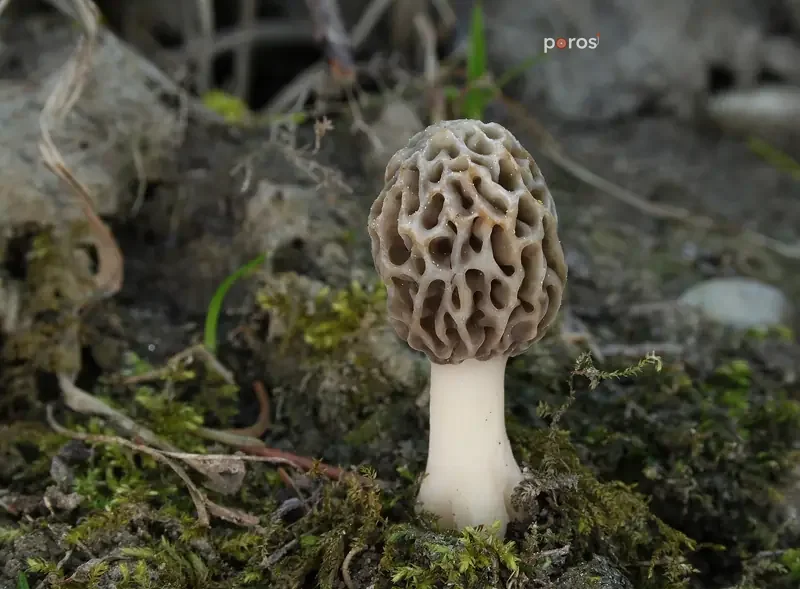
- göbek mantarı: Morel (Morchella esculenta)
- orman tavuğu: Chicken of the woods (Laetiporus sulphureus)
- şapkalı mantar, beyaz mantar, portobello: Button mushroom (Agaricus bisporus)
- matsutake: Matsutake (Tricholoma matsutake)
- mavi cincile, cincile: Wood blewit (Lepista nuda)
- tüylü mürekkep mantarı, avukat peruğu, çayır mürekkep mantarı, söbelen: Shaggy ink cap (Coprinus comatus)
- mıh başı mantarı, mıh tepesi, mıhlıca, mıhcık, cincile: Fairy ring champignon (Marasmius oreades)
- top mantar, inci puf mantarı, toz mantarı: Common puffball (Lycoperdon perlatum)
- horozmantarı, horoz mantarı, sarı mantar: Chanterelle (Cantharellus cibarius)
- katran mantarı: Anatolian matsutake (Tricholoma anatolicum)
- siyah kuzugöbeği: Black morel (Morchella elata)
- kar mantarı: Snow fungus (Tremella fuciformis)
- trüf, yer mantarı, yaz trüfü, beyaz trüf, siyah trüf, kara trüf: Truffle (Tuber spp.)
- kara trüf mantarı, Burgonya trüfü: Summer truffle (Tuber aestivum)
- yeşil russula, yeşil kırılgan mantar: Green-cracking brittlegill (Russula virescens)
- akmantar, çayıt mantarı, katran köpüğü, garikun, keçi mantarı, içi kızıl, içikızıl: Field mushroom (Agaricus campestris)
- kral istiridye, caşur, heliz, kırkor, körek, göbelek, mendik mantarı, kulacık, kulakçık, çakşır, çaşur, kinkor, kevçir, mantıka, mantuka: King oyster mushroom (Pleurotus eryngii)
- domalan, keme, dolaman, kemeye, tombalak, topalak, geme: Desert truffle (Terfezia spp.)
- porçini, ayı mantarı, bolet: Porcini (Boletus edulis)
- buna şimeji, kahverengi şimeji, beyaz şimeji: Buna-shimeji (Hypsizygus tessulatus)
Folk names of inedible, poisonous and deadly species
Some species with friendly-sounding local names are inedible, poisonous or deadly. The class is given at the end of each line; symptoms and details are in our poisonous mushrooms section.
- ölüm meleği: Destroying angel (Amanita virosa), deadly
- alma beni mantarı: Tawny funnel (Paralepista flaccida), inedible
- tepeli lepiota: Stinking dapperling (Lepiota cristata), poisonous
- anız gülü mantarı, sümüklüce, kakilvik: Stubble rosegill (Volvopluteus gloiocephalus), inedible
- fındık kirmiti, fındık tirmiti: Fiery milkcap (Lactarius pyrogalus), inedible
- mürekkepli mantar: Common ink cap (Coprinopsis atramentaria), poisonous
- alacalı kav, çok renkli kav mantarı: Turkey tail (Trametes versicolor), inedible
- kırmızı kafes mantarı: Red cage fungus (Clathrus ruber), inedible
- kara kafa, karaca, karakulak: Grey knight (Tricholoma terreum), inedible
- karakıç mantarı: Giant polypore (Meripilus giganteus), inedible
- kav, at nalı mantarı, ağaç mantarı: Tinder fungus (Fomes fomentarius), inedible
- çukurçanak, kuzu kulağı mantarı: Violet crown cup (Sarcosphaera coronaria), poisonous
- kuzumantarı: Scarletina bolete (Neoboletus erythropus), inedible
- melki: False saffron milkcap (Lactarius deterrimus), inedible
- yarsagumba: Caterpillar fungus (Ophiocordyceps sinensis), inedible
- panter amanitası, benekli amanita: Panther cap (Amanita pantherina), poisonous
- boynuz mantarı: Common stinkhorn (Phallus impudicus), inedible
- odun perisi: Porcelain fungus (Oudemansiella mucida), inedible
- kuzugöbeği ebesi, yarım kafa mantarı: False morel (Gyromitra esculenta), deadly
- saksağan mürekkep mantarı: Magpie inkcap (Coprinopsis picacea), inedible
- sarıpelte: Yellow brain (Tremella mesenterica), inedible
- gelin mantarı: Fly agaric (Amanita muscaria), poisonous
- saçak mantarı, saçaklı mantar, gelin parmağı, pürçek: Yellow coral fungus (Ramaria flava), inedible
- terek reyşi: Artist's bracket (Ganoderma applanatum), inedible
- çatlak yer yıldızı: Barometer earthstar (Astraeus hygrometricus), inedible
- chaga, çaga: Chaga (Inonotus obliquus), inedible
- köygöçüren, evcikkıran, ölüm meleği: Death cap (Amanita phalloides), deadly
- küçük şemsiye mantarı, zehirli lepiota: Deadly dapperling (Lepiota brunneoincarnata), deadly
- şeytan çöreği, zehirli çörek mantarı: Devil's bolete (Rubroboletus satanas), poisonous
One name, several species
These overlaps in our data are where the real risk lies:
- Cincile: on iNaturalist “cincile mantarı” is St George's mushroom (Calocybe gambosa), but the same name is recorded for the fairy ring champignon and the wood blewit. Among species with cincile in their name, the yellow knight is poisonous and the fool's funnel is deadly.
- Tellice and saçak: the yellow coral and the poisonous salmon coral (Ramaria formosa) are picked under the same names; the latter causes cramps, vomiting and diarrhoea.
- Kanlıca and melki: kanlıca is used for several Lactarius species in Turkey. Melki is recorded for both the saffron milk cap and the inedible false saffron milkcap, while the woolly milkcap, yünlü kanlıca, is poisonous.
- Ölüm meleği: used for both the destroying angel and the death cap. Both are deadly.
- Gelin mantarı: a regional name for the poisonous fly agaric; the similarly named blusher is a separate Amanita.
- Kuzu kulağı, kuzugöbeği ebesi, kuzumantarı: these belong to the poisonous violet crown cup, the deadly false morel and the scarletina bolete. None of them is the morel, kuzugöbeği.
- Çörek: çörek mantarı is porcini, but şeytan çöreği and zehirli çörek mantarı mean the poisonous devil's bolete.
- Şemsiye and mürekkep: the parasol and the shaggy ink cap are classed as edible, yet küçük şemsiye mantarı is the deadly dapperling and mürekkepli mantar is the poisonous common ink cap.
- Kavak mantarı: our poplar mushroom page covers Cyclocybe cylindracea, but the same name is used for the oyster mushroom. Both are edible, and they are different species.
Using a folk name safely
When you hear a mushroom name at a market or in a village, we suggest asking for the Latin name as well; if the seller does not know it, that tells you something too. We leave out any match we cannot source.
If you have a photo, our photo identification page lists likely candidates but never confirms edibility. That decision belongs to a local expert with the mushroom in hand. If nausea, vomiting, diarrhoea or stomach pain follow a wild mushroom meal in Turkey, call 112 or 114 (UZEM) and keep any leftovers.
FAQ
What is tirmit mushroom called in English?
Tirmit is a Turkish regional name for the weeping milk cap, Lactifluus volemus. In Turkey it is also called geyik mantarı. Fındık tirmiti is a different, inedible species.
What is malkadın mushroom?
Malkadın is the trooping funnel, Infundibulicybe geotropa. The names ebişke and balkadın refer to the same species. It looks like poisonous white funnels, so it needs expert identification.
Is ebişke the same as malkadın?
Yes, in our data both names point to Infundibulicybe geotropa. It is a large, cream-buff, funnel-shaped mushroom with a central bump. It often grows in wide rings or lines.
Which species is içi kızıl?
İçi kızıl is the field mushroom, Agaricus campestris. It is the wild relative of the button mushroom, with gills that turn from pink to dark brown. It can be confused with deadly white Amanitas.
Are saçak mantarı and tellice the same?
In our data saçak mantarı is a regional name for tellice, the yellow coral fungus Ramaria flava. The names cover several look-alike Ramaria species, some of which cause diarrhoea and cramps. We advise against eating coral-shaped fungi unless the species is certain.
Is karakız edible?
Karakız is the grey knight, Tricholoma terreum, and it is picked locally in Turkey. Sources disagree on whether it should be eaten, so we class it as inedible.
Can I rely on a Turkish folk name to identify a mushroom?
No. The same name is given to different species in different regions, sometimes to a poisonous one. Only an expert examining the mushroom itself can decide whether it is safe.
Sources
- Ulusal Zehir Danışma Merkezi (UZEM), 114 uzem.saglik.gov.tr
- Allı, H. ve Şen, İ. (2016). Tricholoma Türlerinin Yenilebilirliği Üzerine Notlar. Türk Tarım – Gıda Bilim ve Teknoloji Dergisi 4(3) agrifoodscience.com
- Wikipedia (EN): Lactifluus volemus en.wikipedia.org
All sources (8)
- Wikipedia (EN): Infundibulicybe geotropa en.wikipedia.org
- Vikipedi (TR): Agaricus campestris tr.wikipedia.org
- Mantarlı Yaşam: Ramaria flava, Tellice mantarı mantarliyasam.com
- Ekşi Sözlük: mıhbaşı mantarı (Kastamonu'da cincile adı) eksisozluk.com
- Ordu İl Tarım ve Orman Müdürlüğü: Mantar zehirlenmeleri ve başlıca zehirli mantarlar (PDF) web.archive.org
Last updated: 23 November 2026