
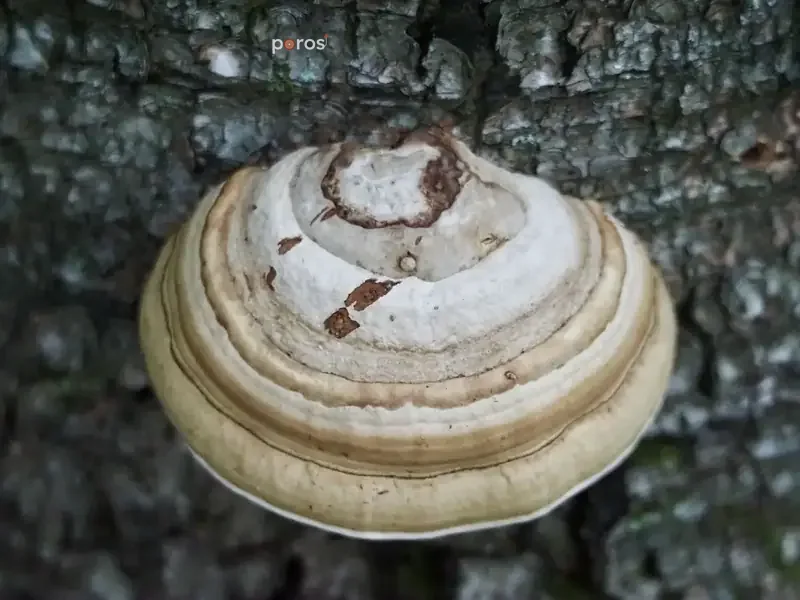


Tinder fungus
Fomes fomentarius · Polyporaceae
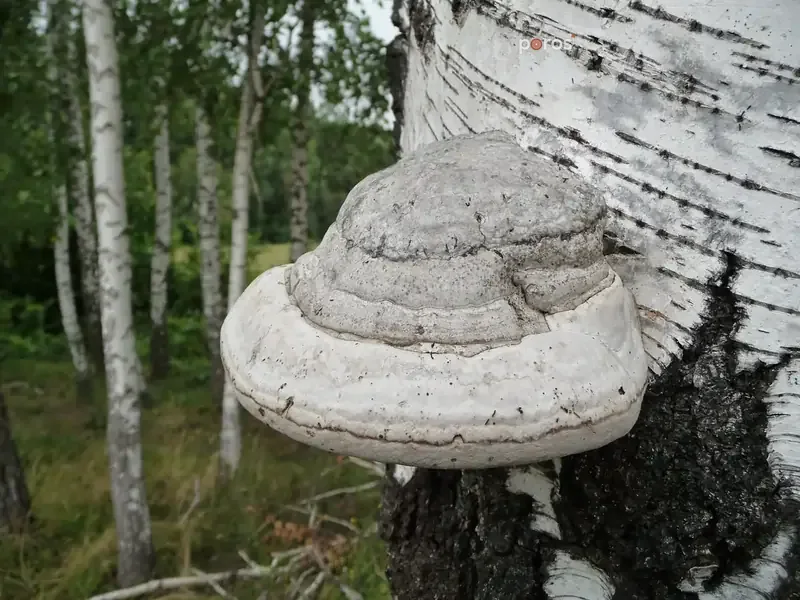
The tinder fungus (Fomes fomentarius) is a woody, perennial, inedible bracket fungus that grows in a hoof shape on the trunks of broadleaved trees such as beech and birch.
Last updated: Prepared by the Poros Mantar editorial team8 sources checkedReport a correction
The tinder fungus (Fomes fomentarius) is a woody, perennial, inedible bracket fungus that grows in a hoof shape on the trunks of broadleaved trees such as beech and birch. It is known by its grey to brown, ridged upper surface and cream, pored underside. Its inner tissue was used for centuries as tinder for lighting fires, and pieces were found with Ötzi, the 5,000-year-old Iceman.
Also called: hoof fungus, tinder conk, Iceman fungus, amadou Turkish: Kav mantarı, kav, at nalı mantarı, ağaç mantarı Synonyms: Polyporus fomentarius
What was the tinder fungus used for?
The tinder fungus was used for centuries to start fires: the inner tissue of the fruit body was processed into amadou, a felt-like material that catches a spark easily (Wikipedia). Amadou was also used to make hats and clothing. The four pieces found with Ötzi, the 5,000-year-old Iceman from the Alps, show how old this use is.
The tinder fungus is not eaten; its hard, woody flesh has no place in the kitchen. To learn bracket fungi in the woods, compare it with others such as reishi. See Turkish records on our mushroom map and every species on our species page.
Does the tinder fungus harm trees?
Yes. The tinder fungus enters damaged trees and causes white rot, slowly weakening the trunk (Wikipedia). It is usually found on old, wounded or dying trees and keeps decaying the wood after the tree dies, returning it to the soil. On trees in parks or by roads it is a sign that an arborist should check the trunk for breakage risk.
How to recognise it
Tinder fungus, part by part
No ring or volva Spore print: White to pale yellow Mildly fungal; the flesh is tough and corky and not edible. Potassium hydroxide turns the upper surface dark blood red (Wikipedia).


When and where
All year
- Janin season
- Febin season
- Marin season
- Aprin season
- Mayin season
- Junin season
- Julin season
- Augin season
- Sepin season
- Octin season
- Novin season
- Decin season
The tinder fungus is perennial; its fruit bodies can stay on the tree for up to 30 years, so it is seen all year (Wikipedia). It releases spores mostly in spring. Turkish observations on our map are spread across the year, peaking in October and January.
Type Inedible
Months seen JanuaryFebruaryMarchAprilMayJuneJulyAugustSeptemberOctoberNovemberDecember
Regions Black Sea RegionCentral Anatolia RegionMediterranean RegionMarmara RegionTekirdağYozgatOsmaniyeSamsunKocaeliYalovaIstanbulKırklareli
Where does tinder fungus grow?
The tinder fungus grows on the trunks of broadleaved trees, mostly birch in the north, beech further south and oak in the Mediterranean; it enters through damaged bark, can stay latent in living trees for a long time and causes white rot. It keeps fruiting for years after the tree dies.
Where is tinder fungus found in Turkey?
Our map has 26 Turkish observations of the tinder fungus, most from Kırklareli (the Istranca Mountains) and Istanbul, with others from Samsun, Kocaeli, Tekirdağ, Bolu, Yalova, Bilecik, Yozgat and Osmaniye. It is common in the beech forests of the Marmara and Black Sea belt.
Which months
- Jan5
- Feb1
- Mar1
- Apr4
- May2
- Jun0
- Jul1
- Aug2
- Sep2
- Oct7
- Nov1
- Dec1
tinder fungus map of Turkey: all provinces and months →
10 provinces, 27 observations (GBIF, iNaturalist); months from observation dates. Record density also reflects where observers work.
Latest tinder fungus observations
-
 Kırklareli3 Oct 2026 · iNaturalist© Asrın Akıncıoğlu · CC BY
-
 Samsun4 Apr 2026 · iNaturalist© Ömer Selim Kaya · CC BY-SA
-
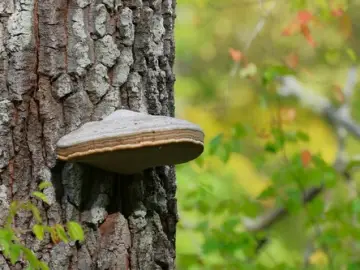 Kırklareli13 Oct 2024 · iNaturalist© Asrın Akıncıoğlu · CC BY
-
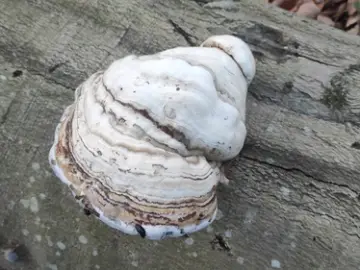 İstanbul4 Jan 2024 · iNaturalist© Umut Nuri Erdoğan · CC BY
-
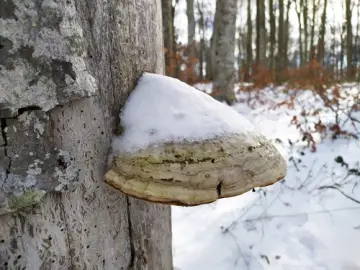 Kırklareli1 Jan 2020 · iNaturalist© Asrın Akıncıoğlu · CC BY
-
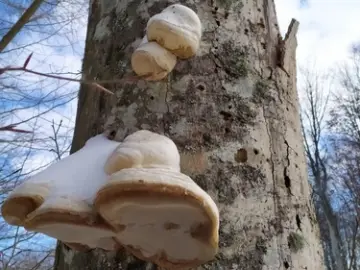 Kırklareli1 Jan 2020 · iNaturalist© Asrın Akıncıoğlu · CC BY
-
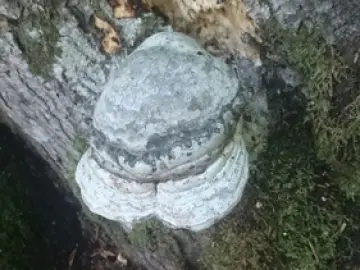 Kırklareli25 May 2019 · iNaturalist© Asrın Akıncıoğlu · CC BY
-
 Illustrative
İstanbul24 Oct 2026 · iNaturalist
- See on the map
On "illustrative" cards the image is a photo of the species; the observation photo cannot be shown here because of its licence, but can be seen at the source.
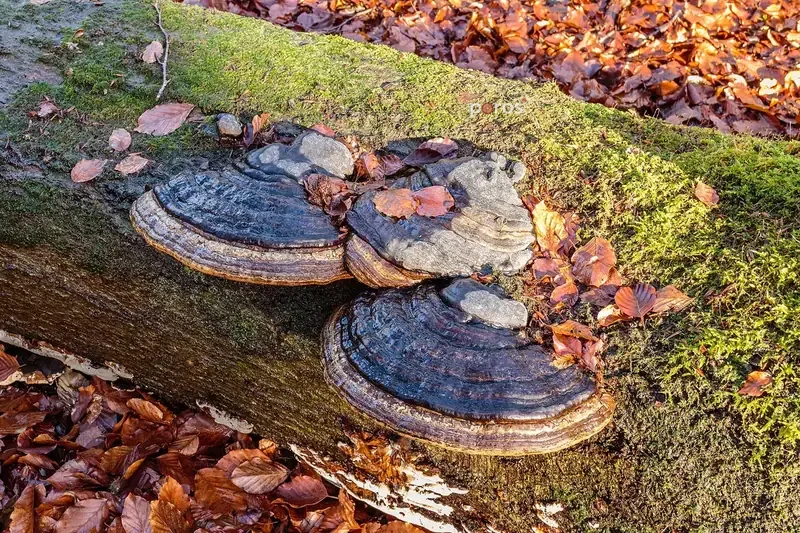
Look-alikes
What could it be confused with?
Tinder fungus can be mistaken for the species below. Each card shows the look-alike and how it differs from Tinder fungus.
 Inedible
not Tinder fungus
Red-belted conk Fomitopsis pinicola
Mostly on conifers; has a clear red-orange band near the margin and a resinous shine.
 Inedible
not Tinder fungus
Willow bracket Phellinus igniarius
Darker, often black and cracked on top; rust-brown underside and very hard, rusty flesh. Common on willow and poplar.
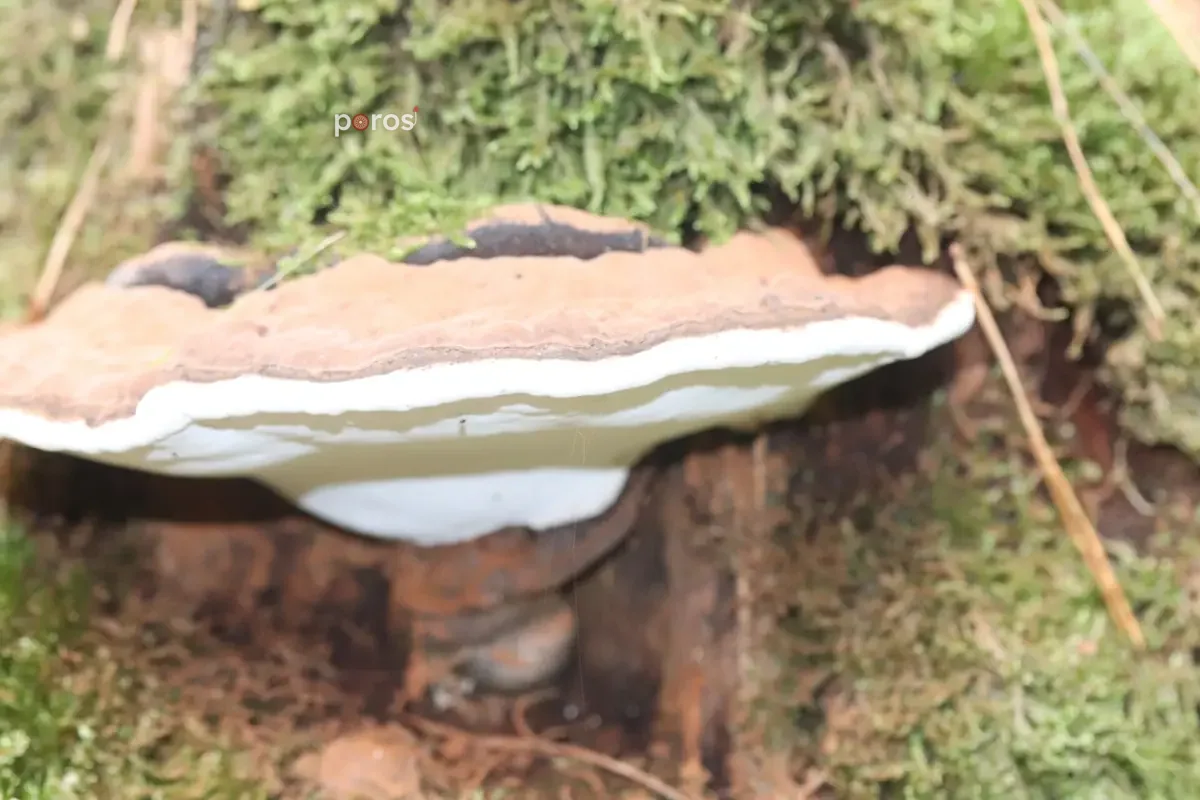 Inedible
not Tinder fungus
Artist’s bracket Ganoderma applanatum
Flatter and shelf-like; brown upper surface often dusted with cocoa-coloured spores; marks drawn on its white underside stay brown.
The tinder fungus is woody and tough, so it is not eaten; Wikipedia classes it as inedible. We make no recommendation about any health use.
Frequently asked questions
Is the tinder fungus edible?
No. The tinder fungus is woody and tough and is not eaten; Wikipedia classes it as inedible.
What is amadou?
Amadou is a felt-like material made from the inner tissue of the tinder fungus that catches a spark easily; it was used to light fires with flint.
Which trees does the tinder fungus grow on?
Broadleaved trees: mostly birch in the north, beech further south and oak in the Mediterranean. In Turkey it is common in beech forests.
How long does a tinder fungus live?
The fruit body is perennial and can stay on the tree for up to 30 years, adding a new layer each year.
What is the tinder fungus confused with?
With the red-belted conk (Fomitopsis pinicola), the willow bracket (Phellinus igniarius) and the artist's bracket (Ganoderma applanatum); none of them is eaten.
When is tinder fungus season in Turkey?
In our calendar, tinder fungus is recorded all year. The tinder fungus is perennial; its fruit bodies can stay on the tree for up to 30 years, so it is seen all year (Wikipedia). It releases spores mostly in spring. Turkish observations on our map are spread across the year, peaking in October and January.
Where does tinder fungus grow?
The tinder fungus grows on the trunks of broadleaved trees, mostly birch in the north, beech further south and oak in the Mediterranean; it enters through damaged bark, can stay latent in living trees for a long time and causes white rot. It keeps fruiting for years after the tree dies.
Where is tinder fungus found in Turkey?
Our map has 26 Turkish observations of the tinder fungus, most from Kırklareli (the Istranca Mountains) and Istanbul, with others from Samsun, Kocaeli, Tekirdağ, Bolu, Yalova, Bilecik, Yozgat and Osmaniye. It is common in the beech forests of the Marmara and Black Sea belt.
What can tinder fungus be confused with?
Tinder fungus can be confused with red-belted conk (Fomitopsis pinicola, inedible), willow bracket (Phellinus igniarius, inedible) and Artist's bracket (Ganoderma applanatum, inedible). Look-alikes are compared on this page.
What is tinder fungus called in Turkish?
In Turkish, tinder fungus (Fomes fomentarius) is called Kav mantarı; other local names include kav, at nalı mantarı and ağaç mantarı.
Related species
-
Artist’s bracketGanoderma applanatumInedible
-
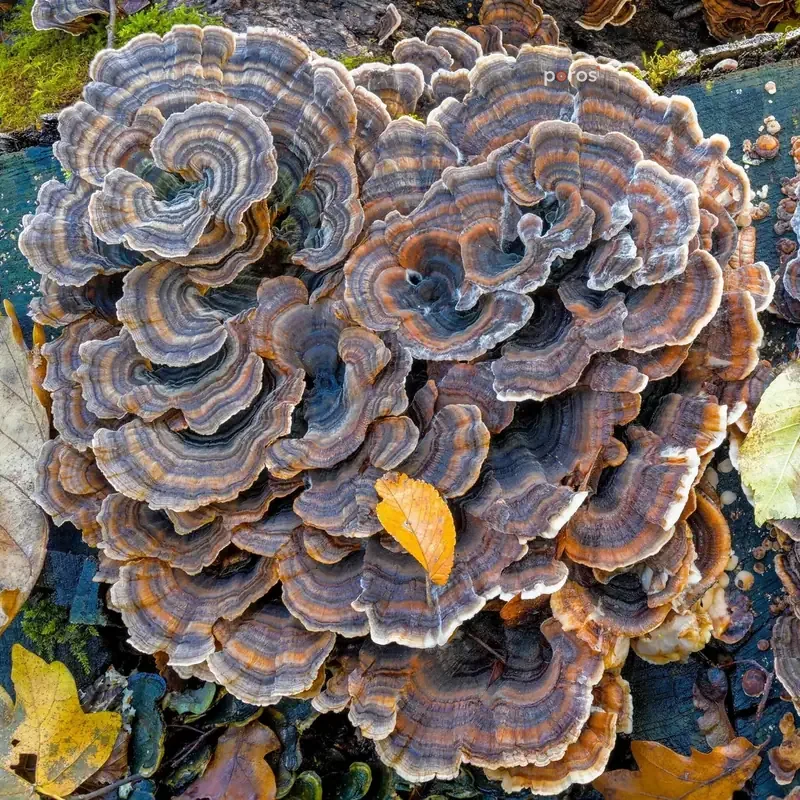 Turkey tailTrametes versicolorInedible
-
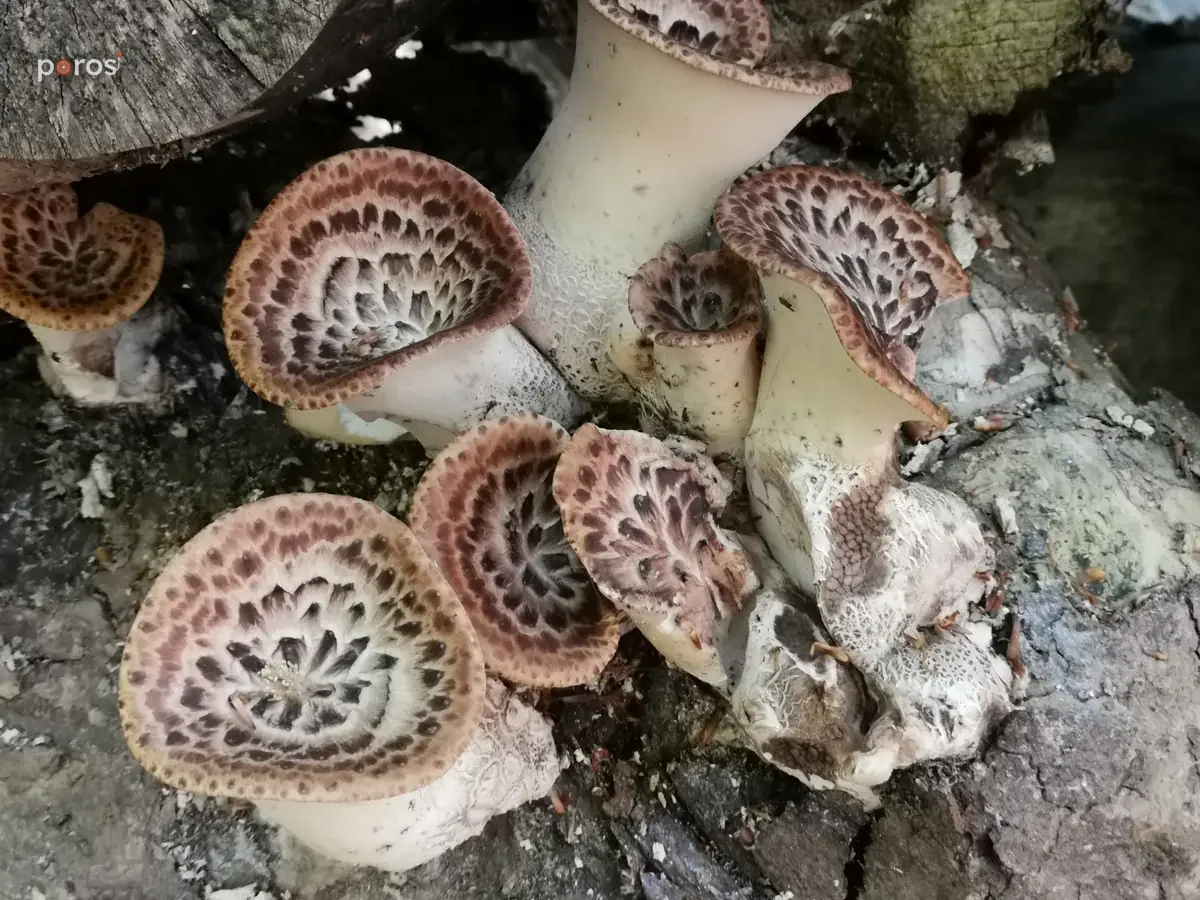 Dryad’s saddleCerioporus squamosusEdible species
-
 ReishiGanoderma lucidumTraditional use
-
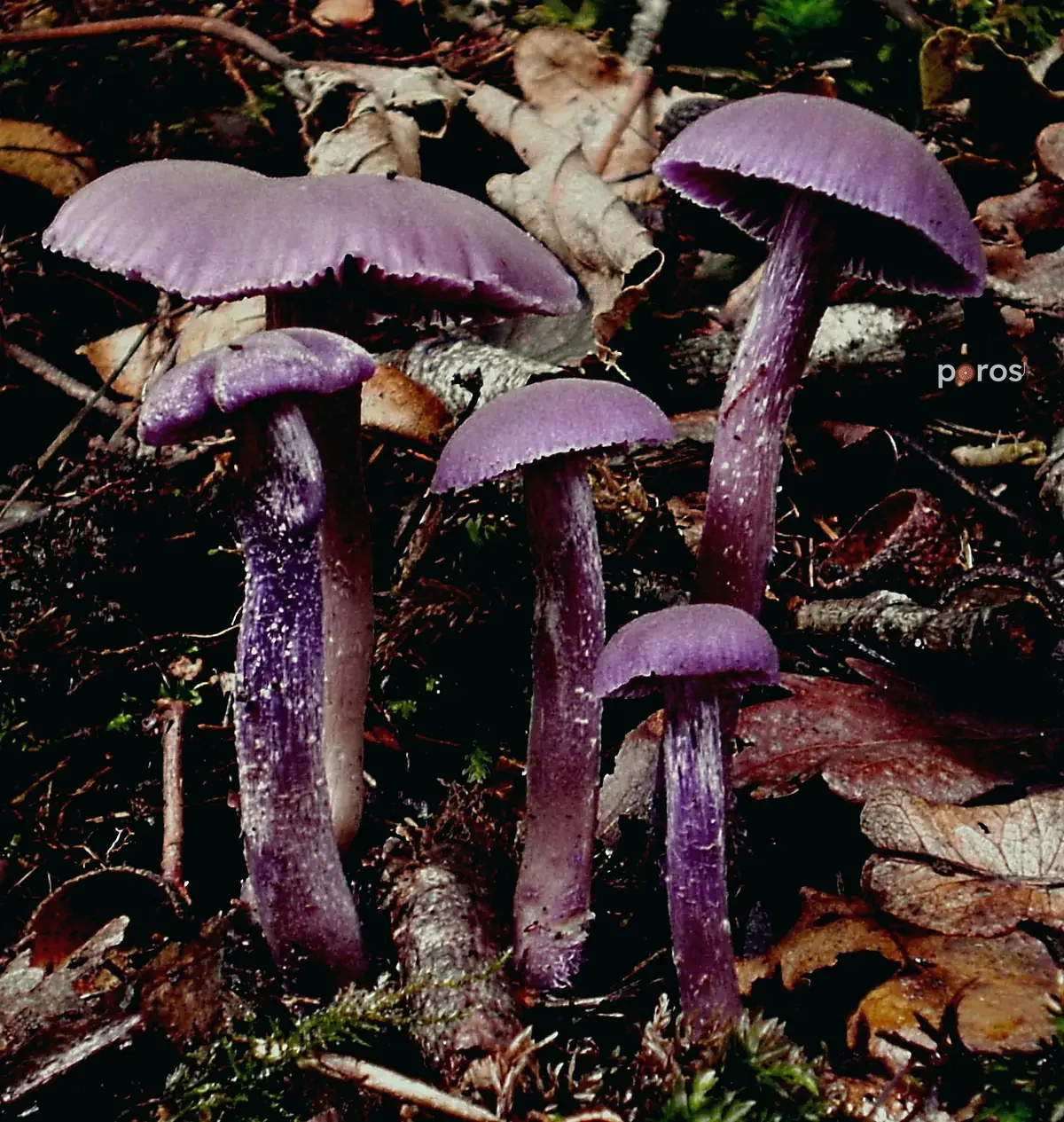 Amethyst deceiverLaccaria amethystinaInedible
-
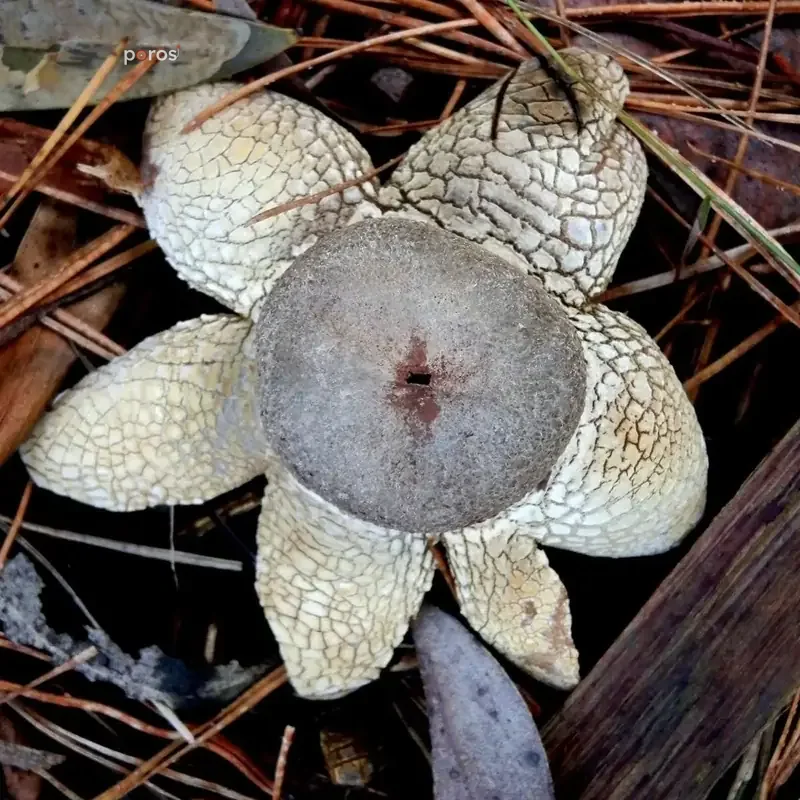 Barometer earthstarAstraeus hygrometricusInedible
-
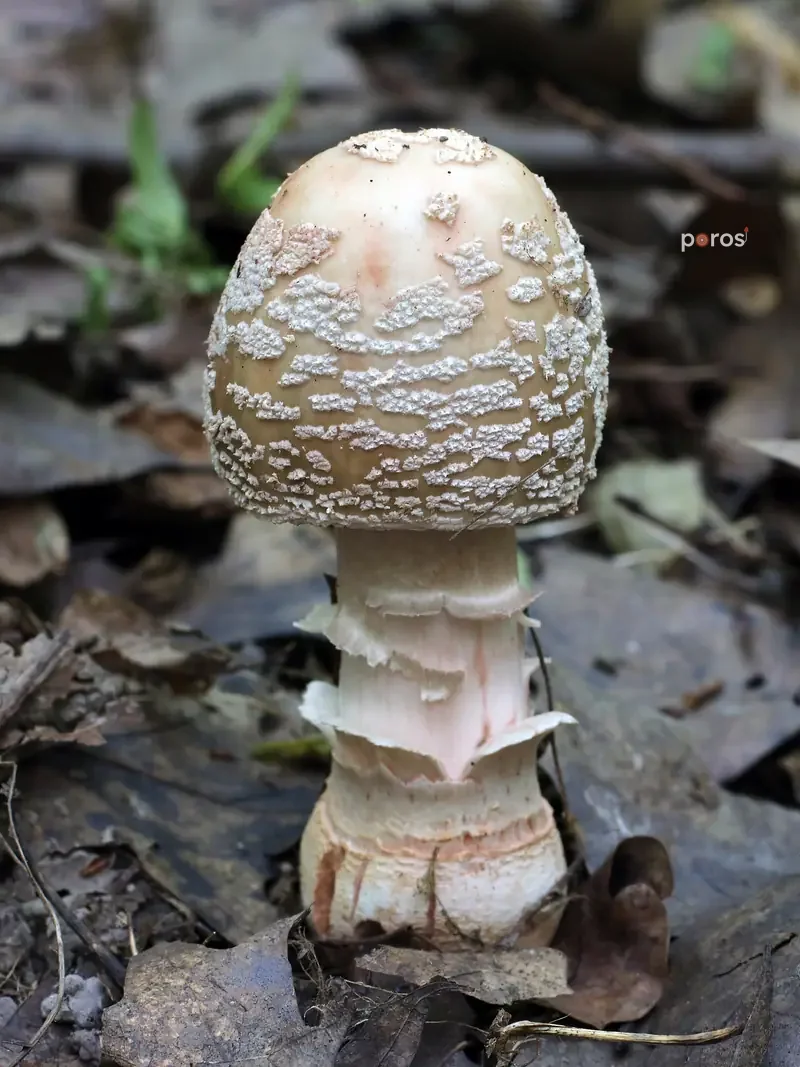 BlusherAmanita rubescensInedible
-
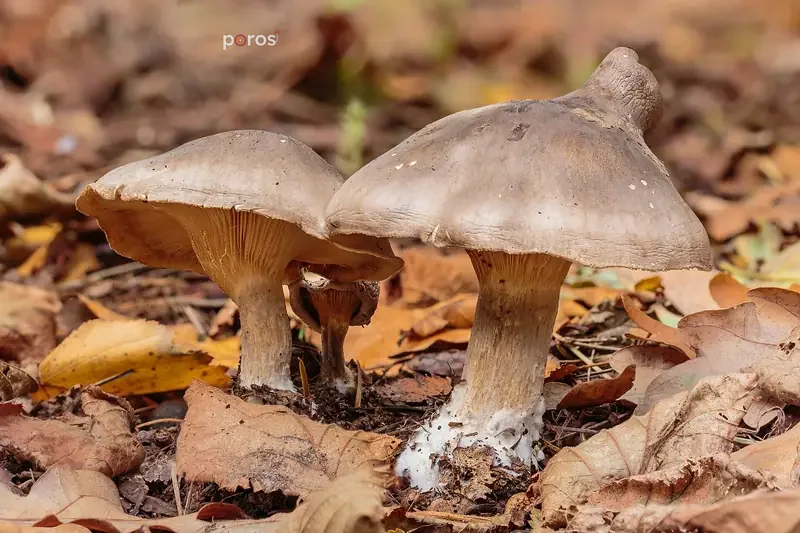 Clouded funnelClitocybe nebularisInedible
Sources
- Gáper ve ark. (2016), International Journal of Medicinal Mushrooms: Fomes fomentarius taksonomisi pubmed.ncbi.nlm.nih.gov
- Adanacıoğlu ve ark. (2014), ANADOLU (Ege Tarımsal Araştırma Enstitüsü): Türkiye makromantar genetik kaynakları I. Ege Bölgesi dergipark.org.tr
- Wikipedia (EN): Fomes fomentarius en.wikipedia.org
All sources (8)
- First Nature: Fomes fomentarius first-nature.com
- Wikipedia (EN): Fomitopsis pinicola en.wikipedia.org
- Wikipedia (EN): Phellinus igniarius en.wikipedia.org
- Wikipedia (EN): Ganoderma applanatum en.wikipedia.org
- GBIF: Fomes fomentarius, Türkiye kayıtları gbif.org
Photo credits (15)
- Fomes fomentarius · iNaturalist #405026155 · Thomas Boe · CC BY 4.0
- File:Fomes fomentarius 2009 G2.jpg · George Chernilevsky · Public domain
- Fomes fomentarius · iNaturalist #76711908 · M. Squire · CC BY 4.0
- Fomes fomentarius · iNaturalist #82856223 · richyfourtytwo · CC BY 4.0
- File:Fomes fomentarius inside 2009 G1.jpg · George Chernilevsky · Public domain
- File:2019-04-25 (155) Fomes fomentarius (tinder fungus) at Haltgraben in Frankenfels near Schwabeck-Kreuz, Austria.jpg · GT1976 · CC BY-SA 4.0
- File:Echte tonderzwam (Fomes fomentarius) 25-12-2020 (actm.) 05.jpg · Agnes Monkelbaan · CC BY-SA 4.0
- Fomes fomentarius · iNaturalist #66641788 · Sean Frey · CC BY 4.0
- iNaturalist: Kırklareli, 3 Oct 2026 · Asrın Akıncıoğlu · CC BY
- iNaturalist: Samsun, 4 Apr 2026 · Ömer Selim Kaya · CC BY-SA
- iNaturalist: Kırklareli, 13 Oct 2024 · Asrın Akıncıoğlu · CC BY
- iNaturalist: İstanbul, 4 Jan 2024 · Umut Nuri Erdoğan · CC BY
- iNaturalist: Kırklareli, 1 Jan 2020 · Asrın Akıncıoğlu · CC BY
- iNaturalist: Kırklareli, 1 Jan 2020 · Asrın Akıncıoğlu · CC BY
- iNaturalist: Kırklareli, 25 May 2019 · Asrın Akıncıoğlu · CC BY


