


Yellow coral fungus
Ramaria flava · Gomphaceae
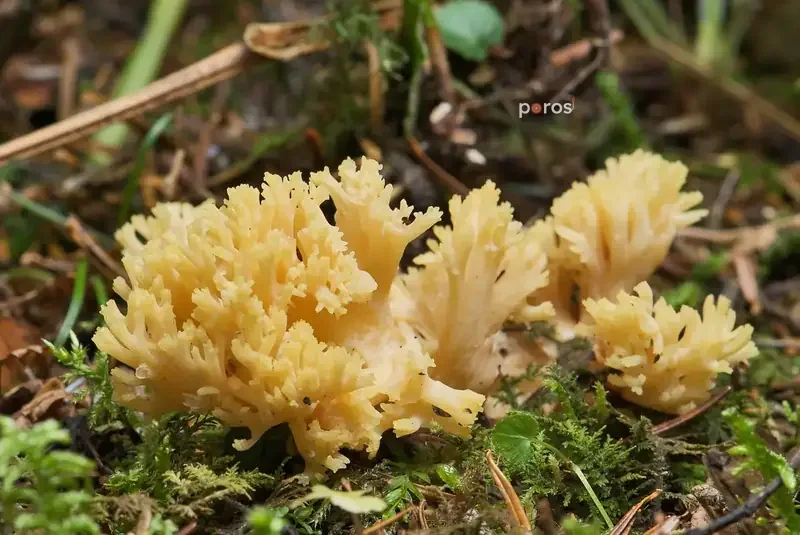
The yellow coral fungus has no cap: many yellow branches rise from a thick white base, so it looks like coral.
Last updated: Prepared by the Poros Mantar editorial team8 sources checkedReport a correction
The yellow coral fungus has no cap: many yellow branches rise from a thick white base, so it looks like coral. In Turkey it is gathered under names such as tellice and saçak mantarı, but these names cover several very similar Ramaria species. Its edibility is disputed: some sources call it edible but mediocre, while the look-alike Ramaria formosa causes diarrhoea and severe stomach pain.
Also called: yellow coral, yellow ramaria Turkish: Tellice mantarı, saçak mantarı, saçaklı mantar, gelin parmağı, pürçek
Is tellice a single species?
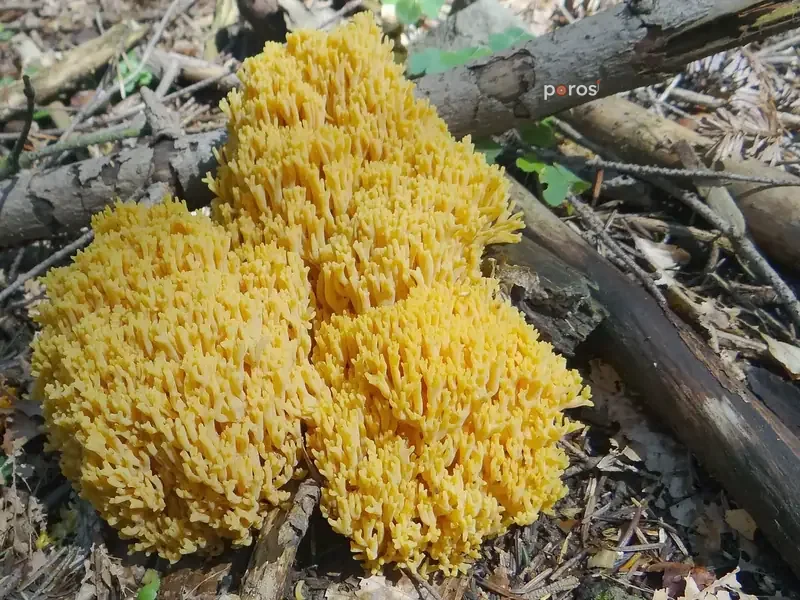
In Turkey tellice is not one species but the name for the coral-like, branching genus Ramaria: doğayen uses tellice for the whole genus, while Mantarlı Yaşam applies it mostly to the yellow Ramaria flava. This page describes Ramaria flava, but what we say applies to all tellice.
The problem is that some look-alike Ramaria species, such as Ramaria formosa, cause diarrhoea and cramps. Telling these species apart often needs microscopic features such as spore size and ornamentation; colour and branching alone are not enough. That is why tellice stays inedible on our site.
Why is tellice boiled before cooking?
In regional cooking tellice is sautéed, used in flatbreads and pastries or pickled; common recipes boil it first, discard the water and then sauté it. This boiling step shows that people know it can upset the stomach, but there is no evidence that boiling makes the toxic Ramaria species safe.
Pickled tellice is also sold commercially. Ask the seller for the Latin name of the species in any product you buy. Do not eat a coral-shaped mushroom you picked yourself until the species is certain.
How to recognise it
Yellow coral fungus, part by part
No ring or volva Spore print: Orange-yellow to ochre Not distinctive; the taste is mild.

When and where
Jul–Nov
- Jan
- Feb
- Mar
- Apr
- May
- Jun
- Julin season
- Augin season
- Sepin season
- Octin season
- Novin season
- Dec
The yellow coral fungus fruits from late summer to late autumn; European sources give July to November.
Where does yellow coral fungus grow?
It grows on the ground in beech and mixed broadleaf woodland, forming mycorrhizal partnerships with the trees, often in groups.
In Turkey
There is no verified Turkish record of the yellow coral fungus on GBIF or iNaturalist. About 20 Ramaria species are recorded in Turkey; coral fungi are gathered and sold in the Black Sea region, especially around Tosya in Kastamonu. Which species a market bunch belongs to usually cannot be confirmed without a microscope.
Our map has no observations of yellow coral fungus from Turkey yet.
Look-alikes
What could it be confused with?
Yellow coral fungus can be mistaken for the species below. Each card shows the look-alike and how it differs from Yellow coral fungus.
 Poisonous
not Yellow coral fungus
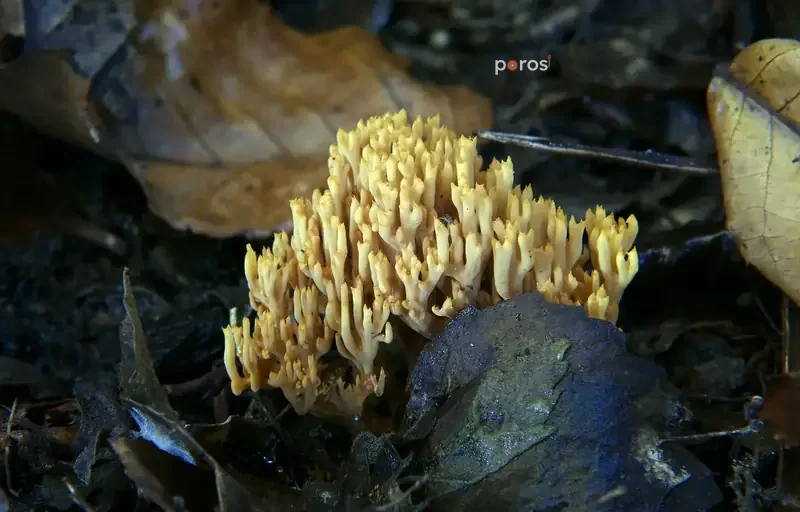
Salmon coral Ramaria formosa
Its branches are salmon-pink to orange with yellowish tips, and the flesh can taste bitter. Eaten, it causes diarrhoea and severe stomach pain. Mature yellow corals often cannot be told apart from it by eye.
 Poisonous
not Yellow coral fungus
Pale coral Ramaria pallida
It is paler, with cream branches tinged lilac-pink. In Turkey it is also called gelin parmağı and is regarded as poisonous.
 Edible species
not Yellow coral fungus
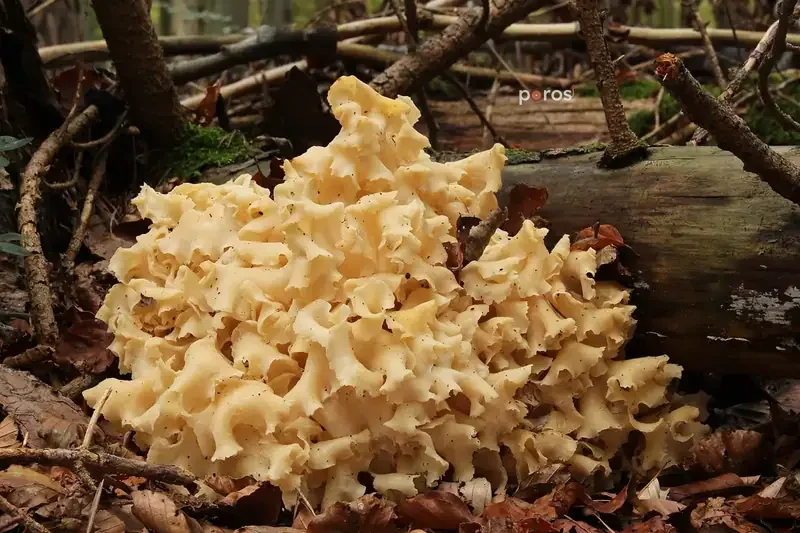
Cauliflower mushroom Sparassis crispa
The cauliflower fungus also forms a branched mass, but its lobes are thin, flat, curled ribbons; it is cream to pale yellow and usually grows at the base of pines.
 Poisonous
not Yellow coral fungus
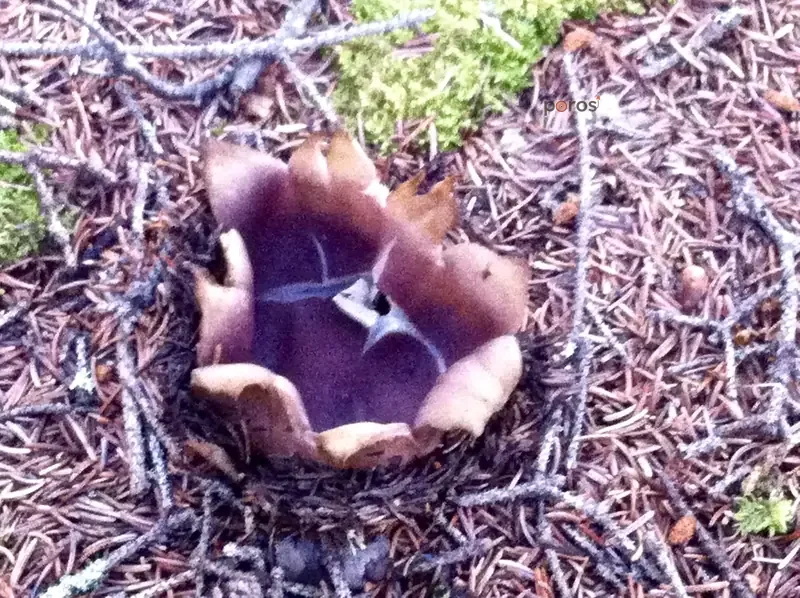
Violet crown cup Sarcosphaera coronaria
It looks nothing alike: a buried cup that splits like a star, violet inside. Some local sources also call this poisonous species saçaklı mantar; go by shape, not by name.
What it contains
Ramaria species are hard to separate by eye; specialists recommend microscopic spore examination. Yellow Clavaria species differ from Ramaria by their white spore print. Source
General information, not a health claim.
The names tellice and saçak mantarı cover several Ramaria species, some of which cause diarrhoea and cramps. Do not eat coral-shaped fungi unless the species is confirmed. If poisoning is suspected, keep any leftover mushroom.
Frequently asked questions
Is the yellow coral fungus edible?
It is disputed. Some sources call it edible but mediocre, but the look-alikes Ramaria formosa and R. pallida cause diarrhoea and cramps. It should not be eaten unless the species is confirmed.
Are saçak mantarı and tellice the same?
Saçak mantarı is a general Turkish name for coral-shaped fungi in Clavaria and Ramaria. Tellice is used for the yellow species Ramaria flava, but locally it can cover other species too. Some local sources also use saçaklı mantar for the poisonous violet crown cup (Sarcosphaera coronaria), a cup with a violet inside that looks nothing like coral.
How do you identify it?
It has no cap: many upright lemon-yellow branches from a thick white base, branch tips that bruise reddish, and an orange-yellow spore print.
Is gelin parmağı poisonous?
In Turkey the name gelin parmağı is also used for Ramaria pallida, which is regarded as poisonous. One name covering several species is what makes coral fungi risky.
When does it appear?
From late summer to late autumn; European sources give July to November.
Where does it grow?
On the ground in beech and mixed broadleaf woods, in partnership with tree roots. In Turkey, coral fungi are gathered especially around Tosya in Kastamonu.
Can it be grown at home?
No. It lives in partnership with tree roots (mycorrhizal), so it cannot be grown from spawn or a kit.
Is tellice poisonous?
Some of the Ramaria species gathered under the name tellice are poisonous and cause diarrhoea and cramps. Ramaria flava itself is disputed; we treat it as inedible.
How is tellice cooked?
In regional recipes tellice is boiled, drained and then sautéed. Boiling does not make the toxic Ramaria species safe; do not cook it until the species is certain.
Does tellice have health benefits?
We know of no proven health benefit of tellice and make no such claim. Its edibility is disputed.
How many species are called tellice?
Tellice is not a single species; it is a folk name for many species of the coral-shaped genus Ramaria. The yellow Ramaria flava is the one most often meant.
Are coral mushrooms edible?
Some coral fungi are eaten, but several Ramaria species, including look-alikes of the yellow coral fungus, cause vomiting and diarrhoea, and they are hard to tell apart. We do not eat coral fungi, and we treat tellice as a mushroom to photograph, not to cook.
What other coral fungi are there?
Besides the yellow coral fungus, common coral fungi include the crested coral (Clavulina coralloides), the white coral, the violet coral (Clavaria zollingeri) and the crown-tipped coral (Artomyces pyxidatus). Together they are called clavarioid fungi.
What is a false coral mushroom?
The name is used for fungi that look like coral but are not the edible kind: the yellow staghorn (Calocera viscosa), a tough, sticky jelly fungus on conifer wood, and the salmon coral (Ramaria formosa), which upsets the stomach. We do not eat any coral-shaped mushroom without a certain species identification.
When is yellow coral fungus season in Turkey?
In our calendar, yellow coral fungus season runs Jul–Nov. The yellow coral fungus fruits from late summer to late autumn; European sources give July to November.
Where does yellow coral fungus grow?
It grows on the ground in beech and mixed broadleaf woodland, forming mycorrhizal partnerships with the trees, often in groups.
Where is yellow coral fungus found in Turkey?
There is no verified Turkish record of the yellow coral fungus on GBIF or iNaturalist. About 20 Ramaria species are recorded in Turkey; coral fungi are gathered and sold in the Black Sea region, especially around Tosya in Kastamonu. Which species a market bunch belongs to usually cannot be confirmed without a microscope.
What can yellow coral fungus be confused with?
Yellow coral fungus can be confused with salmon coral (Ramaria formosa, poisonous), pale coral (Ramaria pallida, poisonous), cauliflower fungus (Sparassis crispa, edible species) and violet crown cup (Sarcosphaera coronaria, poisonous). Look-alikes are compared on this page.
What is yellow coral fungus called in Turkish?
In Turkish, yellow coral fungus (Ramaria flava) is called Tellice mantarı; other local names include saçak mantarı, saçaklı mantar, gelin parmağı and pürçek.
Related species
-
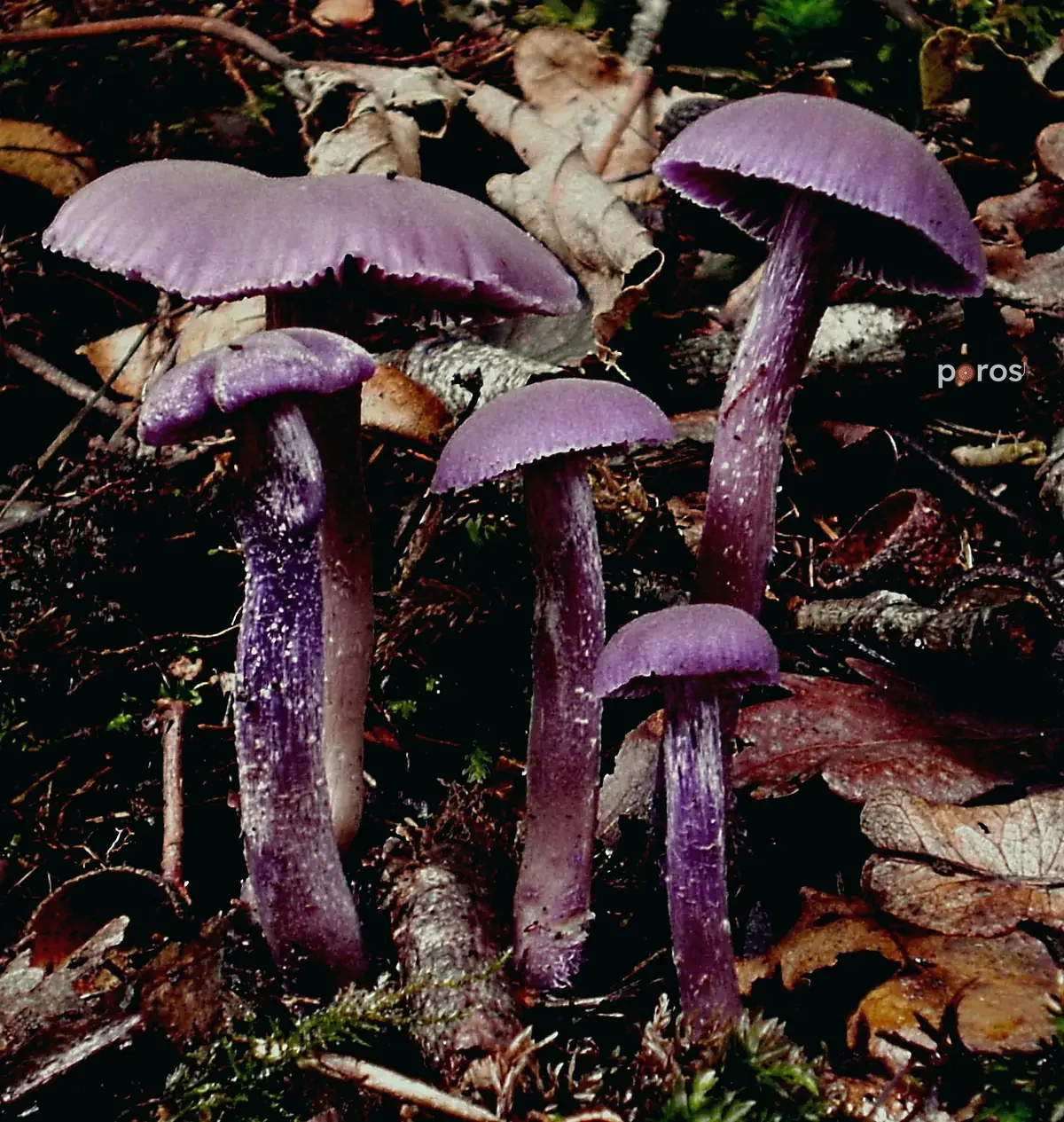 Amethyst deceiverLaccaria amethystinaInedible
-
 Artist’s bracketGanoderma applanatumInedible
-
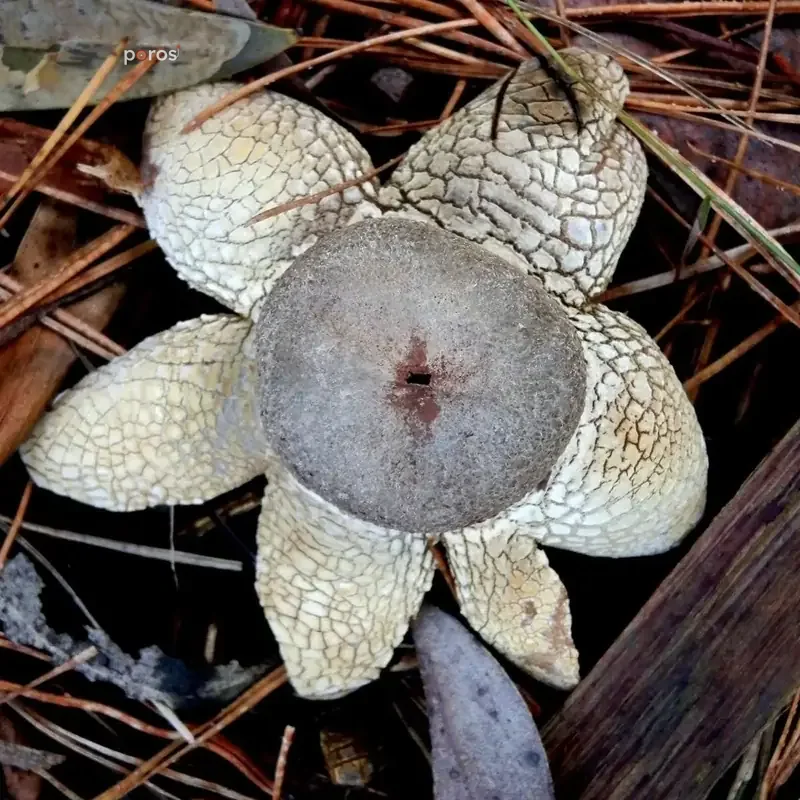 Barometer earthstarAstraeus hygrometricusInedible
-
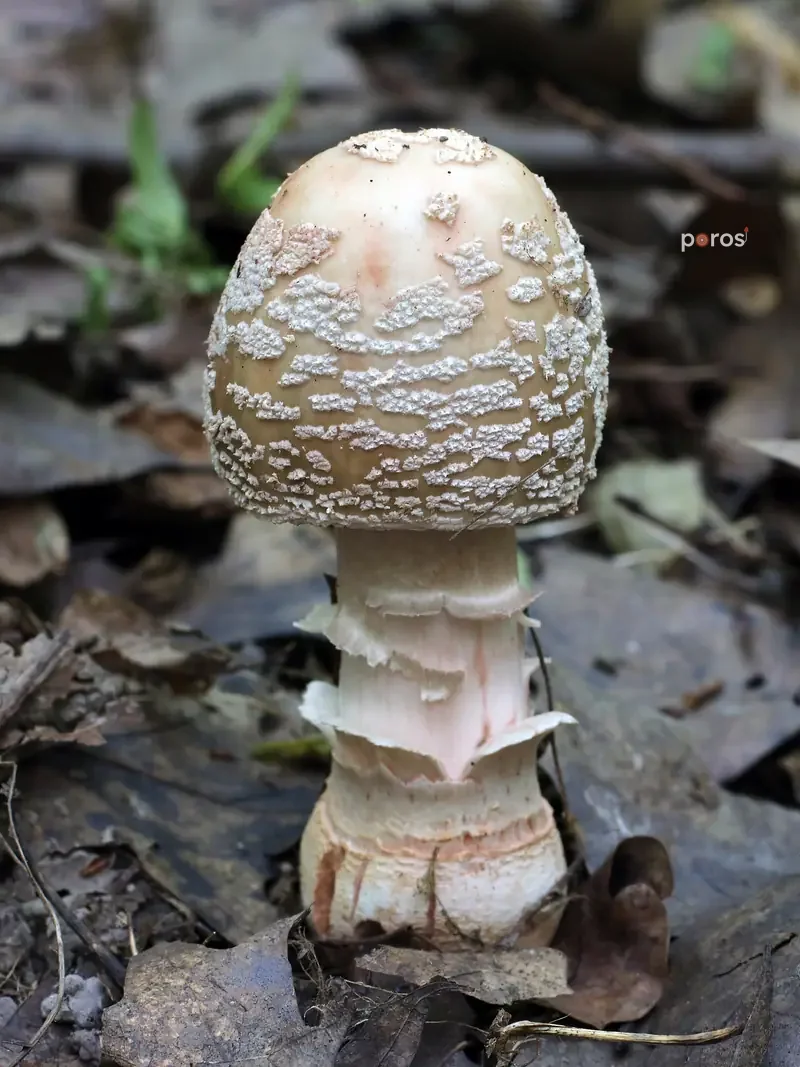 BlusherAmanita rubescensInedible
-
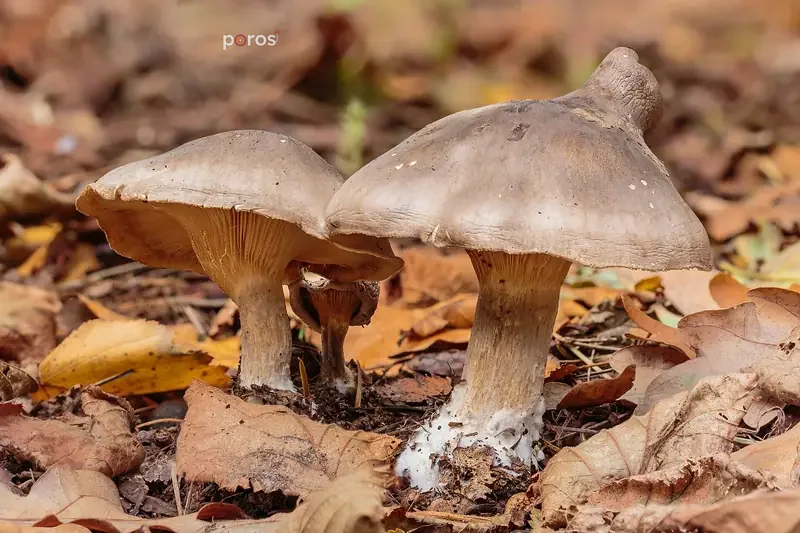 Clouded funnelClitocybe nebularisInedible
-
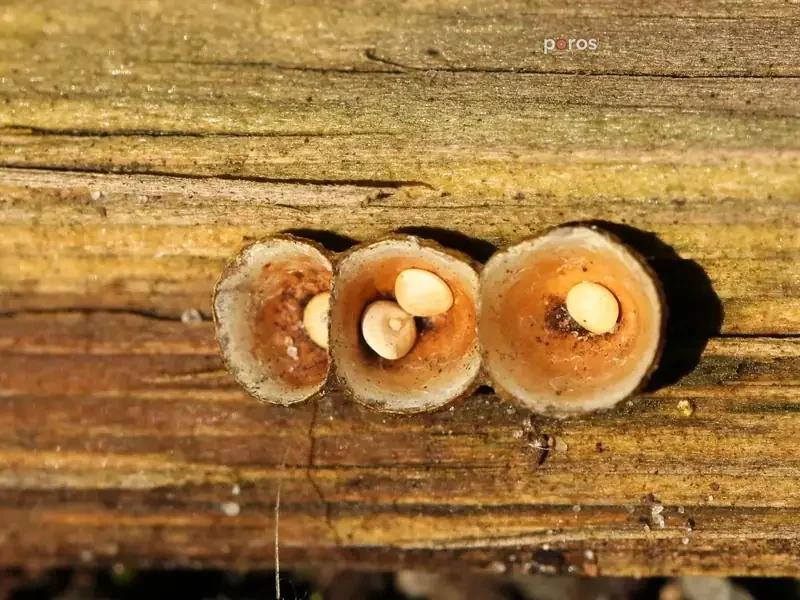 Common bird’s nest fungusCrucibulum laeveInedible
-
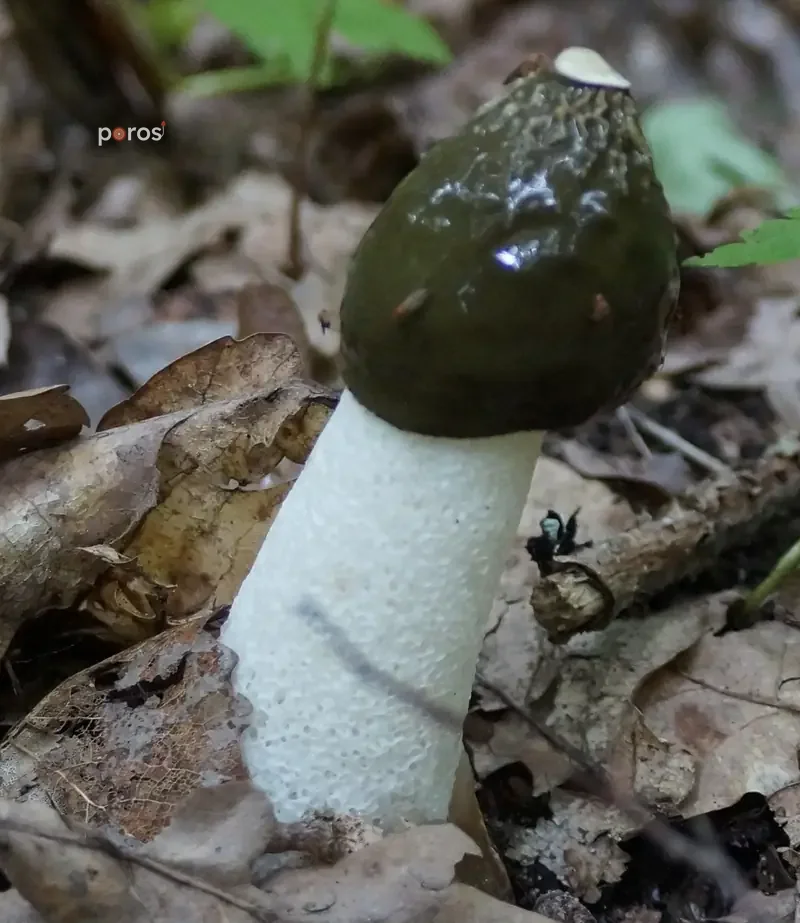 Common stinkhornPhallus impudicusInedible
-
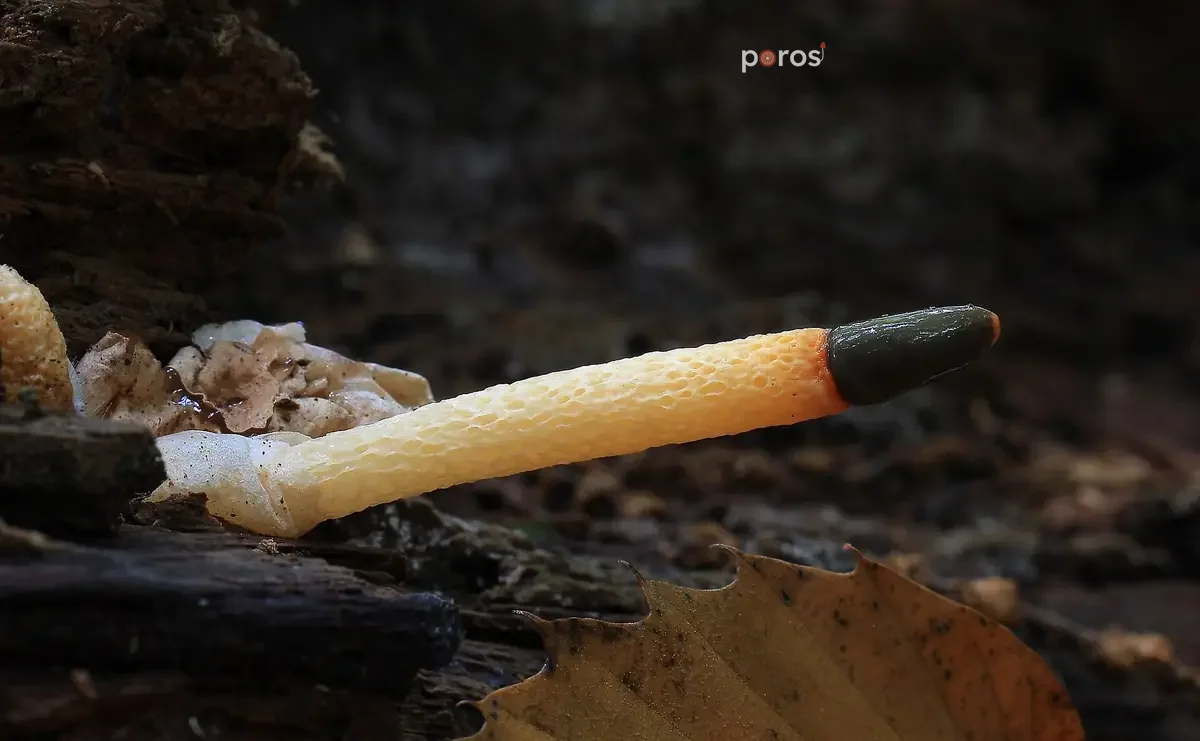 Dog stinkhornMutinus caninusInedible
Sources
- Gürsoy ve ark. (2010), Muğla Sıtkı Koçman Üniversitesi açık arşivi: Ramaria flava, Rhizopogon roseolus ve Russula delica acikerisim.mu.edu.tr
- First Nature: Ramaria flava first-nature.com
- Vikipedi (TR): Türkiye'nin zehirli mantarları listesi tr.wikipedia.org
All sources (8)
- GBIF: Ramaria flava gbif.org
- Mantarlı Yaşam: Ramaria flava, Tellice mantarı mantarliyasam.com
- Hürriyet Mahmure: Saçak mantarı nedir? hurriyet.com.tr
- doğayen: Tellice mantarı (Ramaria sp.) dogayen.com
- Klasik Tatlar: Tellice mantarı kavurması (haşlama adımı) klasiktatlar.com
Photo credits (8)
- File:AD2009Sep06 Ramaria flava 01.jpg · Bernie · Public domain
- File:Ramaria flava a1 (7).JPG · Jerzy Opiola · CC BY-SA 4.0
- File:Kollane harik (Ramaria Flava).jpg · Taavi Adamberg · CC BY-SA 3.0
- File:Ramaria flava a1 (4).JPG · Jerzy Opioła · CC BY-SA 4.0
- File:Ramaria flava 1.jpg · Jose Angel Urquia Goitia · CC BY-SA 4.0
- File:Ramaria flava 111.jpg · ElDule · CC BY-SA 4.0
- File:AD2009Sep06 Ramaria flava 03.jpg · Bernie · Public domain
- File:Ramaria flava. (52164062143).jpg · Bernard Spragg. NZ from Christchurch, New Zealand · Public domain


