
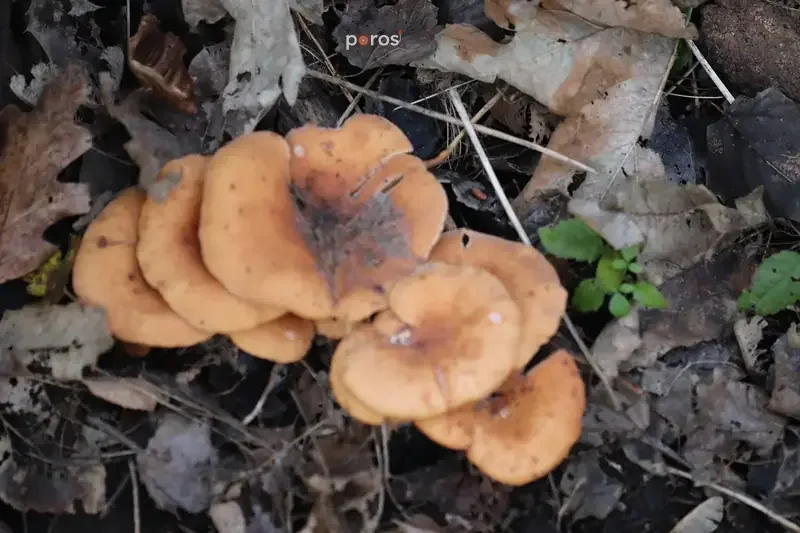


Tawny funnel
Paralepista flaccida · Tricholomataceae
The tawny funnel (Paralepista flaccida) is an orange-brown, funnel-shaped mushroom that grows on needle and leaf litter, often in rings or crowded groups.
Last updated: Prepared by the Poros Mantar editorial team7 sources checkedReport a correction
The tawny funnel (Paralepista flaccida) is an orange-brown, funnel-shaped mushroom that grows on needle and leaf litter, often in rings or crowded groups. Its crowded gills run down the stem. Its edibility is disputed in the literature and it can be confused with poisonous funnels, so we list it as not edible.
Also called: tawny funnel cap, tawny funnelcap Turkish: Almabeni mantarı, alma beni mantarı Synonyms: Lepista flaccida, Clitocybe flaccida, Lepista inversa
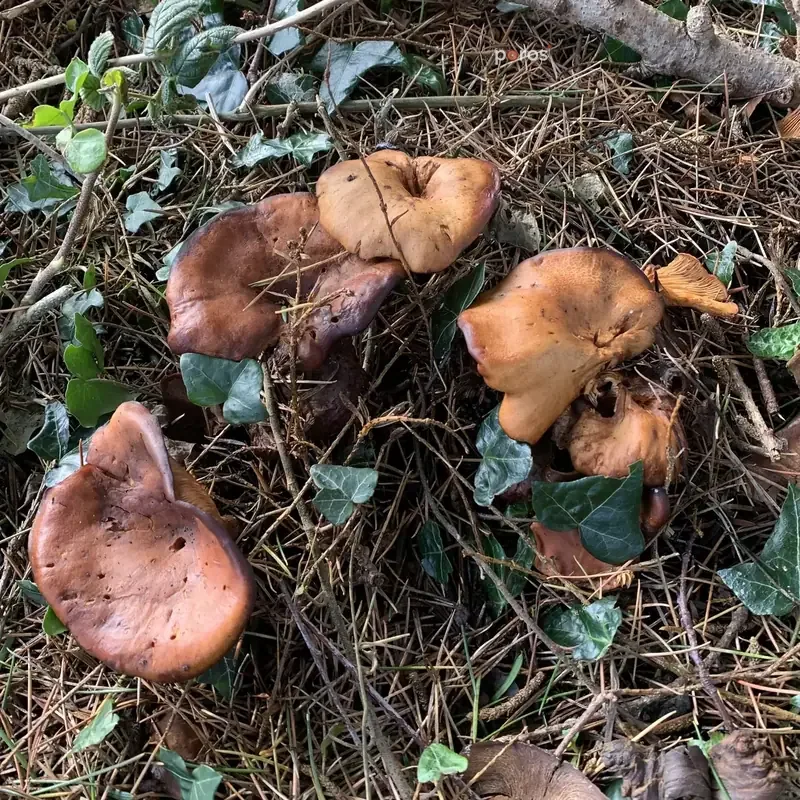
How to recognise it
Tawny funnel, part by part
No ring or volva Spore print: White to cream Faintly sweetish or indistinct; the flesh is thin and pale.


When and where
Oct–Jan
- Janin season
- Feb
- Mar
- Apr
- May
- Jun
- Jul
- Aug
- Sep
- Octin season
- Novin season
- Decin season
The tawny funnel appears in late autumn and winter; our records run from October to January, most of them in January, October and December, with a single record in May.
Type Inedible
Months seen OctoberNovemberDecemberJanuary
Regions Black Sea RegionAegean RegionMarmara RegionManisaBoluIstanbul
Where does tawny funnel grow?
Under conifers and broadleaf trees such as pine, spruce and beech, on needle and leaf litter; it feeds on decaying plant matter. It usually grows in crowded groups or fairy rings.
Where is tawny funnel found in Turkey?
Our map data (GBIF and iNaturalist) holds 20 Turkish records: Istanbul 9, Manisa 6 and Bolu 5. They come from woodland in the Marmara, Aegean and western Black Sea regions.
Which months
- Jan7
- Feb0
- Mar0
- Apr0
- May1
- Jun0
- Jul0
- Aug0
- Sep0
- Oct6
- Nov1
- Dec5
tawny funnel map of Turkey: all provinces and months →
3 provinces, 20 observations (GBIF, iNaturalist); months from observation dates. Record density also reflects where observers work.
Latest tawny funnel observations
-
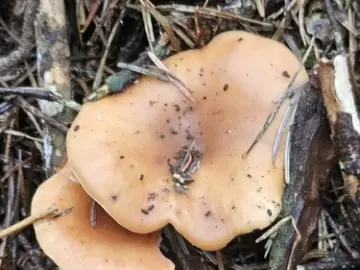 Bolu29 Oct 2026 · iNaturalist© no rights reserved · CC0
-
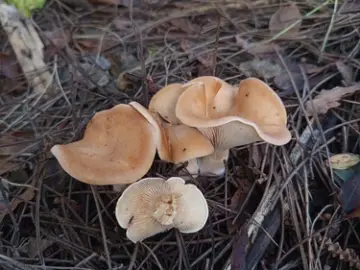 İstanbul6 Dec 2025 · iNaturalist© Umut Nuri Erdoğan · CC BY
-
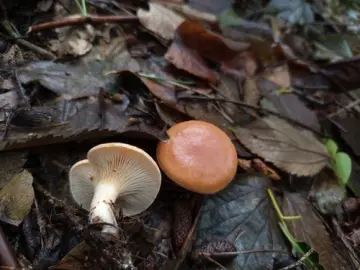 İstanbul13 Dec 2024 · iNaturalist© Umut Nuri Erdoğan · CC BY
-
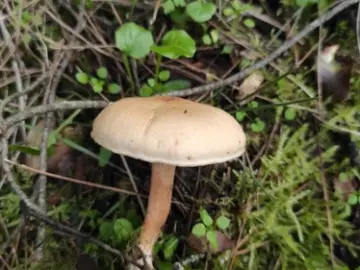 Manisa30 Jan 2024 · iNaturalist© Umut Nuri Erdoğan · CC BY
-
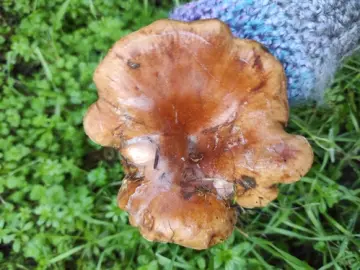 Manisa29 Jan 2024 · iNaturalist© Umut Nuri Erdoğan · CC BY
-
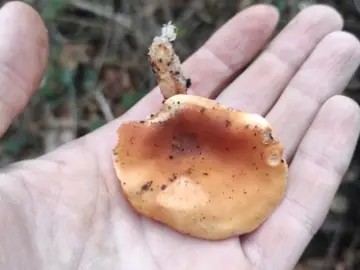 İstanbul11 Jan 2024 · iNaturalist© Umut Nuri Erdoğan · CC BY
-
 Illustrative
Bolu29 Oct 2026 · iNaturalist
-
 Illustrative
Bolu29 Oct 2026 · iNaturalist
- See on the map
On "illustrative" cards the image is a photo of the species; the observation photo cannot be shown here because of its licence, but can be seen at the source.
Look-alikes
What could it be confused with?
Tawny funnel can be mistaken for the species below. Each card shows the look-alike and how it differs from Tawny funnel.
not Tawny funnel
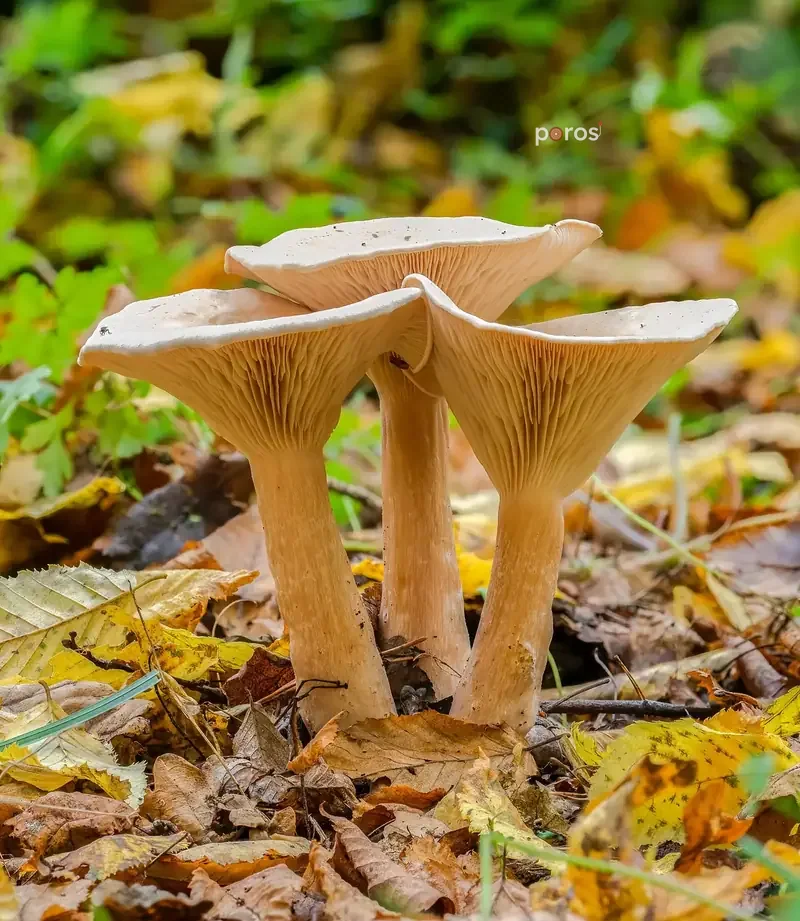
Paralepistopsis amoenolens Paralepistopsis amoenolens
This species, which has caused poisonings in Mediterranean countries, is also orange-ish and funnel-shaped; days after eating it causes burning pain and redness in the hands and feet (erythromelalgia). It differs in its strong, pleasant smell and pale yellowish gills, but telling them apart takes experience.
 Edible species
not Tawny funnel
Trooping funnel Infundibulicybe geotropa
The trooping funnel is much larger (cap up to 20 cm, stem up to 15 cm), cream to buff, with a clear central bump on the cap. The tawny funnel is orange-brown, smaller and short-stemmed.
 Inedible
not Tawny funnel
Common funnel Clitocybe gibba
The common funnel is paler, pinkish-buff, with a thin cap and gills that stay white. The tawny funnel's cap is a deeper orange-brown and its gills brown with age.
What it contains
Its flesh is described as thin and slightly sourish; it has little culinary value.
General information, not a health claim.
Some sources list the tawny funnel as edible, others as poor or causing stomach upsets. The real danger is Paralepistopsis amoenolens, which looks alike and causes burning pain in the hands and feet that starts days later and lasts for weeks. Do not eat orange funnel-shaped mushrooms. If poisoning is suspected, call poison control and keep any leftover mushroom.
Frequently asked questions
Is the tawny funnel edible?
Our advice is not to eat it. Sources disagree on its edibility, and it closely resembles the poisonous Paralepistopsis amoenolens, which causes burning pain in the hands and feet.
Is it poisonous?
It is not considered dangerously poisonous; some people report stomach upsets. The main risk is confusing it with its poisonous look-alike.
How do you recognise it?
Look for an orange-brown funnel-shaped cap, crowded gills running down the stem, a cream spore print and crowded groups on needle or leaf litter.
Where does it grow?
Under pine, spruce, beech and other trees, on litter, often in rings or dense groups.
When does it appear?
In late autumn and winter; our records run from October to January.
How do you tell it from the trooping funnel?
The trooping funnel is much larger, cream to buff and long-stemmed, with a central bump. The tawny funnel is smaller, orange-brown and short-stemmed.
Where is it found in Turkey?
Our map data has 20 records from Istanbul, Manisa and Bolu.
What is its Turkish name?
Its Turkish name on iNaturalist is almabeni mantarı, sometimes written as alma beni mantarı.
When is tawny funnel season in Turkey?
In our calendar, tawny funnel season runs Oct–Jan. The tawny funnel appears in late autumn and winter; our records run from October to January, most of them in January, October and December, with a single record in May.
Where does tawny funnel grow?
Under conifers and broadleaf trees such as pine, spruce and beech, on needle and leaf litter; it feeds on decaying plant matter. It usually grows in crowded groups or fairy rings.
Where is tawny funnel found in Turkey?
Our map data (GBIF and iNaturalist) holds 20 Turkish records: Istanbul 9, Manisa 6 and Bolu 5. They come from woodland in the Marmara, Aegean and western Black Sea regions.
What can tawny funnel be confused with?
Tawny funnel can be confused with paralepistopsis amoenolens (Paralepistopsis amoenolens, poisonous), trooping funnel (Infundibulicybe geotropa, edible species) and common funnel (Clitocybe gibba, inedible). Look-alikes are compared on this page.
What is tawny funnel called in Turkish?
In Turkish, tawny funnel (Paralepista flaccida) is called Almabeni mantarı; other local names include alma beni mantarı.
Related species
-
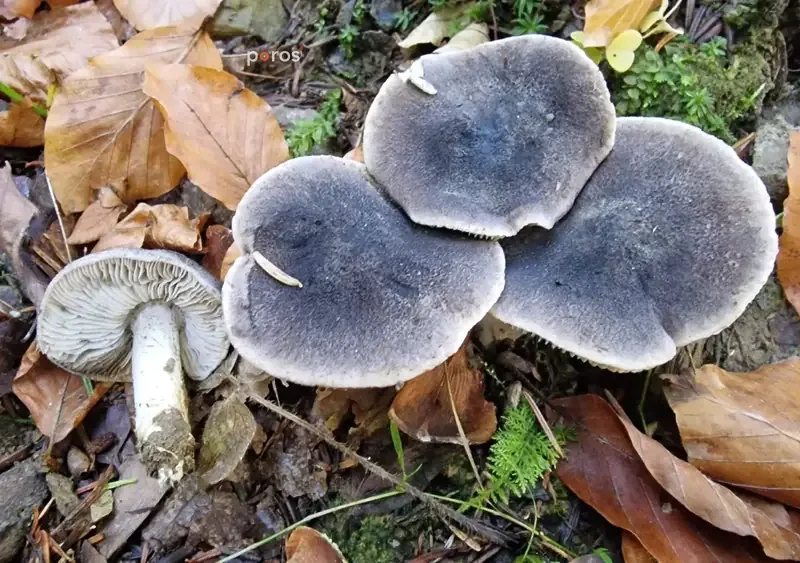 Grey knightTricholoma terreumInedible
-
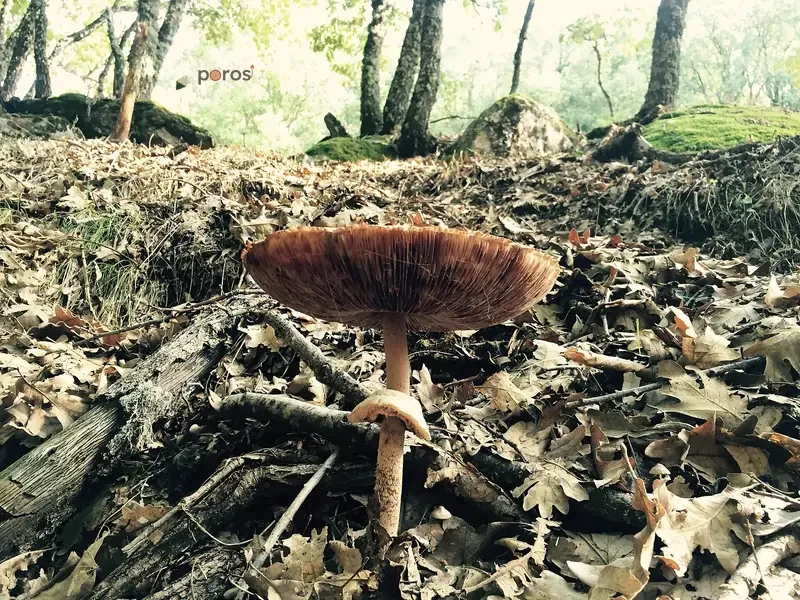 Anatolian matsutakeTricholoma anatolicumEdible species
-
Trooping funnelInfundibulicybe geotropaEdible species
-
 Wood blewitLepista nudaEdible species
-
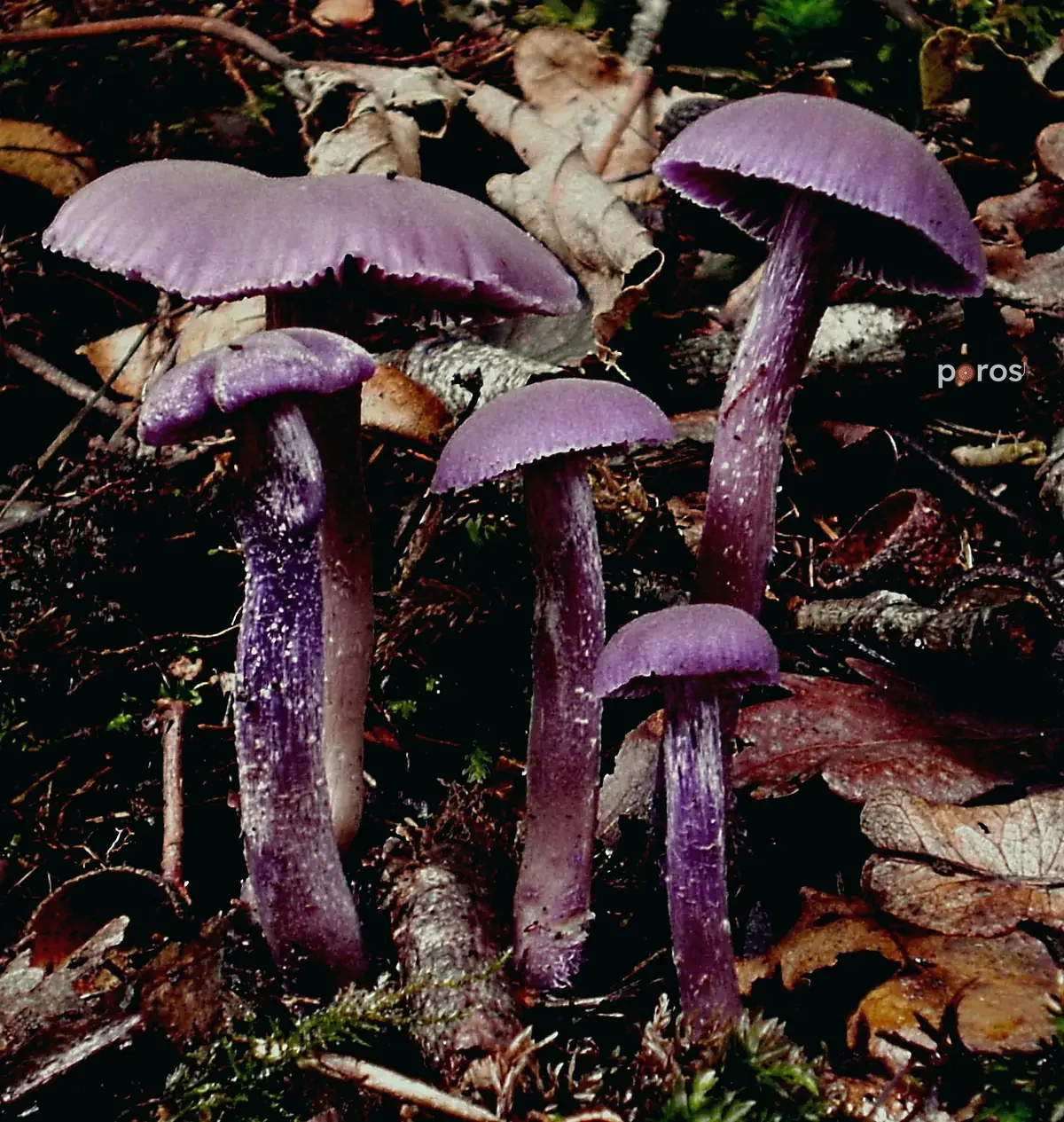 Amethyst deceiverLaccaria amethystinaInedible
-
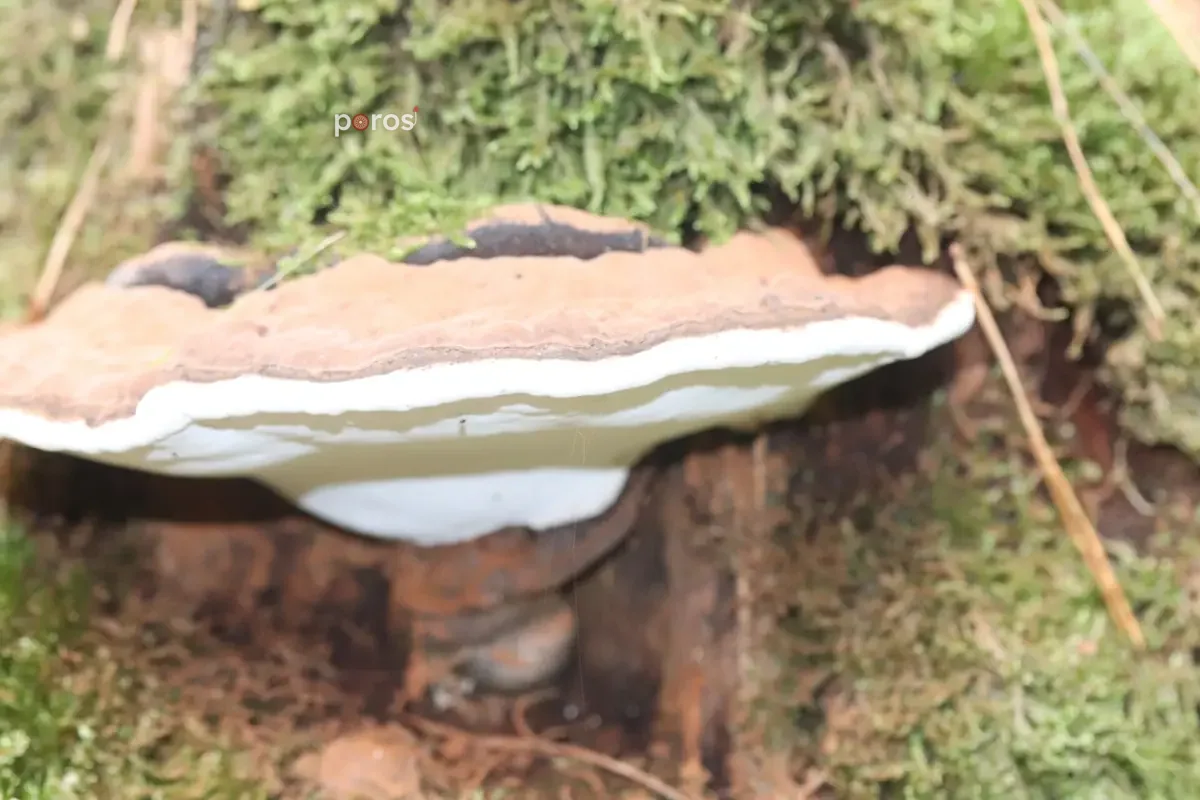 Artist’s bracketGanoderma applanatumInedible
-
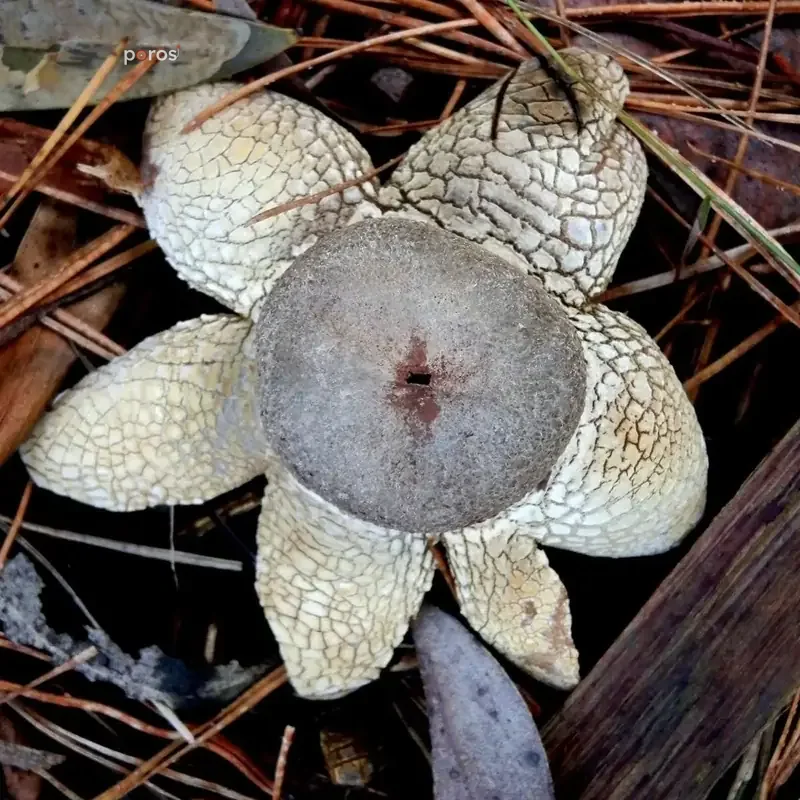 Barometer earthstarAstraeus hygrometricusInedible
-
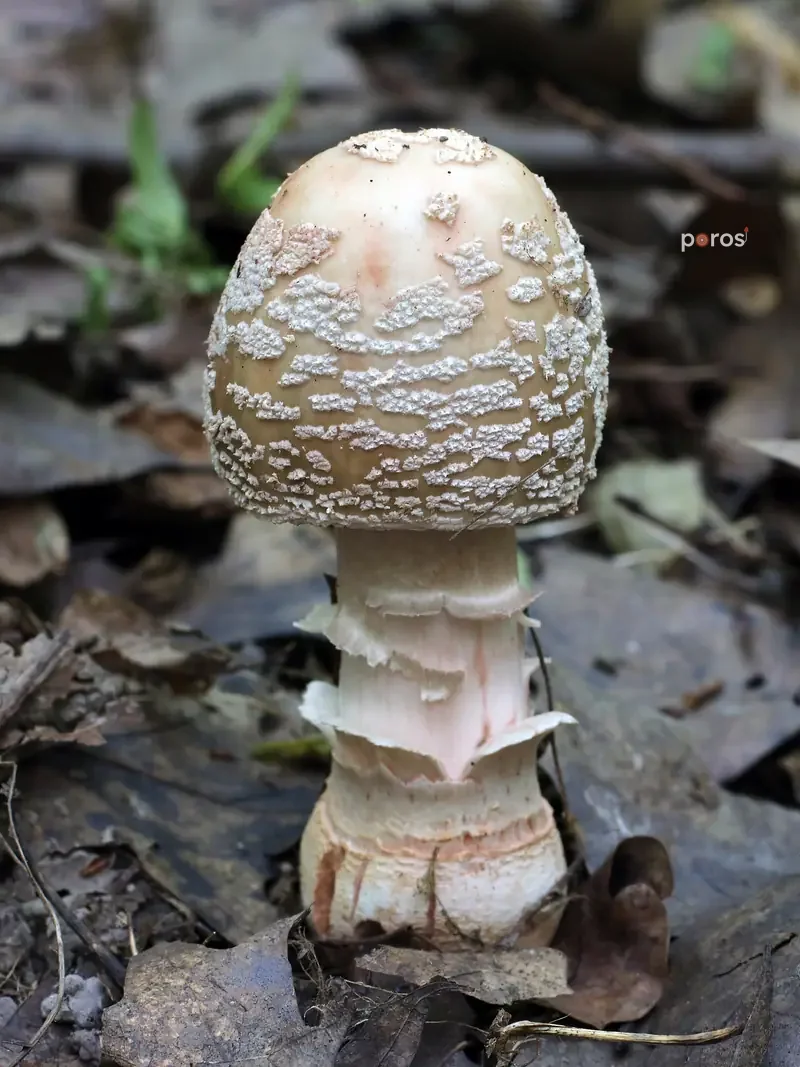 BlusherAmanita rubescensInedible
Sources
- Sevindik ve ark. (2025), Molecules: Paralepista flaccida ekstraksiyon ve antioksidan çalışması pubmed.ncbi.nlm.nih.gov
- Erbiai ve ark. (2023), Molecules: iki yabani mantarda antioksidan özellikler pubmed.ncbi.nlm.nih.gov
- Wikipedia (EN): Paralepista flaccida en.wikipedia.org
All sources (7)
- First Nature: Lepista flaccida first-nature.com
- Wikipedia (EN): Paralepistopsis amoenolens en.wikipedia.org
- iNaturalist: Paralepista flaccida (Türkçe ad ve Türkiye gözlemleri) inaturalist.org
- GBIF: Türkiye kayıtları gbif.org
Photo credits (14)
- File:Paralepista flaccida 105616676.jpg · Michel Langeveld · CC BY-SA 4.0
- Paralepista flaccida · iNaturalist #35499088 · bogsuckers · CC BY 4.0
- Paralepista flaccida · iNaturalist #35499088 · bogsuckers · CC BY 4.0
- Paralepista flaccida · iNaturalist #35499088 · bogsuckers · CC BY 4.0
- Paralepista flaccida · iNaturalist #146332704 · Jan Sheppard · CC BY 4.0
- Paralepista flaccida · iNaturalist #64867212 · Michel Langeveld · CC BY 4.0
- Paralepista flaccida · iNaturalist #322980993 · Michel Langeveld · CC BY 4.0
- File:Paralepista flaccida 31949391.jpg · Adam Bryant · CC BY-SA 4.0
- iNaturalist: Bolu, 29 Oct 2026 · no rights reserved · CC0
- iNaturalist: İstanbul, 6 Dec 2025 · Umut Nuri Erdoğan · CC BY
- iNaturalist: İstanbul, 13 Dec 2024 · Umut Nuri Erdoğan · CC BY
- iNaturalist: Manisa, 30 Jan 2024 · Umut Nuri Erdoğan · CC BY
- iNaturalist: Manisa, 29 Jan 2024 · Umut Nuri Erdoğan · CC BY
- iNaturalist: İstanbul, 11 Jan 2024 · Umut Nuri Erdoğan · CC BY

