
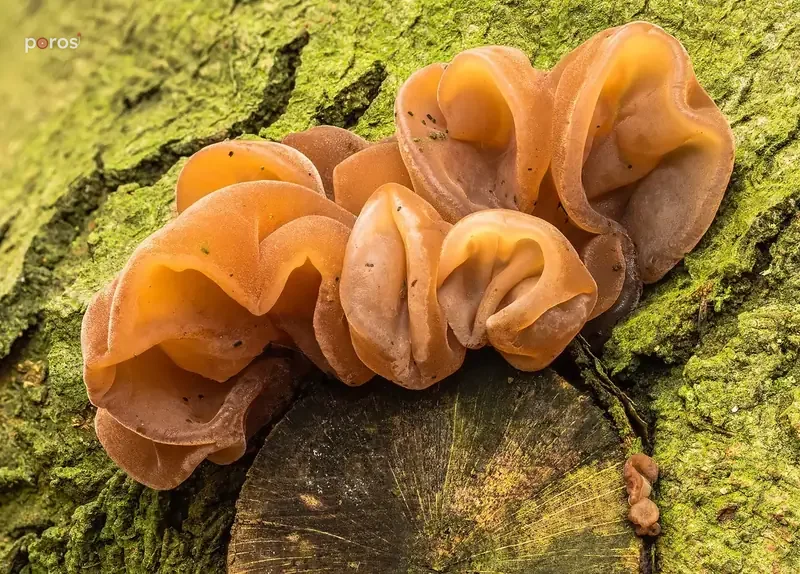


Wood ear mushroom
Auricularia auricula-judae · Auriculariaceae
The wood ear (Auricularia auricula-judae) is an edible jelly fungus shaped like a human ear that grows on dead or weakened broadleaf trees, most often on elder branches.
Last updated: Prepared by the Poros Mantar editorial team6 sources checkedReport a correction
The wood ear (Auricularia auricula-judae) is an edible jelly fungus shaped like a human ear that grows on dead or weakened broadleaf trees, most often on elder branches. This page is about the mushroom, not the ear infection (otomycosis) that shares its Turkish name, kulak mantarı; see a doctor for ear pain, itching or discharge. The wood ear is gelatinous, rubbery and reddish brown; it hardens and darkens when dry and swells again when wet. It is eaten well cooked, with a mild taste and a crunchy texture.
Also called: jelly ear, Judas's ear, Jew's ear, black fungus Turkish: Kulak mantarı, ağaç kulağı, Yahuda'nın kulağı Synonyms: Hirneola auricula-judae, Auricularia auricula
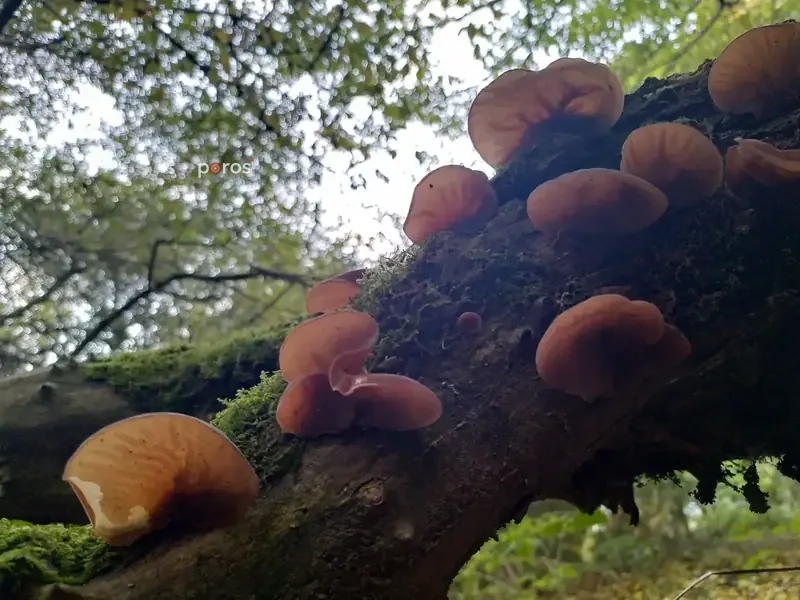
How to recognise it
Wood ear mushroom, part by part
No ring or volva Spore print: White No distinctive smell; mild taste. Hardens when dry and softens again when wet.


When and where
Oct–May
- Janin season
- Febin season
- Marin season
- Aprin season
- Mayin season
- Jun
- Jul
- Aug
- Sep
- Octin season
- Novin season
- Decin season
The wood ear can be found all year, but it is most common in cool, damp months from autumn to spring. In Turkey, GBIF records cluster in January, February and May.
Type Edible
In season JanuaryFebruaryMarchAprilMayOctoberNovemberDecember
Colour Brown
Regions Black Sea RegionAegean RegionMarmara RegionManisaSamsunİzmirMuğlaIstanbulKırklareli
Where do wood ear mushrooms grow?
The wood ear grows singly or in clusters on dead or weakened branches and trunks of broadleaf trees, above all elder (Sambucus nigra), and also on beech, sycamore and ash.
Where is wood ear mushrooms found in Turkey?
The wood ear is recorded in Turkey; most of its 63 Turkish GBIF records come from İstanbul, with others from Samsun, Kırklareli, İzmir, Karabük, Manisa and Trabzon.
Which months
- Jan14
- Feb12
- Mar6
- Apr3
- May12
- Jun1
- Jul0
- Aug0
- Sep3
- Oct6
- Nov4
- Dec5
wood ear mushroom map of Turkey: all provinces and months →
7 provinces, 66 observations (GBIF, iNaturalist); months from observation dates. Record density also reflects where observers work.
Latest wood ear mushroom observations
-
 İstanbul7 Oct 2026 · iNaturalist© Umut Nuri Erdoğan · CC BY
-
 İstanbul23 May 2026 · iNaturalist© Umut Nuri Erdoğan · CC BY
-
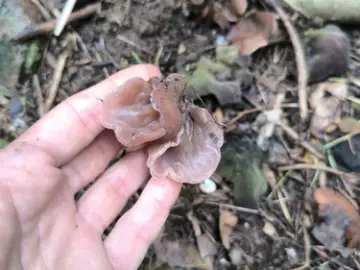 İstanbul23 May 2026 · iNaturalist© Umut Nuri Erdoğan · CC BY
-
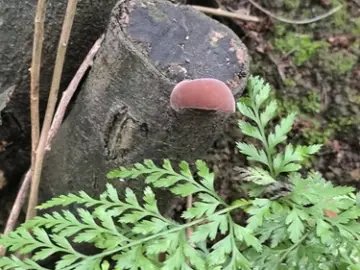 İstanbul23 May 2026 · iNaturalist© Umut Nuri Erdoğan · CC BY
-
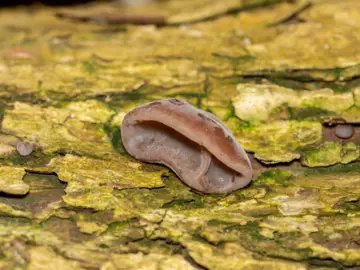 Kırklareli15 Feb 2026 · iNaturalist© Asrın Akıncıoğlu · CC BY
-
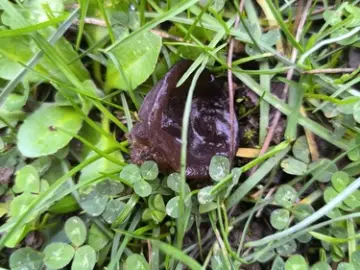 İstanbul13 Feb 2026 · iNaturalist© Umut Nuri Erdoğan · CC BY
-
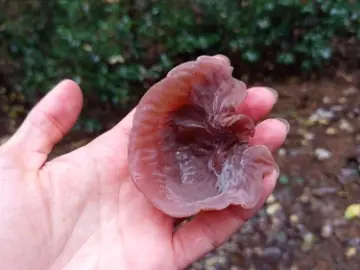 İstanbul25 Dec 2025 · iNaturalist© Umut Nuri Erdoğan · CC BY
-
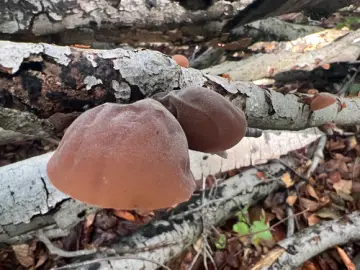 İstanbul30 Sep 2025 · iNaturalist© no rights reserved · CC0
- See on the map
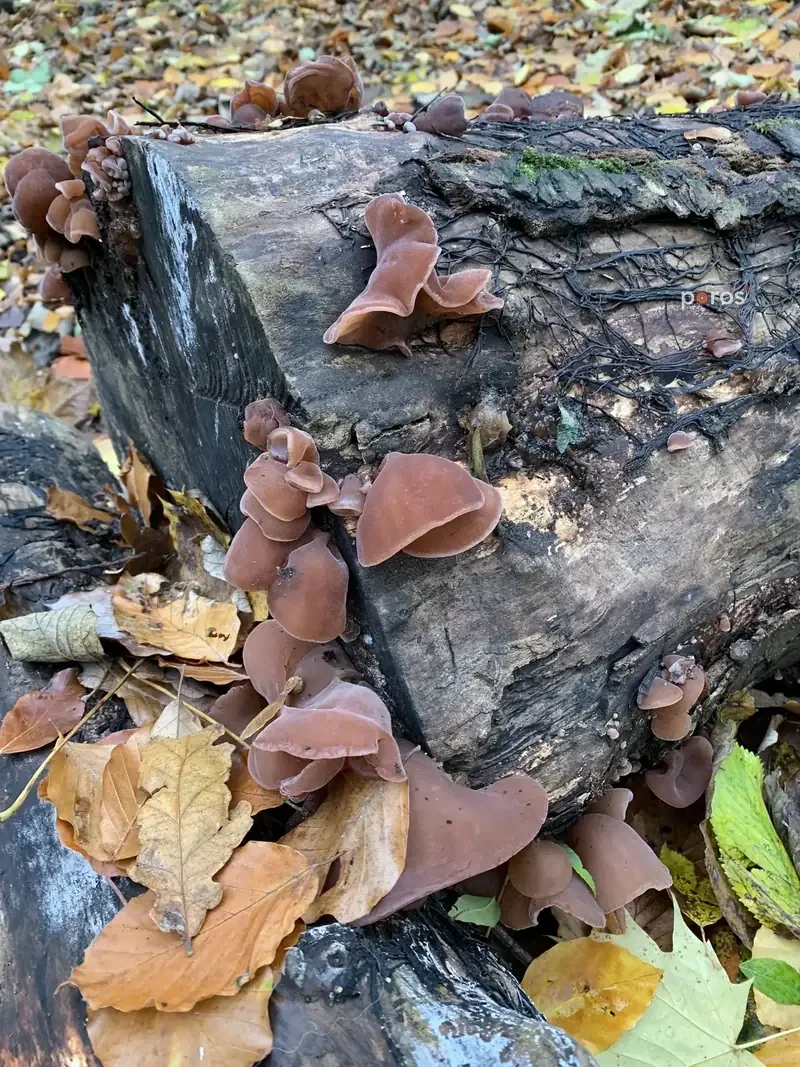
Look-alikes
What could it be confused with?
Wood ear mushroom can be mistaken for the species below. Each card shows the look-alike and how it differs from Wood ear mushroom.
 Inedible
not Wood ear mushroom
Tripe fungus Auricularia mesenterica
Grows in shelves with a distinctly hairy, grey-brown zoned upper surface; tough and tasteless.
 Inedible
not Wood ear mushroom
Black witches' butter Exidia glandulosa
Forms black, brain-like jelly blobs with no ear shape.
 Poisonous
not Wood ear mushroom
Cup fungi Peziza spp.
Mostly on soil, brittle rather than rubbery; some cause illness when eaten raw or undercooked.
How to cook and eat wood ear mushrooms
Safety first. Never eat wood ear raw; cook it thoroughly. Dried wood ear should be cooked soon after soaking rather than left standing.
How to prepare it
Dried, it swells to 3–4 times its size when soaked; cook it straight after soaking.
How to cook it
Never eat it raw; cook it thoroughly. Its flavour is mild and it is used mostly for its crunchy texture in soups and stir-fries.
Source: Wikipedia.
How to store wood ear mushrooms
Grow it, buy it
Wood ear mushroom price list
| Product | Us | Market (sourced, dated) |
|---|---|---|
| Fresh wood ear mushrooms | Made to order · ask | — |
| Dried wood ear mushrooms | Made to order · ask | — |
We make our wood ear mushrooms products in small batches, to order; send a request and we email you the price and delivery date. The market column shows prices seen on other sellers' pages on the date given; they are not our prices and may have changed.
Frequently asked questions
Is the wood ear the same as an ear fungal infection?
No. The wood ear on this page is an edible jelly fungus that grows on trees (Auricularia auricula-judae). The ear infection called kulak mantarı in Turkish is otomycosis, a separate medical condition that should be seen by a doctor.
Is the wood ear edible?
Yes, the wood ear is edible, but only once it is identified with certainty and cooked thoroughly. Its taste is mild; it is used mostly for its crunchy texture in soups and stir-fries.
Where does the wood ear grow?
It grows mostly on dead or weakened elder branches, and also on broadleaf trees such as beech, sycamore and ash. In Turkey most records come from İstanbul.
When is the wood ear in season?
It can be found all year, but mostly in cool, damp weather from autumn to spring. It shrivels in dry weather and swells again after rain.
How has the wood ear been used traditionally?
Sources say Auricularia species are widely used in East Asian cooking, and European folk medicine is reported to have used the wood ear for sore throats and eye complaints. This is traditional use only, not a health claim; the wood ear does not treat any illness.
How do you prepare dried wood ear?
Soak dried wood ear in cold or lukewarm water until it swells, trim the hard base, rinse and cook it thoroughly without leaving it standing. Never eat it raw.
What does the wood ear look like, and what is it confused with?
The wood ear is reddish brown, rubbery and ear-shaped. The tripe fungus (Auricularia mesenterica) is hairier and zoned, while black witches' butter (Exidia glandulosa) is black and brain-like; neither is worth eating.
Is kikurage the same as wood ear mushroom?
Yes. Kikurage is the Japanese name for wood ear mushrooms of the genus Auricularia. The dried black wood ear sold in Asian shops is usually a cultivated Auricularia; in Turkish we call it kulak mantarı.
Is black fungus the same as wood ear?
In cooking, 'black fungus' usually means dried wood ear or cloud ear (Auricularia species), sold as thin black-brown flakes that swell in water. It is the same group as the wood ear, Auricularia auricula-judae, which grows wild in Turkey. It has nothing to do with the medical term 'black fungus' (mucormycosis).
How do you use dried black fungus?
We soak the dried pieces in cold water for about an hour until they swell, trim off any hard base, slice them and cook them in stir-fries, soups or salads after a quick blanch. Soaked wood ear is used the same day.
Is the cloud ear the same as the wood ear?
They are close relatives. Cloud ear usually means Auricularia cornea (or A. polytricha), a thinner, slightly hairy species sold dried in Asian shops; wood ear usually means Auricularia auricula-judae. Both are prepared the same way.
How do we make a wood ear salad?
We soak dried wood ear in water until soft, trim the hard spots, cut it into strips and boil it for a few minutes. Then we drain it and toss it with garlic, vinegar, soy sauce, a little sesame oil and fresh coriander or chilli.
What dishes do we cook with wood ear mushrooms?
Wood ear adds a crunchy texture to stir-fries, hot and sour soup, dumpling fillings and ramen. It has little flavour of its own and takes up the sauce, so we add it in the last minutes of cooking after a short boil.
Can wood ear mushrooms cause poisoning?
Fresh, correctly identified wood ears are not poisonous, but soaked dried wood ear can become dangerous if it is left in water at room temperature for a long time: bacteria can grow and produce a toxin. We soak dried wood ear in the fridge, use it the same day and cook it.
How do we use wood ear in ramen?
We soak dried wood ear, cut it into thin strips and simmer it briefly in the broth or sauté it with a little soy sauce, then add it to the bowl. It keeps its crunchy texture.
What is white wood ear?
White wood ear usually means snow fungus (Tremella fuciformis), a different, jelly-like mushroom used in Asian sweet soups. True wood ear (Auricularia) is brown to black.
Are tree ear and wood ear the same?
Yes. Tree ear, wood ear, black ear and jelly ear are English names for the ear-shaped Auricularia fungi. We soak the dried form in water until it swells, trim the hard base and use it in stir-fries, soups and salads.
Are wood ear mushrooms edible?
Yes, the wood ear mushroom is an edible species. Eat a wild one only after an expert has identified it with certainty: it can be confused with cup fungi (Peziza spp.). Never eat wood ear raw; cook it thoroughly. Dried wood ear should be cooked soon after soaking rather than left standing.
When is wood ear mushroom season in Turkey?
In our calendar, wood ear mushroom season runs Oct–May. The wood ear can be found all year, but it is most common in cool, damp months from autumn to spring. In Turkey, GBIF records cluster in January, February and May.
Where do wood ear mushrooms grow?
The wood ear grows singly or in clusters on dead or weakened branches and trunks of broadleaf trees, above all elder (Sambucus nigra), and also on beech, sycamore and ash.
Where are wood ear mushrooms found in Turkey?
The wood ear is recorded in Turkey; most of its 63 Turkish GBIF records come from İstanbul, with others from Samsun, Kırklareli, İzmir, Karabük, Manisa and Trabzon.
What can the wood ear mushroom be confused with?
The wood ear mushroom can be confused with tripe fungus (Auricularia mesenterica, inedible), black witches' butter (Exidia glandulosa, inedible) and cup fungi (Peziza spp., poisonous). Look-alikes are compared on this page.
What is the wood ear mushroom called in Turkish?
In Turkish, the wood ear mushroom (Auricularia auricula-judae) is called Kulak mantarı; other local names include ağaç kulağı and Yahuda'nın kulağı.
Related species
-
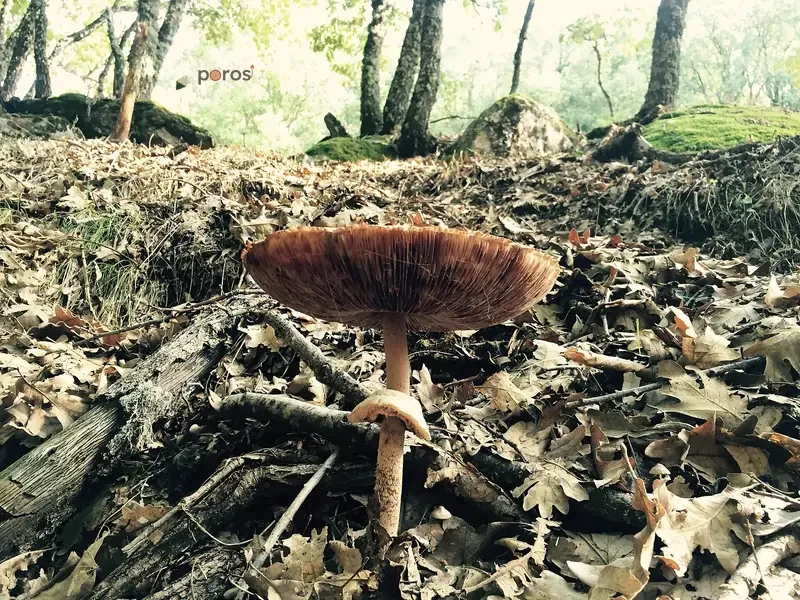 Anatolian matsutakeTricholoma anatolicumEdible species
-
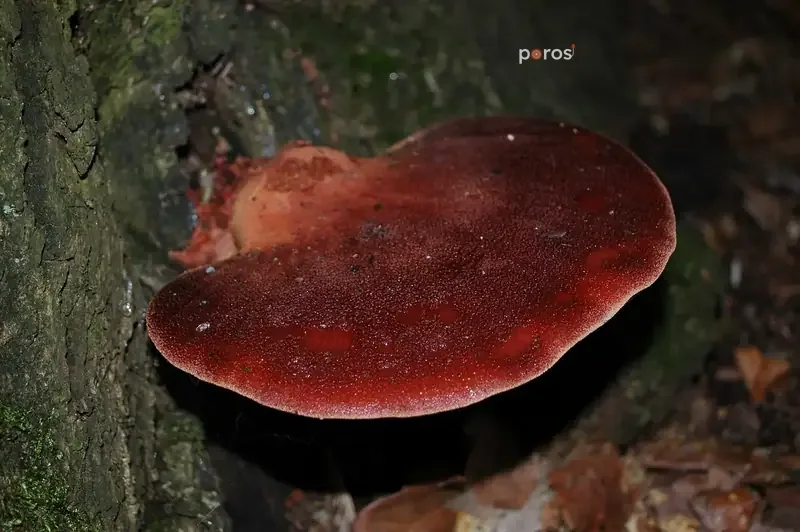 Beefsteak fungusFistulina hepaticaEdible species
-
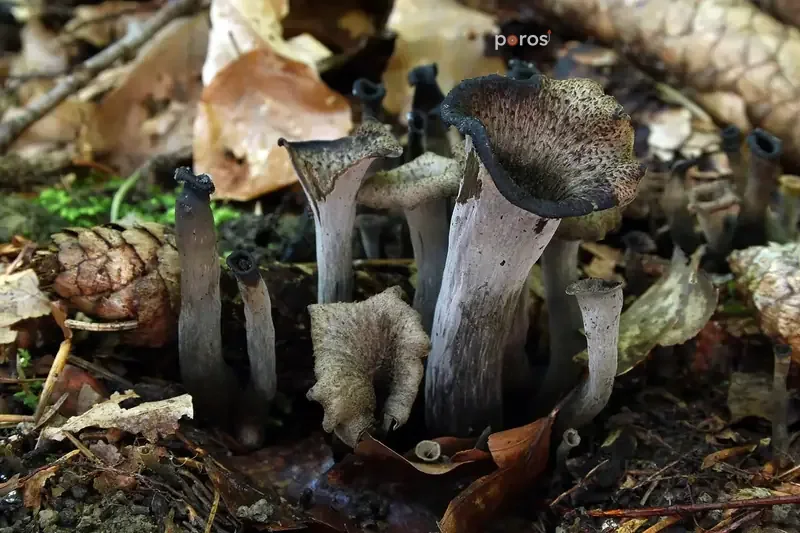 Black trumpetCraterellus cornucopioidesEdible species
-
 Bloody milk capLactarius sanguifluusEdible species
-
 Button mushroomAgaricus bisporusEdible species
-
 Caesar’s mushroomAmanita caesareaEdible species
-
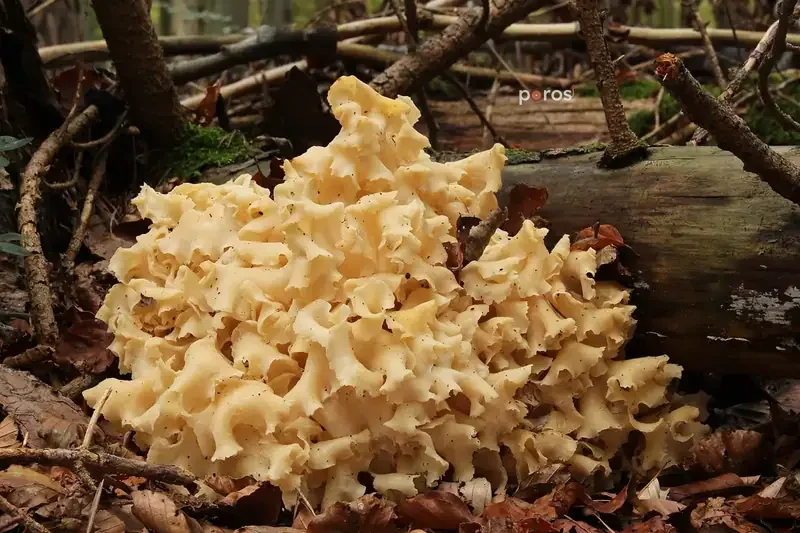 Cauliflower mushroomSparassis crispaEdible species
-
 ChanterelleCantharellus cibariusEdible species
Sources
- MedlinePlus: Dış kulak iltihabı (kulakta mantar enfeksiyonu dahil) medlineplus.gov
- Liu ve ark. (2021), Journal of Agricultural and Food Chemistry: Auricularia auricula-judae derlemesi pubmed.ncbi.nlm.nih.gov
- Adanacıoğlu ve ark. (2014), ANADOLU (Ege Tarımsal Araştırma Enstitüsü): Türkiye makromantar genetik kaynakları I. Ege Bölgesi dergipark.org.tr
All sources (6)
- Wikipedia (EN): Auricularia auricula-judae en.wikipedia.org
- First Nature: Auricularia auricula-judae first-nature.com
- GBIF: Türkiye kayıtları gbif.org
Photo credits (16)
- File:Echt judasoor (Auricularia auricula-judae). 20-11-2025. (d.j.b.).jpg · Dominicus Johannes Bergsma. · CC BY-SA 4.0
- Auricularia auricula-judae · iNaturalist #246607005 · Matej Frančeškin · CC BY 4.0
- Auricularia auricula-judae · iNaturalist #102876974 · Wendy Herniman · CC BY 4.0
- Auricularia auricula-judae · iNaturalist #138867758 · Daniel Greenwood · CC BY 4.0
- File:Echt judasoor (Auricularia auricula-judae) op een stam van een vlier. 15-02-2024. (actm.) 15-02-2024. (actm.).jpg · Agnes Monkelbaan · CC BY-SA 4.0
- Auricularia auricula-judae · iNaturalist #143028494 · Jan Sheppard · CC BY 4.0
- File:Auricularia auricula-judae (xndr).jpg · Svdmolen · CC BY 2.5
- Auricularia auricula-judae · iNaturalist #322320687 · reagan peschke · CC BY 4.0
- iNaturalist: İstanbul, 7 Oct 2026 · Umut Nuri Erdoğan · CC BY
- iNaturalist: İstanbul, 23 May 2026 · Umut Nuri Erdoğan · CC BY
- iNaturalist: İstanbul, 23 May 2026 · Umut Nuri Erdoğan · CC BY
- iNaturalist: İstanbul, 23 May 2026 · Umut Nuri Erdoğan · CC BY
- iNaturalist: Kırklareli, 15 Feb 2026 · Asrın Akıncıoğlu · CC BY
- iNaturalist: İstanbul, 13 Feb 2026 · Umut Nuri Erdoğan · CC BY
- iNaturalist: İstanbul, 25 Dec 2025 · Umut Nuri Erdoğan · CC BY
- iNaturalist: İstanbul, 30 Sep 2025 · no rights reserved · CC0


