


Porcelain fungus
Oudemansiella mucida · Physalacriaceae
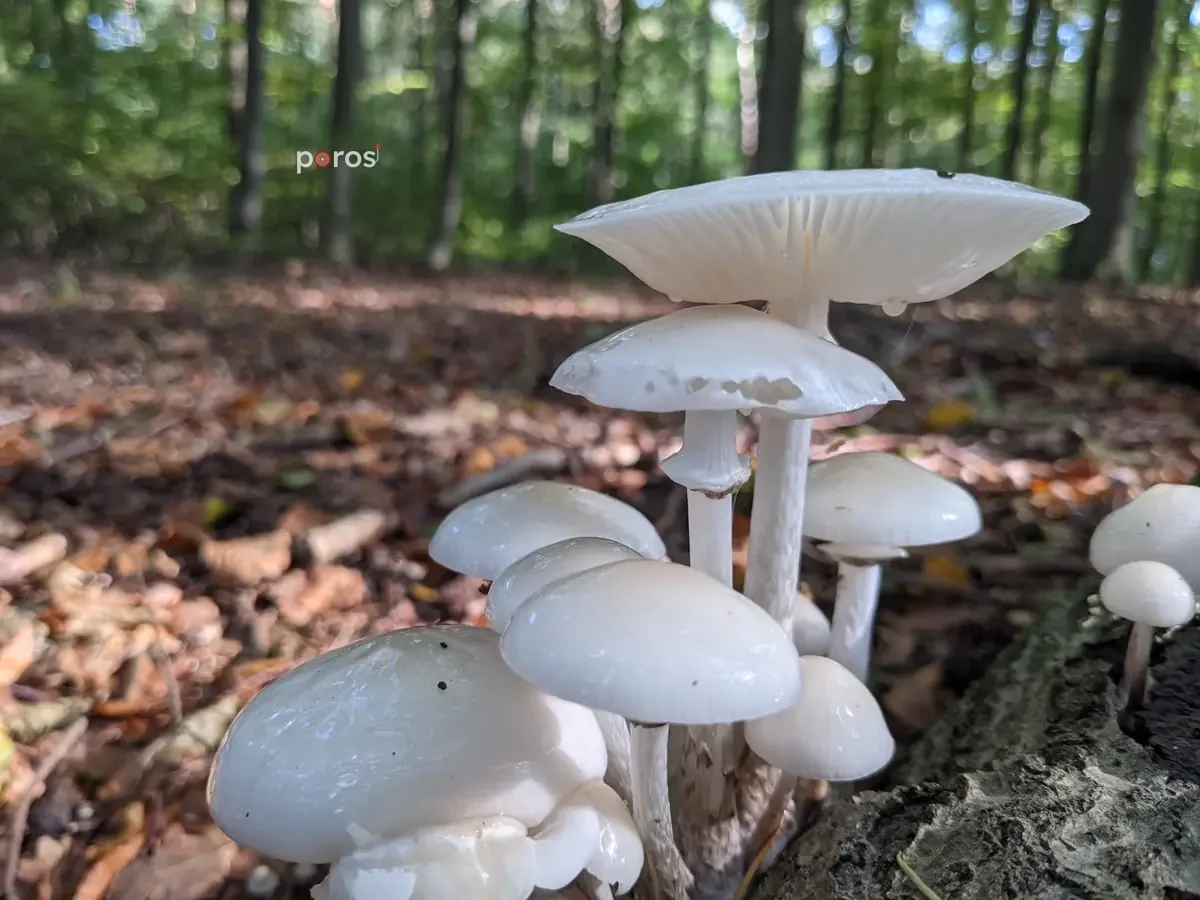
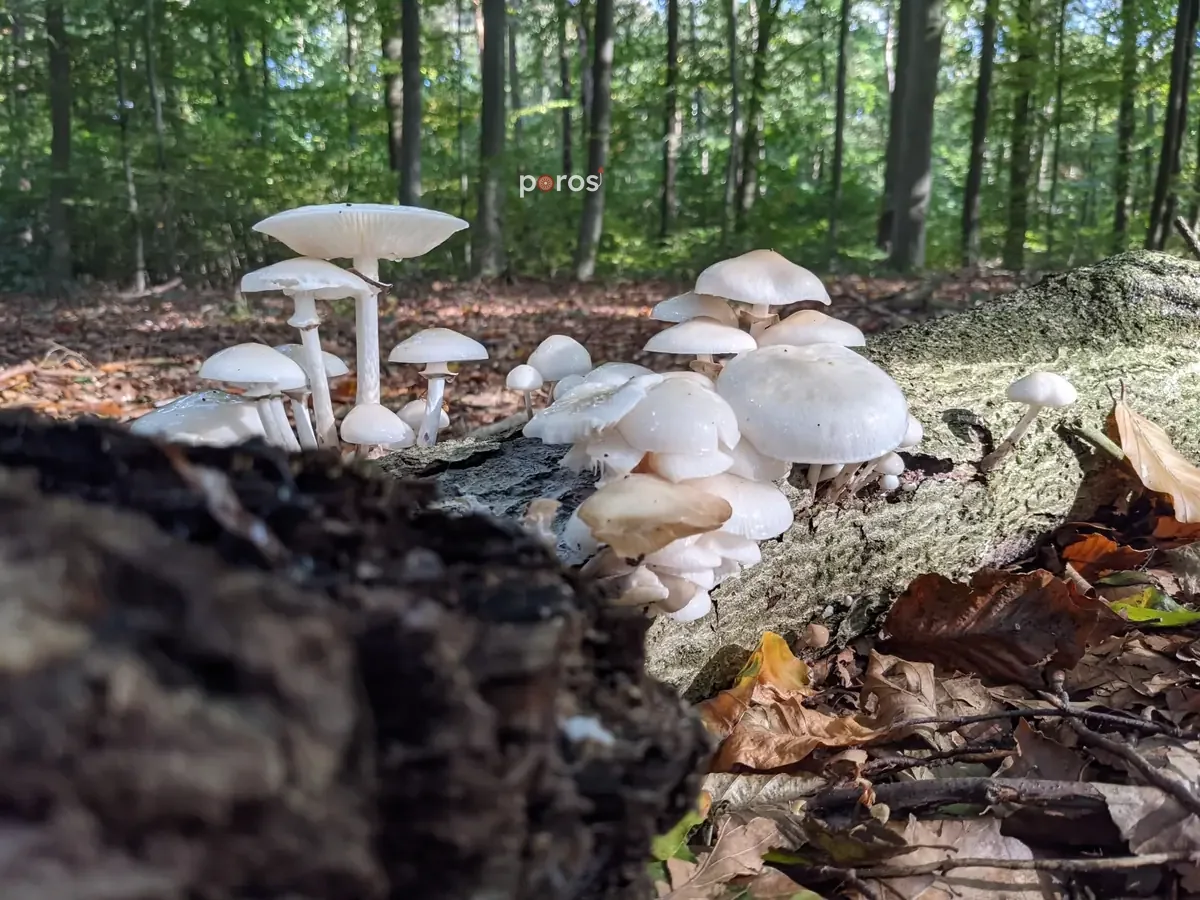
The porcelain fungus (Oudemansiella mucida) is a translucent, glossy white, slimy-capped mushroom that grows in clusters on dead beech trunks and branches.
Last updated: Prepared by the Poros Mantar editorial team5 sources checkedReport a correction
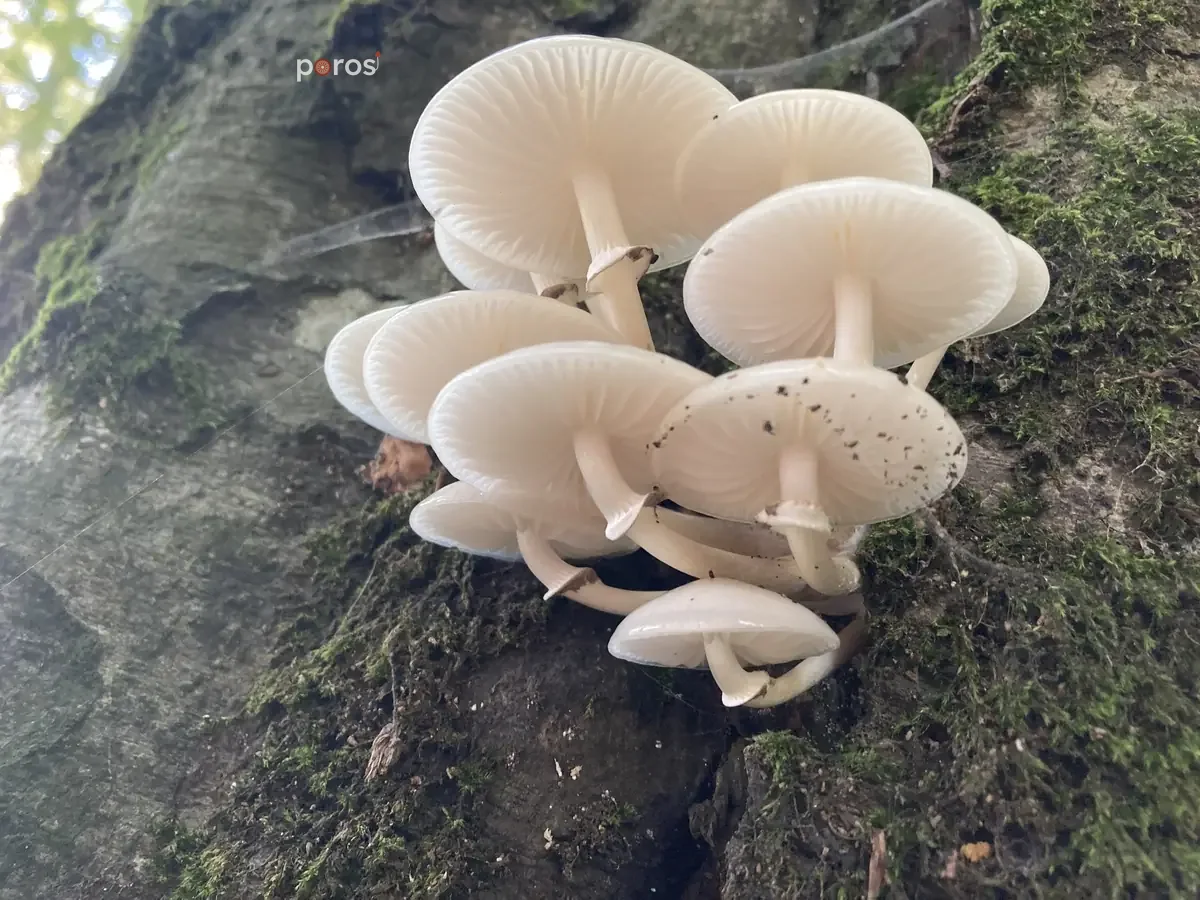
The porcelain fungus (Oudemansiella mucida) is a translucent, glossy white, slimy-capped mushroom that grows in clusters on dead beech trunks and branches. It has widely spaced white gills and a distinct membranous ring on its slender stem. It is not considered poisonous, but because of its heavy slime and low culinary value our advice is not to eat it; its white, ringed look makes any confusion with deadly Amanita species dangerous.
Also called: poached egg fungus, beech tuft Turkish: Porselen mantarı, odun perisi Synonyms: Mucidula mucida
How to recognise it
Porcelain fungus, part by part
No volva Spore print: White Not distinctive.


When and where
Jun, Sep–Nov
- Jan
- Feb
- Mar
- Apr
- May
- Junin season
- Jul
- Aug
- Sepin season
- Octin season
- Novin season
- Dec
The porcelain fungus appears from late summer to late autumn. Our Turkish records fall in June, September, October and November, the great majority in October.
Type Inedible
Months seen JuneSeptemberOctoberNovember
Colour White
Regions Black Sea RegionMarmara RegionDüzceSinopSamsunKastamonuBoluIstanbulKırklareli
Where does porcelain fungus grow?
Almost exclusively on beech: dead or fallen trunks, cut branches and sometimes high dead branches of living trees; rarely on oak. It grows in clusters on wood, never from soil.
Where is porcelain fungus found in Turkey?
Our map data (GBIF and iNaturalist) holds 29 Turkish records: 16 from Istanbul, 3 each from Kırklareli and Düzce, 2 each from Zonguldak and Bolu, and one each from Kastamonu, Sinop and Samsun. It has also been published from Yenice in Karabük under its synonym Mucidula mucida (Kaşık et al., 2022).
Which months
- Jan0
- Feb0
- Mar0
- Apr0
- May0
- Jun1
- Jul0
- Aug0
- Sep2
- Oct22
- Nov4
- Dec0
porcelain fungus map of Turkey: all provinces and months →
8 provinces, 29 observations (GBIF, iNaturalist); months from observation dates. Record density also reflects where observers work.
Latest porcelain fungus observations
-
 Samsun28 Sep 2025 · iNaturalist© Ömer Selim Kaya · CC BY-SA
-
 Kırklareli13 Oct 2024 · iNaturalist© Asrın Akıncıoğlu · CC BY
-
 Kırklareli5 Oct 2024 · iNaturalist© Asrın Akıncıoğlu · CC BY
-
 Illustrative
Bolu29 Oct 2026 · iNaturalist
-
 Illustrative
İstanbul10 Oct 2026 · iNaturalist
-
 Illustrative
İstanbul10 Oct 2026 · iNaturalist
-
 Illustrative
Kırklareli26 Oct 2025 · iNaturalist
-
 Illustrative
İstanbul18 Oct 2025 · iNaturalist
- See on the map
On "illustrative" cards the image is a photo of the species; the observation photo cannot be shown here because of its licence, but can be seen at the source.
Look-alikes
What could it be confused with?
Porcelain fungus can be mistaken for the species below. Each card shows the look-alike and how it differs from Porcelain fungus.
 Deadly
not Porcelain fungus
Destroying angel Amanita virosa
The destroying angel is also white and ringed, but it grows from soil, has a sac-like volva at the stem base and its cap is not slimy and translucent. The porcelain fungus grows only on wood, in clusters.
 Edible species
not Porcelain fungus
Oyster mushroom Pleurotus ostreatus
The oyster mushroom also grows in clusters on wood, but its stem is short and off-centre or absent, it has no ring and its cap is not slimy.
 Inedible
not Porcelain fungus
Rooting shank Hymenopellis radicata
A close relative, but it grows singly, has a brownish wrinkled cap, no ring, and a long root-like stem extending down to buried wood.
What it contains
It has little culinary value: the flesh is thin and the cap heavily slimy. It produces compounds called strobilurins that suppress competing fungi, and these were the starting point for the strobilurin class of agricultural fungicides.
General information, not a health claim.
The porcelain fungus is not known to be poisonous; some sources say it is edible once the slime is washed off, others that it can cause mild upsets. It has little culinary value, and its white, ringed look can be confused with deadly Amanita species. Our advice is not to eat it. If poisoning is suspected, call poison control and keep any leftover mushroom.
Frequently asked questions
Is the porcelain fungus edible?
Our advice is not to eat it. It is not known to be poisonous and some sources say it is edible once washed, but it has little culinary value and can be confused with white poisonous mushrooms.
Is the porcelain fungus poisonous?
It is generally not considered poisonous, though a few sources mention mild upsets. The real risk is confusing it with white, ringed deadly Amanita species.
Why is it so slimy?
The cap is covered in a translucent, slippery layer of slime, which is what mucida in its Latin name refers to. In wet weather it looks very glossy.
How do you tell it from the destroying angel?
The porcelain fungus grows only on beech wood, in clusters, and has no volva. The destroying angel grows singly from soil and has a sac-like volva at the stem base.
Which trees does it grow on?
Almost only on beech: dead trunks, fallen trees and cut branches, and sometimes high dead branches of living trees.
When does it appear?
From late summer to late autumn; most Turkish records are from October.
Does it have other names?
Its Latin synonym is Mucidula mucida. A published Turkish macrofungi list also gives it the Turkish name odun perisi.
Where is it found in Turkey?
Our map data holds 29 records from Istanbul, Kırklareli, Düzce, Zonguldak, Bolu, Kastamonu, Sinop and Samsun, with a published record from Karabük too.
When is porcelain fungus season in Turkey?
In our calendar, porcelain fungus season runs Jun, Sep–Nov. The porcelain fungus appears from late summer to late autumn. Our Turkish records fall in June, September, October and November, the great majority in October.
Where does porcelain fungus grow?
Almost exclusively on beech: dead or fallen trunks, cut branches and sometimes high dead branches of living trees; rarely on oak. It grows in clusters on wood, never from soil.
Where is porcelain fungus found in Turkey?
Our map data (GBIF and iNaturalist) holds 29 Turkish records: 16 from Istanbul, 3 each from Kırklareli and Düzce, 2 each from Zonguldak and Bolu, and one each from Kastamonu, Sinop and Samsun. It has also been published from Yenice in Karabük under its synonym Mucidula mucida (Kaşık et al., 2022).
What can porcelain fungus be confused with?
Porcelain fungus can be confused with destroying angel (Amanita virosa, deadly), oyster mushroom (Pleurotus ostreatus, edible species) and rooting shank (Hymenopellis radicata, inedible). Look-alikes are compared on this page.
What is porcelain fungus called in Turkish?
In Turkish, porcelain fungus (Oudemansiella mucida) is called Porselen mantarı; other local names include odun perisi.
Related species
-
 EnokiFlammulina filiformisEdible species
-
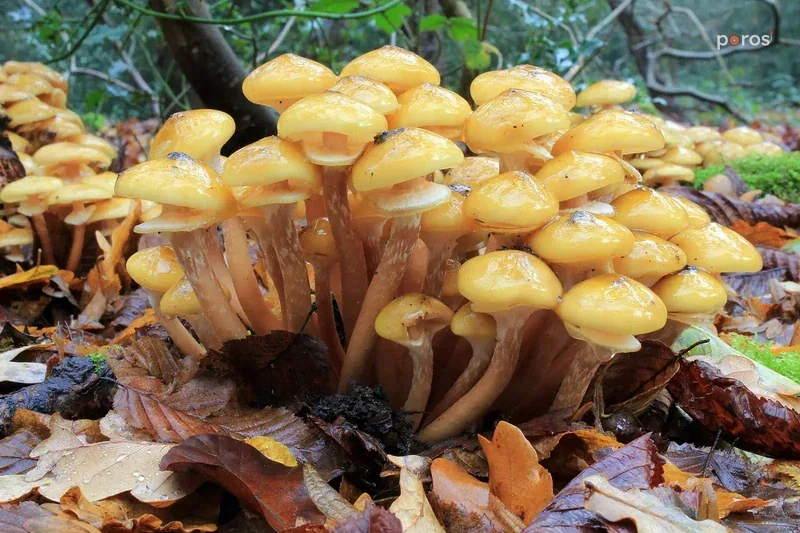 Honey fungusArmillaria melleaEdible species
-
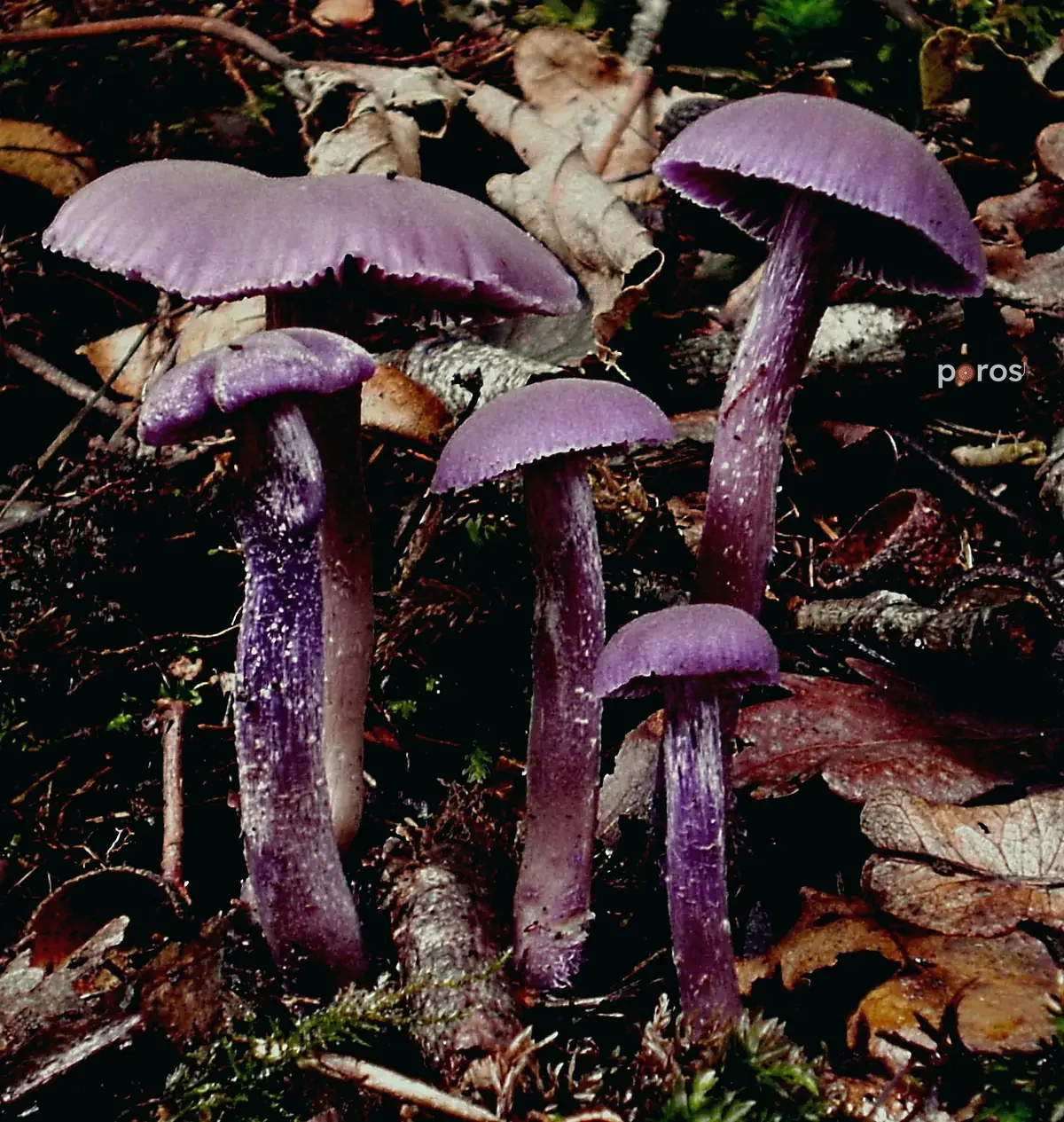 Amethyst deceiverLaccaria amethystinaInedible
-
 Artist’s bracketGanoderma applanatumInedible
-
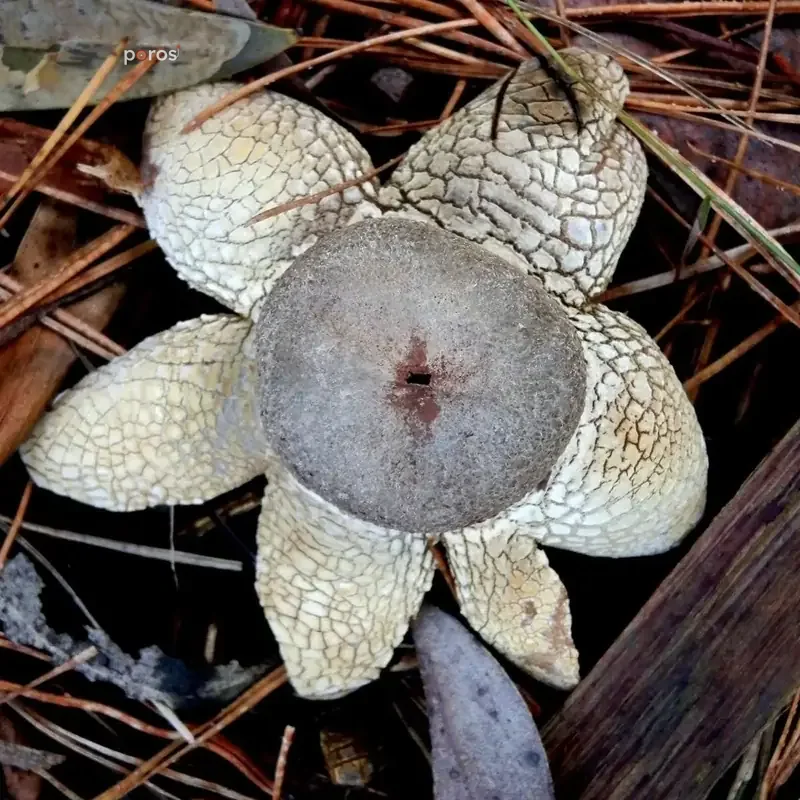 Barometer earthstarAstraeus hygrometricusInedible
-
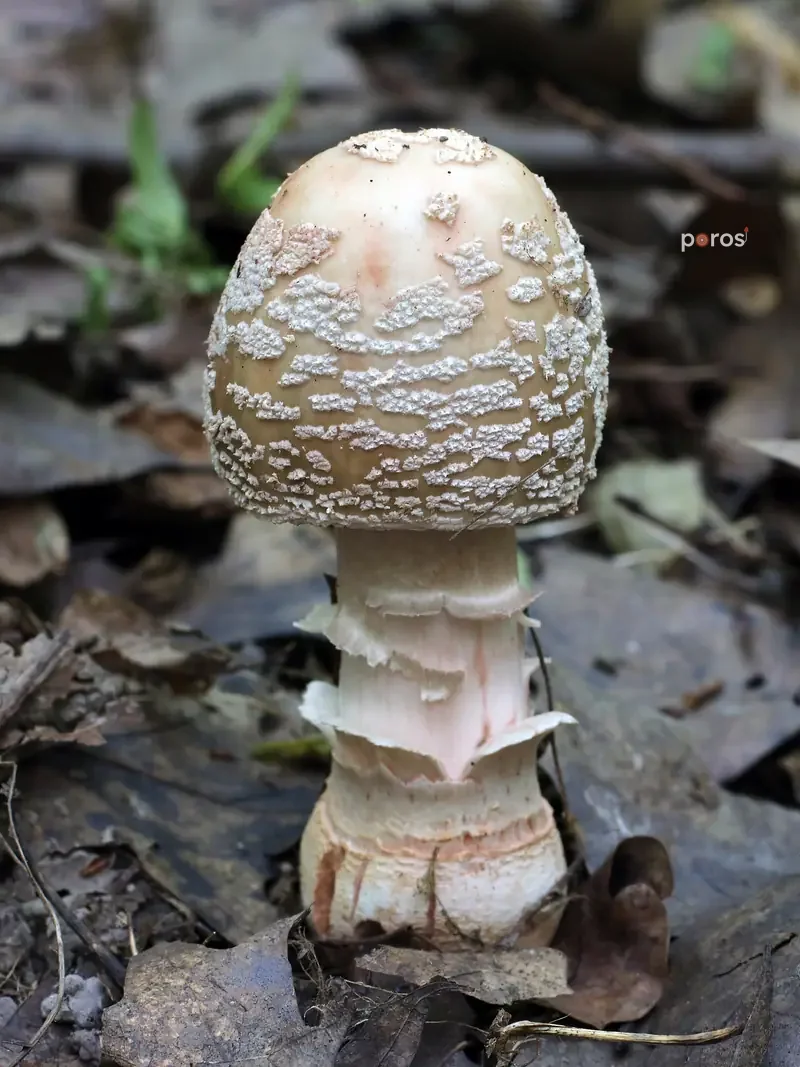 BlusherAmanita rubescensInedible
-
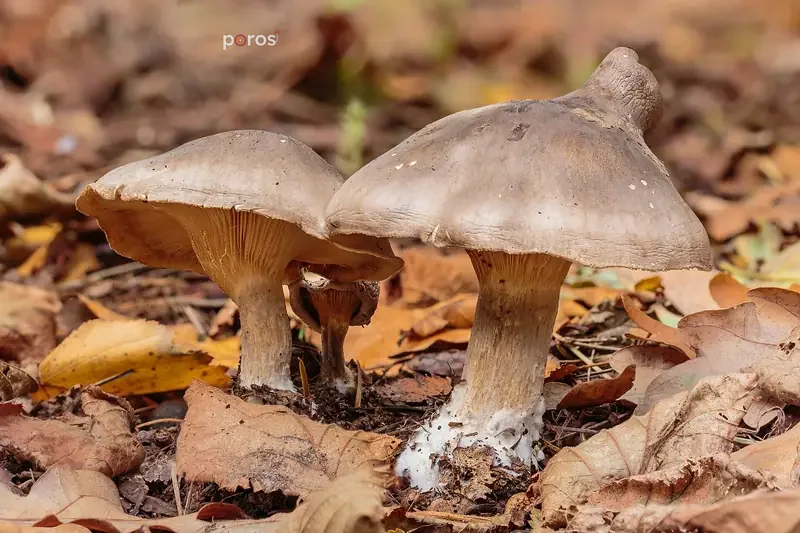 Clouded funnelClitocybe nebularisInedible
-
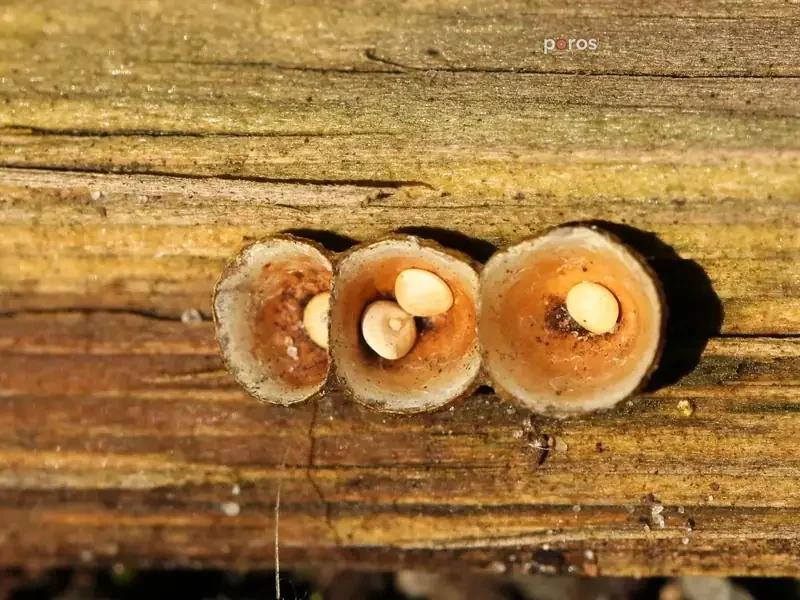 Common bird’s nest fungusCrucibulum laeveInedible
Sources
- Kaşık ve ark. (2022), KSÜ Tarım ve Doğa Dergisi 25(6): Macrofungi of Yenice (Karabük) District and New Records for Turkey dergipark.org.tr
- Wikipedia (EN): Oudemansiella mucida en.wikipedia.org
- First Nature: Oudemansiella mucida, Porcelain Fungus first-nature.com
All sources (5)
- iNaturalist: Oudemansiella mucida (Türkçe ad ve Türkiye gözlemleri) inaturalist.org
- GBIF: Türkiye kayıtları gbif.org
Photo credits (11)
- Oudemansiella mucida · iNaturalist #98417019 · Pieter Huybrechts · CC0
- Oudemansiella mucida · iNaturalist #135893802 · Dave · CC BY 4.0
- Oudemansiella mucida · iNaturalist #131733479 · szegedigombasz · CC0
- Oudemansiella mucida · iNaturalist #17402019 · Donald Hobern · CC BY 4.0
- Oudemansiella mucida · iNaturalist #410756079 · Sylvain Montagner · CC BY 4.0
- File:Oudemansiella mucida 165423397.jpg · Francis wyffels · CC BY 4.0
- Oudemansiella mucida · iNaturalist #33885803 · Björn Sothmann · CC BY-SA 4.0
- Oudemansiella mucida · iNaturalist #98417019 · Pieter Huybrechts · CC0
- iNaturalist: Samsun, 28 Sep 2025 · Ömer Selim Kaya · CC BY-SA
- iNaturalist: Kırklareli, 13 Oct 2024 · Asrın Akıncıoğlu · CC BY
- iNaturalist: Kırklareli, 5 Oct 2024 · Asrın Akıncıoğlu · CC BY
