


Weeping milk cap
Lactifluus volemus · Russulaceae
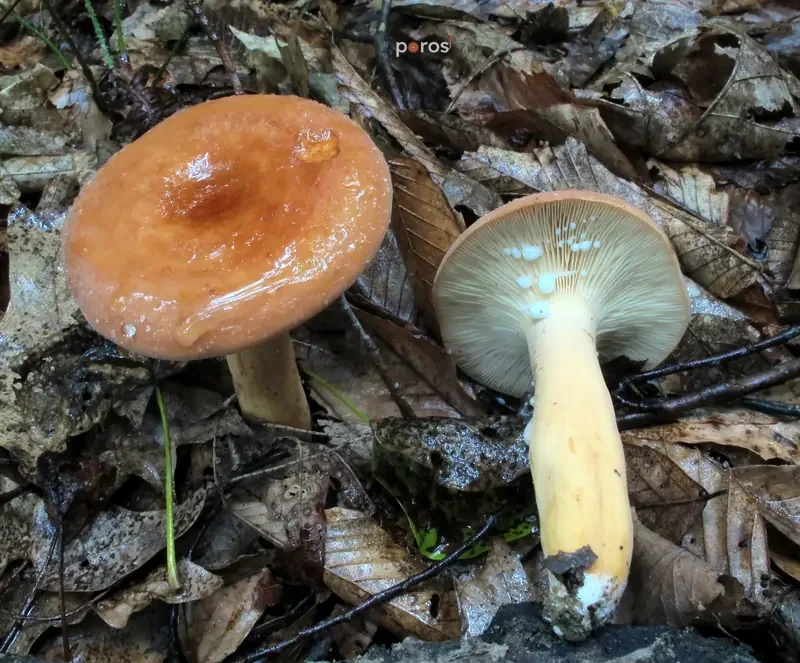
A milk cap with a velvety orange-brown cap and copious white milk that flows when it is broken.
Last updated: Prepared by the Poros Mantar editorial team12 sources checkedReport a correction
A milk cap with a velvety orange-brown cap and copious white milk that flows when it is broken. The milk browns as it dries and the flesh smells faintly of fish. It is known as an edible species, and the Turkish food site yemek.com lists it under the name geyik mantarı.
Also called: fishy milkcap, apricot milk cap, voluminous-latex milky Turkish: Geyik mantarı, tirmit, sütlü geyik mantarı, bol sütlü mantar Synonyms: Lactarius volemus
Geyik mantarı, tirmit and other names: which is which?
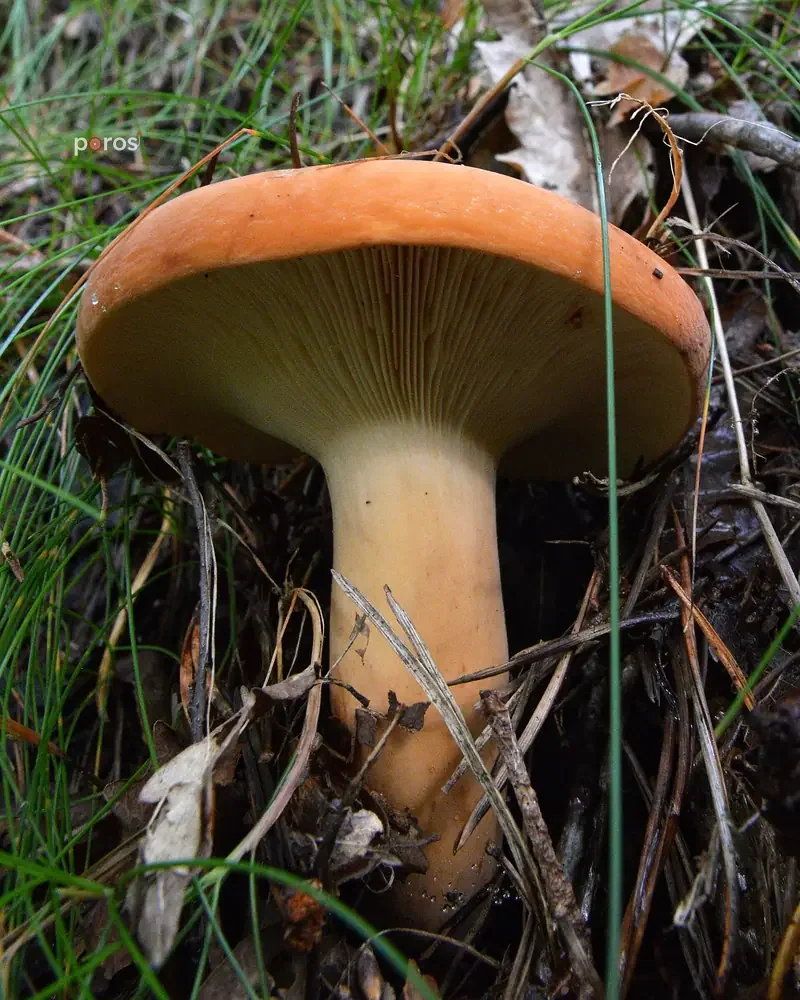
The name geyik mantarı ("deer mushroom") is most often used for Lactifluus volemus (formerly Lactarius volemus); yemek.com lists it as geyik mantarı and Turkish Wikipedia as tirmit mantarı. This page covers that species.
The same names are given to other species, so decide by features, not by name. Mantarlı Yaşam lists geyik mantarı among the local names of the stubble rosegill (Volvopluteus gloiocephalus), a field mushroom with a volva. Tirmit is also used on the Black Sea coast for the fiery milkcap (Lactarius pyrogalus), which grows in hazel orchards and has very acrid milk. In short: copious white milk, a velvety orange-brown cap and a fishy smell together mean the weeping milk cap; pink gills and a sack at the base mean the stubble rosegill; a grey cap, distant yellowish gills and burning milk mean the fiery milkcap.
Its milk, its smell and its two colour forms
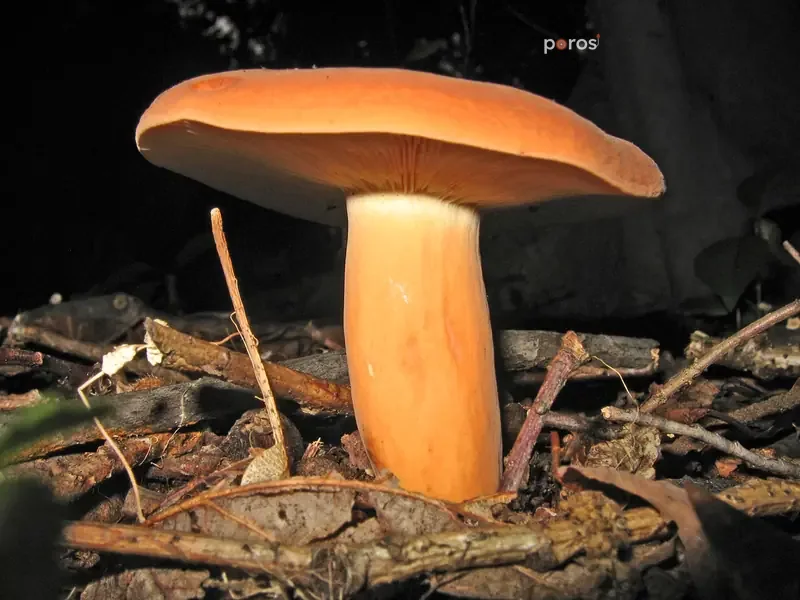
According to Turkish Wikipedia the cap is 5–15 cm, dry and fleshy, never sticky; hemispherical when young, then shallowly funnel-shaped. There are two forms: a red-brown form among mosses in conifer and beech woods, and a fiery yellow form found only in beech and oak woods.
The gills are crowded, whitish to yellowish, and bruise brown when touched. The copious white milk that flows when it is broken does not change colour, which helps separate it from similar milk caps. The flesh smells like pickled fish, more strongly with age. The similar Lactifluus hygrophoroides has more distant gills, and Lactarius rufus has a pointed bump in the cap centre and a very acrid taste.
The weeping milk cap in the kitchen
Wikipedia describes the weeping milk cap as a tasty, valued edible and suggests frying it gills-up or using it in soups. On the Turkish Black Sea coast it is sautéed and also salted for winter. The fishy smell of the raw mushroom fades clearly on cooking.
Like every wild milk cap, it goes into the kitchen only once the species is certain. A mushroom with acrid or burning milk is not the weeping milk cap; throw it away.
How to recognise it
Weeping milk cap, part by part
No ring or volva Spore print: White A faint fishy smell that grows stronger with age; abundant white milk, mild and sticky, browning on exposure.


When and where
Jun–Sep
- Jan
- Feb
- Mar
- Apr
- May
- Junin season
- Julin season
- Augin season
- Sepin season
- Oct
- Nov
- Dec
The weeping milk cap fruits in summer, June to September; Turkish GBIF records fall between June and August.
Where do weeping milk caps grow?
The weeping milk cap grows in broadleaf and mixed woods, especially under oak and beech, forming a mycorrhizal partnership with the trees.
Where is weeping milk caps found in Turkey?
The weeping milk cap has few records in Turkey: GBIF lists records from İstanbul and Zonguldak, and it occurs in the broadleaf forests of northern Anatolia.
- İstanbul3
- Zonguldak1
Which months
- Jan0
- Feb0
- Mar0
- Apr0
- May0
- Jun3
- Jul1
- Aug0
- Sep0
- Oct0
- Nov0
- Dec0
2 provinces, 4 observations (GBIF, iNaturalist); months from observation dates. Record density also reflects where observers work.
Latest weeping milk cap observations
-
 Illustrative
Zonguldak24 Jun 2026 · iNaturalist
-
 Illustrative
İstanbul12 Jun 2025 · iNaturalist
-
 Illustrative
İstanbul15 Jul 2022 · iNaturalist
-
 Illustrative
İstanbul29 Jun 2019 · GBIF
- See on the map
On "illustrative" cards the image is a photo of the species; the observation photo cannot be shown here because of its licence, but can be seen at the source.
Look-alikes
What could it be confused with?
Weeping milk cap can be mistaken for the species below. Each card shows the look-alike and how it differs from Weeping milk cap.
 Edible species
not Weeping milk cap
Saffron milk cap Lactarius deliciosus
Carrot-orange, ringed cap and orange milk; grows under pines.
not Weeping milk cap
Rufous milkcap Lactarius rufus
Red-brown cap, often with a pointed centre, sparse and very hot milk; grows under conifers.
 Poisonous
not Weeping milk cap
Woolly milkcap Lactarius torminosus
Pinkish cap with a woolly margin and hot milk; grows under birch.
How to cook and eat weeping milk caps
Safety first. Some milk caps are hot-tasting and poisonous, and the colour or taste of the milk is not a safe test on its own. Never eat one without an expert's identification.
How to prepare it
Brush clean; the milk that runs when cut stains hands and cloths brown, so gloves help.
How to cook it
Fry it gills-up or use it in soups. On the Black Sea coast it is sautéed and also salted for winter. The fishy smell of the raw mushroom fades on cooking.
What goes with it?
- prawns
- olive oil
- unsalted butter
- smoked paprika
- garlic
- flat-leaf parsley
- lemon
Source: Wikipedia · practical details from our recipes.
Recipe
How to store weeping milk caps
Grow it, buy it
Weeping milk cap price list
| Product | Us | Market (sourced, dated) |
|---|---|---|
| Fresh weeping milk caps | Made to order · ask | — |
| Dried weeping milk caps | Made to order · ask | — |
We make our weeping milk caps products in small batches, to order; send a request and we email you the price and delivery date. The market column shows prices seen on other sellers' pages on the date given; they are not our prices and may have changed.
Frequently asked questions
Which mushroom is tirmit?
Tirmit is the local name used in the western Black Sea region for the weeping milk cap (Lactifluus volemus) (Karancı and Çetin, 2025). It releases plenty of white milk that turns brown, and should not be confused with the orange-milked saffron milk cap. The acrid fiery milkcap found under hazel is locally called fındık tirmiti.
Which mushroom is geyik mantarı?
The Turkish food site yemek.com uses the name geyik mantarı for Lactarius volemus, now called Lactifluus volemus. Local names can refer to different species from region to region, so a mushroom is identified by its features, not its name.
Is the weeping milk cap edible?
Lactifluus volemus is known as an edible species. Some similar milk caps are hot-tasting and poisonous, so it is never eaten without an expert's identification.
How do you identify it?
A velvety orange-brown cap; copious sticky white milk when broken; brown stains as the milk dries; and a faint fishy smell that grows with age.
Where does it grow in Turkey?
In the oak and beech forests of northern Anatolia. GBIF lists records from İstanbul and Zonguldak.
When does it appear?
In summer, June to September; Turkish records fall between June and August.
Can it be confused with the saffron milk cap?
Both are milk caps, but the saffron milk cap has orange milk and grows under pines, while the weeping milk cap has white milk and grows under broadleaf trees.
Is the weeping milk cap poisonous?
The weeping milk cap (Lactifluus volemus) is not poisonous; it is an edible species. But the same Turkish name is given to other species and it has acrid look-alikes, so do not eat it until the species is certain.
Is tirmit edible?
Tirmit is edible if it means Lactifluus volemus. On the Black Sea coast the name is also used for the very acrid fiery milkcap (Lactarius pyrogalus), which is treated as inedible.
What are the other names of geyik mantarı?
In Turkey geyik mantarı is also called tirmit, sütlü geyik mantarı and geyik sütü mantarı; its Latin name is Lactifluus volemus.
How is the weeping milk cap cooked?
The weeping milk cap is fried, sautéed or added to soups; Wikipedia suggests frying it gills-up. The fishy smell of the raw mushroom fades on cooking.
How much does the weeping milk cap cost?
The weeping milk cap is not cultivated; it is gathered from the wild and its price varies by season and region. We do not list current prices.
Are weeping milk caps edible?
Yes, the weeping milk cap is an edible species. Eat a wild one only after an expert has identified it with certainty: it can be confused with woolly milkcap (Lactarius torminosus). Some milk caps are hot-tasting and poisonous, and the colour or taste of the milk is not a safe test on its own. Never eat one without an expert's identification.
When is weeping milk cap season in Turkey?
In our calendar, weeping milk cap season runs Jun–Sep. The weeping milk cap fruits in summer, June to September; Turkish GBIF records fall between June and August.
Where do weeping milk caps grow?
The weeping milk cap grows in broadleaf and mixed woods, especially under oak and beech, forming a mycorrhizal partnership with the trees.
Where are weeping milk caps found in Turkey?
The weeping milk cap has few records in Turkey: GBIF lists records from İstanbul and Zonguldak, and it occurs in the broadleaf forests of northern Anatolia.
What can the weeping milk cap be confused with?
The weeping milk cap can be confused with saffron milk cap (Lactarius deliciosus, edible species), rufous milkcap (Lactarius rufus, inedible) and woolly milkcap (Lactarius torminosus, poisonous). Look-alikes are compared on this page.
What is the weeping milk cap called in Turkish?
In Turkish, the weeping milk cap (Lactifluus volemus) is called Geyik mantarı; other local names include tirmit, sütlü geyik mantarı and bol sütlü mantar.
Related species
-
 Bloody milk capLactarius sanguifluusEdible species
-
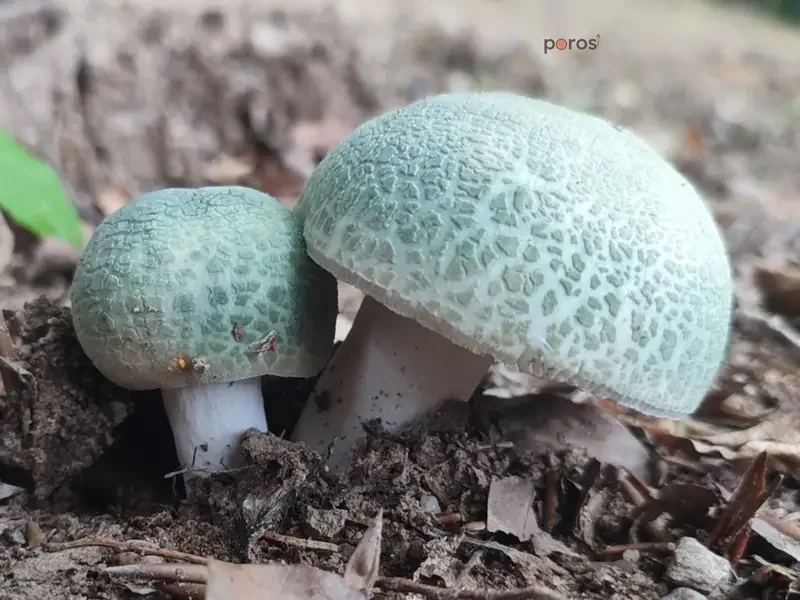 Green-cracking brittlegillRussula virescensEdible species
-
Saffron milk capLactarius deliciosusEdible species
-
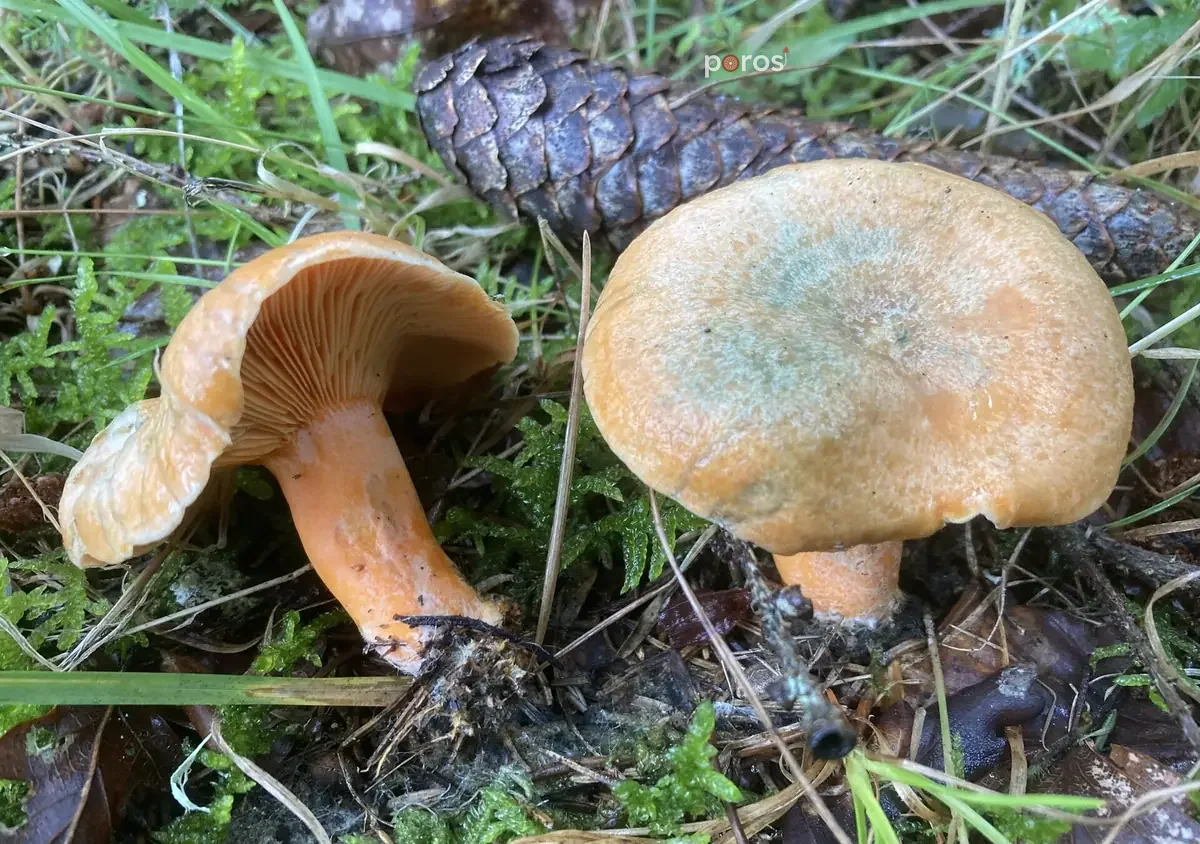 False saffron milkcapLactarius deterrimusInedible
-
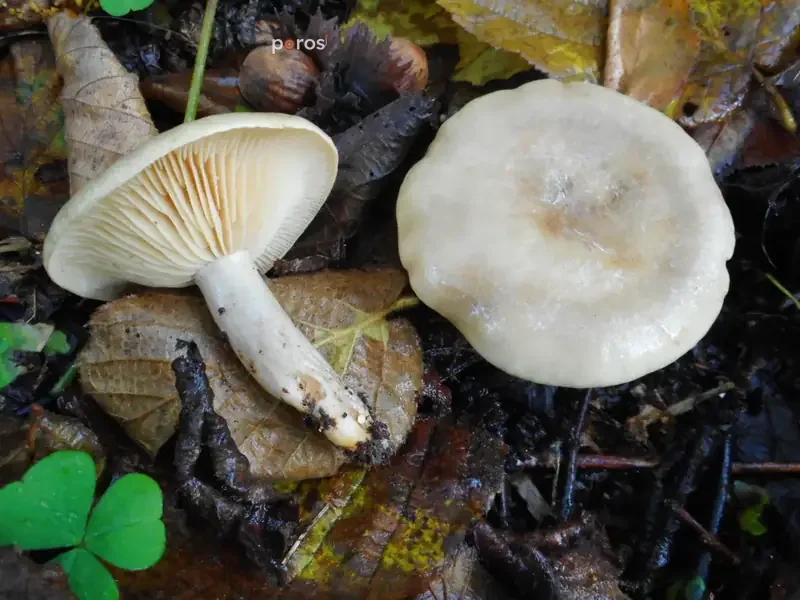 Fiery milkcapLactarius pyrogalusInedible
-
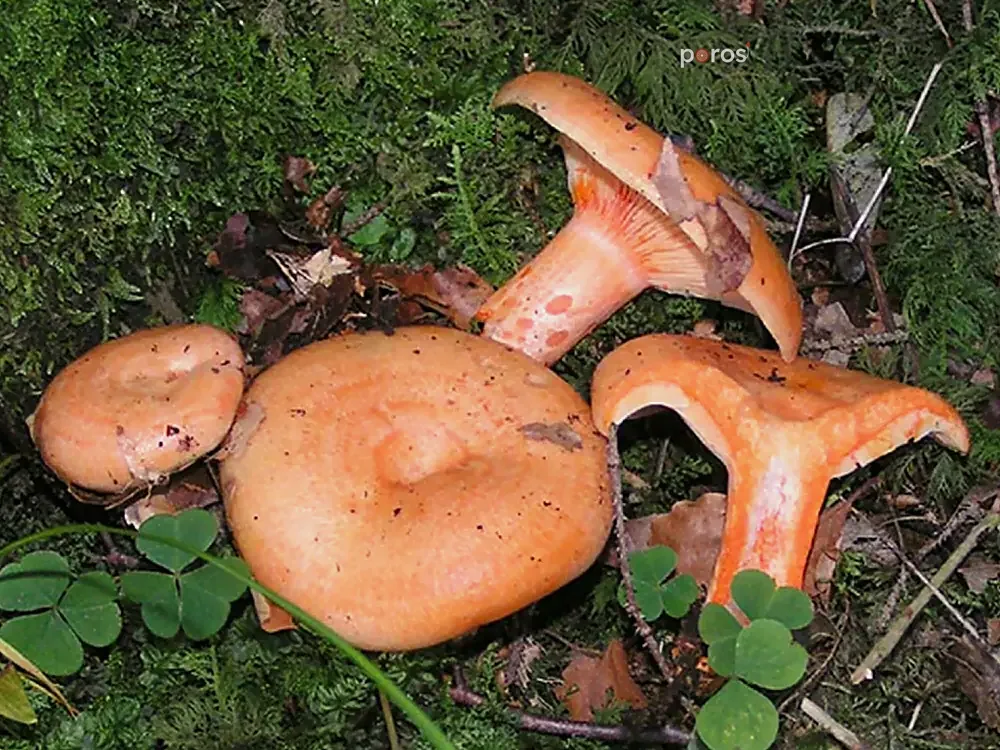 Salmon milkcapLactarius salmonicolorInedible
-
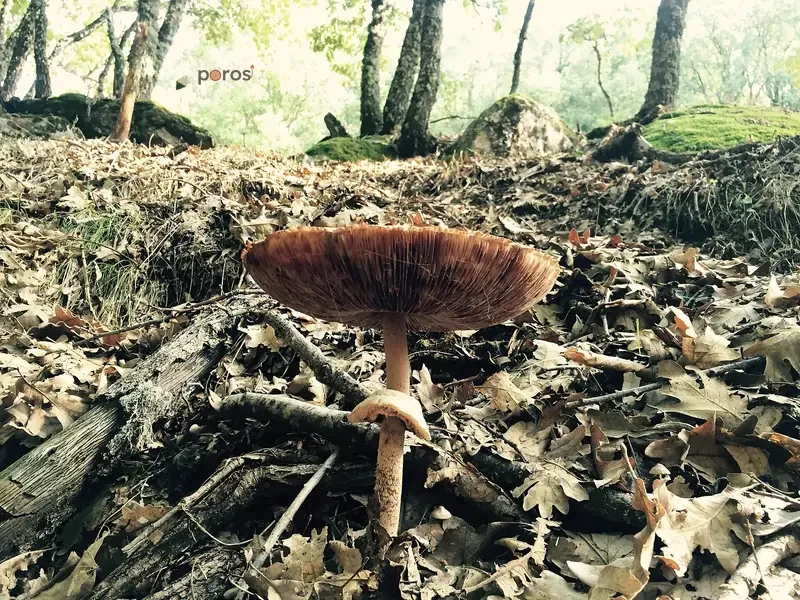 Anatolian matsutakeTricholoma anatolicumEdible species
-
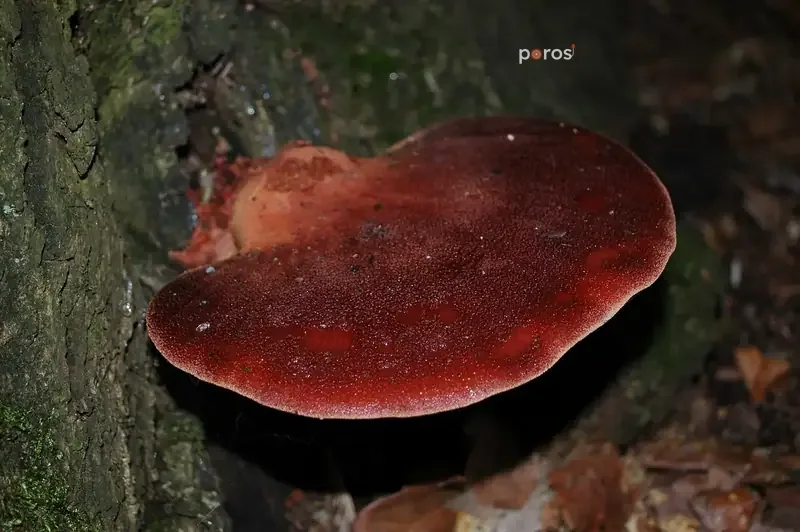 Beefsteak fungusFistulina hepaticaEdible species
Sources
- Van de Putte ve ark. (2016), Fungal Biology: Avrupa'da Lactifluus volemus pubmed.ncbi.nlm.nih.gov
- Karancı, A. ve Çetin, K. (2025). Batı Karadeniz Bölgesi'ndeki Yenilebilir Yabani Mantarların Etnomikolojik ve Gastronomik Değerlerinin İncelenmesi. Journal of Tourism and Gastronomy Studies 13(1): 485–514 jotags.net
- Erdoğan, Soylu ve Başer (2017), Nevşehir Bilim ve Teknoloji Dergisi: Bazı yabani mantarların antioksidan özellikleri dergipark.org.tr
All sources (12)
- Adanacıoğlu ve ark. (2014), ANADOLU (Ege Tarımsal Araştırma Enstitüsü): Türkiye makromantar genetik kaynakları I. Ege Bölgesi dergipark.org.tr
- Wikipedia (EN): Lactifluus volemus en.wikipedia.org
- GBIF: Türkiye kayıtları gbif.org
- iNaturalist: Türkiye gözlemleri inaturalist.org
- Vikipedi (TR): Tirmit mantarı tr.wikipedia.org
- MushroomExpert: Lactarius (Lactifluus) volemus mushroomexpert.com
- yemek.com: Geyik mantarı nedir? yemek.com
- Mantarlı Yaşam: Dana Burnu Mantarı (Volvopluteus gloiocephalus) mantarliyasam.com
- Mantarlı Yaşam: Fındık Mantarı (Lactarius pyrogalus) mantarliyasam.com
Photo credits (8)
- Lactifluus volemus · iNaturalist #9579714 · mycowalt · CC BY-SA 4.0
- File:Fishy Milkcap (Lactifluus volemus) - Kristiansand, Norway 2021-08-10 (02).jpg · Ryan Hodnett · CC BY-SA 4.0
- Lactifluus volemus · iNaturalist #19579806 · Jerry Cooper · CC BY 4.0
- File:Fishy Milkcap (Lactifluus volemus) - Kristiansand, Norway 2021-08-10 (01).jpg · Ryan Hodnett · CC BY-SA 4.0
- Lactifluus volemus · iNaturalist #15795984 · skitterbug · CC BY 4.0
- Lactifluus volemus · iNaturalist #57292102 · Bill Sheehan · CC BY-SA 4.0
- Lactifluus volemus · iNaturalist #15795984 · skitterbug · CC BY 4.0
- Lactifluus volemus · iNaturalist #56057053 · Annie Weissman · CC BY 4.0

