
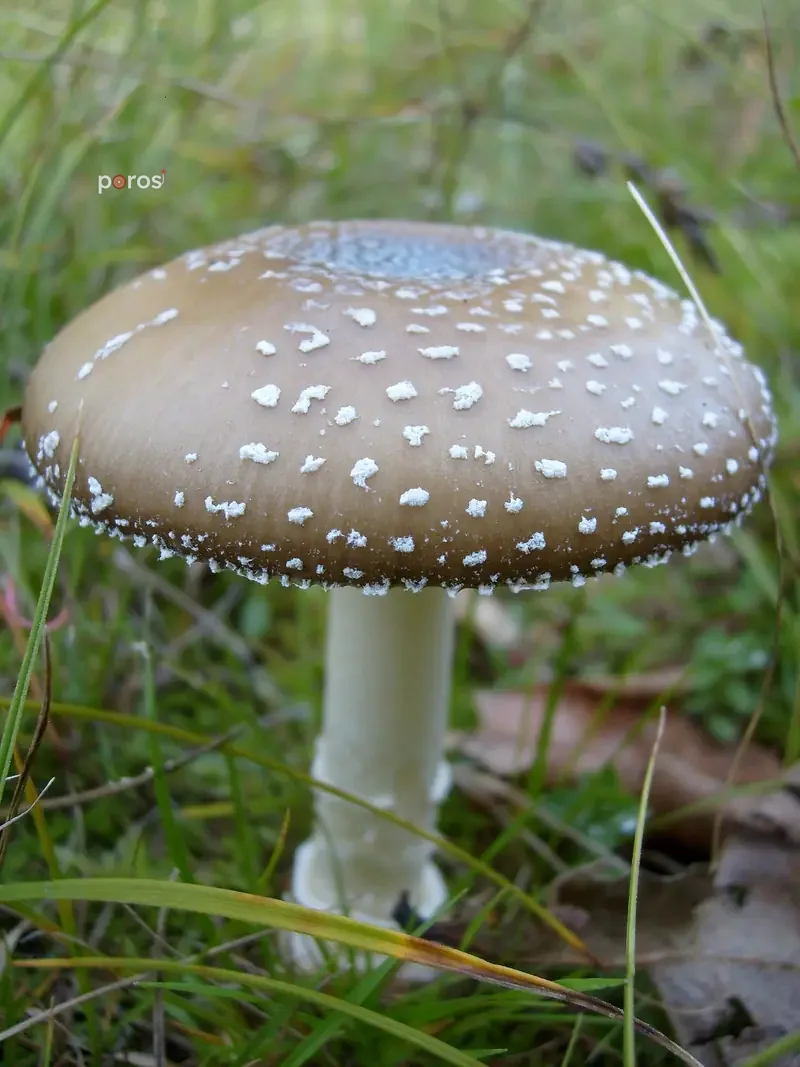
Panther cap
Amanita pantherina · Amanitaceae
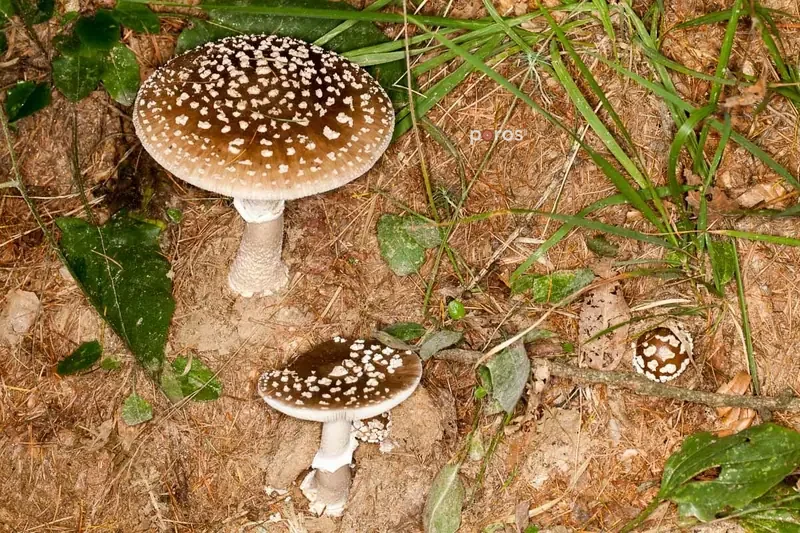
The panther cap is a poisonous Amanita with a brown cap scattered with white warts, white gills and a bulbous stem base with a distinct rim.
Last updated: Prepared by the Poros Mantar editorial team6 sources checkedReport a correction
POISONOUS — do not eat.
Symptoms of panther cap poisoning usually start between 30 minutes and 2 hours: dizziness, confusion, muscle twitching and vomiting, and in severe cases coma. No cooking method removes the toxins.
The panther cap is a poisonous Amanita with a brown cap scattered with white warts, white gills and a bulbous stem base with a distinct rim. It contains ibotenic acid and muscimol and is reported to cause more severe poisoning than the fly agaric.
Also called: false blusher, panther amanita Turkish: Panter mantarı, panter amanitası, benekli amanita
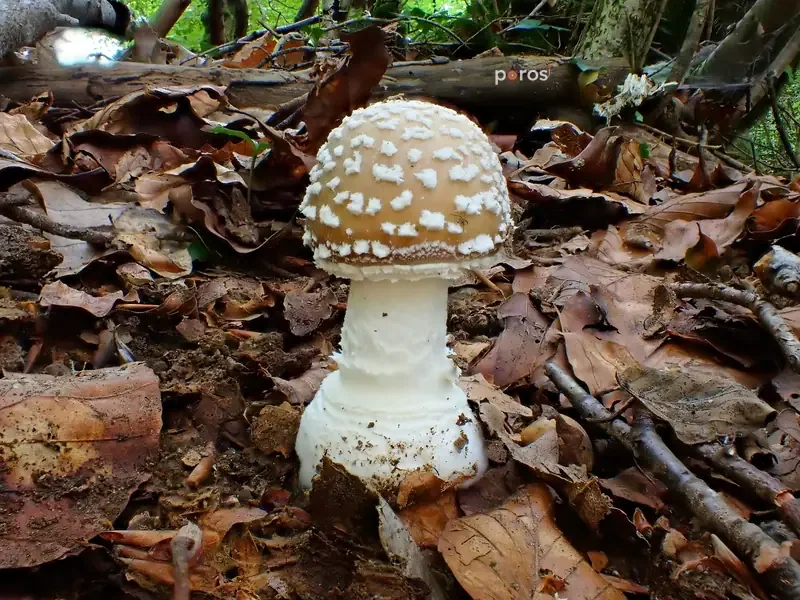
How to recognise it
Panther cap, part by part
Spore print: White Not distinctive; the flesh does not change colour when cut.


When and where
Jul–Dec
- Jan
- Feb
- Mar
- Apr
- May
- Jun
- Julin season
- Augin season
- Sepin season
- Octin season
- Novin season
- Decin season
The panther cap fruits in summer and autumn; Turkish GBIF records cluster in August and in October–November.
Type Poisonous
Months seen JulyAugustSeptemberOctoberNovemberDecember
Colour Brown
Regions Black Sea RegionMediterranean RegionMarmara RegionOsmaniyeGiresunSamsunBoluBursaIstanbulBalıkesirKırklareli
Where do panther caps grow?
The panther cap grows in broadleaf and conifer woods, especially under oak, beech and pine, forming a mycorrhizal partnership with the trees.
Where is panther caps found in Turkey?
In Turkey, panther cap records come mostly from the forests of İstanbul, with others from Kırklareli, Giresun, Kastamonu, Sinop, Balıkesir, Kocaeli and Osmaniye.
- İstanbul22
- Bolu4
- Kırklareli4
- Giresun3
- Osmaniye2
- Bursa2
- Samsun2
- Balıkesir2
- Sinop2
- Kastamonu2
- Yalova1
- Kocaeli1
Other provinces: Düzce (1), Sakarya (1)
Which months
- Jan1
- Feb0
- Mar0
- Apr0
- May0
- Jun0
- Jul1
- Aug1
- Sep3
- Oct22
- Nov15
- Dec6
panther cap map of Turkey: all provinces and months →
14 provinces, 49 observations (GBIF, iNaturalist); months from observation dates. Record density also reflects where observers work.
Latest panther cap observations
-
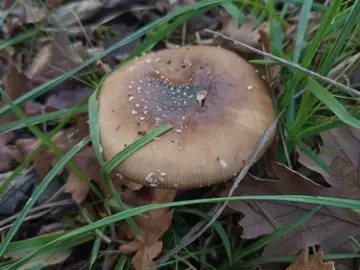 İstanbul6 Dec 2025 · iNaturalist© Umut Nuri Erdoğan · CC BY
-
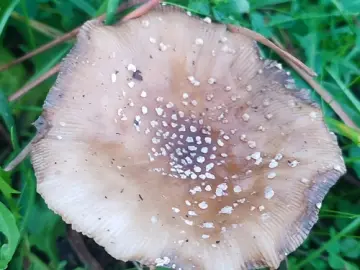 Giresun18 Nov 2025 · iNaturalist© no rights reserved · CC0
-
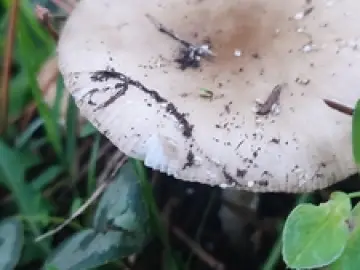 Giresun18 Nov 2025 · iNaturalist© no rights reserved · CC0
-
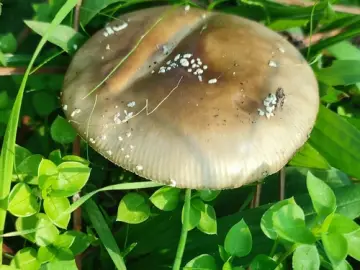 Giresun17 Nov 2025 · iNaturalist© no rights reserved · CC0
-
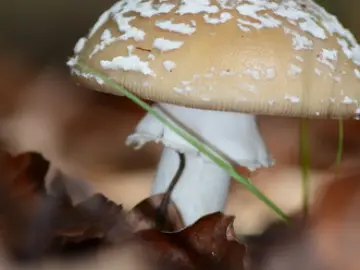 Samsun28 Sep 2025 · iNaturalist© Ömer Selim Kaya · CC BY-SA
-
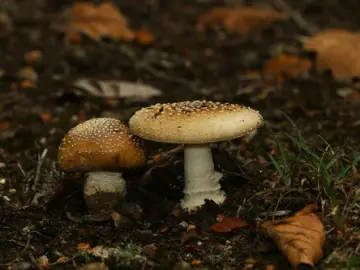 Kırklareli13 Oct 2024 · iNaturalist© Asrın Akıncıoğlu · CC BY
-
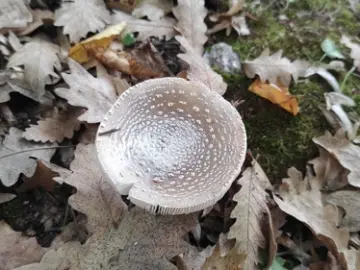 Kırklareli12 Oct 2024 · iNaturalist© Umut Nuri Erdoğan · CC BY
-
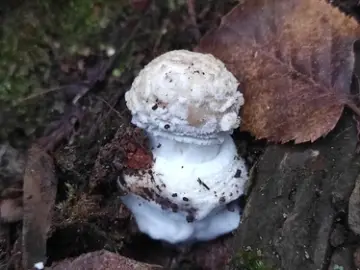 İstanbul7 Oct 2024 · iNaturalist© Umut Nuri Erdoğan · CC BY
- See on the map
Look-alikes
What is it mistaken for?
Panther cap can be mistaken for the species below. Each card shows the look-alike and how it differs from Panther cap.
 Inedible
not Panther cap
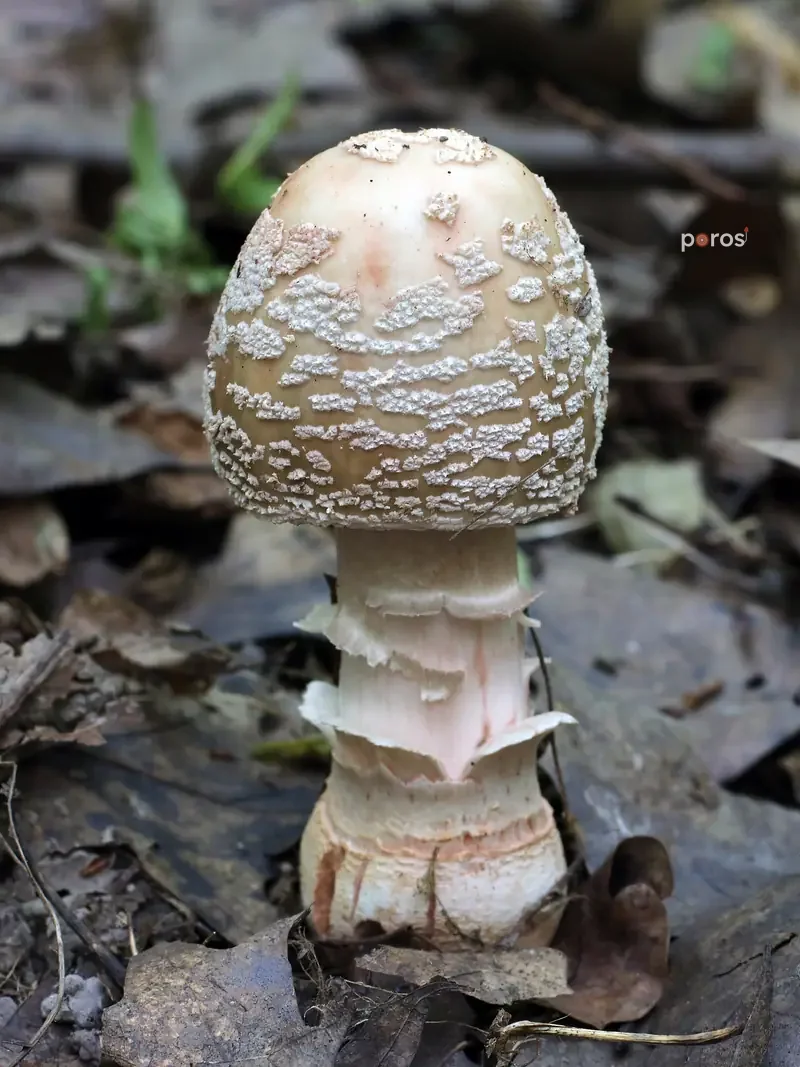
Blusher Amanita rubescens
Its flesh turns pink-red when cut or bruised, its warts are greyish-pink and its ring is striate. It is toxic raw, and because of the panther cap risk it is best left alone.
 Poisonous
not Panther cap
Fly agaric Amanita muscaria
Its cap is red-orange; a rain-faded fly agaric can resemble a panther cap. Both are poisonous.
 Inedible
not Panther cap
Grey spotted amanita Amanita excelsa
Grey-brown cap with grey, mealy warts and a striate ring; hard to separate from the panther cap and not eaten.
 Edible species
not Panther cap
Parasol mushroom Macrolepiota procera
Much larger with brown scales, a snakeskin-patterned stem, a thick movable ring and no volva.
 Inedible
not Panther cap
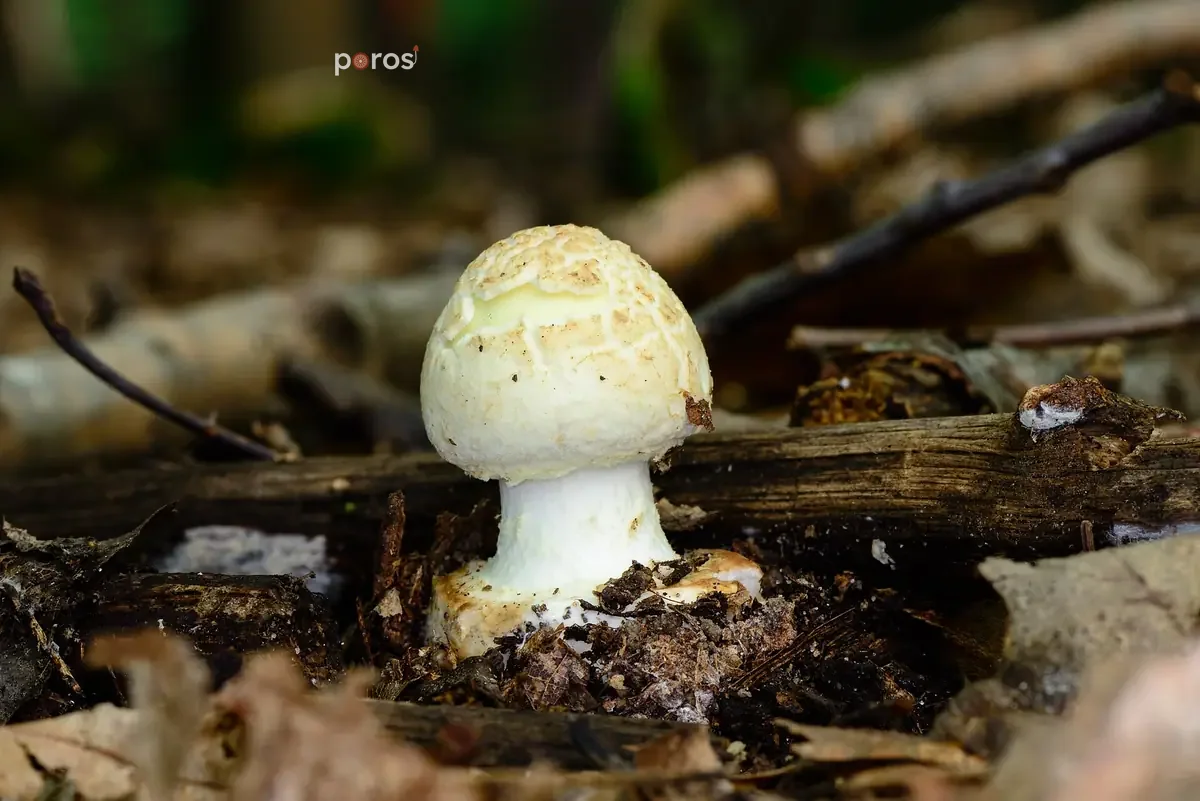
False death cap Amanita citrina
The false death cap has a pale lemon-yellow or white cap with cream patches, a rimmed rounded bulb and a raw-potato smell. The panther cap is brown with white warts.
Toxins
The panther cap's active compounds are ibotenic acid and muscimol, which act on the central nervous system; levels have been found to be higher than in the fly agaric. Source
Frequently asked questions
Is the panther cap poisonous?
Yes. The panther cap contains ibotenic acid and muscimol and is poisonous, causing dizziness, confusion, vomiting and in severe cases coma. Cooking does not destroy the toxins.
How do you identify a panther cap?
A brown cap with small pure-white warts, white gills, an unstriated ring and a rounded bulb at the stem base topped by a sharp rim. The flesh does not change colour when cut.
What is the panther cap confused with?
Mostly with the blusher (Amanita rubescens) and the grey spotted amanita (A. excelsa); a rain-faded fly agaric or a young parasol can also be confused. The blusher's flesh turns pink when cut.
Where does the panther cap grow in Turkey?
In oak, beech and pine woods. Most GBIF records come from İstanbul's forests, with others in Kırklareli, Giresun, Kastamonu, Sinop and Osmaniye.
When does the panther cap appear?
From summer to December; Turkish records cluster in August and October–November.
What should you do if someone eats a panther cap?
Call 112 or the Turkish poison centre on 114 straight away, do not leave the person alone and take any leftover mushroom to hospital. Do not try to induce vomiting yourself.
Are panther caps poisonous?
Yes, the panther cap is poisonous and must not be eaten. Symptoms of panther cap poisoning usually start between 30 minutes and 2 hours: dizziness, confusion, muscle twitching and vomiting, and in severe cases coma. No cooking method removes the toxins.
When is panther cap season in Turkey?
In our calendar, panther cap season runs Jul–Dec. The panther cap fruits in summer and autumn; Turkish GBIF records cluster in August and in October–November.
Where do panther caps grow?
The panther cap grows in broadleaf and conifer woods, especially under oak, beech and pine, forming a mycorrhizal partnership with the trees.
Where are panther caps found in Turkey?
In Turkey, panther cap records come mostly from the forests of İstanbul, with others from Kırklareli, Giresun, Kastamonu, Sinop, Balıkesir, Kocaeli and Osmaniye.
What can the panther cap be confused with?
The panther cap can be confused with blusher (Amanita rubescens, inedible), fly agaric (Amanita muscaria, poisonous), grey spotted amanita (Amanita excelsa, inedible), parasol (Macrolepiota procera, edible species) and false death cap (Amanita citrina, inedible). Look-alikes are compared on this page.
What is the panther cap called in Turkish?
In Turkish, the panther cap (Amanita pantherina) is called Panter mantarı; other local names include panter amanitası and benekli amanita.
Related species
-
Fly agaricAmanita muscariaPoisonous
-
BlusherAmanita rubescensInedible
-
 Caesar’s mushroomAmanita caesareaEdible species
-
 Death capAmanita phalloidesDeadly poisonous
-
 Destroying angelAmanita virosaDeadly poisonous
-
False death capAmanita citrinaInedible
-
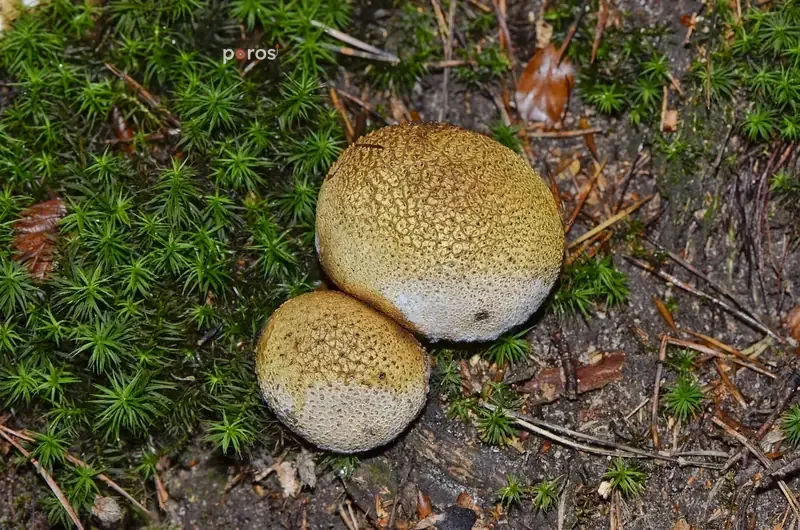 Common earthballScleroderma citrinumPoisonous
-
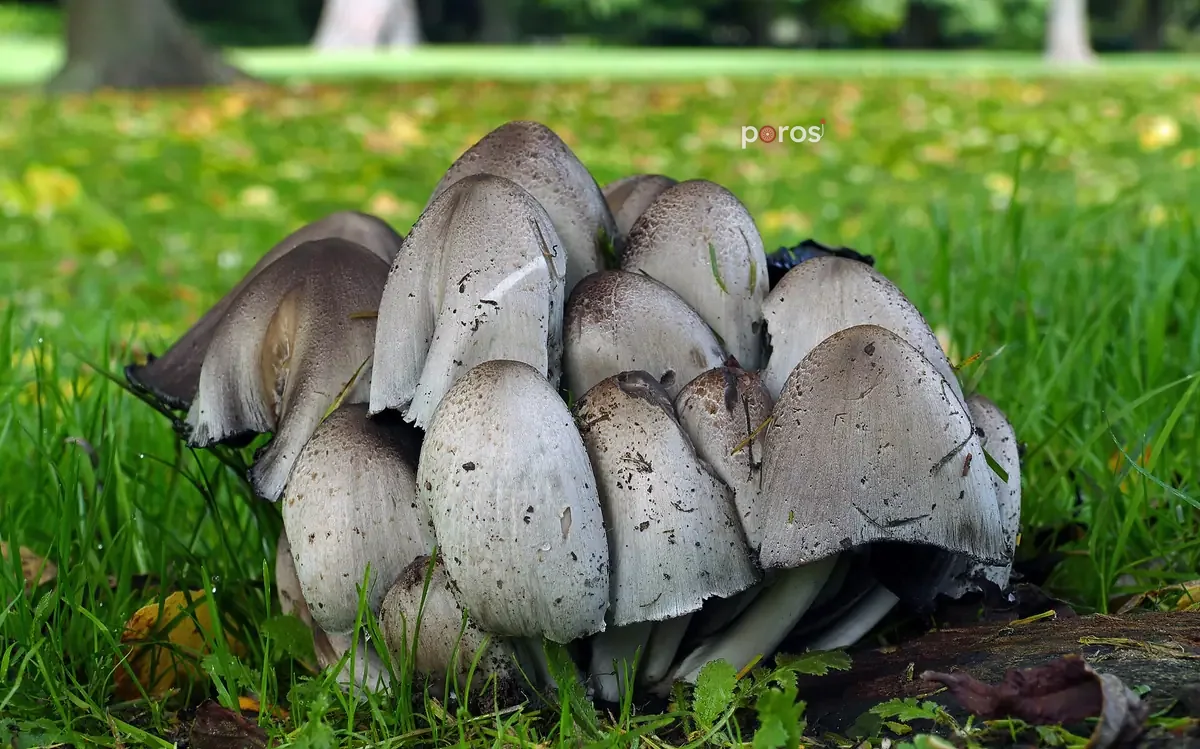 Common ink capCoprinopsis atramentariaPoisonous
Sources
- Satora ve ark. (2006), Toxicon: Amanita pantherina zehirlenmesi vaka ve derleme pubmed.ncbi.nlm.nih.gov
- Şahin ve ark. (2023), Recent Trends in Pharmacology: Assessment and management of poisonous mushrooms in Türkiye dergipark.org.tr
- Wikipedia (EN): Amanita pantherina en.wikipedia.org
All sources (6)
- First Nature: Amanita pantherina first-nature.com
- GBIF: Türkiye kayıtları gbif.org
- iNaturalist: Türkiye gözlemleri inaturalist.org
Photo credits (16)
- File:Amanita pantherina (1468298504).jpg · inyucho from Holland · CC BY 2.0
- Amanita pantherina · iNaturalist #317054798 · Tone Killick · CC BY 4.0
- File:Amanita pantherina (43451733400).jpg · Björn S... · CC BY-SA 2.0
- Amanita pantherina · iNaturalist #18349207 · Drepanostoma · CC BY 4.0
- Amanita pantherina · iNaturalist #99389943 · Donald Davesne · CC BY 4.0
- Amanita pantherina · iNaturalist #18349207 · Drepanostoma · CC BY 4.0
- Amanita pantherina · iNaturalist #99389943 · Donald Davesne · CC BY 4.0
- Amanita pantherina · iNaturalist #18349207 · Drepanostoma · CC BY 4.0
- iNaturalist: İstanbul, 6 Dec 2025 · Umut Nuri Erdoğan · CC BY
- iNaturalist: Giresun, 18 Nov 2025 · no rights reserved · CC0
- iNaturalist: Giresun, 18 Nov 2025 · no rights reserved · CC0
- iNaturalist: Giresun, 17 Nov 2025 · no rights reserved · CC0
- iNaturalist: Samsun, 28 Sep 2025 · Ömer Selim Kaya · CC BY-SA
- iNaturalist: Kırklareli, 13 Oct 2024 · Asrın Akıncıoğlu · CC BY
- iNaturalist: Kırklareli, 12 Oct 2024 · Umut Nuri Erdoğan · CC BY
- iNaturalist: İstanbul, 7 Oct 2024 · Umut Nuri Erdoğan · CC BY

