
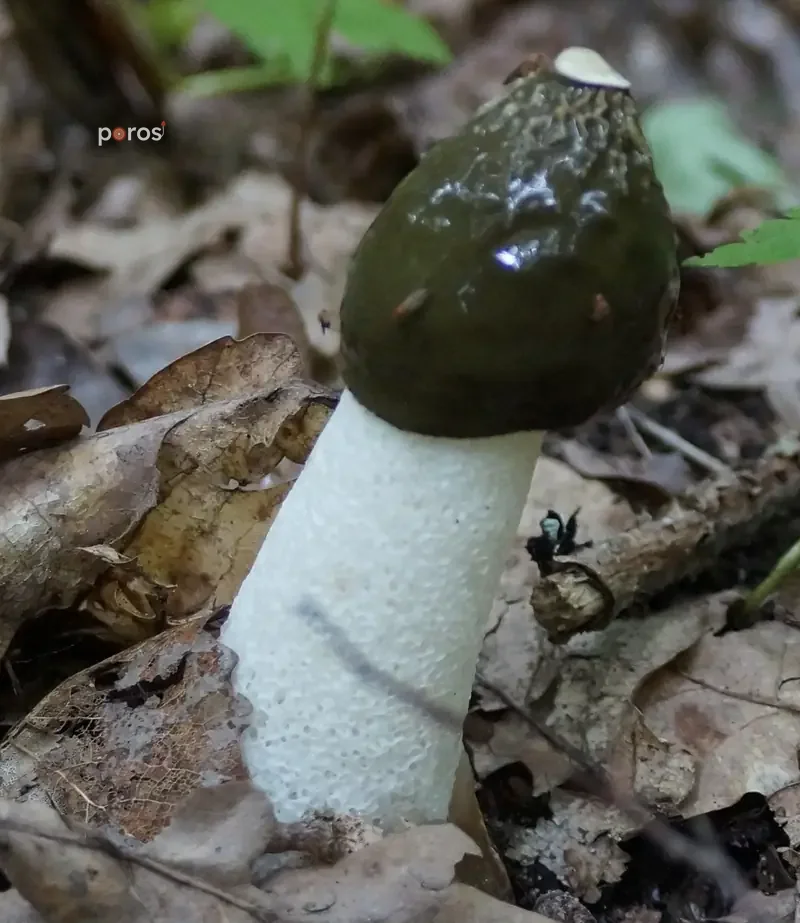


Common stinkhorn
Phallus impudicus · Phallaceae
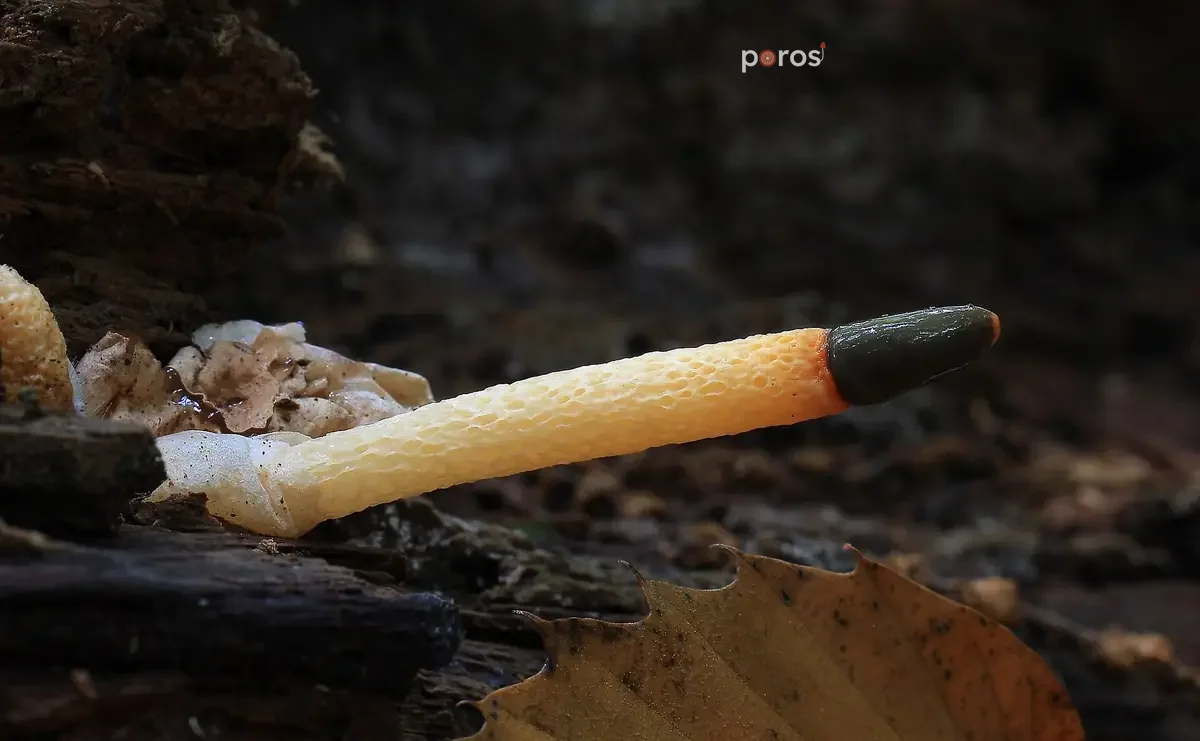
The common stinkhorn (Phallus impudicus) starts as a white egg in the soil and within hours grows a white, spongy stem 10–25 cm tall.
Last updated: Prepared by the Poros Mantar editorial team5 sources checkedReport a correction
The common stinkhorn (Phallus impudicus) starts as a white egg in the soil and within hours grows a white, spongy stem 10–25 cm tall. The head at the top is covered in an olive-green, slimy spore mass that smells of carrion; flies eat the slime and spread the spores. The egg stage is reportedly eaten in parts of Europe, but sources disagree, so we treat it as inedible.
Also called: stinkhorn, witch's egg Turkish: Pis kokulu boynuz mantarı, boynuz mantarı
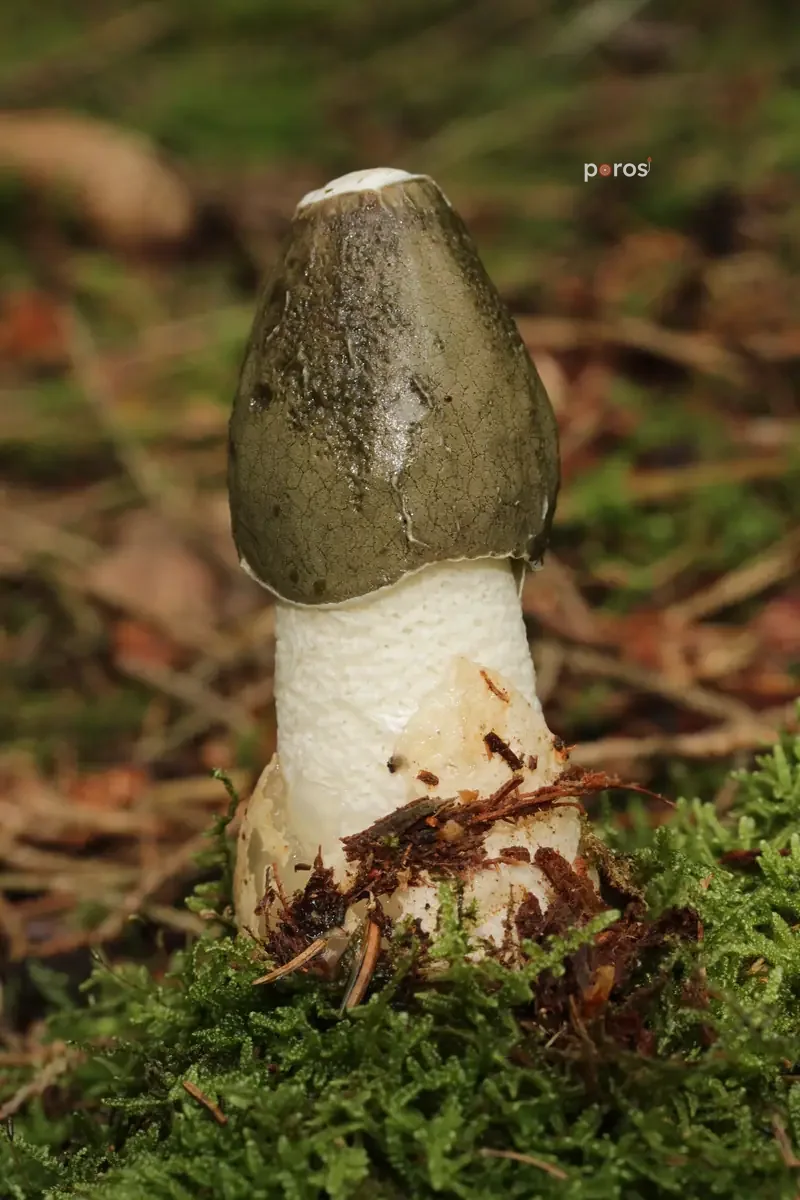
How to recognise it
Common stinkhorn, part by part
No ring Spore print: Olive-brown (in the slimy spore mass) When mature it smells very strongly of carrion, noticeable from a distance. The egg has little smell.


When and where
May–Nov
- Jan
- Feb
- Mar
- Apr
- Mayin season
- Junin season
- Julin season
- Augin season
- Sepin season
- Octin season
- Novin season
- Dec
The common stinkhorn appears from summer to late autumn; Turkish records peak in May and October–December.
Type Inedible
Months seen MayJuneJulyAugustSeptemberOctoberNovember
Regions Black Sea RegionMarmara RegionDüzceBoluIstanbulKırklareli
Where does common stinkhorn grow?
In broadleaf and conifer woods, parks and gardens, on soil with rotting wood and roots. It appears singly or scattered, and is often smelled before it is seen.
Where is common stinkhorn found in Turkey?
Our map data (GBIF and iNaturalist) holds 40 Turkish records: 34 from Istanbul and the rest from Düzce, Kırklareli and Bolu, concentrated in the forests of Marmara and the western Black Sea.
- İstanbul34
- Düzce4
- Kırklareli1
- Bolu1
Which months
- Jan7
- Feb0
- Mar0
- Apr2
- May13
- Jun1
- Jul1
- Aug0
- Sep1
- Oct4
- Nov4
- Dec7
common stinkhorn map of Turkey: all provinces and months →
4 provinces, 40 observations (GBIF, iNaturalist); months from observation dates. Record density also reflects where observers work.
Latest common stinkhorn observations
-
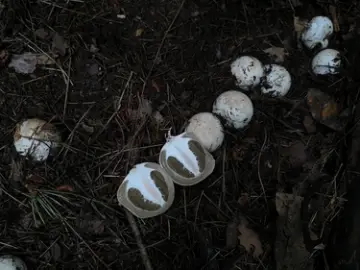 İstanbul23 May 2026 · iNaturalist© Umut Nuri Erdoğan · CC BY
-
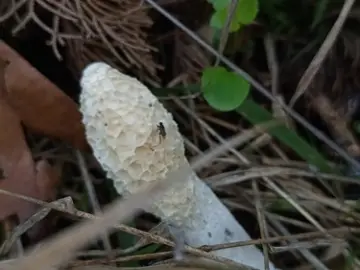 İstanbul6 Dec 2025 · iNaturalist© Umut Nuri Erdoğan · CC BY
-
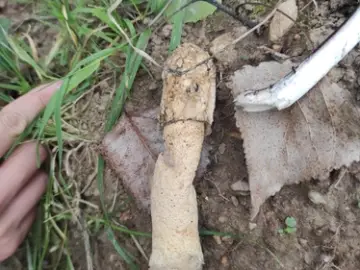 Kırklareli12 Oct 2024 · iNaturalist© Umut Nuri Erdoğan · CC BY
-
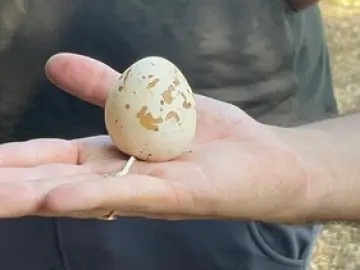 Düzce18 May 2024 · iNaturalist© Umut Nuri Erdoğan · CC BY
-
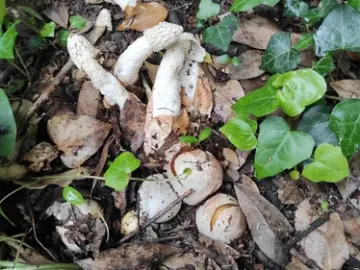 İstanbul11 May 2024 · iNaturalist© Umut Nuri Erdoğan · CC BY
-
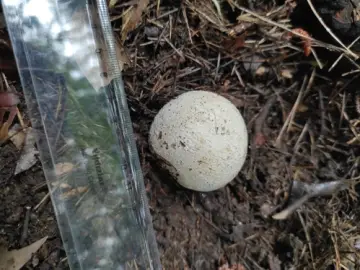 İstanbul1 May 2024 · iNaturalist© Umut Nuri Erdoğan · CC BY
-
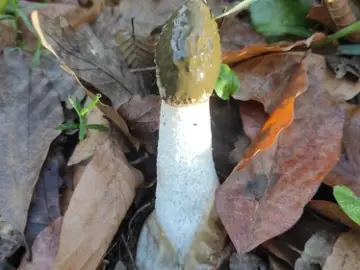 İstanbul4 Jan 2024 · iNaturalist© Umut Nuri Erdoğan · CC BY
-
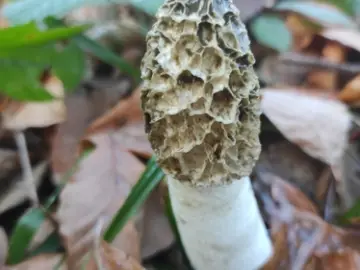 İstanbul4 Jan 2024 · iNaturalist© Umut Nuri Erdoğan · CC BY
- See on the map
Look-alikes
What could it be confused with?
Common stinkhorn can be mistaken for the species below. Each card shows the look-alike and how it differs from Common stinkhorn.
 Edible species
not Common stinkhorn
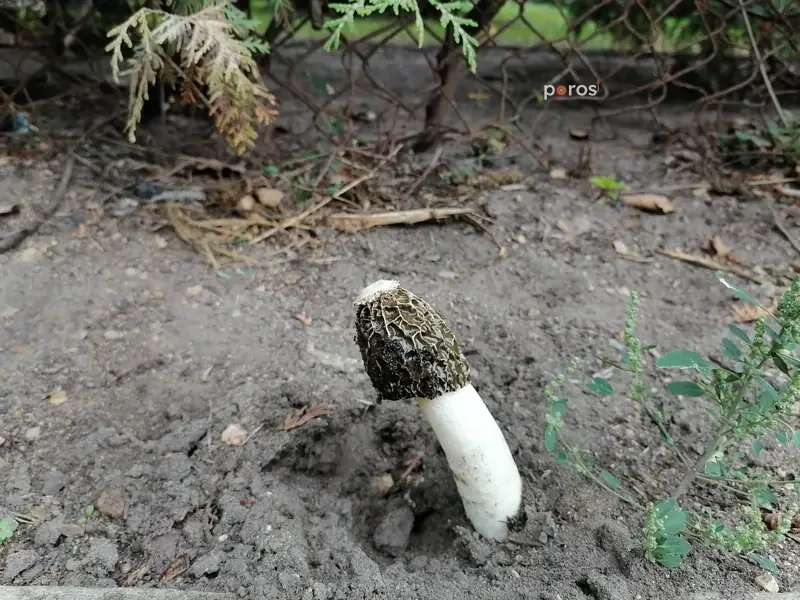
Morel Morchella esculenta
The morel's cap is also pitted like a honeycomb, but it is neither slimy nor smelly, appears in spring and its cap and stem form a single hollow chamber. The stinkhorn has a jelly-filled egg remnant at its base and smells of carrion.
 Edible species
not Common stinkhorn
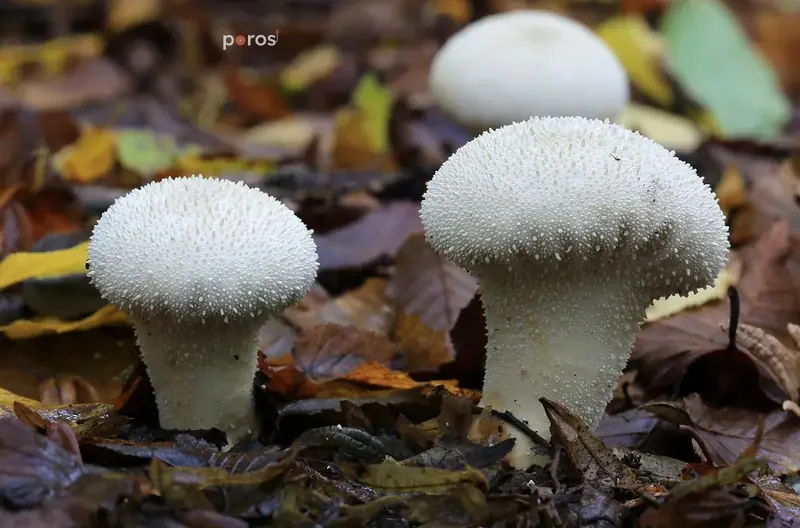
Common puffball Lycoperdon perlatum
At the egg stage the stinkhorn looks like a white ball. A puffball cut lengthwise is white and uniform all through; a stinkhorn egg shows a layer of jelly and the white stem in the centre.
 Deadly
not Common stinkhorn
Death cap Amanita phalloides
The death cap's egg is white too. Cut lengthwise, it shows the outline of cap, gills and stem and has no jelly. Never eat any egg-shaped fungus without cutting it open.
 Inedible
not Common stinkhorn
Dog stinkhorn Mutinus caninus
It is smaller and slimmer (up to 10 cm), with an orange-red tip and no separate head.
What it contains
Since it is not eaten, no nutrition data is given.
General information, not a health claim.
The common stinkhorn is not edible. Its egg is eaten in some places, but sources disagree; the main danger is confusing it with a death cap egg. Never eat any egg-shaped fungus without cutting it lengthwise and looking inside. If poisoning is suspected, call poison control.
Frequently asked questions
Is the common stinkhorn edible?
We treat it as inedible. The egg is reportedly eaten in parts of Europe, but sources disagree and the egg can be confused with a death cap egg.
Is it poisonous?
No deadly toxin is known. The danger is confusing its egg with a death cap egg.
How is it told apart from a morel?
Both have honeycomb-pitted heads. The stinkhorn is slimy, smells of carrion and has a jelly-filled egg remnant at the base; the morel is dry, odourless and appears in spring.
Why does it smell so bad?
The slimy spore mass on the head smells of carrion to attract flies, which eat it and spread the spores.
How fast does it grow?
Once the egg splits, the stem stretches to 10–25 cm within a few hours, and the mature fungus collapses within a day or two.
Where is it found in Turkey?
Most records are from wooded parts of Istanbul, with others from Düzce, Kırklareli and Bolu.
It came up in my garden. Is it harmful?
It does no harm to plants; it breaks down rotting wood and roots. If the smell bothers you, remove it with gloves; keep children and pets from eating it.
What is a stinkhorn egg?
The young stage of the stinkhorn: a soft white ball, often half buried, with a jelly layer inside around the folded stalk. Cut in half, it differs from a puffball (solid white) and from a young Amanita (outline of cap and gills).
How do you get rid of stinkhorns in the garden?
We lift the eggs and fruit bodies with a trowel and put them in the bin. They live on buried wood and mulch, so removing old wood chips reduces them; they do not harm healthy plants and disappear on their own in a day or two.
Why is the stinkhorn called a stinky mushroom?
Its tip is covered in a slimy olive-brown spore mass that smells of rotting meat. The smell draws flies, which carry the spores away. Stinky mushroom and stink mushroom are informal names for it.
Why does the stinkhorn have a phallic shape?
Its scientific name, Phallus impudicus, refers to that shape: a white, hollow stem with a capped tip rising out of an egg. The shape lifts the spore mass up to where flies can reach it, and other species in the genus Phallus share it.
What other stinkhorns are there?
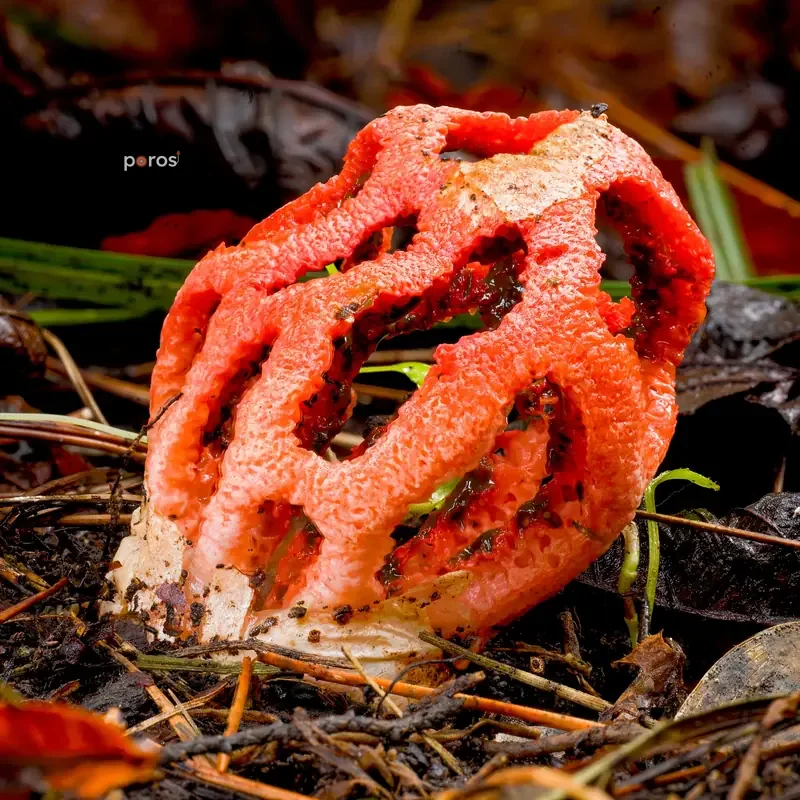
Besides the common stinkhorn, there are the dog stinkhorn (Mutinus caninus), with a thin orange-red tip, the red cage fungus (Clathrus ruber), the devil's fingers or octopus stinkhorn (Clathrus archeri) and the netted stinkhorn (Phallus indusiatus) of the tropics. All share the foul-smelling spore slime.
What is Ravenel's stinkhorn?
Ravenel's stinkhorn (Phallus ravenelii) is a North American relative of the common stinkhorn with a smoother, granular cap. In Turkey we see the common stinkhorn (Phallus impudicus), which has a netted cap and a strong smell.
What is the anemone stinkhorn?
The anemone stinkhorn (Aseroe rubra) has red, star-like arms on a white stem and comes from Australia and the Pacific; it has spread with garden mulch to some other regions. Like other stinkhorns, it smells of rotting meat and is not eaten.
When is common stinkhorn season in Turkey?
In our calendar, common stinkhorn season runs May–Nov. The common stinkhorn appears from summer to late autumn; Turkish records peak in May and October–December.
Where does common stinkhorn grow?
In broadleaf and conifer woods, parks and gardens, on soil with rotting wood and roots. It appears singly or scattered, and is often smelled before it is seen.
Where is common stinkhorn found in Turkey?
Our map data (GBIF and iNaturalist) holds 40 Turkish records: 34 from Istanbul and the rest from Düzce, Kırklareli and Bolu, concentrated in the forests of Marmara and the western Black Sea.
What can common stinkhorn be confused with?
Common stinkhorn can be confused with morel (Morchella esculenta, edible species), common puffball (Lycoperdon perlatum, edible species), death cap (Amanita phalloides, deadly) and dog stinkhorn (Mutinus caninus, inedible). Look-alikes are compared on this page.
What is common stinkhorn called in Turkish?
In Turkish, common stinkhorn (Phallus impudicus) is called Pis kokulu boynuz mantarı; other local names include boynuz mantarı.
Related species
-
Dog stinkhornMutinus caninusInedible
-
 Red cage fungusClathrus ruberInedible
-
 Amethyst deceiverLaccaria amethystinaInedible
-
 Artist’s bracketGanoderma applanatumInedible
-
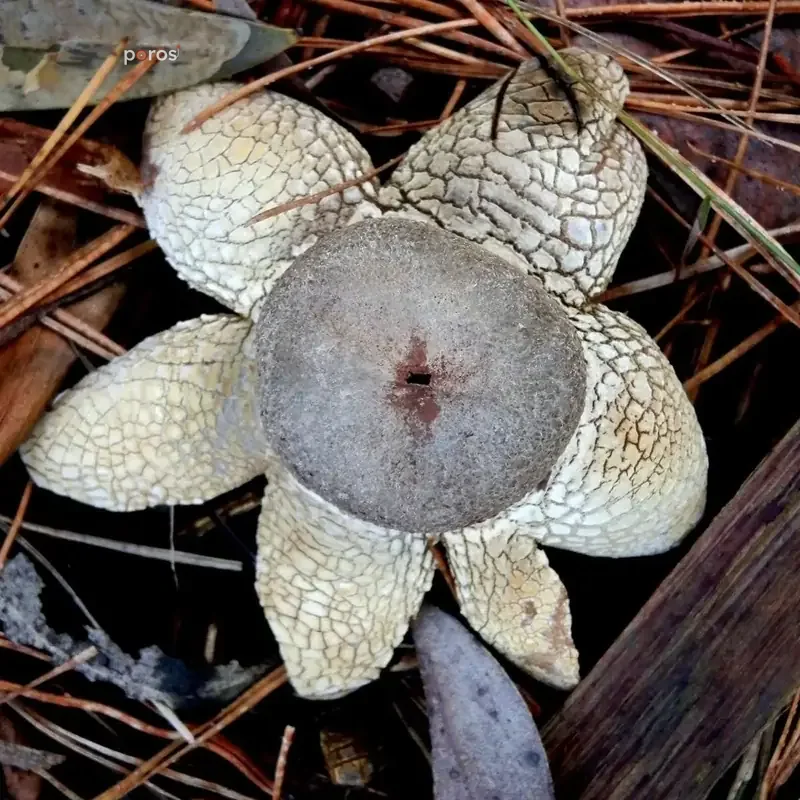 Barometer earthstarAstraeus hygrometricusInedible
-
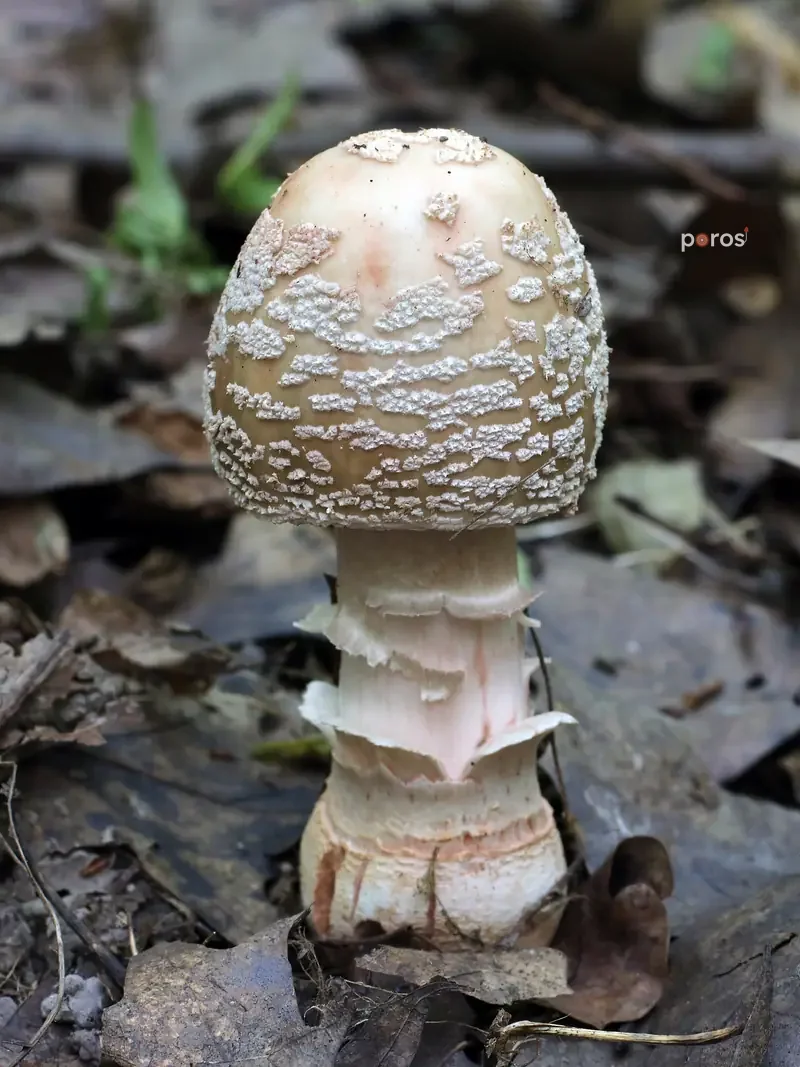 BlusherAmanita rubescensInedible
-
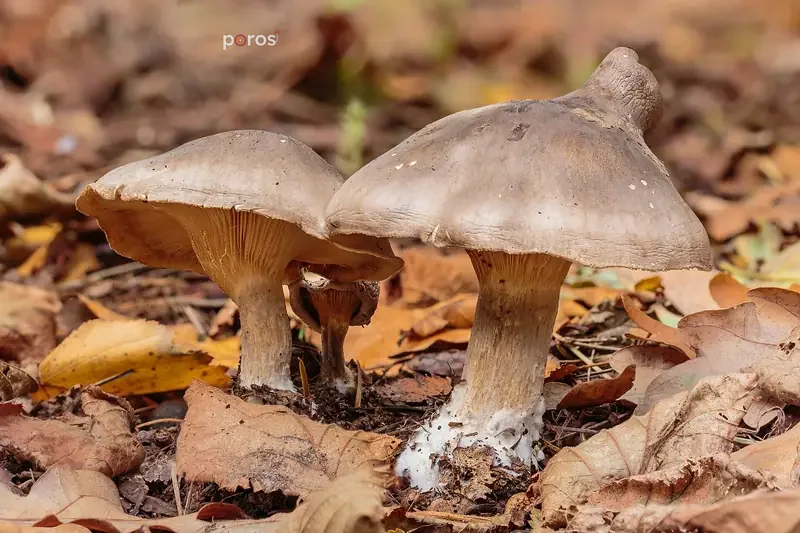 Clouded funnelClitocybe nebularisInedible
-
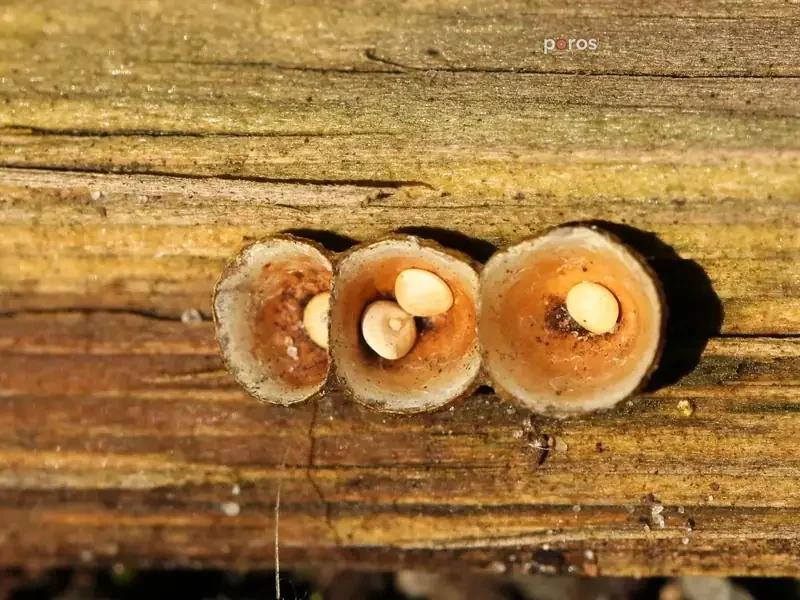 Common bird’s nest fungusCrucibulum laeveInedible
Sources
- Liu ve ark. (2024), Food Chemistry: Phallus impudicus gelişiminde uçucu bileşikler pubmed.ncbi.nlm.nih.gov
- Wikipedia (EN): Phallus impudicus en.wikipedia.org
- First Nature: Phallus impudicus first-nature.com
All sources (5)
- iNaturalist: Phallus impudicus (Türkçe ad ve Türkiye gözlemleri) inaturalist.org
- GBIF: Türkiye kayıtları gbif.org
Photo credits (16)
- Phallus impudicus · iNaturalist #102190919 · przese · CC BY 4.0
- Phallus impudicus · iNaturalist #97997837 · Björn Sothmann · CC BY-SA 4.0
- Phallus impudicus · iNaturalist #380180248 · Анна Митрошенкова · CC BY 4.0
- Phallus impudicus · iNaturalist #175494341 · johnbodleyscott · CC0
- File:Phallus impudicus 101387691.jpg · wearethechampignons · CC BY 4.0
- Phallus impudicus · iNaturalist #400750628 · Gleb Barmashenko · CC BY 4.0
- File:Phallus impudicus by Danny S. - 001.jpg · Danny Steven S. · CC BY-SA 3.0
- Phallus impudicus · iNaturalist #298403571 · Igor Balashov · CC BY 4.0
- iNaturalist: İstanbul, 23 May 2026 · Umut Nuri Erdoğan · CC BY
- iNaturalist: İstanbul, 6 Dec 2025 · Umut Nuri Erdoğan · CC BY
- iNaturalist: Kırklareli, 12 Oct 2024 · Umut Nuri Erdoğan · CC BY
- iNaturalist: Düzce, 18 May 2024 · Umut Nuri Erdoğan · CC BY
- iNaturalist: İstanbul, 11 May 2024 · Umut Nuri Erdoğan · CC BY
- iNaturalist: İstanbul, 1 May 2024 · Umut Nuri Erdoğan · CC BY
- iNaturalist: İstanbul, 4 Jan 2024 · Umut Nuri Erdoğan · CC BY
- iNaturalist: İstanbul, 4 Jan 2024 · Umut Nuri Erdoğan · CC BY

