


Magpie inkcap
Coprinopsis picacea · Psathyrellaceae
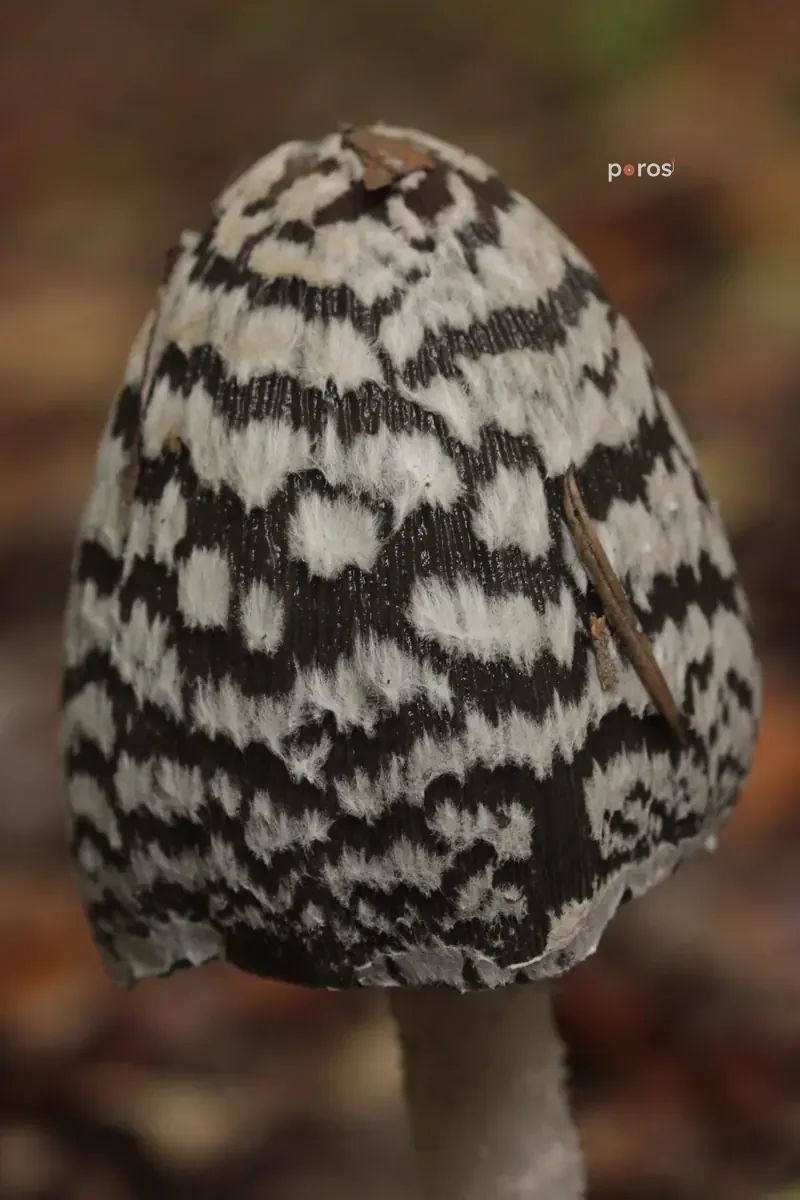
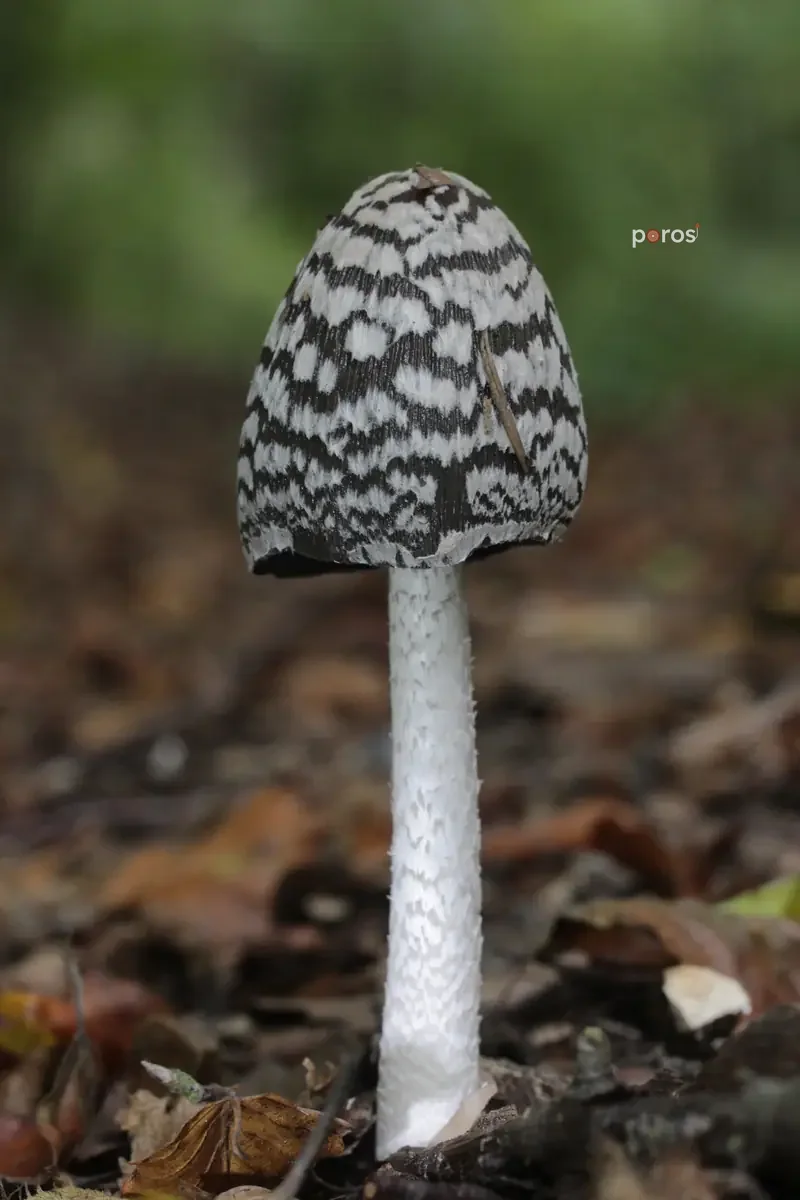
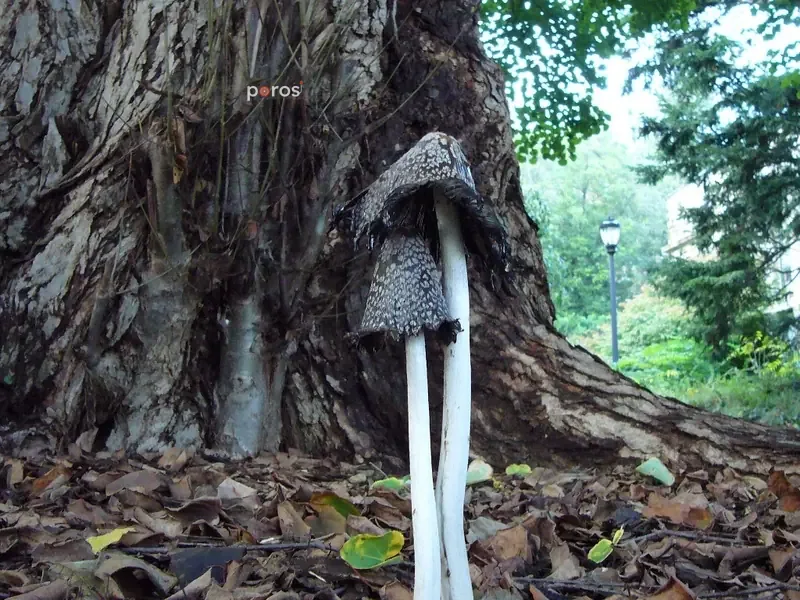
The magpie inkcap (Coprinopsis picacea) is a tall, white-stemmed inkcap whose dark brown to black cap is covered with white patches, like a magpie's plumage.
Last updated: Prepared by the Poros Mantar editorial team4 sources checkedReport a correction
The magpie inkcap (Coprinopsis picacea) is a tall, white-stemmed inkcap whose dark brown to black cap is covered with white patches, like a magpie's plumage. As it matures its gills dissolve into black ink. It is reported to be poisonous, though sources disagree; it is treated as not edible.
Also called: magpie fungus Turkish: Saksağan mantarı, saksağan mürekkep mantarı Synonyms: Coprinus picaceus
How to recognise it
Magpie inkcap, part by part
No ring or volva Spore print: Black Faintly unpleasant, sometimes described as tarry or like mothballs.

When and where
Oct–Jan
- Janin season
- Feb
- Mar
- Apr
- May
- Jun
- Jul
- Aug
- Sep
- Octin season
- Novin season
- Decin season
The magpie inkcap is an autumn species; most Turkish records are from October and November, with some in December and January.
Type Inedible
Months seen OctoberNovemberDecemberJanuary
Regions Black Sea RegionMediterranean RegionAegean RegionMarmara RegionDüzceManisaSamsunKastamonuBoluIstanbulKırklareli
Where do magpie inkcaps grow?
In deciduous woods on calcareous soil, most often under beech, in leaf litter; singly or a few together.
Where is magpie inkcaps found in Turkey?
Our map data (GBIF and iNaturalist) holds 50 Turkish records, mostly from Kırklareli (the Strandzha forests) and Istanbul, plus Samsun, Bolu, Düzce, Kastamonu, Bilecik, Manisa, Kocaeli, Muğla, Çanakkale and Tekirdağ.
- Kırklareli13
- İstanbul12
- Samsun4
- Bolu3
- Düzce3
- Kastamonu2
- Bilecik2
- Manisa2
- Kocaeli2
- Muğla1
- Çanakkale1
- Tekirdağ1
Other provinces: Aydın (1), Balıkesir (1), Bursa (1), Osmaniye (1)
Which months
- Jan4
- Feb1
- Mar0
- Apr1
- May0
- Jun0
- Jul0
- Aug0
- Sep0
- Oct25
- Nov16
- Dec3
magpie inkcap map of Turkey: all provinces and months →
16 provinces, 50 observations (GBIF, iNaturalist); months from observation dates. Record density also reflects where observers work.
Latest magpie inkcap observations
-
 Kırklareli1 Nov 2026 · iNaturalist© Asrın Akıncıoğlu · CC BY
-
 Kırklareli8 Nov 2025 · iNaturalist© Asrın Akıncıoğlu · CC BY
-
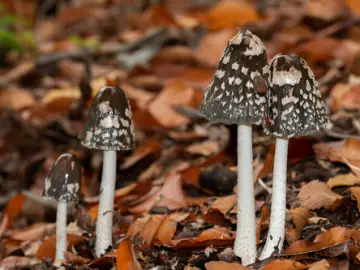 Kırklareli19 Oct 2025 · iNaturalist© Asrın Akıncıoğlu · CC BY
-
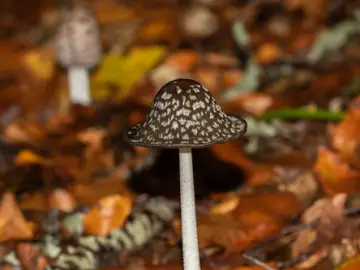 Kırklareli18 Oct 2025 · iNaturalist© Asrın Akıncıoğlu · CC BY
-
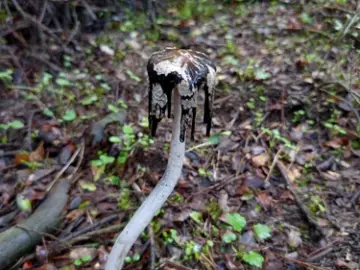 Manisa18 Jan 2025 · iNaturalist© Umut Nuri Erdoğan · CC BY
-
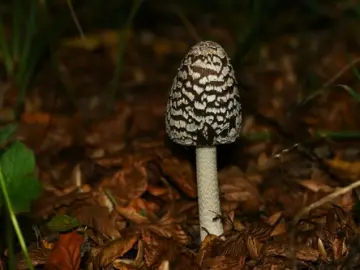 Kırklareli5 Oct 2024 · iNaturalist© Asrın Akıncıoğlu · CC BY
-
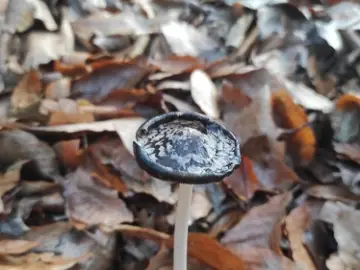 İstanbul4 Jan 2024 · iNaturalist© Umut Nuri Erdoğan · CC BY
-
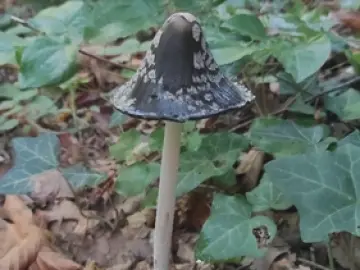 İstanbul30 Oct 2022 · iNaturalist© Umut Nuri Erdoğan · CC BY
- See on the map
Look-alikes
What could it be confused with?
Magpie inkcap can be mistaken for the species below. Each card shows the look-alike and how it differs from Magpie inkcap.
 Edible species
not Magpie inkcap
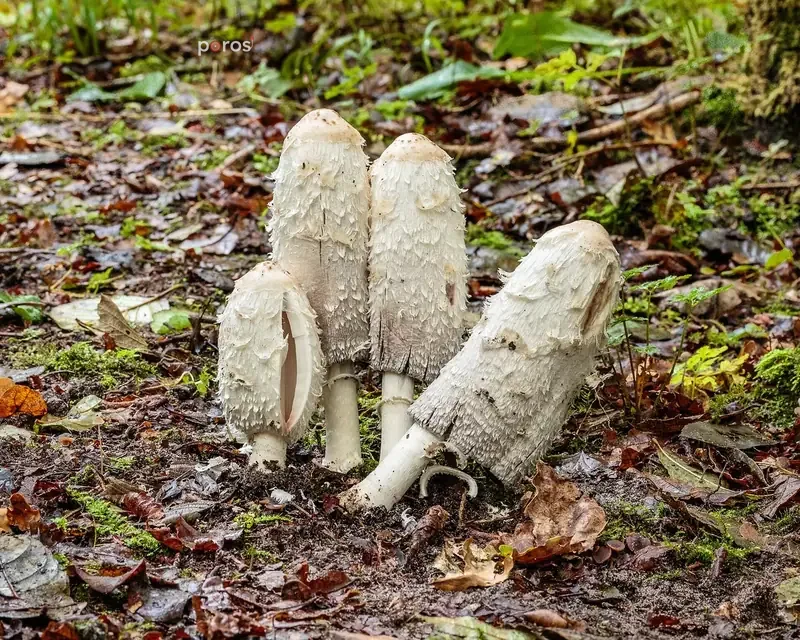
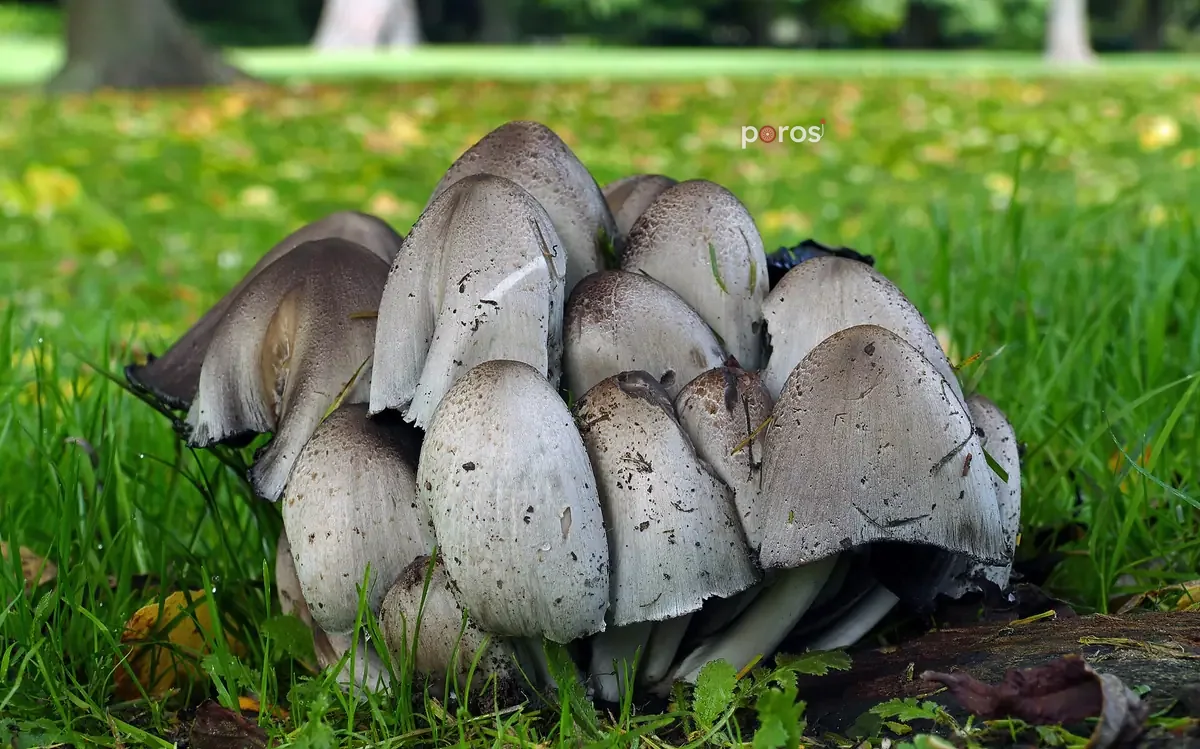
Shaggy ink cap Coprinus comatus
The shaggy ink cap has a tall, cylindrical, white cap with shaggy scales, no black-and-white patchwork, a small ring on the stem, and grows in open places such as lawns and roadsides.
 Poisonous
not Magpie inkcap
Common ink cap Coprinopsis atramentaria
It has a plain grey-brown cap and grows in clusters, usually on buried wood. Eaten with alcohol it causes a severe reaction.
What it contains
It has no culinary value; the main point of knowing it is not to confuse it with the edible shaggy ink cap.
General information, not a health claim.
The magpie inkcap is reported to be poisonous and to cause stomach upsets, while some sources call its edibility uncertain. Do not pick or eat it. If poisoning is suspected, call poison control and keep any leftover mushroom.
Frequently asked questions
Is the magpie inkcap edible?
No. It is reported to be poisonous and to cause stomach upsets; as sources disagree, we treat it as not edible.
Why is it called the magpie inkcap?
The white patches on its dark cap recall a magpie's black-and-white plumage; its Latin name also comes from pica, magpie.
Is it an inkcap?
Yes, it belongs to the inkcaps: when mature its gills dissolve into a black liquid. But it is not the same species as the edible shaggy ink cap (Coprinus comatus).
How do you identify it?
A tall white stem, a dark bell-shaped cap with white patches; gills turn black and dissolve, spore print black.
When and where does it appear?
In autumn, in beech and oak woods on calcareous soil, in leaf litter. Turkish records peak in October and November.
Where is it found in Turkey?
Our map data has 50 records, mostly from Kırklareli and Istanbul, plus Samsun, Bolu, Düzce, Kastamonu and other provinces.
Does it react with alcohol?
The species known to react with alcohol is its relative Coprinopsis atramentaria. No such effect is established for the magpie inkcap, which should not be eaten anyway.
Can it be cultivated?
No, it is a wild species and, not being edible, it is not grown.
Which mushroom is black and white?
The magpie inkcap is the best-known black-and-white mushroom: its dark cap is broken into white patches like a magpie's plumage, and its gills turn black and inky. We do not eat it.
When is magpie inkcap season in Turkey?
In our calendar, magpie inkcap season runs Oct–Jan. The magpie inkcap is an autumn species; most Turkish records are from October and November, with some in December and January.
Where do magpie inkcaps grow?
In deciduous woods on calcareous soil, most often under beech, in leaf litter; singly or a few together.
Where are magpie inkcaps found in Turkey?
Our map data (GBIF and iNaturalist) holds 50 Turkish records, mostly from Kırklareli (the Strandzha forests) and Istanbul, plus Samsun, Bolu, Düzce, Kastamonu, Bilecik, Manisa, Kocaeli, Muğla, Çanakkale and Tekirdağ.
What can the magpie inkcap be confused with?
The magpie inkcap can be confused with shaggy ink cap (Coprinus comatus, edible species) and common inkcap (Coprinopsis atramentaria, poisonous). Look-alikes are compared on this page.
What is the magpie inkcap called in Turkish?
In Turkish, the magpie inkcap (Coprinopsis picacea) is called Saksağan mantarı; other local names include saksağan mürekkep mantarı.
Related species
-
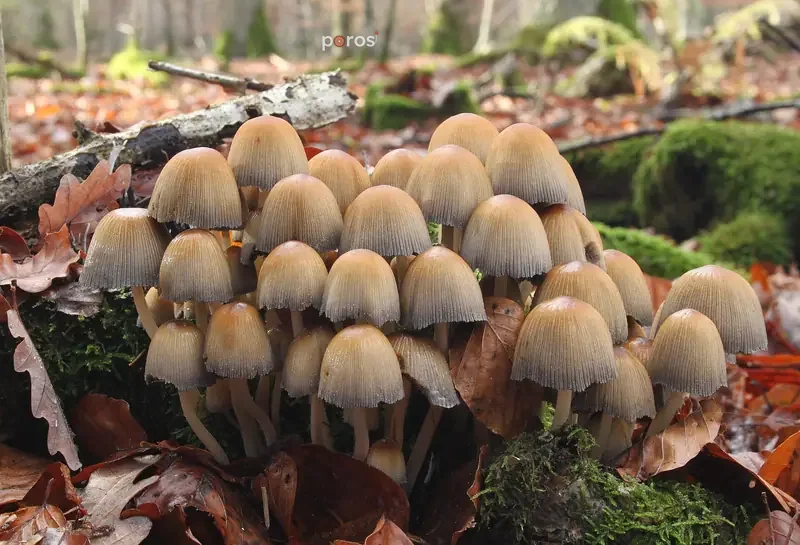 Glistening inkcapCoprinellus micaceusInedible
-
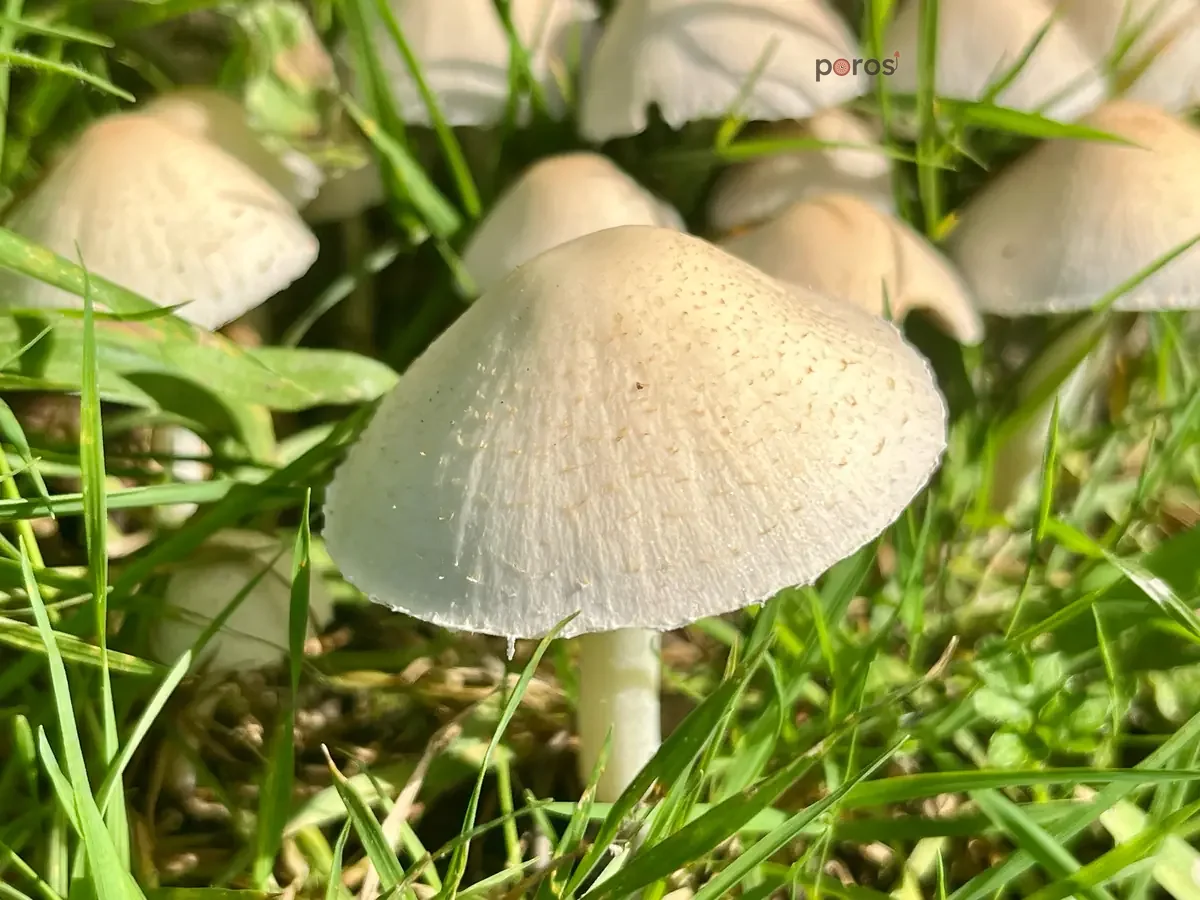 Pale brittlestemCandolleomyces candolleanusInedible
-
Common ink capCoprinopsis atramentariaPoisonous
-
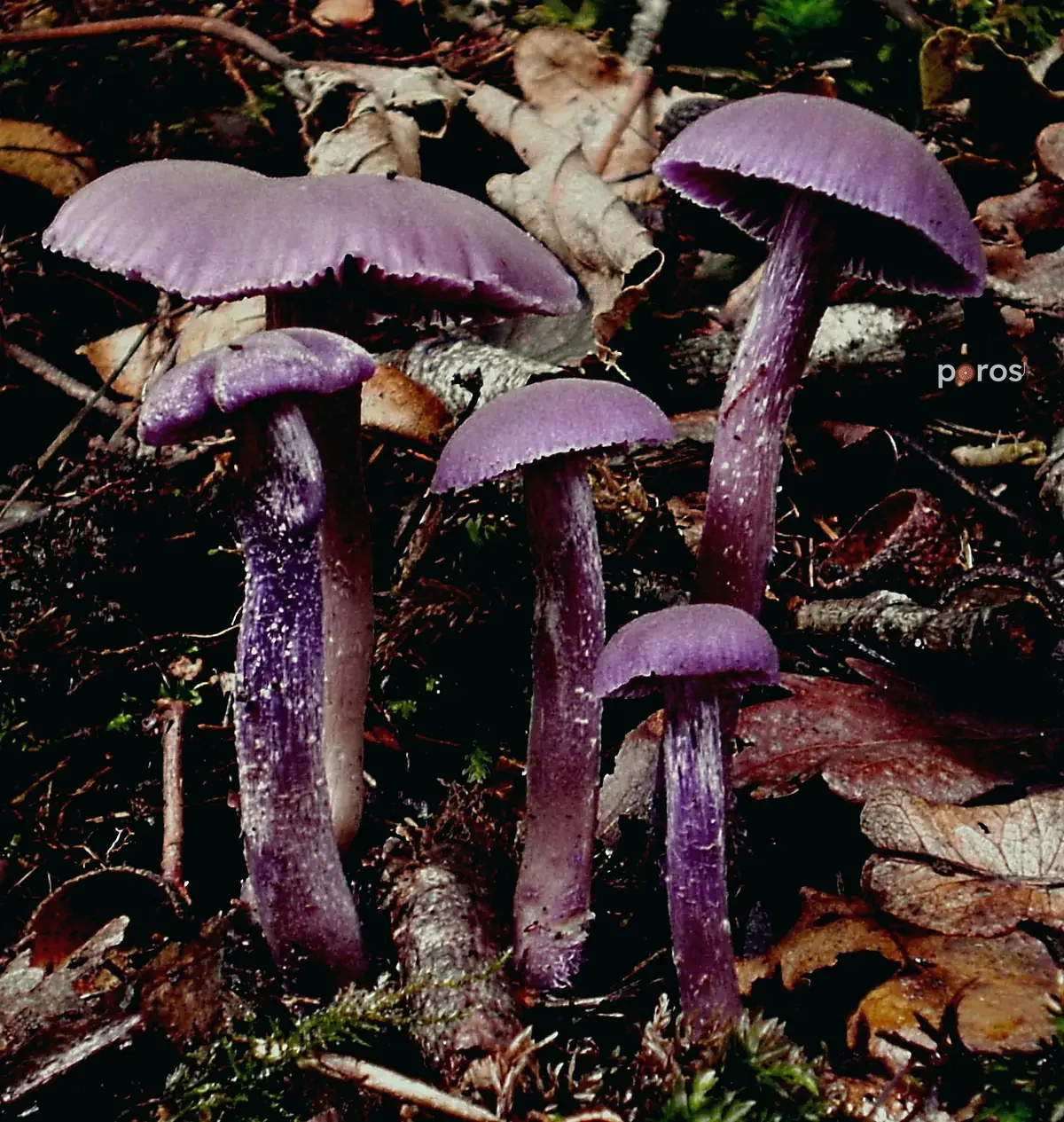 Amethyst deceiverLaccaria amethystinaInedible
-
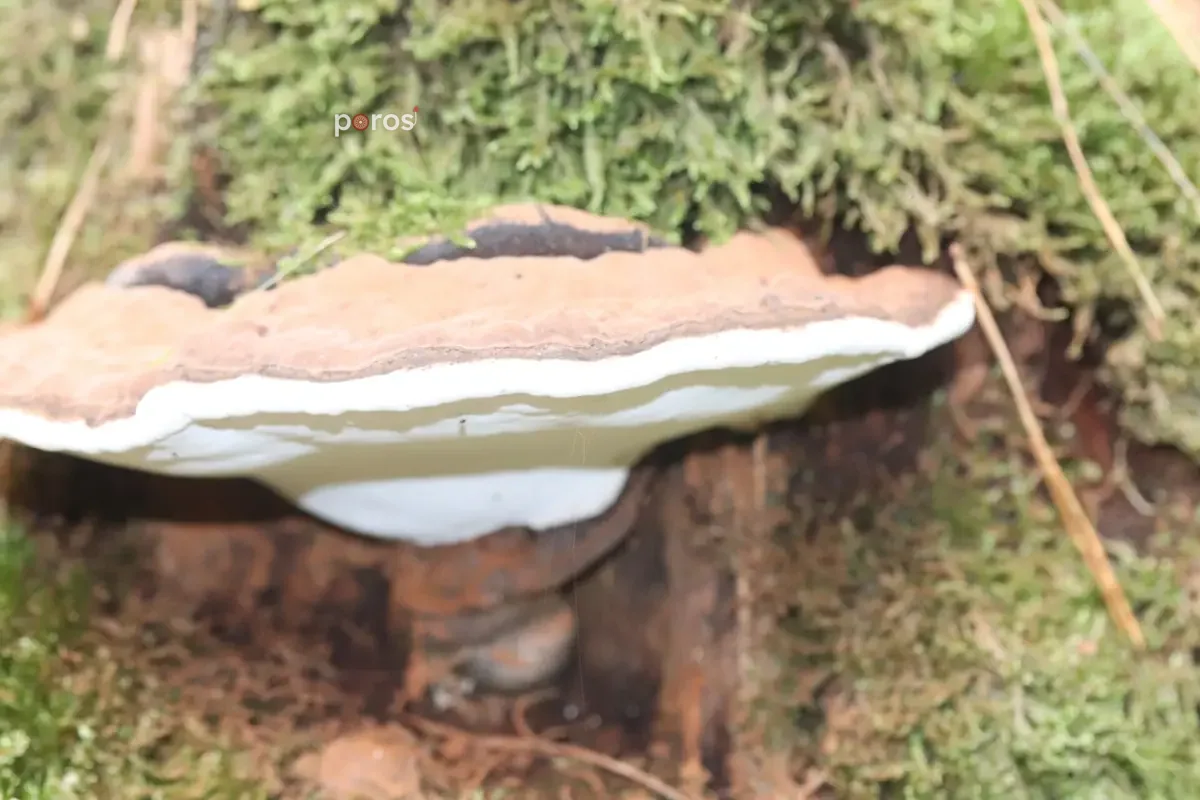 Artist’s bracketGanoderma applanatumInedible
-
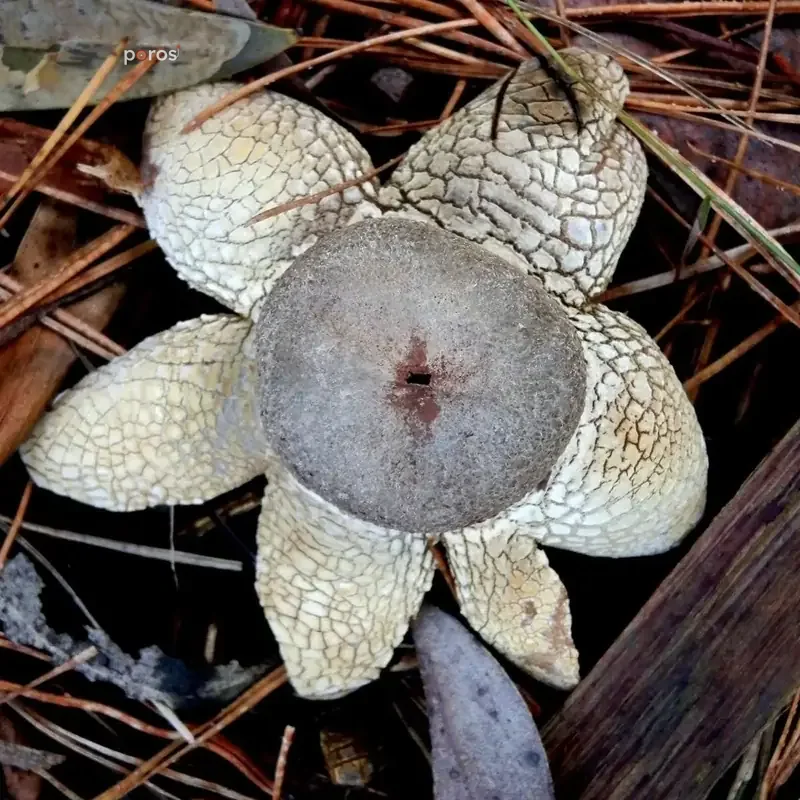 Barometer earthstarAstraeus hygrometricusInedible
-
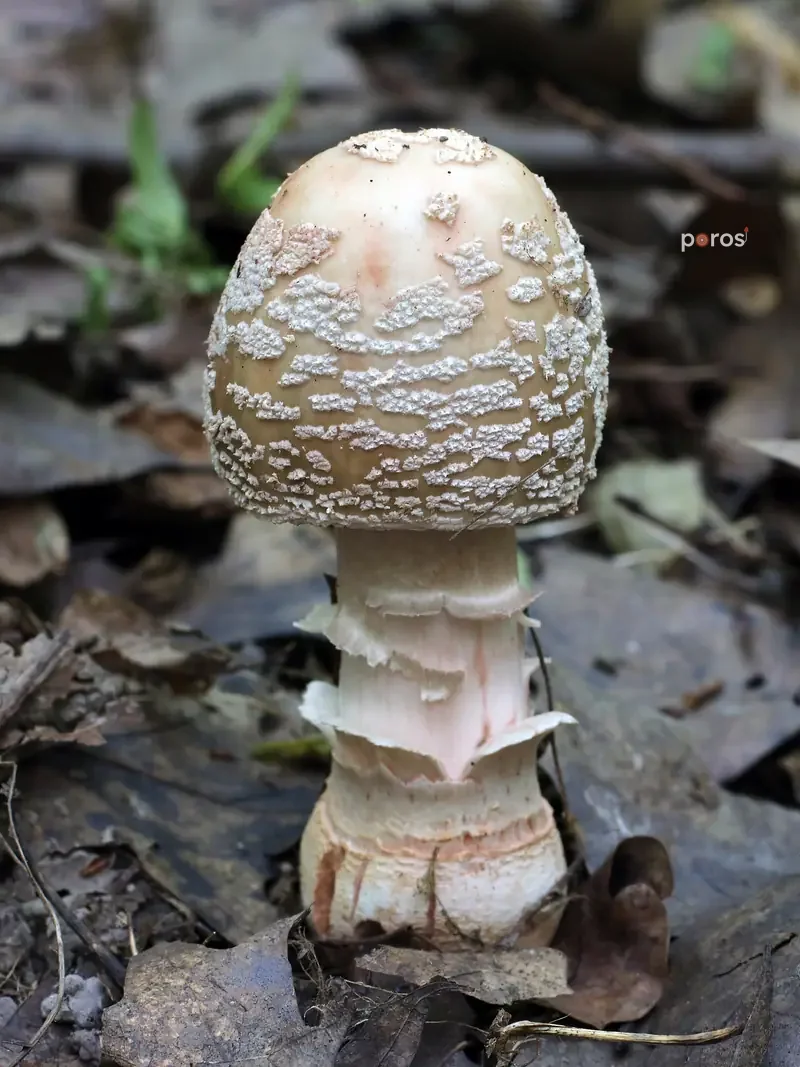 BlusherAmanita rubescensInedible
-
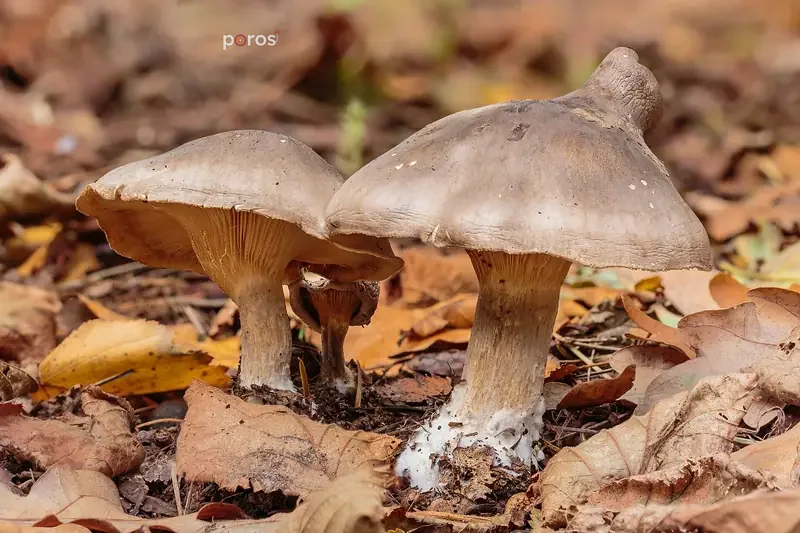 Clouded funnelClitocybe nebularisInedible
Sources
- Wikipedia (EN): Coprinopsis picacea en.wikipedia.org
- First Nature: Coprinopsis picacea first-nature.com
- iNaturalist: Coprinopsis picacea (Türkçe ad ve Türkiye gözlemleri) inaturalist.org
All sources (4)
- GBIF: Türkiye kayıtları gbif.org
Photo credits (16)
- Coprinopsis picacea · iNaturalist #33886097 · Björn Sothmann · CC BY-SA 4.0
- Coprinopsis picacea · iNaturalist #33886097 · Björn Sothmann · CC BY-SA 4.0
- File:Coprinopsis picacea 2024 G1.jpg · George Chernilevsky · CC BY 4.0
- Coprinopsis picacea · iNaturalist #189244171 · Viktor · CC BY 4.0
- Coprinopsis picacea · iNaturalist #185442169 · glennteschendorf · CC BY 4.0
- File:Coprinopsis picacea 235549863.jpg · Karim Haddad · CC BY 4.0
- Coprinopsis picacea · iNaturalist #244702479 · jrsweet · CC BY 4.0
- Coprinopsis picacea · iNaturalist #1341811 · Evan M. Raskin · CC BY 4.0
- iNaturalist: Kırklareli, 1 Nov 2026 · Asrın Akıncıoğlu · CC BY
- iNaturalist: Kırklareli, 8 Nov 2025 · Asrın Akıncıoğlu · CC BY
- iNaturalist: Kırklareli, 19 Oct 2025 · Asrın Akıncıoğlu · CC BY
- iNaturalist: Kırklareli, 18 Oct 2025 · Asrın Akıncıoğlu · CC BY
- iNaturalist: Manisa, 18 Jan 2025 · Umut Nuri Erdoğan · CC BY
- iNaturalist: Kırklareli, 5 Oct 2024 · Asrın Akıncıoğlu · CC BY
- iNaturalist: İstanbul, 4 Jan 2024 · Umut Nuri Erdoğan · CC BY
- iNaturalist: İstanbul, 30 Oct 2022 · Umut Nuri Erdoğan · CC BY

