
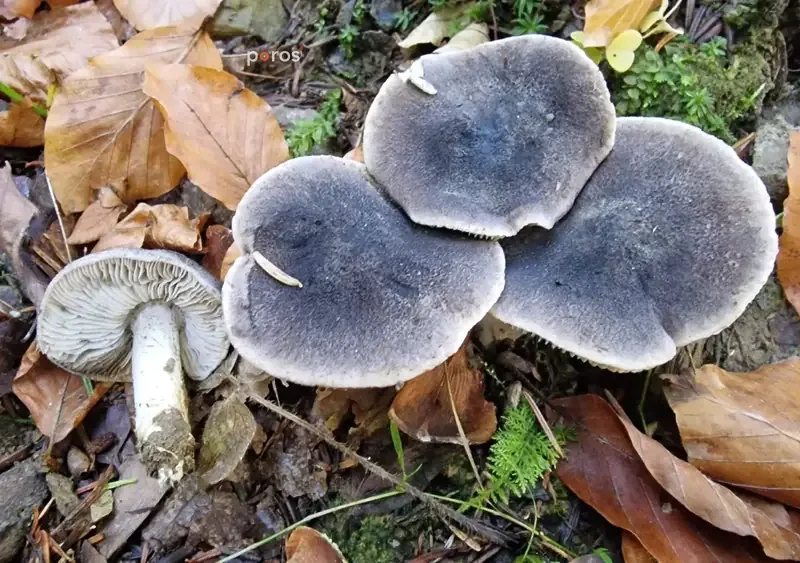


Grey knight
Tricholoma terreum · Tricholomataceae
A small pinewood mushroom with a grey, felty cap, white to pale grey gills, no ring and little smell.
Last updated: Prepared by the Poros Mantar editorial team8 sources checkedReport a correction
A small pinewood mushroom with a grey, felty cap, white to pale grey gills, no ring and little smell. In Turkey it is called karakız mantarı and is also known locally as kara kafa and karaca, and it is gathered locally. Its edibility is disputed: some sources list it as edible, a 2014 Field Mycology editorial recommends removing it from edible lists, and muscle breakdown (rhabdomyolysis) has been reported after large amounts of closely related species. We therefore do not recommend picking or eating it.
Also called: dirty tricholoma, grey knight-cap Turkish: Karakız mantarı, kara kafa, karaca, karakulak
Which species is karakız mantarı?
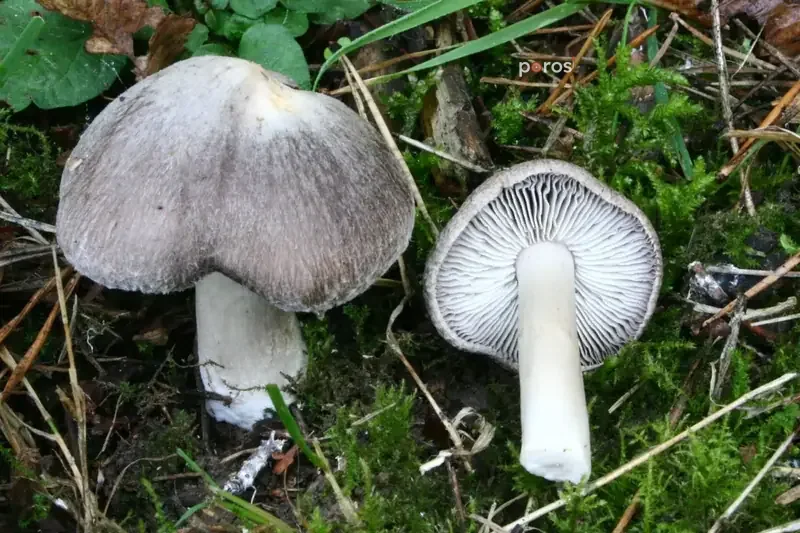
Karakız mantarı is the Turkish name for Tricholoma terreum, the grey knight with its grey, felty cap; locally the same species is also called kara kafa, karaca and karakulak. It grows under pine and cedar, often in large troops. Turkish records run from October to May.
Searched on its own, karakız mostly brings up folk songs; if you mean the mushroom, check the Latin name or the trio of grey cap, white-grey gills and slender ringless stem.
Why the grey knight is disputed
The grey knight sat in edible mushroom lists for many years, and a 2024 study in Molecules still counts it as edible. However, rhabdomyolysis (muscle breakdown) has been reported after large, repeated meals of the close relative Tricholoma equestre; a 2014 Field Mycology editorial recommended dropping the grey knight from edible lists too, and First Nature advises against picking it.
Because of this uncertainty we list the grey knight as inedible. Its most dangerous look-alike, not deadly but causing severe gastrointestinal poisoning, is the tiger tricholoma (Tricholoma pardinum): larger, fleshier and with clearly darker scales on the cap.
How to recognise it
Grey knight, part by part
No ring or volva Spore print: White No distinctive smell, mild taste; thin, white to greyish flesh.


When and where
Oct–Mar
- Janin season
- Febin season
- Marin season
- Apr
- May
- Jun
- Jul
- Aug
- Sep
- Octin season
- Novin season
- Decin season
In Europe the grey knight fruits in autumn; Turkish GBIF records run from October to May, peaking in December and March.
Type Inedible
Months seen OctoberNovemberDecemberJanuaryFebruaryMarch
Colour Grey
Regions Southeastern Anatolia RegionBlack Sea RegionCentral Anatolia RegionAegean RegionMarmara RegionBartınManisaYozgatMuğlaAnkaraBoluIstanbul
Where does grey knight grow?
The grey knight grows in large groups under pines, cedars and other conifers, often on sandy or chalky soil, forming a mycorrhizal partnership with the trees.
Where is grey knight found in Turkey?
The grey knight is widespread in Turkey: records come mainly from Ankara, Trabzon and Yozgat, and reach from the Marmara region to the Mediterranean and Central Anatolia. In the western Black Sea region it is also called karakulak.
- Ankara9
- Manisa5
- Yozgat4
- Muğla4
- Bolu3
- İstanbul2
- Tokat1
- Bartın1
- Gaziantep1
- Sakarya1
- Kırklareli1
- Samsun1
Which months
- Jan6
- Feb0
- Mar0
- Apr0
- May6
- Jun1
- Jul0
- Aug0
- Sep0
- Oct6
- Nov5
- Dec9
grey knight map of Turkey: all provinces and months →
12 provinces, 33 observations (GBIF, iNaturalist); months from observation dates. Record density also reflects where observers work.
Latest grey knight observations
-
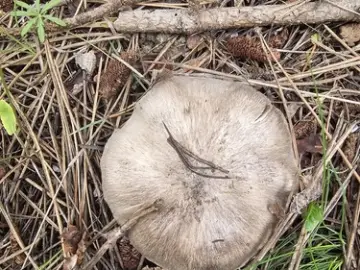 Yozgat28 May 2026 · iNaturalist© no rights reserved · CC0
-
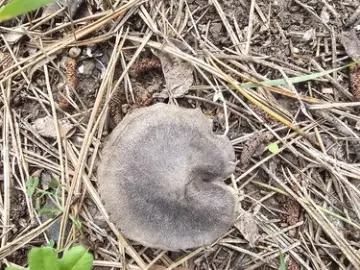 Yozgat28 May 2026 · iNaturalist© no rights reserved · CC0
-
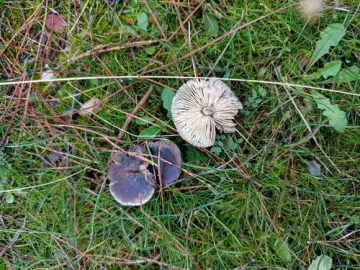 Manisa24 Jan 2026 · iNaturalist© Umut Nuri Erdoğan · CC BY
-
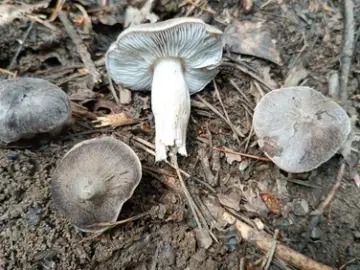 Tokat4 Jun 2025 · iNaturalist© Ali Çağlar · CC BY
-
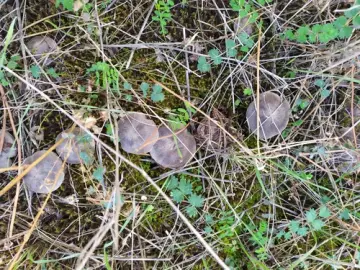 Kırklareli26 Oct 2019 · iNaturalist© Asrın Akıncıoğlu · CC BY
-
 Illustrative
Bolu29 Oct 2026 · iNaturalist
-
 Illustrative
Bolu29 Oct 2026 · iNaturalist
-
 Illustrative
Yozgat26 May 2026 · iNaturalist
- See on the map
On "illustrative" cards the image is a photo of the species; the observation photo cannot be shown here because of its licence, but can be seen at the source.
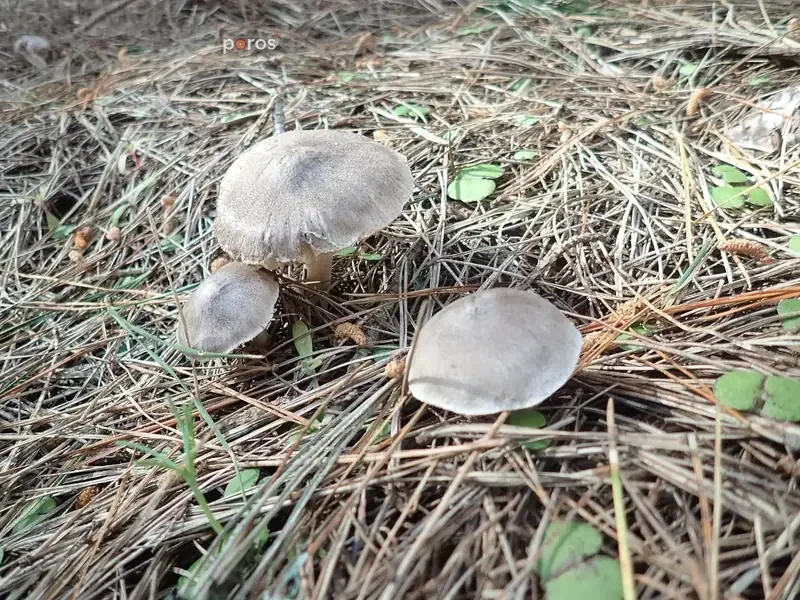
Look-alikes
What could it be confused with?
Grey knight can be mistaken for the species below. Each card shows the look-alike and how it differs from Grey knight.
 Poisonous
not Grey knight
Tiger tricholoma Tricholoma pardinum
Larger and fleshier, with distinct dark scales on a grey cap and a mealy smell; causes severe gastrointestinal poisoning.
 Inedible
not Grey knight
Ashen knight Tricholoma virgatum
Has a pointed, silvery-grey cap with radiating fibres and a bitter, peppery taste.
 Poisonous
not Grey knight
Livid pinkgill Entoloma sinuatum
Larger and cream-grey, with gills that turn pink with age, a pink spore print and a mealy smell.
 Deadly
not Grey knight
Deadly fibrecap Inosperma erubescens
Has a fibrous cap that splits at the margin and reddens when bruised, a brown spore print, and appears in spring to early summer under broadleaf trees.
The edibility of the grey knight is disputed. Wikipedia and a 2024 study in Molecules treat it as edible; a 2014 editorial in Field Mycology recommends removing it from edible lists, and First Nature advises against collecting it. Rhabdomyolysis (muscle breakdown) has been reported after eating large amounts of closely related Tricholoma species, and it has many poisonous grey-gilled look-alikes. We therefore do not recommend picking or eating it; if poisoning is suspected, call 112 (Turkey poison centre: 114).
Frequently asked questions
Is the grey knight edible?
We do not recommend it. Sources disagree: Wikipedia and a 2024 Molecules study treat it as edible, a 2014 Field Mycology editorial recommends removing it from edible lists and First Nature advises against collecting it. Rhabdomyolysis has been reported after large amounts of closely related species, and it has many poisonous grey look-alikes.
How do you identify the grey knight?
Look for a grey, felty or finely scaly cap, white to grey gills, a slender stem without a ring, a white spore print and no distinctive smell; it grows in large groups under pines.
Which poisonous mushroom can it be confused with?
Its most dangerous look-alike is the tiger tricholoma (Tricholoma pardinum), which is larger, fleshier, clearly scaly and smells of meal. Grey fibrecaps and the livid pinkgill can also be confused with it.
Where does it grow in Turkey?
In pine and cedar forests. Most GBIF records come from Ankara, Trabzon and Yozgat, with others from provinces such as Muğla, Antalya, İstanbul and Isparta.
When does it appear?
From autumn into spring; Turkish records fall between October and May, most often in December and March.
Is the grey knight poisonous?
The grey knight is not clearly poisonous, but its edibility is disputed and a close relative has been linked to muscle breakdown. We treat it as inedible.
What are the other names of karakız?
Karakız mantarı is also called kara kafa, karaca and karakulak; its Latin name is Tricholoma terreum.
How is karakız cooked?
We do not recommend cooking karakız; because its edibility is disputed it is listed as inedible on our site.
Under which trees does karakız grow?
Karakız grows mostly under conifers such as pine and cedar, often in large troops.
Is karakız sold?
Karakız is not regularly sold in Turkish markets, and because its edibility is disputed we do not recommend buying it.
When is grey knight season in Turkey?
In our calendar, grey knight season runs Oct–Mar. In Europe the grey knight fruits in autumn; Turkish GBIF records run from October to May, peaking in December and March.
Where does grey knight grow?
The grey knight grows in large groups under pines, cedars and other conifers, often on sandy or chalky soil, forming a mycorrhizal partnership with the trees.
Where is grey knight found in Turkey?
The grey knight is widespread in Turkey: records come mainly from Ankara, Trabzon and Yozgat, and reach from the Marmara region to the Mediterranean and Central Anatolia. In the western Black Sea region it is also called karakulak.
What can grey knight be confused with?
Grey knight can be confused with tiger tricholoma (Tricholoma pardinum, poisonous), ashen knight (Tricholoma virgatum, inedible), livid pinkgill (Entoloma sinuatum, poisonous) and deadly fibrecap (Inosperma erubescens, deadly). Look-alikes are compared on this page.
What is grey knight called in Turkish?
In Turkish, grey knight (Tricholoma terreum) is called Karakız mantarı; other local names include kara kafa, karaca and karakulak.
Related species
-
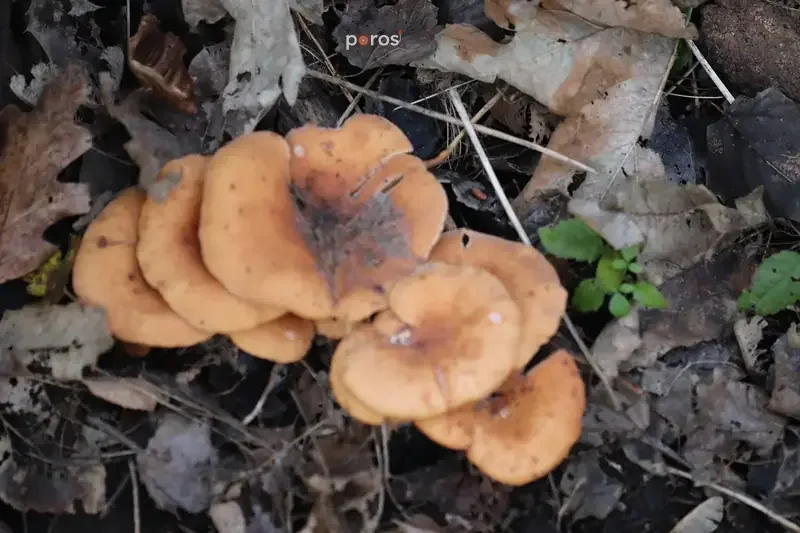 Tawny funnelParalepista flaccidaInedible
-
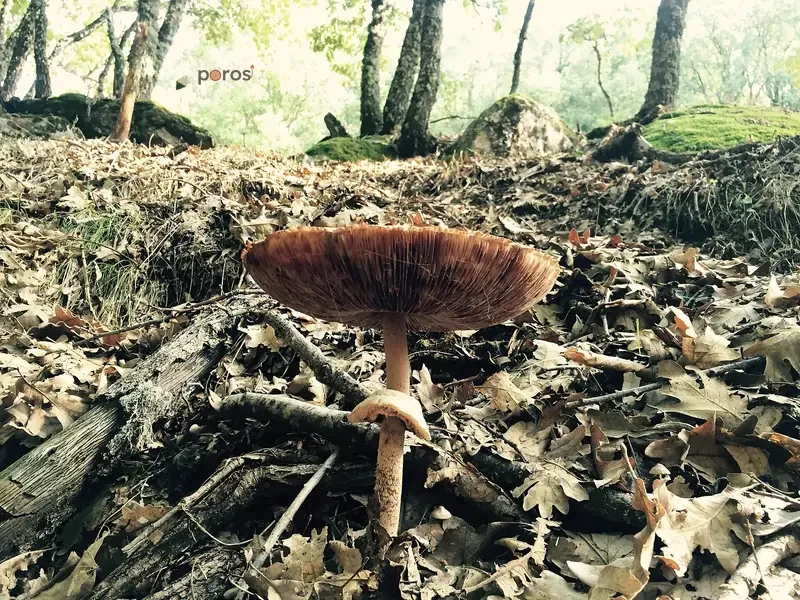 Anatolian matsutakeTricholoma anatolicumEdible species
-
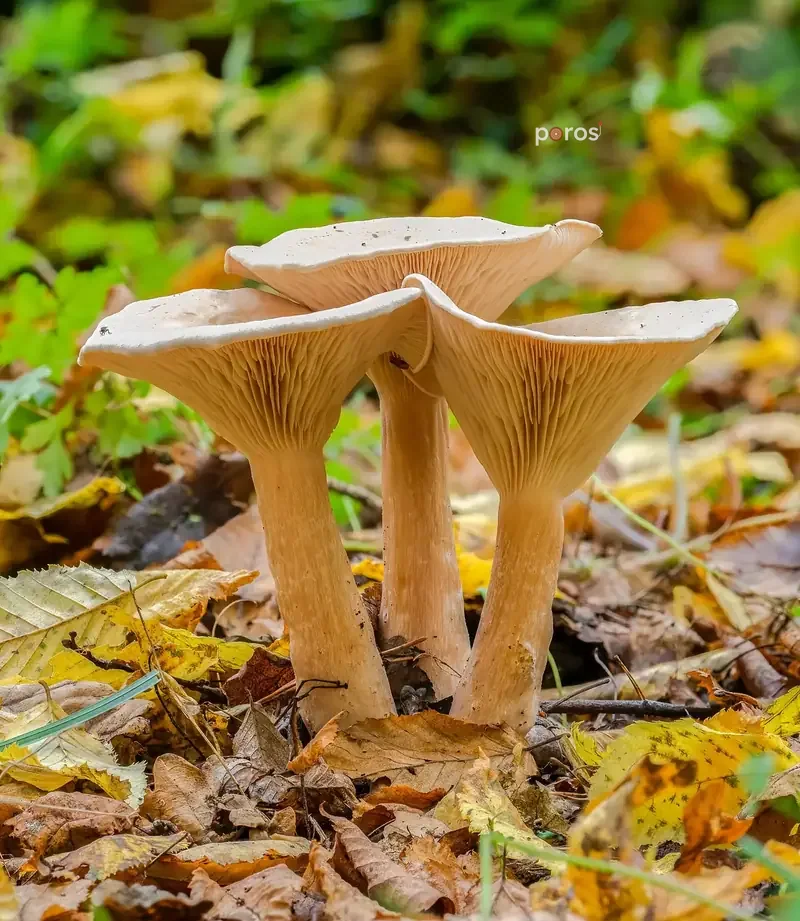 Trooping funnelInfundibulicybe geotropaEdible species
-
 Wood blewitLepista nudaEdible species
-
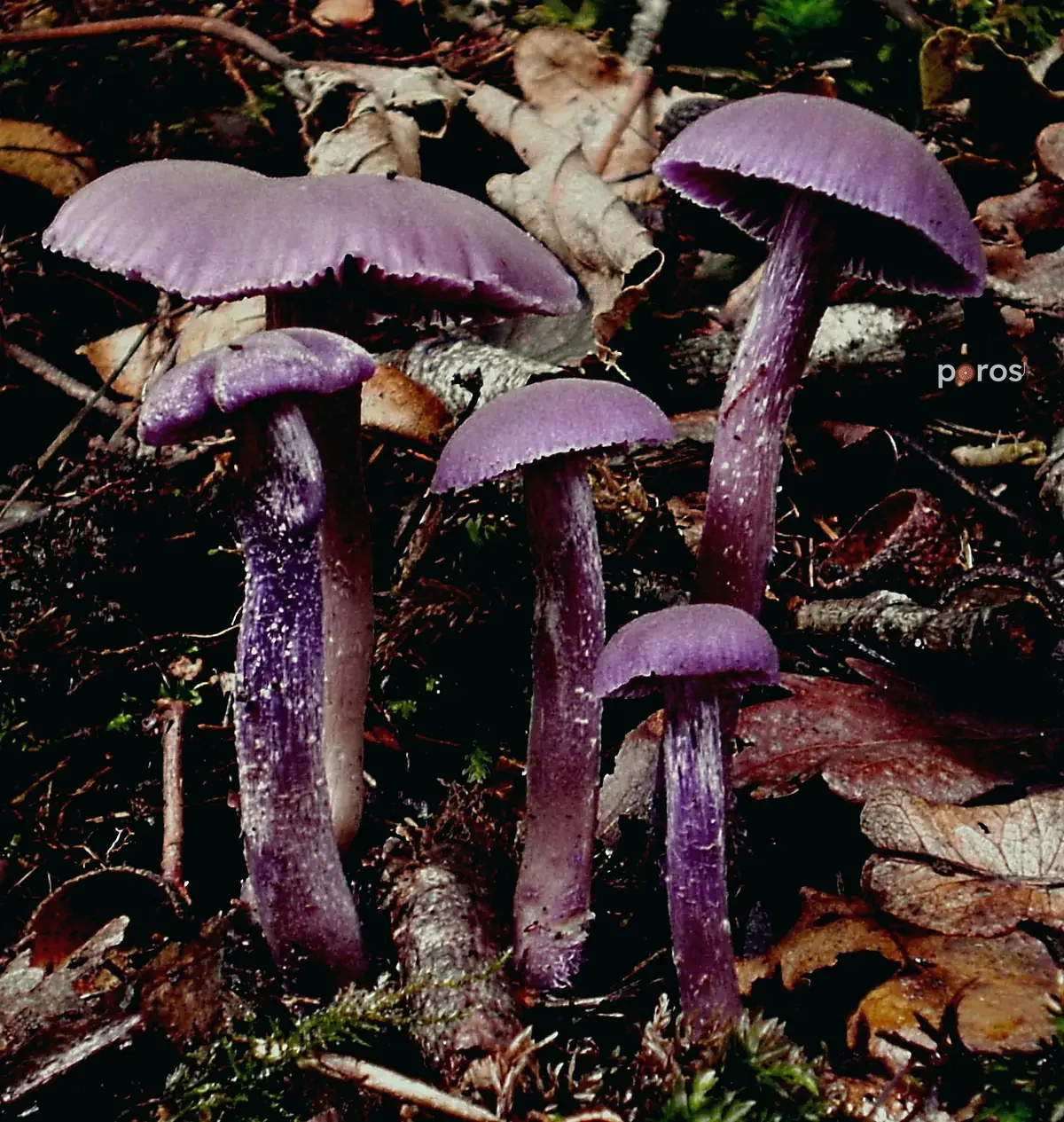 Amethyst deceiverLaccaria amethystinaInedible
-
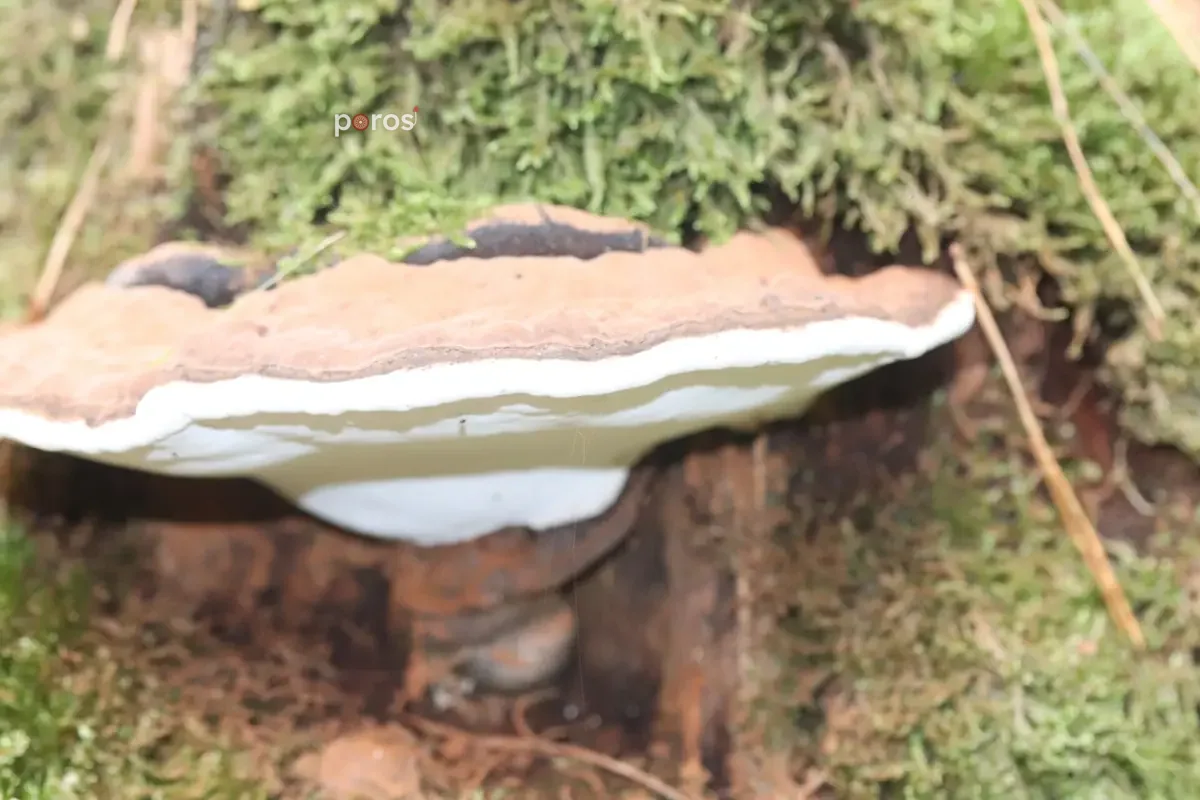 Artist’s bracketGanoderma applanatumInedible
-
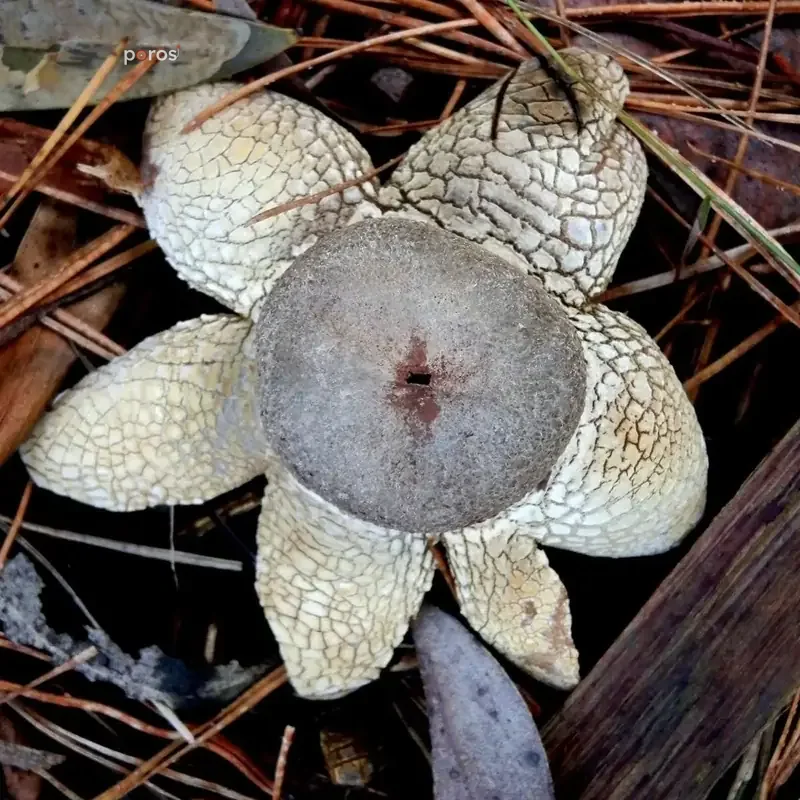 Barometer earthstarAstraeus hygrometricusInedible
-
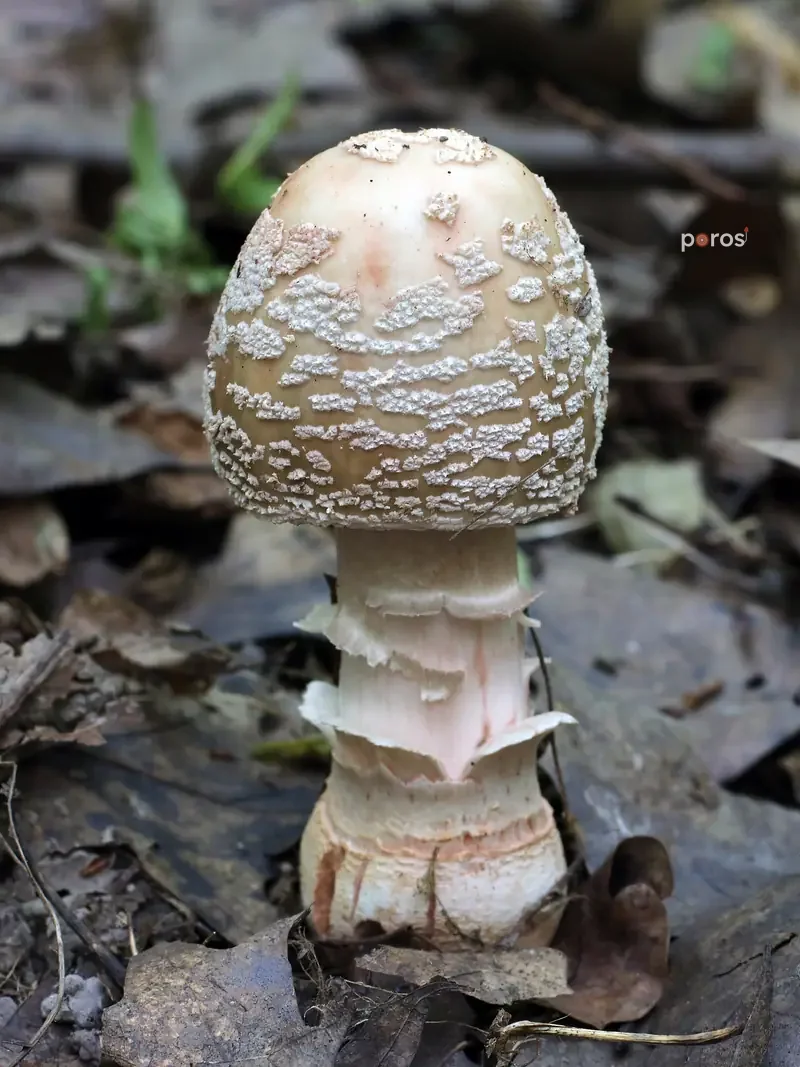 BlusherAmanita rubescensInedible
Sources
- Clericuzio vd. (2024), Molecules: Tricholoma terreum ncbi.nlm.nih.gov
- Sevindik ve ark. (2025), International Journal of Medicinal Mushrooms: Tricholoma terreum pubmed.ncbi.nlm.nih.gov
- Allı, H. ve Şen, İ. (2016). Tricholoma Türlerinin Yenilebilirliği Üzerine Notlar. Türk Tarım – Gıda Bilim ve Teknoloji Dergisi 4(3) agrifoodscience.com
All sources (8)
- Karancı, A. ve Çetin, A. (2025). Batı Karadeniz Bölgesi'ndeki Yenilebilir Yabani Mantarların Etnomikolojik ve Gastronomik Değerlerinin İncelenmesi. Journal of Tourism and Gastronomy Studies 13(1), 485–514 (yerel ad: karakulak) jotags.net
- Wikipedia (EN): Tricholoma terreum en.wikipedia.org
- First Nature: Tricholoma terreum first-nature.com
- GBIF: Türkiye kayıtları gbif.org
- iNaturalist: Türkiye gözlemleri inaturalist.org
Photo credits (13)
- Tricholoma terreum · iNaturalist #345340410 · Paula Nimigean · CC BY 4.0
- File:Tricholoma terreum 20061105wa.jpg · User:Strobilomyces · CC BY-SA 3.0
- File:Tricholoma terreum 20061105wb.jpg · User:Strobilomyces · CC BY-SA 3.0
- Tricholoma terreum · iNaturalist #234955777 · claire · CC BY 4.0
- Tricholoma terreum · iNaturalist #234955777 · claire · CC BY 4.0
- File:Tricholoma terreum 172130823.jpg · Garth Harwood · CC BY 4.0
- Tricholoma terreum · iNaturalist #238717200 · Arnim Littek · CC BY 4.0
- File:Tricholoma terreum 103319743.jpg · Martin Scheuch · CC BY 4.0
- iNaturalist: Yozgat, 28 May 2026 · no rights reserved · CC0
- iNaturalist: Yozgat, 28 May 2026 · no rights reserved · CC0
- iNaturalist: Manisa, 24 Jan 2026 · Umut Nuri Erdoğan · CC BY
- iNaturalist: Tokat, 4 Jun 2025 · Ali Çağlar · CC BY
- iNaturalist: Kırklareli, 26 Oct 2019 · Asrın Akıncıoğlu · CC BY


