


Giant polypore
Meripilus giganteus · Meripilaceae
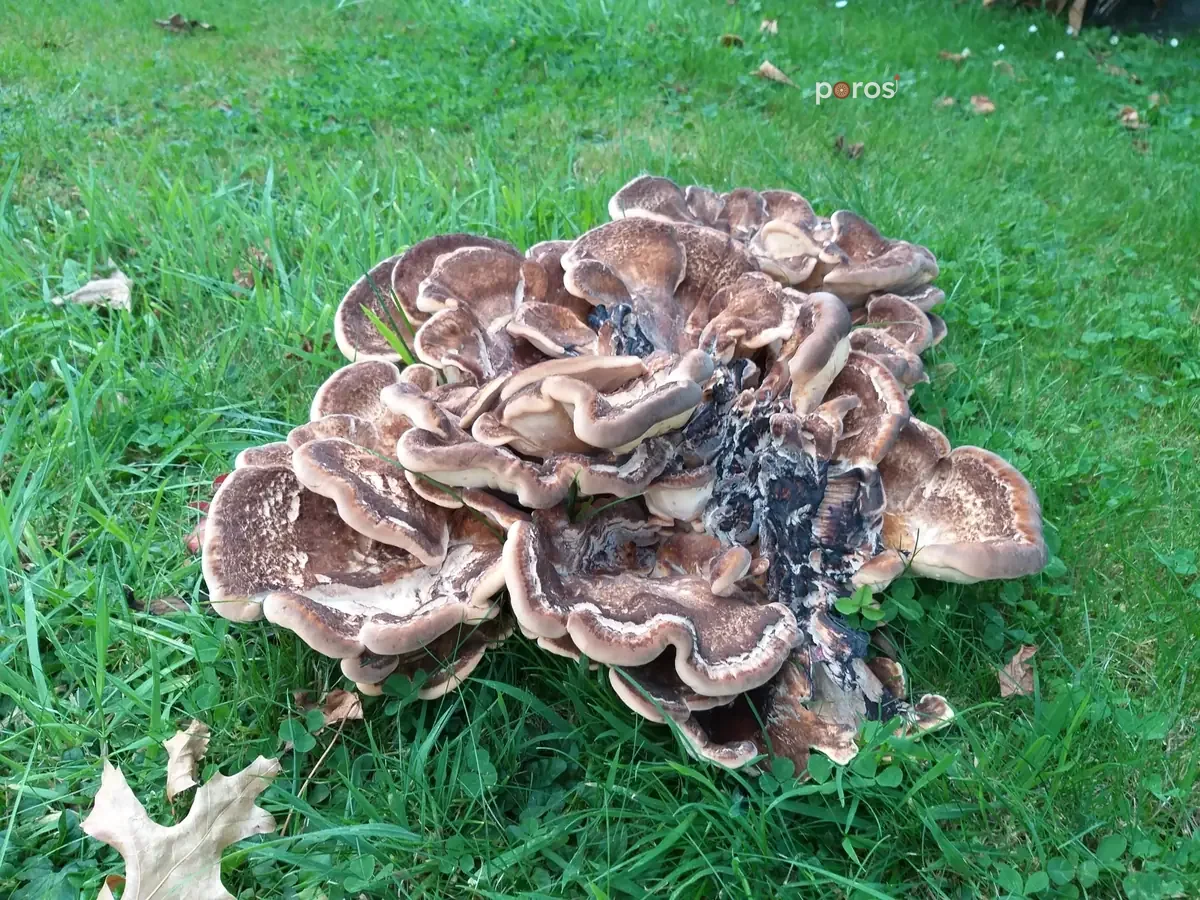
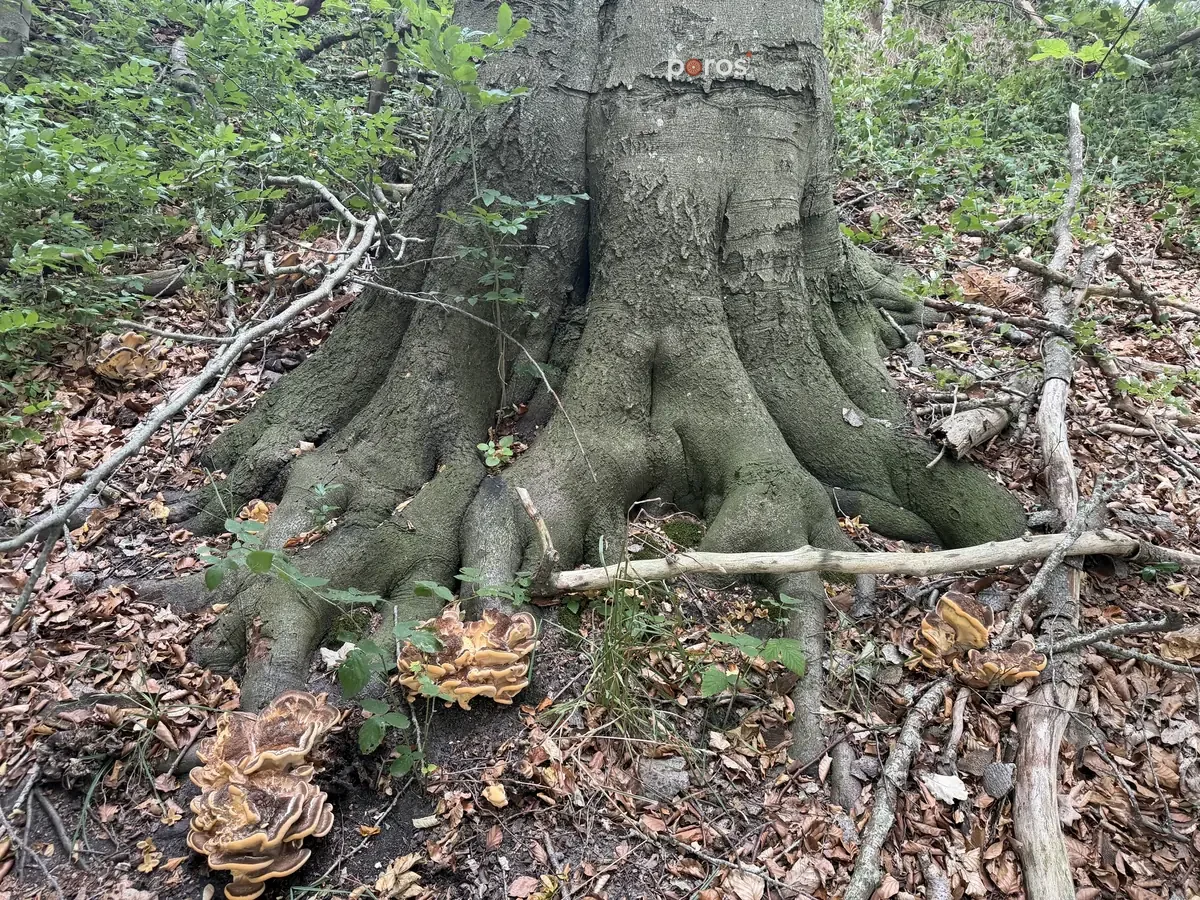
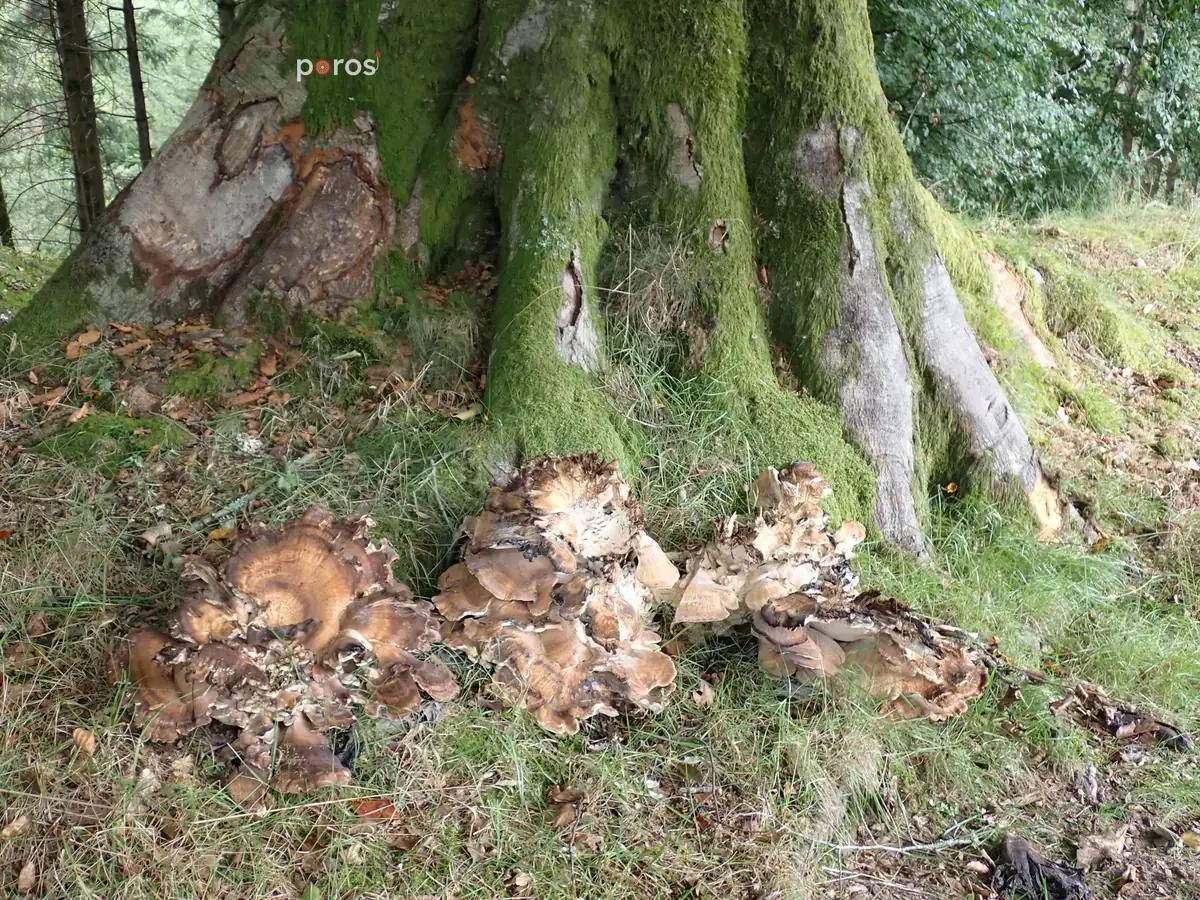
The giant polypore (Meripilus giganteus) is a huge rosette of overlapping fan-shaped fronds that grows at the base of broadleaved trees, especially beech, on their roots; it can exceed 50 cm across.
Last updated: Prepared by the Poros Mantar editorial team6 sources checkedReport a correction
The giant polypore (Meripilus giganteus) is a huge rosette of overlapping fan-shaped fronds that grows at the base of broadleaved trees, especially beech, on their roots; it can exceed 50 cm across. The caps are brown to beige and the pore surface beneath is cream, bruising brown and then black where touched or cut. Some sources list it as edible when young, but the flesh is coarse and sourish and there are reports of stomach upsets; our advice is not to eat it.
Also called: black-staining polypore Turkish: Kararan mantar, karakıç mantarı
How to recognise it
Giant polypore, part by part
No ring or volva Spore print: White Mildly mushroomy; the taste is sourish.


When and where
Sep–Oct, Jan
- Janin season
- Feb
- Mar
- Apr
- May
- Jun
- Jul
- Aug
- Sepin season
- Octin season
- Nov
- Dec
The giant polypore appears in autumn and collapses after the first frosts. Our Turkish records fall in September, October and January, the great majority in October.
Where does giant polypore grow?
At the base of broadleaved trees, mostly beech but also oak and elm, on roots and stumps; rarely on conifers. It causes white rot in the roots. It is often seen at the foot of old trees in parks and gardens.
Where is giant polypore found in Turkey?
Our map data (GBIF and iNaturalist) holds 19 Turkish records: 16 from Istanbul, 2 from Kırklareli and 1 from Tekirdağ. It has also been recorded on a beech stump in Tonya, Trabzon (Uzun and Kaya, 2022) and in Yenice, Karabük (Kaşık et al., 2022).
Which months
- Jan2
- Feb0
- Mar0
- Apr0
- May0
- Jun0
- Jul0
- Aug0
- Sep3
- Oct14
- Nov0
- Dec0
giant polypore map of Turkey: all provinces and months →
3 provinces, 19 observations (GBIF, iNaturalist); months from observation dates. Record density also reflects where observers work.
Latest giant polypore observations
-
 Kırklareli18 Oct 2026 · iNaturalist© Umut Nuri Erdoğan · CC BY
-
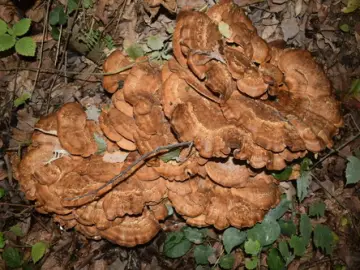 İstanbul5 Oct 2025 · iNaturalist© Umut Nuri Erdoğan · CC BY
-
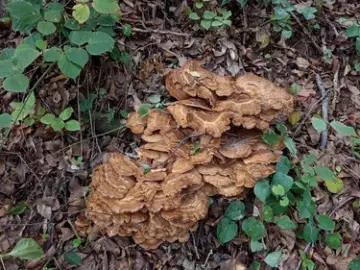 İstanbul5 Oct 2025 · iNaturalist© Umut Nuri Erdoğan · CC BY
-
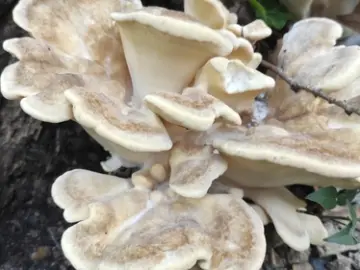 İstanbul6 Oct 2024 · iNaturalist© Umut Nuri Erdoğan · CC BY
-
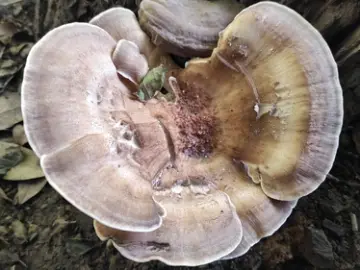 İstanbul3 Oct 2024 · iNaturalist© Umut Nuri Erdoğan · CC BY
-
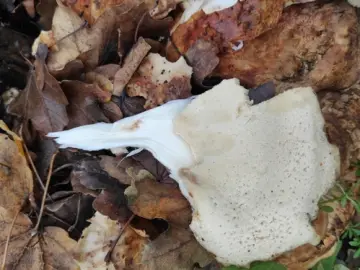 İstanbul3 Jan 2024 · iNaturalist© Umut Nuri Erdoğan · CC BY
-
 Illustrative
İstanbul26 Sep 2026 · iNaturalist
-
 Illustrative
İstanbul26 Sep 2026 · iNaturalist
- See on the map
On "illustrative" cards the image is a photo of the species; the observation photo cannot be shown here because of its licence, but can be seen at the source.
Look-alikes
What could it be confused with?
Giant polypore can be mistaken for the species below. Each card shows the look-alike and how it differs from Giant polypore.
 Edible species
not Giant polypore
Maitake Grifola frondosa
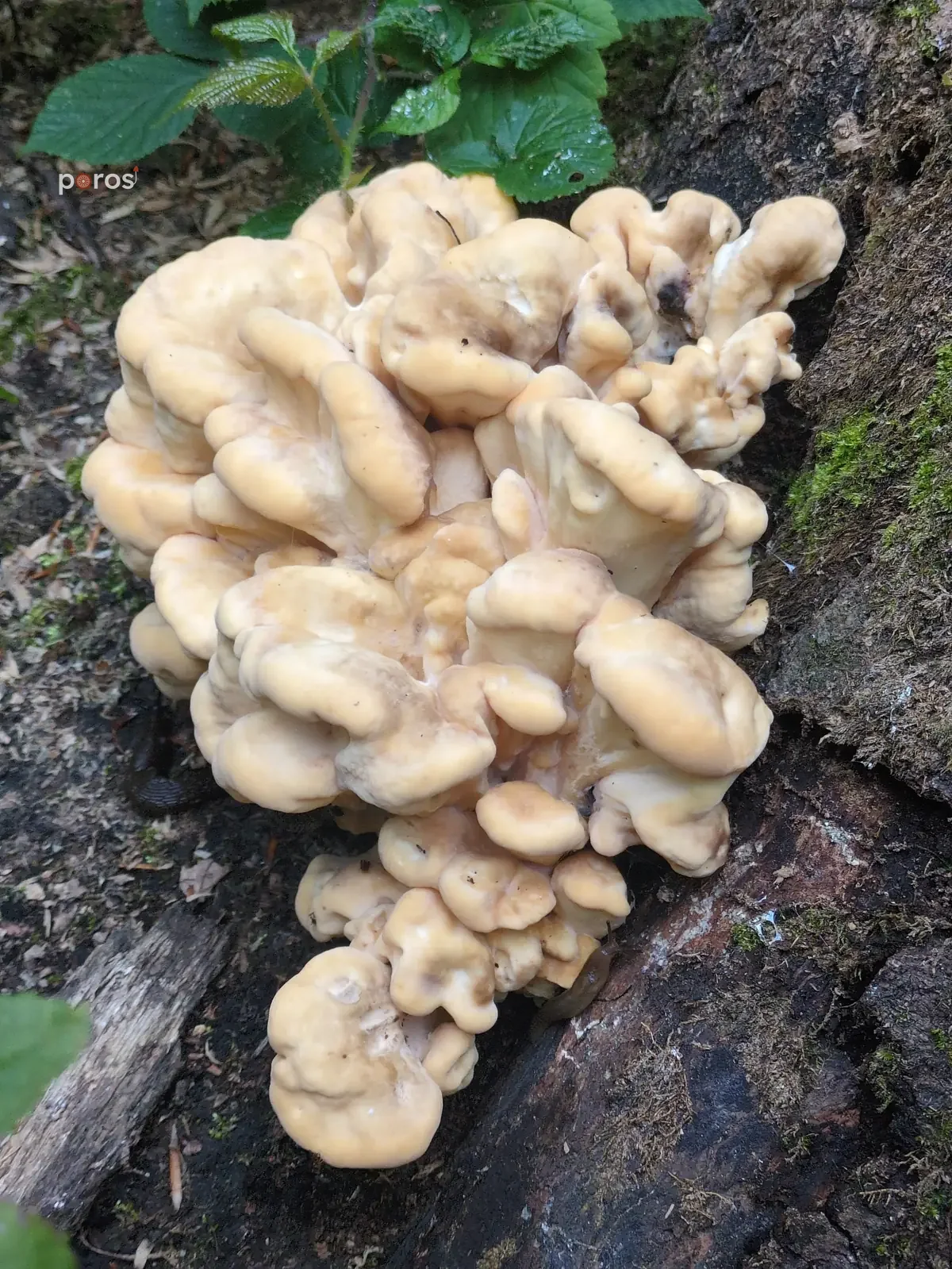
Hen of the woods also forms rosettes at tree bases, but its fronds are smaller, greyer and more numerous, its pores are larger and they do not blacken when handled.
 Edible species
not Giant polypore
Chicken of the woods Laetiporus sulphureus
Chicken of the woods also forms large brackets, but it is bright sulphur-yellow to orange, usually grows higher on the trunk and does not blacken.
 Inedible
not Giant polypore
Bondarzewia mesenterica Bondarzewia mesenterica
It grows mostly at the base of conifers; its pores are larger, it does not blacken when bruised and its flesh tastes bitter.
 Edible species
not Giant polypore
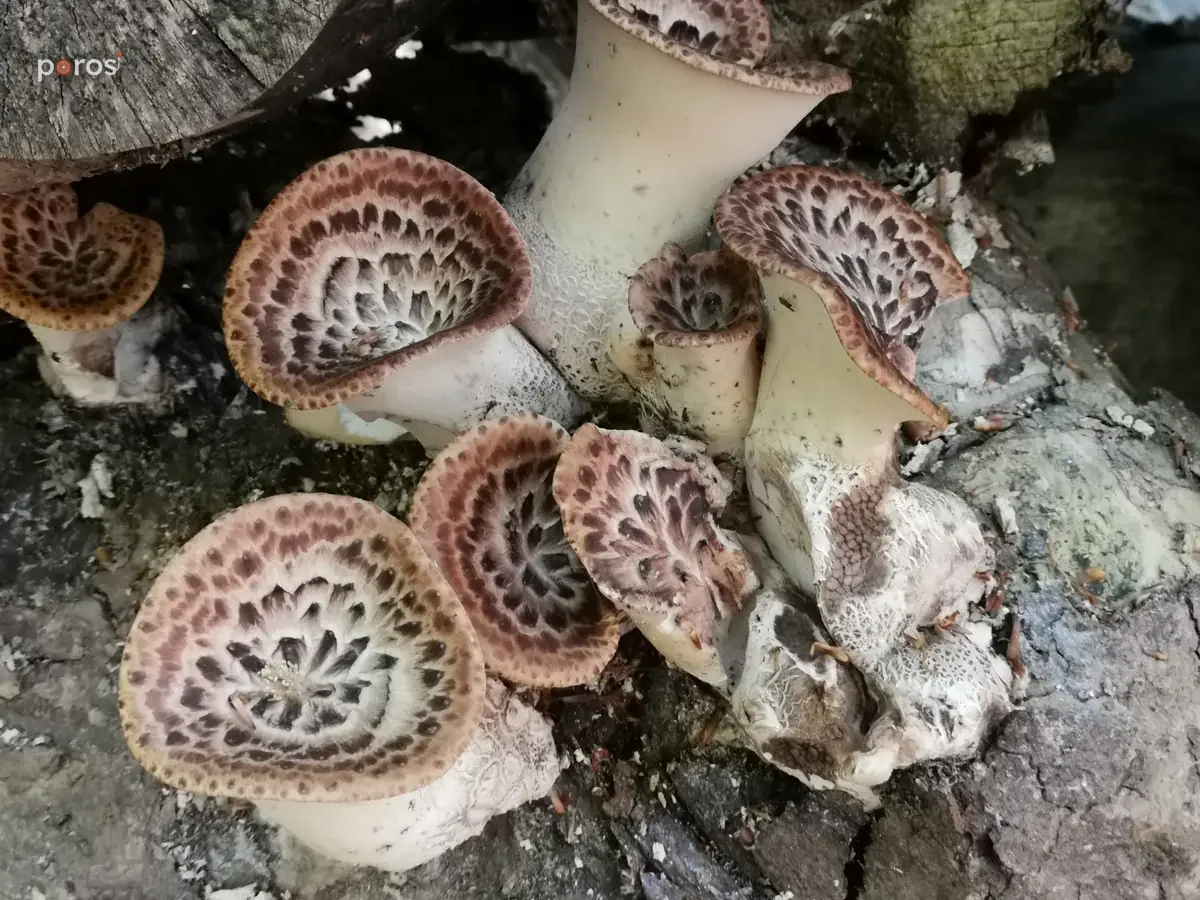
Dryad’s saddle Cerioporus squamosus
Dryad's saddle grows on the trunk as one or a few large brackets, with a dark-scaled cap and a stem; it does not blacken.
What it contains
It has little culinary value; the flesh is fibrous and tough and becomes inedible with age.
General information, not a health claim.
The giant polypore is not counted among poisonous mushrooms, and some sources say it can be eaten when young. But the flesh is coarse and sourish, stomach upsets have been reported in some people, and sources disagree about its edibility. Our advice is not to eat it. If poisoning is suspected, call poison control and keep any leftover mushroom.
Frequently asked questions
Is the giant polypore edible?
Our advice is not to eat it. Some sources list it as edible when young, but the flesh is coarse and sourish, stomach upsets have been reported and sources disagree.
Is the giant polypore poisonous?
It is not counted among poisonous mushrooms; reported complaints are limited to stomach upsets.
My shop-bought mushrooms turned black. Is that this species?
No. Cultivated button mushrooms (Agaricus bisporus) that darken in the fridge or when cooked are not this species; they darken from age, bruising or oxidation. The giant polypore is a huge wild fungus at the foot of trees in woods and parks. Shop mushrooms that are mouldy, slimy or smell bad should not be eaten.
Why does it turn black?
Its pore surface and flesh react with air when bruised or cut, turning brown and then black. This is the easiest way to tell it from hen of the woods.
How is it confused with hen of the woods?
Both form rosettes at tree bases. Hen of the woods has smaller, greyer fronds whose pores do not blacken; the giant polypore has larger fronds that do.
Does it harm the tree?
It causes white rot in the roots and can make the tree more likely to fall, so its presence on old park trees is taken seriously.
Where and when does it grow?
In autumn, at the base of broadleaved trees such as beech and oak, on roots and stumps; it collapses after the first frosts.
Where is it found in Turkey?
Our map data holds 19 records from Istanbul, Kırklareli and Tekirdağ, with published records from Trabzon and Karabük too.
When is giant polypore season in Turkey?
In our calendar, giant polypore season runs Sep–Oct, Jan. The giant polypore appears in autumn and collapses after the first frosts. Our Turkish records fall in September, October and January, the great majority in October.
Where does giant polypore grow?
At the base of broadleaved trees, mostly beech but also oak and elm, on roots and stumps; rarely on conifers. It causes white rot in the roots. It is often seen at the foot of old trees in parks and gardens.
Where is giant polypore found in Turkey?
Our map data (GBIF and iNaturalist) holds 19 Turkish records: 16 from Istanbul, 2 from Kırklareli and 1 from Tekirdağ. It has also been recorded on a beech stump in Tonya, Trabzon (Uzun and Kaya, 2022) and in Yenice, Karabük (Kaşık et al., 2022).
What can giant polypore be confused with?
Giant polypore can be confused with hen of the woods (Grifola frondosa, edible species), chicken of the woods (Laetiporus sulphureus, edible species), bondarzewia mesenterica (Bondarzewia mesenterica, inedible) and Dryad's saddle (Cerioporus squamosus, edible species). Look-alikes are compared on this page.
What is giant polypore called in Turkish?
In Turkish, giant polypore (Meripilus giganteus) is called Kararan mantar; other local names include karakıç mantarı.
Related species
-
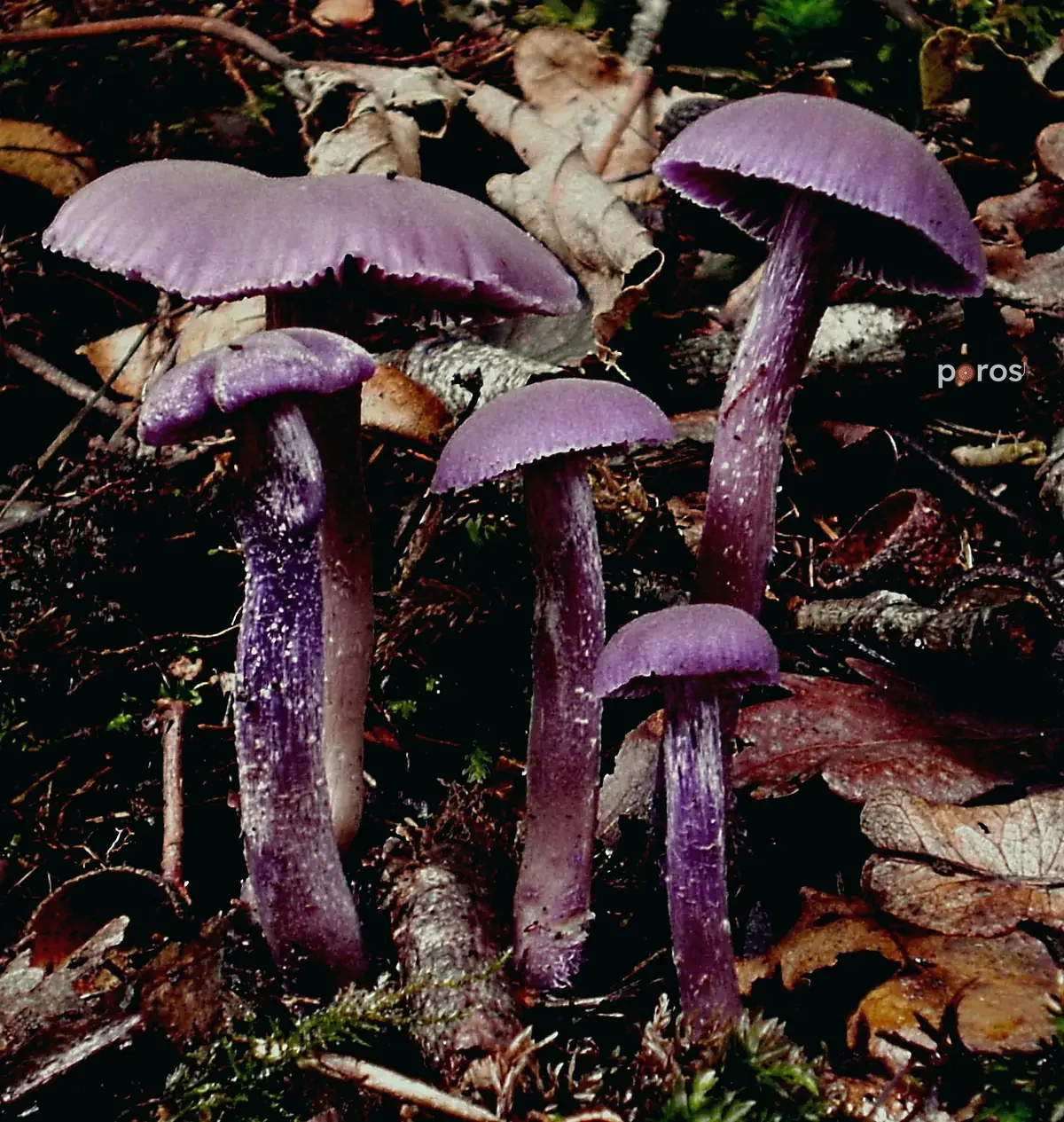 Amethyst deceiverLaccaria amethystinaInedible
-
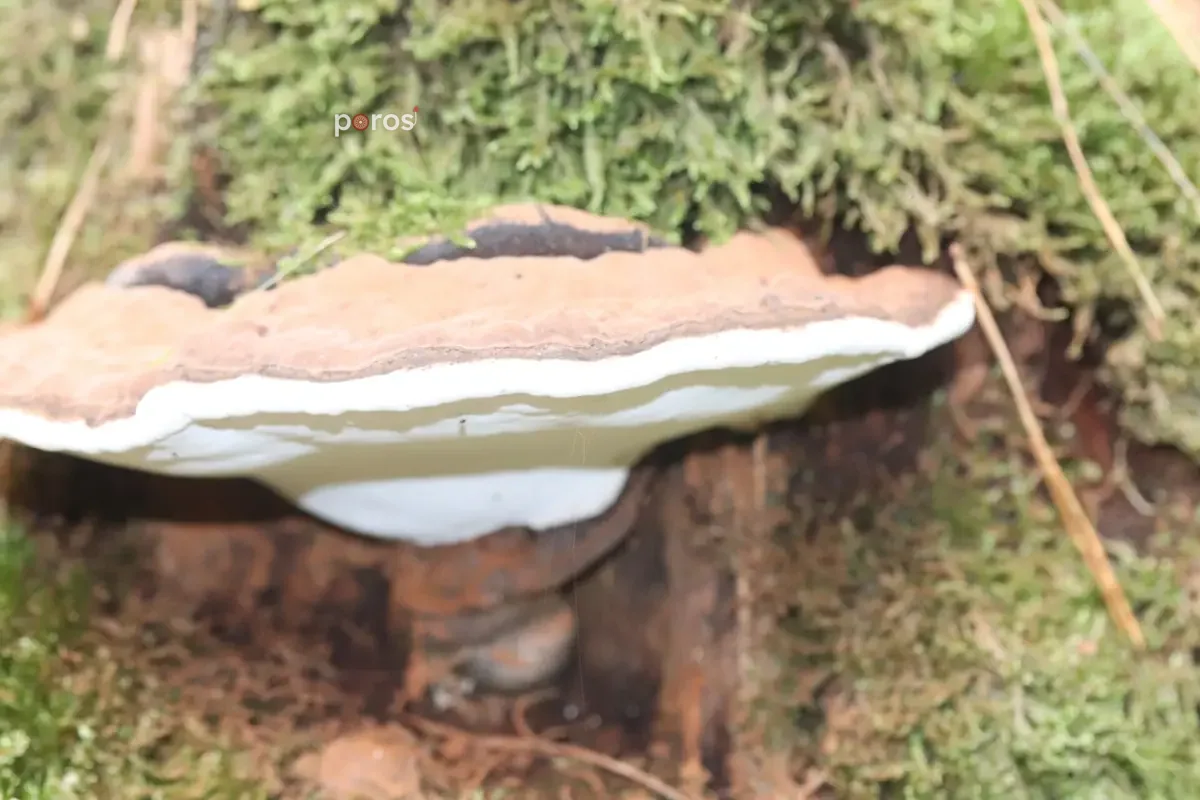 Artist’s bracketGanoderma applanatumInedible
-
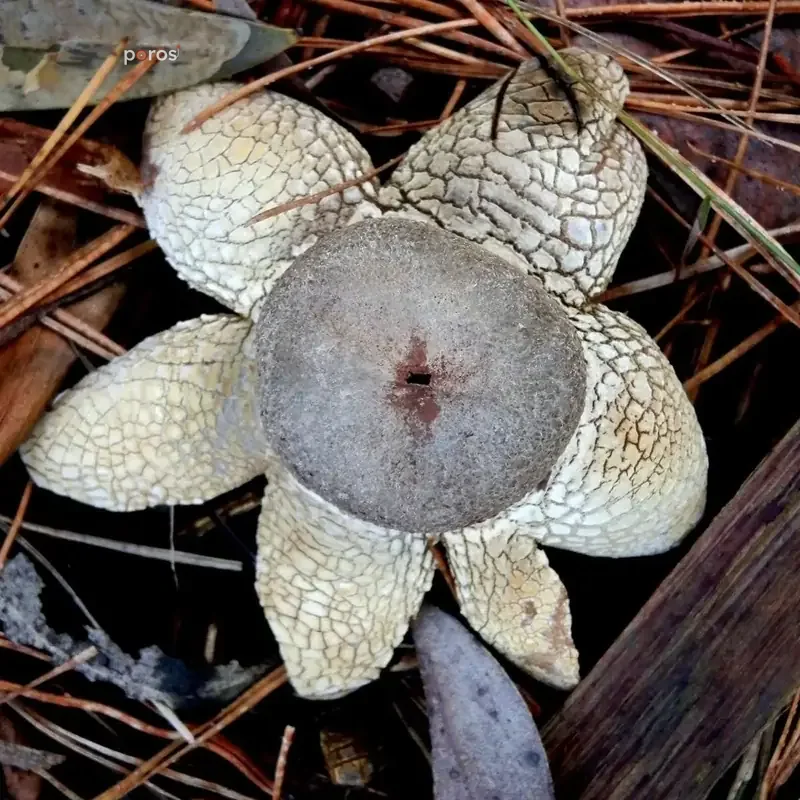 Barometer earthstarAstraeus hygrometricusInedible
-
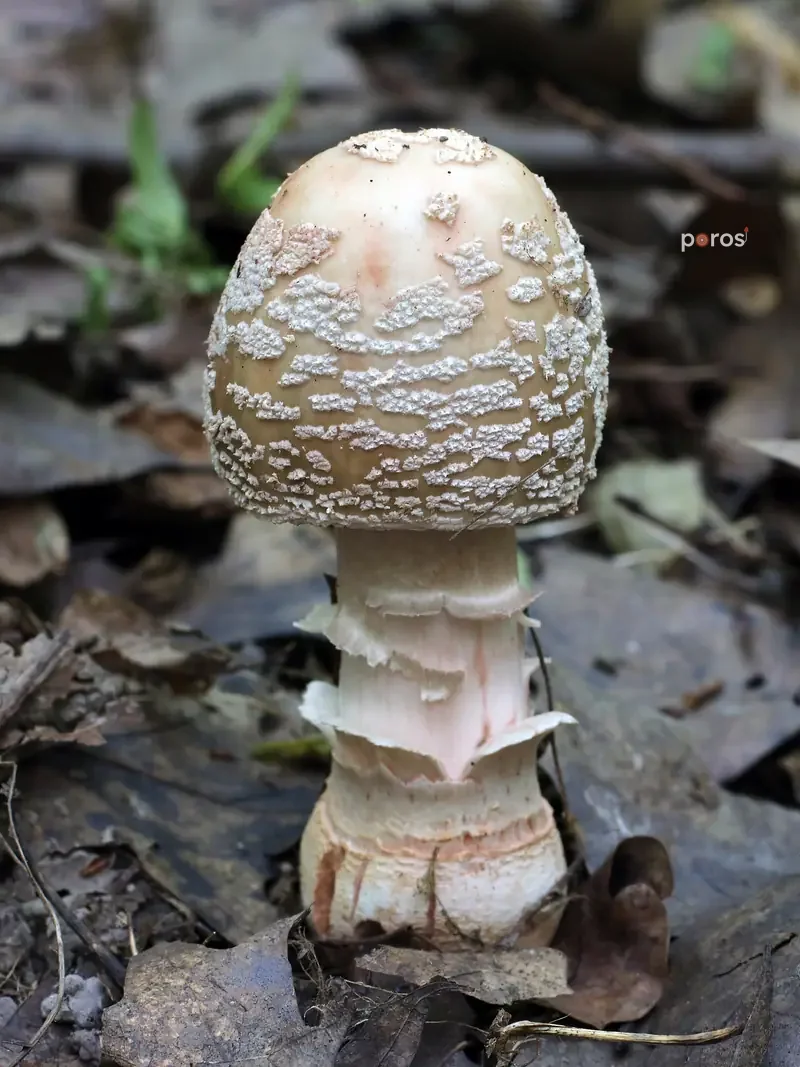 BlusherAmanita rubescensInedible
-
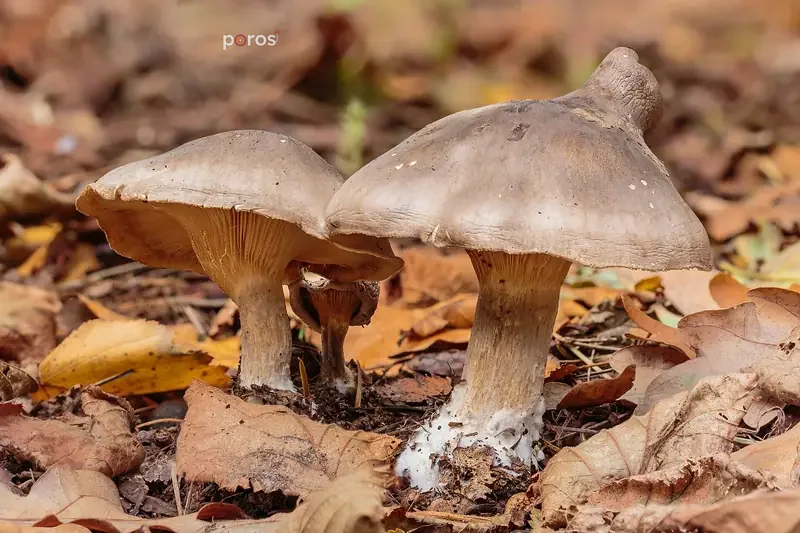 Clouded funnelClitocybe nebularisInedible
-
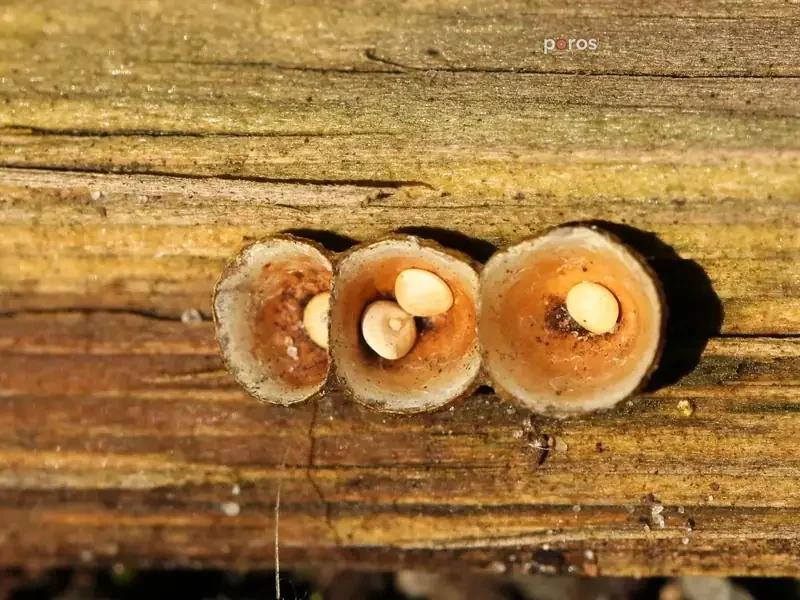 Common bird’s nest fungusCrucibulum laeveInedible
-
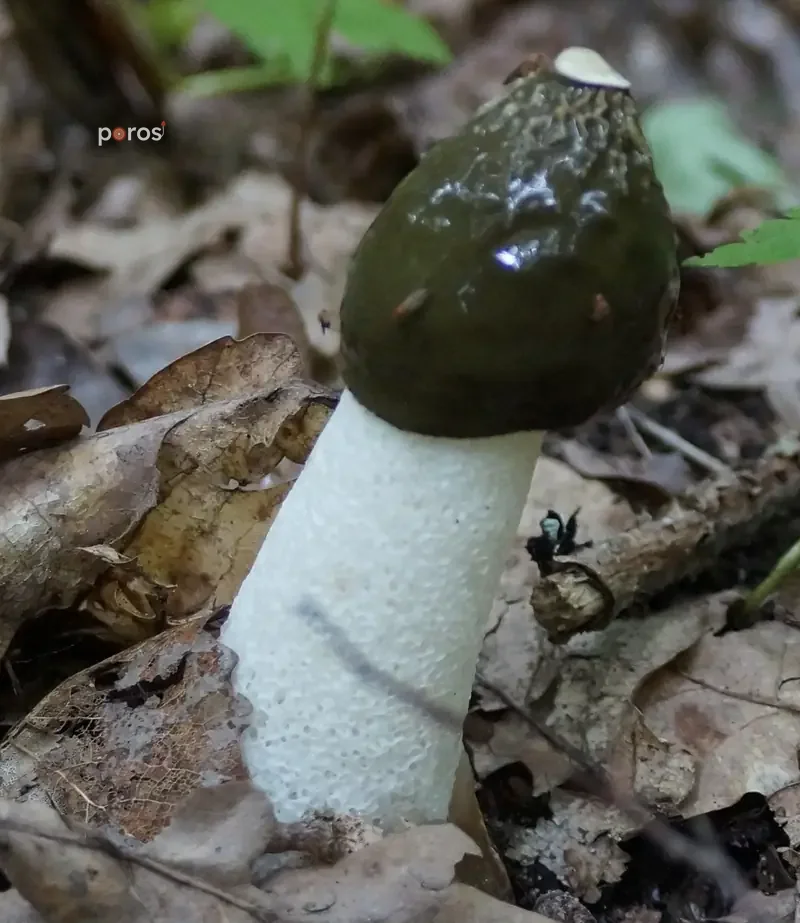 Common stinkhornPhallus impudicusInedible
-
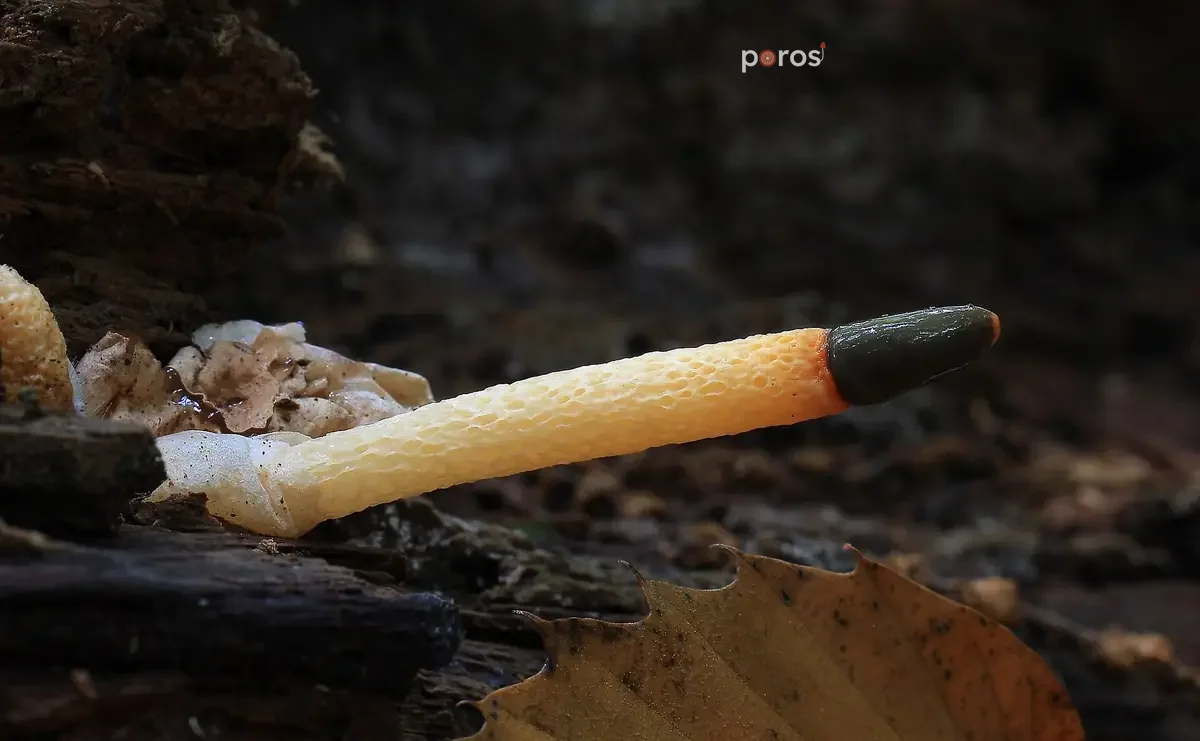 Dog stinkhornMutinus caninusInedible
Sources
- Uzun ve Kaya (2022), KSÜ Tarım ve Doğa Dergisi 25(1): Macromycetes Determined in Tonya (Trabzon) District dergipark.org.tr
- Kaşık ve ark. (2022), KSÜ Tarım ve Doğa Dergisi 25(6): Macrofungi of Yenice (Karabük) District and New Records for Turkey dergipark.org.tr
- Wikipedia (EN): Meripilus giganteus en.wikipedia.org
All sources (6)
- First Nature: Meripilus giganteus, Giant Polypore first-nature.com
- iNaturalist: Meripilus giganteus (Türkçe ad ve Türkiye gözlemleri) inaturalist.org
- GBIF: Türkiye kayıtları gbif.org
Photo credits (14)
- Meripilus giganteus · iNaturalist #21728915 · georgiasteel · CC0
- Meripilus giganteus · iNaturalist #303765033 · Vincent B. · CC BY 4.0
- Meripilus giganteus · iNaturalist #340961143 · Gianni Del Bufalo bygdb · CC BY 4.0
- Meripilus giganteus · iNaturalist #392736933 · Katrin Simon · CC BY 4.0
- Meripilus giganteus · iNaturalist #61384957 · Katrin Simon · CC BY 4.0
- Meripilus giganteus · iNaturalist #226746755 · Florencia Grattarola · CC BY 4.0
- Meripilus giganteus · iNaturalist #392736933 · Katrin Simon · CC BY 4.0
- Meripilus giganteus · iNaturalist #312210589 · Jeanne Robinson · CC0
- iNaturalist: Kırklareli, 18 Oct 2026 · Umut Nuri Erdoğan · CC BY
- iNaturalist: İstanbul, 5 Oct 2025 · Umut Nuri Erdoğan · CC BY
- iNaturalist: İstanbul, 5 Oct 2025 · Umut Nuri Erdoğan · CC BY
- iNaturalist: İstanbul, 6 Oct 2024 · Umut Nuri Erdoğan · CC BY
- iNaturalist: İstanbul, 3 Oct 2024 · Umut Nuri Erdoğan · CC BY
- iNaturalist: İstanbul, 3 Jan 2024 · Umut Nuri Erdoğan · CC BY