
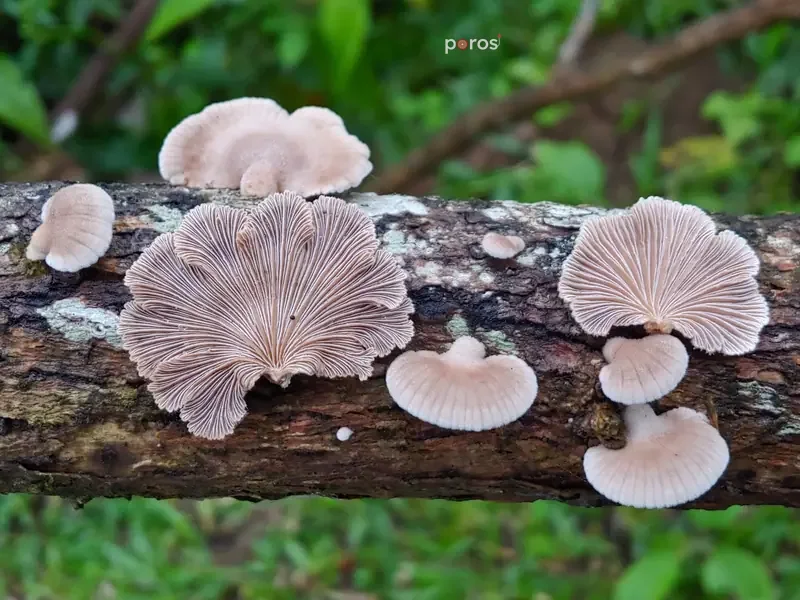


Split gill
Schizophyllum commune · Schizophyllaceae
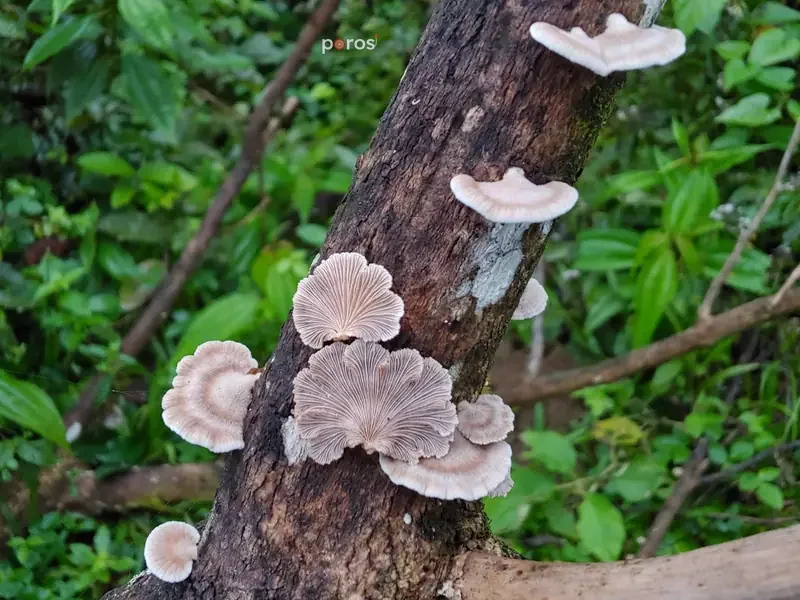
The split gill (Schizophyllum commune) is a small, 1–4 cm, fan-shaped fungus with a white-grey hairy top, growing on dead branches and logs.
Last updated: Prepared by the Poros Mantar editorial team6 sources checkedReport a correction
The split gill (Schizophyllum commune) is a small, 1–4 cm, fan-shaped fungus with a white-grey hairy top, growing on dead branches and logs. Its gills are split lengthwise down the middle; the splits close when it dries and open again in rain. It is one of the most widespread fungi in the world and among the most recorded species in our Turkish map data. It is eaten in some tropical countries, but it is tough and has caused infections in people with weak immunity, so we treat it as inedible.
Also called: splitgill mushroom, common split gill Turkish: Tüylü maymuncuk mantarı
How to recognise it
Split gill, part by part
No ring or volva Spore print: White No distinctive smell; the flesh is thin, tough and leathery.


When and where
Oct–May
- Janin season
- Febin season
- Marin season
- Aprin season
- Mayin season
- Jun
- Jul
- Aug
- Sep
- Octin season
- Novin season
- Decin season
The split gill can be seen all year; it dries out and revives after rain. Turkish records peak between December and May.
Type Inedible
Months seen JanuaryFebruaryMarchAprilMayOctoberNovemberDecember
Regions Southeastern Anatolia RegionBlack Sea RegionCentral Anatolia RegionMediterranean RegionAegean RegionMarmara RegionManisaAntalyaDiyarbakırİzmirMuğlaAnkaraSakaryaIstanbul
Where does split gill grow?
On dead branches, stumps and cut timber of broadleaf trees, sometimes conifers; it survives even in sunny, dry spots. It grows in rows or clusters on the sides of wood.
Where is split gill found in Turkey?
Our map data (GBIF and iNaturalist) holds 169 Turkish records, the most of any species in our data. They span 19 provinces, led by Istanbul (79), Ankara (22), Muğla (16) and Manisa (10).
- İstanbul79
- Ankara22
- Muğla16
- Manisa10
- Diyarbakır6
- Antalya6
- İzmir5
- Sakarya4
- Kırklareli3
- Samsun3
- Kocaeli3
- Karaman3
Other provinces: Balıkesir (2), Tokat (2), Edirne (1), Denizli (1), Bursa (1), Aydın (1), Osmaniye (1)
Which months
- Jan24
- Feb18
- Mar34
- Apr20
- May28
- Jun6
- Jul4
- Aug7
- Sep3
- Oct6
- Nov4
- Dec15
split gill map of Turkey: all provinces and months →
19 provinces, 169 observations (GBIF, iNaturalist); months from observation dates. Record density also reflects where observers work.
Latest split gill observations
-
 İstanbul26 Oct 2026 · iNaturalist© no rights reserved · CC0
-
 Kırklareli18 Oct 2026 · iNaturalist© Umut Nuri Erdoğan · CC BY
-
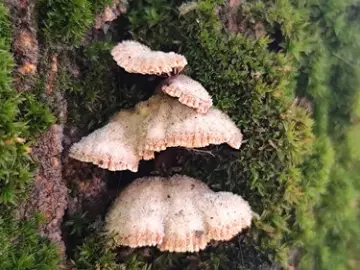 Diyarbakır3 Oct 2026 · iNaturalist© Mustafa Arisli · CC BY
-
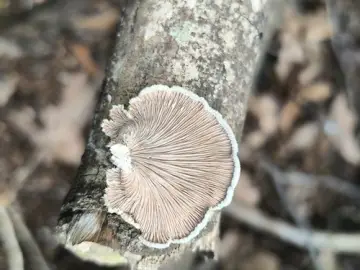 İstanbul23 May 2026 · iNaturalist© Umut Nuri Erdoğan · CC BY
-
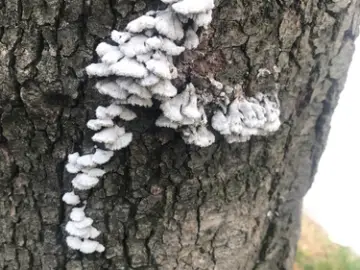 İstanbul21 May 2026 · iNaturalist© Evren Öztürk · CC BY
-
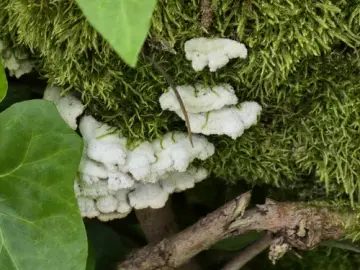 İstanbul30 Apr 2026 · iNaturalist© Umut Hasanoglu · CC BY
-
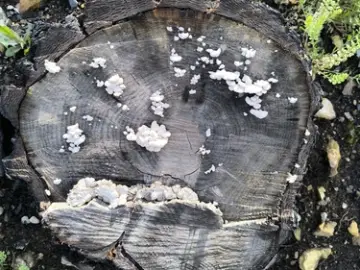 Manisa18 Apr 2026 · iNaturalist© Umut Nuri Erdoğan · CC BY
-
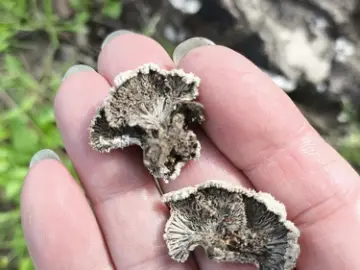 Antalya31 Mar 2026 · iNaturalist© Татьяна Максимова · CC BY
- See on the map
Look-alikes
What could it be confused with?
Split gill can be mistaken for the species below. Each card shows the look-alike and how it differs from Split gill.
 Inedible
not Split gill
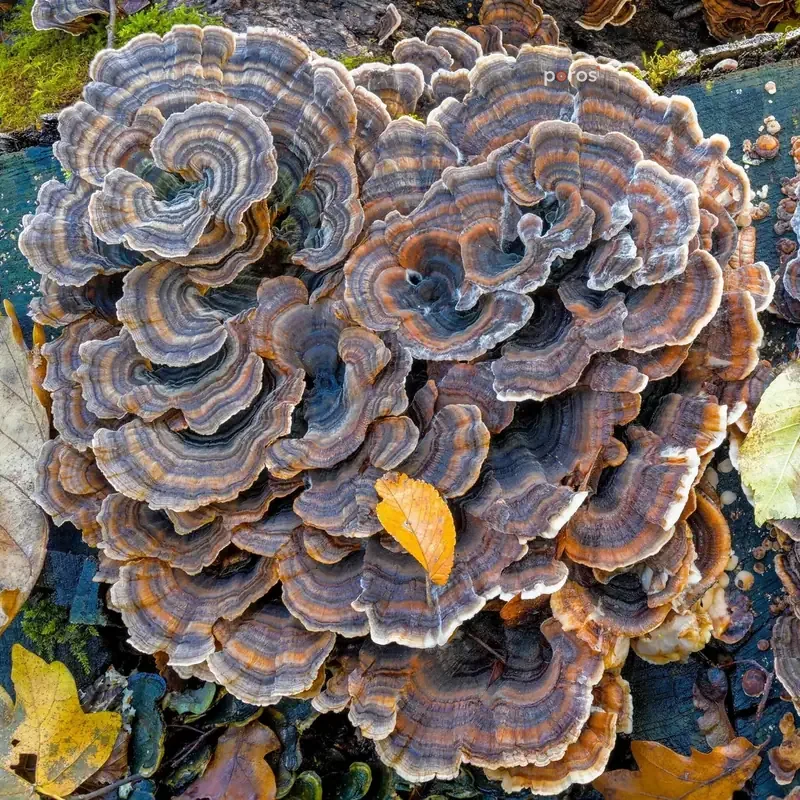
Turkey tail Trametes versicolor
Turkey tail has a zoned, multicoloured top and fine pores underneath instead of gills.
 Inedible
not Split gill
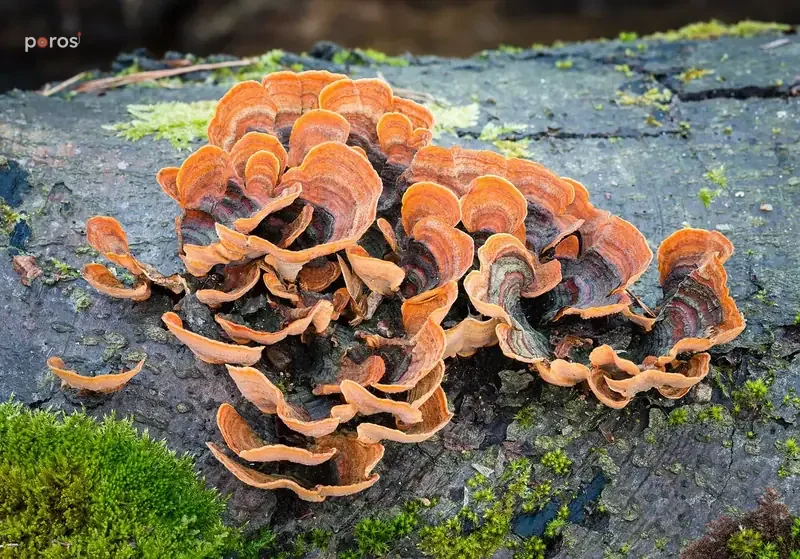
Hairy curtain crust Stereum hirsutum
Its top is hairy with yellow-orange tones, and its underside is smooth, with no gills.
 Inedible
not Split gill
Oysterlings Crepidotus spp.
They are also small fans attached at the side, but their gills are not split and their spore print is brown.
What it contains
A polysaccharide called schizophyllan derived from this fungus is studied in research; that does not mean the fungus itself should be eaten.
General information, not a health claim.
We treat the split gill as inedible. It is tough and leathery, and it has been reported to cause lung and sinus infections in people with weak immunity. Avoid close inhaling when examining it.
Frequently asked questions
Is the split gill edible?
We treat it as inedible. It is eaten in some tropical countries, but it is tough and leathery and has caused infections in people with weak immunity.
Is it poisonous?
No toxin is known. The risk is that its spores can cause lung and sinus infections in vulnerable people.
Why are its gills split?
The edge of each gill is split in two. In dry weather the halves curl over to protect the gill, and in rain they open so the fungus can keep releasing spores.
How do you identify it?
A 1–4 cm fan attached at the side to dead wood, white-grey and hairy on top, with pinkish-grey gills split down the middle underneath.
Where is it found in Turkey?
Almost everywhere: our map data has 169 records from 19 provinces, led by Istanbul, Ankara, Muğla and Manisa.
When does it appear?
All year round; because it dries out and revives after rain, it is found in winter and spring too.
Does it harm trees?
It mostly breaks down dead wood, but it can cause white rot in weakened or wounded trees and in cut timber.
When is split gill season in Turkey?
In our calendar, split gill season runs Oct–May. The split gill can be seen all year; it dries out and revives after rain. Turkish records peak between December and May.
Where does split gill grow?
On dead branches, stumps and cut timber of broadleaf trees, sometimes conifers; it survives even in sunny, dry spots. It grows in rows or clusters on the sides of wood.
Where is split gill found in Turkey?
Our map data (GBIF and iNaturalist) holds 169 Turkish records, the most of any species in our data. They span 19 provinces, led by Istanbul (79), Ankara (22), Muğla (16) and Manisa (10).
What can split gill be confused with?
Split gill can be confused with turkey tail (Trametes versicolor, inedible), hairy curtain crust (Stereum hirsutum, inedible) and oysterlings (Crepidotus spp., inedible). Look-alikes are compared on this page.
What is split gill called in Turkish?
In Turkish, split gill (Schizophyllum commune) is called Tüylü maymuncuk mantarı.
Related species
-
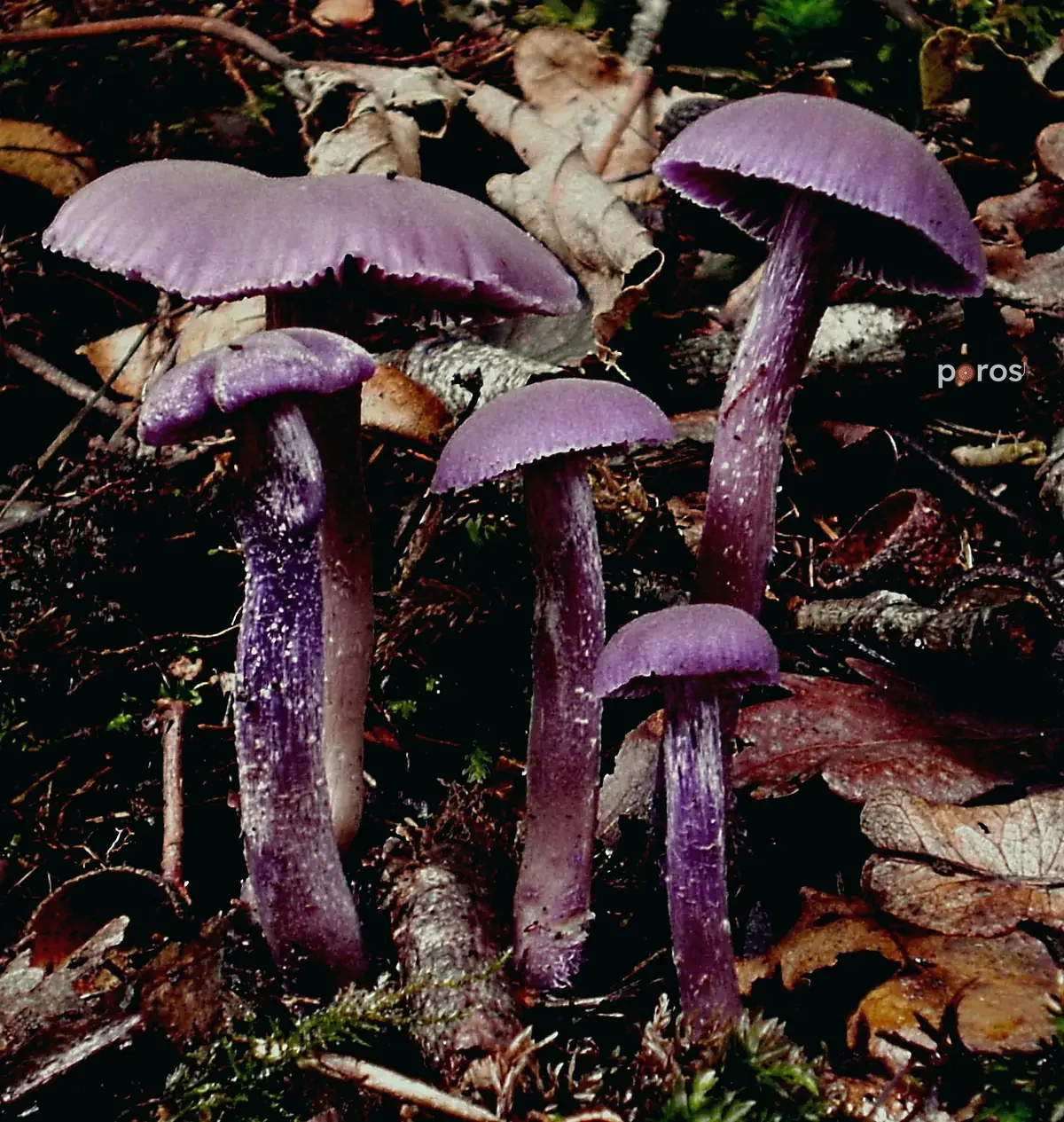 Amethyst deceiverLaccaria amethystinaInedible
-
 Artist’s bracketGanoderma applanatumInedible
-
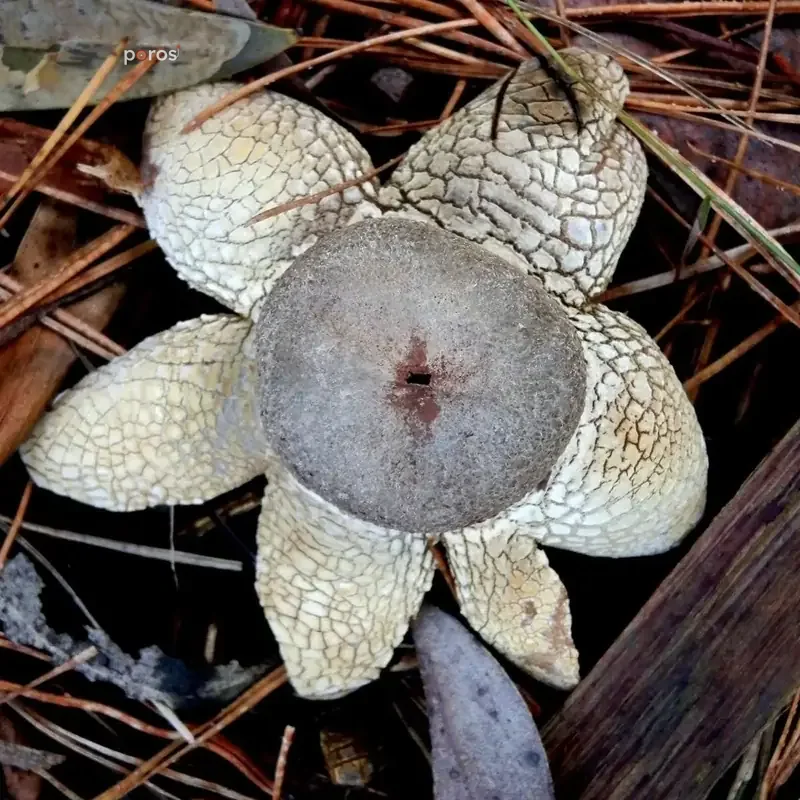 Barometer earthstarAstraeus hygrometricusInedible
-
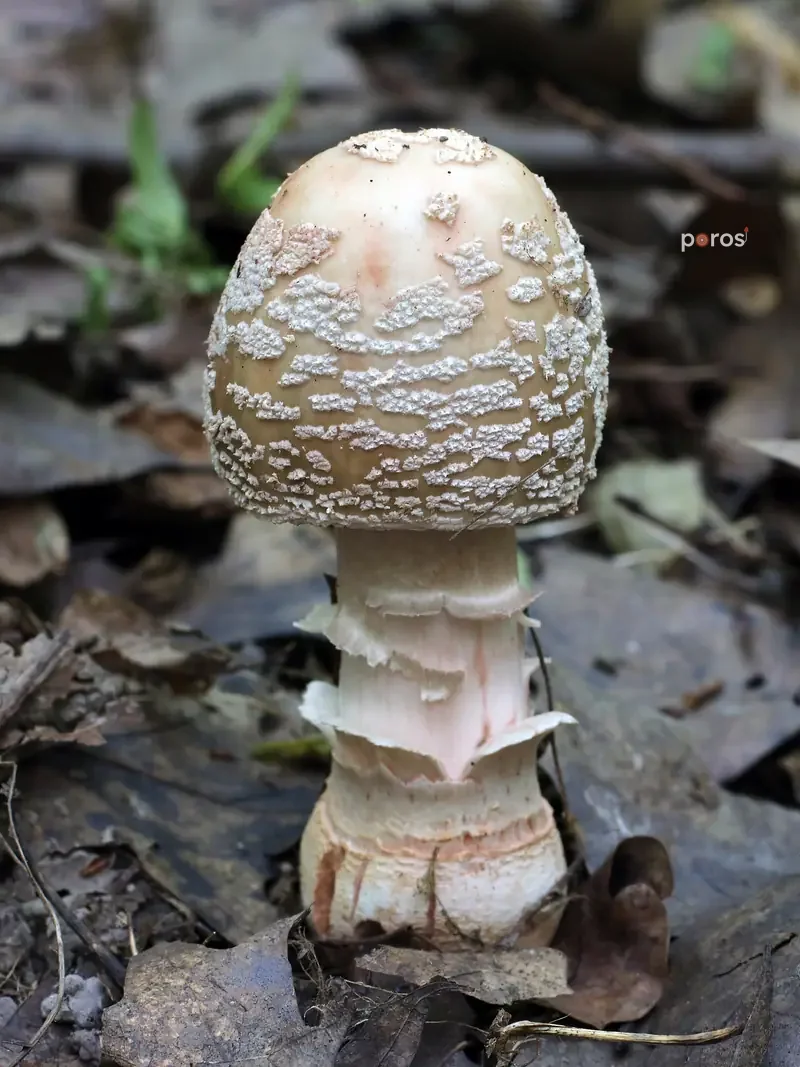 BlusherAmanita rubescensInedible
-
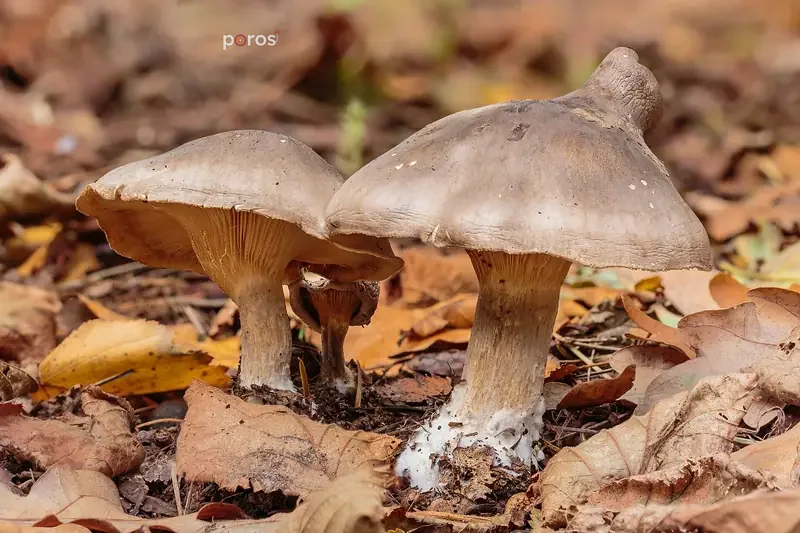 Clouded funnelClitocybe nebularisInedible
-
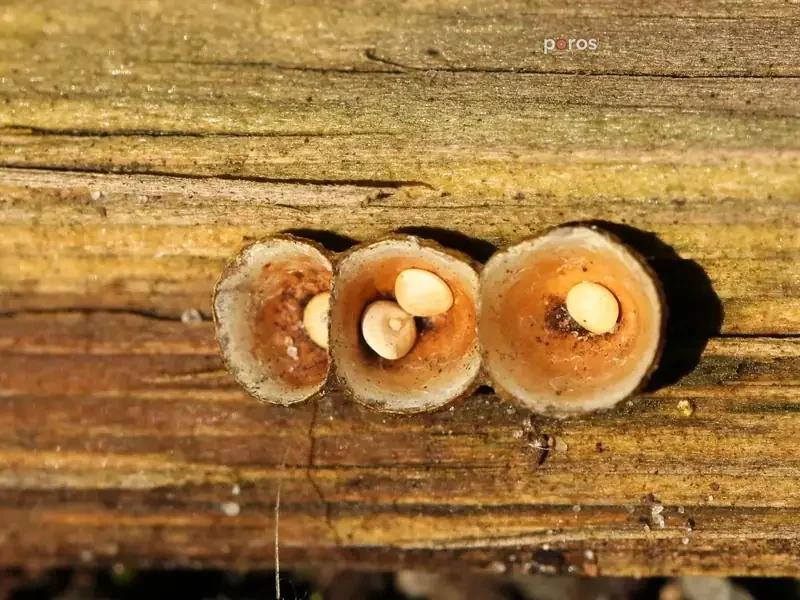 Common bird’s nest fungusCrucibulum laeveInedible
-
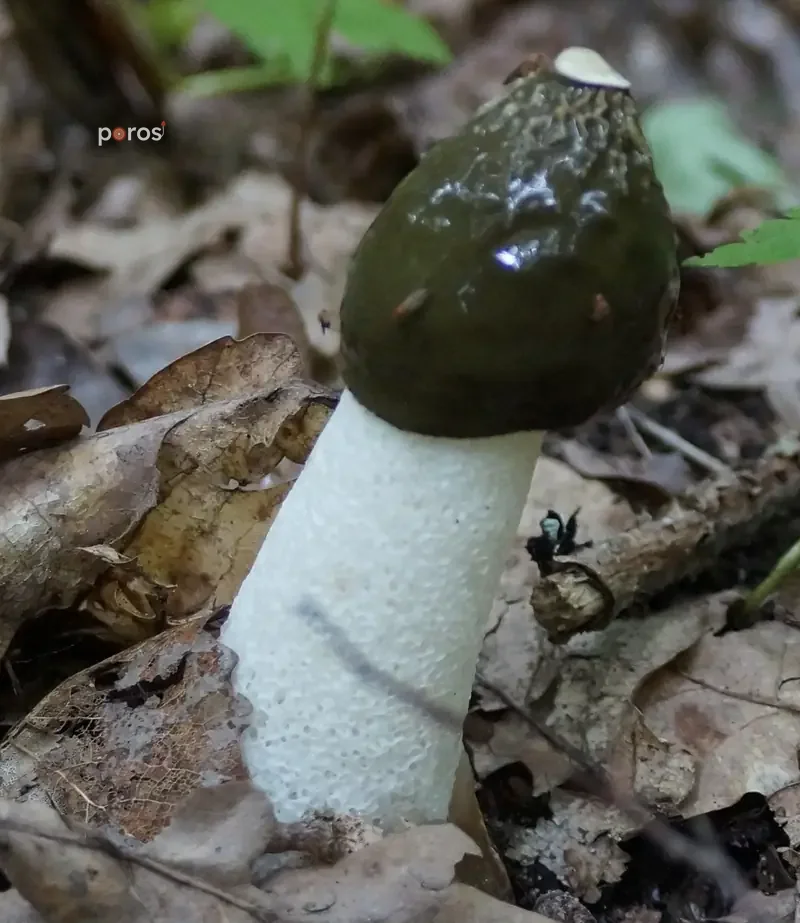 Common stinkhornPhallus impudicusInedible
-
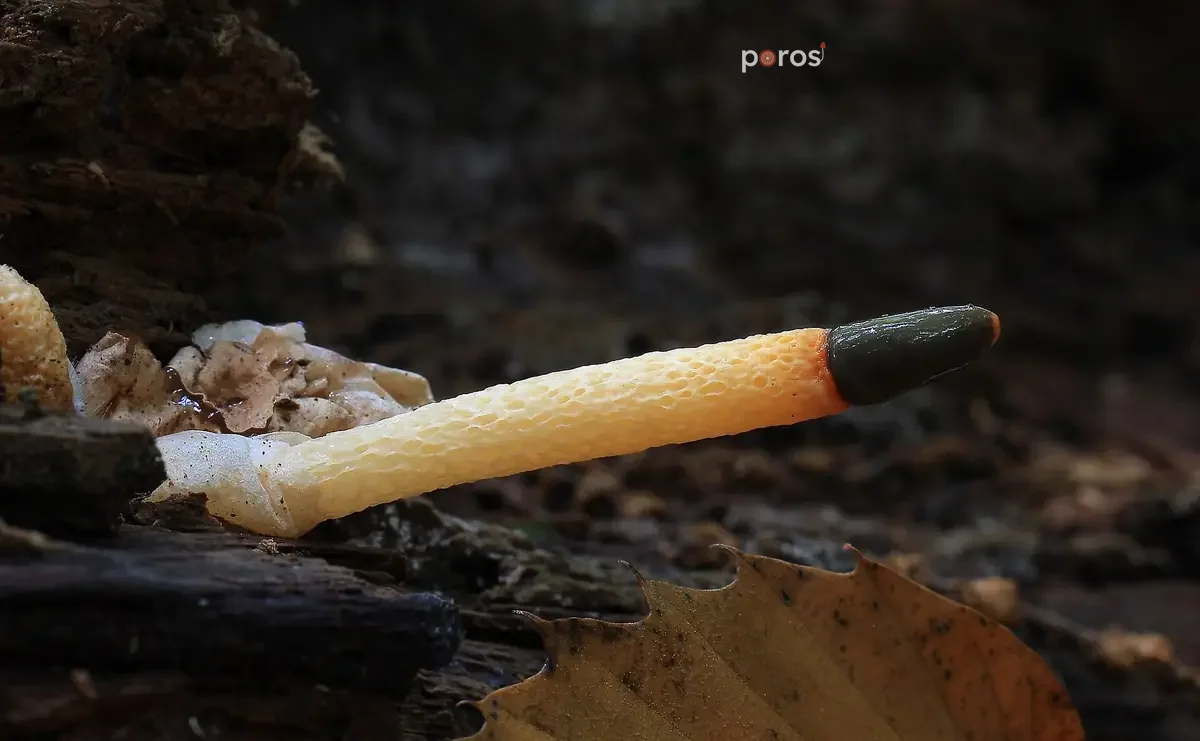 Dog stinkhornMutinus caninusInedible
Sources
- Matos ve ark. (2016), Wiener Klinische Wochenschrift: Schizophyllum commune kaynaklı dış kulak enfeksiyonu pubmed.ncbi.nlm.nih.gov
- Adanacıoğlu ve ark. (2014), ANADOLU (Ege Tarımsal Araştırma Enstitüsü): Türkiye makromantar genetik kaynakları I. Ege Bölgesi dergipark.org.tr
- Wikipedia (EN): Schizophyllum commune en.wikipedia.org
All sources (6)
- First Nature: Schizophyllum commune first-nature.com
- iNaturalist: Schizophyllum commune (Türkçe ad ve Türkiye gözlemleri) inaturalist.org
- GBIF: Türkiye kayıtları gbif.org
Photo credits (16)
- Schizophyllum commune · iNaturalist #258985590 · Kurt Miller · CC BY-SA 4.0
- Schizophyllum commune · iNaturalist #143600498 · River Ahlquist · CC BY 4.0
- Schizophyllum commune · iNaturalist #43410034 · psweet · CC BY-SA 4.0
- Schizophyllum commune · iNaturalist #258985590 · Kurt Miller · CC BY-SA 4.0
- Schizophyllum commune · iNaturalist #17541361 · Whitney Mattila · CC BY 4.0
- Schizophyllum commune · iNaturalist #146892613 · Skyler Principe · CC BY 4.0
- File:Gemeiner Spaltblättling, Schizophyllum commune-20191216-RM-152856.jpg · Ermell · CC BY-SA 4.0
- Schizophyllum commune · iNaturalist #66785942 · Yves Bas · CC BY 4.0
- iNaturalist: İstanbul, 26 Oct 2026 · no rights reserved · CC0
- iNaturalist: Kırklareli, 18 Oct 2026 · Umut Nuri Erdoğan · CC BY
- iNaturalist: Diyarbakır, 3 Oct 2026 · Mustafa Arisli · CC BY
- iNaturalist: İstanbul, 23 May 2026 · Umut Nuri Erdoğan · CC BY
- iNaturalist: İstanbul, 21 May 2026 · Evren Öztürk · CC BY
- iNaturalist: İstanbul, 30 Apr 2026 · Umut Hasanoglu · CC BY
- iNaturalist: Manisa, 18 Apr 2026 · Umut Nuri Erdoğan · CC BY
- iNaturalist: Antalya, 31 Mar 2026 · Татьяна Максимова · CC BY
