

False death cap
Amanita citrina · Amanitaceae
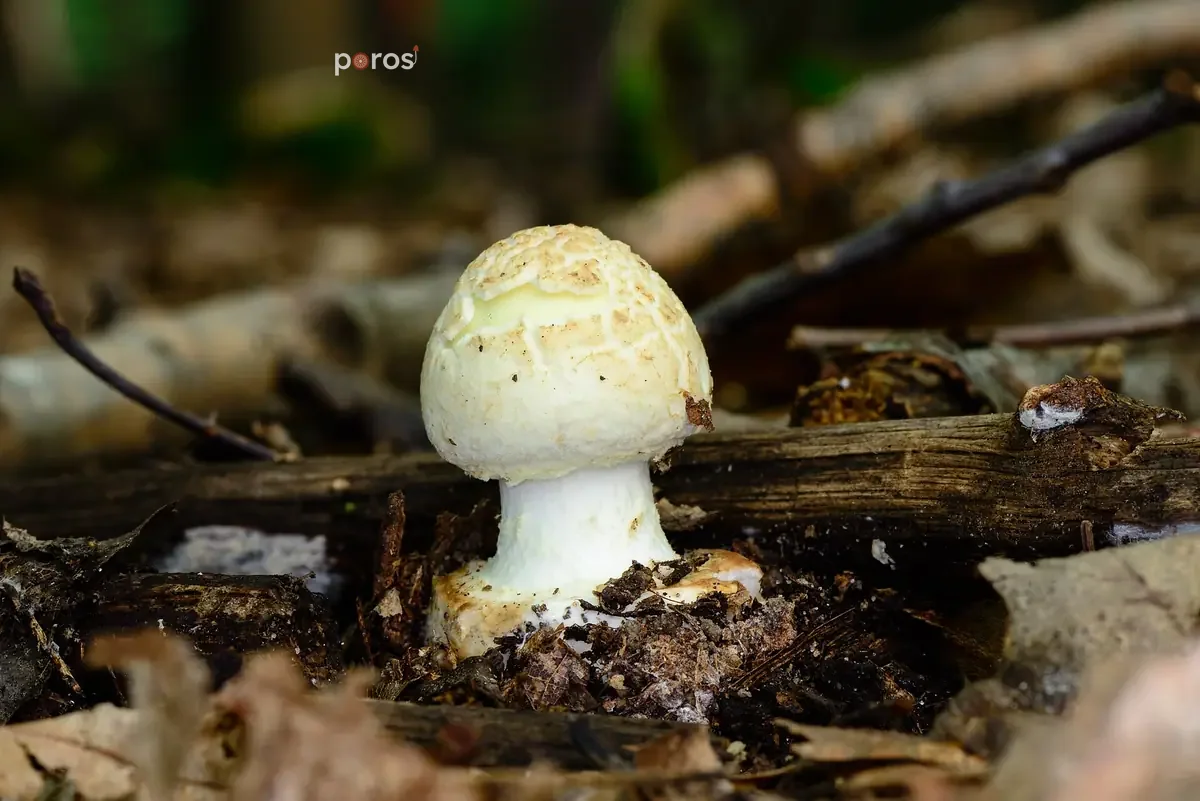
The false death cap (Amanita citrina) is an Amanita of oak, beech and pine woods with a pale lemon-yellow or white cap dotted with cream patches.
Last updated: Prepared by the Poros Mantar editorial team5 sources checkedReport a correction
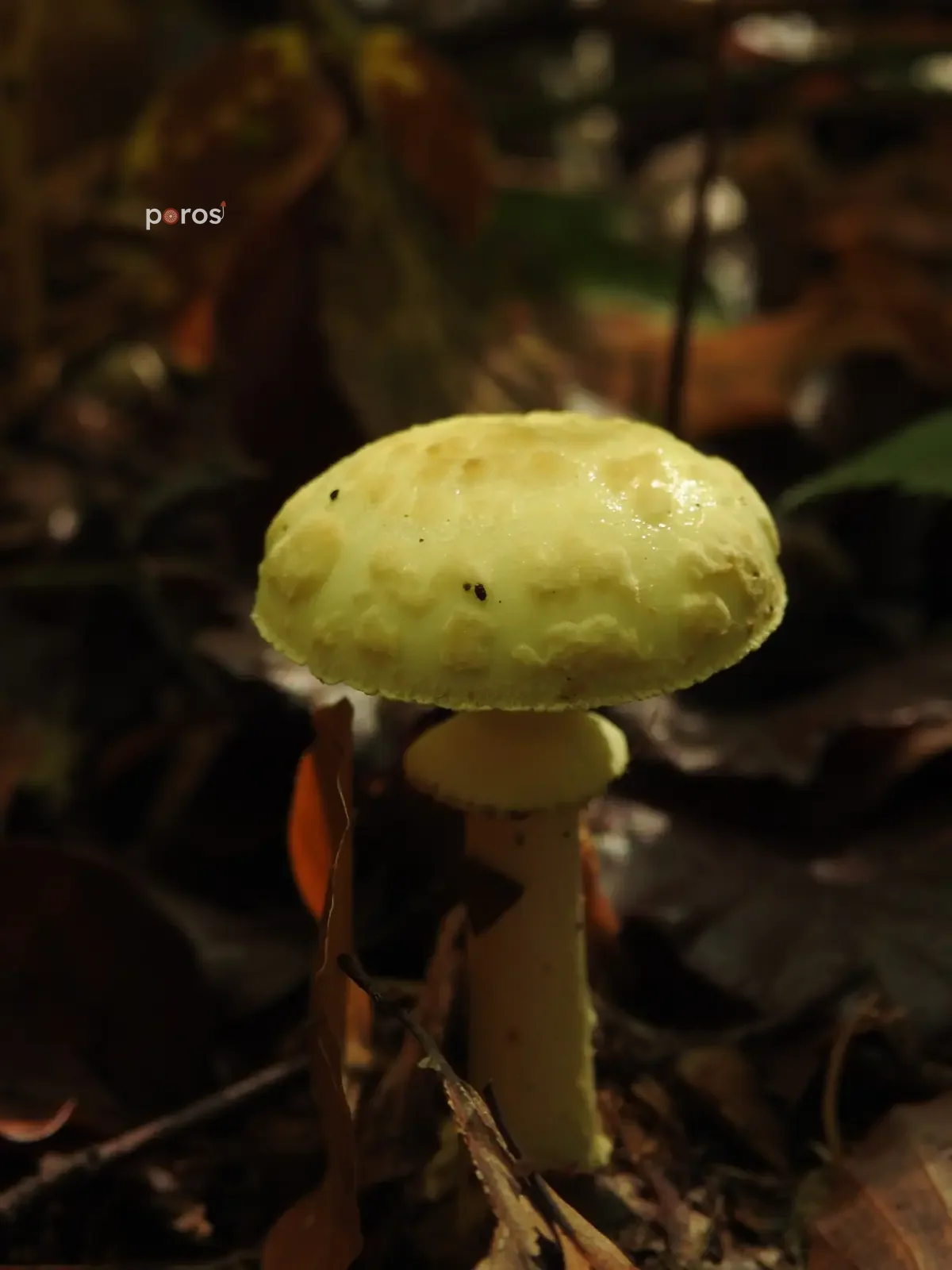
The false death cap (Amanita citrina) is an Amanita of oak, beech and pine woods with a pale lemon-yellow or white cap dotted with cream patches. The stem has a rimmed, rounded bulb at the base and a hanging ring, and it smells of raw potato. It is not considered deadly itself, but it closely resembles the death cap and its edibility is disputed, so it is not eaten.
Also called: false deathcap, citron amanita Turkish: Amanita citrina Synonyms: Amanita mappa
How to recognise it
False death cap, part by part
Spore print: White Smells of raw potato or potato sprouts; the taste is unpleasant.


When and where
Aug–Dec
- Jan
- Feb
- Mar
- Apr
- May
- Jun
- Jul
- Augin season
- Sepin season
- Octin season
- Novin season
- Decin season
The false death cap appears from late summer into winter. Most of our Turkish records are from October, with others in September, November and December.
Type Inedible
Months seen AugustSeptemberOctoberNovemberDecember
Regions Black Sea RegionMarmara RegionÇanakkaleBoluIstanbulKırklareli
Where do false death caps grow?
Forms mycorrhizal partnerships with trees such as oak, beech and pine, and is especially common in woods on acid, sandy soil. It grows singly or in small groups.
Where is false death caps found in Turkey?
Our map data (GBIF and iNaturalist) holds 16 Turkish records: Istanbul 6, Kırklareli 5, Bolu 4 and Çanakkale 1. It is also among Amanita specimens collected in Turkey and identified by ITS sequencing (Tapan et al., 2024).
Which months
- Jan0
- Feb0
- Mar0
- Apr0
- May0
- Jun0
- Jul0
- Aug0
- Sep1
- Oct10
- Nov4
- Dec1
false death cap map of Turkey: all provinces and months →
4 provinces, 16 observations (GBIF, iNaturalist); months from observation dates. Record density also reflects where observers work.
Latest false death cap observations
-
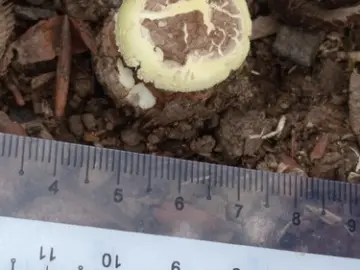 İstanbul23 Nov 2025 · iNaturalist© Umut Nuri Erdoğan · CC BY
-
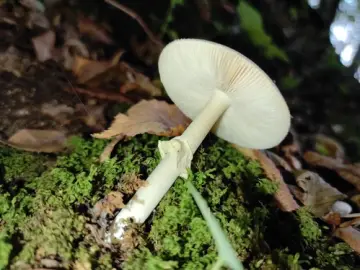 Kırklareli12 Oct 2024 · iNaturalist© Umut Nuri Erdoğan · CC BY
-
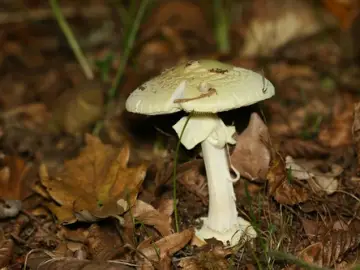 Kırklareli5 Oct 2024 · iNaturalist© Asrın Akıncıoğlu · CC BY
-
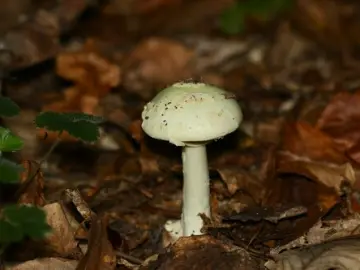 Kırklareli5 Oct 2024 · iNaturalist© Asrın Akıncıoğlu · CC BY
-
 Illustrative
Bolu29 Oct 2026 · iNaturalist
-
 Illustrative
Bolu29 Oct 2026 · iNaturalist
-
 Illustrative
Bolu29 Oct 2026 · iNaturalist
-
 Illustrative
İstanbul25 Oct 2026 · iNaturalist
- See on the map
On "illustrative" cards the image is a photo of the species; the observation photo cannot be shown here because of its licence, but can be seen at the source.
Look-alikes
What could it be confused with?
False death cap can be mistaken for the species below. Each card shows the look-alike and how it differs from False death cap.
 Deadly
not False death cap
Death cap Amanita phalloides
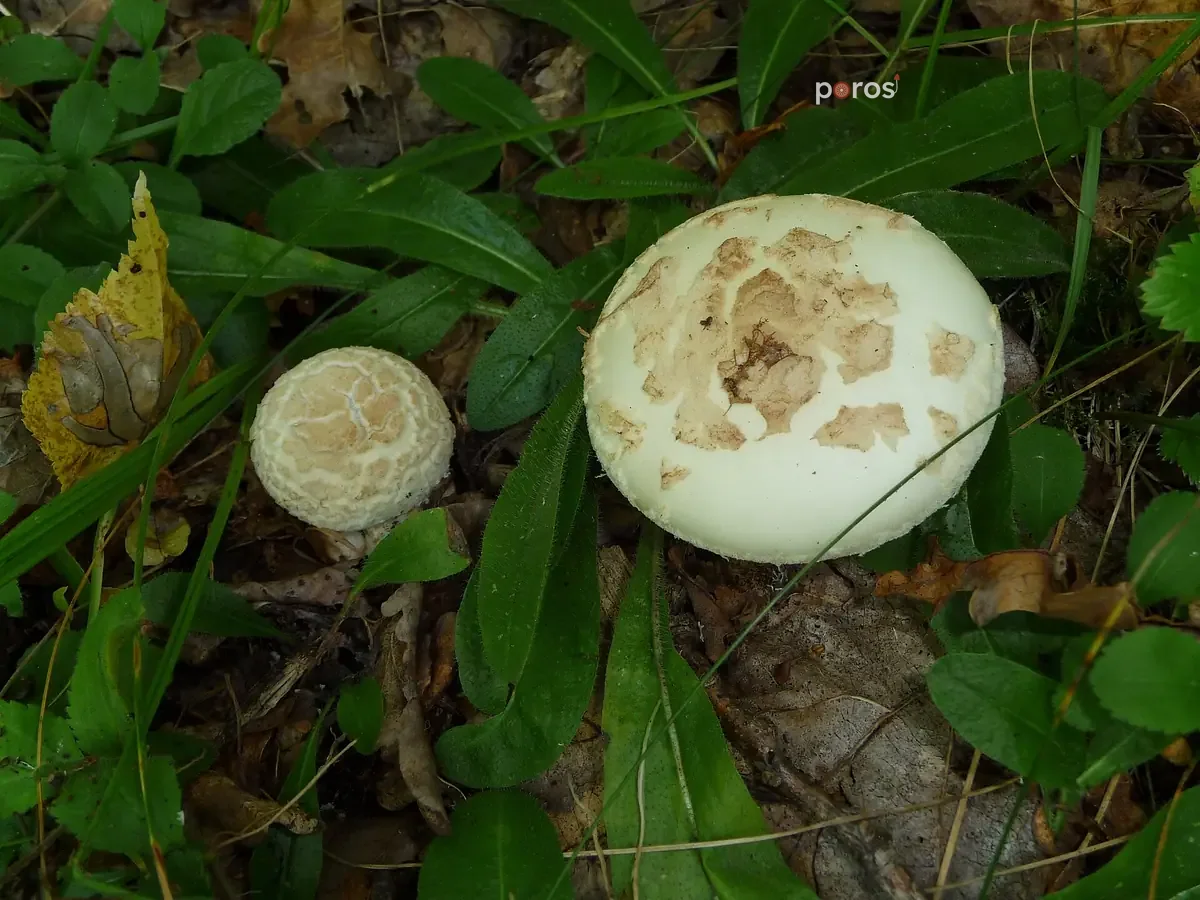
The death cap's cap is olive to yellowish green and usually free of patches; it has an open, sack-like white volva at the base and no potato smell. The false death cap is pale lemon-yellow with patches and has a rimmed, rounded bulb. Telling them apart takes experience; do not eat yellowish Amanitas.
 Deadly
not False death cap
Destroying angel Amanita virosa
The white form of the false death cap (var. alba) resembles the destroying angel. The destroying angel has a shaggy stem and an open, sack-like volva at the base, and does not smell of potato.
 Poisonous
not False death cap
Panther cap Amanita pantherina
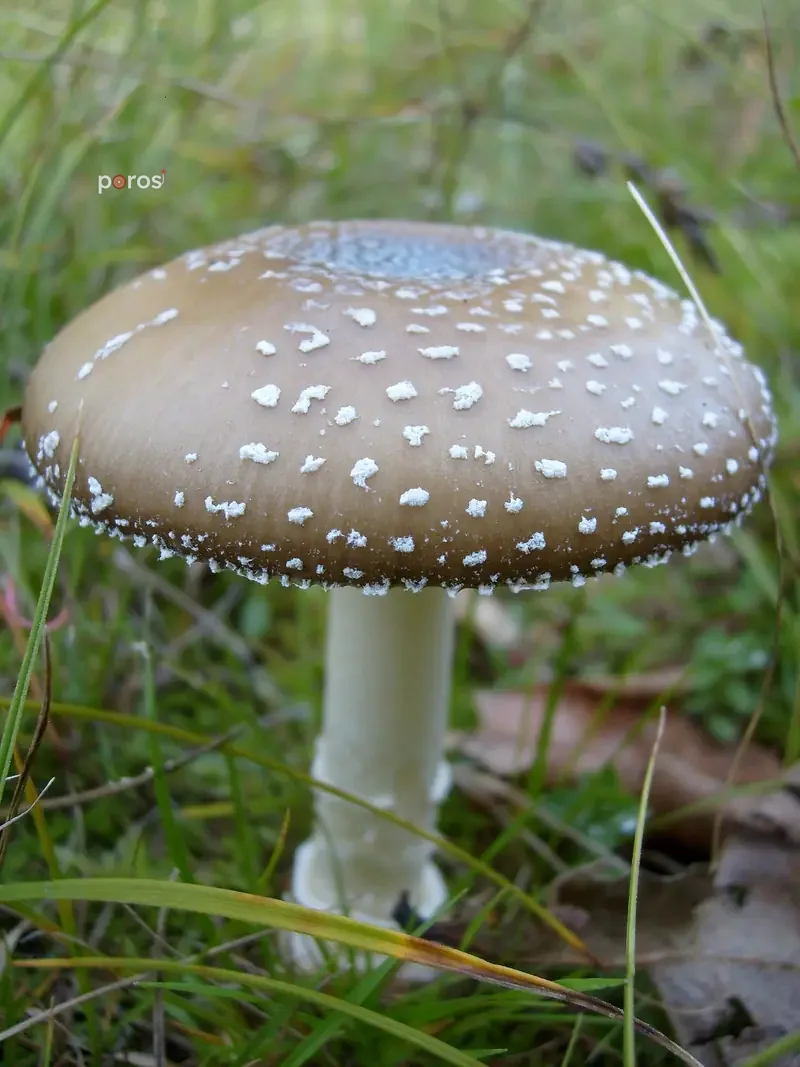
The panther cap has a brown cap dotted with neat white warts and a rolled 'sock-like' rim above the bulb. The false death cap is pale yellow with cream patches.
What it contains
It tastes unpleasant and smells of raw potato; it has no culinary value.
General information, not a health claim.
The false death cap is not considered deadly; some sources list it as edible, others as inedible or suspect, and it is reported to contain small amounts of bufotenine. The real danger is confusing it with the deadly death cap and destroying angel. Do not eat yellowish or white Amanitas. If poisoning is suspected, call poison control and keep any leftover mushroom.
Frequently asked questions
Is the false death cap edible?
Our advice is not to eat it. Sources disagree on its edibility and it closely resembles the deadly death cap.
Is the false death cap poisonous?
It is not considered deadly; it is reported to contain small amounts of bufotenine. The main risk is confusing it with the death cap.
How do you tell it from the death cap?
The false death cap has a pale lemon-yellow cap with cream patches, a rimmed rounded bulb and a raw-potato smell. The death cap is olive green, usually without patches, and has an open, sack-like volva.
Why does it smell of potato?
Sources describe its smell as raw potato or potato sprouts, one of its easiest field signs, but smell alone is not a safe way to identify it.
Is there a white form?
Yes; there is a white form known as var. alba, which can be confused with the destroying angel.
Where and when does it grow?
In oak, beech and pine woods, especially on acid soil, from late summer into winter, most often in October.
Where is it found in Turkey?
Our map data has 16 records from Istanbul, Kırklareli, Bolu and Çanakkale.
Does it have a Turkish name?
We found no established, sourced Turkish name, so we use its Latin name. Its English name is false death cap.
When is false death cap season in Turkey?
In our calendar, false death cap season runs Aug–Dec. The false death cap appears from late summer into winter. Most of our Turkish records are from October, with others in September, November and December.
Where do false death caps grow?
Forms mycorrhizal partnerships with trees such as oak, beech and pine, and is especially common in woods on acid, sandy soil. It grows singly or in small groups.
Where are false death caps found in Turkey?
Our map data (GBIF and iNaturalist) holds 16 Turkish records: Istanbul 6, Kırklareli 5, Bolu 4 and Çanakkale 1. It is also among Amanita specimens collected in Turkey and identified by ITS sequencing (Tapan et al., 2024).
What can the false death cap be confused with?
The false death cap can be confused with death cap (Amanita phalloides, deadly), destroying angel (Amanita virosa, deadly) and panther cap (Amanita pantherina, poisonous). Look-alikes are compared on this page.
What is the false death cap called in Turkish?
In Turkish, the false death cap (Amanita citrina) is called Amanita citrina.
Related species
-
 BlusherAmanita rubescensInedible
-
 Caesar’s mushroomAmanita caesareaEdible species
-
Death capAmanita phalloidesDeadly poisonous
-
Destroying angelAmanita virosaDeadly poisonous
-
 Fly agaricAmanita muscariaPoisonous
-
Panther capAmanita pantherinaPoisonous
-
 Amethyst deceiverLaccaria amethystinaInedible
-
 Artist’s bracketGanoderma applanatumInedible
Sources
- Tapan ve ark. (2024), Biology Bulletin 51(6): Antioxidant Activities of Some Edible and Poisonous Amanita Species from Türkiye doi.org
- Wikipedia (EN): Amanita citrina en.wikipedia.org
- First Nature: Amanita citrina, False Deathcap first-nature.com
All sources (5)
- iNaturalist: Amanita citrina (Türkiye gözlemleri) inaturalist.org
- GBIF: Türkiye kayıtları gbif.org
Photo credits (12)
- File:Amanita citrina - Gelber Knollenblätterpilz - false death cap - Citron Amanita - Amanita citrina - 01.jpg · Norbert Nagel · CC BY-SA 3.0
- Amanita citrina · iNaturalist #247076134 · Yves Bas · CC BY 4.0
- Amanita citrina · iNaturalist #405182907 · Katrin Simon · CC BY 4.0
- Amanita citrina · iNaturalist #318456597 · Johan Adler · CC BY 4.0
- Amanita citrina alba · iNaturalist #137274330 · Jens Ullenius · CC0
- Amanita citrina · iNaturalist #192492173 · Ross Krisztina · CC BY 4.0
- File:Amanita citrina 2010 G1.jpg · George Chernilevsky · Public domain
- File:Amanita citrina 154547343.jpg · muukalainen · CC0
- iNaturalist: İstanbul, 23 Nov 2025 · Umut Nuri Erdoğan · CC BY
- iNaturalist: Kırklareli, 12 Oct 2024 · Umut Nuri Erdoğan · CC BY
- iNaturalist: Kırklareli, 5 Oct 2024 · Asrın Akıncıoğlu · CC BY
- iNaturalist: Kırklareli, 5 Oct 2024 · Asrın Akıncıoğlu · CC BY


