
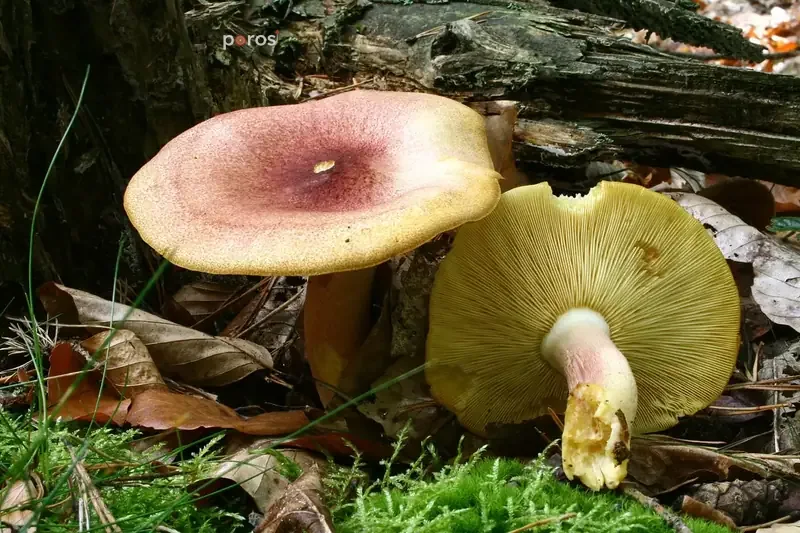


Plums and custard
Tricholomopsis rutilans · Phyllotopsidaceae
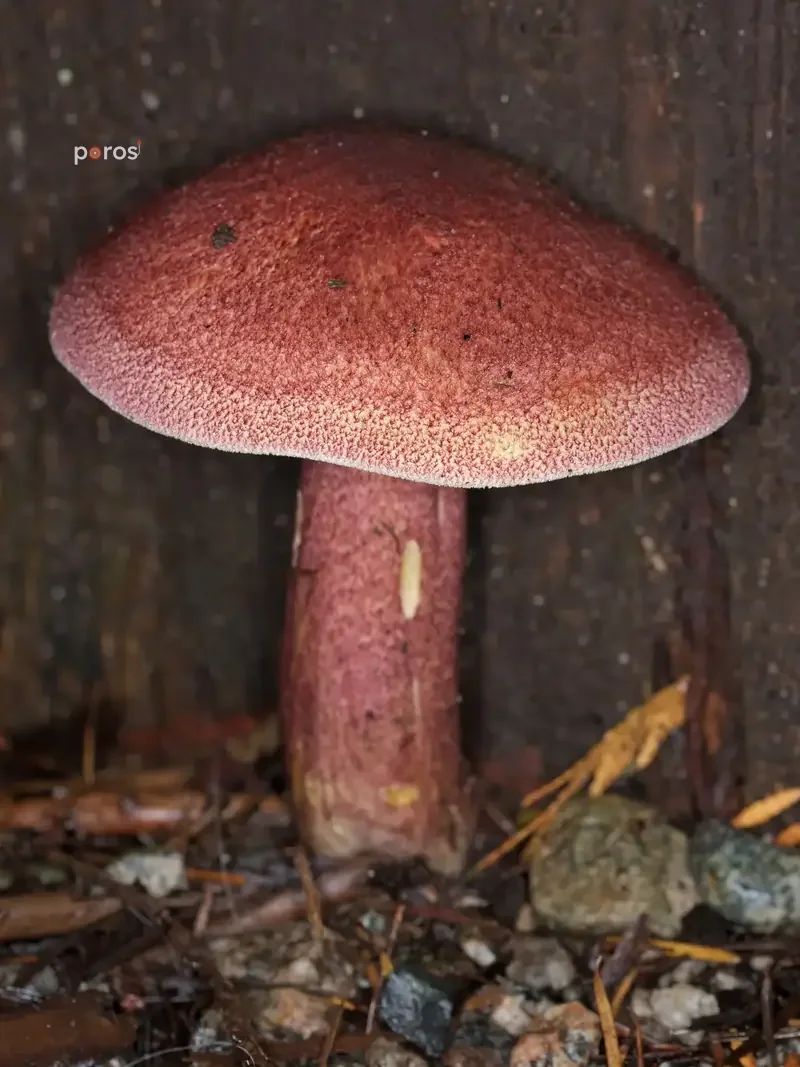
Plums and custard (Tricholomopsis rutilans) grows on rotting pine stumps and roots and is easy to spot by its yellow cap covered in fine purple-red scales and its yellow gills; the colours give it its English name.
Last updated: Prepared by the Poros Mantar editorial team5 sources checkedReport a correction
Plums and custard (Tricholomopsis rutilans) grows on rotting pine stumps and roots and is easy to spot by its yellow cap covered in fine purple-red scales and its yellow gills; the colours give it its English name. It is not deadly, but it is bitterish and can upset the stomach, so we list it as not edible.
Also called: red-haired agaric, purple-yellow agaric Turkish: Acı çilek mantarı Synonyms: Tricholoma rutilans, Agaricus rutilans
How to recognise it
Plums and custard, part by part
No ring or volva Spore print: White Faintly woody or radish-like; the flesh is pale yellow and tastes bitterish.


When and where
Oct–Jan
- Janin season
- Feb
- Mar
- Apr
- May
- Jun
- Jul
- Aug
- Sep
- Octin season
- Novin season
- Decin season
Plums and custard appears in autumn; our records run from October to January, most of them in October.
Type Inedible
Months seen OctoberNovemberDecemberJanuary
Regions Black Sea RegionMediterranean RegionMarmara RegionBartınOrduOsmaniyeBoluIstanbul
Where does plums and custard grow?
On rotting stumps, roots and wood of conifers, especially pine; singly or in small clusters. When the wood is buried it can look as if it is growing from soil.
Where is plums and custard found in Turkey?
Our map data (GBIF and iNaturalist) holds 12 Turkish records, mostly from Bolu and Istanbul, plus Bartın, Osmaniye and Ordu. They cluster in the pine forests of the Black Sea and Marmara regions.
Which months
- Jan3
- Feb0
- Mar0
- Apr0
- May0
- Jun0
- Jul0
- Aug0
- Sep0
- Oct6
- Nov2
- Dec1
5 provinces, 12 observations (GBIF, iNaturalist); months from observation dates. Record density also reflects where observers work.
Latest plums and custard observations
-
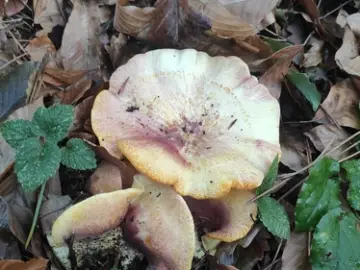 İstanbul4 Jan 2024 · iNaturalist© Umut Nuri Erdoğan · CC BY
-
 Illustrative
Bolu29 Oct 2026 · iNaturalist
-
 Illustrative
Bolu29 Oct 2026 · iNaturalist
-
 Illustrative
Bolu29 Oct 2026 · iNaturalist
-
 Illustrative
Bolu2 Nov 2025 · iNaturalist
-
 Illustrative
İstanbul3 Jan 2025 · iNaturalist
-
 Illustrative
Bartın16 Nov 2024 · GBIF
-
 Illustrative
Osmaniye12 Oct 2024 · iNaturalist
- See on the map
On "illustrative" cards the image is a photo of the species; the observation photo cannot be shown here because of its licence, but can be seen at the source.
Look-alikes
What could it be confused with?
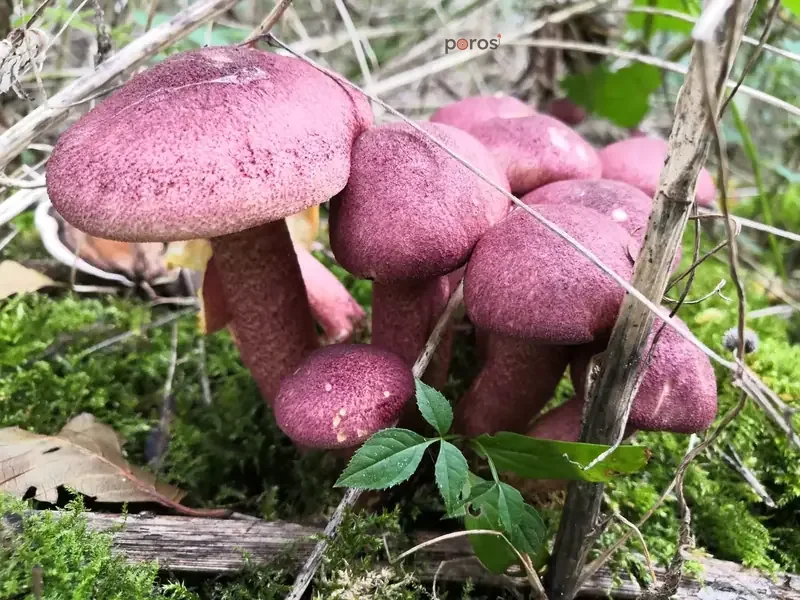
Plums and custard can be mistaken for the species below. Each card shows the look-alike and how it differs from Plums and custard.
 Poisonous
not Plums and custard
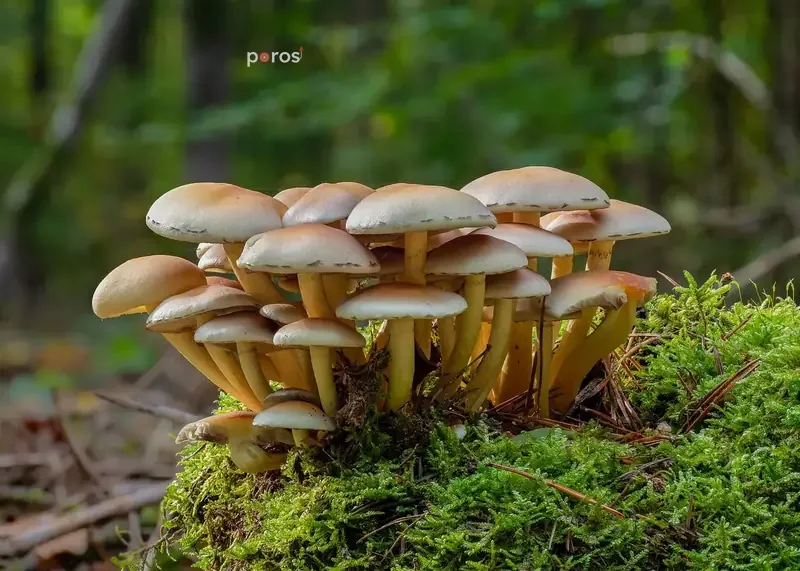
Sulphur tuft Hypholoma fasciculare
Sulphur tuft also forms yellow clusters on stumps, but its cap has no purple-red scales; its gills turn from greenish-yellow to purple-brown and its spore print is purple-brown. Plums and custard has a purple-red scaly cap, egg-yolk yellow gills and a white spore print.
 Inedible
not Plums and custard
Prunes and custard Tricholomopsis decora
Its close relative Tricholomopsis decora has a yellow cap with dark brown to blackish scales rather than purple ones, and it is smaller.
What it contains
Its flesh is described as bitterish with a woody smell; it has no culinary value.
General information, not a health claim.
Plums and custard is not deadly, but it tastes bitterish and is reported to upset some people's stomachs; sources rate it as poor or inedible. It can also be confused with the poisonous sulphur tuft, which forms yellow clusters on stumps. Do not eat it. If poisoning is suspected, call poison control and keep any leftover mushroom.
Frequently asked questions
Is plums and custard edible?
Our advice is not to eat it. It is not deadly, but it is bitterish, upsets some stomachs and sources rate it as poor or inedible.
Is it poisonous?
It is not dangerously poisonous; mild stomach upsets are reported. The bigger risk is confusing it with the poisonous sulphur tuft.
How do you recognise it?
A yellow cap densely covered in purple-red scales, egg-yolk yellow gills, a white spore print and growth on pine stumps.
Where does it grow?
On rotting stumps, roots and wood of conifers, especially pine.
When does it appear?
In autumn; our records run from October to January, peaking in October.
How do you tell it from sulphur tuft?
Check the cap and spore print: plums and custard has a purple-red scaly cap and a white print. Sulphur tuft has a smooth cap, greenish gills and a purple-brown print.
Where is it found in Turkey?
Our map data has 12 records from Bolu, Istanbul, Bartın, Osmaniye and Ordu.
What is its Turkish name?
Its Turkish name on iNaturalist is acı çilek mantarı.
When is plums and custard season in Turkey?
In our calendar, plums and custard season runs Oct–Jan. Plums and custard appears in autumn; our records run from October to January, most of them in October.
Where does plums and custard grow?
On rotting stumps, roots and wood of conifers, especially pine; singly or in small clusters. When the wood is buried it can look as if it is growing from soil.
Where is plums and custard found in Turkey?
Our map data (GBIF and iNaturalist) holds 12 Turkish records, mostly from Bolu and Istanbul, plus Bartın, Osmaniye and Ordu. They cluster in the pine forests of the Black Sea and Marmara regions.
What can plums and custard be confused with?
Plums and custard can be confused with sulphur tuft (Hypholoma fasciculare, poisonous) and prunes and custard (Tricholomopsis decora, inedible). Look-alikes are compared on this page.
What is plums and custard called in Turkish?
In Turkish, plums and custard (Tricholomopsis rutilans) is called Acı çilek mantarı.
Related species
-
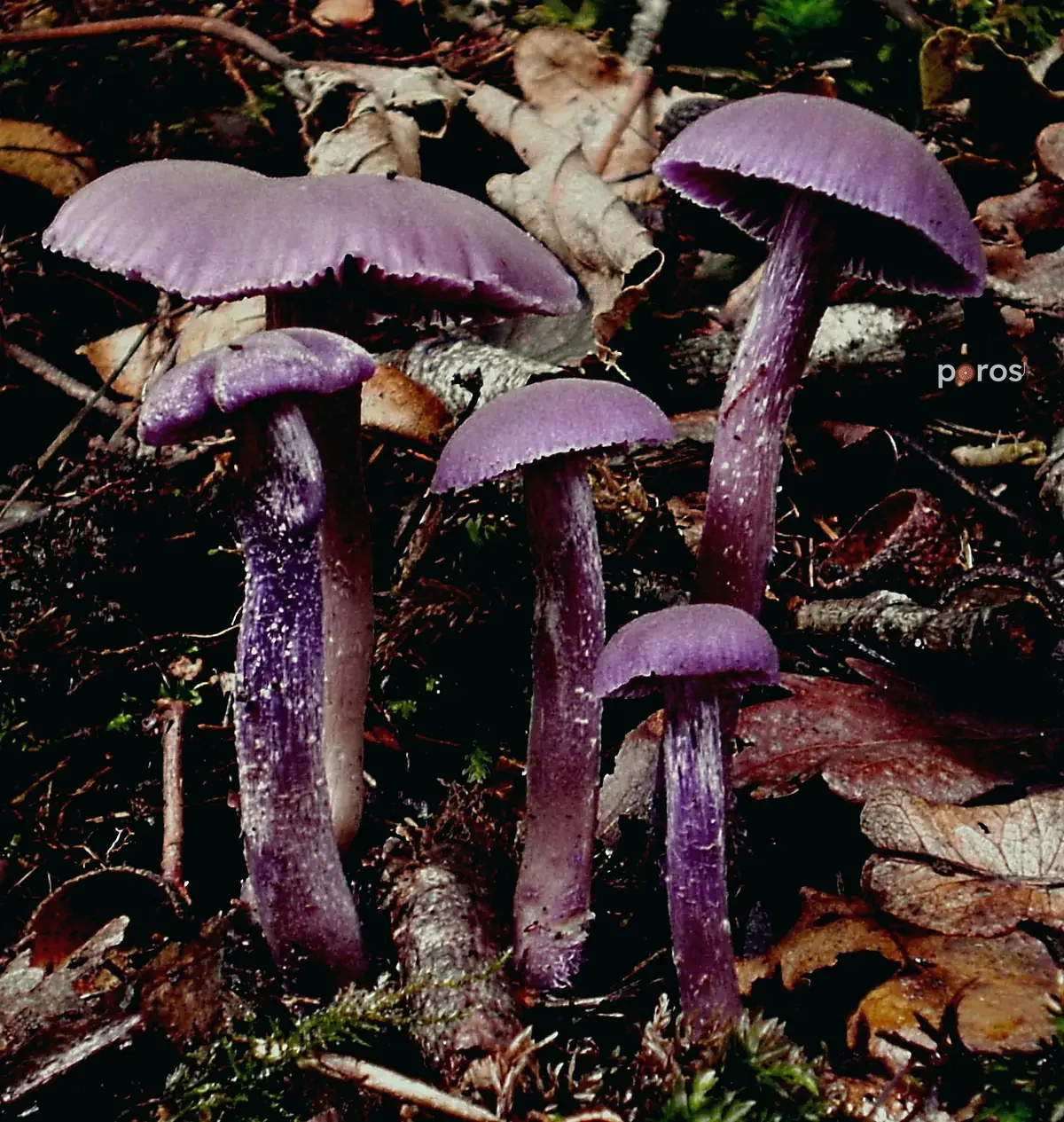 Amethyst deceiverLaccaria amethystinaInedible
-
 Artist’s bracketGanoderma applanatumInedible
-
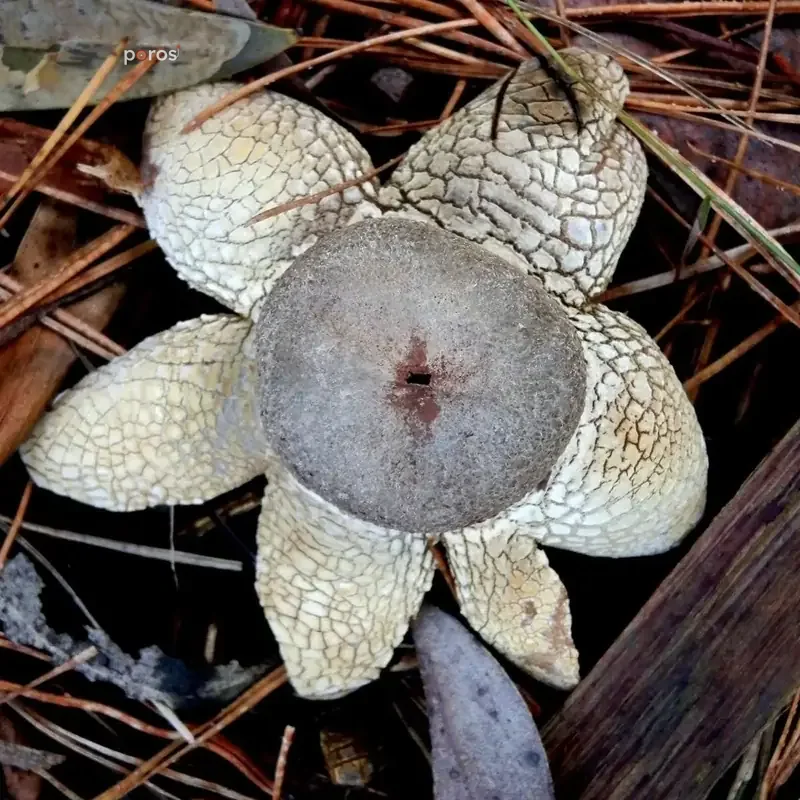 Barometer earthstarAstraeus hygrometricusInedible
-
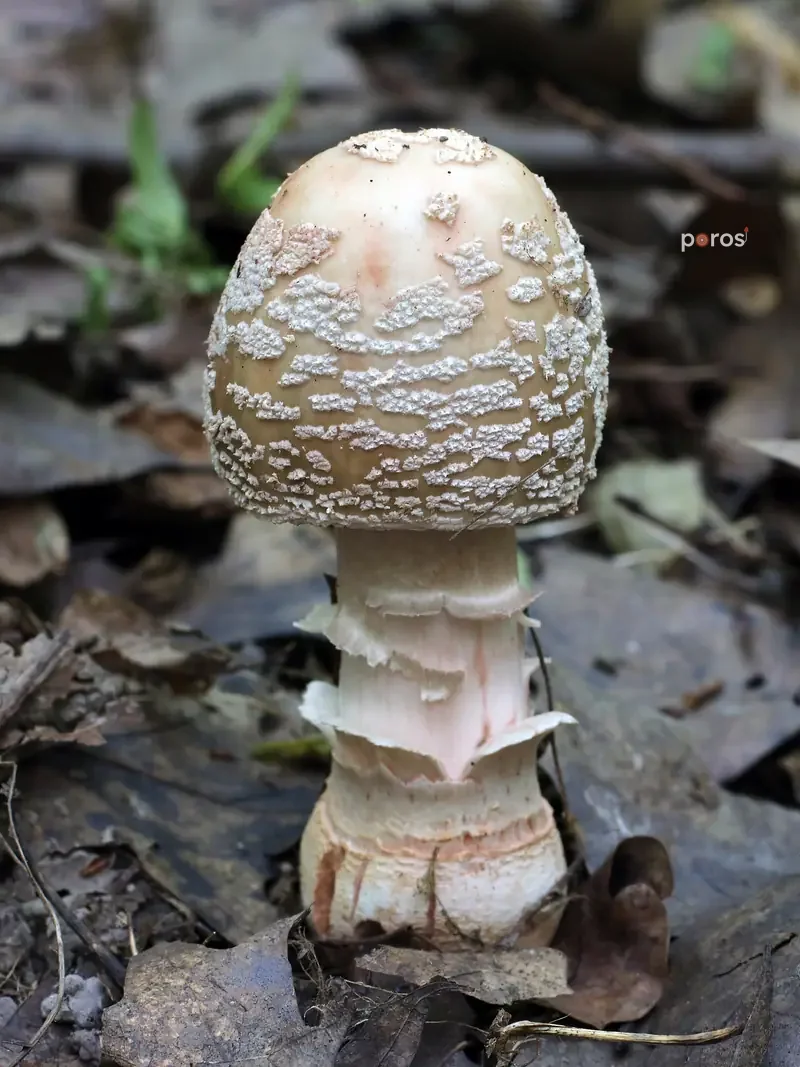 BlusherAmanita rubescensInedible
-
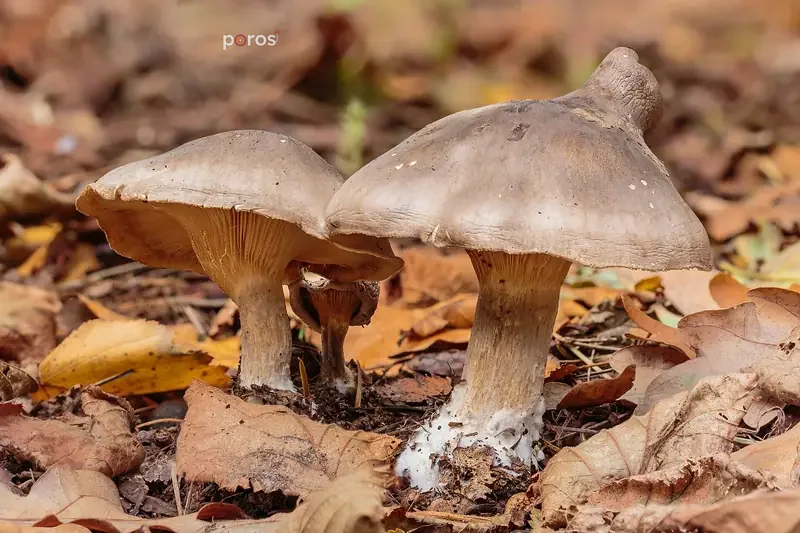 Clouded funnelClitocybe nebularisInedible
-
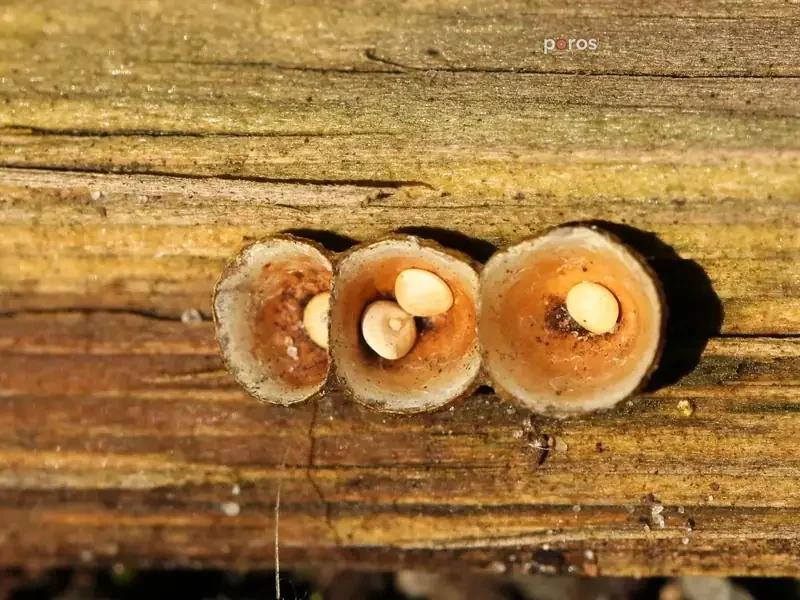 Common bird’s nest fungusCrucibulum laeveInedible
-
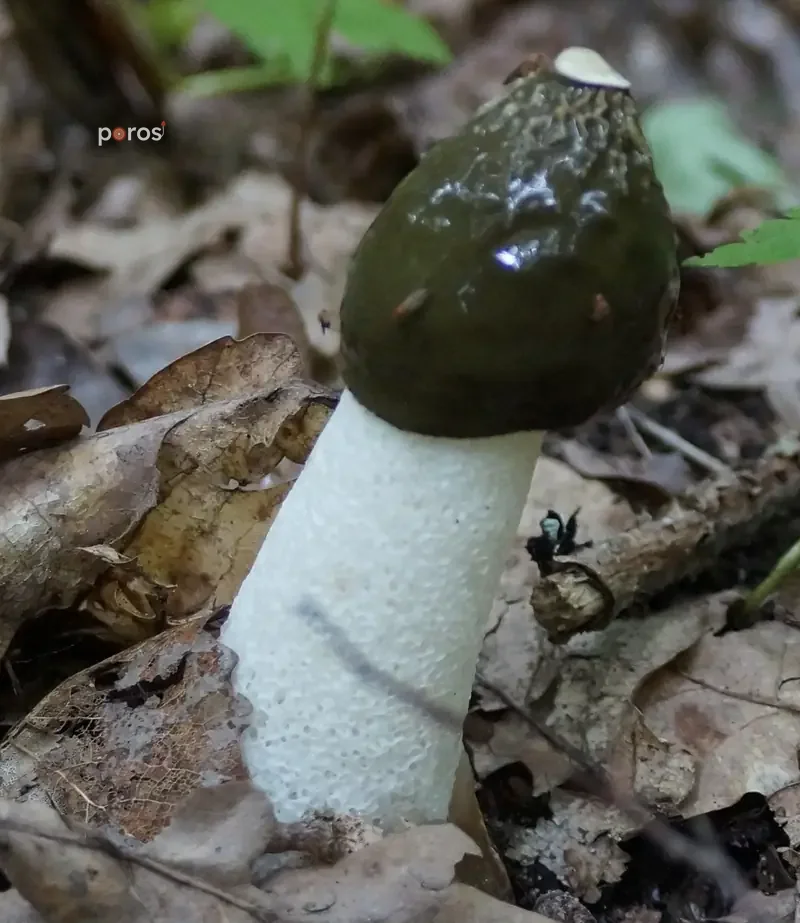 Common stinkhornPhallus impudicusInedible
-
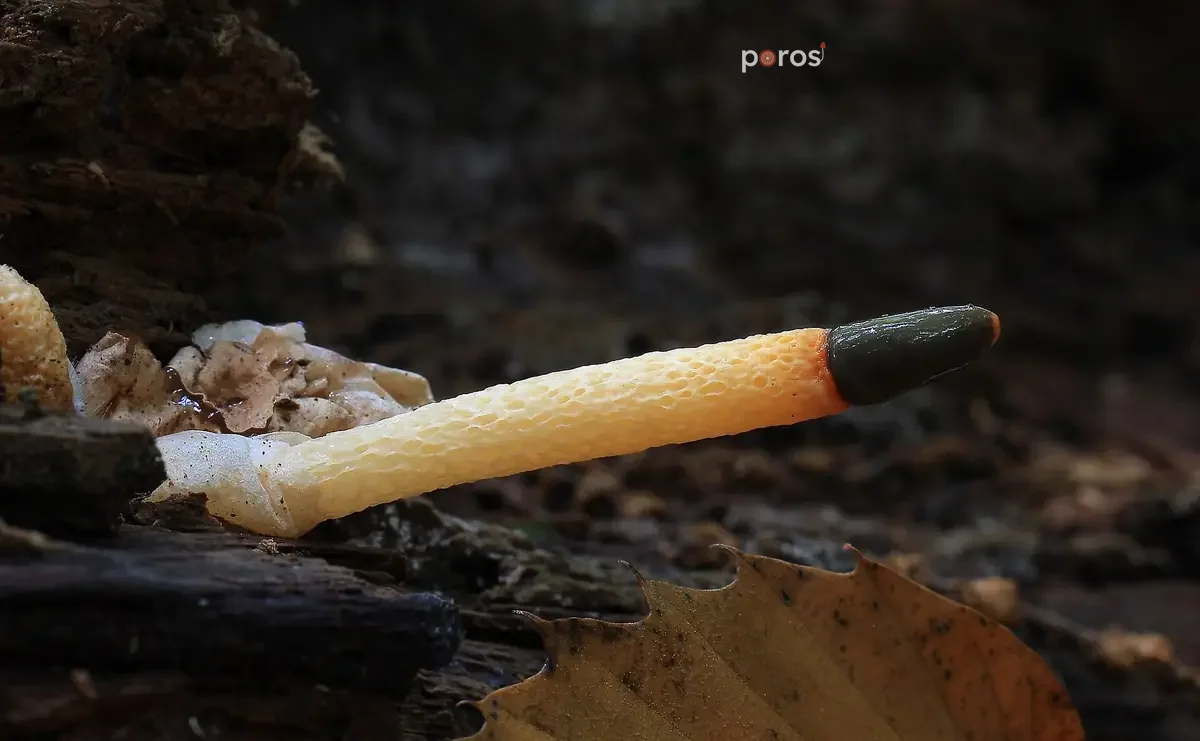 Dog stinkhornMutinus caninusInedible
Sources
- Wang ve Liu (2005), Steroids: Tricholomopsis rutilans'tan steril esterler pubmed.ncbi.nlm.nih.gov
- Wikipedia (EN): Tricholomopsis rutilans en.wikipedia.org
- First Nature: Tricholomopsis rutilans first-nature.com
All sources (5)
- iNaturalist: Tricholomopsis rutilans (Türkçe ad ve Türkiye gözlemleri) inaturalist.org
- GBIF: Türkiye kayıtları gbif.org
Photo credits (9)
- File:Tricholomopsis rutilans 20070925wb.JPG · User:Strobilomyces · CC BY-SA 3.0
- File:Tricholomopsis rutilans 164702513.jpg · Carminda Santos · CC BY 4.0
- Tricholomopsis rutilans · iNaturalist #405382029 · Kevin Krebs · CC BY 4.0
- Tricholomopsis rutilans · iNaturalist #137893667 · Arctic · CC BY 4.0
- Tricholomopsis rutilans · iNaturalist #137137050 · Rodolfo Orlandi · CC BY 4.0
- File:Tricholomopsis rutilans 164702065.jpg · Carminda Santos · CC BY 4.0
- Tricholomopsis rutilans · iNaturalist #141564686 · Ewa Olchanowska · CC BY 4.0
- Tricholomopsis rutilans · iNaturalist #254439987 · lizfrost47 · CC BY 4.0
- iNaturalist: İstanbul, 4 Jan 2024 · Umut Nuri Erdoğan · CC BY


