
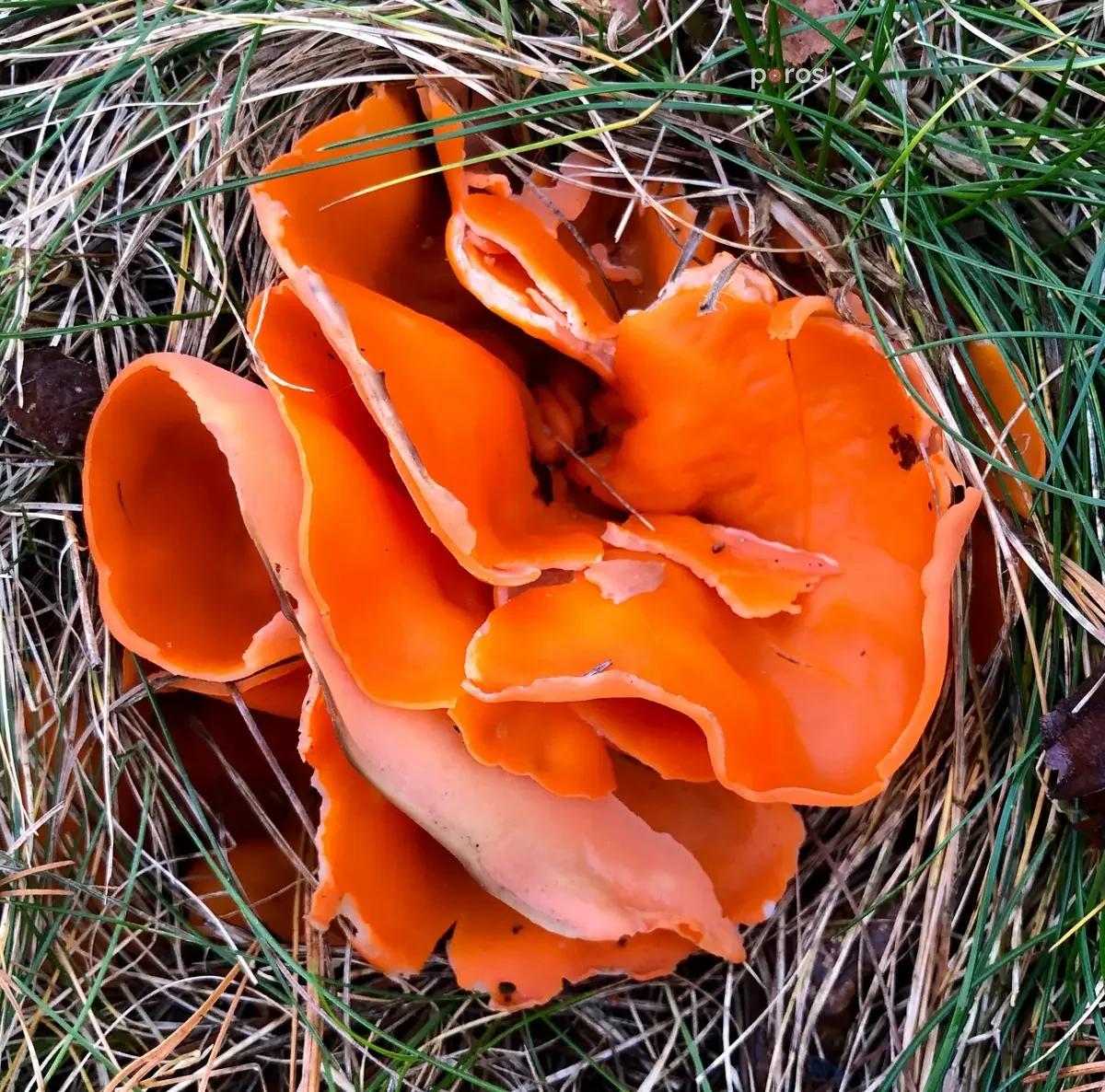


Orange peel fungus
Aleuria aurantia · Pyronemataceae
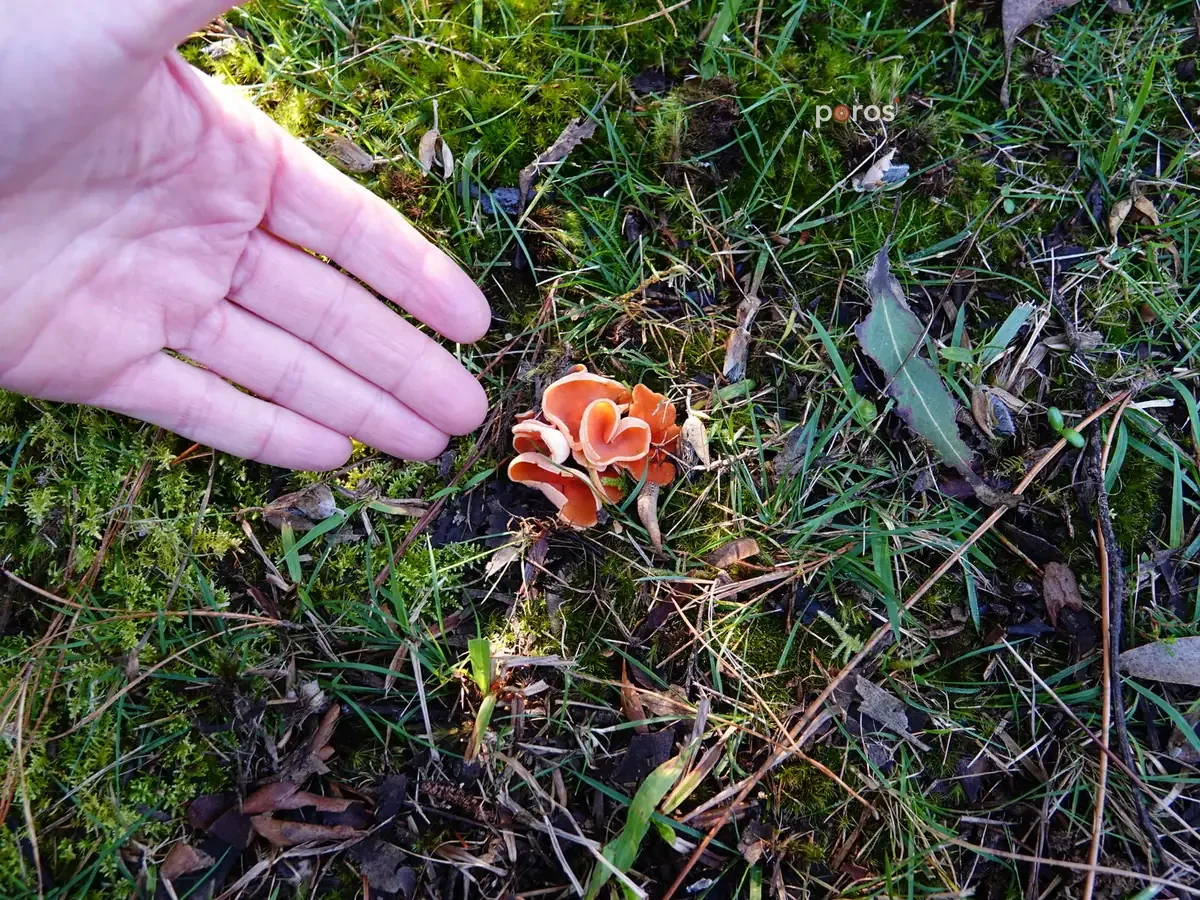
The orange peel fungus (Aleuria aurantia) is a stemless cup fungus that looks like discarded orange peel: bright orange inside, paler and slightly downy outside.
Last updated: Prepared by the Poros Mantar editorial team7 sources checkedReport a correction
The orange peel fungus (Aleuria aurantia) is a stemless cup fungus that looks like discarded orange peel: bright orange inside, paler and slightly downy outside. It grows in groups on bare, disturbed soil, path edges and gravel. It is not known to be poisonous; some sources call it edible, but it is thin, small and brittle with little culinary value. Our advice is not to eat it.
Also called: orange peel Turkish: Portakal kabuğu mantarı
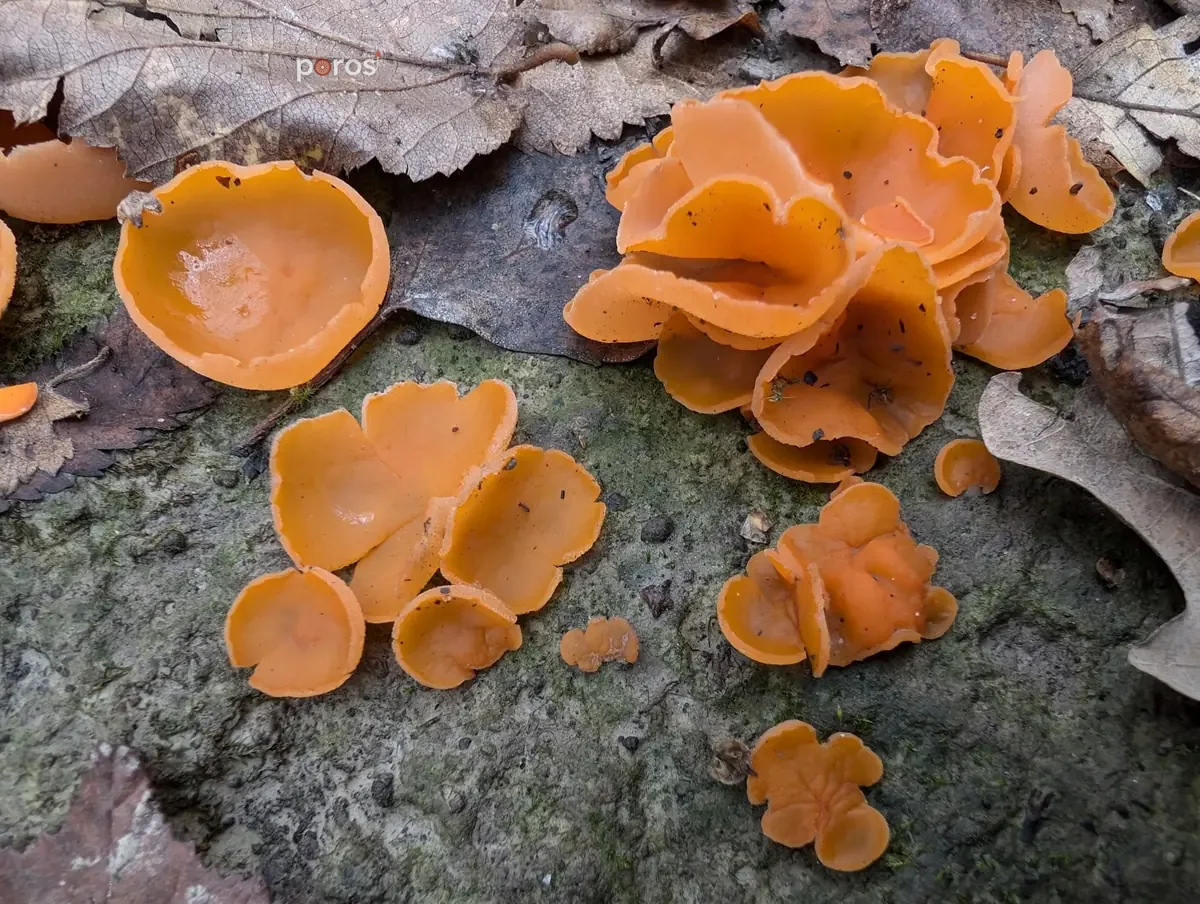
How to recognise it
Orange peel fungus, part by part
No ring or volva Spore print: White No distinctive smell.


When and where
Sep–Jan
- Janin season
- Feb
- Mar
- Apr
- May
- Jun
- Jul
- Aug
- Sepin season
- Octin season
- Novin season
- Decin season
The orange peel fungus appears in autumn and winter. Turkish sightings run from September to January, most in October.
Type Inedible
Months seen JanuarySeptemberOctoberNovemberDecember
Colour Orange
Regions Black Sea RegionAegean RegionMarmara RegionİzmirMuğlaKastamonuBoluIstanbulKırklareli
Where does orange peel fungus grow?
On forest tracks and path edges, freshly disturbed or compacted bare soil, gravel and sandy ground, and among grass, usually in dense groups. It feeds on decaying plant matter in the soil.
Where is orange peel fungus found in Turkey?
Our map data (GBIF and iNaturalist) holds 7 Turkish records: Bolu 2, and one each from Istanbul, Kastamonu, İzmir, Kırklareli and Muğla. It is also recorded on soil in mixed woodland at Tonya, Trabzon (Uzun and Kaya, 2022) and in fir forest in the Yuvacık basin, Kocaeli (2018).
Which months
- Jan2
- Feb0
- Mar0
- Apr0
- May0
- Jun0
- Jul0
- Aug0
- Sep0
- Oct3
- Nov2
- Dec0
6 provinces, 7 observations (GBIF, iNaturalist); months from observation dates. Record density also reflects where observers work.
Latest orange peel fungus observations
-
 Illustrative
Kastamonu27 Nov 2025 · iNaturalist
-
 Illustrative
İstanbul21 Oct 2025 · iNaturalist
-
 Illustrative
Bolu7 Oct 2023 · iNaturalist
-
 Illustrative
Bolu5 Nov 2022 · iNaturalist
-
 Illustrative
Kırklareli30 Oct 2021 · iNaturalist
-
 Illustrative
İzmir22 Jan 2021 · iNaturalist
-
 Illustrative
Muğla19 Jan 2018 · iNaturalist
- See on the map
On "illustrative" cards the image is a photo of the species; the observation photo cannot be shown here because of its licence, but can be seen at the source.
Look-alikes
What could it be confused with?
Orange peel fungus can be mistaken for the species below. Each card shows the look-alike and how it differs from Orange peel fungus.
 Inedible
not Orange peel fungus
Scarlet elf cup Sarcoscypha coccinea
Bright scarlet inside, with a short stem, and it grows on fallen or buried dead twigs rather than bare soil, mostly in late winter and spring.
 Inedible
not Orange peel fungus
Spring orange peel Caloscypha fulgens
Yellowish orange, it appears in spring under conifers, and its margin and outside stain blue-green when bruised or with age.
 Inedible
not Orange peel fungus
Hare's ear Otidea onotica
Not a cup but an upright, ear-shaped fruit body split down one side, yellowish orange to pinkish. It grows on broadleaf woodland soil.
 Inedible
not Orange peel fungus
Eyelash cup Scutellinia scutellata
Much smaller (1–1.5 cm), orange-red with dark eyelash-like hairs on the rim; it grows on wet wood or soil.
What it contains
Little culinary value; it is thin and brittle.
General information, not a health claim.
The orange peel fungus is not known to be poisonous, and some sources say it can be eaten. But it is thin, small and brittle with little culinary value, and carries no health claims. Our advice is not to eat it. If poisoning is suspected, call poison control and keep any leftover mushroom.
Frequently asked questions
Is the orange peel fungus edible?
It is not known to be poisonous and some sources call it edible, but it is thin and brittle with little culinary value. Our advice is not to eat it.
Is the orange peel fungus poisonous?
Sources give no record of it being poisonous. Most orange cup fungi are not known to be poisonous either, and it has no dangerous look-alike.
Why is it called orange peel?
Its bright orange, curled cups look just like discarded orange peel lying on the ground.
How do you tell it from the scarlet elf cup?
The scarlet elf cup (Sarcoscypha coccinea) is red, short-stemmed and grows on dead twigs. The orange peel fungus is orange, stemless and grows on bare soil.
Where and when does it grow?
In autumn and winter, on forest tracks and path edges, bare disturbed soil and gravel, usually in groups.
Where is it found in Turkey?
Our map data has 7 records from Bolu, Istanbul, Kastamonu, İzmir, Kırklareli and Muğla, and it is also recorded in macrofungi surveys from Trabzon and Kocaeli.
Where does the Turkish name come from?
"Portakal kabuğu mantarı" is its Turkish name on iNaturalist and means the same as the English "orange peel fungus".
When is orange peel fungus season in Turkey?
In our calendar, orange peel fungus season runs Sep–Jan. The orange peel fungus appears in autumn and winter. Turkish sightings run from September to January, most in October.
Where does orange peel fungus grow?
On forest tracks and path edges, freshly disturbed or compacted bare soil, gravel and sandy ground, and among grass, usually in dense groups. It feeds on decaying plant matter in the soil.
Where is orange peel fungus found in Turkey?
Our map data (GBIF and iNaturalist) holds 7 Turkish records: Bolu 2, and one each from Istanbul, Kastamonu, İzmir, Kırklareli and Muğla. It is also recorded on soil in mixed woodland at Tonya, Trabzon (Uzun and Kaya, 2022) and in fir forest in the Yuvacık basin, Kocaeli (2018).
What can orange peel fungus be confused with?
Orange peel fungus can be confused with scarlet elf cup (Sarcoscypha coccinea, inedible), spring orange peel (Caloscypha fulgens, inedible), Hare's ear (Otidea onotica, inedible) and eyelash cup (Scutellinia scutellata, inedible). Look-alikes are compared on this page.
What is orange peel fungus called in Turkish?
In Turkish, orange peel fungus (Aleuria aurantia) is called Portakal kabuğu mantarı.
Related species
-
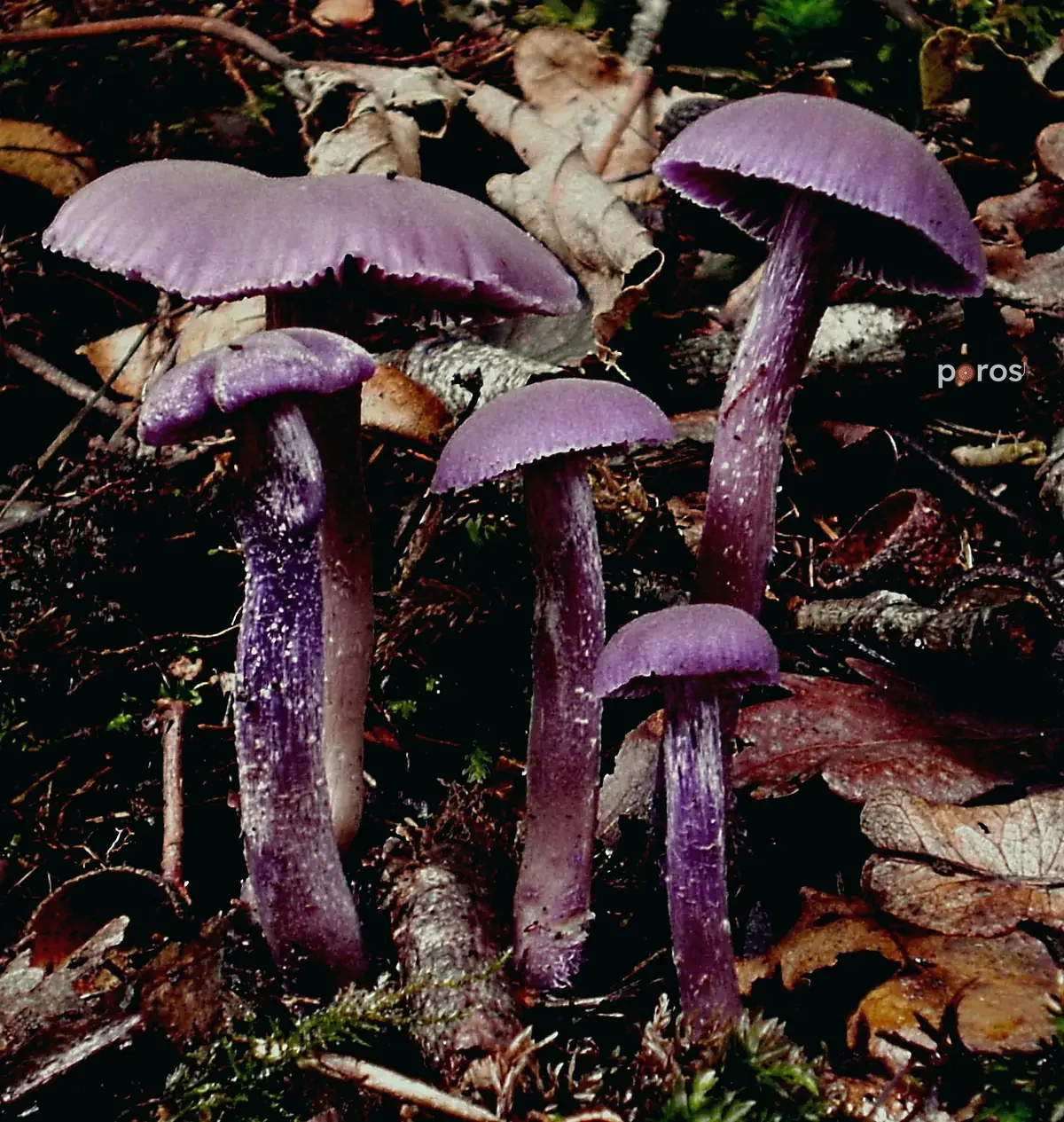 Amethyst deceiverLaccaria amethystinaInedible
-
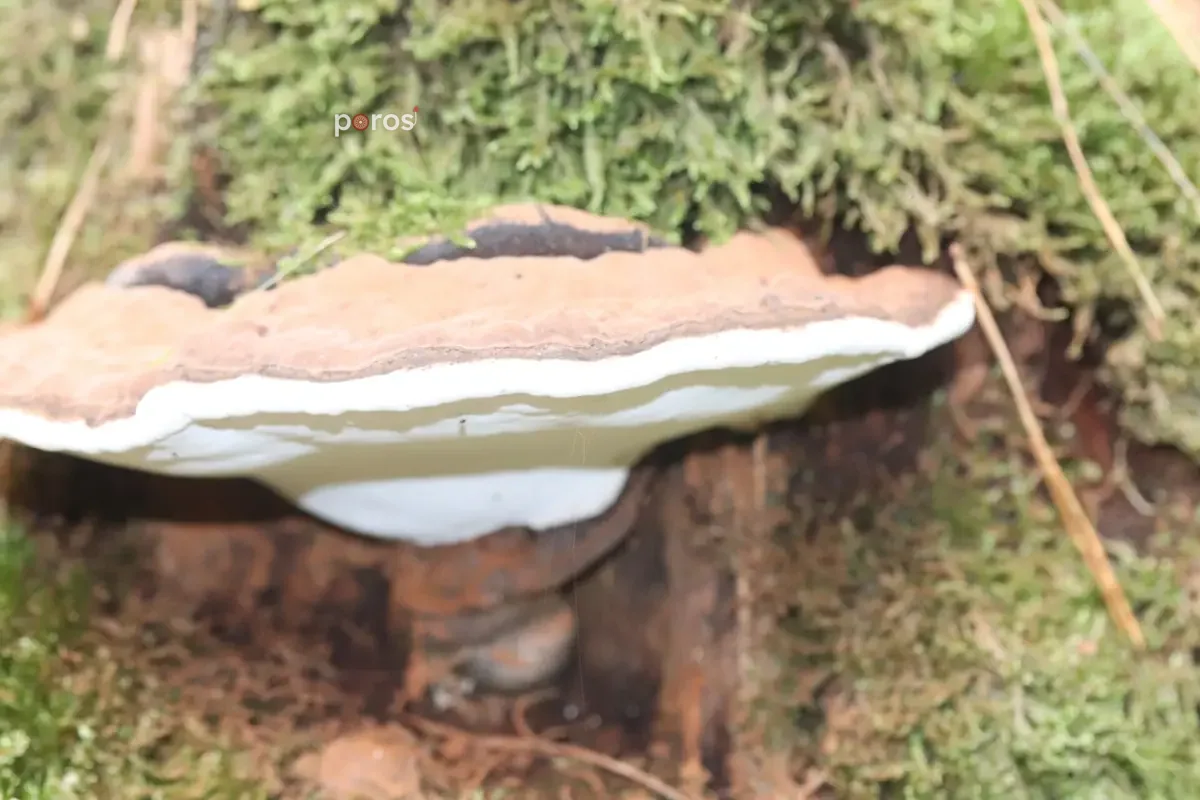 Artist’s bracketGanoderma applanatumInedible
-
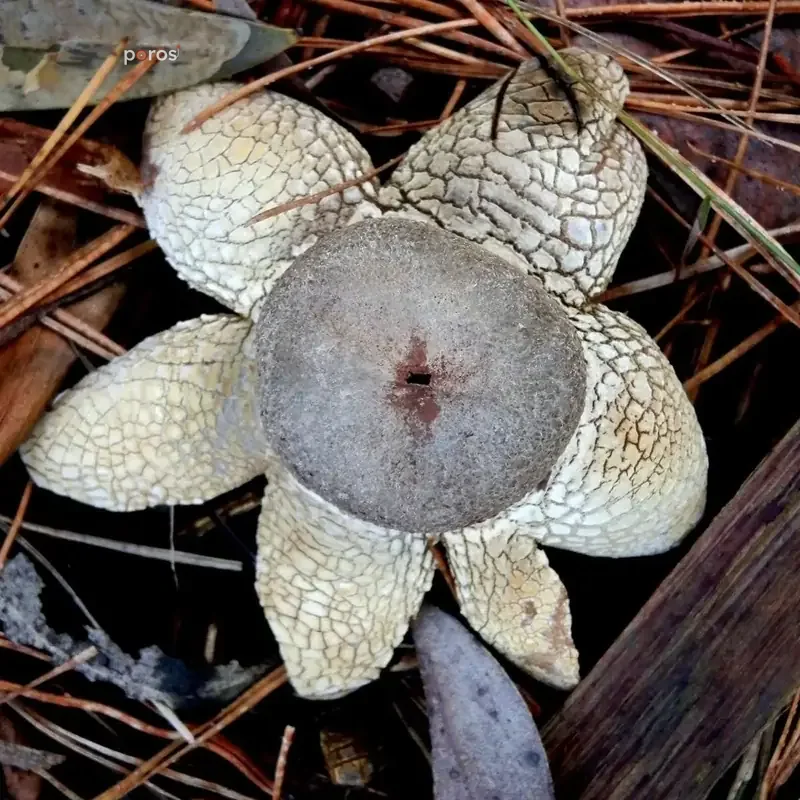 Barometer earthstarAstraeus hygrometricusInedible
-
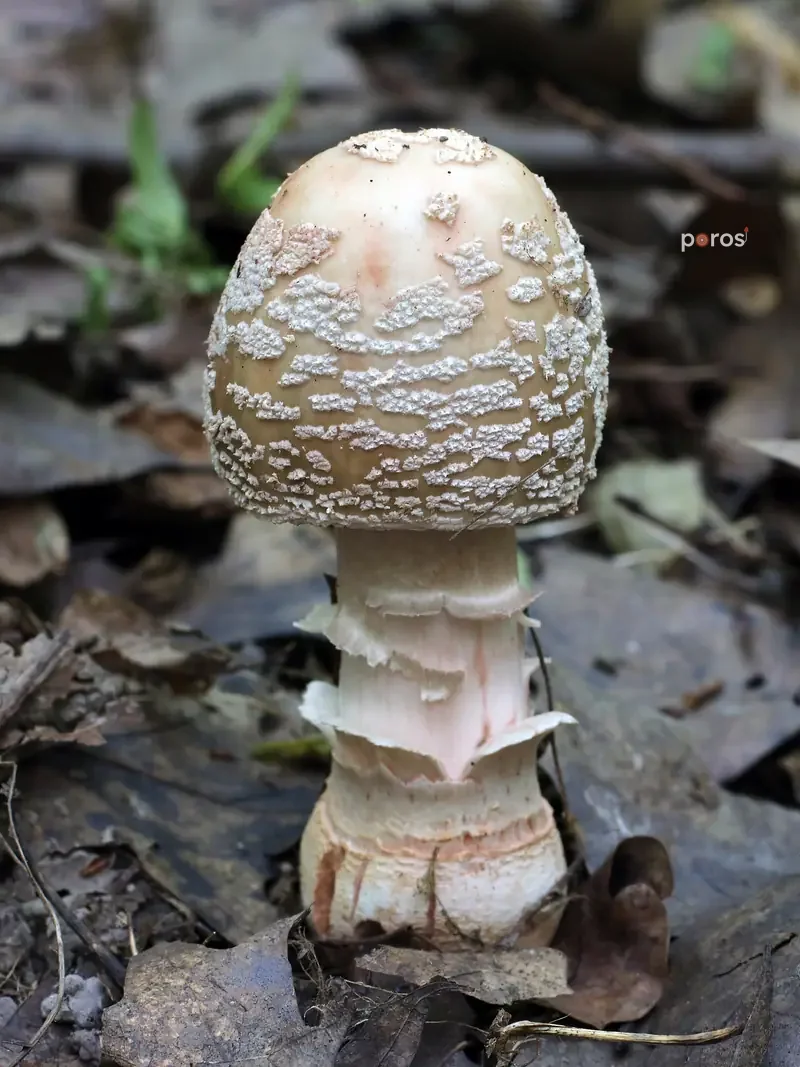 BlusherAmanita rubescensInedible
-
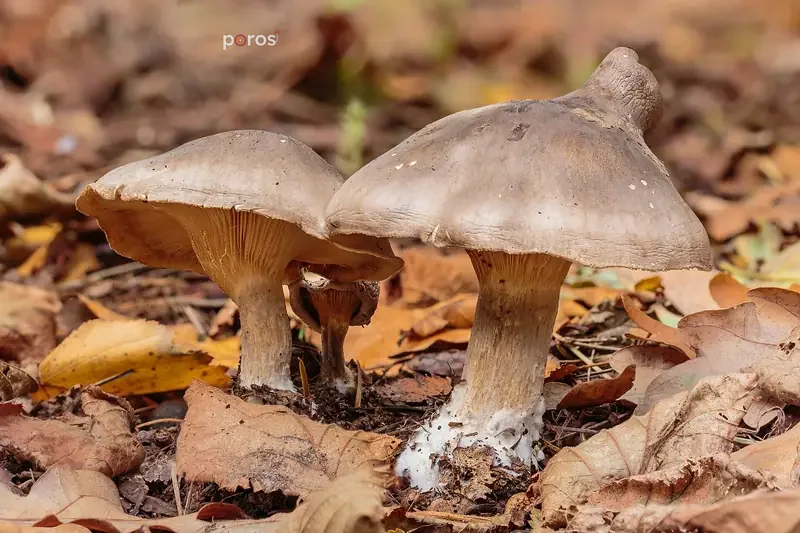 Clouded funnelClitocybe nebularisInedible
-
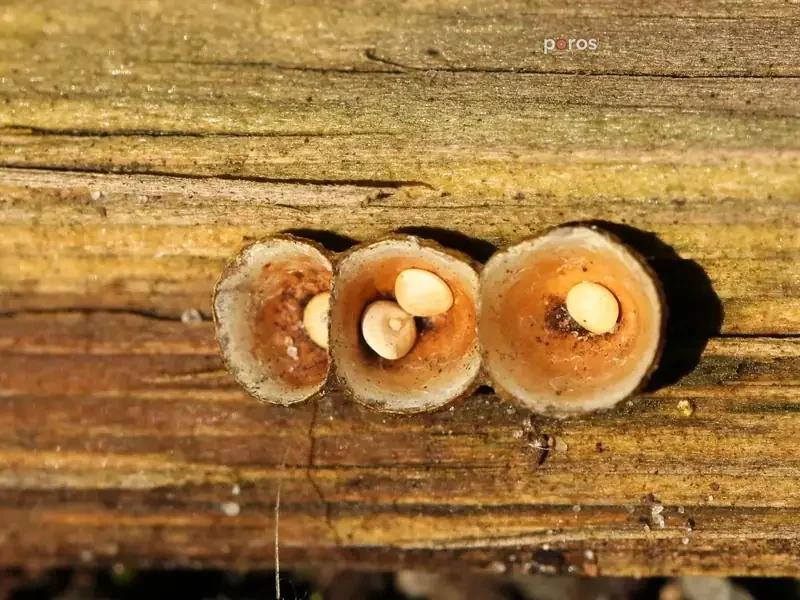 Common bird’s nest fungusCrucibulum laeveInedible
-
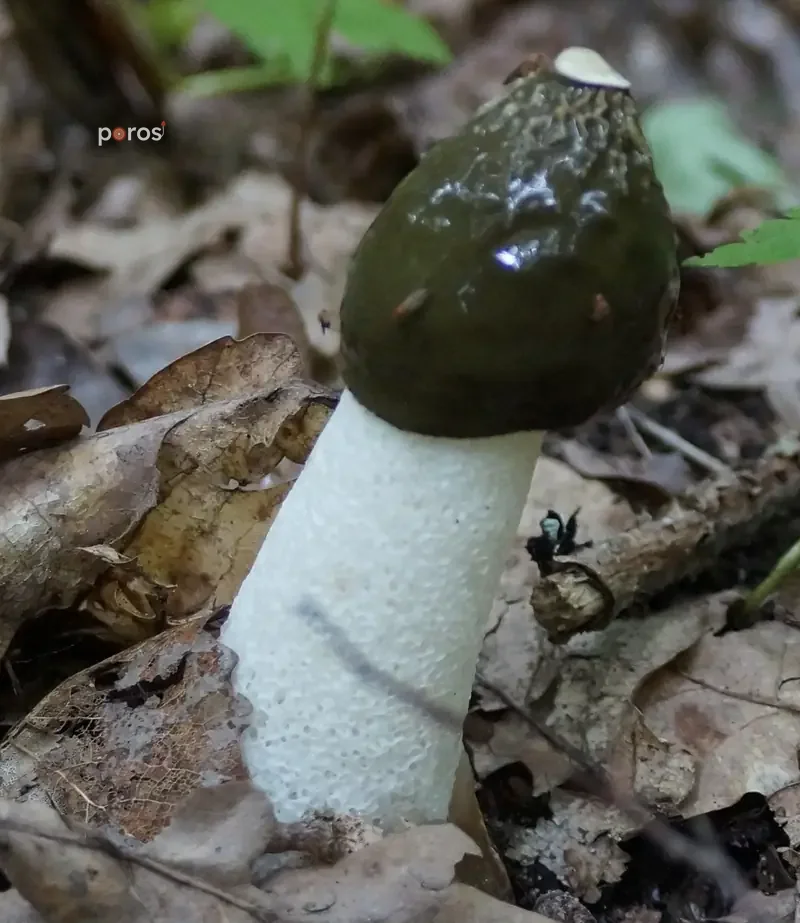 Common stinkhornPhallus impudicusInedible
-
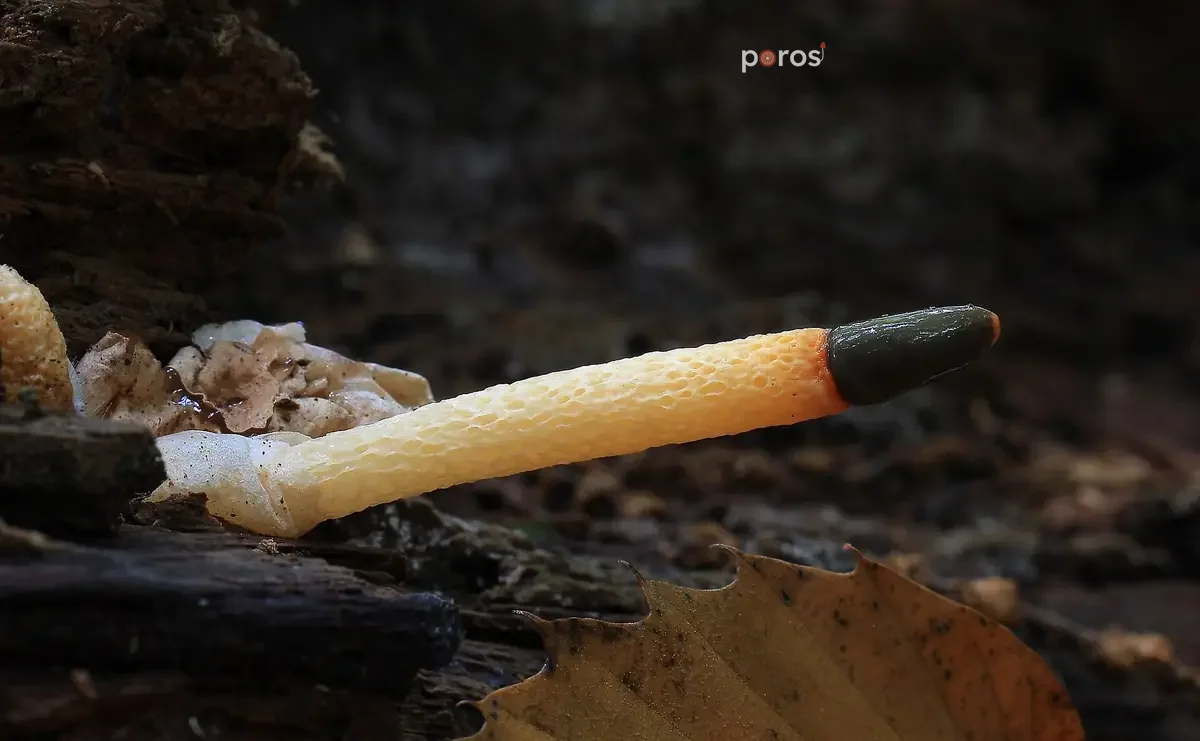 Dog stinkhornMutinus caninusInedible
Sources
- Uzun ve Kaya (2022), KSÜ Tarım ve Doğa Dergisi 25(1): Macromycetes Determined in Tonya (Trabzon) District dergipark.org.tr
- Kastamonu Üniversitesi Orman Fakültesi Dergisi (2018) 18(2): Macrofungi determined in Yuvacık Basin (Kocaeli) dergipark.org.tr
- Wikipedia (EN): Aleuria aurantia en.wikipedia.org
All sources (7)
- First Nature: Aleuria aurantia, Orange Peel Fungus first-nature.com
- iNaturalist: Aleuria aurantia (Türkiye gözlemleri) inaturalist.org
- GBIF: Türkiye kayıtları gbif.org
- MushroomExpert: Aleuria aurantia mushroomexpert.com
Photo credits (8)
- Aleuria aurantia · iNaturalist #65814856 · Nova Patch · CC BY-SA 4.0
- File:Orange Peel Fungus Aleuria aurantia.jpg · Holger Krisp · CC BY 3.0
- Aleuria aurantia · iNaturalist #325115648 · Gilles San Martin · CC BY-SA 4.0
- Aleuria aurantia · iNaturalist #65814856 · Nova Patch · CC BY-SA 4.0
- Aleuria aurantia · iNaturalist #325115648 · Gilles San Martin · CC BY-SA 4.0
- Aleuria aurantia · iNaturalist #249483247 · Denis A · CC0
- Aleuria aurantia · iNaturalist #47453455 · Jerry Cooper · CC BY 4.0
- Aleuria aurantia · iNaturalist #85838917 · Jacqui Geux · CC BY 4.0
