
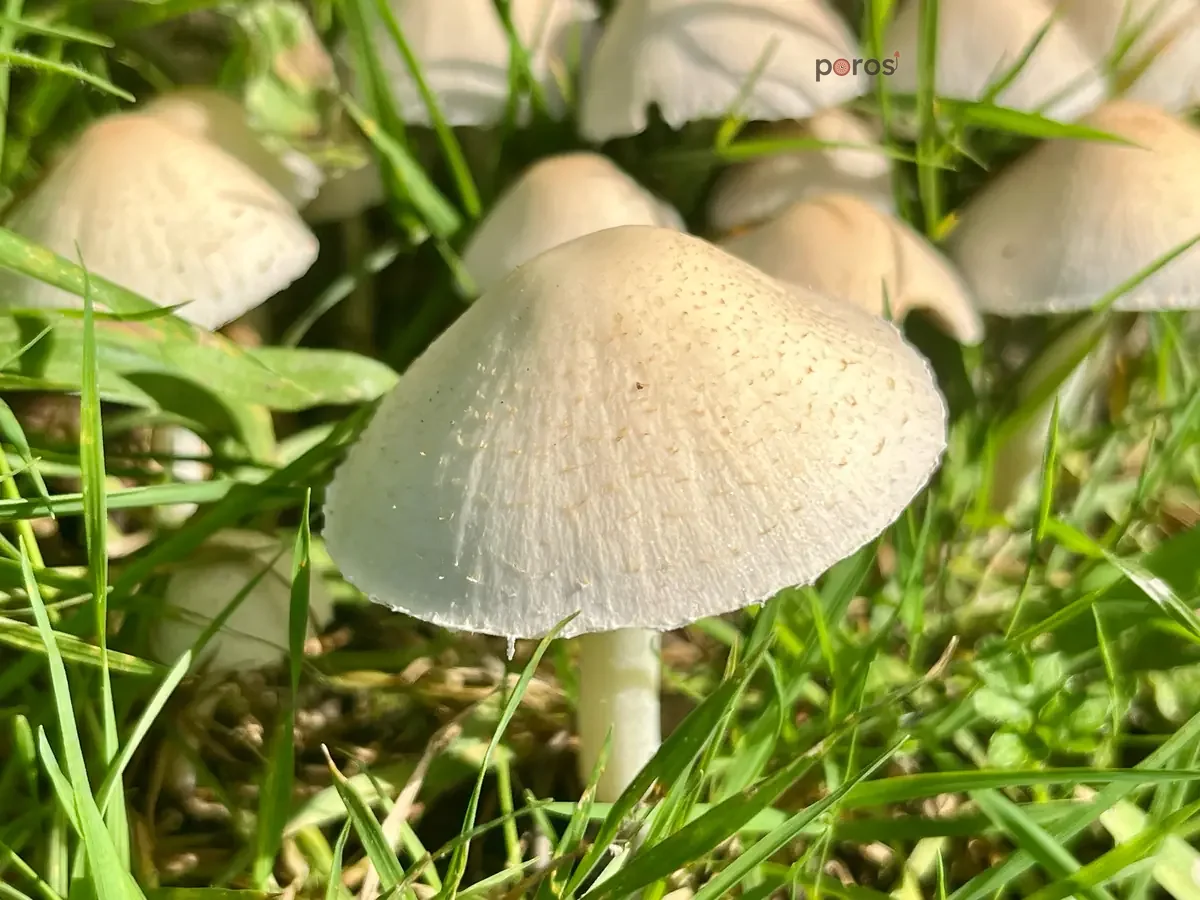

Pale brittlestem
Candolleomyces candolleanus · Psathyrellaceae
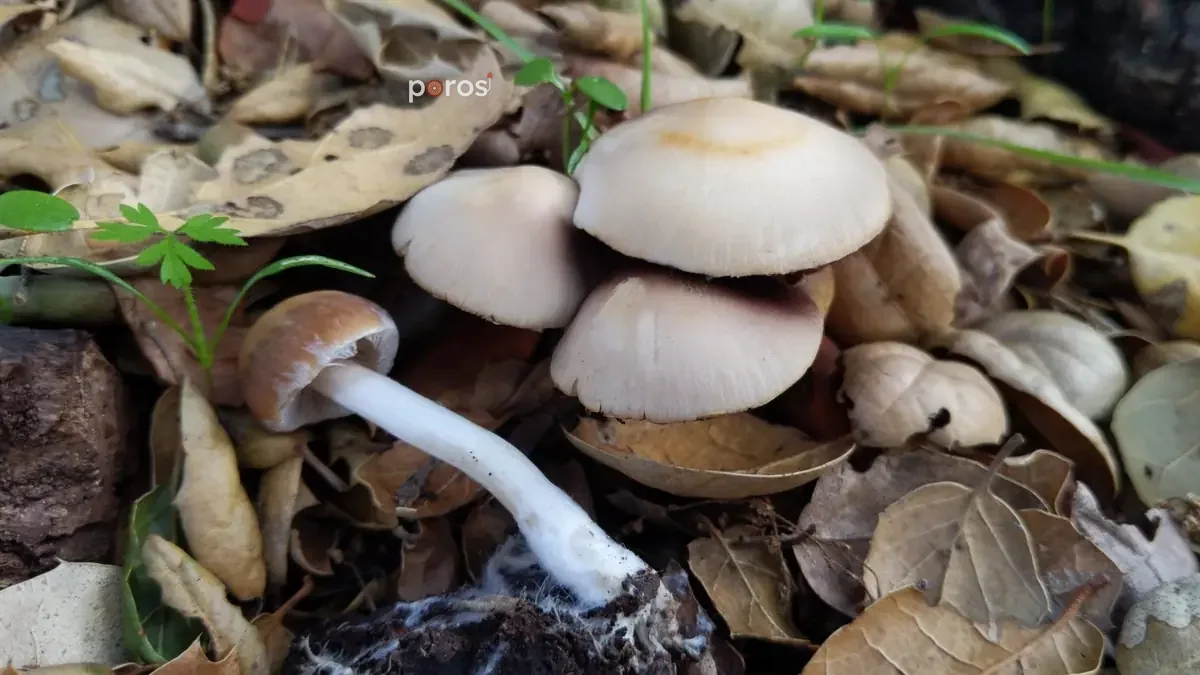
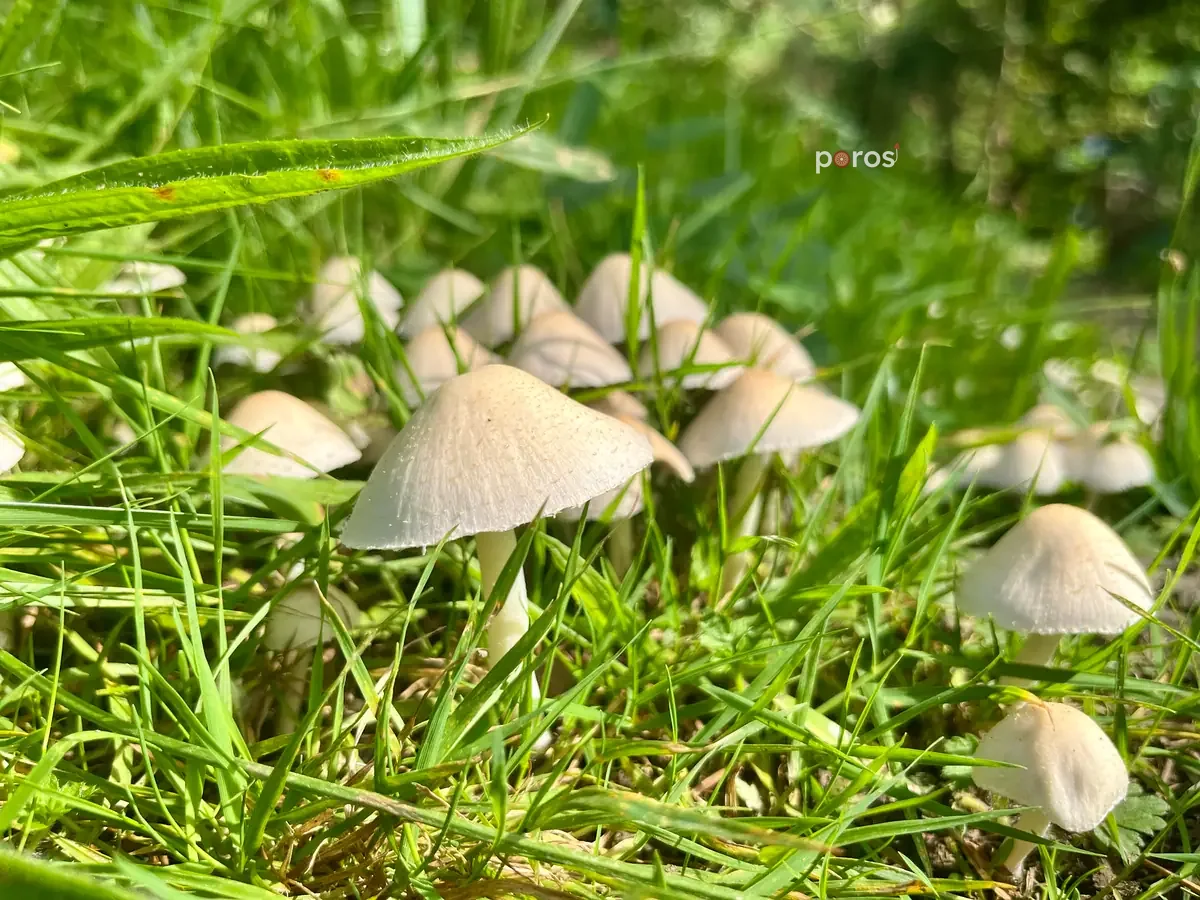
The pale brittlestem (Candolleomyces candolleanus), formerly Psathyrella candolleana, is a small, fragile mushroom that grows in groups on buried wood and rotting plant debris in gardens, parks and roadsides.
Last updated: Prepared by the Poros Mantar editorial team5 sources checkedReport a correction
The pale brittlestem (Candolleomyces candolleanus), formerly Psathyrella candolleana, is a small, fragile mushroom that grows in groups on buried wood and rotting plant debris in gardens, parks and roadsides. Its cap ranges from cream to pale brown with white veil remnants on the margin, and its gills turn from greyish lilac to dark brown. Some sources call it edible, but the flesh is very thin and of little worth; because it is easily confused with small brown poisonous species, our advice is not to eat it.
Also called: common crumble cap, Candolle's mushroom Turkish: Çöp mantarı Synonyms: Psathyrella candolleana, Hypholoma candolleanum
How to recognise it
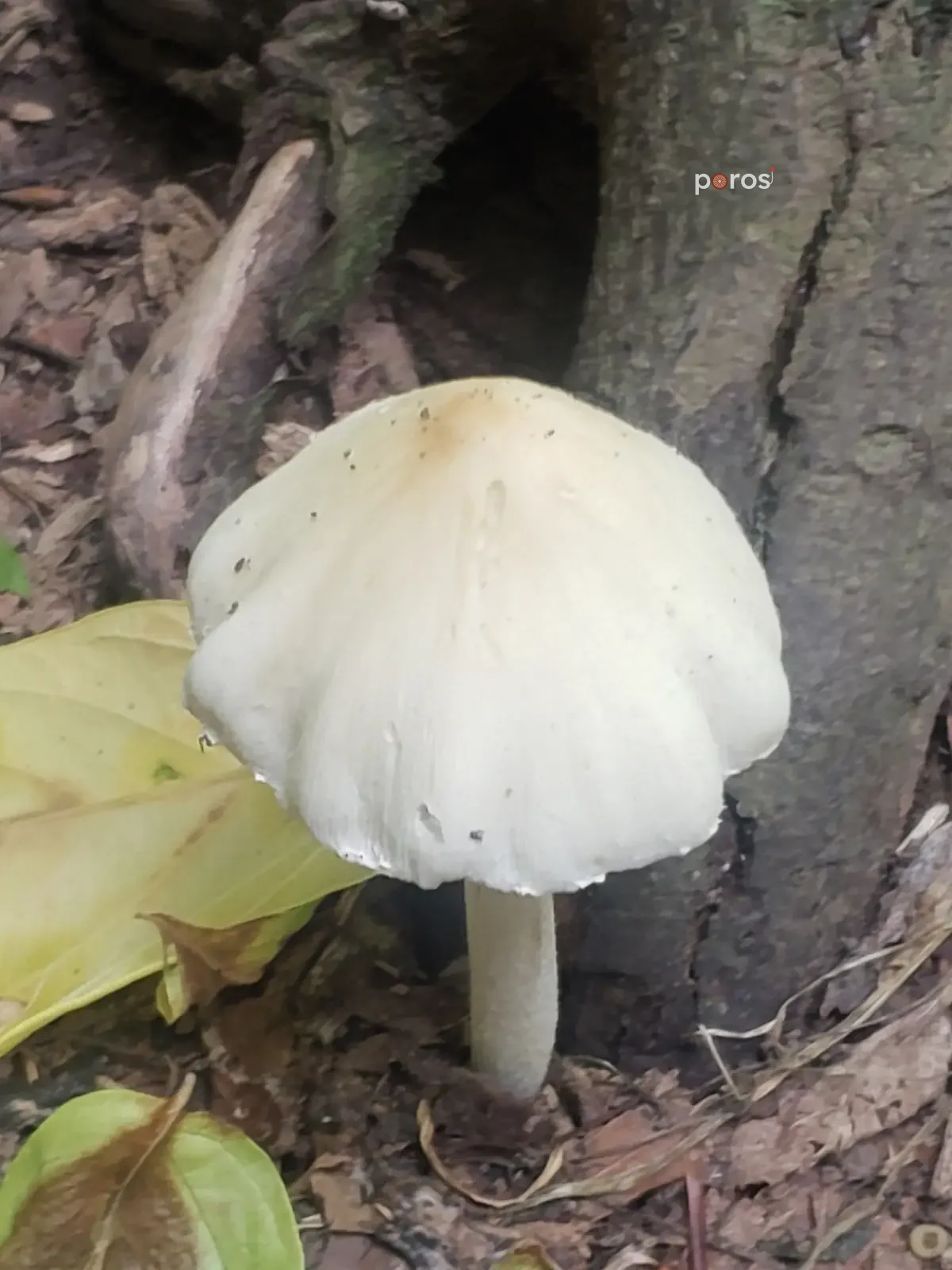
Pale brittlestem, part by part
No ring or volva Spore print: Dark purplish brown Not distinctive.


When and where
Sep–Jul
- Janin season
- Febin season
- Marin season
- Aprin season
- Mayin season
- Junin season
- Julin season
- Aug
- Sepin season
- Octin season
- Novin season
- Decin season
The pale brittlestem fruits from spring to late autumn and can appear in mild winters too. Our Turkish records are spread over every month except August; May is the busiest, followed by April, June, September and October.
Type Inedible
Months seen JanuaryFebruaryMarchAprilMayJuneJulySeptemberOctoberNovemberDecember
Regions Southeastern Anatolia RegionBlack Sea RegionCentral Anatolia RegionMediterranean RegionAegean RegionMarmara RegionManisaDiyarbakırSamsunAnkaraKocaeliIstanbulBalıkesir
Where does pale brittlestem grow?
Gardens, parks, lawns, roadsides and woodland edges; around stumps, on buried rotting wood and plant debris. It usually grows in groups or small clusters and is common in built-up areas.
Where is pale brittlestem found in Turkey?
Our map data (GBIF and iNaturalist) holds 38 Turkish records: 24 from Istanbul, 3 from Kocaeli, 2 each from Diyarbakır, Manisa, Ankara and Adana, and one each from Samsun, Balıkesir and Kastamonu. It has also been published from Kırıkkale under the name Psathyrella candolleana (Güler et al., 2013).
Which months
- Jan1
- Feb2
- Mar3
- Apr5
- May8
- Jun5
- Jul1
- Aug0
- Sep5
- Oct5
- Nov2
- Dec1
9 provinces, 38 observations (GBIF, iNaturalist); months from observation dates. Record density also reflects where observers work.
Latest pale brittlestem observations
-
 İstanbul23 May 2026 · iNaturalist© Umut Nuri Erdoğan · CC BY
-
 Diyarbakır5 Apr 2026 · iNaturalist© Mustafa Arisli · CC BY
-
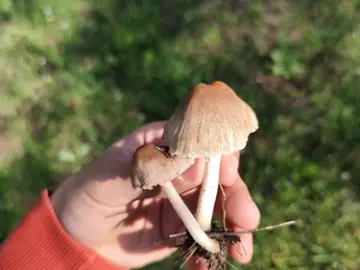 Diyarbakır24 Mar 2026 · iNaturalist© Mustafa Arisli · CC BY
-
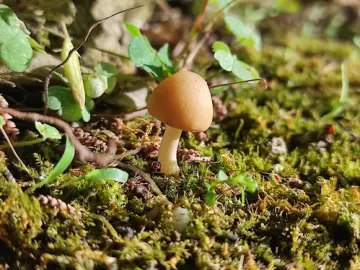 İstanbul17 Jun 2024 · iNaturalist© Umut Nuri Erdoğan · CC BY
-
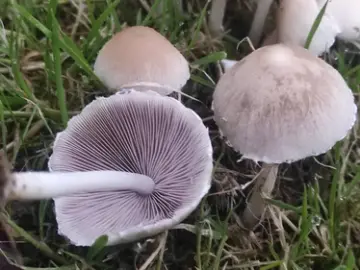 İstanbul29 Apr 2024 · iNaturalist© Umut Nuri Erdoğan · CC BY
-
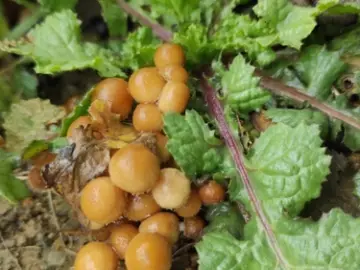 İstanbul20 Mar 2024 · iNaturalist© Umut Nuri Erdoğan · CC BY
-
 Illustrative
İstanbul10 Oct 2026 · iNaturalist
-
 Illustrative
İstanbul13 Sep 2026 · iNaturalist
- See on the map
On "illustrative" cards the image is a photo of the species; the observation photo cannot be shown here because of its licence, but can be seen at the source.
Look-alikes
What could it be confused with?
Pale brittlestem can be mistaken for the species below. Each card shows the look-alike and how it differs from Pale brittlestem.
 Deadly
not Pale brittlestem
Deadly galerina Galerina marginata
The deadly galerina is also small and brown, but it grows on wood, has a darker honey to rusty brown cap, a brown ring on the stem and a rusty brown spore print. The pale brittlestem has a white, ringless stem and a dark purplish brown spore print.
 Poisonous
not Pale brittlestem
Banded mottlegill Panaeolus cinctulus
The banded mottlegill grows in manured grass and compost; its cap dries leaving a dark band at the margin, its gills become mottled blackish and its spore print is black. It contains psilocybin.
 Inedible
not Pale brittlestem
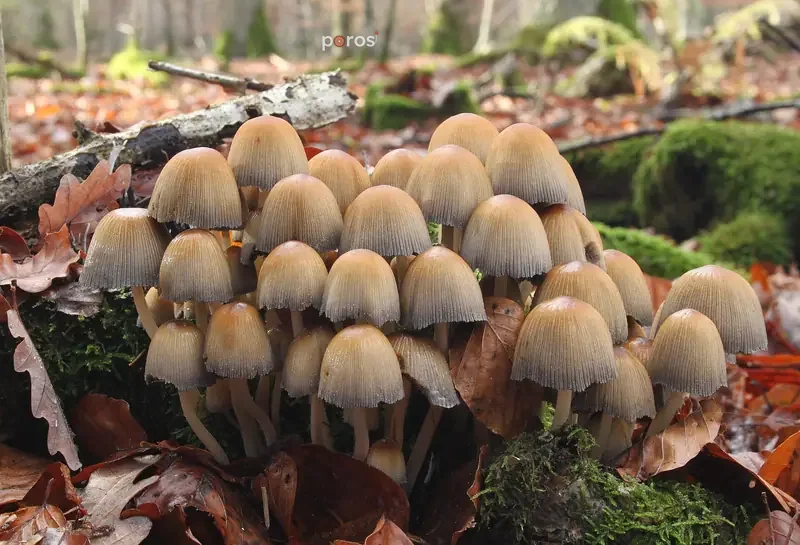
Glistening inkcap Coprinellus micaceus
The glistening inkcap forms dense clusters at stump bases; its cap is grooved, honey-coloured and dusted with glittering granules, and its gills blacken and liquefy with age. The pale brittlestem's gills do not dissolve.
 Poisonous
not Pale brittlestem
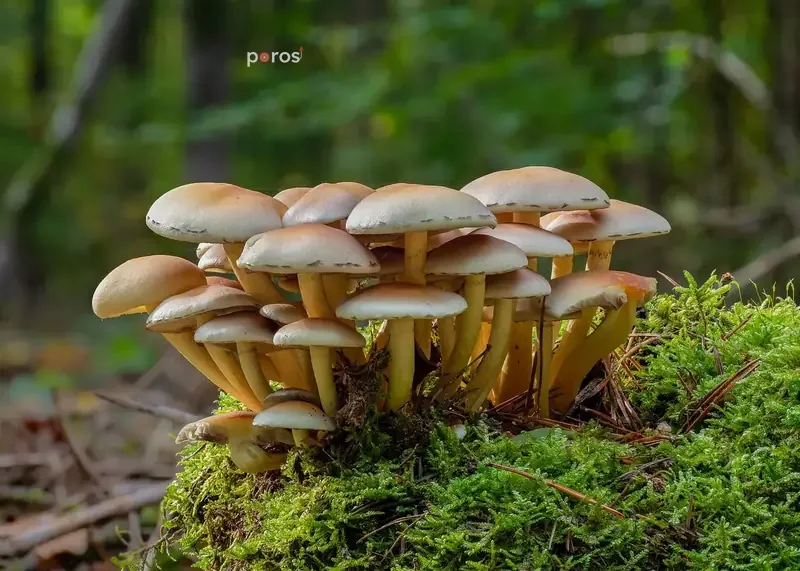
Sulphur tuft Hypholoma fasciculare
The sulphur tuft also grows in clusters on wood, but its cap and flesh are sulphur yellow, its gills go from yellowish green to purplish brown and it tastes very bitter.
 Edible species
not Pale brittlestem
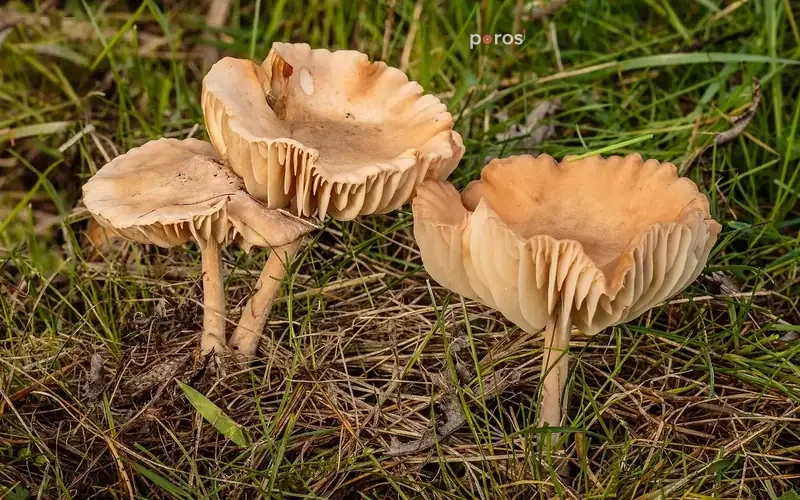
Fairy ring champignon Marasmius oreades
The fairy ring champignon grows in rings in grass; its stem is tough and bends without snapping, its gills are widely spaced and cream, and its spore print is white. The pale brittlestem's stem snaps easily and its gills turn brown.
What it contains
Its culinary value is next to nothing: the flesh is paper-thin and almost vanishes when cooked. The old genus Psathyrella was split by genetic studies in 2020, and this species was moved to the new genus Candolleomyces.
General information, not a health claim.
Some sources list the pale brittlestem as edible, but its flesh is very thin and tasteless, and others treat it as inedible. The real risk is confusing it with small brown mushrooms such as the deadly galerina or psilocybin-containing Panaeolus. Our advice is not to eat it. If poisoning is suspected, call poison control and keep any leftover mushroom.
Frequently asked questions
Is the pale brittlestem edible?
Our advice is not to eat it. Some sources call it edible, but its flesh is very thin and of little worth, and it is easily confused with small brown poisonous mushrooms.
Is the pale brittlestem poisonous?
It is not known to be poisonous itself. The risk lies in mistaking similar-looking small brown species, such as the deadly galerina, for it.
Is it the same as Psathyrella candolleana?
Yes. It was known for many years as Psathyrella candolleana and was renamed Candolleomyces candolleanus after genetic studies in 2020.
How do you identify it?
Look for a thin cream to pale brown cap with white veil fragments on the edge, crowded gills turning from greyish lilac to dark brown, and a white, hollow, very brittle stem. The spore print is dark purplish brown.
How do you tell it from the deadly galerina?
The deadly galerina has a brown ring on the stem, a darker honey to rusty cap and a rusty brown spore print. The pale brittlestem has a white, ringless stem. With small brown mushrooms this distinction is not reliable in the field.
Where does it grow?
In gardens, parks, lawns and roadsides, in groups around stumps, on buried rotting wood and on plant debris.
When does it appear?
From spring to late autumn; May is the busiest month in our Turkish records, and it can also appear in mild winters.
Where is it found in Turkey?
Our map data holds 38 records from Istanbul, Kocaeli, Diyarbakır, Manisa, Ankara, Adana, Samsun, Balıkesir and Kastamonu, with a published record from Kırıkkale too.
When is pale brittlestem season in Turkey?
In our calendar, pale brittlestem season runs Sep–Jul. The pale brittlestem fruits from spring to late autumn and can appear in mild winters too. Our Turkish records are spread over every month except August; May is the busiest, followed by April, June, September and October.
Where does pale brittlestem grow?
Gardens, parks, lawns, roadsides and woodland edges; around stumps, on buried rotting wood and plant debris. It usually grows in groups or small clusters and is common in built-up areas.
Where is pale brittlestem found in Turkey?
Our map data (GBIF and iNaturalist) holds 38 Turkish records: 24 from Istanbul, 3 from Kocaeli, 2 each from Diyarbakır, Manisa, Ankara and Adana, and one each from Samsun, Balıkesir and Kastamonu. It has also been published from Kırıkkale under the name Psathyrella candolleana (Güler et al., 2013).
What can pale brittlestem be confused with?
Pale brittlestem can be confused with deadly galerina (Galerina marginata, deadly), banded mottlegill (Panaeolus cinctulus, poisonous), glistening inkcap (Coprinellus micaceus, inedible), sulphur tuft (Hypholoma fasciculare, poisonous) and fairy ring champignon (Marasmius oreades, edible species). Look-alikes are compared on this page.
What is pale brittlestem called in Turkish?
In Turkish, pale brittlestem (Candolleomyces candolleanus) is called Çöp mantarı.
Related species
-
Glistening inkcapCoprinellus micaceusInedible
-
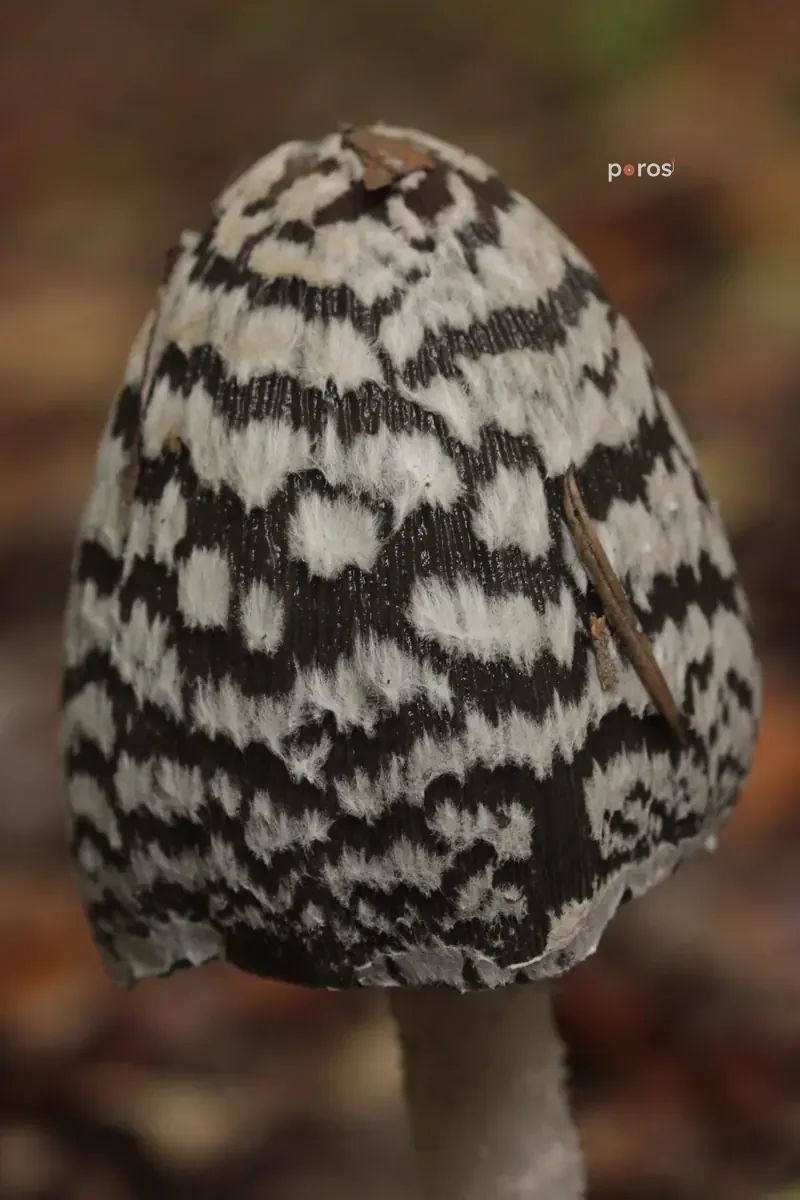 Magpie inkcapCoprinopsis picaceaInedible
-
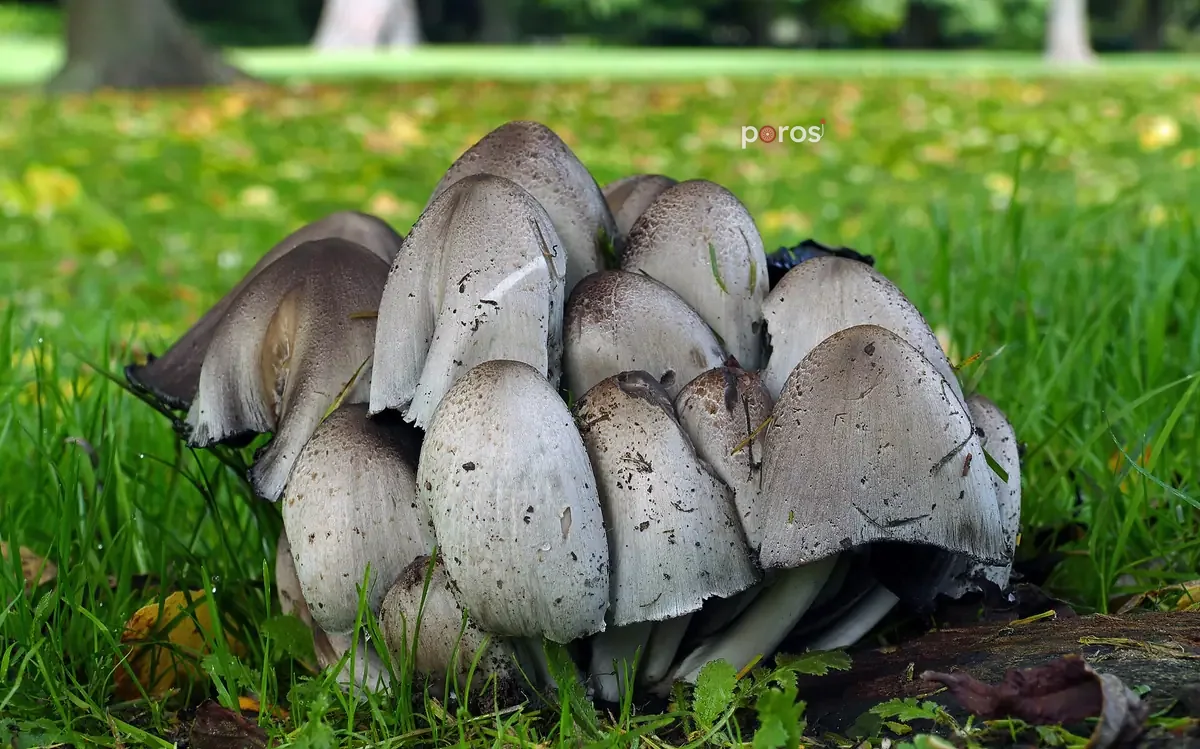 Common ink capCoprinopsis atramentariaPoisonous
-
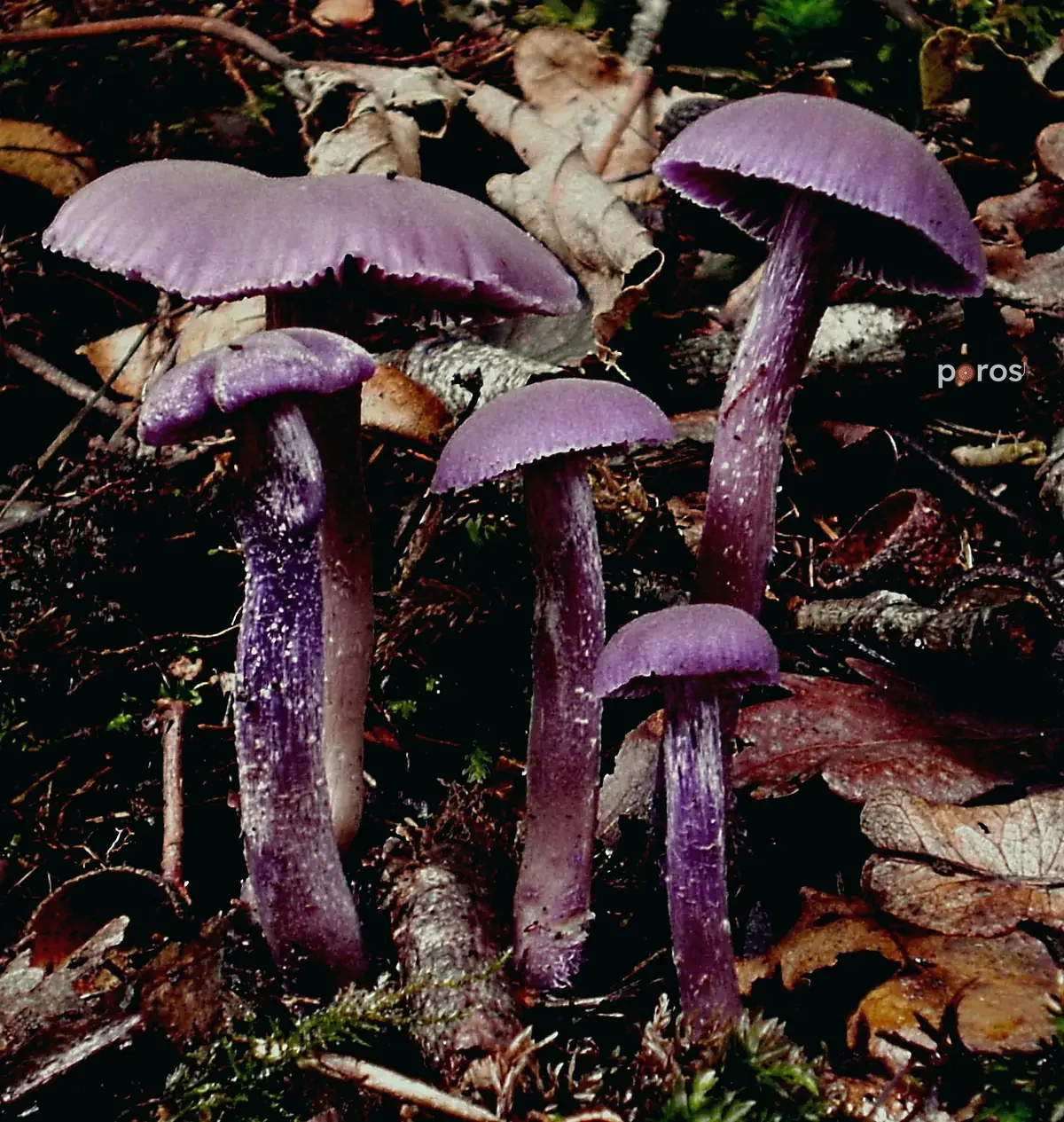 Amethyst deceiverLaccaria amethystinaInedible
-
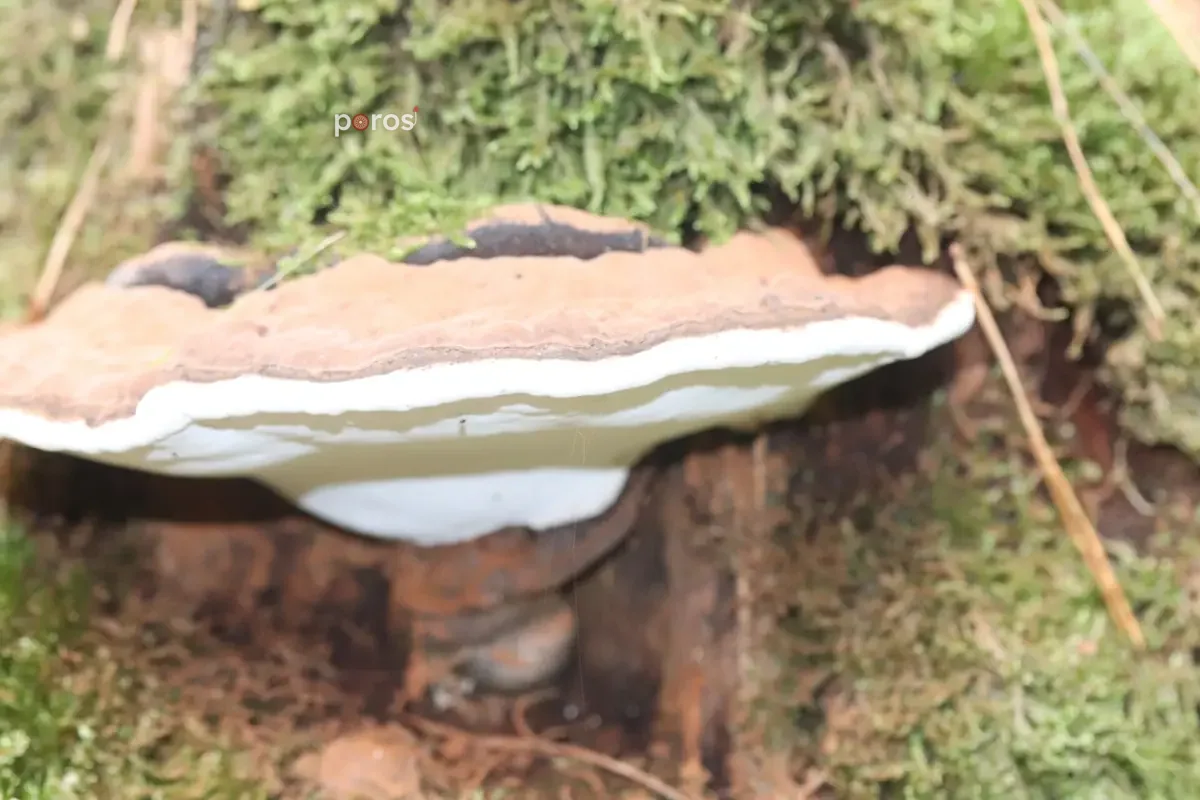 Artist’s bracketGanoderma applanatumInedible
-
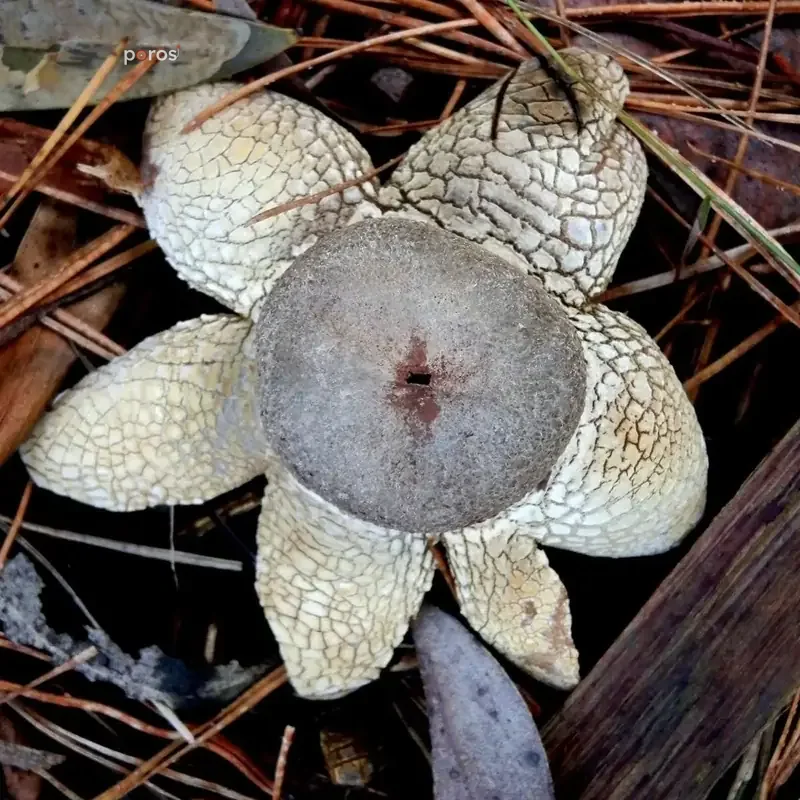 Barometer earthstarAstraeus hygrometricusInedible
-
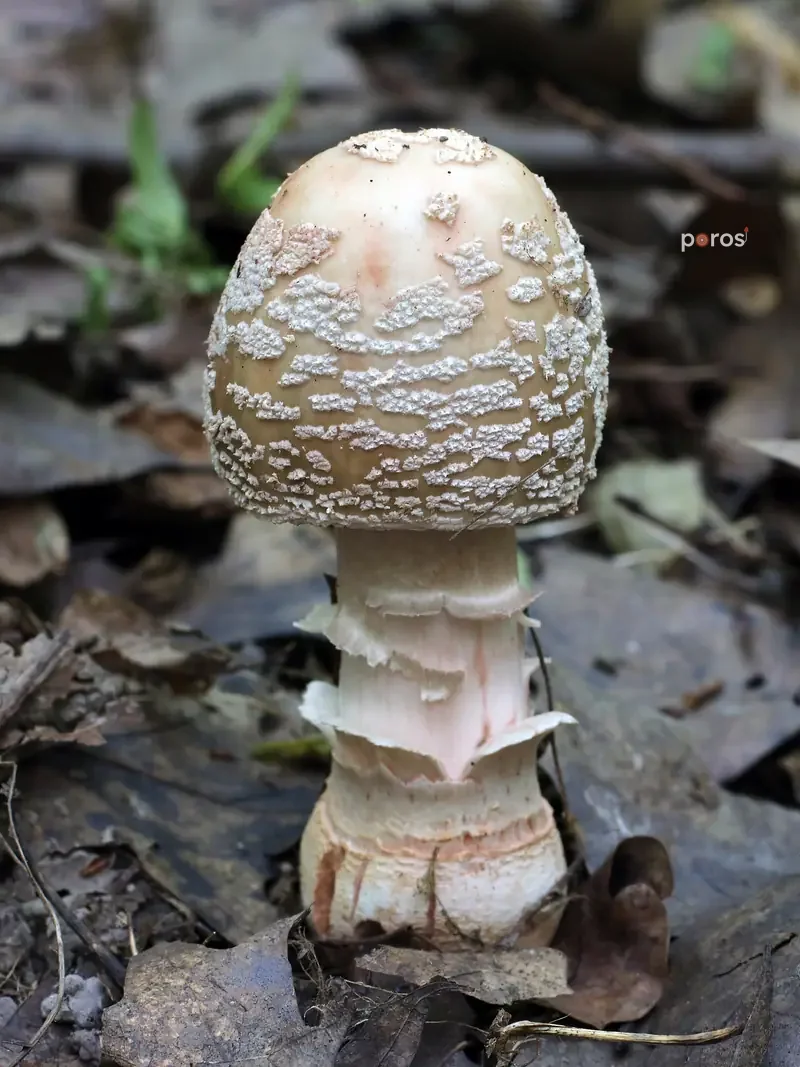 BlusherAmanita rubescensInedible
-
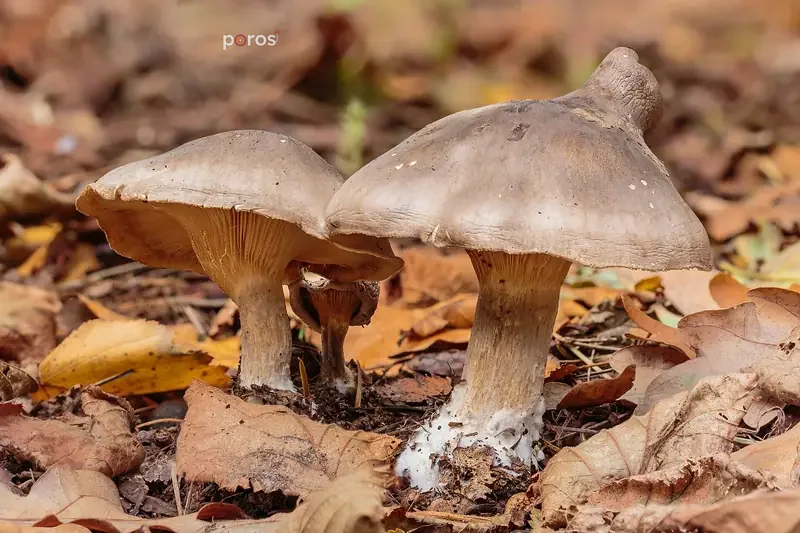 Clouded funnelClitocybe nebularisInedible
Sources
- Güler, Türkoğlu ve Kunduz (2013), Hacettepe Journal of Biology and Chemistry 41(3): 249–253, Macrofungi of The Kızılırmak Basin (Kırıkkale) dergipark.org.tr
- Wikipedia (EN): Candolleomyces candolleanus en.wikipedia.org
- First Nature: Psathyrella candolleana, Pale Brittlestem first-nature.com
All sources (5)
- iNaturalist: Candolleomyces candolleanus (Türkçe ad ve Türkiye gözlemleri) inaturalist.org
- GBIF: Türkiye kayıtları gbif.org
Photo credits (14)
- Candolleomyces candolleanus · iNaturalist #300741160 · Kieran Roy Powell · CC BY 4.0
- Candolleomyces candolleanus · iNaturalist #81610042 · Mark Richman · CC BY 4.0
- Candolleomyces candolleanus · iNaturalist #170739578 · Sandy Wolkenberg · CC BY 4.0
- Candolleomyces candolleanus · iNaturalist #81610042 · Mark Richman · CC BY 4.0
- Candolleomyces candolleanus · iNaturalist #170739578 · Sandy Wolkenberg · CC BY 4.0
- Candolleomyces candolleanus · iNaturalist #373291659 · Matthew Wehman · CC BY 4.0
- Candolleomyces candolleanus · iNaturalist #69331315 · Alan Rockefeller · CC BY 4.0
- Candolleomyces candolleanus · iNaturalist #300741160 · Kieran Roy Powell · CC BY 4.0
- iNaturalist: İstanbul, 23 May 2026 · Umut Nuri Erdoğan · CC BY
- iNaturalist: Diyarbakır, 5 Apr 2026 · Mustafa Arisli · CC BY
- iNaturalist: Diyarbakır, 24 Mar 2026 · Mustafa Arisli · CC BY
- iNaturalist: İstanbul, 17 Jun 2024 · Umut Nuri Erdoğan · CC BY
- iNaturalist: İstanbul, 29 Apr 2024 · Umut Nuri Erdoğan · CC BY
- iNaturalist: İstanbul, 20 Mar 2024 · Umut Nuri Erdoğan · CC BY