
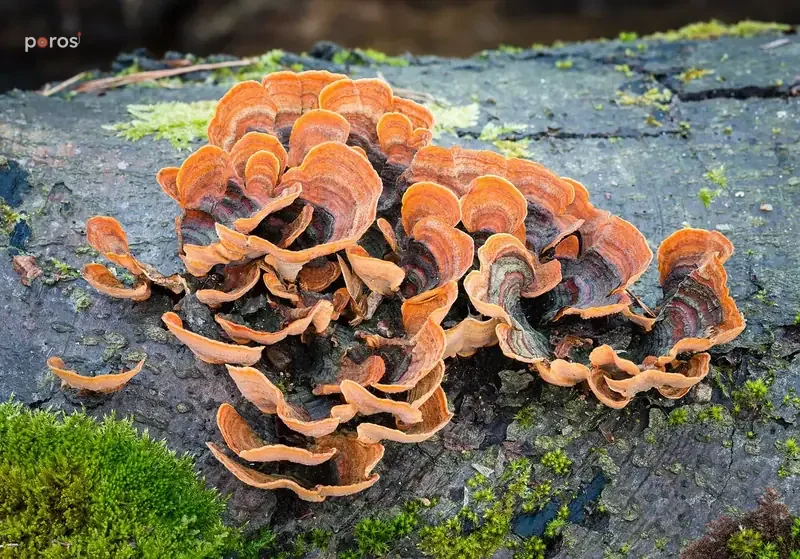


Hairy curtain crust
Stereum hirsutum · Stereaceae
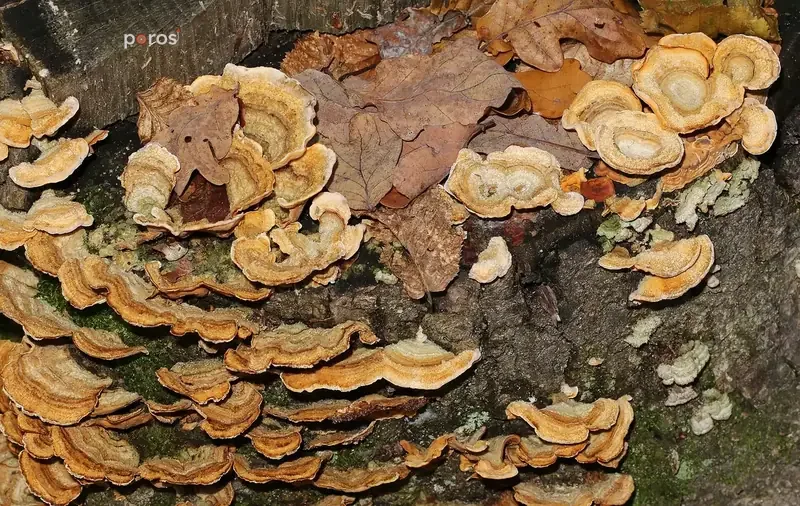
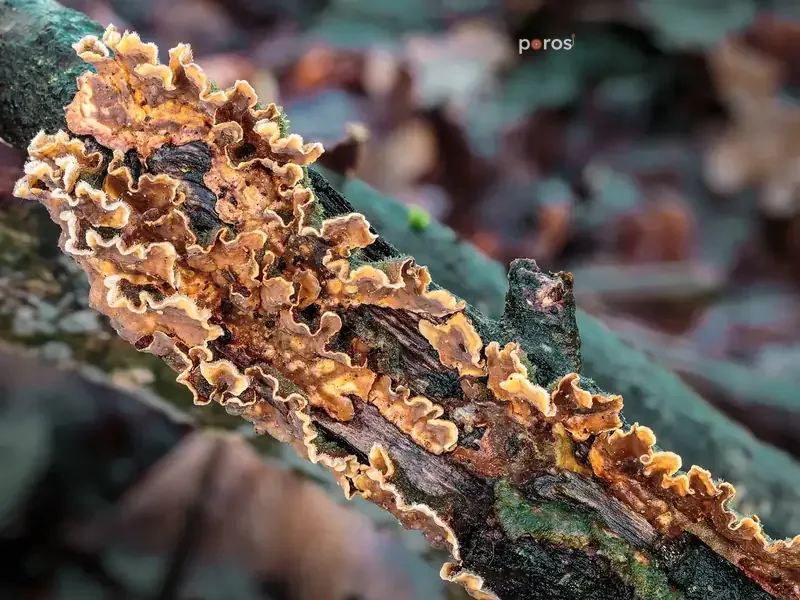
The hairy curtain crust (Stereum hirsutum) is a thin, leathery bracket that forms tiered shelves and crusts on dead hardwood, with a hairy, yellow-orange banded top and a smooth underside without pores.
Last updated: Prepared by the Poros Mantar editorial team6 sources checkedReport a correction
The hairy curtain crust (Stereum hirsutum) is a thin, leathery bracket that forms tiered shelves and crusts on dead hardwood, with a hairy, yellow-orange banded top and a smooth underside without pores. It is too tough to eat. It looks like turkey tail, but has no pores underneath.
Also called: hairy stereum Turkish: Kıllı katmantarı Synonyms: Thelephora hirsuta
How to recognise it
Hairy curtain crust, part by part
No ring or volva Spore print: White No distinctive smell; the flesh is thin, tough and leathery.


When and where
Jul–Oct, Dec–May
- Janin season
- Febin season
- Marin season
- Aprin season
- Mayin season
- Jun
- Julin season
- Augin season
- Sepin season
- Octin season
- Nov
- Decin season
The hairy curtain crust persists on wood all year; our records spread over almost every month, peaking in May and late winter (January, March).
Type Inedible
Months seen JanuaryFebruaryMarchAprilMayJulyAugustSeptemberOctoberDecember
Regions Black Sea RegionMediterranean RegionAegean RegionMarmara RegionDüzceTekirdağManisaMuğlaBoluBursaIstanbulBalıkesir
Where does hairy curtain crust grow?
On dead or felled hardwood: oak, beech, hornbeam, hazel and poplar branches, stumps and log piles. It causes white rot in the wood.
Where is hairy curtain crust found in Turkey?
Our map data (GBIF and iNaturalist) holds 47 Turkish records, most from Istanbul (19), plus Manisa, Muğla, Bolu, Balıkesir, Bursa, Düzce, Tekirdağ, Sakarya, Kırklareli, Osmaniye, İzmir, Kocaeli and Edirne.
- İstanbul19
- Manisa7
- Muğla4
- Bolu4
- Balıkesir2
- Bursa2
- Düzce2
- Tekirdağ1
- Sakarya1
- Kırklareli1
- Osmaniye1
- İzmir1
Other provinces: Kocaeli (1), Edirne (1)
Which months
- Jan7
- Feb4
- Mar7
- Apr4
- May11
- Jun0
- Jul4
- Aug3
- Sep4
- Oct1
- Nov0
- Dec2
hairy curtain crust map of Turkey: all provinces and months →
14 provinces, 47 observations (GBIF, iNaturalist); months from observation dates. Record density also reflects where observers work.
Latest hairy curtain crust observations
-
 Manisa19 Apr 2026 · iNaturalist© Umut Nuri Erdoğan · CC BY
-
 Manisa28 Jan 2026 · iNaturalist© Umut Nuri Erdoğan · CC BY
-
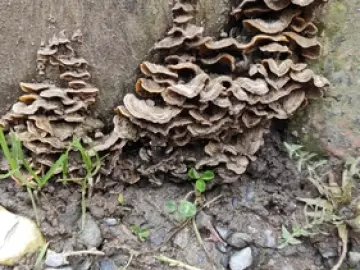 İstanbul14 Mar 2024 · iNaturalist© Umut Nuri Erdoğan · CC BY
-
 Illustrative
İstanbul27 Sep 2026 · iNaturalist
-
 Illustrative
İstanbul27 Sep 2026 · iNaturalist
-
 Illustrative
İstanbul27 Sep 2026 · iNaturalist
-
 Illustrative
İstanbul23 May 2026 · iNaturalist
-
 Illustrative
İstanbul23 May 2026 · iNaturalist
- See on the map
On "illustrative" cards the image is a photo of the species; the observation photo cannot be shown here because of its licence, but can be seen at the source.
Look-alikes
What could it be confused with?
Hairy curtain crust can be mistaken for the species below. Each card shows the look-alike and how it differs from Hairy curtain crust.
 Inedible
not Hairy curtain crust
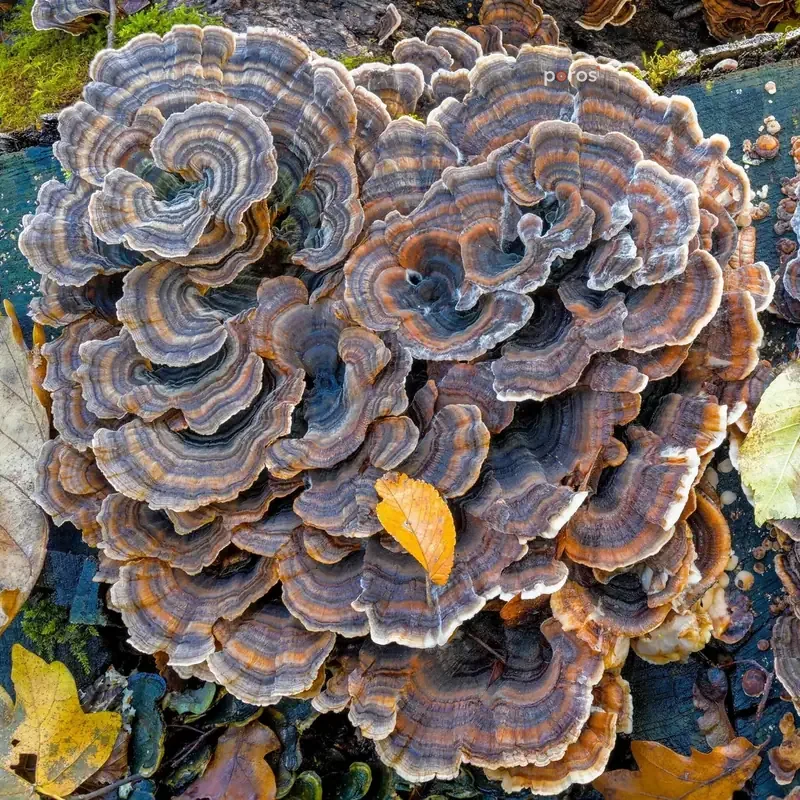
Turkey tail Trametes versicolor
Turkey tail has a more multicoloured, velvety top and fine white pores underneath. The hairy curtain crust has a smooth, yellow-orange underside.
 Inedible
not Hairy curtain crust
False turkey tail Stereum ostrea
Larger and more boldly banded, with shorter hairs on top; the underside is also smooth. Telling them apart often needs a microscope.
What it contains
It has no culinary value; the flesh is thin and leathery.
General information, not a health claim.
The hairy curtain crust is not known to be poisonous, but it is too tough and leathery to eat. Do not collect bracket fungi for tea or supplements without an expert confirming the species.
Frequently asked questions
What is Stereum hirsutum?
A thin bracket fungus that forms tiered shelves on dead hardwood, hairy on top with a smooth yellow-orange underside; its Turkish name is kıllı katmantarı.
Is it edible?
No. It is not known to be poisonous, but it is too tough and leathery to eat.
Is it poisonous?
It is not listed as poisonous, but it is still not an edible mushroom.
How do you tell it from turkey tail?
Turn the bracket over: turkey tail has white pores underneath, while the hairy curtain crust is smooth and yellow-orange.
Where does it grow?
On dead branches, stumps and log piles of hardwoods such as oak, beech, hornbeam and hazel.
When can you see it?
It stays on the wood all year; our Turkish records peak in May and from January to March.
Where is it found in Turkey?
Our map data has 47 records, mostly from Istanbul, plus Manisa, Muğla, Bolu, Balıkesir, Bursa, Düzce and other Marmara and Aegean provinces.
Does it harm trees?
It mostly lives on dead or weakened wood, causing white rot and breaking the wood down; it is one of the forest's natural decomposers.
When is hairy curtain crust season in Turkey?
In our calendar, hairy curtain crust season runs Jul–Oct, Dec–May. The hairy curtain crust persists on wood all year; our records spread over almost every month, peaking in May and late winter (January, March).
Where does hairy curtain crust grow?
On dead or felled hardwood: oak, beech, hornbeam, hazel and poplar branches, stumps and log piles. It causes white rot in the wood.
Where is hairy curtain crust found in Turkey?
Our map data (GBIF and iNaturalist) holds 47 Turkish records, most from Istanbul (19), plus Manisa, Muğla, Bolu, Balıkesir, Bursa, Düzce, Tekirdağ, Sakarya, Kırklareli, Osmaniye, İzmir, Kocaeli and Edirne.
What can hairy curtain crust be confused with?
Hairy curtain crust can be confused with turkey tail (Trametes versicolor, inedible) and false turkey tail (Stereum ostrea, inedible). Look-alikes are compared on this page.
What is hairy curtain crust called in Turkish?
In Turkish, hairy curtain crust (Stereum hirsutum) is called Kıllı katmantarı.
Related species
-
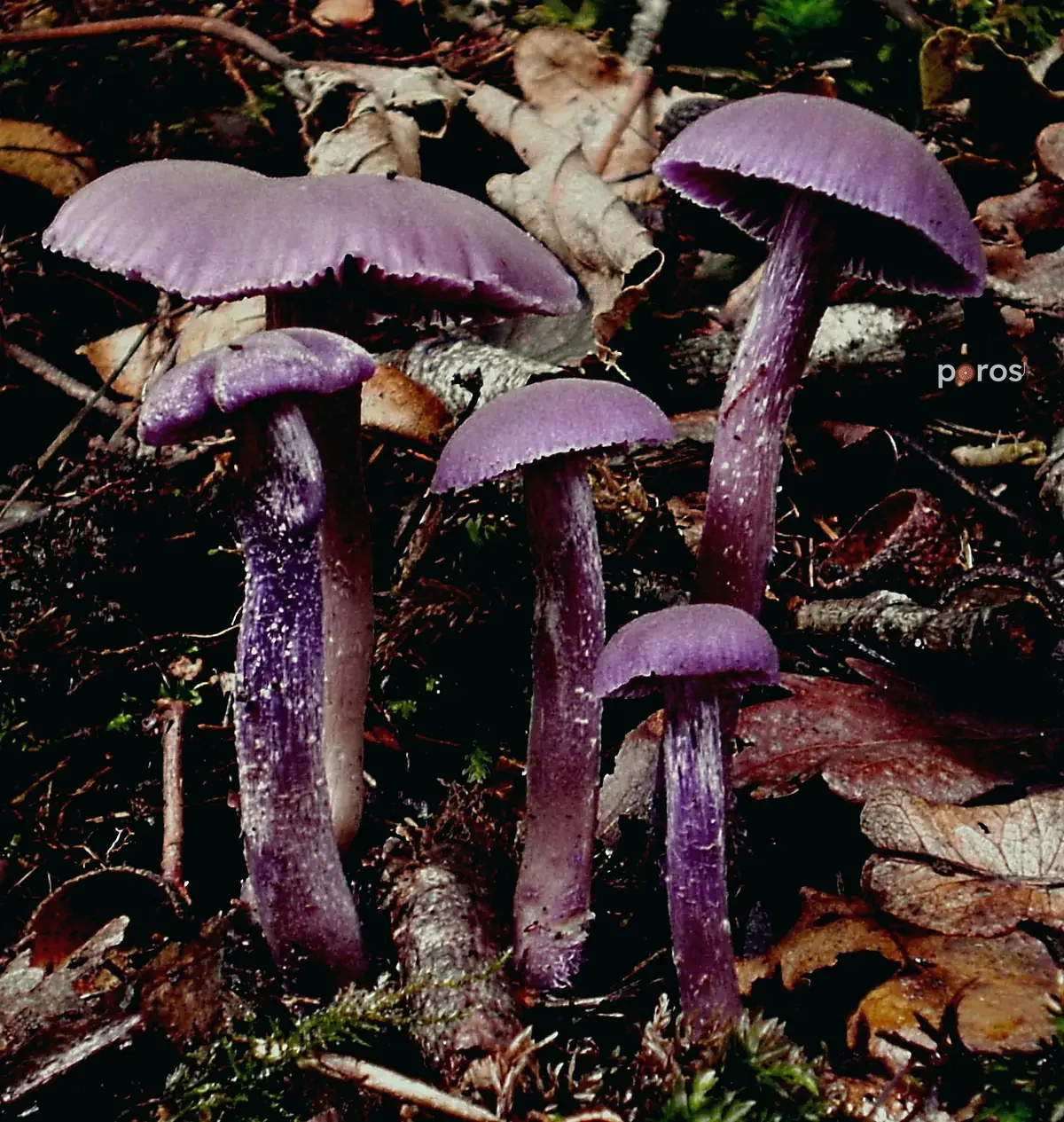 Amethyst deceiverLaccaria amethystinaInedible
-
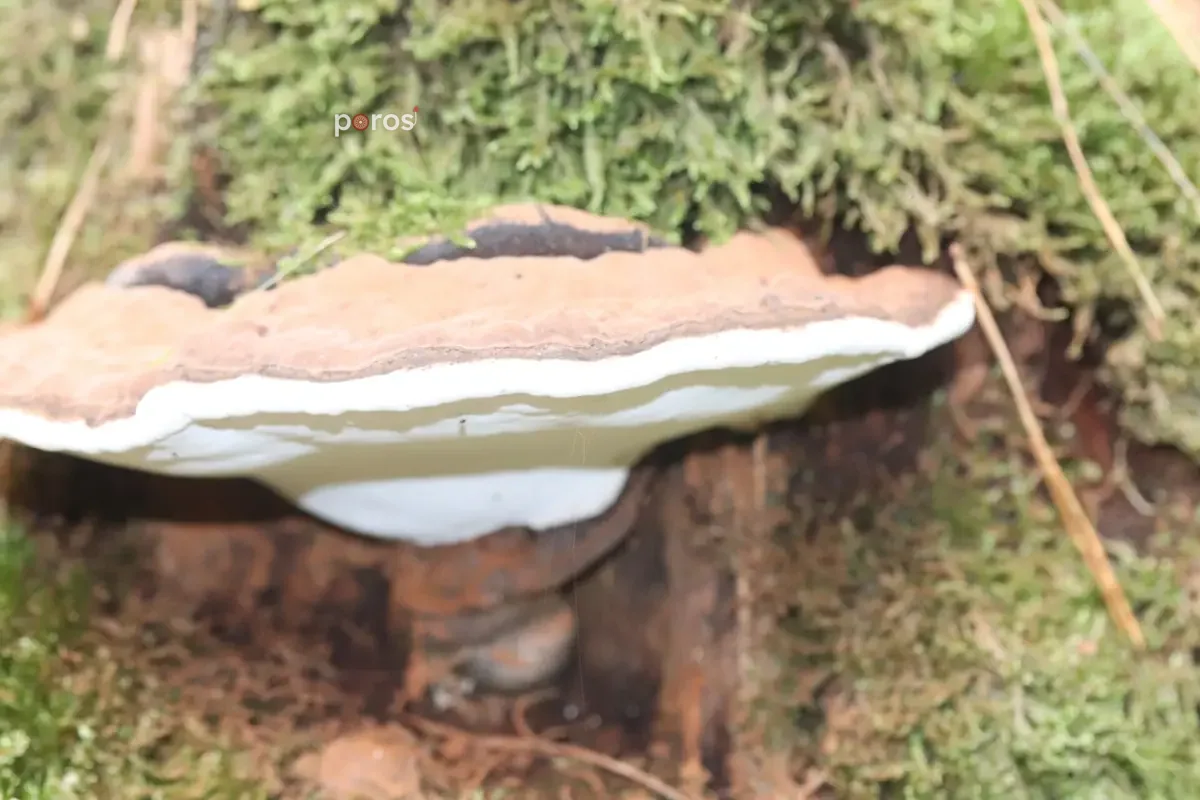 Artist’s bracketGanoderma applanatumInedible
-
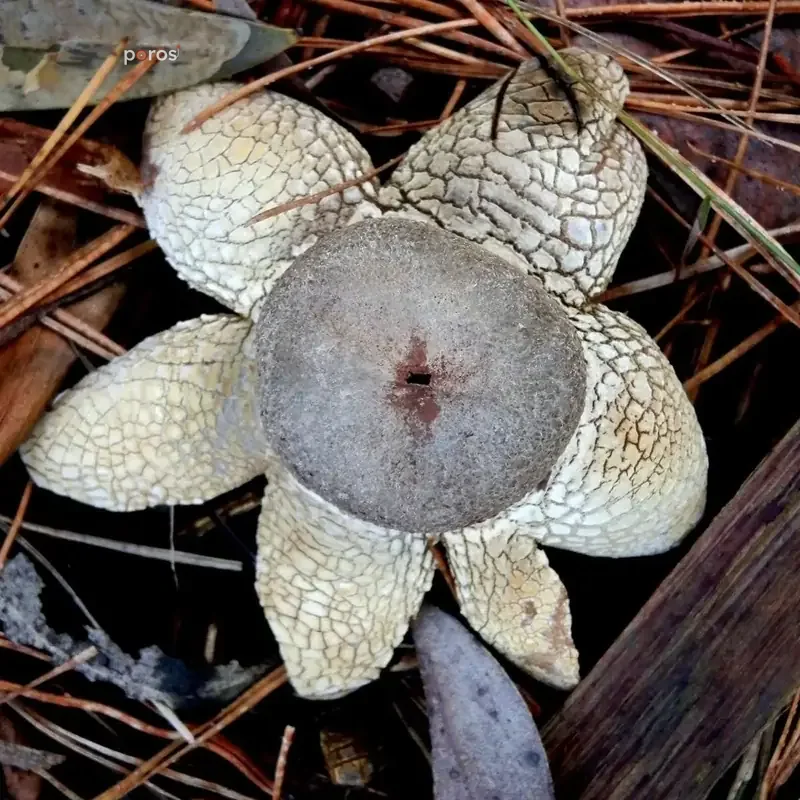 Barometer earthstarAstraeus hygrometricusInedible
-
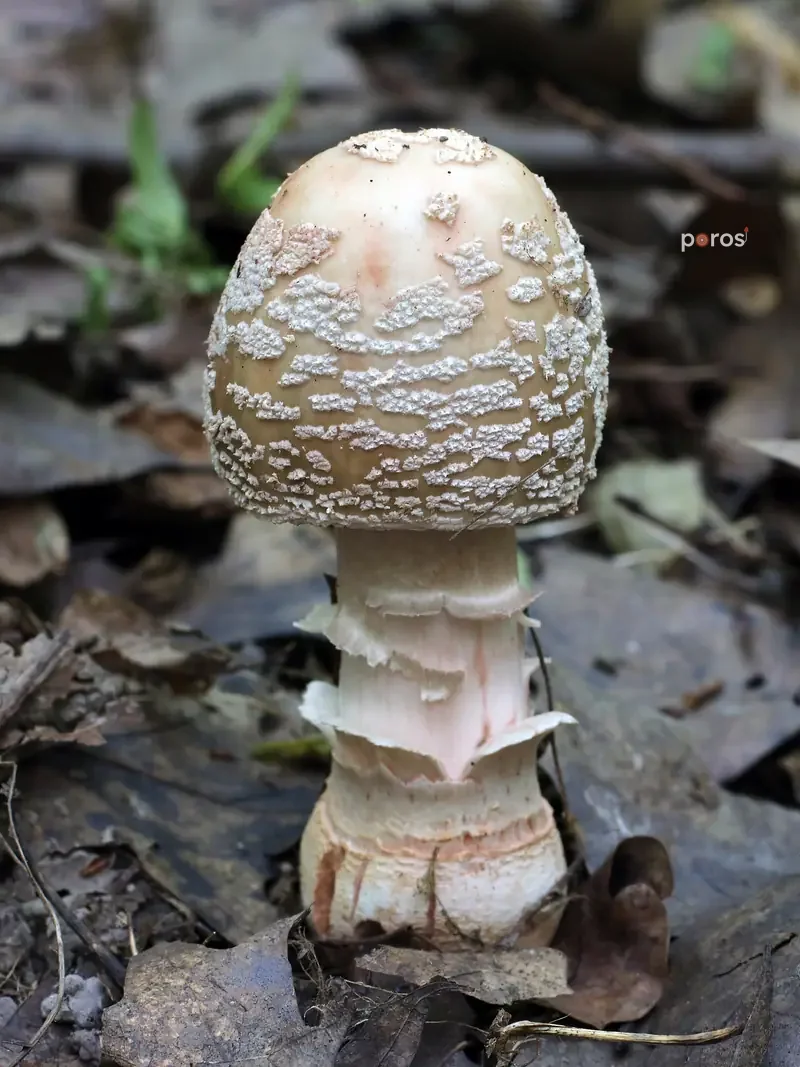 BlusherAmanita rubescensInedible
-
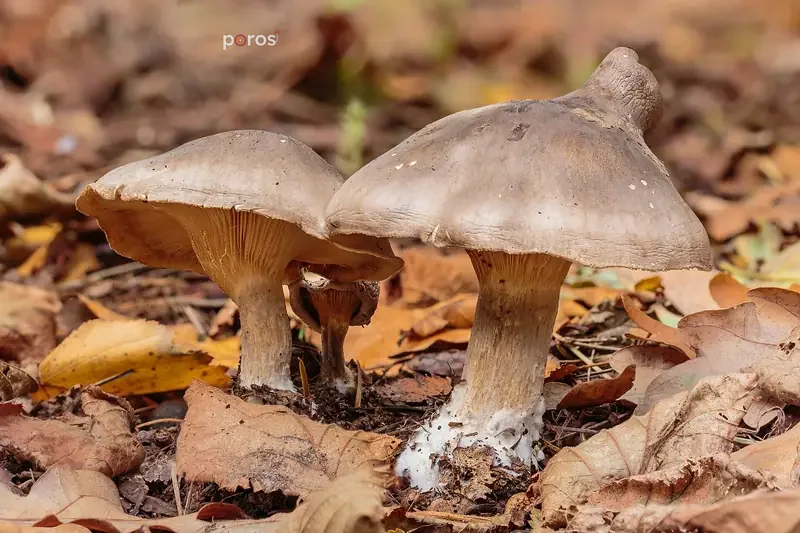 Clouded funnelClitocybe nebularisInedible
-
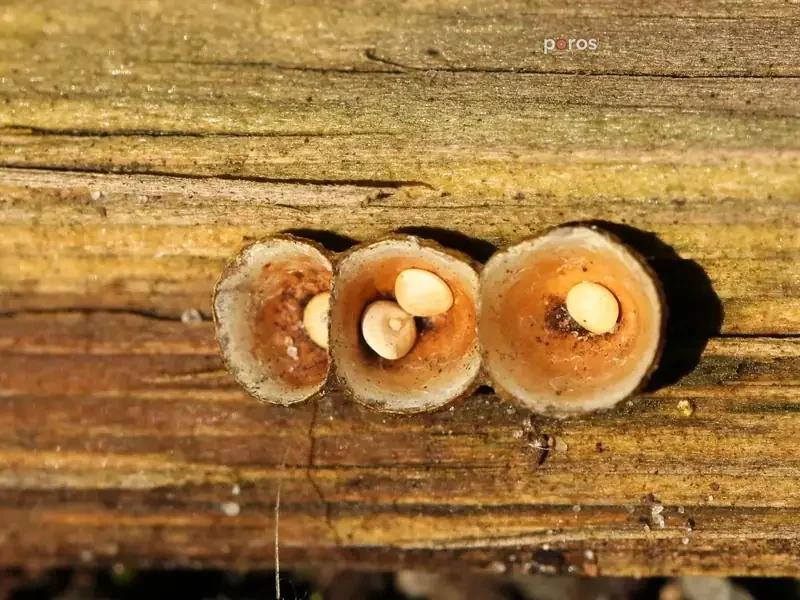 Common bird’s nest fungusCrucibulum laeveInedible
-
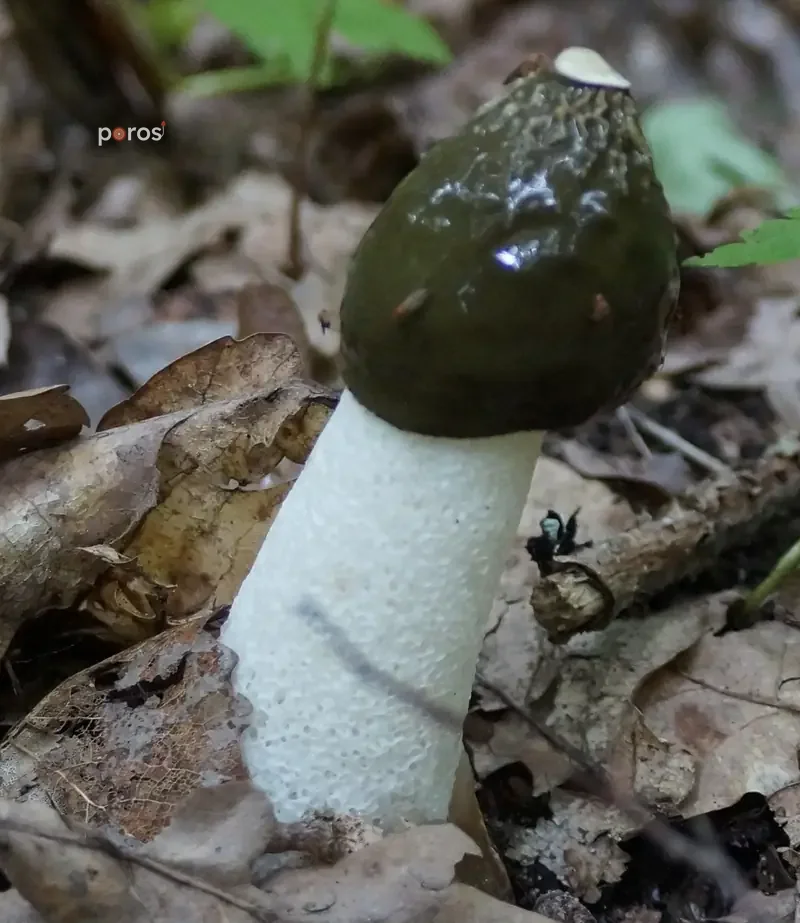 Common stinkhornPhallus impudicusInedible
-
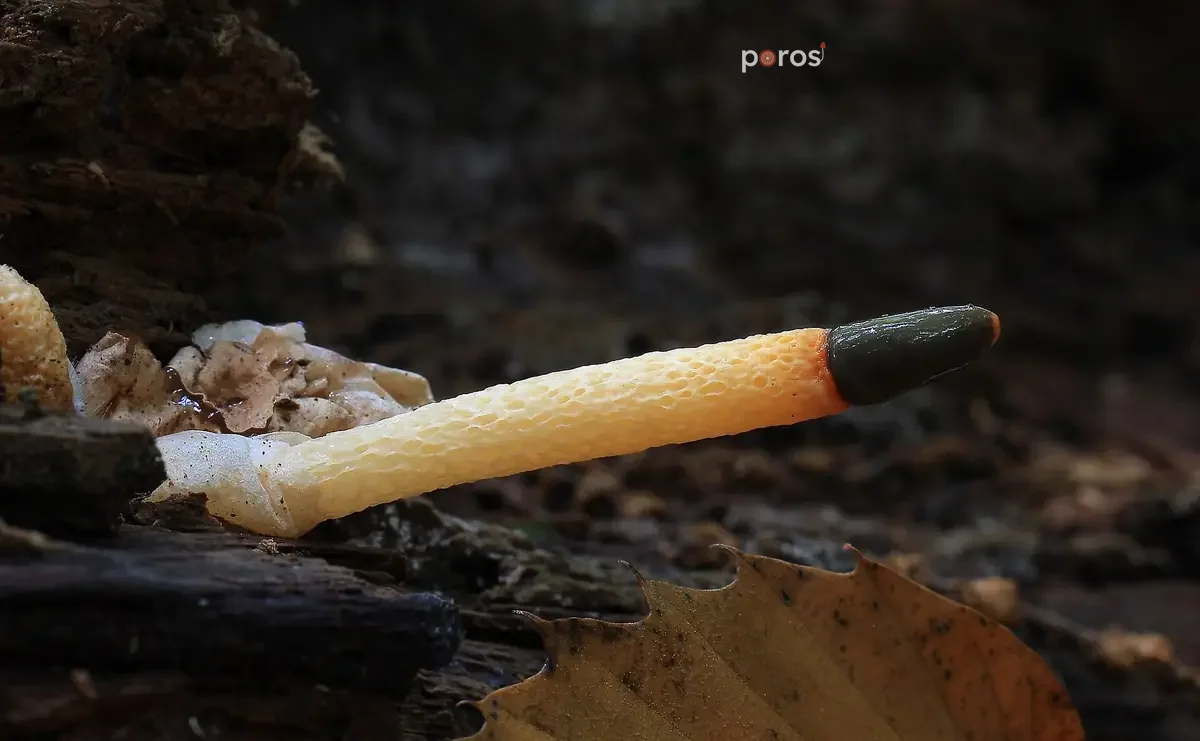 Dog stinkhornMutinus caninusInedible
Sources
- Mišković ve ark. (2021), Chemistry & Biodiversity: Stereum hirsutum fenolik ve yağ asitleri pubmed.ncbi.nlm.nih.gov
- Adanacıoğlu ve ark. (2014), ANADOLU (Ege Tarımsal Araştırma Enstitüsü): Türkiye makromantar genetik kaynakları I. Ege Bölgesi dergipark.org.tr
- Wikipedia (EN): Stereum hirsutum en.wikipedia.org
All sources (6)
- First Nature: Stereum hirsutum first-nature.com
- iNaturalist: Stereum hirsutum (Türkçe ad ve Türkiye gözlemleri) inaturalist.org
- GBIF: Türkiye kayıtları gbif.org
Photo credits (11)
- File:False turkey-tail - Stereum hirsutum - 02.jpg · Norbert Nagel · CC BY-SA 3.0
- File:Striegeliger Schichtpilz-Stereum hirsutum-20191216-RM-150832.jpg · Ermell · CC BY-SA 4.0
- Stereum hirsutum · iNaturalist #4969487 · Justin · CC BY 4.0
- File:Stereum hirsutum 2025 G1.jpg · George Chernilevsky · CC BY 4.0
- File:Stereum hirsutum (Gele korstzwam) (d.j.b.) 01.jpg · Dominicus Johannes Bergsma · CC BY-SA 4.0
- Stereum hirsutum · iNaturalist #85611255 · flamelily · CC0
- Stereum hirsutum · iNaturalist #9657003 · Justin · CC BY 4.0
- Stereum hirsutum · iNaturalist #331712958 · zebedeugalinha · CC BY 4.0
- iNaturalist: Manisa, 19 Apr 2026 · Umut Nuri Erdoğan · CC BY
- iNaturalist: Manisa, 28 Jan 2026 · Umut Nuri Erdoğan · CC BY
- iNaturalist: İstanbul, 14 Mar 2024 · Umut Nuri Erdoğan · CC BY


