
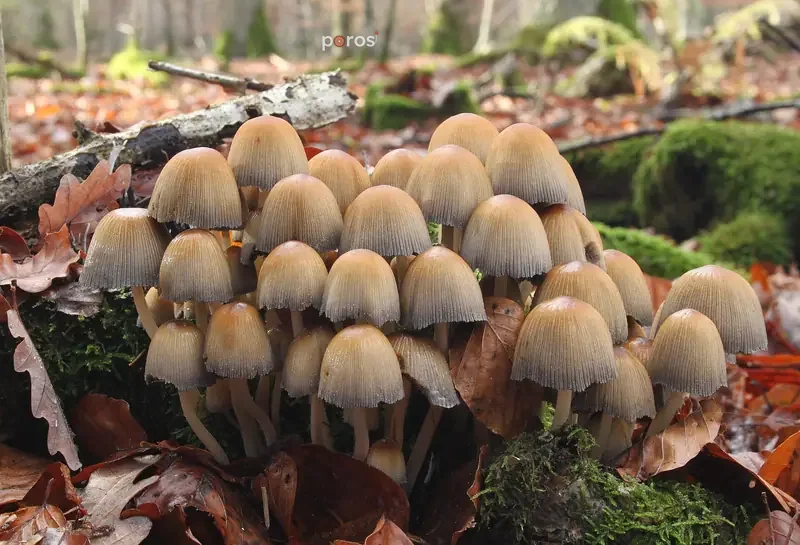


Glistening inkcap
Coprinellus micaceus · Psathyrellaceae
The glistening inkcap (Coprinellus micaceus) is a small, honey- to mustard-coloured, bell-shaped inkcap that grows in dense clusters around stumps and buried wood.
Last updated: Prepared by the Poros Mantar editorial team6 sources checkedReport a correction
The glistening inkcap (Coprinellus micaceus) is a small, honey- to mustard-coloured, bell-shaped inkcap that grows in dense clusters around stumps and buried wood. When young its cap is dusted with fine granules that glitter like mica and wash off easily in rain. Some sources call young specimens edible, but it is small, spoils fast and resembles toxic brown cluster-forming species, so it is treated as not edible.
Also called: mica cap, shiny cap Turkish: Pullu mürekkep mantarı Synonyms: Coprinus micaceus
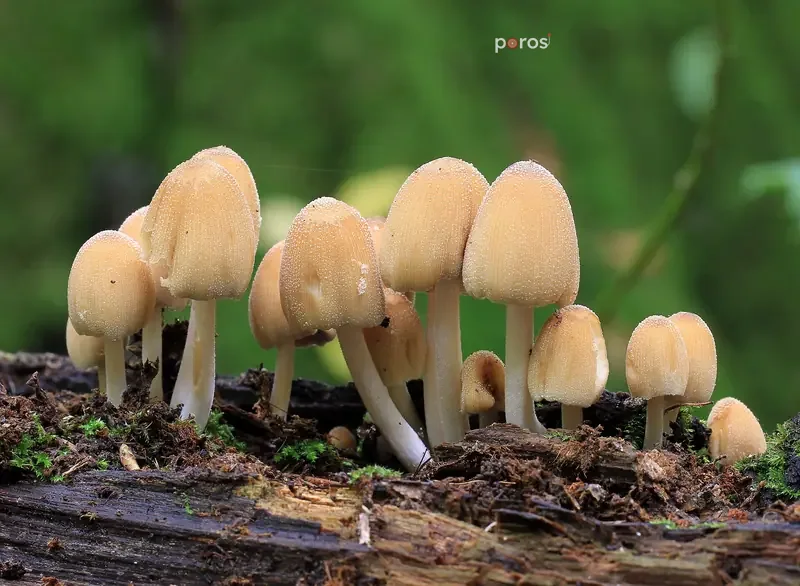
How to recognise it
Glistening inkcap, part by part
No ring or volva Spore print: Dark brown to black No distinctive smell; the flesh is thin and fragile.


When and where
Mar–Jun, Oct–Nov
- Jan
- Feb
- Marin season
- Aprin season
- Mayin season
- Junin season
- Jul
- Aug
- Sep
- Octin season
- Novin season
- Dec
The glistening inkcap appears after rain in spring and autumn; Turkish records peak in May, with others in March, April and November.
Type Inedible
Months seen MarchAprilMayJuneOctoberNovember
Regions Central Anatolia RegionAegean RegionMarmara RegionAksarayManisaEdirneMuğlaAnkaraIstanbulBalıkesir
Where do glistening inkcaps grow?
On stumps, roots and buried wood of broadleaf trees, in parks, gardens, roadsides and woods. Dozens grow together in dense clusters.
Where is glistening inkcaps found in Turkey?
Our map data (GBIF and iNaturalist) holds 30 Turkish records, almost all from Istanbul and Ankara, plus Edirne, Balıkesir, Aksaray, Manisa and Muğla. It is common in city parks and gardens.
Which months
- Jan2
- Feb3
- Mar4
- Apr4
- May12
- Jun1
- Jul0
- Aug0
- Sep0
- Oct0
- Nov3
- Dec1
glistening inkcap map of Turkey: all provinces and months →
7 provinces, 30 observations (GBIF, iNaturalist); months from observation dates. Record density also reflects where observers work.
Latest glistening inkcap observations
-
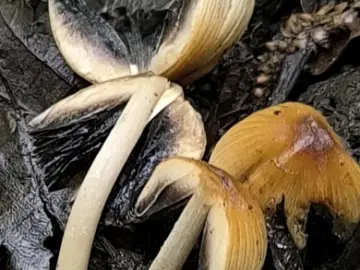 İstanbul3 May 2026 · iNaturalist© Umut Nuri Erdoğan · CC BY
-
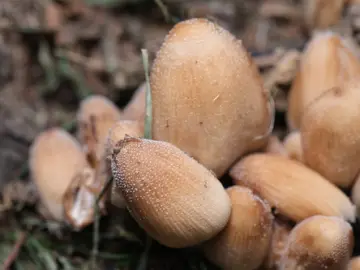 İstanbul1 Jun 2025 · iNaturalist© Fikret Arda Düzgünses · CC BY
-
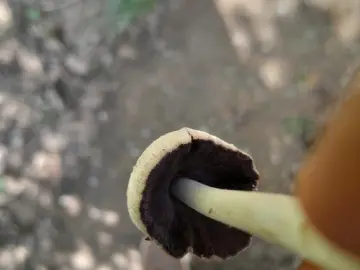 İstanbul30 Mar 2024 · iNaturalist© Güneş Bodur · CC BY
-
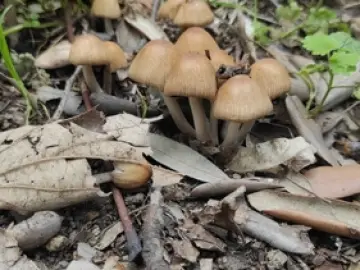 İstanbul11 Feb 2024 · iNaturalist© Umut Nuri Erdoğan · CC BY
-
 Illustrative
Edirne29 May 2026 · iNaturalist
-
 Illustrative
Ankara29 May 2026 · iNaturalist
-
 Illustrative
Ankara12 May 2026 · iNaturalist
-
 Illustrative
Ankara6 May 2026 · iNaturalist
- See on the map
On "illustrative" cards the image is a photo of the species; the observation photo cannot be shown here because of its licence, but can be seen at the source.
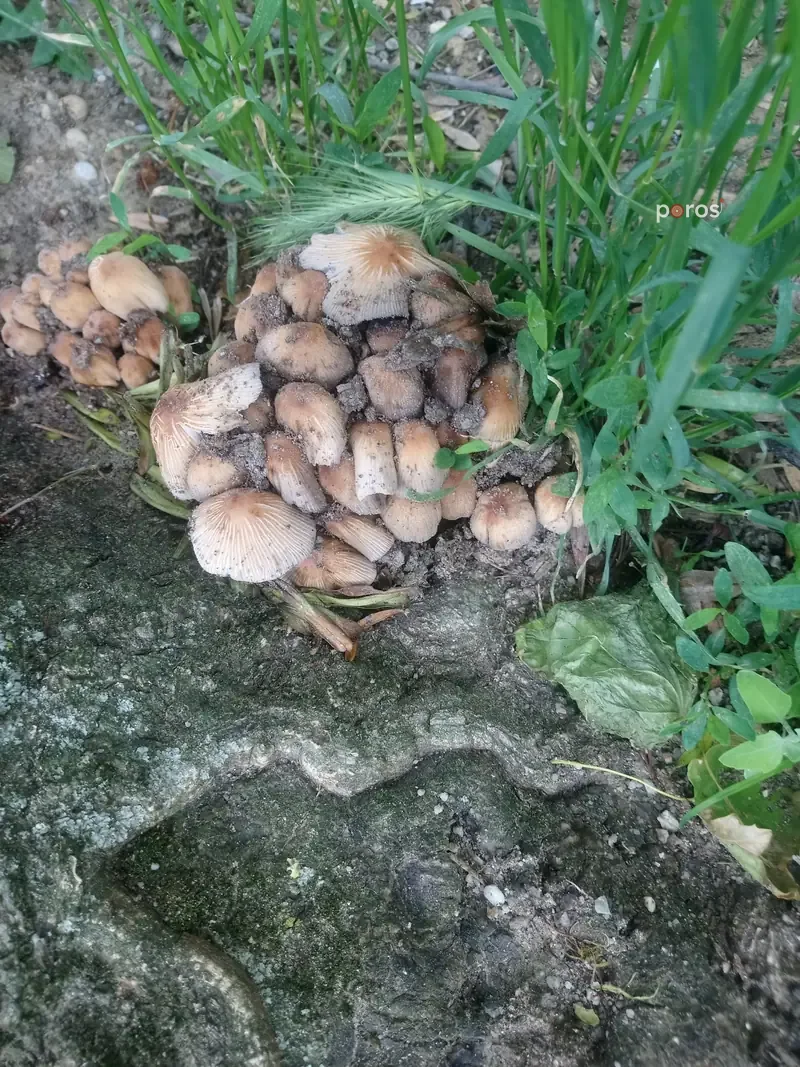
Look-alikes
What could it be confused with?
Glistening inkcap can be mistaken for the species below. Each card shows the look-alike and how it differs from Glistening inkcap.
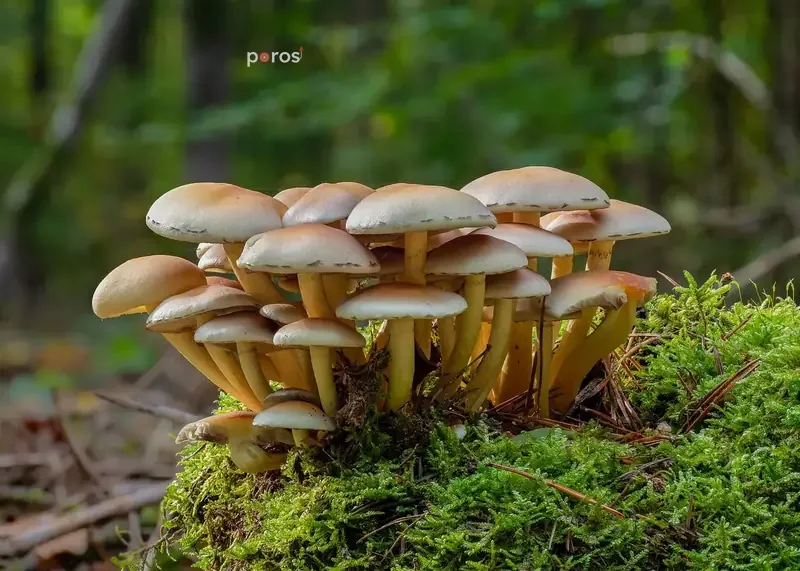 Poisonous
not Glistening inkcap
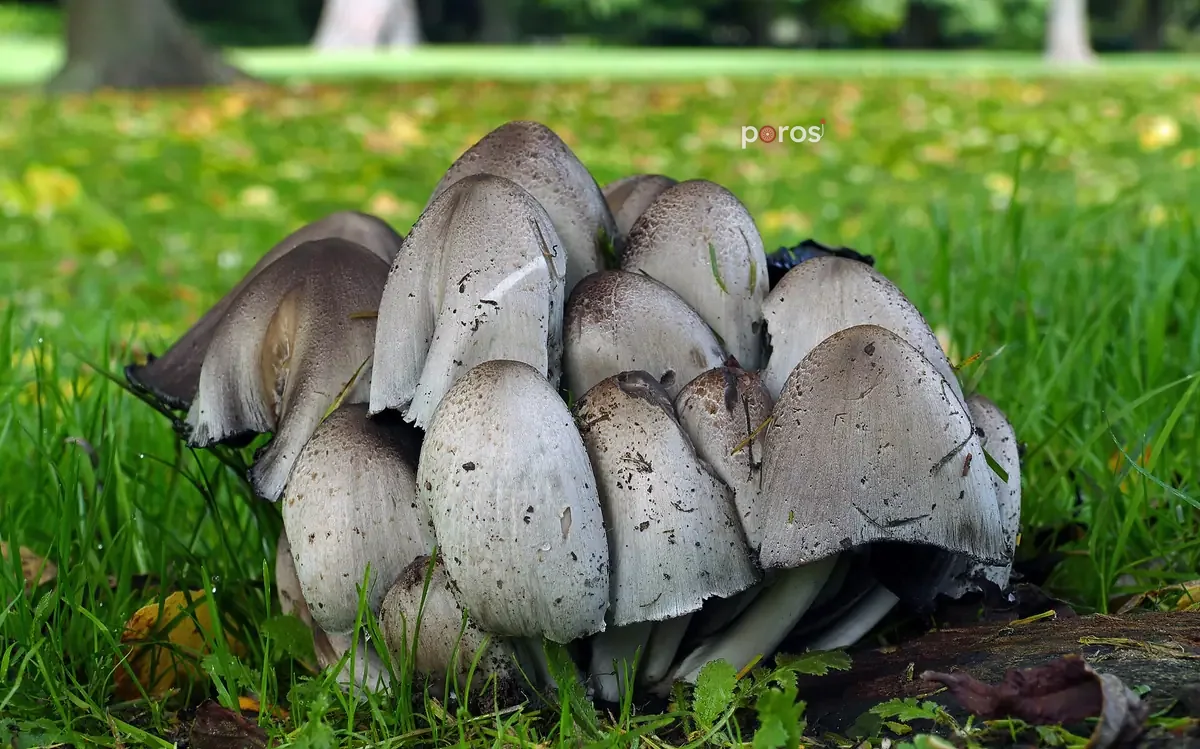
Sulphur tuft Hypholoma fasciculare
It also grows in clusters on wood, but its cap is sulphur yellow, its gills greenish-yellow, its flesh bitter, and its gills never dissolve into ink.
 Poisonous
not Glistening inkcap
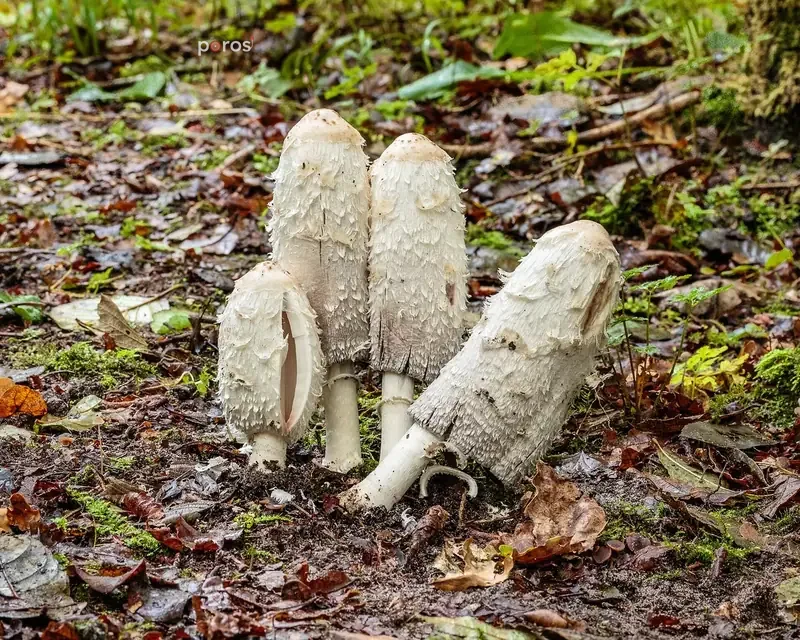
Common ink cap Coprinopsis atramentaria
Larger and grey-brown, with no glittering granules on the cap. Eaten with alcohol it causes a severe reaction.
 Edible species
not Glistening inkcap
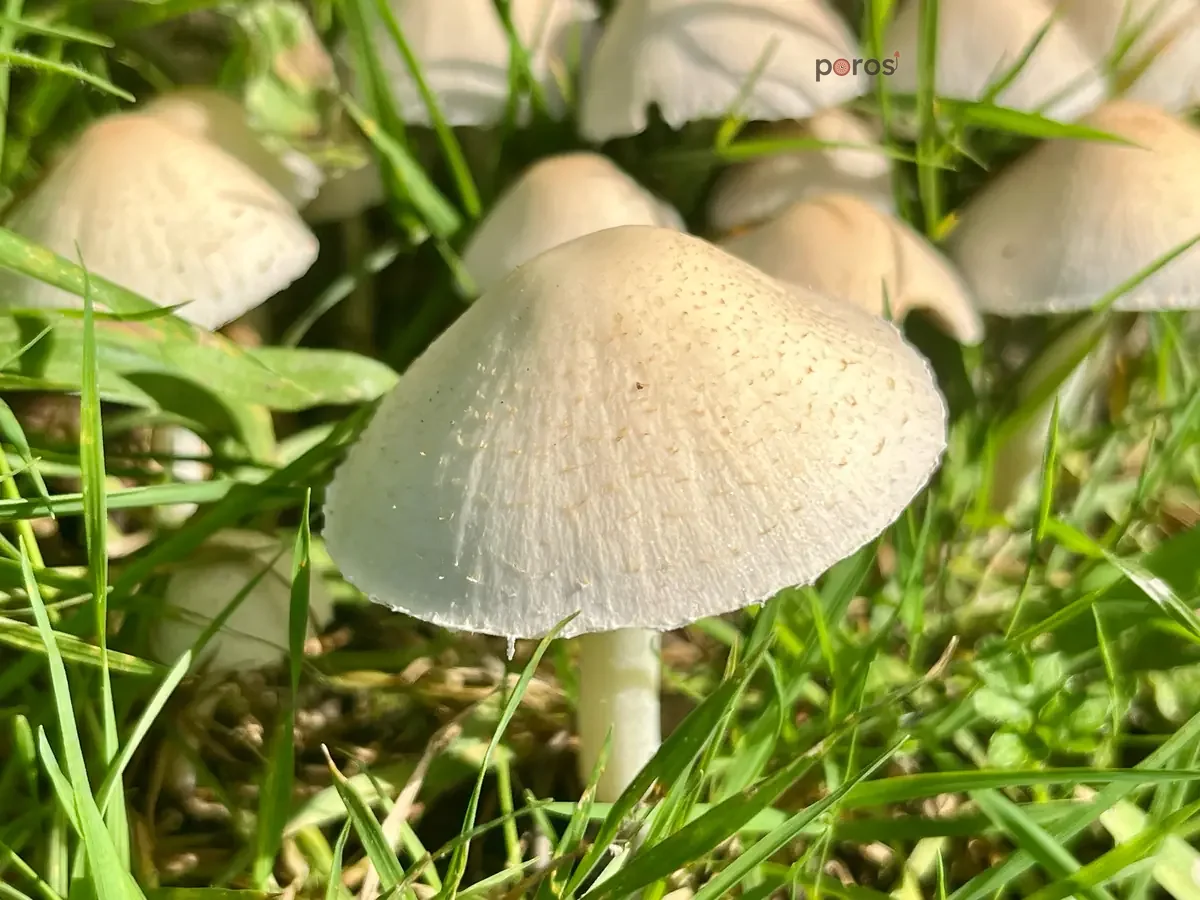
Shaggy ink cap Coprinus comatus
Much larger, with a tall, white, shaggy cap, and grows singly or in groups on grass rather than in clusters on wood.
 Inedible
not Glistening inkcap
Pale brittlestem Candolleomyces candolleanus
The pale brittlestem has no glittering granules on the cap, and its gills darken but do not liquefy.
What it contains
It starts to blacken and dissolve within hours of picking, so it cannot be stored.
General information, not a health claim.
Some sources consider young glistening inkcaps edible, but the species is small, spoils quickly and is easily confused with toxic brown mushrooms that also grow in clusters on wood. Do not eat it. If poisoning is suspected, call poison control and keep any leftover mushroom.
Frequently asked questions
Is the glistening inkcap edible?
Some sources call young specimens edible, but it is small, spoils fast and is confused with toxic clustered species. As opinions differ, we list it as not edible.
Is it poisonous?
It is not known to cause serious poisoning itself. The danger is confusing it with toxic clustered species on wood, such as the sulphur tuft.
What are the glittering granules on the cap?
They are remnants of the veil that covers the young cap; they glitter like mica, hence the name micaceus. Rain and age wash them away.
Where does it grow?
Around stumps, roots and buried wood of broadleaf trees; it is common in parks, gardens and roadsides.
When does it appear?
In spring and autumn after rain. Turkish records peak in May.
Where is it found in Turkey?
Almost all of the 30 records in our map data are from Istanbul and Ankara, with others from Edirne, Balıkesir, Aksaray, Manisa and Muğla.
How does it differ from the shaggy ink cap?
The shaggy ink cap is large, white and shaggy and grows on grass. The glistening inkcap is small, honey-coloured and glittering, and grows in clusters around wood.
It came up in my garden; is it harmful?
It does not harm plants; it feeds on buried roots and wood. You can remove it so children and pets do not eat it.
When is glistening inkcap season in Turkey?
In our calendar, glistening inkcap season runs Mar–Jun, Oct–Nov. The glistening inkcap appears after rain in spring and autumn; Turkish records peak in May, with others in March, April and November.
Where do glistening inkcaps grow?
On stumps, roots and buried wood of broadleaf trees, in parks, gardens, roadsides and woods. Dozens grow together in dense clusters.
Where are glistening inkcaps found in Turkey?
Our map data (GBIF and iNaturalist) holds 30 Turkish records, almost all from Istanbul and Ankara, plus Edirne, Balıkesir, Aksaray, Manisa and Muğla. It is common in city parks and gardens.
What can the glistening inkcap be confused with?
The glistening inkcap can be confused with sulphur tuft (Hypholoma fasciculare, poisonous), common inkcap (Coprinopsis atramentaria, poisonous), shaggy ink cap (Coprinus comatus, edible species) and pale brittlestem (Candolleomyces candolleanus, inedible). Look-alikes are compared on this page.
What is the glistening inkcap called in Turkish?
In Turkish, the glistening inkcap (Coprinellus micaceus) is called Pullu mürekkep mantarı.
Related species
-
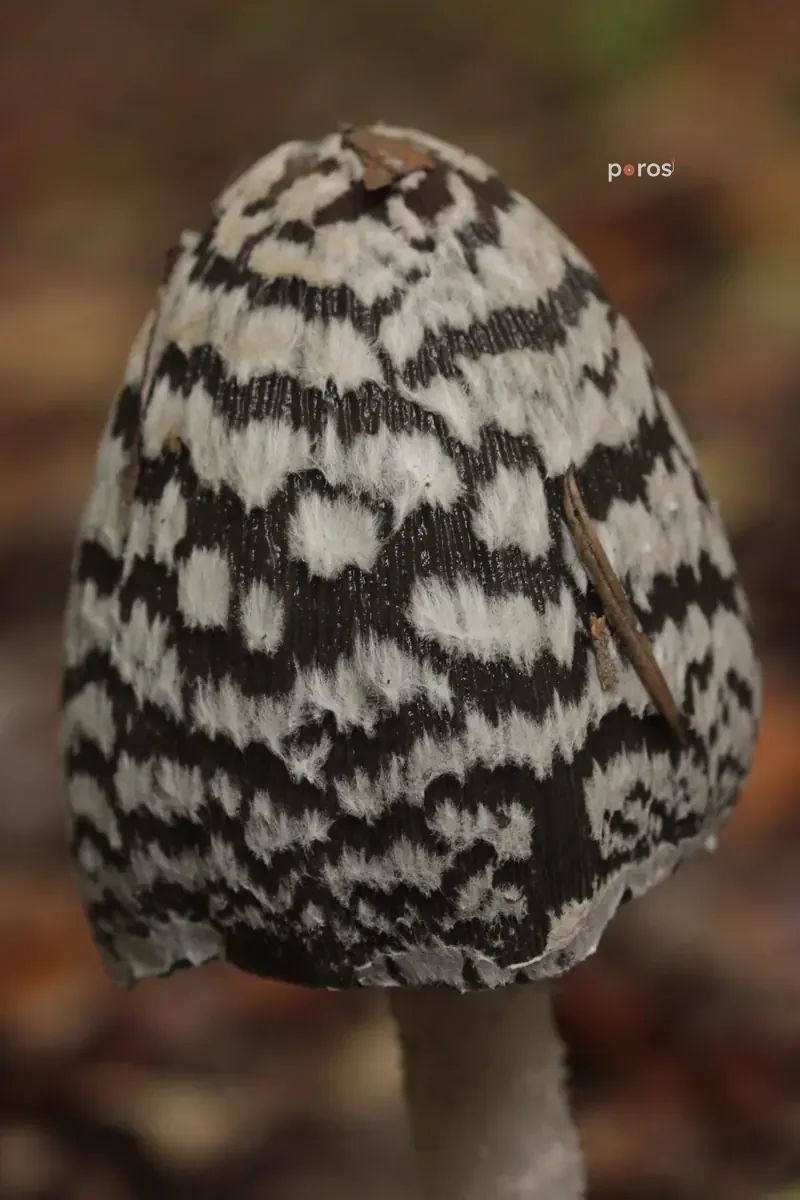 Magpie inkcapCoprinopsis picaceaInedible
-
Pale brittlestemCandolleomyces candolleanusInedible
-
Common ink capCoprinopsis atramentariaPoisonous
-
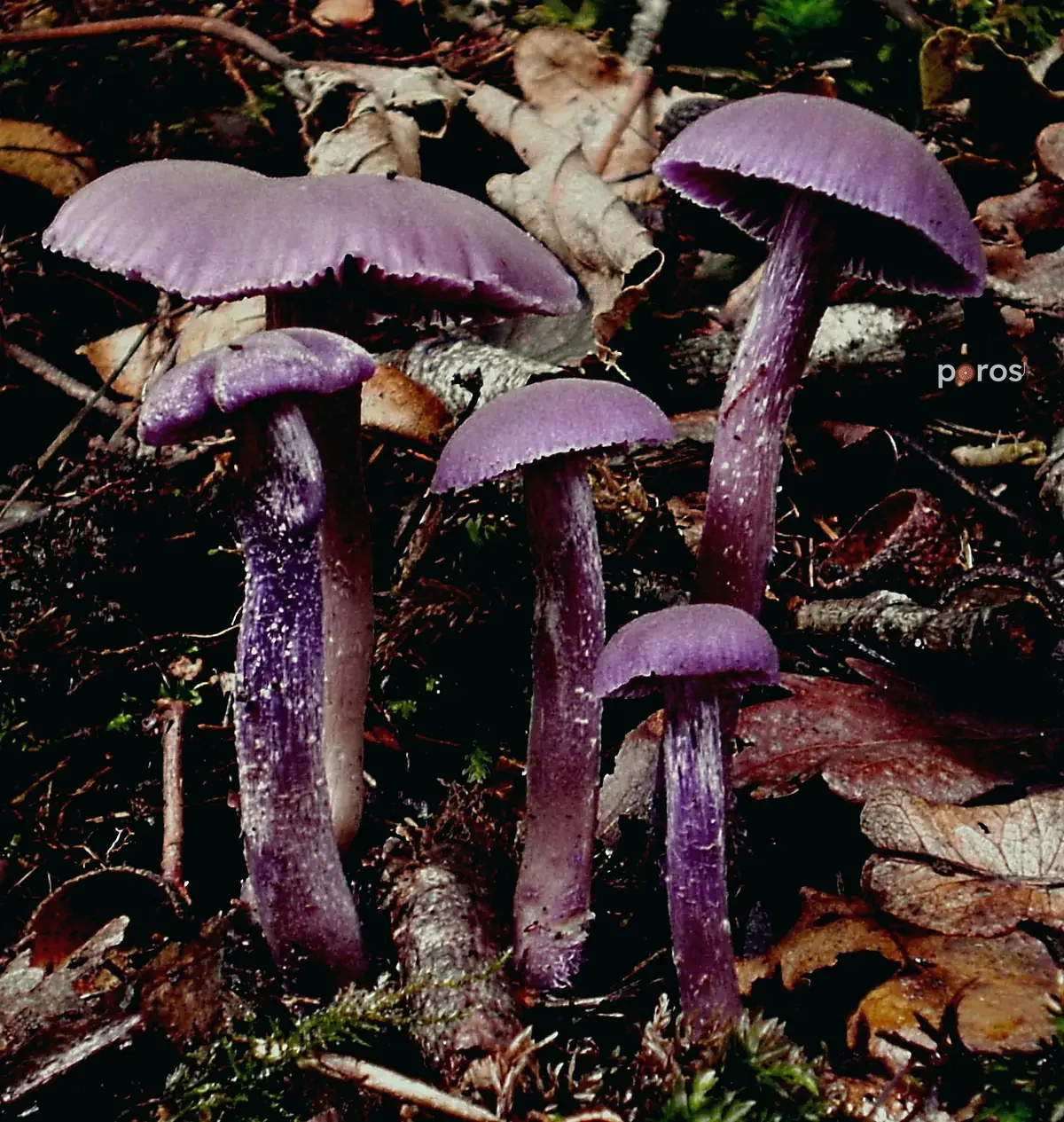 Amethyst deceiverLaccaria amethystinaInedible
-
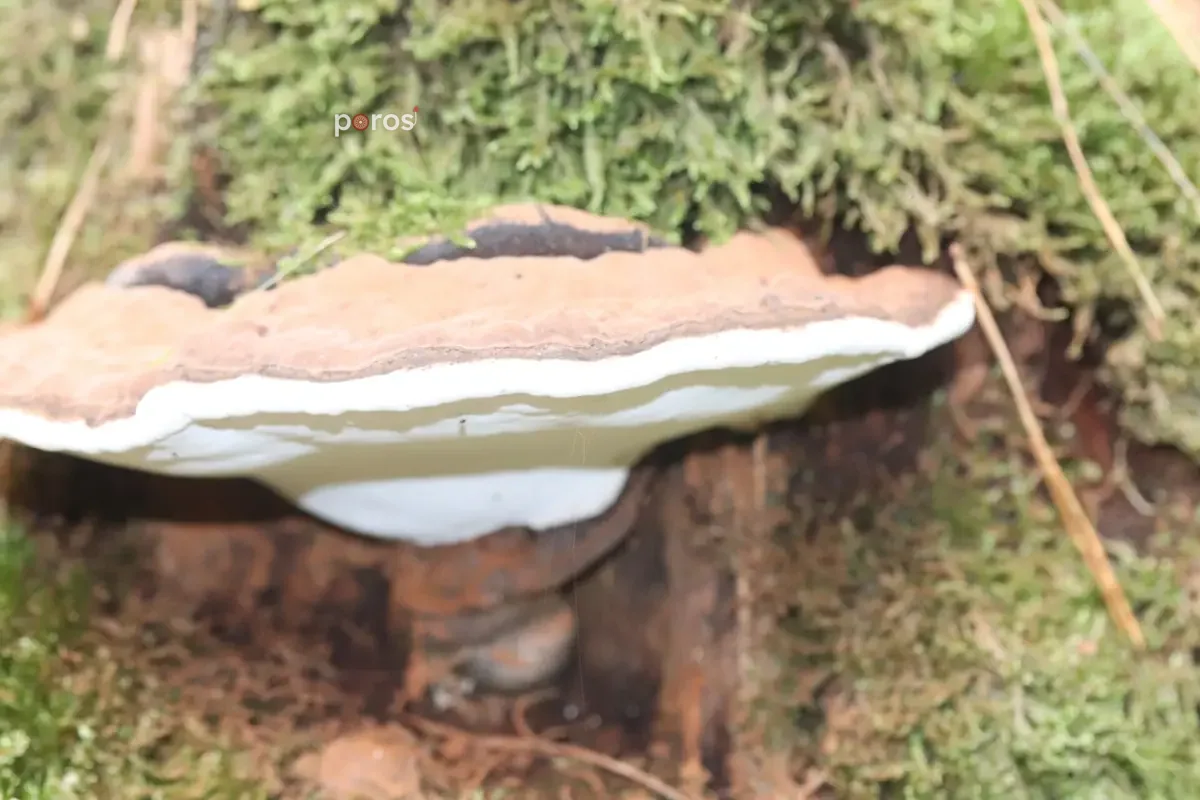 Artist’s bracketGanoderma applanatumInedible
-
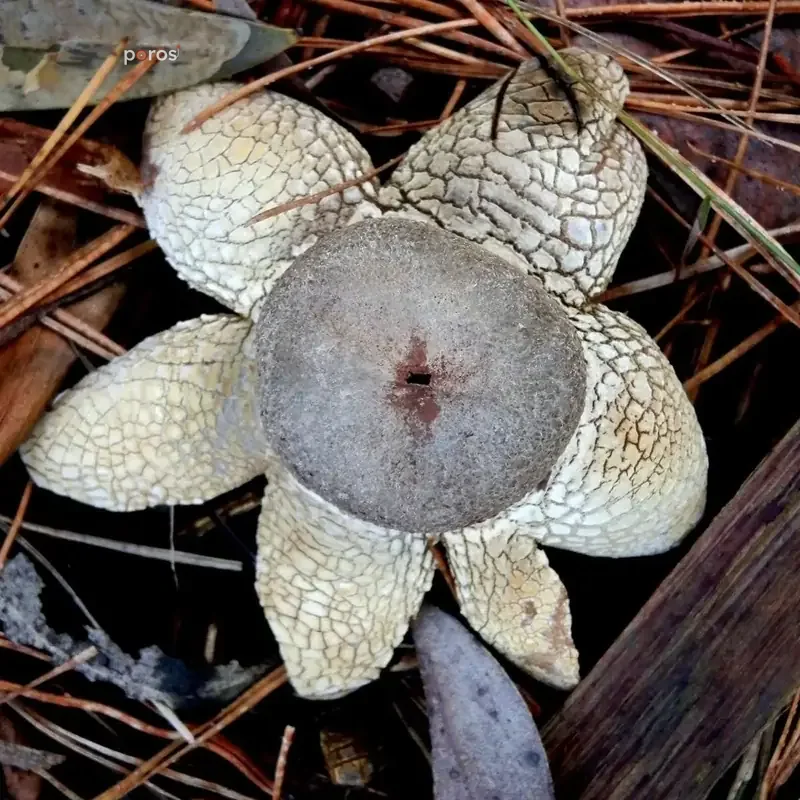 Barometer earthstarAstraeus hygrometricusInedible
-
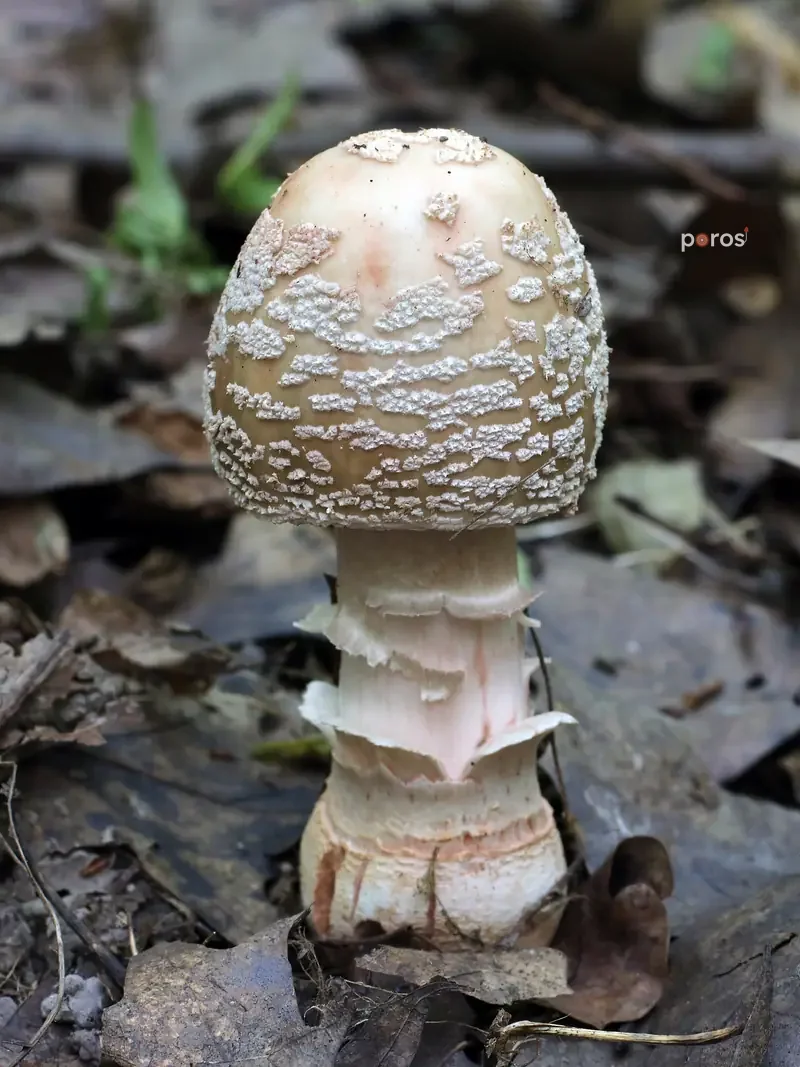 BlusherAmanita rubescensInedible
-
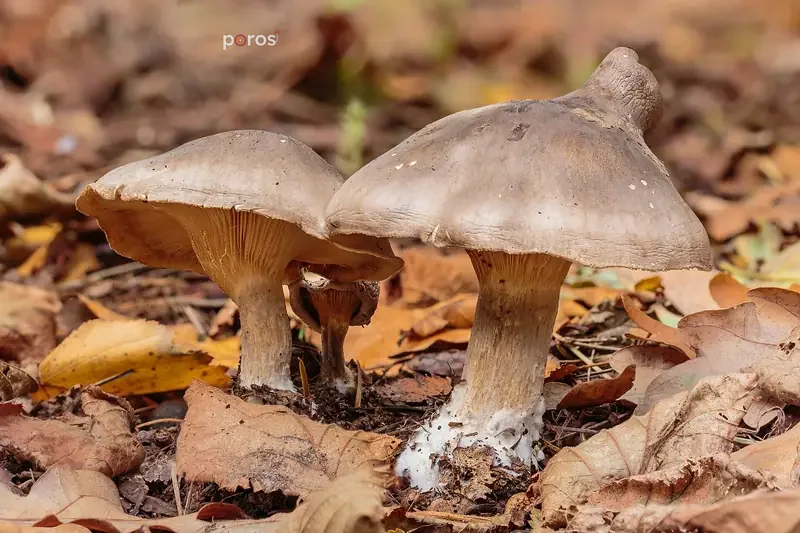 Clouded funnelClitocybe nebularisInedible
Sources
- Wright ve Woof (2024), Wellcome Open Research: Coprinellus micaceus genom dizisi pubmed.ncbi.nlm.nih.gov
- Adanacıoğlu ve ark. (2014), ANADOLU (Ege Tarımsal Araştırma Enstitüsü): Türkiye makromantar genetik kaynakları I. Ege Bölgesi dergipark.org.tr
- Wikipedia (EN): Coprinellus micaceus en.wikipedia.org
All sources (6)
- First Nature: Coprinellus micaceus first-nature.com
- iNaturalist: Coprinellus micaceus (Türkçe ad ve Türkiye gözlemleri) inaturalist.org
- GBIF: Türkiye kayıtları gbif.org
Photo credits (12)
- File:Coprinellus micaceus Glimmer-Tintling.jpg · Holger Krisp · CC BY 3.0
- File:Coprinellus micaceus, Mica Inkcap.jpg · Stu's Images · CC BY-SA 4.0
- Coprinellus micaceus · iNaturalist #326398604 · Gilles San Martin · CC BY-SA 4.0
- Coprinellus micaceus · iNaturalist #279032914 · William J. Deml · CC BY 4.0
- Coprinellus micaceus · iNaturalist #279032914 · William J. Deml · CC BY 4.0
- Coprinellus micaceus · iNaturalist #364525097 · Alexis Murray · CC BY 4.0
- Coprinellus micaceus · iNaturalist #80470141 · Tristan Haab · CC BY 4.0
- File:Coprinellus micaceus 362618665.jpg · Matej Frančeškin · CC BY 4.0
- iNaturalist: İstanbul, 3 May 2026 · Umut Nuri Erdoğan · CC BY
- iNaturalist: İstanbul, 1 Jun 2025 · Fikret Arda Düzgünses · CC BY
- iNaturalist: İstanbul, 30 Mar 2024 · Güneş Bodur · CC BY
- iNaturalist: İstanbul, 11 Feb 2024 · Umut Nuri Erdoğan · CC BY


