
Field guide · 98 species
Mushroom species
Edible, poisonous, deadly and home-grown species. Every page covers season, identification features, look-alikes and sources.
Mushrooms are grouped by edibility, by what sits under the cap (gills, pores or spines) and by family. Below you'll find the edible, poisonous and deadly species known in Turkey, each with its common name, Latin name and photo. Every species page covers key features, season and look-alikes. Treat the list as a starting point, not an identification tool.
Edible · Species used in the kitchen; never eat a wild one an expert has not checked.
Turkey map of 41 speciesPoisonous · Species that cause poisoning; deadly ones are marked separately.
Turkey map of 18 speciesInedible · Tough, bitter or otherwise not food.
Turkey map of 35 speciesPsilocybin · Active substance legally controlled; identification and warnings only. In Turkey the active substance is treated as a narcotic (Penal Code 188, 191). It is confused with deadly species; if in doubt call 112, poison centre 114.
Legal status and warnings Turkey map of 3 speciesMedicinal (traditional) · Species used in traditional medicine; not a treatment.
Turkey map of 5 speciesShowing 4 species
-
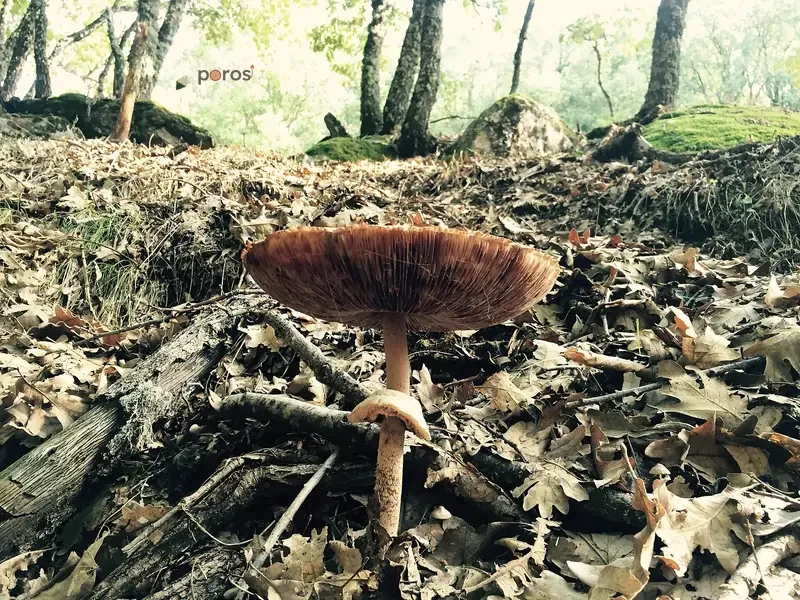
 Inedible
Amethyst deceiver
Laccaria amethystina
Hydnangiaceae
-
 Edible species
Anatolian matsutake
Tricholoma anatolicum
Tricholomataceae
-
 Inedible
Artist’s bracket
Ganoderma applanatum
Polyporaceae
-
 Inedible · legally controlled
Banded mottlegill
Panaeolus cinctulus
Bolbitiaceae
-
 Inedible
Barometer earthstar
Astraeus hygrometricus
Diplocystidiaceae
-
 Edible species
Beefsteak fungus
Fistulina hepatica
Fistulinaceae
-
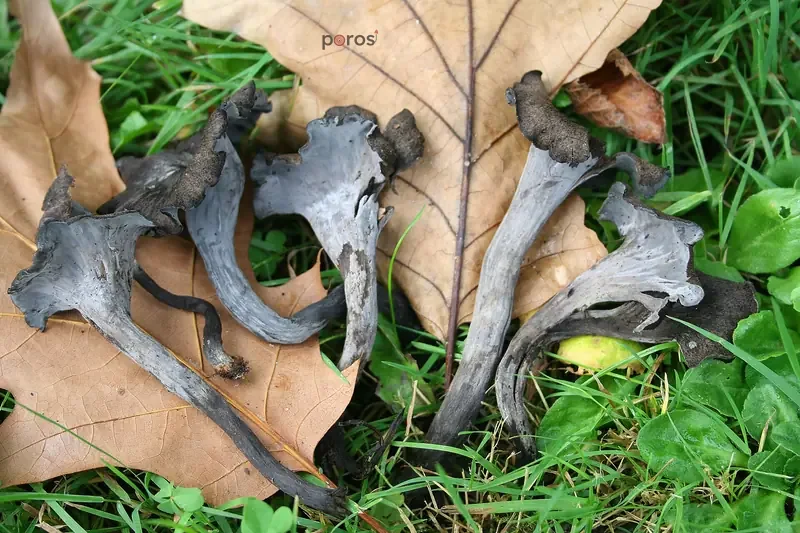 Edible species
Black trumpet
Craterellus cornucopioides
Cantharellaceae
-
 Edible species
Bloody milk cap
Lactarius sanguifluus
Russulaceae
-
 Inedible
Blusher
Amanita rubescens
Amanitaceae
-
 Deadly poisonous
Brown roll-rim
Paxillus involutus
Paxillaceae
-
 Edible species
Button mushroom
Agaricus bisporus
Agaricaceae
Cultivable
-
 Edible species
Caesar’s mushroom
Amanita caesarea
Amanitaceae
-
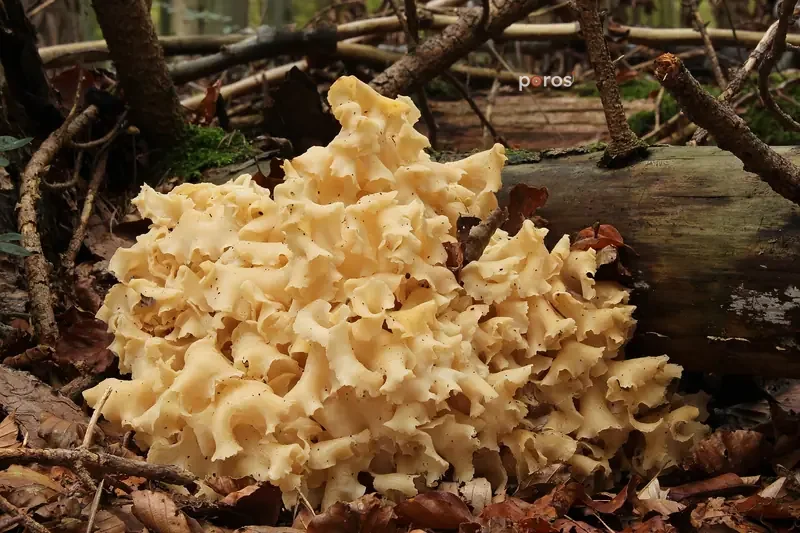 Edible species
Cauliflower mushroom
Sparassis crispa
Sparassidaceae
-
 Edible species
Chanterelle
Cantharellus cibarius
Hydnaceae
-
 Edible species
Chicken of the woods
Laetiporus sulphureus
Laetiporaceae
-
 Inedible
Clouded funnel
Clitocybe nebularis
Clitocybaceae
-
 Inedible
Common bird’s nest fungus
Crucibulum laeve
Agaricaceae
-
 Poisonous
Common earthball
Scleroderma citrinum
Sclerodermataceae
-
 Poisonous
Common ink cap
Coprinopsis atramentaria
Psathyrellaceae
-
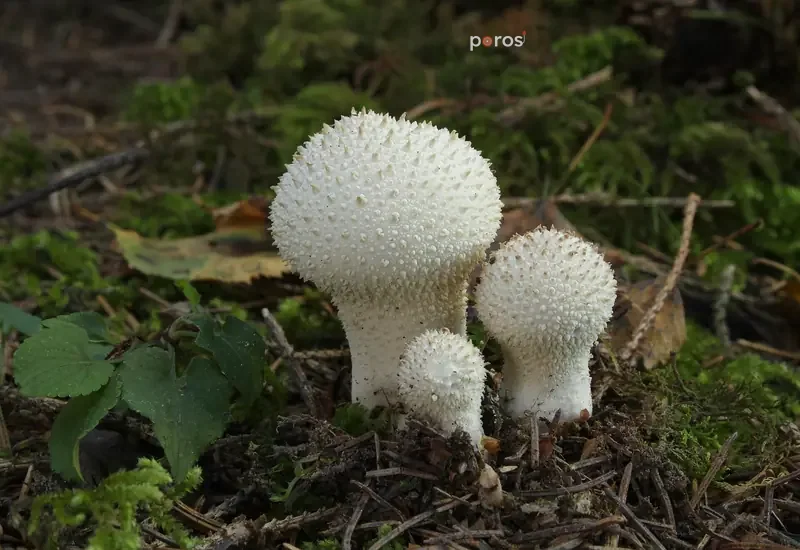 Edible species
Common puffball
Lycoperdon perlatum
Lycoperdaceae
-
 Inedible
Common stinkhorn
Phallus impudicus
Phallaceae
-
 Traditional use
Cordyceps
Cordyceps militaris
Cordycipitaceae
Cultivable
-
 Deadly poisonous
Deadly dapperling
Lepiota brunneoincarnata
Agaricaceae
-
 Deadly poisonous
Deadly fibrecap
Inosperma erubescens
Inocybaceae
-
 Deadly poisonous
Deadly galerina
Galerina marginata
Hymenogastraceae
-
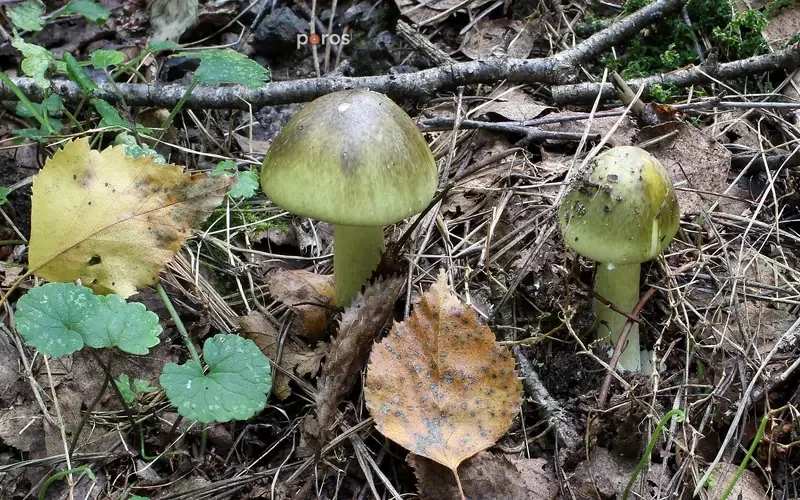 Deadly poisonous
Death cap
Amanita phalloides
Amanitaceae
-
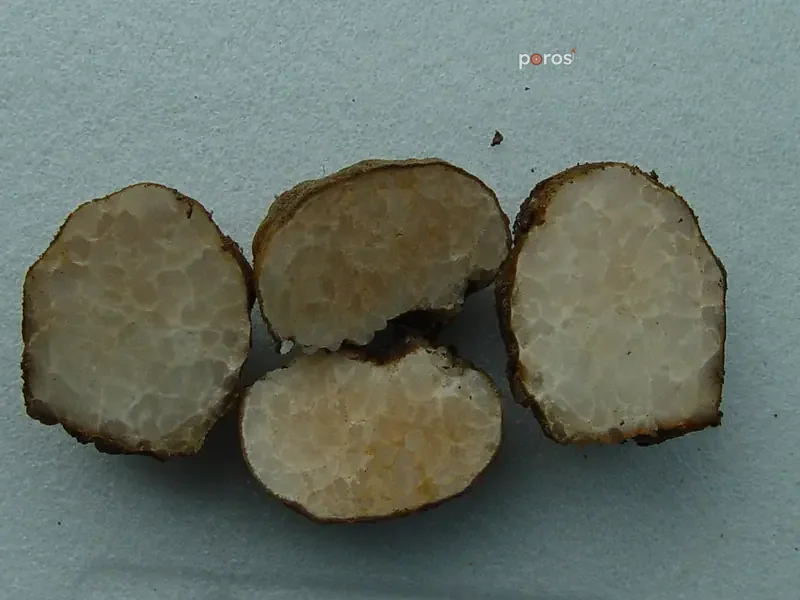 Edible species
Desert truffle
Terfezia spp.
Pezizaceae
-
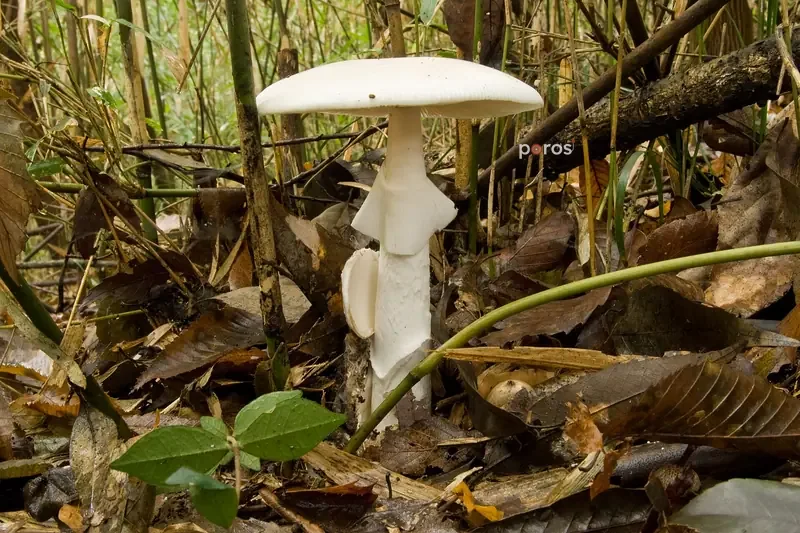 Deadly poisonous
Destroying angel
Amanita virosa
Amanitaceae
-
 Poisonous
Devil’s bolete
Rubroboletus satanas
Boletaceae
-
 Inedible
Dog stinkhorn
Mutinus caninus
Phallaceae
-
 Edible species
Dryad’s saddle
Cerioporus squamosus
Polyporaceae
-
 Edible species
Enoki
Flammulina filiformis
Physalacriaceae
Cultivable
-
 Edible species
Fairy ring champignon
Marasmius oreades
Marasmiaceae
-
 Inedible
False death cap
Amanita citrina
Amanitaceae
-
 Deadly poisonous
False morel
Gyromitra esculenta
Discinaceae
-
 Inedible
False saffron milkcap
Lactarius deterrimus
Russulaceae
-
 Edible species
Field mushroom
Agaricus campestris
Agaricaceae
-
 Inedible
Fiery milkcap
Lactarius pyrogalus
Russulaceae
-
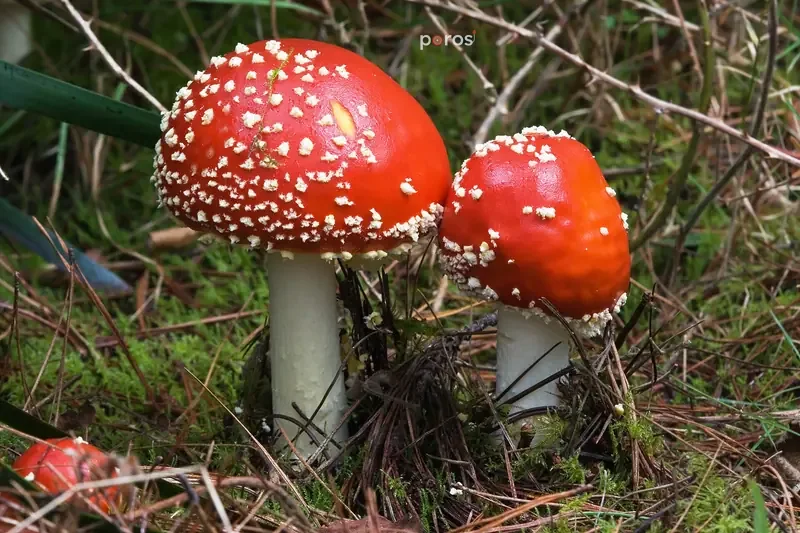 Poisonous
Fly agaric
Amanita muscaria
Amanitaceae
-
 Deadly poisonous
Fool’s webcap
Cortinarius orellanus
Cortinariaceae
-
 Inedible
Giant polypore
Meripilus giganteus
Meripilaceae
-
 Inedible
Glistening inkcap
Coprinellus micaceus
Psathyrellaceae
-
 Edible species
Golden oyster mushroom
Pleurotus citrinopileatus
Pleurotaceae
Cultivable
-
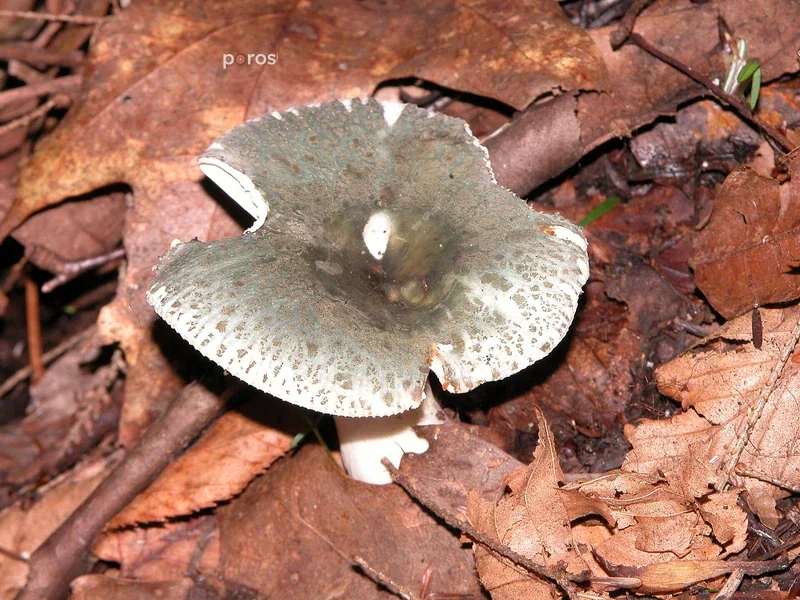 Edible species
Green-cracking brittlegill
Russula virescens
Russulaceae
-
 Inedible
Grey knight
Tricholoma terreum
Tricholomataceae
-
 Inedible
Hairy curtain crust
Stereum hirsutum
Stereaceae
-
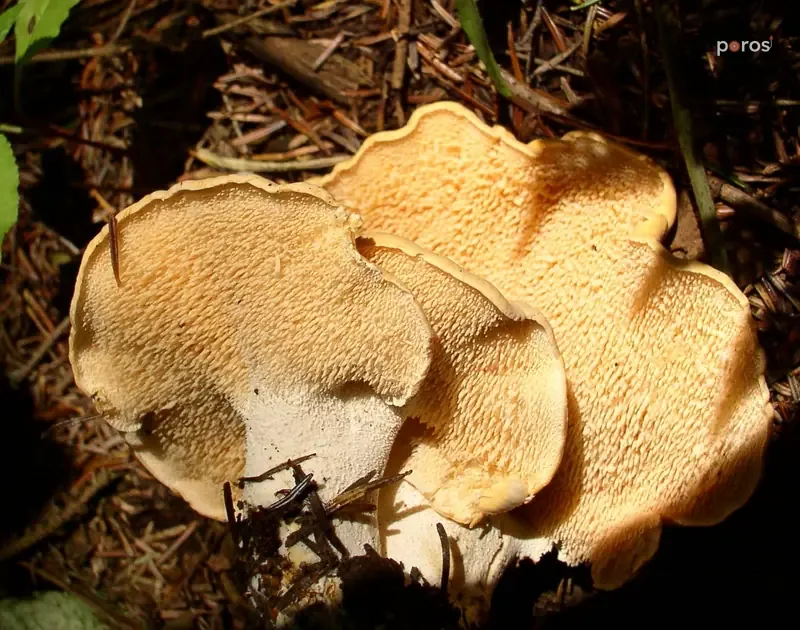 Edible species
Hedgehog mushroom
Hydnum repandum
Hydnaceae
-
 Edible species
Honey fungus
Armillaria mellea
Physalacriaceae
-
 Edible species
Horse mushroom
Agaricus arvensis
Agaricaceae
-
 Poisonous
Jack-o’-lantern mushroom
Omphalotus olearius
Omphalotaceae
-
 Edible species
King oyster mushroom
Pleurotus eryngii
Pleurotaceae
Cultivable
-
 Inedible · legally controlled
Liberty cap
Psilocybe semilanceata
Hymenogastraceae
-
 Edible species
Lion’s mane
Hericium erinaceus
Hericiaceae
Cultivable
-
 Poisonous
Livid pinkgill
Entoloma sinuatum
Entolomataceae
-
 Inedible
Magpie inkcap
Coprinopsis picacea
Psathyrellaceae
-
 Edible species
Maitake
Grifola frondosa
Grifolaceae
Cultivable
-
 Edible species
Morel
Morchella esculenta
Morchellaceae
-
 Edible species
Nameko
Pholiota microspora
Strophariaceae
Cultivable
-
 Inedible
Orange peel fungus
Aleuria aurantia
Pyronemataceae
-
 Edible species
Oyster mushroom
Pleurotus ostreatus
Pleurotaceae
Cultivable
-
 Inedible
Pale brittlestem
Candolleomyces candolleanus
Psathyrellaceae
-
 Poisonous
Panther cap
Amanita pantherina
Amanitaceae
-
 Edible species
Parasol mushroom
Macrolepiota procera
Agaricaceae
-
 Edible species
Pink oyster mushroom
Pleurotus djamor
Pleurotaceae
Cultivable
-
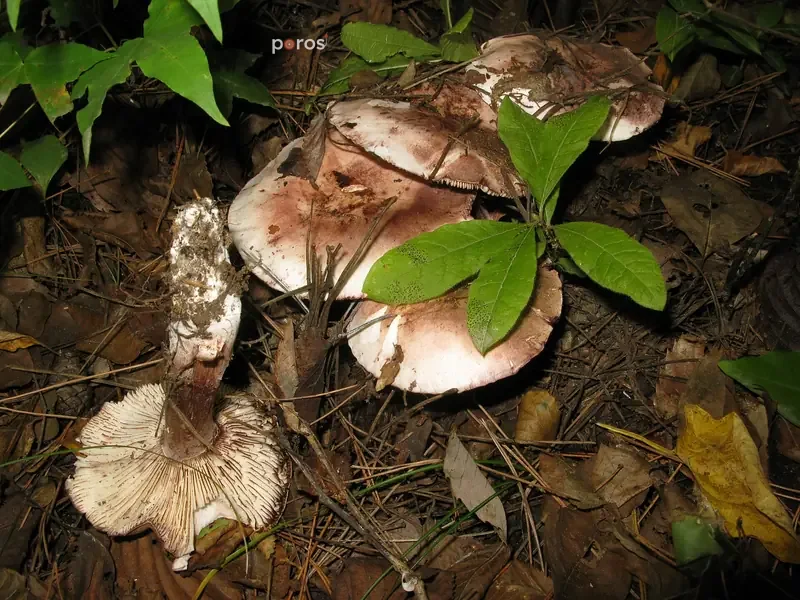 Edible species
Pinkmottle woodwax
Hygrophorus russula
Hygrophoraceae
-
 Inedible
Plums and custard
Tricholomopsis rutilans
Phyllotopsidaceae
-
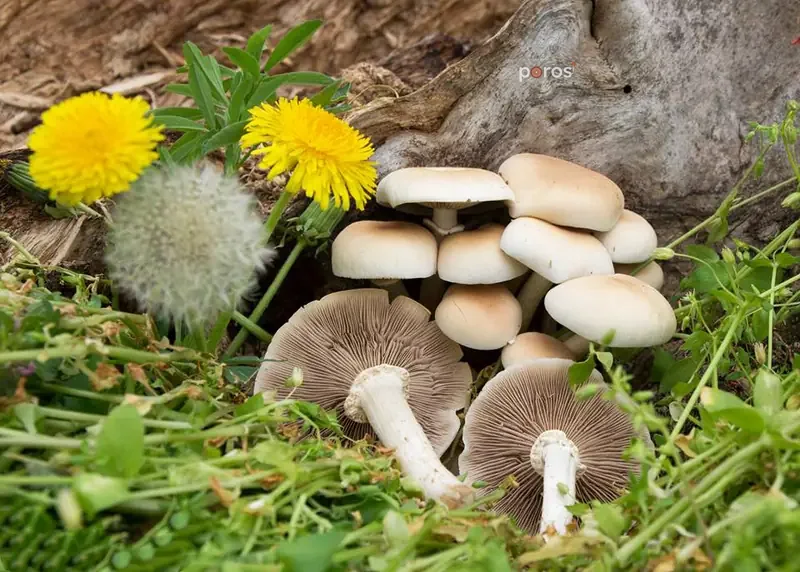 Edible species
Poplar mushroom
Cyclocybe cylindracea
Tubariaceae
Cultivable
-
 Inedible
Porcelain fungus
Oudemansiella mucida
Physalacriaceae
-
 Edible species
Porcini
Boletus edulis
Boletaceae
-
 Inedible
Red cage fungus
Clathrus ruber
Phallaceae
-
 Traditional use
Reishi
Ganoderma lucidum
Polyporaceae
Cultivable
-
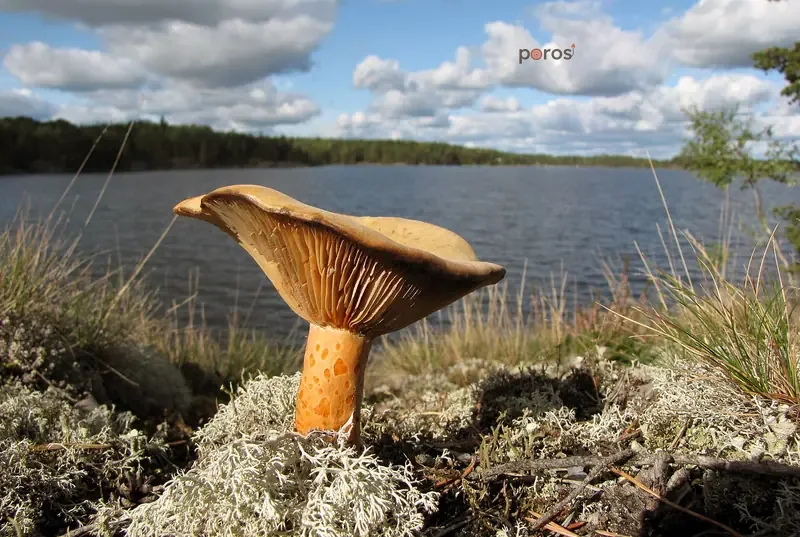 Edible species
Saffron milk cap
Lactarius deliciosus
Russulaceae
-
 Inedible
Salmon milkcap
Lactarius salmonicolor
Russulaceae
-
 Inedible
Scarletina bolete
Neoboletus erythropus
Boletaceae
-
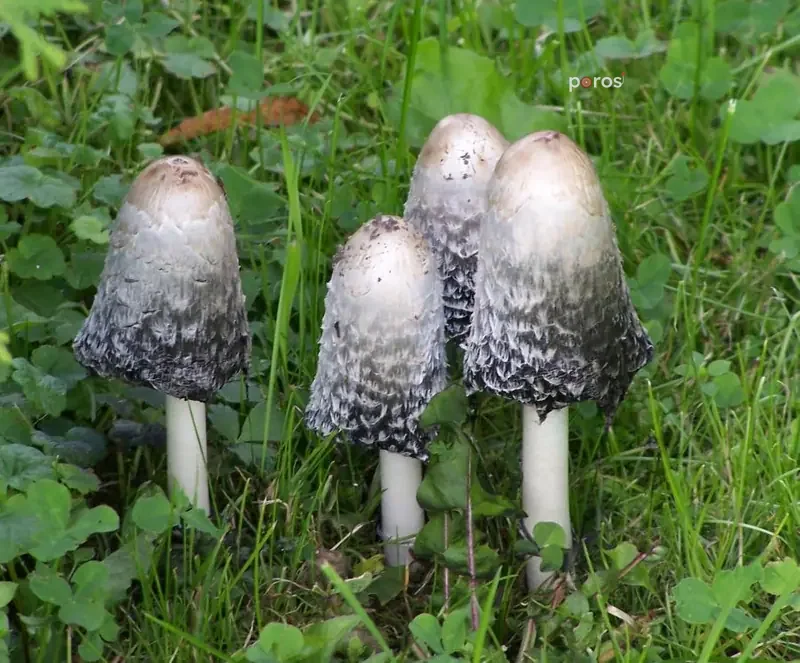 Edible species
Shaggy ink cap
Coprinus comatus
Agaricaceae
-
 Inedible
Shaggy parasol
Chlorophyllum rhacodes
Agaricaceae
-
 Edible species
Shiitake
Lentinula edodes
Omphalotaceae
Cultivable
-
 Inedible
Split gill
Schizophyllum commune
Schizophyllaceae
-
 Inedible
Stubble rosegill
Volvopluteus gloiocephalus
Pluteaceae
-
 Inedible
Suillus collinitus
Suillus collinitus
Suillaceae
-
 Poisonous
Sulphur tuft
Hypholoma fasciculare
Strophariaceae
-
 Inedible
Tawny funnel
Paralepista flaccida
Tricholomataceae
-
 Inedible
Tinder fungus
Fomes fomentarius
Polyporaceae
-
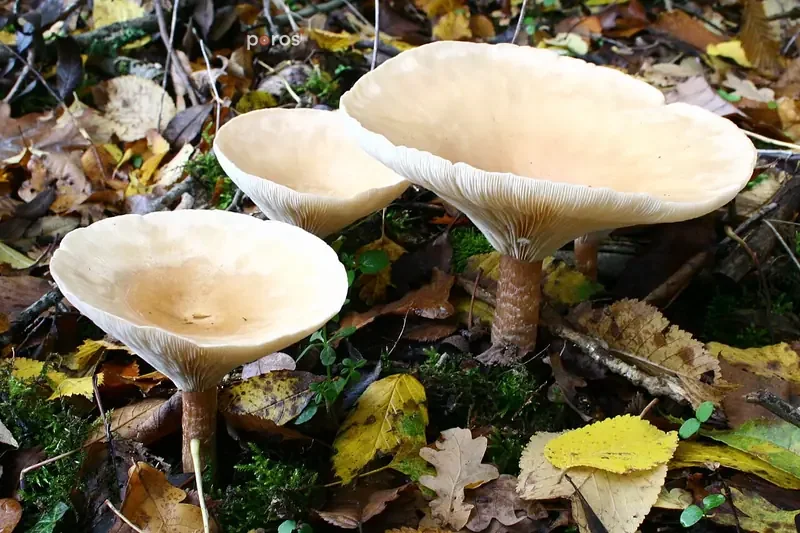 Edible species
Trooping funnel
Infundibulicybe geotropa
Tricholomataceae
-
 Edible species
Truffle
Tuber spp.
Tuberaceae
-
 Inedible
Turkey tail
Trametes versicolor
Polyporaceae
-
 Poisonous
Violet crown cup
Sarcosphaera coronaria
Pezizaceae
-
 Inedible · legally controlled
Wavy cap
Psilocybe cyanescens
Hymenogastraceae
-
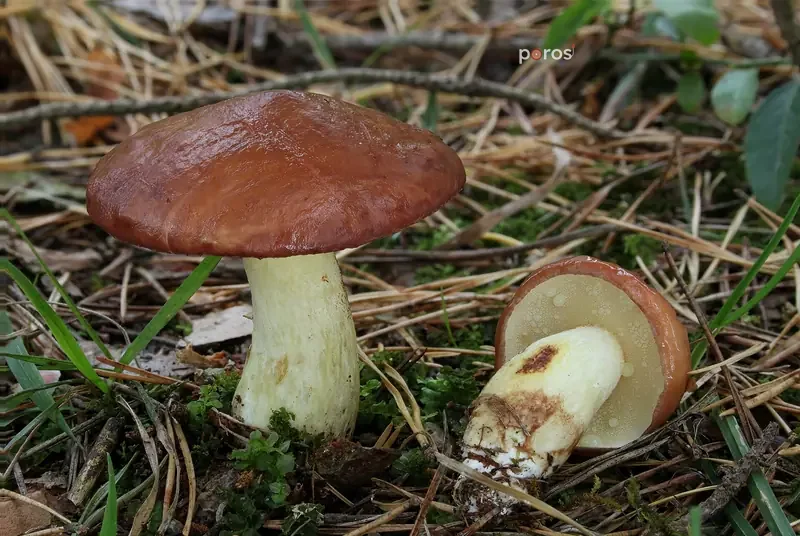 Edible species
Weeping bolete
Suillus granulatus
Suillaceae
-
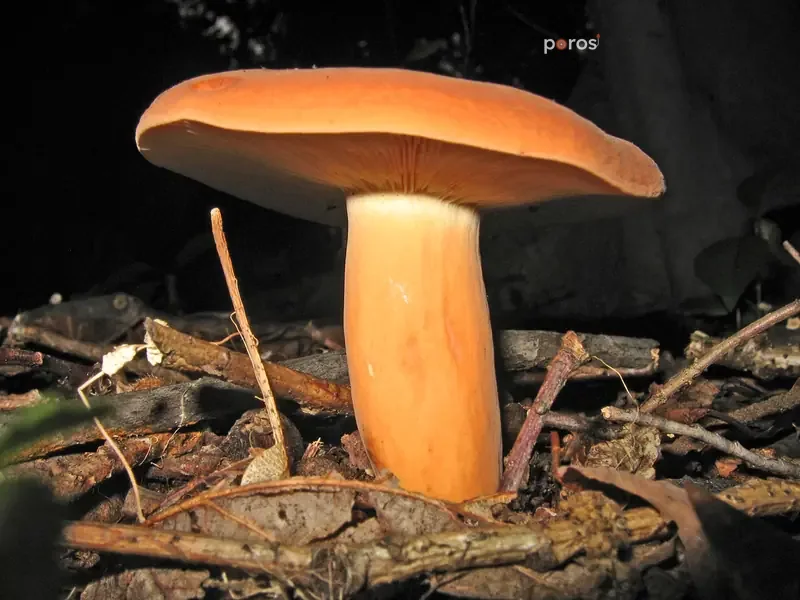 Edible species
Weeping milk cap
Lactifluus volemus
Russulaceae
-
 Inedible
White dapperling
Leucocoprinus leucothites
Agaricaceae
-
 Inedible
White saddle
Helvella crispa
Helvellaceae
-
 Edible species
Wood blewit
Lepista nuda
Tricholomataceae
-
 Edible species
Wood ear mushroom
Auricularia auricula-judae
Auriculariaceae
-
 Inedible
Yellow brain
Tremella mesenterica
Tremellaceae
-
 Inedible
Yellow coral fungus
Ramaria flava
Gomphaceae
-
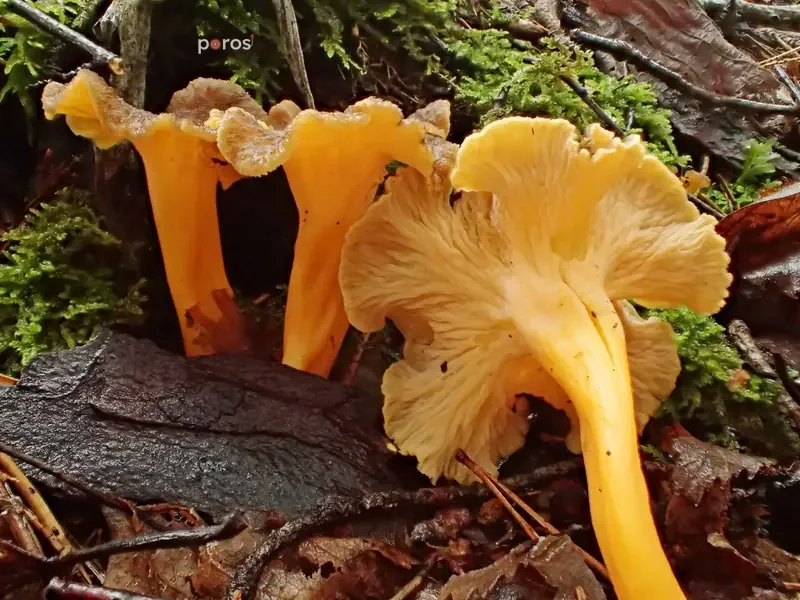 Edible species
Yellow foot chanterelle
Craterellus lutescens
Cantharellaceae
-
 Poisonous
Yellow stainer
Agaricus xanthodermus
Agaricaceae
No species match these filters. Try removing one of the filters.
Clear filtersFound a mushroom in the wild?
Take a photo and we will show similar species and their poisonous look-alikes. The result is orientation only.
The best-known mushroom species in Turkey
The order follows the mushroom names most searched on Google in Turkey (Semrush, November 2026). Alongside the edible species the list includes the death cap, the main cause of fatal poisonings in Turkey: the best-known species are also the most often confused.
Oyster mushroom Pleurotus ostreatus
Edible speciesAlso called: grey oyster mushroom, pearl oyster, hiratakeThe oyster mushroom grows in tiers of fan- or oyster-shaped caps on dead and dying hardwoods, and is one of the most widely cultivated edible mushrooms in the world.
Saffron milk cap Lactarius deliciosus
Edible speciesAlso called: delicious milk cap, red pine mushroom, orange latex milkyThe saffron milk cap is the autumn mushroom of pine woods, with a carrot-orange cap marked in rings and orange milk that oozes when it is broken.
Morel Morchella esculenta
Edible speciesAlso called: common morel, yellow morel, true morelThe morel is a spring mushroom with a honeycomb-pitted yellow-brown cap and a completely hollow inside.
Truffle Tuber spp.
Edible speciesAlso called: summer truffle, white truffle, black truffleTruffle is the name for edible fungi in the genus Tuber that live with the roots of trees such as oak and hazel and form their fruit bodies underground as tubers.
Desert truffle Terfezia spp.
Edible speciesAlso called: terfez, kamaa, Terfezia truffleThe desert truffle is the name for Terfezia species, known in Turkey as domalan, keme and dolaman: edible, potato-like fungi that grow underground.
Button mushroom Agaricus bisporus
Edible speciesAlso called: white mushroom, cremini, chestnut mushroomThe button mushroom (Agaricus bisporus) is the world's most widely eaten mushroom, grown in more than 70 countries.
Porcini Boletus edulis
Edible speciesAlso called: cep, penny bun, king boletePorcini (Boletus edulis; çörek mantarı in Turkish, also cep or penny bun) are among Europe's most prized wild edible mushrooms, with a brown bun-like cap, a sponge of pores instead of gills and a stout, net-patterned stem.
Parasol mushroom Macrolepiota procera
Edible speciesAlso called: parasolThe parasol mushroom (Macrolepiota procera) is an edible mushroom with a scaly cap up to 25 cm across, a tall, snakeskin-patterned stem and a ring that slides on the stem.
Chanterelle Cantharellus cibarius
Edible speciesAlso called: golden chanterelle, girolleThe chanterelle (Cantharellus cibarius; horozmantarı in Turkish) is a much sought-after edible forest mushroom, egg-yolk to deep yellow and funnel-shaped.
Death cap Amanita phalloides
Deadly poisonousAlso called: deathcap, death cupThe death cap is the most poisonous mushroom known, responsible for most mushroom deaths worldwide and around 90% of fatal mushroom poisonings in Turkey.
Mushroom types by what is under the cap
Turning a mushroom over and looking under the cap is the first step in narrowing it down. The groups below are built from the species on this site and update as species are added.
Gilled mushrooms (59)
Thin, blade-like gills under the cap. Most species fall here, from the deadly Amanitas to the saffron milk cap and the button mushroom, so gills alone prove nothing: their colour, attachment and spore print are read together.
- Amethyst deceiver Laccaria amethystina
- Anatolian matsutake Tricholoma anatolicum
- Banded mottlegill Panaeolus cinctulus
- Bloody milk cap Lactarius sanguifluus
- Blusher Amanita rubescens
- Brown roll-rim Paxillus involutus
- Button mushroom Agaricus bisporus
- Caesar’s mushroom Amanita caesarea
- Clouded funnel Clitocybe nebularis
- Common ink cap Coprinopsis atramentaria
- Deadly dapperling Lepiota brunneoincarnata
- Deadly fibrecap Inosperma erubescens
- Deadly galerina Galerina marginata
- Death cap Amanita phalloides
- Destroying angel Amanita virosa
- Enoki Flammulina filiformis
- Fairy ring champignon Marasmius oreades
- False death cap Amanita citrina
- False saffron milkcap Lactarius deterrimus
- Field mushroom Agaricus campestris
- Fiery milkcap Lactarius pyrogalus
- Fly agaric Amanita muscaria
- Fool’s webcap Cortinarius orellanus
- Glistening inkcap Coprinellus micaceus
- Golden oyster mushroom Pleurotus citrinopileatus
- Green-cracking brittlegill Russula virescens
- Grey knight Tricholoma terreum
- Honey fungus Armillaria mellea
- Horse mushroom Agaricus arvensis
- Jack-o’-lantern mushroom Omphalotus olearius
- King oyster mushroom Pleurotus eryngii
- Liberty cap Psilocybe semilanceata
- Livid pinkgill Entoloma sinuatum
- Magpie inkcap Coprinopsis picacea
- Nameko Pholiota microspora
- Oyster mushroom Pleurotus ostreatus
- Pale brittlestem Candolleomyces candolleanus
- Panther cap Amanita pantherina
- Parasol mushroom Macrolepiota procera
- Pink oyster mushroom Pleurotus djamor
- Pinkmottle woodwax Hygrophorus russula
- Plums and custard Tricholomopsis rutilans
- Poplar mushroom Cyclocybe cylindracea
- Porcelain fungus Oudemansiella mucida
- Saffron milk cap Lactarius deliciosus
- Salmon milkcap Lactarius salmonicolor
- Shaggy ink cap Coprinus comatus
- Shaggy parasol Chlorophyllum rhacodes
- Shiitake Lentinula edodes
- Split gill Schizophyllum commune
- Stubble rosegill Volvopluteus gloiocephalus
- Sulphur tuft Hypholoma fasciculare
- Tawny funnel Paralepista flaccida
- Trooping funnel Infundibulicybe geotropa
- Wavy cap Psilocybe cyanescens
- Weeping milk cap Lactifluus volemus
- White dapperling Leucocoprinus leucothites
- Wood blewit Lepista nuda
- Yellow stainer Agaricus xanthodermus
Pored mushrooms (14)
A sponge of tiny holes under the cap: boletes such as porcini, and bracket fungi such as tinder fungus and reishi. Take care with boletes whose pores are red or bruise blue.
- Artist’s bracket Ganoderma applanatum
- Beefsteak fungus Fistulina hepatica
- Chicken of the woods Laetiporus sulphureus
- Devil’s bolete Rubroboletus satanas
- Dryad’s saddle Cerioporus squamosus
- Giant polypore Meripilus giganteus
- Maitake Grifola frondosa
- Porcini Boletus edulis
- Reishi Ganoderma lucidum
- Scarletina bolete Neoboletus erythropus
- Suillus collinitus Suillus collinitus
- Tinder fungus Fomes fomentarius
- Turkey tail Trametes versicolor
- Weeping bolete Suillus granulatus
Toothed mushrooms (2)
Hanging spines under the cap or over the body. No deadly species is known in this group, but identification is still checked with an expert.
- Hedgehog mushroom Hydnum repandum
- Lion’s mane Hericium erinaceus
Ridged mushrooms (false gills) (3)
Chanterelles and black trumpets have blunt, forking ridges running down the stem instead of true gills; it is the first clue against their poisonous look-alikes.
- Black trumpet Craterellus cornucopioides
- Chanterelle Cantharellus cibarius
- Yellow foot chanterelle Craterellus lutescens
Honeycomb caps (1)
A pitted, honeycomb cap with a hollow inside. Morels belong here; slice them lengthwise to rule out the brain-like false morel.
- Morel Morchella esculenta
Brain- and saddle-shaped caps (4)
Folded, saddle- or brain-like caps with no gills underneath. Deadly species such as the false morel are in this group.
- Cauliflower mushroom Sparassis crispa
- False morel Gyromitra esculenta
- Violet crown cup Sarcosphaera coronaria
- White saddle Helvella crispa
Club, ball and coral fungi (9)
Fungi without a proper cap: balls, clubs, corals and cages. Puffballs are eaten young; if the cut flesh is not pure white, it does not go in the basket.
- Barometer earthstar Astraeus hygrometricus
- Common bird’s nest fungus Crucibulum laeve
- Common earthball Scleroderma citrinum
- Common puffball Lycoperdon perlatum
- Common stinkhorn Phallus impudicus
- Cordyceps Cordyceps militaris
- Dog stinkhorn Mutinus caninus
- Red cage fungus Clathrus ruber
- Yellow coral fungus Ramaria flava
Underground tubers (truffles) (2)
They grow underground like potatoes, without cap or stem: truffles and desert truffles.
- Desert truffle Terfezia spp.
- Truffle Tuber spp.
Crust fungi with a smooth underside (2)
Thin, leathery fungi that form crusts or small shelves on wood; the underside is smooth or slightly bumpy, with no gills, pores or spines. They are too tough to eat.
- Hairy curtain crust Stereum hirsutum
- Orange peel fungus Aleuria aurantia
Jelly fungi (2)
Rubbery, jelly-like, ear-shaped fungi; the wood ear is the best known.
- Wood ear mushroom Auricularia auricula-judae
- Yellow brain Tremella mesenterica
Mushroom species by habitat
Where a mushroom grows (under which tree, on wood or on soil) matters as much as cap colour. Groups are derived automatically from each species' habitat note; details are on the species page.
Mushrooms growing on trees and wood (28)
They live on stumps, trunks, branches or buried wood. Most cultivated species, such as oyster and shiitake, come from this group; growing on wood does not make a mushroom safe, and the deadly galerina grows on wood too.
- Artist’s bracket Ganoderma applanatum
- Beefsteak fungus Fistulina hepatica
- Chicken of the woods Laetiporus sulphureus
- Common bird’s nest fungus Crucibulum laeve
- Deadly galerina Galerina marginata
- Dryad’s saddle Cerioporus squamosus
- Enoki Flammulina filiformis
- Giant polypore Meripilus giganteus
- Glistening inkcap Coprinellus micaceus
- Golden oyster mushroom Pleurotus citrinopileatus
- Hairy curtain crust Stereum hirsutum
- Honey fungus Armillaria mellea
- Jack-o’-lantern mushroom Omphalotus olearius
- King oyster mushroom Pleurotus eryngii
- Lion’s mane Hericium erinaceus
- Nameko Pholiota microspora
- Oyster mushroom Pleurotus ostreatus
- Pink oyster mushroom Pleurotus djamor
- Plums and custard Tricholomopsis rutilans
- Poplar mushroom Cyclocybe cylindracea
- Porcelain fungus Oudemansiella mucida
- Reishi Ganoderma lucidum
- Shiitake Lentinula edodes
- Split gill Schizophyllum commune
- Sulphur tuft Hypholoma fasciculare
- Tinder fungus Fomes fomentarius
- Turkey tail Trametes versicolor
- Wood ear mushroom Auricularia auricula-judae
Under pines and other conifers (13)
Species that partner with pine, cedar, spruce and fir roots. Saffron milk cap and the Anatolian matsutake are its best-known edibles.
- Anatolian matsutake Tricholoma anatolicum
- Bloody milk cap Lactarius sanguifluus
- Cauliflower mushroom Sparassis crispa
- False morel Gyromitra esculenta
- False saffron milkcap Lactarius deterrimus
- Fly agaric Amanita muscaria
- Grey knight Tricholoma terreum
- Saffron milk cap Lactarius deliciosus
- Suillus collinitus Suillus collinitus
- Tawny funnel Paralepista flaccida
- Violet crown cup Sarcosphaera coronaria
- Weeping bolete Suillus granulatus
- Yellow foot chanterelle Craterellus lutescens
In oak, beech and mixed woodland (34)
Species found on the forest floor under broadleaf trees. Most deadly Amanitas, the death cap first, grow here.
- Amethyst deceiver Laccaria amethystina
- Black trumpet Craterellus cornucopioides
- Blusher Amanita rubescens
- Brown roll-rim Paxillus involutus
- Caesar’s mushroom Amanita caesarea
- Chanterelle Cantharellus cibarius
- Clouded funnel Clitocybe nebularis
- Common puffball Lycoperdon perlatum
- Common stinkhorn Phallus impudicus
- Deadly fibrecap Inosperma erubescens
- Death cap Amanita phalloides
- Destroying angel Amanita virosa
- Devil’s bolete Rubroboletus satanas
- Dog stinkhorn Mutinus caninus
- False death cap Amanita citrina
- Fiery milkcap Lactarius pyrogalus
- Fool’s webcap Cortinarius orellanus
- Green-cracking brittlegill Russula virescens
- Hedgehog mushroom Hydnum repandum
- Livid pinkgill Entoloma sinuatum
- Magpie inkcap Coprinopsis picacea
- Maitake Grifola frondosa
- Morel Morchella esculenta
- Panther cap Amanita pantherina
- Pinkmottle woodwax Hygrophorus russula
- Porcini Boletus edulis
- Scarletina bolete Neoboletus erythropus
- Shaggy parasol Chlorophyllum rhacodes
- Trooping funnel Infundibulicybe geotropa
- Truffle Tuber spp.
- Weeping milk cap Lactifluus volemus
- White saddle Helvella crispa
- Yellow brain Tremella mesenterica
- Yellow coral fungus Ramaria flava
In grassland, parks, gardens and compost (18)
Species of open, grassy or manured ground. The deadly dapperling can turn up on garden lawns next to field mushrooms.
- Banded mottlegill Panaeolus cinctulus
- Button mushroom Agaricus bisporus
- Common ink cap Coprinopsis atramentaria
- Cordyceps Cordyceps militaris
- Deadly dapperling Lepiota brunneoincarnata
- Fairy ring champignon Marasmius oreades
- Field mushroom Agaricus campestris
- Horse mushroom Agaricus arvensis
- Liberty cap Psilocybe semilanceata
- Pale brittlestem Candolleomyces candolleanus
- Parasol mushroom Macrolepiota procera
- Red cage fungus Clathrus ruber
- Shaggy ink cap Coprinus comatus
- Stubble rosegill Volvopluteus gloiocephalus
- Wavy cap Psilocybe cyanescens
- White dapperling Leucocoprinus leucothites
- Wood blewit Lepista nuda
- Yellow stainer Agaricus xanthodermus
On sandy and dry soils (4)
Species of sandy, fast-draining soils; the desert truffle is the best known.
- Barometer earthstar Astraeus hygrometricus
- Common earthball Scleroderma citrinum
- Desert truffle Terfezia spp.
- Orange peel fungus Aleuria aurantia
Special habitats (1)
Species tied to the roots of a single plant or found across several habitats.
- Salmon milkcap Lactarius salmonicolor
Mushroom names A to Z
The same mushroom goes by different names from region to region. The index lists each species with its known local names; a local name leads to the species page.
A
- Alcohol inky cap → Common ink cap
- Amadou → Tinder fungus
- Amethyst deceiver Laccaria amethystina
- Amethyst laccaria → Amethyst deceiver
- Anatolian matsutake Tricholoma anatolicum
- Apricot milk cap → Weeping milk cap
- Artist's conk → Artist’s bracket
- Artist’s bracket Ganoderma applanatum
- Autumn skullcap → Deadly galerina
B
- Banded mottlegill Panaeolus cinctulus
- Barometer earthstar Astraeus hygrometricus
- Basket stinkhorn → Red cage fungus
- Bearded hedgehog → Lion’s mane
- Bearded tooth fungus → Lion’s mane
- Beech tuft → Porcelain fungus
- Beefsteak fungus Fistulina hepatica
- Beefsteak polypore → Beefsteak fungus
- Belted panaeolus → Banded mottlegill
- Big sheath mushroom → Stubble rosegill
- Black chanterelle → Black trumpet
- Black forest mushroom → Shiitake
- Black fungus → Wood ear mushroom
- Black poplar mushroom → Poplar mushroom
- Black truffle → Truffle
- Black trumpet Craterellus cornucopioides
- Black-staining polypore → Giant polypore
- Blewit → Wood blewit
- Bloody milk cap Lactarius sanguifluus
- Blue foot → Wood blewit
- Blusher Amanita rubescens
- Blushing amanita → Blusher
- Bootlace fungus → Honey fungus
- Brain mushroom → False morel
- Brick-red tear mushroom → Deadly fibrecap
- Brown roll-rim Paxillus involutus
- Burgundy truffle → Truffle
- Butterscotch mushroom → Nameko
- Button mushroom Agaricus bisporus
C
- Caesar’s mushroom Amanita caesarea
- Candolle's mushroom → Pale brittlestem
- Caterpillar fungus → Cordyceps
- Cauliflower fungus → Cauliflower mushroom
- Cauliflower mushroom Sparassis crispa
- Cedar mushroom → Anatolian matsutake
- Cep → Porcini
- Champignon de Paris → Button mushroom
- Chanterelle Cantharellus cibarius
- Chestnut mushroom → Button mushroom
- Chicken of the woods Laetiporus sulphureus
- Chinese black mushroom → Shiitake
- Citron amanita → False death cap
- Clouded agaric → Clouded funnel
- Clouded funnel Clitocybe nebularis
- Cloudy clitocybe → Clouded funnel
- Clustered woodlover → Sulphur tuft
- Common bird’s nest fungus Crucibulum laeve
- Common crumble cap → Pale brittlestem
- Common earthball Scleroderma citrinum
- Common ink cap Coprinopsis atramentaria
- Common inkcap → Common ink cap
- Common morel → Morel
- Common puffball Lycoperdon perlatum
- Common roll-rim → Brown roll-rim
- Common split gill → Split gill
- Common stinkhorn Phallus impudicus
- Common white helvella → White saddle
- Cordyceps Cordyceps militaris
- Cremini → Button mushroom
- Crown fungus → Violet crown cup
D
- Deadly dapperling Lepiota brunneoincarnata
- Deadly fibrecap Inosperma erubescens
- Deadly galerina Galerina marginata
- Deadly parasol → Deadly dapperling
- Deadly skullcap → Deadly galerina
- Death cap Amanita phalloides
- Death cup → Death cap
- Deathcap → Death cap
- Delicious milk cap → Saffron milk cap
- Desert truffle Terfezia spp.
- Destroying angel Amanita virosa
- Devil's snuff-box → Common puffball
- Devil’s bolete Rubroboletus satanas
- Dirty tricholoma → Grey knight
- Dog stinkhorn Mutinus caninus
- Dog's stinkhorn → Dog stinkhorn
- Dotted-stalked suillus → Weeping bolete
- Dotted-stem bolete → Scarletina bolete
- Dryad’s saddle Cerioporus squamosus
E
- Elfin saddle → White saddle
- Enoki Flammulina filiformis
- Enokitake → Enoki
- Eryngi → King oyster mushroom
- European destroying angel → Destroying angel
F
- Fairy ring champignon Marasmius oreades
- Fairy ring mushroom → Fairy ring champignon
- False blusher → Panther cap
- False death cap Amanita citrina
- False deathcap → False death cap
- False earthstar → Barometer earthstar
- False morel Gyromitra esculenta
- False russula → Pinkmottle woodwax
- False saffron milk cap → False saffron milkcap
- False saffron milkcap Lactarius deterrimus
- Field mushroom Agaricus campestris
- Fiery milkcap Lactarius pyrogalus
- Fire-milk lactarius → Fiery milkcap
- Fishy milkcap → Weeping milk cap
- Flat-topped conk → Artist’s bracket
- Fly agaric Amanita muscaria
- Fly amanita → Fly agaric
- Fool’s webcap Cortinarius orellanus
- Fools webcap → Fool’s webcap
- French horn mushroom → King oyster mushroom
- Funeral bell → Deadly galerina
G
- Gem-studded puffball → Common puffball
- Giant polypore Meripilus giganteus
- Girolle → Chanterelle
- Glistening inkcap Coprinellus micaceus
- Golden chanterelle → Chanterelle
- Golden chanterelle → Yellow foot chanterelle
- Golden jelly fungus → Yellow brain
- Golden needle mushroom → Enoki
- Golden oyster mushroom Pleurotus citrinopileatus
- Granulated bolete → Weeping bolete
- Green-cracking brittlegill Russula virescens
- Green-cracking russula → Green-cracking brittlegill
- Grey knight Tricholoma terreum
- Grey knight-cap → Grey knight
- Grey oyster mushroom → Oyster mushroom
H
- Hairy curtain crust Stereum hirsutum
- Hairy stereum → Hairy curtain crust
- Hedgehog mushroom Hydnum repandum
- Hen-of-the-woods → Maitake
- Hiratake → Oyster mushroom
- Honey fungus Armillaria mellea
- Honey mushroom → Honey fungus
- Hoof fungus → Tinder fungus
- Horn of plenty → Black trumpet
- Horse mushroom Agaricus arvensis
- Hygroscopic earthstar → Barometer earthstar
I
- Iceman fungus → Tinder fungus
J
- Jack-o’-lantern mushroom Omphalotus olearius
- Jelly ear → Wood ear mushroom
- Jew's ear → Wood ear mushroom
- Judas's ear → Wood ear mushroom
K
- Kamaa → Desert truffle
- King bolete → Porcini
- King oyster mushroom Pleurotus eryngii
- King trumpet → King oyster mushroom
L
- Lacquered bracket → Reishi
- Latticed stinkhorn → Red cage fungus
- Lawyer's wig → Shaggy ink cap
- Lead poisoner → Livid pinkgill
- Liberty cap Psilocybe semilanceata
- Lingzhi → Reishi
- Lion’s mane Hericium erinaceus
- Livid entoloma → Livid pinkgill
- Livid pinkgill Entoloma sinuatum
M
- Magpie fungus → Magpie inkcap
- Magpie inkcap Coprinopsis picacea
- Maitake Grifola frondosa
- Many-zoned polypore → Turkey tail
- Meadow mushroom → Field mushroom
- Mica cap → Glistening inkcap
- Monk's head → Trooping funnel
- Monkey head mushroom → Lion’s mane
- Morel Morchella esculenta
N
- Nameko Pholiota microspora
O
- Oakwood mushroom → Shiitake
- Olive-tree mushroom → Jack-o’-lantern mushroom
- Orange latex milky → Saffron milk cap
- Orange milkcap → False saffron milkcap
- Orange peel → Orange peel fungus
- Orange peel fungus Aleuria aurantia
- Ovolo → Caesar’s mushroom
- Ox tongue → Beefsteak fungus
- Oyster mushroom Pleurotus ostreatus
P
- Pale brittlestem Candolleomyces candolleanus
- Panther amanita → Panther cap
- Panther cap Amanita pantherina
- Parasol → Parasol mushroom
- Parasol mushroom Macrolepiota procera
- Pearl oyster → Oyster mushroom
- Penny bun → Porcini
- Pheasant's back mushroom → Dryad’s saddle
- Pigskin poison puffball → Common earthball
- Pink crown → Violet crown cup
- Pink oyster → Pink oyster mushroom
- Pink oyster mushroom Pleurotus djamor
- Pink-based slippery jack → Suillus collinitus
- Pinkmottle woodwax Hygrophorus russula
- Pioppino → Poplar mushroom
- Plums and custard Tricholomopsis rutilans
- Poached egg fungus → Porcelain fungus
- Poison pax → Brown roll-rim
- Poor man's beefsteak → Beefsteak fungus
- Poplar fieldcap → Poplar mushroom
- Poplar mushroom Cyclocybe cylindracea
- Porcelain fungus Oudemansiella mucida
- Porcini Boletus edulis
- Portobello → Button mushroom
- Purple-yellow agaric → Plums and custard
Q
- Quilted green russula → Green-cracking brittlegill
R
- Ram's head → Maitake
- Red cage → Red cage fungus
- Red cage fungus Clathrus ruber
- Red pine mushroom → Saffron milk cap
- Red toadstool → Fly agaric
- Red-foot bolete → Scarletina bolete
- Red-haired agaric → Plums and custard
- Red-staining Inocybe → Deadly fibrecap
- Reishi Ganoderma lucidum
- Rose-gilled grisette → Stubble rosegill
- Royal amanita → Caesar’s mushroom
- Russula-like waxy cap → Pinkmottle woodwax
S
- Saffron milk cap Lactarius deliciosus
- Salmon milk cap → Salmon milkcap
- Salmon milkcap Lactarius salmonicolor
- Satan's bolete → Devil’s bolete
- Satan's mushroom → Devil’s bolete
- Scaly polypore → Dryad’s saddle
- Scarlet caterpillarclub → Cordyceps
- Scarletina bolete Neoboletus erythropus
- Scotch bonnet → Fairy ring champignon
- Shaggy ink cap Coprinus comatus
- Shaggy mane → Shaggy ink cap
- Shaggy parasol Chlorophyllum rhacodes
- Shaggy parasol mushroom → Shaggy parasol
- Sheep's head → Maitake
- Shiitake Lentinula edodes
- Shiny cap → Glistening inkcap
- Smooth parasol → White dapperling
- Split gill Schizophyllum commune
- Splitgill mushroom → Split gill
- Sponge morel → Morel
- Stinkhorn → Common stinkhorn
- Stubble rosegill Volvopluteus gloiocephalus
- Suillus collinitus Suillus collinitus
- Sulphur polypore → Chicken of the woods
- Sulphur shelf → Chicken of the woods
- Sulphur tuft Hypholoma fasciculare
- Summer truffle → Truffle
- Sweet tooth → Hedgehog mushroom
T
- Tamogitake → Golden oyster mushroom
- Tawny funnel Paralepista flaccida
- Tawny funnel cap → Tawny funnel
- Tawny funnelcap → Tawny funnel
- Terfez → Desert truffle
- Terfezia truffle → Desert truffle
- The blusher → Blusher
- Tinder conk → Tinder fungus
- Tinder fungus Fomes fomentarius
- Tippler's bane → Common ink cap
- Trooping funnel Infundibulicybe geotropa
- True morel → Morel
- Truffle Tuber spp.
- Trumpet of the dead → Black trumpet
- Turban fungus → False morel
- Turkey tail Trametes versicolor
- Turkish matsutake → Anatolian matsutake
V
- Varnished conk → Reishi
- Velvet pioppini → Poplar mushroom
- Violet crown cup Sarcosphaera coronaria
- Voluminous-latex milky → Weeping milk cap
W
- Wavy cap Psilocybe cyanescens
- Weeping bolete Suillus granulatus
- Weeping milk cap Lactifluus volemus
- White Agaricus mushroom → White dapperling
- White dapperling Leucocoprinus leucothites
- White mushroom → Button mushroom
- White saddle Helvella crispa
- White truffle → Truffle
- White-egg bird's nest → Common bird’s nest fungus
- Witch's egg → Common stinkhorn
- Witches' butter → Yellow brain
- Wood blewit Lepista nuda
- Wood cauliflower → Cauliflower mushroom
- Wood ear mushroom Auricularia auricula-judae
- Wood hedgehog → Hedgehog mushroom
Y
- Yamabushitake → Lion’s mane
- Yellow brain Tremella mesenterica
- Yellow coral → Yellow coral fungus
- Yellow coral fungus Ramaria flava
- Yellow foot → Yellow foot chanterelle
- Yellow foot chanterelle Craterellus lutescens
- Yellow morel → Morel
- Yellow oyster → Golden oyster mushroom
- Yellow ramaria → Yellow coral fungus
- Yellow stainer Agaricus xanthodermus
- Yellow trembler → Yellow brain
- Yellow-staining mushroom → Yellow stainer
What is a mushroom?
A mushroom is the fruiting body of a fungus, and fungi are neither plants nor animals: they make up a kingdom of their own. Fungi don't photosynthesise. They feed on rotting wood, on organic matter in the soil, or through partnerships with tree roots. Their cell walls are built from chitin, the same material found in insect shells, and genetically they sit closer to animals than to plants.
What you see on the forest floor is only the fruit. The fungus itself is the mycelium, a web of fine threads running through soil or wood. When moisture and temperature are right, the mycelium pushes up a mushroom to release spores, which travel on wind, water or animals to start new colonies. That is why the same patch can produce mushrooms year after year.
Many fungi form root partnerships (mycorrhiza) with trees. Saffron milk caps grow with pine; chanterelles and porcini with oak, beech and pine. The tree a mushroom grows under is one of the most useful clues you have.
How are mushrooms classified?
The three most practical ways to sort mushrooms are edibility, the structure under the cap, and scientific family. The filters on this page use all three.
By edibility we split species into edible, poisonous, deadly, and those with a history of traditional use such as reishi and cordyceps. We make no health claims for that last group; their effects are still being studied.
Sorting by what's under the cap is the method that helps most in the field. It won't name a species, but it narrows down where to look:
- Gilled mushrooms: thin, blade-like gills. Button mushrooms, saffron milk caps, oyster mushrooms and the death cap all belong here, and most serious poisonings involve gilled species.
- Pored mushrooms: a spongy underside, as in porcini (Boletaceae) and bracket fungi such as chicken of the woods and reishi.
- Toothed mushrooms: hanging spines instead of gills, best known from lion's mane.
- Ridged mushrooms: chanterelles have thick, forked false gills running down the stem.
- Morels and false morels: a honeycomb cap on true morels, a brain-like one on false morels. Both appear in spring and are often confused.
- Mushrooms on wood: oyster mushrooms, chicken of the woods, reishi, maitake and the deadly galerina. Growing on a tree does not make a mushroom safe.
Mushroom families on this site
Every species belongs to a genus and every genus to a family. Knowing the family shows which look-alikes are related and where the danger is concentrated:
- Amanitaceae: the death cap, destroying angel and fly agaric, alongside the prized Caesar's mushroom. Look for the sack-like volva at the base and a ring on the stem; this family is for experts only.
- Agaricaceae: button, field and parasol mushrooms. Supermarket white and chestnut mushrooms belong here.
- Russulaceae: saffron milk cap and bloody milk cap. Lactarius species bleed milk when cut, and the colour of that milk is a key clue.
- Pleurotaceae: oyster, king oyster, pink oyster and golden oyster mushrooms, many of them easy to grow at home.
- Boletaceae: porcini, with pores instead of gills.
- Others: Morchellaceae (morel), Discinaceae (false morel), Hydnaceae (chanterelle), Hericiaceae (lion's mane), Polyporaceae (reishi), Cordycipitaceae (cordyceps), Cortinariaceae (fool's webcap), Inocybaceae (deadly fibrecap), Entolomataceae (livid pinkgill), Tricholomataceae (wood blewit).
Edible mushrooms known in Turkey
The best-known wild edibles in Turkey are the saffron milk cap, porcini, morel, chanterelle, Caesar's mushroom, parasol and king oyster. Among cultivated species the button mushroom leads, with oyster mushrooms, shiitake and lion's mane growing in popularity.
Almost every edible has a dangerous double: saffron milk caps with toxic milk caps, morels with false morels, Caesar's mushroom with the fly agaric, field mushrooms with a young death cap. No wild mushroom should be eaten until an expert has identified it with certainty. Our edible mushrooms page lists the features that tell them apart.
Poisonous and deadly mushrooms in Turkey
The death cap (Amanita phalloides) causes most fatal mushroom poisonings in Turkey. The destroying angel, deadly galerina, fool's webcap and deadly fibrecap are also life-threatening, while the fly agaric, livid pinkgill and false morel are poisonous.
With the death cap, symptoms only start around 8 to 12 hours after eating and can be followed by a deceptive recovery. If poisoning is suspected, call 112 right away and contact Turkey's National Poison Information Centre on 114 without waiting for symptoms. Folk tests with silver spoons, onions or vinegar do not detect toxins.
Mushrooms by colour
Colour is the first thing you notice, but it never settles an identification on its own: rain can bleach a cap and age can darken it. Our colour pages narrow the search; gills, stem, ring, volva and smell do the real work.
- Red: the fly agaric's white-spotted red cap, the lacquered red-brown reishi, and the bloody milk cap with its red milk.
- Yellow: chanterelle, chicken of the woods and golden oyster.
- White: button, field and parasol mushrooms, but also the deadly destroying angel. White does not mean safe.
- Orange: saffron milk cap, Caesar's mushroom and the orange clubs of cordyceps.
- Purple: the wood blewit, known around Bolu as mavi cincile.
Turkish mushroom names you'll hear
Turkish mushroom names change from region to region, and one name can cover several species, which is why every species page gives the Latin name too. These are the names you're most likely to come across at a village market:
- Çıntar, çam melkisi and melki: usually the saffron milk cap and related Lactarius species. Four or five Lactarius species are reportedly sold as kanlıca in Turkey.
- Cincile: around Bolu, mavi cincile is the wood blewit, though the name is used for other species too.
- Köygöçüren and evcikkıran: folk names for the death cap, and both hint at how deadly it is.
- Ayı mantarı and porçini: porcini (Boletus edulis).
- Kavak mantarı: oyster mushrooms and other species found on poplar.
- Horozmantarı and sarıkız: the chanterelle.
- Gelin mantarı: a regional name for the poisonous fly agaric.
Cultivated versus wild mushrooms
Cultivated mushrooms come from a known species grown under controlled conditions; wild mushrooms have to be identified from scratch every time. White button, chestnut and portobello mushrooms are all the same species, Agaricus bisporus, the most eaten mushroom in the world.
Oyster, king oyster, shiitake, lion's mane, enoki, nameko and maitake are all grown commercially, and a home grow kit gets you fresh mushrooms without any of the foraging risk.
Wild species like saffron milk caps, morels and porcini are prized for their flavour and season, and they are hard to cultivate. But a single misidentification can be fatal, so go out with someone experienced and leave anything uncertain behind.
Before you forage
- Confirm the species by its Latin name and at least two reliable sources, never a single photo or app.
- Dig the whole mushroom out, volva included; it is the key sign of deadly Amanitas.
- Eat nothing wild until an expert has identified it with certainty.
- Keep species in separate bags so a toxic piece can't contaminate the rest.
- Skip roadsides, industrial areas and sprayed ground.
- Check the rules for protected areas and private land before you go.
- If poisoning is suspected, call 112 and the poison line 114 straight away and keep any leftovers.
Frequently asked questions
How many types of mushrooms are there?
Scientists have described roughly 150,000 species of fungi, and the true number is thought to be far higher. Only a fraction produce a visible mushroom. Our index starts with species known in Turkey or widely cultivated, and keeps growing.
Source: Wikipedia: Fungus
Is a mushroom a plant?
No. Fungi are a separate kingdom. They don't photosynthesise, their cell walls contain chitin, and they are more closely related to animals than to plants.
Source: Wikipedia: Fungus
How do you tell mushroom species apart?
By combining cap shape and colour, what's under the cap, stem, ring, volva, smell, spore print colour and the tree it grows with. No single feature is enough, and anything you plan to eat needs expert identification.
Source: Wikipedia: Spore print
Which wild mushrooms are eaten in Turkey?
Saffron milk cap, porcini, morel, chanterelle, Caesar's mushroom, parasol and king oyster are the best known.
What is the most poisonous mushroom in Turkey?
The death cap, Amanita phalloides, is behind most fatal poisonings. The destroying angel, deadly galerina and fool's webcap are also potentially lethal.
Source: First Nature: Amanita phalloides
Are mushrooms that grow on trees safe to eat?
Not automatically. Oyster mushrooms and chicken of the woods grow on wood, but so does the deadly galerina. Each one has to be identified on its own.
Source: Wikipedia: Pleurotus ostreatus
Can you tell if a mushroom is poisonous by its colour?
No. The deadly destroying angel is pure white, while the prized Caesar's mushroom is bright orange. Colour narrows the search; it doesn't decide anything.
Source: Wikipedia: Mushroom poisoning
Are cultivated mushrooms safer than wild ones?
As far as identification goes, yes: a cultivated mushroom comes from a known species. Wild mushrooms must be identified every single time, and that is where the risk lies.
Source: Wikipedia: Edible mushroom
Why do mushroom names change from region to region?
The same species carries different local names across Turkey: porcini is called çörek or ayı mantarı, the saffron milk cap kanlıca or çıntar. One local name can also cover several species, so reliable identification uses the Latin name. The A to Z index on this page links both species names and local names to the same species page.
Source: Wikipedia: Common name
What is the difference between gills, pores and ridges?
Gills are thin blades under the cap, pores are a sponge of tiny holes, and ridges are blunt, forking folds that run down the stem as in chanterelles. Some fungi have no cap at all: puffballs, corals and truffles. The underside narrows a mushroom down, but never proves it is edible on its own.
Source: Wikipedia: Lamella (mycology)
Which mushrooms are best known in Turkey?
The most searched mushroom names in Turkey are oyster mushroom, saffron milk cap (kanlıca), morel (kuzugöbeği), truffle, desert truffle (domalan), button mushroom, porcini, parasol and chanterelle. The death cap is equally well known as the main cause of fatal poisonings.
Where do wild mushrooms grow?
Some species grow on wood (stumps, trunks, buried roots), others partner with tree roots under pines, oaks or beech, and others prefer grassland, parks and compost. Habitat narrows identification as much as cap colour; each species page lists where it grows.
Source: Wikipedia: Mycorrhiza
Sources
- Wikipedia (EN): Fungus en.wikipedia.org
- Vikipedi (TR): Mantar tr.wikipedia.org
- First Nature: Amanita phalloides first-nature.com
All sources (5)
- First Nature: Lactarius deliciosus first-nature.com
- GBIF: Boletus edulis Türkiye kayıtları gbif.org
Last updated: Prepared by the Poros Mantar editorial teamReport a correction