Yes, mushrooms can be washed. Closed-cap mushrooms such as button mushrooms absorb very little water if rinsed briefly under cold water before slicing and dried straight away; one test measured it at about 2 percent of their weight. Varieties with exposed gills, such as oyster, shiitake and portobello, soak up water, so clean them with a brush or damp cloth. Never wash mushrooms ahead of time; rinse them just before cooking.
Should mushrooms be washed or not?
Mushrooms can be washed; the rule is to keep it brief, wash before slicing and wash just before cooking. The idea that mushrooms soak up water like a sponge and must never touch it is widespread, but tests done with a kitchen scale show it is largely exaggerated. What makes the difference is the type of mushroom and how long it sits in water.
In practice there are three cases. Smooth, closed-cap mushrooms (button and chestnut) can be rinsed briefly. Mushrooms with exposed gills (oyster, shiitake, large portobello) are cleaned with a brush or damp cloth. Earthy wild mushrooms are brushed first, then dipped briefly in cold water if needed and dried at once. We go through all three below.
How much water do washed mushrooms absorb?
Mushrooms that are rinsed briefly and dried absorb very little water. As The Takeout reports, in a Serious Eats test mushrooms that were washed and spun dry in a salad spinner took on only 2 percent of their weight in water, hardly enough to affect a recipe. The same piece cites a Cook's Illustrated test that found no difference in texture between quickly rinsed and dry mushrooms, with the advice to use rinsed mushrooms within 15 minutes.
America's Test Kitchen's before-and-after weighing shows where the limit lies: varieties with exposed gills, such as portobello and shiitake, absorbed lots of water, while those without visible gills took up almost none. Sliced mushrooms absorb water through their cut flesh. So the problem is not a quick rinse of a closed cap; it is soaking sliced or open-gilled mushrooms.
- Quick rinse and dry (closed cap): water absorbed is around 2 percent of weight.
- Exposed gills: absorb a lot; clean with a brush or damp cloth.
- Sliced mushrooms: cut flesh soaks up water; wash first, then slice.
How do you clean button and chestnut mushrooms?
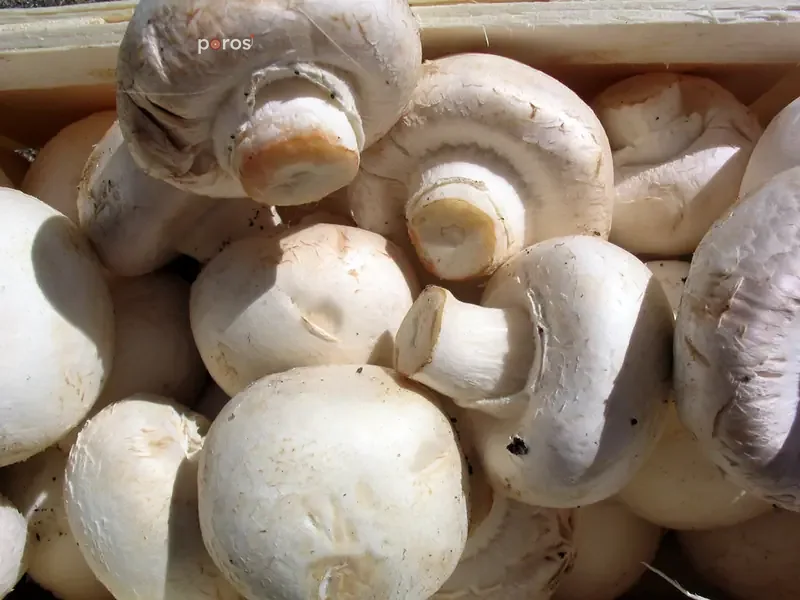
Rinse white button and brown chestnut mushrooms whole, under cold running water, briefly, and dry them straight away. Both are the same species (button mushroom, Agaricus bisporus), and their closed caps protect the gills, so they take up very little water in a quick rinse. For fresh button mushrooms from a shop or market, this order works:
- Just before cooking, put the whole, unsliced mushrooms in a colander.
- Rinse briefly under cold water, rubbing off soil with your fingertips; don't soak them.
- Trim a thin slice from the dried or darkened end of the stem.
- Pat them dry one by one with a clean cloth or paper towel; for a large batch, a salad spinner helps.
- Once dry, slice or quarter them as the recipe asks.
For mushrooms with little soil, wiping with a damp cloth is also enough; it is your choice. Rinsing doesn't spoil the flavour; soaking spoils the texture.
How do you clean oyster, shiitake and portobello mushrooms?
Mushrooms with exposed gills are kept away from running water and cleaned with a soft brush or damp cloth. America's Test Kitchen's measurements showed these varieties absorb a lot of water when washed, and a waterlogged mushroom steams in the pan instead of browning.
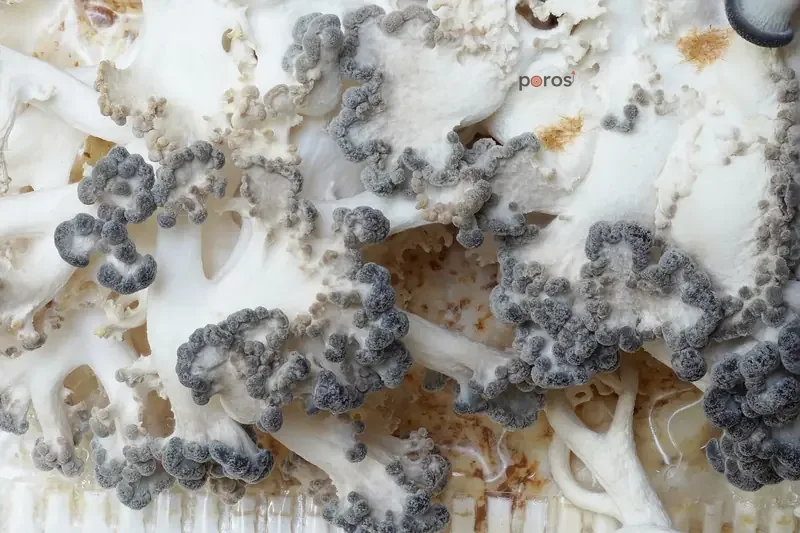
Oyster mushrooms usually arrive clean; trim the tough, fused base of the cluster and pull the mushrooms apart by hand, wiping off any debris. Shiitake stems are tough and are removed in most recipes; wipe the caps with a damp cloth. On large portobellos, brush away dust from the gills. If one of these is genuinely gritty, a very quick rinse followed by immediate drying and cooking is an acceptable compromise. We cover cleaning and cooking oyster mushrooms in detail in a separate article.
How do you clean wild mushrooms?
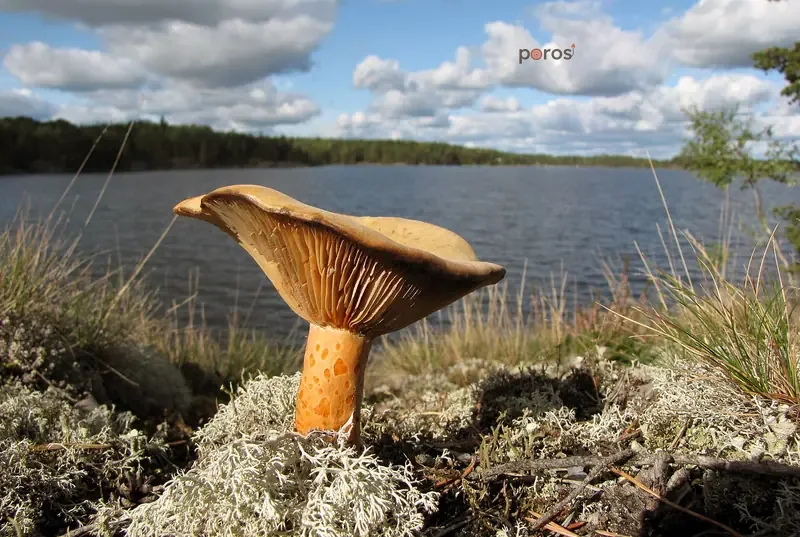
Brush wild mushrooms free of soil first with a dry brush or the back of a knife, then wash them in cold water if needed and dry them thoroughly straight away. For species like the saffron milk cap, whose gills trap soil, a short wash is often unavoidable. A Spanish chef quoted by Directo al Paladar says that soaking them in cold water removes soil from between the gills better than holding them under the tap, followed by very careful drying, and the same source recommends cleaning them just before cooking.
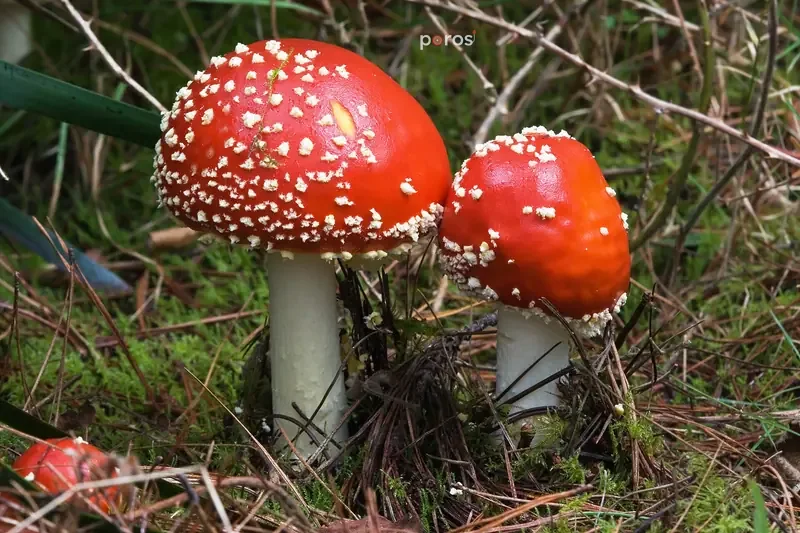
With wild mushrooms there is a step that comes before cleaning: certain identification of the species. Washing, boiling or soaking in vinegar does not make a poisonous mushroom safe; according to Tox Info Suisse, the amatoxins in the death cap survive boiling, frying, drying, pickling and freezing. Never eat a mushroom you cannot identify with certainty. We cover the saffron milk cap's season in when is saffron milk cap season.
Should you peel mushrooms or trim the stems?
Button mushrooms don't need peeling; the skin is edible and a rinse or wipe cleans it. Peeling takes effort and throws part of the mushroom away. Even in its instructions for drying mushrooms, Penn State Extension suggests peeling only large mushrooms and discarding woody stalks; in everyday cooking there is no need to peel.
In most varieties the stem is edible. Only the dried, darkened or soil-caked end is trimmed. The tough stems of shiitake and the hard base of large oyster clusters are set aside because they are hard to chew; rather than binning them, chop them finely for soup or stock.
Can you wash mushrooms a day ahead?
No, mushrooms shouldn't be washed and then stored; wash them just before cooking. Wet mushrooms turn slimy quickly and spoil faster. Penn State Extension recommends storing mushrooms in the fridge, in their original container or a paper bag, where they keep for up to 3 days, and warns that in a plastic bag moisture collects and spoils them.
Storing cooked mushrooms is a separate matter with its own rules: eat them within a day or two from the fridge and reheat them thoroughly. We cover this in detail in our article on when button mushrooms can make you ill.
What are the most common mistakes when cleaning mushrooms?
The most common mistake is leaving mushrooms to soak; the second is slicing them first and washing them afterwards. Both fill the cut flesh or gills with water and stop the mushrooms browning in the pan. The list below sets out the mistakes we see most often in the kitchen, with what to do instead.
- Soaking them in a bowl: instead, rinse for a few seconds in a colander under running water.
- Slicing, then washing: instead, wash them whole and slice after drying.
- Putting wet mushrooms in the pan: instead, pat them dry one by one with a cloth or paper towel.
- Washing, then refrigerating: instead, store them unwashed and wash just before cooking.
- Holding open-gilled mushrooms under the tap: instead, brush them or wipe with a damp cloth.
How do you cook mushrooms after washing them?
Once washed mushrooms are well dried, cook them in a hot pan without crowding it. Mushrooms release their own liquid as they heat; in a crowded pan it can't evaporate, so the mushrooms stew instead of browning. Spreading them in a single layer in a wide pan and leaving them undisturbed until the liquid has gone, then adding fat and salt, is the most reliable method.
We apply this step by step in our sautéed mushrooms recipe; for a cream soup the mushrooms don't need to brown, so a quick rinse causes no problem at all (cream of mushroom soup). For other dishes see our recipes page. Which mushrooms can be eaten raw is covered separately in which mushrooms can you eat raw.
FAQ
Does washing mushrooms ruin the flavour?
Mushrooms rinsed briefly and dried straight away keep their flavour; in tests, closed-cap mushrooms absorbed about 2 percent of their weight in water. What ruins flavour and texture is soaking them and putting wet mushrooms in a crowded pan.
Should you wash mushrooms in vinegar water?
There is no need; cold water is enough. Vinegar can flavour the mushrooms and does not remove toxins from a wild mushroom. Death cap toxins survive even pickling and boiling.
Should you peel button mushrooms?
No. The skin of button mushrooms is edible; rinsing or wiping with a damp cloth is enough. Just trim the dried end of the stem.
Can you wash mushrooms a day ahead?
No. Wet mushrooms quickly turn slimy and spoil. Store them unwashed in the fridge, in their container or a paper bag, and wash them just before cooking.
How do you clean wild mushrooms?
Brush off the soil first, wash briefly in cold water if needed, and dry thoroughly straight away. Before cleaning comes certain identification of the species; never eat a mushroom you can't identify.
Should you wash mushrooms before sautéing?
Yes. Rinse them whole and briefly, dry them well, then slice. Cooked in a single layer in a hot, wide pan, washed mushrooms brown well too.
Should you wash or peel mushrooms?
Button mushrooms can be rinsed briefly or wiped with damp kitchen paper; there is no need to peel them. Peeling only makes sense for old, dry or blemished caps.
Sources
- Penn State Extension — Preparing and Preserving Mushrooms extension.psu.edu
- The Takeout — Are we supposed to wash mushrooms or not? (Serious Eats ve Cook's Illustrated denemeleri) thetakeout.com
- America's Test Kitchen (Cook's Illustrated) — Mushrooms 101: Everything you need to know americastestkitchen.com
All sources (5)
- Directo al Paladar — Níscalos: seçme, temizleme ve pişirme directoalpaladar.com
- Tox Info Suisse — Toxic tales from daily life at the Tox: Mushrooms toxinfo.ch
Last updated: 2 November 2026