
Field guide · 210 species
Mushroom species
Edible, poisonous, deadly and home-grown species. Every page covers season, identification features, look-alikes and sources.
Mushrooms are grouped by edibility, by what sits under the cap (gills, pores or spines) and by family. Below you'll find the edible, poisonous and deadly species known in Turkey, each with its common name, Latin name and photo. Every species page covers key features, season and look-alikes. Treat the list as a starting point, not an identification tool.
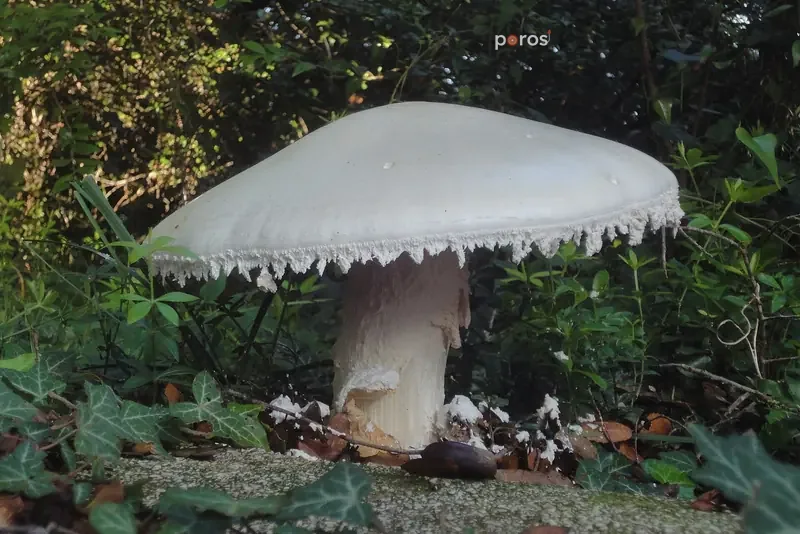
Edible · Species used in the kitchen; never eat a wild one an expert has not checked.
Turkey map of 75 speciesPoisonous · Species that cause poisoning; deadly ones are marked separately.
Turkey map of 50 speciesInedible · Tough, bitter or otherwise not food.
Turkey map of 75 speciesPsilocybin · Active substance legally controlled; identification and warnings only. In Turkey the active substance is treated as a narcotic (Penal Code 188, 191). It is confused with deadly species; if in doubt call 112, poison centre 114.
Legal status and warnings Turkey map of 9 speciesMedicinal (traditional) · Species used in traditional medicine; not a treatment.
Turkey map of 9 speciesShowing 4 species
-
 Edible species
Almond mushroom
Agaricus subrufescens
Agaricaceae
Cultivable
-
 Deadly poisonous
Amanita proxima
Amanita proxima
Amanitaceae
-
 Inedible
Amethyst deceiver
Laccaria amethystina
Hydnangiaceae
-
 Edible species
Anatolian matsutake
Tricholoma anatolicum
Tricholomataceae
-
 Inedible
Anemone stinkhorn
Aseroe rubra
Phallaceae
-
 Edible species
Aniseed funnel
Clitocybe odora
Tricholomataceae
-
 Inedible
Artist’s bracket
Ganoderma applanatum
Polyporaceae
-
 Inedible · legally controlled
Banded mottlegill
Panaeolus cinctulus
Bolbitiaceae
-
 Inedible
Barometer earthstar
Astraeus hygrometricus
Diplocystidiaceae
-
 Edible species
Bay bolete
Imleria badia
Boletaceae
-
 Edible species
Beefsteak fungus
Fistulina hepatica
Fistulinaceae
-
 Inedible
Birch polypore
Fomitopsis betulina
Fomitopsidaceae
-
 Inedible
Bitter bolete
Tylopilus felleus
Boletaceae
-
 Inedible
Bitter oyster
Panellus stipticus
Mycenaceae
-
 Edible species
Black morel
Morchella elata
Morchellaceae
-
 Edible species
Black trumpet
Craterellus cornucopioides
Cantharellaceae
-
 Inedible
Black witches’ butter
Exidia glandulosa
Auriculariaceae
-
 Inedible
Bleeding tooth fungus
Hydnellum peckii
Bankeraceae
-
 Inedible
Blistered cup
Peziza vesiculosa
Pezizaceae
-
 Edible species
Bloody milk cap
Lactarius sanguifluus
Russulaceae
-
 Inedible
Blue pinkgill
Entoloma hochstetteri
Entolomataceae
-
 Inedible · legally controlled
Blue-staining panaeolus
Panaeolus cyanescens
Bolbitiaceae
-
 Inedible
Blusher
Amanita rubescens
Amanitaceae
-
 Inedible
Blushing bracket
Daedaleopsis confragosa
Polyporaceae
-
 Inedible
Brick cap
Hypholoma lateritium
Strophariaceae
-
 Inedible
Bridal veil stinkhorn
Phallus indusiatus
Phallaceae
-
 Edible species
Bronze bolete
Boletus aereus
Boletaceae
-
 Edible species
Brown birch bolete
Leccinum scabrum
Boletaceae
-
 Deadly poisonous
Brown roll-rim
Paxillus involutus
Paxillaceae
-
 Inedible
Brown shaggy parasol
Chlorophyllum brunneum
Agaricaceae
-
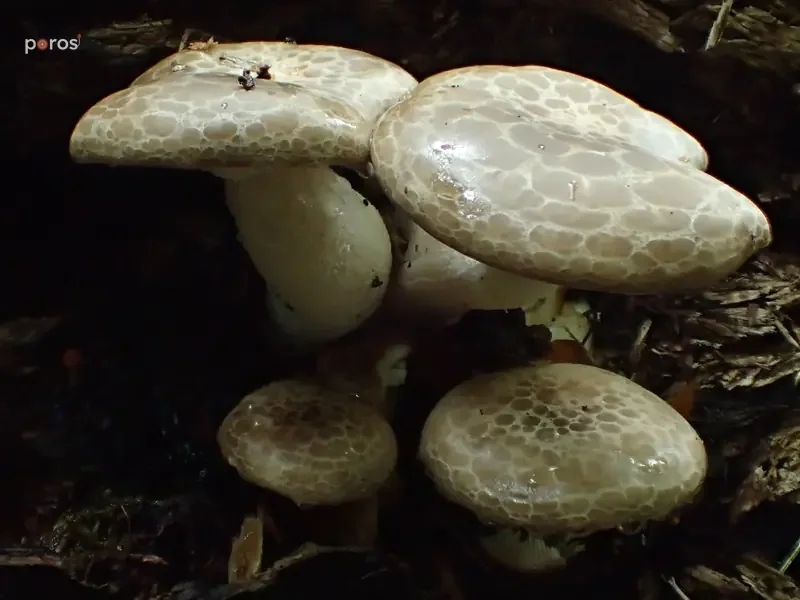 Edible species
Buna-shimeji
Hypsizygus tessulatus
Lyophyllaceae
Cultivable
-
 Edible species
Button mushroom
Agaricus bisporus
Agaricaceae
Cultivable
-
 Edible species
Caesar’s mushroom
Amanita caesarea
Amanitaceae
-
 Inedible
Candlesnuff fungus
Xylaria hypoxylon
Xylariaceae
-
 Inedible
Caterpillar fungus
Ophiocordyceps sinensis
Ophiocordycipitaceae
-
 Edible species
Cauliflower mushroom
Sparassis crispa
Sparassidaceae
-
 Inedible
Cedar cup
Geopora sumneriana
Pyronemataceae
-
 Inedible
Chaga
Inonotus obliquus
Hymenochaetaceae
-
 Edible species
Chanterelle
Cantharellus cibarius
Hydnaceae
-
 Edible species
Charcoal burner
Russula cyanoxantha
Russulaceae
-
 Deadly poisonous
Chestnut dapperling
Lepiota castanea
Agaricaceae
-
 Edible species
Chicken of the woods
Laetiporus sulphureus
Laetiporaceae
-
 Edible species
Cinnabar chanterelle
Cantharellus cinnabarinus
Hydnaceae
-
 Poisonous
Cinnamon bracket
Hapalopilus rutilans
Phanerochaetaceae
-
 Edible species
Cloud ear fungus
Auricularia cornea
Auriculariaceae
Cultivable
-
 Inedible
Clouded funnel
Clitocybe nebularis
Clitocybaceae
-
 Inedible
Collared earthstar
Geastrum triplex
Geastraceae
-
 Inedible
Common bird’s nest fungus
Crucibulum laeve
Agaricaceae
-
 Deadly poisonous
Common conecap
Pholiotina rugosa
Bolbitiaceae
-
 Poisonous
Common earthball
Scleroderma citrinum
Sclerodermataceae
-
 Poisonous
Common ink cap
Coprinopsis atramentaria
Psathyrellaceae
-
 Edible species
Common puffball
Lycoperdon perlatum
Lycoperdaceae
-
 Inedible
Common stinkhorn
Phallus impudicus
Phallaceae
-
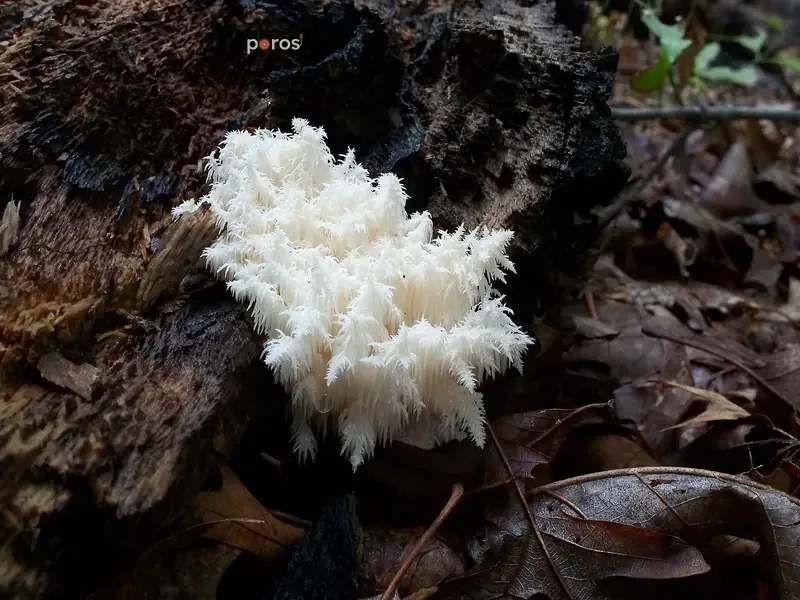 Edible species
Coral tooth fungus
Hericium coralloides
Hericiaceae
Cultivable
-
 Traditional use
Cordyceps
Cordyceps militaris
Cordycipitaceae
Cultivable
-
 Inedible
Crested coral fungus
Clavulina coralloides
Hydnaceae
-
 Inedible
Dead man’s fingers
Xylaria polymorpha
Xylariaceae
-
 Deadly poisonous
Deadly dapperling
Lepiota brunneoincarnata
Agaricaceae
-
 Deadly poisonous
Deadly fibrecap
Inosperma erubescens
Inocybaceae
-
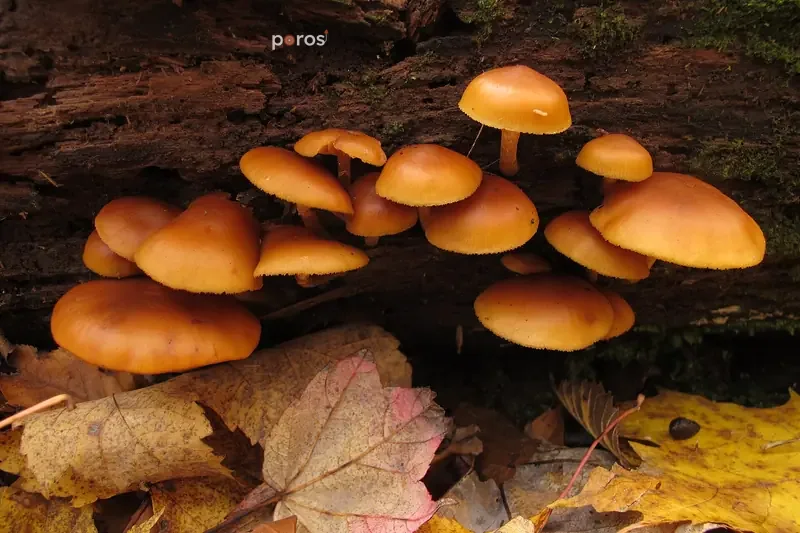 Deadly poisonous
Deadly galerina
Galerina marginata
Hymenogastraceae
-
 Deadly poisonous
Deadly webcap
Cortinarius rubellus
Cortinariaceae
-
 Deadly poisonous
Death cap
Amanita phalloides
Amanitaceae
-
 Edible species
Desert truffle
Terfezia spp.
Pezizaceae
-
 Deadly poisonous
Destroying angel
Amanita virosa
Amanitaceae
-
 Poisonous
Devil’s bolete
Rubroboletus satanas
Boletaceae
-
 Inedible
Devil’s fingers
Clathrus archeri
Phallaceae
-
 Inedible
Dog stinkhorn
Mutinus caninus
Phallaceae
-
 Edible species
Dryad’s saddle
Cerioporus squamosus
Polyporaceae
-
 Deadly poisonous
Eastern destroying angel
Amanita bisporigera
Amanitaceae
-
 Poisonous
Eastern jack-o’-lantern
Omphalotus illudens
Omphalotaceae
-
 Edible species
Elm oyster
Hypsizygus ulmarius
Lyophyllaceae
Cultivable
-
 Edible species
Enoki
Flammulina filiformis
Physalacriaceae
Cultivable
-
 Edible species
Fairy ring champignon
Marasmius oreades
Marasmiaceae
-
 Inedible
False chanterelle
Hygrophoropsis aurantiaca
Hygrophoropsidaceae
-
 Inedible
False death cap
Amanita citrina
Amanitaceae
-
 Deadly poisonous
False morel
Gyromitra esculenta
Discinaceae
-
 Inedible
False saffron milkcap
Lactarius deterrimus
Russulaceae
-
 Deadly poisonous
Fatal dapperling
Lepiota subincarnata
Agaricaceae
-
 Edible species
Field blewit
Lepista personata
Tricholomataceae
-
 Edible species
Field mushroom
Agaricus campestris
Agaricaceae
-
 Inedible
Fiery milkcap
Lactarius pyrogalus
Russulaceae
-
 Inedible
Fluted bird’s nest
Cyathus striatus
Nidulariaceae
-
 Poisonous
Fly agaric
Amanita muscaria
Amanitaceae
-
 Inedible · legally controlled
Flying saucer mushroom
Psilocybe azurescens
Hymenogastraceae
-
 Deadly poisonous
Fool’s funnel
Clitocybe rivulosa
Tricholomataceae
-
 Deadly poisonous
Fool’s mushroom
Amanita verna
Amanitaceae
-
 Deadly poisonous
Fool’s webcap
Cortinarius orellanus
Cortinariaceae
-
 Poisonous
Freckled dapperling
Echinoderma asperum
Agaricaceae
-
 Edible species
Fried chicken mushroom
Lyophyllum decastes
Lyophyllaceae
Cultivable
-
 Poisonous
Ghost fungus
Omphalotus nidiformis
Omphalotaceae
-
 Inedible
Giant polypore
Meripilus giganteus
Meripilaceae
-
 Inedible
Glistening inkcap
Coprinellus micaceus
Psathyrellaceae
-
 Edible species
Golden oyster mushroom
Pleurotus citrinopileatus
Pleurotaceae
Cultivable
-
 Inedible
Green pepe
Mycena chlorophos
Mycenaceae
-
 Edible species
Green-cracking brittlegill
Russula virescens
Russulaceae
-
 Poisonous
Green-spored parasol
Chlorophyllum molybdites
Agaricaceae
-
 Inedible
Grey knight
Tricholoma terreum
Tricholomataceae
-
 Inedible
Hairy bracket
Trametes hirsuta
Polyporaceae
-
 Inedible
Hairy curtain crust
Stereum hirsutum
Stereaceae
-
 Inedible
Hare’s ear
Otidea onotica
Otideaceae
-
 Edible species
Hedgehog mushroom
Hydnum repandum
Hydnaceae
-
 Inedible
Hemlock varnish shelf
Ganoderma tsugae
Polyporaceae
Cultivable
-
 Edible species
Honey fungus
Armillaria mellea
Physalacriaceae
-
 Poisonous
Hooded false morel
Gyromitra infula
Discinaceae
-
 Edible species
Horse mushroom
Agaricus arvensis
Agaricaceae
-
 Edible species
Hygrophorus latitabundus
Hygrophorus latitabundus
Hygrophoraceae
-
 Poisonous
Jack-o’-lantern mushroom
Omphalotus olearius
Omphalotaceae
-
 Poisonous
Jewelled amanita
Amanita gemmata
Amanitaceae
-
 Edible species
King oyster mushroom
Pleurotus eryngii
Pleurotaceae
Cultivable
-
 Inedible
Lacquered bracket
Ganoderma resinaceum
Polyporaceae
-
 Inedible · legally controlled
Liberty cap
Psilocybe semilanceata
Hymenogastraceae
-
 Poisonous
Lilac bonnet
Mycena pura
Mycenaceae
-
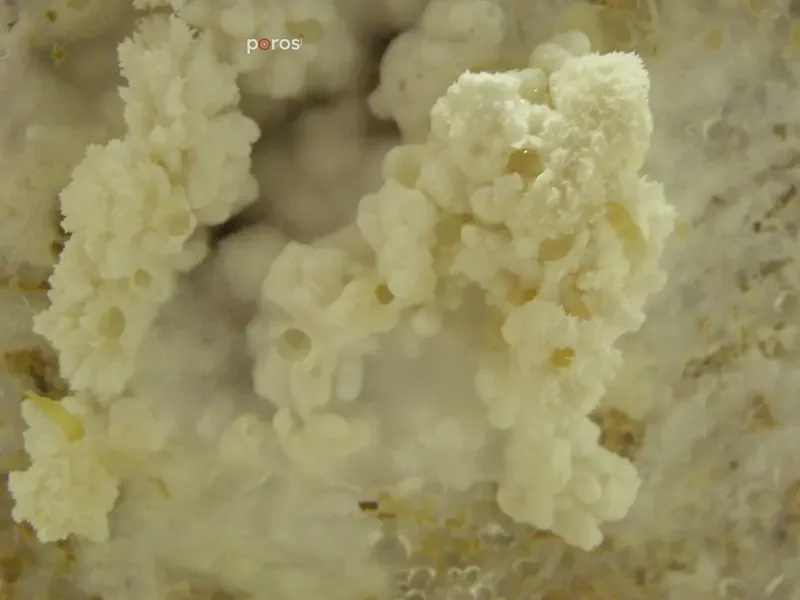 Edible species
Lion’s mane
Hericium erinaceus
Hericiaceae
Cultivable
-
 Poisonous
Livid pinkgill
Entoloma sinuatum
Entolomataceae
-
 Inedible
Lumpy bracket
Trametes gibbosa
Polyporaceae
-
 Inedible
Magpie inkcap
Coprinopsis picacea
Psathyrellaceae
-
 Edible species
Maitake
Grifola frondosa
Grifolaceae
Cultivable
-
 Edible species
March mushroom
Hygrophorus marzuolus
Hygrophoraceae
-
 Edible species
Matsutake
Tricholoma matsutake
Tricholomataceae
-
 Edible species
Milk-white brittlegill
Russula delica
Russulaceae
-
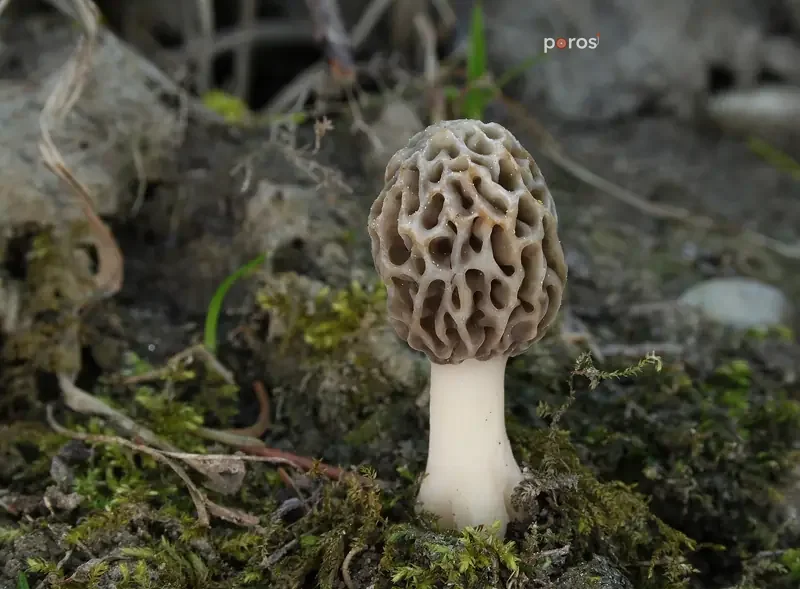 Edible species
Morel
Morchella esculenta
Morchellaceae
-
 Inedible
Mycena seynii
Mycena seynii
Mycenaceae
-
 Edible species
Nameko
Pholiota microspora
Strophariaceae
Cultivable
-
 Inedible
Orange peel fungus
Aleuria aurantia
Pyronemataceae
-
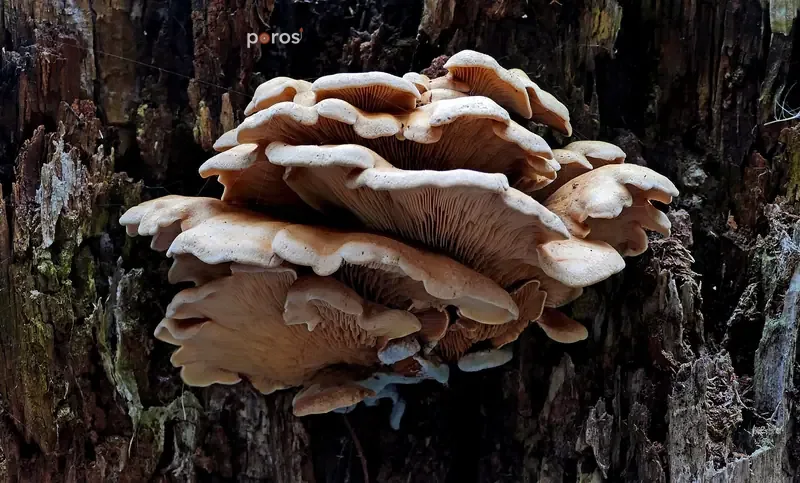 Edible species
Oyster mushroom
Pleurotus ostreatus
Pleurotaceae
Cultivable
-
 Edible species
Paddy straw mushroom
Volvariella volvacea
Pluteaceae
Cultivable
-
 Inedible
Pale brittlestem
Candolleomyces candolleanus
Psathyrellaceae
-
 Edible species
Pale oyster
Pleurotus pulmonarius
Pleurotaceae
Cultivable
-
 Poisonous
Panther cap
Amanita pantherina
Amanitaceae
-
 Edible species
Parasol mushroom
Macrolepiota procera
Agaricaceae
-
 Edible species
Pear-shaped puffball
Apioperdon pyriforme
Lycoperdaceae
-
 Edible species
Pine bolete
Boletus pinophilus
Boletaceae
-
 Edible species
Pink oyster mushroom
Pleurotus djamor
Pleurotaceae
Cultivable
-
 Edible species
Pinkmottle woodwax
Hygrophorus russula
Hygrophoraceae
-
 Inedible
Pixie’s parasol
Mycena interrupta
Mycenaceae
-
 Inedible
Plums and custard
Tricholomopsis rutilans
Phyllotopsidaceae
-
 Deadly poisonous
Poison fire coral
Trichoderma cornu-damae
Hypocreaceae
-
 Edible species
Poplar mushroom
Cyclocybe cylindracea
Tubariaceae
Cultivable
-
 Inedible
Porcelain fungus
Oudemansiella mucida
Physalacriaceae
-
 Edible species
Porcini
Boletus edulis
Boletaceae
-
 Inedible · legally controlled
Psilocybe cubensis (golden cap)
Psilocybe cubensis
Hymenogastraceae
-
 Inedible · legally controlled
Psilocybe mexicana
Psilocybe mexicana
Hymenogastraceae
-
 Inedible · legally controlled
Psilocybe serbica
Psilocybe serbica
Hymenogastraceae
-
 Inedible
Red cage fungus
Clathrus ruber
Phallaceae
-
 Inedible
Red-belted conk
Fomitopsis pinicola
Fomitopsidaceae
-
 Edible species
Red-capped scaber stalk
Leccinum aurantiacum
Boletaceae
-
 Traditional use
Reishi
Ganoderma lucidum
Polyporaceae
Cultivable
-
 Poisonous
Royal fly agaric
Amanita regalis
Amanitaceae
-
 Edible species
Saffron milk cap
Lactarius deliciosus
Russulaceae
-
 Poisonous
Salmon coral
Ramaria formosa
Gomphaceae
-
 Inedible
Salmon milkcap
Lactarius salmonicolor
Russulaceae
-
 Inedible
Sandy stilt puffball
Battarrea phalloides
Agaricaceae
-
 Poisonous
Scaly earthball
Scleroderma verrucosum
Sclerodermataceae
-
 Inedible
Scarlet elf cup
Sarcoscypha coccinea
Sarcoscyphaceae
-
 Inedible
Scarletina bolete
Neoboletus erythropus
Boletaceae
-
 Inedible
Shaggy bracket
Inonotus hispidus
Hymenochaetaceae
-
 Edible species
Shaggy ink cap
Coprinus comatus
Agaricaceae
-
 Inedible
Shaggy parasol
Chlorophyllum rhacodes
Agaricaceae
-
 Edible species
Sheathed woodtuft
Kuehneromyces mutabilis
Strophariaceae
Cultivable
-
 Edible species
Shiitake
Lentinula edodes
Omphalotaceae
Cultivable
-
 Inedible
Silverleaf fungus
Chondrostereum purpureum
Cyphellaceae
-
 Edible species
Slippery jack
Suillus luteus
Suillaceae
-
 Deadly poisonous
Smith’s amanita
Amanita smithiana
Amanitaceae
-
 Inedible
Smoky bracket
Bjerkandera adusta
Phanerochaetaceae
-
 Poisonous
Snow false morel
Gyromitra gigas
Discinaceae
-
 Edible species
Snow fungus
Tremella fuciformis
Tremellaceae
Cultivable
-
 Inedible
Sooty cup
Dissingia leucomelaena
Helvellaceae
-
 Poisonous
Split fibrecap
Pseudosperma rimosum
Inocybaceae
-
 Inedible
Split gill
Schizophyllum commune
Schizophyllaceae
-
 Edible species
St George’s mushroom
Calocybe gambosa
Lyophyllaceae
-
 Poisonous
Stinking dapperling
Lepiota cristata
Agaricaceae
-
 Inedible
Stubble rosegill
Volvopluteus gloiocephalus
Pluteaceae
-
 Edible species
Suede bolete
Xerocomus subtomentosus
Boletaceae
-
 Inedible
Suillus collinitus
Suillus collinitus
Suillaceae
-
 Poisonous
Sulphur tuft
Hypholoma fasciculare
Strophariaceae
-
 Edible species
Summer cep
Boletus reticulatus
Boletaceae
-
 Edible species
Summer truffle
Tuber aestivum
Tuberaceae
Cultivable
-
 Inedible
Tawny funnel
Paralepista flaccida
Tricholomataceae
-
 Edible species
The prince
Agaricus augustus
Agaricaceae
-
 Poisonous
The sickener
Russula emetica
Russulaceae
-
 Poisonous
Tiger tricholoma
Tricholoma pardinum
Tricholomataceae
-
 Inedible
Tinder fungus
Fomes fomentarius
Polyporaceae
-
 Edible species
Trooping funnel
Infundibulicybe geotropa
Tricholomataceae
-
 Edible species
Truffle
Tuber spp.
Tuberaceae
-
 Inedible
Tufted bracket
Fuscoporia torulosa
Hymenochaetaceae
-
 Inedible
Turkey tail
Trametes versicolor
Polyporaceae
-
 Poisonous
Ugly milkcap
Lactarius turpis
Russulaceae
-
 Inedible
Upright coral
Ramaria stricta
Gomphaceae
-
 Poisonous
Violet crown cup
Sarcosphaera coronaria
Pezizaceae
-
 Inedible · legally controlled
Wavy cap
Psilocybe cyanescens
Hymenogastraceae
-
 Edible species
Weeping bolete
Suillus granulatus
Suillaceae
-
 Edible species
Weeping milk cap
Lactifluus volemus
Russulaceae
-
 Deadly poisonous
Western destroying angel
Amanita ocreata
Amanitaceae
-
 Inedible
White dapperling
Leucocoprinus leucothites
Agaricaceae
-
 Poisonous
White fibrecap
Inocybe geophylla
Inocybaceae
-
 Inedible
White saddle
Helvella crispa
Helvellaceae
-
 Edible species
White-pored chicken of the woods
Laetiporus cincinnatus
Laetiporaceae
-
 Inedible · legally controlled
Willow shield
Pluteus salicinus
Pluteaceae
-
 Edible species
Wine cap
Stropharia rugosoannulata
Strophariaceae
Cultivable
-
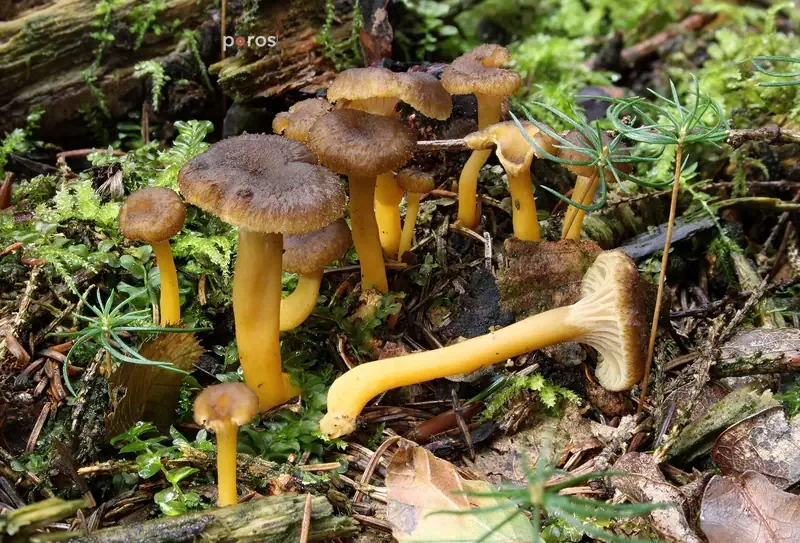 Edible species
Winter chanterelle
Craterellus tubaeformis
Hydnaceae
-
 Edible species
Wood blewit
Lepista nuda
Tricholomataceae
-
 Edible species
Wood ear mushroom
Auricularia auricula-judae
Auriculariaceae
-
 Poisonous
Wood pinkgill
Entoloma rhodopolium
Entolomataceae
-
 Poisonous
Woolly milkcap
Lactarius torminosus
Russulaceae
-
 Inedible
Yellow brain
Tremella mesenterica
Tremellaceae
-
 Inedible
Yellow coral fungus
Ramaria flava
Gomphaceae
-
 Edible species
Yellow foot chanterelle
Craterellus lutescens
Cantharellaceae
-
 Poisonous
Yellow knight
Tricholoma equestre
Tricholomataceae
-
 Inedible
Yellow stagshorn
Calocera viscosa
Dacrymycetaceae
-
 Poisonous
Yellow stainer
Agaricus xanthodermus
Agaricaceae
No species match these filters. Try removing one of the filters.
Clear filtersFound a mushroom in the wild?
Take a photo and we will show similar species and their poisonous look-alikes. The result is orientation only.
The best-known mushroom species in Turkey
The order follows the mushroom names most searched on Google in Turkey (Semrush, November 2026). Alongside the edible species the list includes the death cap, the main cause of fatal poisonings in Turkey: the best-known species are also the most often confused.
Oyster mushroom Pleurotus ostreatus
Edible speciesAlso called: grey oyster mushroom, pearl oyster, hiratakeThe oyster mushroom grows in tiers of fan- or oyster-shaped caps on dead and dying hardwoods, and is one of the most widely cultivated edible mushrooms in the world.
Saffron milk cap Lactarius deliciosus
Edible speciesAlso called: delicious milk cap, red pine mushroom, orange latex milkyThe saffron milk cap is the autumn mushroom of pine woods, with a carrot-orange cap marked in rings and orange milk that oozes when it is broken.
Morel Morchella esculenta
Edible speciesAlso called: common morel, yellow morel, true morelThe morel is a spring mushroom with a honeycomb-pitted yellow-brown cap and a completely hollow inside.
Truffle Tuber spp.
Edible speciesAlso called: summer truffle, white truffle, black truffleTruffle is the name for edible fungi in the genus Tuber that live with the roots of trees such as oak and hazel and form their fruit bodies underground as tubers.
Desert truffle Terfezia spp.
Edible speciesAlso called: terfez, kamaa, Terfezia truffleThe desert truffle is the name for Terfezia species, known in Turkey as domalan, keme and dolaman: edible, potato-like fungi that grow underground.
Button mushroom Agaricus bisporus
Edible speciesAlso called: white mushroom, cremini, chestnut mushroomThe button mushroom (Agaricus bisporus) is the world's most widely eaten mushroom, grown in more than 70 countries.
Porcini Boletus edulis
Edible speciesAlso called: cep, penny bun, king boletePorcini (Boletus edulis; çörek mantarı in Turkish, also cep or penny bun) are among Europe's most prized wild edible mushrooms, with a brown bun-like cap, a sponge of pores instead of gills and a stout, net-patterned stem.
Parasol mushroom Macrolepiota procera
Edible speciesAlso called: parasolThe parasol mushroom (Macrolepiota procera) is an edible mushroom with a scaly cap up to 25 cm across, a tall, snakeskin-patterned stem and a ring that slides on the stem.
Chanterelle Cantharellus cibarius
Edible speciesAlso called: golden chanterelle, girolleThe chanterelle (Cantharellus cibarius; horozmantarı in Turkish) is a much sought-after edible forest mushroom, egg-yolk to deep yellow and funnel-shaped.
Death cap Amanita phalloides
Deadly poisonousAlso called: deathcap, death cupThe death cap is the most poisonous mushroom known, responsible for most mushroom deaths worldwide and around 90% of fatal mushroom poisonings in Turkey.
Mushroom types by what is under the cap
Turning a mushroom over and looking under the cap is the first step in narrowing it down. The groups below are built from the species on this site and update as species are added.
Gilled mushrooms (118)
Thin, blade-like gills under the cap. Most species fall here, from the deadly Amanitas to the saffron milk cap and the button mushroom, so gills alone prove nothing: their colour, attachment and spore print are read together.
Almond mushroom Amanita proxima Amethyst deceiver Anatolian matsutake Aniseed funnel Banded mottlegill Bitter oyster Bloody milk cap Blue pinkgill Blue-staining panaeolus Blusher Brick cap Brown roll-rim Brown shaggy parasol Buna-shimeji Button mushroom Caesar’s mushroom Charcoal burner Chestnut dapperling Cinnabar chanterelle Clouded funnel Common conecap Common ink cap Deadly dapperling Deadly fibrecap Deadly galerina Deadly webcap Death cap Destroying angel Eastern destroying angel Eastern jack-o’-lantern Elm oyster Enoki Fairy ring champignon False chanterelle False death cap False saffron milkcap Fatal dapperling Field blewit Field mushroom Fiery milkcap Fly agaric Flying saucer mushroom Fool’s funnel Fool’s mushroom Fool’s webcap Freckled dapperling Fried chicken mushroom Ghost fungus Glistening inkcap Golden oyster mushroom Green pepe Green-cracking brittlegill Green-spored parasol Grey knight Honey fungus Horse mushroom Hygrophorus latitabundus Jack-o’-lantern mushroom Jewelled amanita King oyster mushroom Liberty cap Lilac bonnet Livid pinkgill Magpie inkcap March mushroom Matsutake Milk-white brittlegill Mycena seynii Nameko Oyster mushroom Paddy straw mushroom Pale brittlestem Pale oyster Panther cap Parasol mushroom Pink oyster mushroom Pinkmottle woodwax Pixie’s parasol Plums and custard Poplar mushroom Porcelain fungus Psilocybe cubensis (golden cap) Psilocybe mexicana Psilocybe serbica Royal fly agaric Saffron milk cap Salmon milkcap Shaggy ink cap Shaggy parasol Sheathed woodtuft Shiitake Smith’s amanita Split fibrecap Split gill St George’s mushroom Stinking dapperling Stubble rosegill Sulphur tuft Tawny funnel The prince The sickener Tiger tricholoma Trooping funnel Ugly milkcap Wavy cap Weeping milk cap Western destroying angel White dapperling White fibrecap Willow shield Wine cap Winter chanterelle Wood blewit Wood pinkgill Woolly milkcap Yellow knight Yellow stainer
Pored mushrooms (36)
A sponge of tiny holes under the cap: boletes such as porcini, and bracket fungi such as tinder fungus and reishi. Take care with boletes whose pores are red or bruise blue.
Artist’s bracket Bay bolete Beefsteak fungus Birch polypore Bitter bolete Blushing bracket Bronze bolete Brown birch bolete Chaga Chicken of the woods Cinnamon bracket Devil’s bolete Dryad’s saddle Giant polypore Hairy bracket Hemlock varnish shelf Lacquered bracket Lumpy bracket Maitake Pine bolete Porcini Red-belted conk Red-capped scaber stalk Reishi Scarletina bolete Shaggy bracket Slippery jack Smoky bracket Suede bolete Suillus collinitus Summer cep Tinder fungus Tufted bracket Turkey tail Weeping bolete White-pored chicken of the woods
Toothed mushrooms (4)
Hanging spines under the cap or over the body. No deadly species is known in this group, but identification is still checked with an expert.
Bleeding tooth fungus Coral tooth fungus Hedgehog mushroom Lion’s mane
Ridged mushrooms (false gills) (3)
Chanterelles and black trumpets have blunt, forking ridges running down the stem instead of true gills; it is the first clue against their poisonous look-alikes.
Honeycomb caps (2)
A pitted, honeycomb cap with a hollow inside. Morels belong here; slice them lengthwise to rule out the brain-like false morel.
Brain- and saddle-shaped caps (6)
Folded, saddle- or brain-like caps with no gills underneath. Deadly species such as the false morel are in this group.
Cauliflower mushroom False morel Hooded false morel Snow false morel Violet crown cup White saddle
Club, ball and coral fungi (20)
Fungi without a proper cap: balls, clubs, corals and cages. Puffballs are eaten young; if the cut flesh is not pure white, it does not go in the basket.
Anemone stinkhorn Barometer earthstar Bridal veil stinkhorn Candlesnuff fungus Caterpillar fungus Common bird’s nest fungus Common earthball Common puffball Common stinkhorn Cordyceps Crested coral fungus Dead man’s fingers Devil’s fingers Dog stinkhorn Fluted bird’s nest Poison fire coral Red cage fungus Salmon coral Upright coral Yellow coral fungus
Underground tubers (truffles) (7)
They grow underground like potatoes, without cap or stem: truffles and desert truffles.
Collared earthstar Desert truffle Pear-shaped puffball Sandy stilt puffball Scaly earthball Summer truffle Truffle
Crust fungi with a smooth underside (8)
Thin, leathery fungi that form crusts or small shelves on wood; the underside is smooth or slightly bumpy, with no gills, pores or spines. They are too tough to eat.
Blistered cup Cedar cup Hairy curtain crust Hare’s ear Orange peel fungus Scarlet elf cup Silverleaf fungus Sooty cup
Jelly fungi (6)
Rubbery, jelly-like, ear-shaped fungi; the wood ear is the best known.
Black witches’ butter Cloud ear fungus Snow fungus Wood ear mushroom Yellow brain Yellow stagshorn
Mushroom species by habitat
Where a mushroom grows (under which tree, on wood or on soil) matters as much as cap colour. Groups are derived automatically from each species' habitat note; details are on the species page.
Mushrooms growing on trees and wood (73)
They live on stumps, trunks, branches or buried wood. Most cultivated species, such as oyster and shiitake, come from this group; growing on wood does not make a mushroom safe, and the deadly galerina grows on wood too.
Artist’s bracket Bay bolete Beefsteak fungus Birch polypore Bitter oyster Black witches’ butter Blushing bracket Brick cap Buna-shimeji Candlesnuff fungus Cedar cup Chaga Chicken of the woods Cinnamon bracket Cloud ear fungus Common bird’s nest fungus Common conecap Coral tooth fungus Dead man’s fingers Deadly galerina Dryad’s saddle Eastern jack-o’-lantern Elm oyster Enoki False chanterelle Freckled dapperling Fried chicken mushroom Ghost fungus Giant polypore Glistening inkcap Golden oyster mushroom Green pepe Hairy bracket Hairy curtain crust Hemlock varnish shelf Honey fungus Hooded false morel Jack-o’-lantern mushroom King oyster mushroom Lacquered bracket Lion’s mane Lumpy bracket Milk-white brittlegill Nameko Oyster mushroom Pale oyster Pear-shaped puffball Pink oyster mushroom Pixie’s parasol Plums and custard Poison fire coral Poplar mushroom Porcelain fungus Red-belted conk Reishi Sandy stilt puffball Shaggy bracket Sheathed woodtuft Shiitake Silverleaf fungus Smoky bracket Snow fungus Split gill Sulphur tuft Tinder fungus Tufted bracket Turkey tail Upright coral White-pored chicken of the woods Willow shield Wine cap Wood ear mushroom Yellow stagshorn
Under pines and other conifers (26)
Species that partner with pine, cedar, spruce and fir roots. Saffron milk cap and the Anatolian matsutake are its best-known edibles.
Anatolian matsutake Bloody milk cap Cauliflower mushroom Deadly webcap False morel False saffron milkcap Fly agaric Grey knight Hygrophorus latitabundus Jewelled amanita March mushroom Mycena seynii Royal fly agaric Saffron milk cap Slippery jack Smith’s amanita Snow false morel Sooty cup Suillus collinitus Tawny funnel The sickener Violet crown cup Weeping bolete Winter chanterelle Yellow foot chanterelle Yellow knight
In oak, beech and mixed woodland (69)
Species found on the forest floor under broadleaf trees. Most deadly Amanitas, the death cap first, grow here.
Amanita proxima Amethyst deceiver Aniseed funnel Bitter bolete Black morel Black trumpet Bleeding tooth fungus Blue pinkgill Blusher Bronze bolete Brown birch bolete Brown roll-rim Caesar’s mushroom Chanterelle Charcoal burner Chestnut dapperling Cinnabar chanterelle Clouded funnel Collared earthstar Common puffball Common stinkhorn Crested coral fungus Deadly fibrecap Death cap Destroying angel Devil’s bolete Dog stinkhorn Eastern destroying angel False death cap Fiery milkcap Flying saucer mushroom Fool’s mushroom Fool’s webcap Green-cracking brittlegill Hare’s ear Hedgehog mushroom Lilac bonnet Livid pinkgill Magpie inkcap Maitake Morel Panther cap Pine bolete Pinkmottle woodwax Porcini Psilocybe serbica Red-capped scaber stalk Salmon coral Scaly earthball Scarlet elf cup Scarletina bolete Shaggy parasol Split fibrecap Suede bolete Summer cep Summer truffle The prince Tiger tricholoma Trooping funnel Truffle Ugly milkcap Weeping milk cap Western destroying angel White fibrecap White saddle Wood pinkgill Woolly milkcap Yellow brain Yellow coral fungus
In grassland, parks, gardens and compost (34)
Species of open, grassy or manured ground. The deadly dapperling can turn up on garden lawns next to field mushrooms.
Almond mushroom Anemone stinkhorn Banded mottlegill Blistered cup Blue-staining panaeolus Brown shaggy parasol Button mushroom Caterpillar fungus Common ink cap Cordyceps Deadly dapperling Devil’s fingers Fairy ring champignon Fatal dapperling Field blewit Field mushroom Fluted bird’s nest Fool’s funnel Green-spored parasol Horse mushroom Liberty cap Pale brittlestem Parasol mushroom Psilocybe cubensis (golden cap) Psilocybe mexicana Red cage fungus Shaggy ink cap St George’s mushroom Stinking dapperling Stubble rosegill Wavy cap White dapperling Wood blewit Yellow stainer
On sandy and dry soils (5)
Species of sandy, fast-draining soils; the desert truffle is the best known.
Barometer earthstar Common earthball Desert truffle Matsutake Orange peel fungus
Special habitats (3)
Species tied to the roots of a single plant or found across several habitats.
Mushroom names A to Z
The same mushroom goes by different names from region to region. The index lists each species with its known local names; a local name leads to the species page.
A
Agaricus blazeiAlcohol inky capAlmond mushroomAmadouAmanita proximaAmethyst deceiverAmethyst laccariaAnatolian matsutakeAnemone stinkhornAnise mushroomAniseed funnelAniseed toadstoolApricot milk capArtist's conkArtist’s bracketAstringent panusAutumn skullcap
B
Bamboo fungusBanded mottlegillBarometer earthstarBasket stinkhornBay boleteBearded hedgehogBearded milkcapBearded tooth fungusBeautiful clavariaBeech mushroomBeech tuftBeefsteak fungusBeefsteak polyporeBelted panaeolusBig sheath mushroomBirch boleteBirch bracketBirch canker polyporeBirch polyporeBitter boleteBitter oysterBitter tylopilusBlack chanterelleBlack forest mushroomBlack fungusBlack jelly rollBlack morelBlack poplar mushroomBlack summer truffleBlack truffleBlack trumpetBlack witches' butterBlack witches’ butterBlack-staining polyporeBladder cupBleeding tooth fungusBlewitBlistered cupBloody milk capBlue angelBlue footBlue legBlue pinkgillBlue-green funnelBlue-staining panaeolusBlusherBlushing amanitaBlushing bracketBootlace fungusBrain mushroomBrick capBrick tuftBrick-red tear mushroomBridal veil stinkhornBronze boleteBrown and yellow boleteBrown beech mushroomBrown birch boleteBrown roll-rimBrown shaggy parasolBrown stew fungusBuna-shimejiBunapiBurgundy mushroomBurgundy truffleBurgundy truffleButterscotch mushroomButton mushroom
C
Caesar’s mushroomCandlesnuff fungusCandolle's mushroomCarbon antlersCaterpillar fungus → Ophiocordyceps sinensis, CordycepsCauliflower fungusCauliflower mushroomCedar cupCedar mushroomCepChagaChampignon de ParisChanterelleCharcoal burnerChestnut boleteChestnut dapperlingChestnut mushroomChicken of the woodsChinese black mushroomCinder conkCinnabar chanterelleCinnabar-red chanterelleCinnamon bracketCitron amanitaClinker polyporeCloud earCloud ear fungusClouded agaricClouded funnelCloudy clitocybeClustered domecapClustered woodloverCogumelo do solCollared earthstarComb toothCommon bird’s nest fungusCommon conecapCommon crumble capCommon earthballCommon ink capCommon inkcapCommon morelCommon puffballCommon roll-rimCommon split gillCommon stinkhornCommon white helvellaConifer morelCopelandia cyanescensCoral hedgehogCoral toothCoral tooth fungusCordycepsCreminiCrested coralCrested coral fungusCrown fungusCube
D
Dark cepDead man's fingersDead man’s fingersDeadly dapperlingDeadly fibrecapDeadly galerinaDeadly parasolDeadly skullcapDeadly webcapDeath angelDeath capDeath cupDeathcapDelicious milk capDesert truffleDestroying angel → Amanita virosa, Eastern destroying angelDevil's fingersDevil's snuff-boxDevil's toothDevil’s boleteDevil’s fingersDirty tricholomaDog stinkhornDog's stinkhornDong chong xia caoDonkey earDotted-stalked suillusDotted-stem boleteDryad’s saddle
E
Earthy inocybeEastern destroying angelEastern jack-o’-lanternElfin saddle → Hooded false morel, White saddleElm leechElm oysterEmetic russulaEnokiEnokitakeEryngiEuropean destroying angel
F
Fairy ring champignonFairy ring mushroomFalse blusherFalse chanterelleFalse death capFalse deathcapFalse earthstarFalse morelFalse parasolFalse russulaFalse saffron milk capFalse saffron milkcapFatal dapperlingField blewitField mushroomFiery milkcapFire-milk lactariusFishy milkcapFlat-topped conkFluted bird's nestFluted bird’s nestFly agaricFly amanitaFlying saucer mushroomFool's conecapFool's funnelFool’s funnelFool’s mushroomFool’s webcapFools webcapFreckled dapperlingFrench horn mushroomFried chicken mushroomFuneral bellFunnel chanterelle
G
Garden giantGem-studded puffballGemmed amanitaGhost fungusGiant false morelGiant polyporeGirolleGlistening inkcapGlowing mycenaGolden capGolden chanterelle → Chanterelle, Yellow foot chanterelleGolden jelly fungusGolden needle mushroomGolden oyster mushroomGranulated boleteGreen pepeGreen-cracking brittlegillGreen-cracking russulaGreen-spored parasolGrey knightGrey knight-capGrey oyster mushroom
H
Hairy bracketHairy curtain crustHairy stereumHairy turkey tailHairy wood earHare's earHare’s earHedgehog mushroomHemlock reishiHemlock varnish shelfHen-of-the-woodsHimalayan goldHimematsutakeHiratakeHon-shimeji (Japonca, tartışmalı)Honey fungusHoney mushroomHooded false morelHoof fungusHorn of plentyHorse mushroomHygrophorus latitabundusHygroscopic earthstar
J
Jack-o'-lantern mushroom → Eastern jack-o’-lantern, Omphalotus oleariusJack-o’-lantern mushroomJelly antlerJelly earJew's earJewelled amanitaJudas's ear
K
KaentakeKamaaKikurageKing boleteKing of Sweden amanitaKing oyster mushroomKing strophariaKing trumpet
L
Lacquered bracket → Ganoderma resinaceum, ReishiLatticed stinkhornLawyer's wigLead poisonerLeopard knightLiberty capLilac bonnetLingzhiLion’s maneLivid entolomaLivid pinkgillLlenega negraLong net stinkhornLuminescent panellusLumpy bracketLung oyster
M
Magic mushroomMagpie fungusMagpie inkcapMaitakeMan on horsebackMany-zoned polyporeMarch mushroomMarch waxcapMarzuoloMatsutakeMay mushroomMeadow mushroomMica capMilk-white brittlegillMilk-white russulaMonk's headMonkey head mushroomMorelMu erMycena seynii
O
Oakwood mushroomOctopus stinkhornOlive-tree mushroomOrange birch boleteOrange latex milkyOrange milkcapOrange oak boleteOrange peelOrange peel fungusOvoloOx tongueOyster mushroom
P
Paddy straw mushroomPale brittlestemPale oysterPanther amanitaPanther capParasolParasol mushroomPear-shaped puffballPearl oysterPenny bunPheasant's back mushroomPhoenix oysterPigskin poison puffballPine boletePine cepPine mushroomPinewood king boletePink crownPink oysterPink oyster mushroomPink-based slippery jackPinkmottle woodwaxPioppinoPixie's parasolPixie’s parasolPlums and custardPoached egg fungusPoison fire coralPoison paxPoor man's beefsteakPoplar fieldcapPoplar mushroomPorcelain fungusPorciniPorcino neroPortobelloPouched false morelPrince mushroomPsilocybe cubensis (golden cap)Psilocybe mexicanaPsilocybe serbicaPurple-yellow agaric
R
Ram's headRazor stropRed aspen boleteRed cageRed cage fungusRed chanterelleRed pine mushroomRed toadstoolRed-banded polyporeRed-belted conkRed-capped scaber stalkRed-foot boleteRed-haired agaricRed-juice toothRed-staining InocybeReishiRose-gilled grisetteRough-stemmed boleteRoyal amanitaRoyal fly agaricRussula-like waxy cap
S
Saffron milk capSalmon coralSalmon milk capSalmon milkcapSandy stilt puffballSatan's boleteSatan's mushroomSaucered earthstarScaber stalkScaly earthballScaly polyporeScaly-stalked puffballScarlet caterpillarclubScarlet cupScarlet elf cupScarletina boleteScorzoneScotch bonnetSeyne's bonnetShaggy bracketShaggy ink capShaggy maneShaggy parasol → Brown shaggy parasol, Chlorophyllum rhacodesShaggy parasol mushroomSharp-scaled parasolSheathed woodtuftSheep's headShiitakeShiny capSilver earSilver leafSilverleaf fungusSky-blue mushroomSlippery jackSmith’s amanitaSmoky bracketSmoky polyporeSmooth parasolSnow false morelSnow fungusSnow morelSongiSooty cupSplash cupsSplit fibrecapSplit gillSplitgill mushroomSponge morelSpotted tricholomaSpring destroying angelSt George's mushroomSt George’s mushroomStag's horn fungusStarfish fungusSticky bunStinkhornStinking dapperlingStinking parasolStraw fibrecapStraw mushroomStrawberries and creamStrict-branch coralStubble rosegillStump puffballSuede boleteSuillus collinitusSulphur polyporeSulphur shelfSulphur tuftSummer boleteSummer cepSummer porciniSummer truffleSummer truffleSweating mushroomSweet tooth
T
TamogitakeTawny funnelTawny funnel capTawny funnelcapTender nesting polyporeTeonanácatlTerfezTerfezia truffleThe blusherThe princeThe sickenerThin-walled maze polyporeTiger tricholomaTinder conkTinder fungusTippler's baneTrooping funnelTrue morelTruffleTrumpet chanterelleTrumpet of the deadTufted bracketTurban fungusTurkey tailTurkish matsutakeTwo-toned pholiota
V
Variegated brittlegillVarnished conkVeiled ladyVelvet pioppiniViolet crown cupVoluminous-latex milkyVomiter
W
Warlock's butterWavy capWeeping boleteWeeping milk capWerewere-kōkakoWestern destroying angelWhite Agaricus mushroomWhite beech mushroomWhite coral fungusWhite dapperlingWhite fibrecapWhite jelly fungusWhite mushroomWhite saddleWhite truffleWhite-egg bird's nestWhite-footed elfin cupWhite-pored chicken of the woodsWhite-pored sulphur shelfWillow shieldWine capWinter chanterelleWitch's eggWitches' butterWood blewitWood cauliflowerWood ear mushroomWood hedgehogWood pinkgillWoolly milk capWoolly milkcap
What is a mushroom?
A mushroom is the fruiting body of a fungus, and fungi are neither plants nor animals: they make up a kingdom of their own. Fungi don't photosynthesise. They feed on rotting wood, on organic matter in the soil, or through partnerships with tree roots. Their cell walls are built from chitin, the same material found in insect shells, and genetically they sit closer to animals than to plants.
What you see on the forest floor is only the fruit. The fungus itself is the mycelium, a web of fine threads running through soil or wood. When moisture and temperature are right, the mycelium pushes up a mushroom to release spores, which travel on wind, water or animals to start new colonies. That is why the same patch can produce mushrooms year after year.
Many fungi form root partnerships (mycorrhiza) with trees. Saffron milk caps grow with pine; chanterelles and porcini with oak, beech and pine. The tree a mushroom grows under is one of the most useful clues you have.
How are mushrooms classified?
The three most practical ways to sort mushrooms are edibility, the structure under the cap, and scientific family. The filters on this page use all three.
By edibility we split species into edible, poisonous, deadly, and those with a history of traditional use such as reishi and cordyceps. We make no health claims for that last group; their effects are still being studied.
Sorting by what's under the cap is the method that helps most in the field. It won't name a species, but it narrows down where to look:
- Gilled mushrooms: thin, blade-like gills. Button mushrooms, saffron milk caps, oyster mushrooms and the death cap all belong here, and most serious poisonings involve gilled species.
- Pored mushrooms: a spongy underside, as in porcini (Boletaceae) and bracket fungi such as chicken of the woods and reishi.
- Toothed mushrooms: hanging spines instead of gills, best known from lion's mane.
- Ridged mushrooms: chanterelles have thick, forked false gills running down the stem.
- Morels and false morels: a honeycomb cap on true morels, a brain-like one on false morels. Both appear in spring and are often confused.
- Mushrooms on wood: oyster mushrooms, chicken of the woods, reishi, maitake and the deadly galerina. Growing on a tree does not make a mushroom safe.
Mushroom families on this site
Every species belongs to a genus and every genus to a family. Knowing the family shows which look-alikes are related and where the danger is concentrated:
- Amanitaceae: the death cap, destroying angel and fly agaric, alongside the prized Caesar's mushroom. Look for the sack-like volva at the base and a ring on the stem; this family is for experts only.
- Agaricaceae: button, field and parasol mushrooms. Supermarket white and chestnut mushrooms belong here.
- Russulaceae: saffron milk cap and bloody milk cap. Lactarius species bleed milk when cut, and the colour of that milk is a key clue.
- Pleurotaceae: oyster, king oyster, pink oyster and golden oyster mushrooms, many of them easy to grow at home.
- Boletaceae: porcini, with pores instead of gills.
- Others: Morchellaceae (morel), Discinaceae (false morel), Hydnaceae (chanterelle), Hericiaceae (lion's mane), Polyporaceae (reishi), Cordycipitaceae (cordyceps), Cortinariaceae (fool's webcap), Inocybaceae (deadly fibrecap), Entolomataceae (livid pinkgill), Tricholomataceae (wood blewit).
Edible mushrooms known in Turkey
The best-known wild edibles in Turkey are the saffron milk cap, porcini, morel, chanterelle, Caesar's mushroom, parasol and king oyster. Among cultivated species the button mushroom leads, with oyster mushrooms, shiitake and lion's mane growing in popularity.
Almost every edible has a dangerous double: saffron milk caps with toxic milk caps, morels with false morels, Caesar's mushroom with the fly agaric, field mushrooms with a young death cap. No wild mushroom should be eaten until an expert has identified it with certainty. Our edible mushrooms page lists the features that tell them apart.
Poisonous and deadly mushrooms in Turkey
The death cap (Amanita phalloides) causes most fatal mushroom poisonings in Turkey. The destroying angel, deadly galerina, fool's webcap and deadly fibrecap are also life-threatening, while the fly agaric, livid pinkgill and false morel are poisonous.
With the death cap, symptoms usually start only 6–12 hours after eating, sometimes as late as 24 hours (Şahin et al. 2023; CDC MMWR 2017), and can be followed by a deceptive recovery. If poisoning is suspected, call 112 right away and contact Turkey's National Poison Information Centre on 114 without waiting for symptoms. Folk tests with silver spoons, onions or vinegar do not detect toxins.
Mushrooms by colour
Colour is the first thing you notice, but it never settles an identification on its own: rain can bleach a cap and age can darken it. Our colour pages narrow the search; gills, stem, ring, volva and smell do the real work.
- Red: the fly agaric's white-spotted red cap, the lacquered red-brown reishi, and the bloody milk cap with its red milk.
- Yellow: chanterelle, chicken of the woods and golden oyster.
- White: button, field and parasol mushrooms, but also the deadly destroying angel. White does not mean safe.
- Orange: saffron milk cap, Caesar's mushroom and the orange clubs of cordyceps.
- Purple: the wood blewit, known around Bolu as mavi cincile.
Turkish mushroom names you'll hear
Turkish mushroom names change from region to region, and one name can cover several species, which is why every species page gives the Latin name too. These are the names you're most likely to come across at a village market:
- Çıntar, çam melkisi and melki: usually the saffron milk cap and related Lactarius species. Four or five Lactarius species are reportedly sold as kanlıca in Turkey.
- Cincile: around Bolu, mavi cincile is the wood blewit, though the name is used for other species too.
- Köygöçüren and evcikkıran: folk names for the death cap, and both hint at how deadly it is.
- Ayı mantarı and porçini: porcini (Boletus edulis).
- Kavak mantarı: oyster mushrooms and other species found on poplar.
- Horozmantarı and sarıkız: the chanterelle.
- Gelin mantarı: a regional name for the poisonous fly agaric.
Cultivated versus wild mushrooms
Cultivated mushrooms come from a known species grown under controlled conditions; wild mushrooms have to be identified from scratch every time. White button, chestnut and portobello mushrooms are all the same species, Agaricus bisporus, the most eaten mushroom in the world.
Oyster, king oyster, shiitake, lion's mane, enoki, nameko and maitake are all grown commercially, and a home grow kit gets you fresh mushrooms without any of the foraging risk.
Wild species like saffron milk caps, morels and porcini are prized for their flavour and season, and they are hard to cultivate. But a single misidentification can be fatal, so go out with someone experienced and leave anything uncertain behind.
Before you forage
- Confirm the species by its Latin name and at least two reliable sources, never a single photo or app.
- Dig the whole mushroom out, volva included; it is the key sign of deadly Amanitas.
- Eat nothing wild until an expert has identified it with certainty.
- Keep species in separate bags so a toxic piece can't contaminate the rest.
- Skip roadsides, industrial areas and sprayed ground.
- Check the rules for protected areas and private land before you go.
- If poisoning is suspected, call 112 and the poison line 114 straight away and keep any leftovers.
Frequently asked questions
How many types of mushrooms are there?
Scientists have described roughly 150,000 species of fungi, and the true number is thought to be far higher. Only a fraction produce a visible mushroom. Our index starts with species known in Turkey or widely cultivated, and keeps growing.
Source: Wikipedia: Fungus
Is a mushroom a plant?
No. Fungi are a separate kingdom. They don't photosynthesise, their cell walls contain chitin, and they are more closely related to animals than to plants.
Source: Wikipedia: Fungus
How do you tell mushroom species apart?
By combining cap shape and colour, what's under the cap, stem, ring, volva, smell, spore print colour and the tree it grows with. No single feature is enough, and anything you plan to eat needs expert identification.
Source: Wikipedia: Spore print
Which wild mushrooms are eaten in Turkey?
Saffron milk cap, porcini, morel, chanterelle, Caesar's mushroom, parasol and king oyster are the best known.
What is the most poisonous mushroom in Turkey?
The death cap, Amanita phalloides, is behind most fatal poisonings. The destroying angel, deadly galerina and fool's webcap are also potentially lethal.
Source: First Nature: Amanita phalloides
Are mushrooms that grow on trees safe to eat?
Not automatically. Oyster mushrooms and chicken of the woods grow on wood, but so does the deadly galerina. Each one has to be identified on its own.
Source: Wikipedia: Pleurotus ostreatus
Can you tell if a mushroom is poisonous by its colour?
No. The deadly destroying angel is pure white, while the prized Caesar's mushroom is bright orange. Colour narrows the search; it doesn't decide anything.
Source: Wikipedia: Mushroom poisoning
Are cultivated mushrooms safer than wild ones?
As far as identification goes, yes: a cultivated mushroom comes from a known species. Wild mushrooms must be identified every single time, and that is where the risk lies.
Source: Wikipedia: Edible mushroom
Why do mushroom names change from region to region?
The same species carries different local names across Turkey: porcini is called çörek or ayı mantarı, the saffron milk cap kanlıca or çıntar. One local name can also cover several species, so reliable identification uses the Latin name. The A to Z index on this page links both species names and local names to the same species page.
Source: Wikipedia: Common name
What is the difference between gills, pores and ridges?
Gills are thin blades under the cap, pores are a sponge of tiny holes, and ridges are blunt, forking folds that run down the stem as in chanterelles. Some fungi have no cap at all: puffballs, corals and truffles. The underside narrows a mushroom down, but never proves it is edible on its own.
Source: Wikipedia: Lamella (mycology)
Which mushrooms are best known in Turkey?
The most searched mushroom names in Turkey are oyster mushroom, saffron milk cap (kanlıca), morel (kuzugöbeği), truffle, desert truffle (domalan), button mushroom, porcini, parasol and chanterelle. The death cap is equally well known as the main cause of fatal poisonings.
Where do wild mushrooms grow?
Some species grow on wood (stumps, trunks, buried roots), others partner with tree roots under pines, oaks or beech, and others prefer grassland, parks and compost. Habitat narrows identification as much as cap colour; each species page lists where it grows.
Source: Wikipedia: Mycorrhiza
Which mushroom species grow in Turkey?
According to Greenpeace Turkey, Turkey has about 2,200 species of macrofungi (mushrooms visible to the eye); roughly 300 are edible, about 100 poisonous and around 10 deadly. These are estimates, and the national checklist is still being completed. The best-known edible species include the saffron milk cap (kanlıca), morels (kuzugöbeği), porcini, chanterelles (horoz, sarıkız), oyster mushrooms and button mushrooms; the death cap heads the deadly list.
What are the 4 types of mushrooms?
There is no official 'four types of mushroom'. In everyday use mushrooms are usually split into four groups: edible, inedible, poisonous and deadly. The four most common in Turkish shops are button, chestnut, oyster and shiitake. In our directory you can filter species by edibility, by what is under the cap (gills, pores or spines) and by family.
What is the tastiest mushroom?
Taste is personal. In Turkish cooking the most sought-after wild mushrooms are the saffron milk cap (kanlıca), morels, porcini and chanterelles; among cultivated ones, chestnut mushrooms and shiitake stand out for their stronger flavour. Only cook wild species an expert has identified with certainty; how to cook them is in our recipes section.
Sources
- CDC MMWR (2017): Amanita phalloides mushroom poisonings, Northern California, December 2016 cdc.gov
- Şahin ve ark. (2023), Recent Trends in Pharmacology: Assessment and management of poisonous mushrooms in Türkiye dergipark.org.tr
- Wikipedia (EN): Fungus en.wikipedia.org
All sources (7)
- Vikipedi (TR): Mantar tr.wikipedia.org
- First Nature: Amanita phalloides first-nature.com
- First Nature: Lactarius deliciosus first-nature.com
- GBIF: Boletus edulis Türkiye kayıtları gbif.org
Last updated: Prepared by the Poros Mantar editorial teamReport a correction